Dog & Cat Ear Infection & Ear Mites Checker — AI Photo Analysis
Upload a photo of your pet's ear and get an instant AI-powered health report. Detect ear infections, ear mites, yeast infections, discharge, and other ear conditions in seconds.
Drop your pet's photo here
or
✅JPG, PNG, WEBP
📏Max 8MB
This tool provides AI-generated preliminary analysis only. Not a substitute for professional veterinary diagnosis.
📸 Photo Guide
Good photos
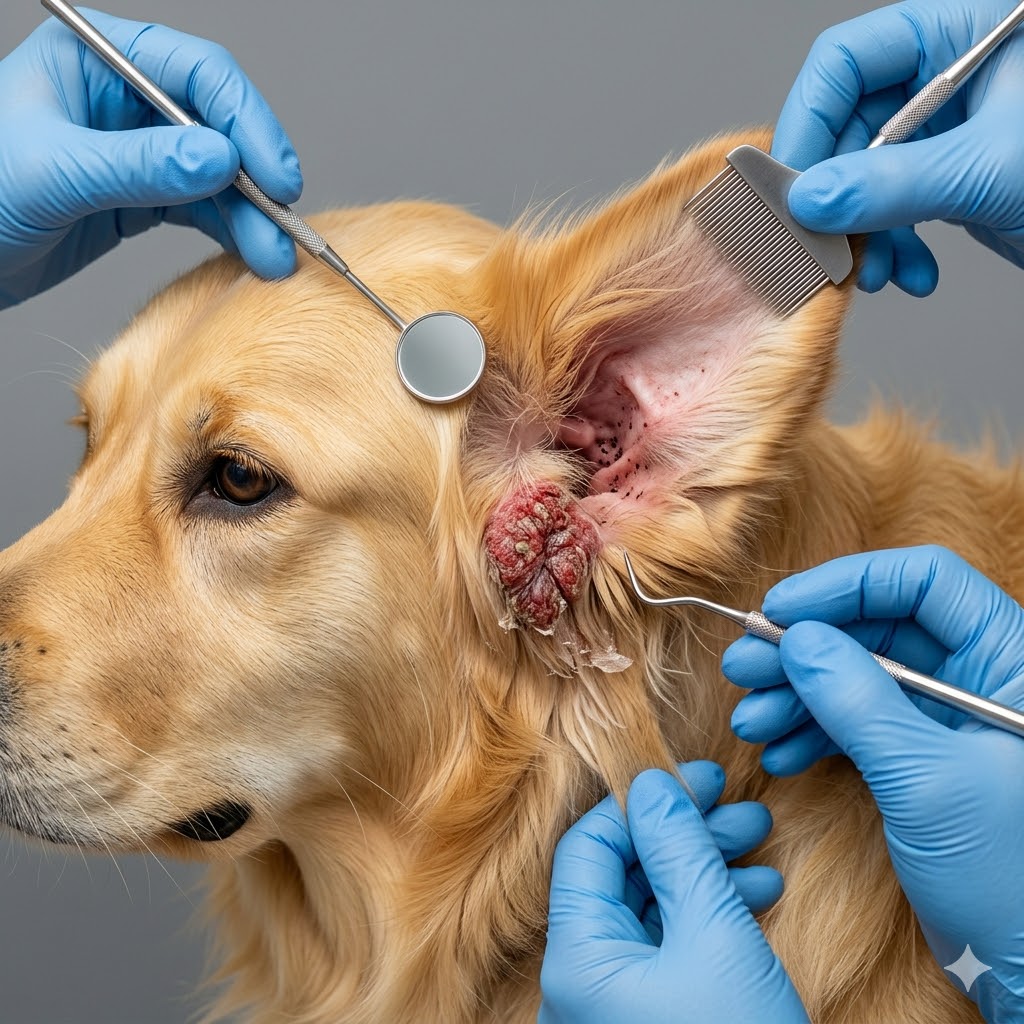
Inside ear visible
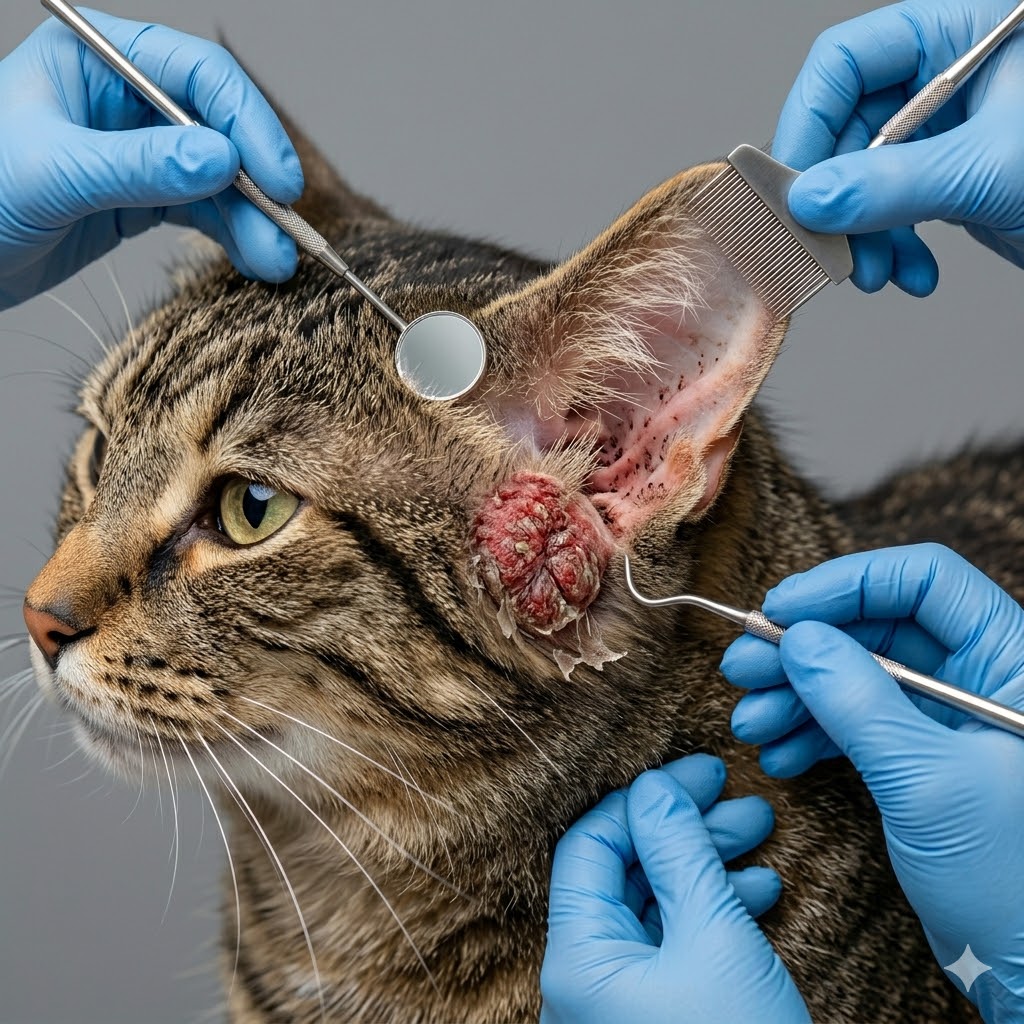
Well-lit, clear
Avoid

Outside only

Too dark
Tips for best results
- ✓Gently fold the ear flap back to expose the inner ear
- ✓Use natural daylight or a bright room
- ✓Hold your phone 10-15cm from the ear opening
- ✓Include any visible discharge or redness in the photo
How It Works — AI Ear Infection Checker

Step 1
Upload a Photo
Take a clear photo of the inside of your pet's ear. Gently fold the ear flap back so the canal is visible.

Step 2
AI Analyzes
Our AI examines the image for signs of ear infections, ear mites, yeast, discharge, and other abnormalities.

Step 3
Get Your Report
Receive a detailed health report with the condition, severity, possible causes, and recommended next steps.
Common Ear Conditions in Dogs and Cats
Is your dog shaking their head? Does your cat keep scratching their ears? Ear problems are one of the most common reasons for vet visits. Our AI can help you identify what's going on from a photo. Also try our eye infection checker or skin disease checker or view pricing plans.
Ear Mites in Dogs and Cats
Ear mites are tiny parasites that live inside the ear canal — and they're incredibly common, especially in cats. The telltale sign? Dark, crumbly discharge that looks like coffee grounds. Your pet will scratch their ears obsessively and shake their head. Ear mites in cats spread fast between animals, so if one pet has them, check everyone. Dog ear mites are less common but just as irritating. Ear mite treatment usually involves medicated drops, but getting the right diagnosis first is key.
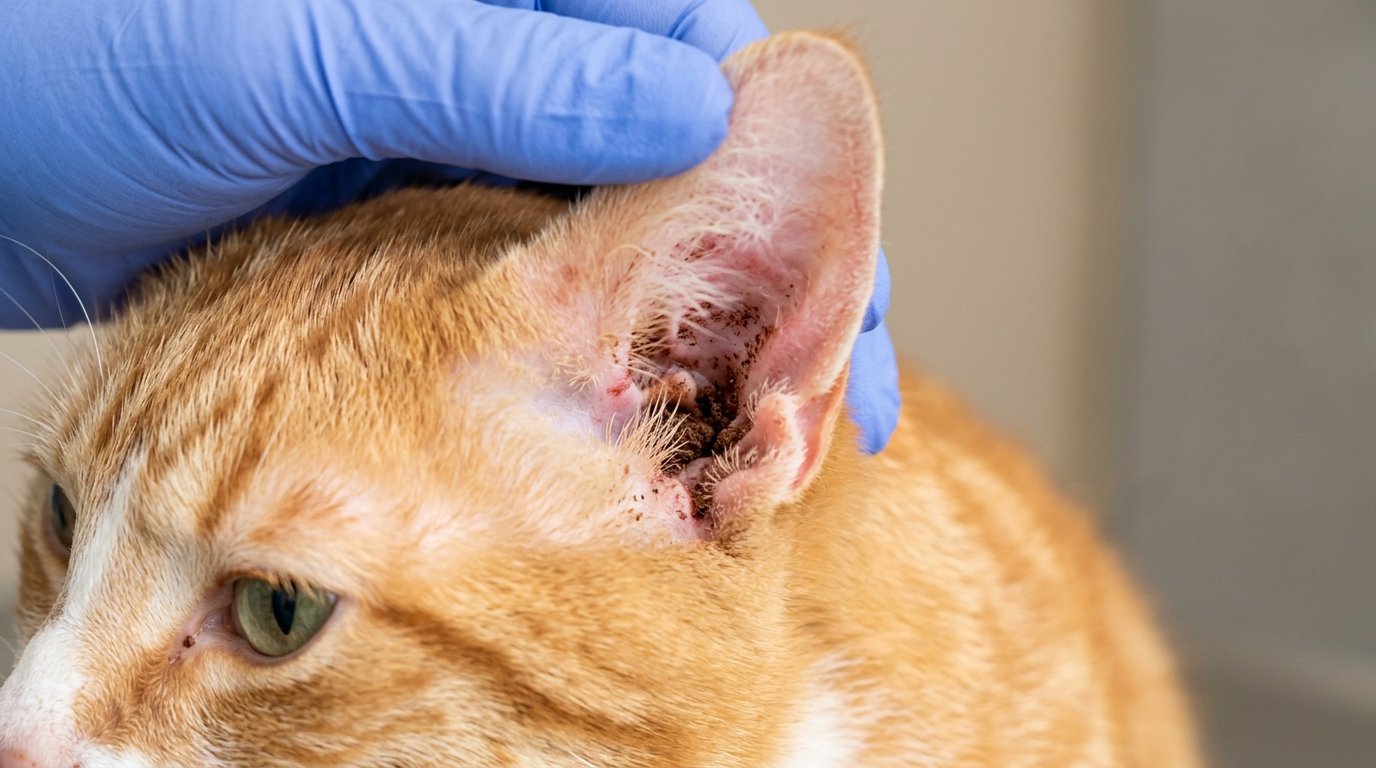
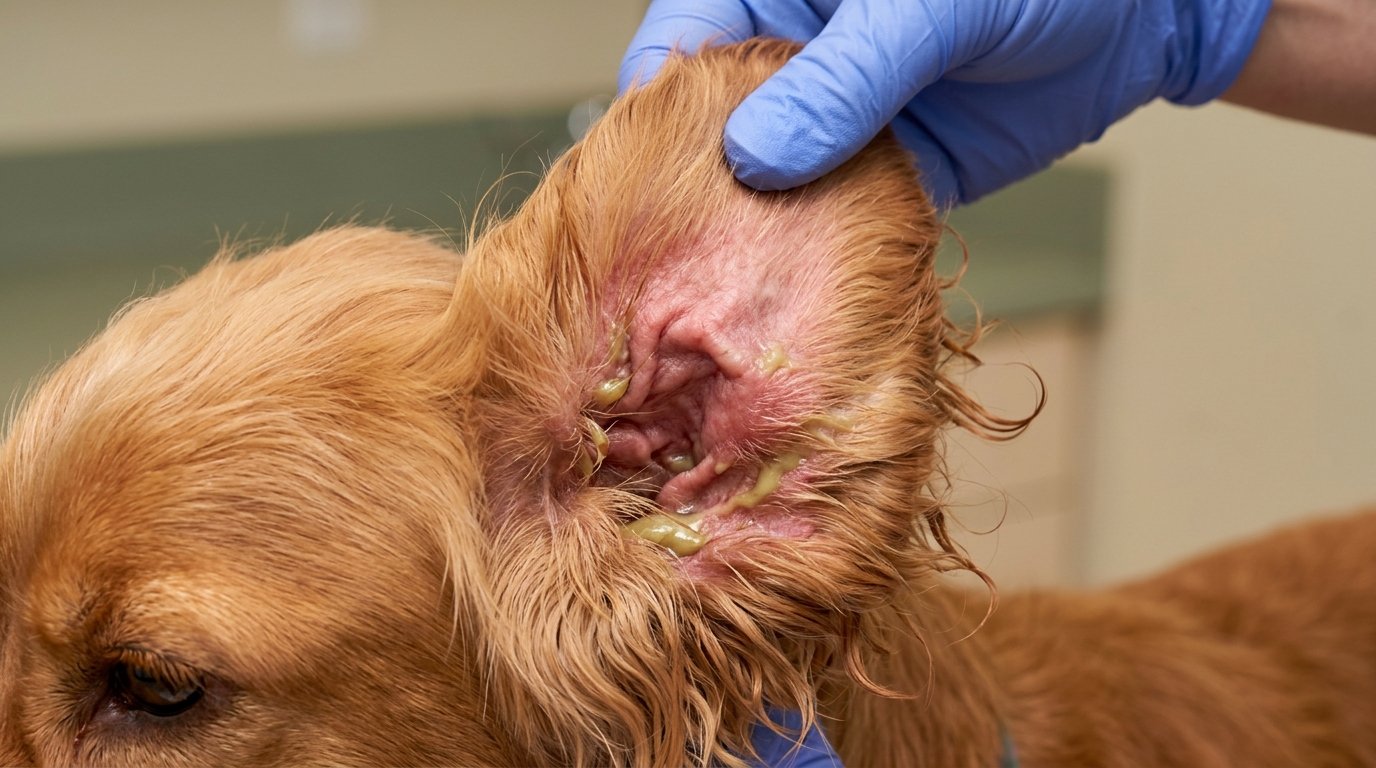
Bacterial Ear Infection (Otitis Externa)
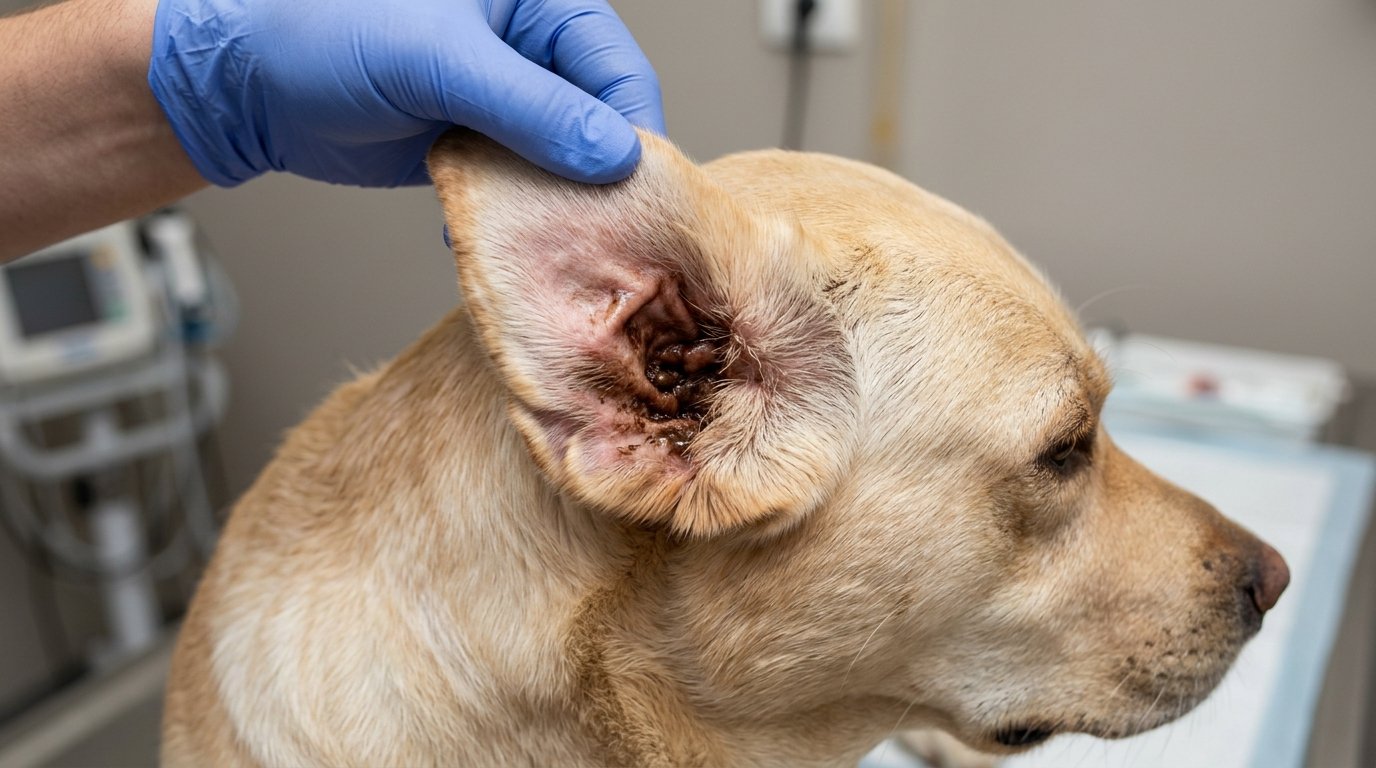
This is the classic dog ear infection — the one that makes their ears red, swollen, and smelly. Common dog ear infection symptoms include yellow or greenish discharge, a strong unpleasant odor, and your dog scratching their ear constantly. Your dog may cry when you touch their ear or tilt their head to one side. Breeds with floppy ears like Cocker Spaniels, Basset Hounds, and Labradors are especially prone. Cat ear infection symptoms are similar — watch for head tilting and discharge.
Yeast Ear Infection in Dogs
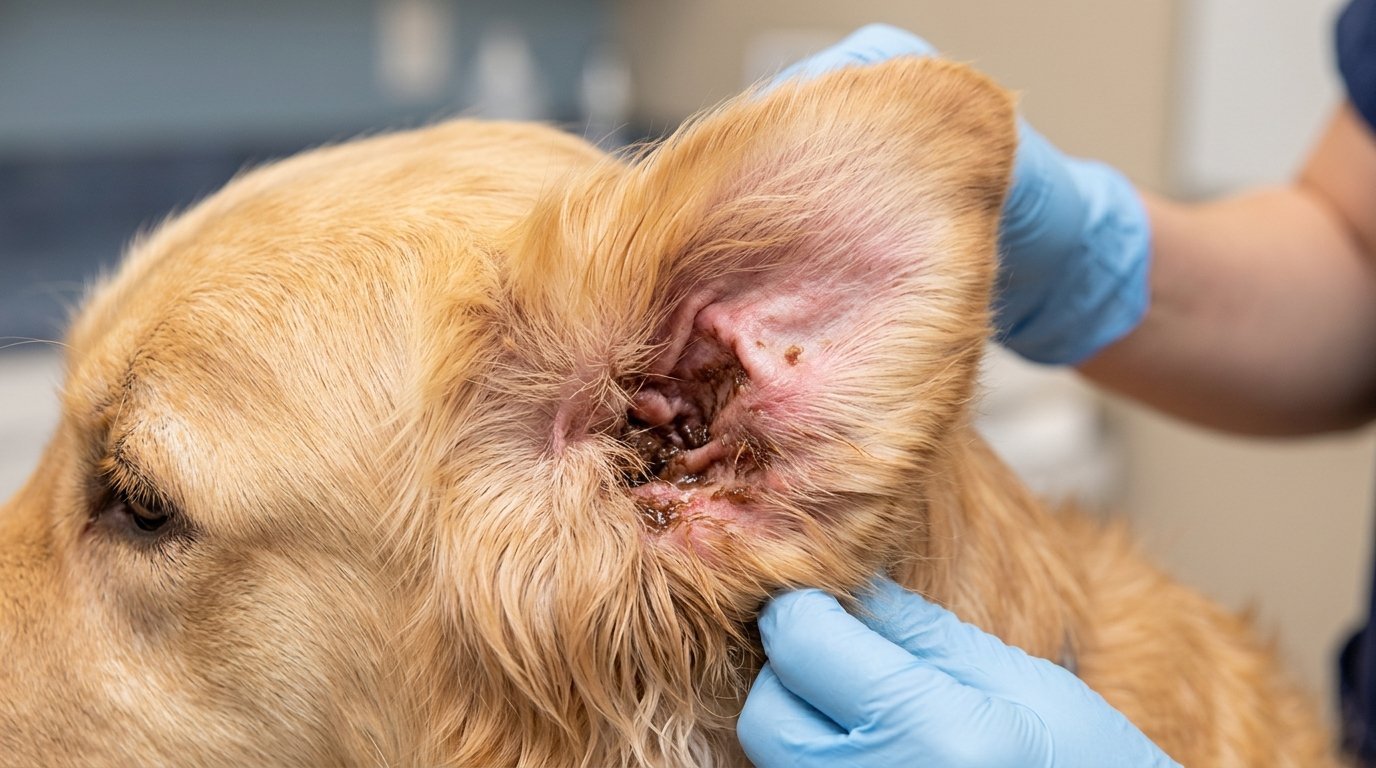
If your dogs ears smell musty and sweet, with brown waxy buildup, it's likely a yeast infection. A yeast infection in dogs ears is extremely itchy — your dog will scratch relentlessly and shake their head. They're often triggered by allergies, moisture (think swimming dogs), or a weakened immune system. Wondering about a dog ear infection home remedy? Gentle cleaning can help, but yeast infections usually need antifungal medication. Our AI can help tell yeast apart from bacterial infections.
Ear Discharge & Smell
Noticing something coming out of your dog's ears, or wondering why your dogs ears smell bad? Dog ear discharge comes in many forms — brown, black, yellow, or even bloody — and each color tells a different story. Checking the dog ear wax color can be revealing: dark brown crumbly discharge often means ear mites, brown waxy discharge points to yeast, and yellow or green suggests bacteria. Healthy dog ear wax should be light yellow or honey-colored. If the color or smell has changed, upload a photo.
Head Shaking & Ear Scratching
When a dog keeps shaking their head or you notice your dog scratching ear obsessively, it's almost always a sign of an ear problem. It could be an infection, ear mites, a foreign object like a grass seed, allergies, or water trapped after swimming. Dog keeps shaking head but ears are clean? It could be an inner ear issue. If the shaking is constant, especially combined with the dog ear red inside, discharge, or smell, don't wait — the scratching can cause hematomas (blood blisters on the ear flap).

Red & Inflamed Ears (Inner Ear Redness)
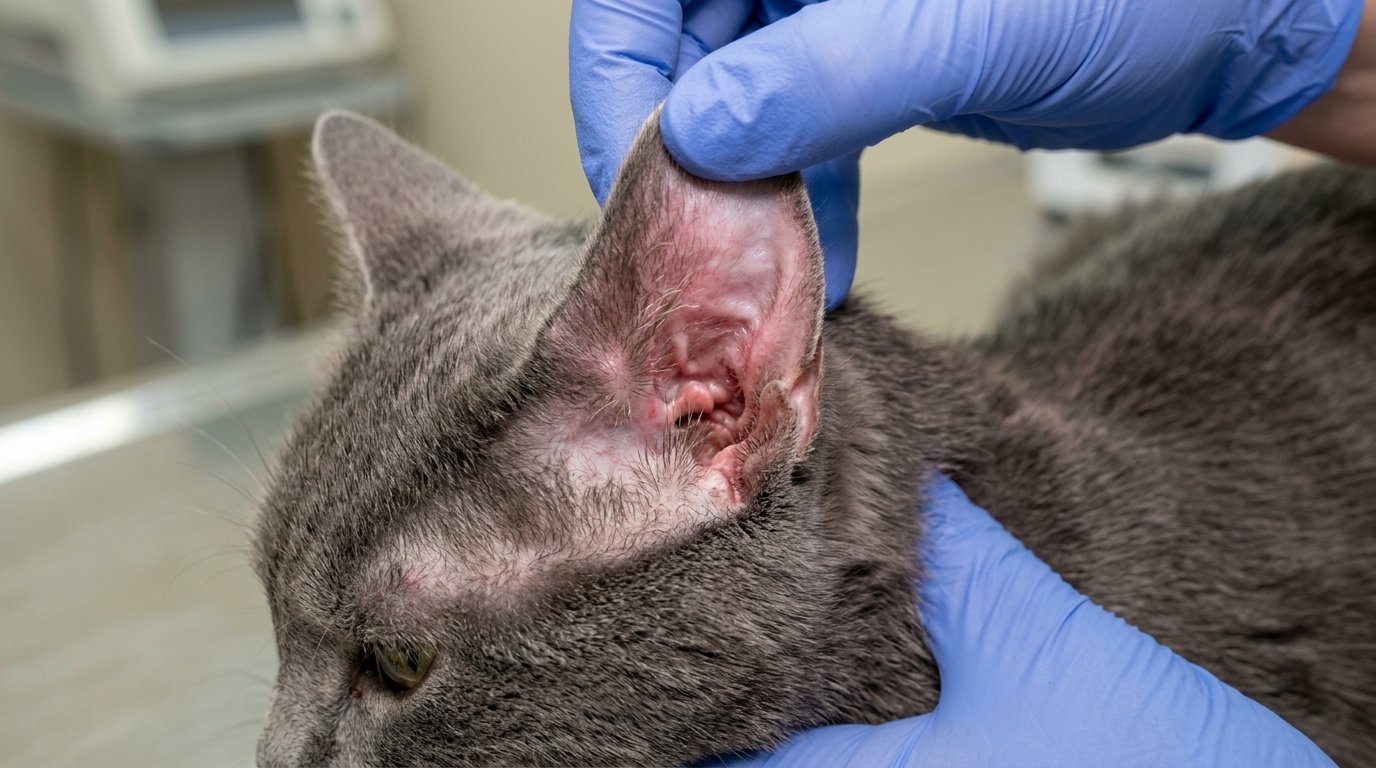
If the inside of your dog's ear is red and inflamed, it's a sign of irritation or infection. The redness might be mild (pinkish) or severe (deep red with swelling). Causes range from allergies and irritants to full-blown bacterial or yeast infections. In cats, red inner ears often accompany ear mites or allergic reactions. If you notice redness along with discharge, smell, or your pet showing discomfort, upload a photo to find out what might be causing it.
Concerned about your pet's ears?
Upload a photo now and get an AI-powered health report in seconds. The sooner you identify the problem, the faster your pet gets relief.
Start Ear Check Now →Medical Disclaimer
PawCheck provides AI-generated preliminary health analysis for informational and educational purposes only. This service is not intended to replace professional veterinary advice, diagnosis, or treatment. The AI analysis has inherent limitations and may not always be accurate. Always seek the advice of a qualified, licensed veterinarian with any questions regarding your pet's health. Never disregard professional veterinary advice or delay in seeking it because of information provided by this tool. If your pet is experiencing a medical emergency, contact your veterinarian or emergency animal hospital immediately. By using this service, you acknowledge and agree to these terms.
Frequently Asked Questions
What are the symptoms of a dog ear infection?
+
Common dog ear infection symptoms include redness inside the ear, brown or yellow discharge, bad smell, head shaking, ear scratching, swelling, and pain when the ear is touched. If your dog keeps shaking his head or scratching at one ear, it's worth checking for an infection.
How can I tell if my cat has ear mites?
+
Cat ear mites produce a dark, crumbly discharge that looks like coffee grounds. Your cat may scratch their ears excessively, shake their head, and you might notice a strong odor. Ear mites in cats are highly contagious — if one pet has them, check all your animals.
Why do my dog's ears smell bad?
+
A bad smell from your dog's ears usually signals an infection — either bacterial or yeast. Yeast infections tend to have a musty, sweet smell, while bacterial infections produce a more pungent odor. Brown or black discharge along with the smell is a strong indicator. Upload a photo for a quick AI assessment.
What does brown discharge in a dog's ear mean?
+
Brown ear discharge in dogs can indicate a yeast infection, bacterial infection, or ear mites. Dark brown or black crumbly discharge often points to ear mites, while brown waxy or oily discharge is more typical of yeast infections. The color and consistency help distinguish the cause.
Dog ear infection: yeast or bacterial — how do I tell the difference?
+
Yeast ear infections typically have a sweet, musty smell with brown waxy discharge. Bacterial ear infections tend to have a stronger, more unpleasant odor with yellow or green discharge. Yeast infections are itchy, while bacterial infections can be more painful. Our AI can help analyze the visual signs from a photo.
Can I treat my dog's ear infection at home?
+
Mild ear infections may respond to gentle cleaning with a vet-approved ear cleaner. However, most ear infections require proper diagnosis and medication (antibiotics or antifungals). Home remedies can sometimes make things worse. We recommend using our AI checker first, then consulting your vet for treatment.
Why does my dog keep shaking his head and scratching his ear?
+
Persistent head shaking and ear scratching almost always indicate an ear problem — infection, ear mites, a foreign object, or allergies. If your dog keeps shaking their head, especially combined with redness, discharge, or smell, there's likely an underlying condition that needs attention.
What do ear mites look like in dogs and cats?
+
Ear mites themselves are tiny white specks barely visible to the naked eye. What you'll actually see is their effect: dark, crumbly discharge resembling coffee grounds inside the ear. The ear may also look red and inflamed. Ear mites are extremely common in cats and can spread to dogs.