Why Do My Dog's Ears Smell Bad? 7 Causes and What to Do
Dogs ears smell bad for a reason. Learn the 7 most common causes of smelly dog ears, what the smell and discharge color mean, and when you need a vet.
Published 2026-04-14
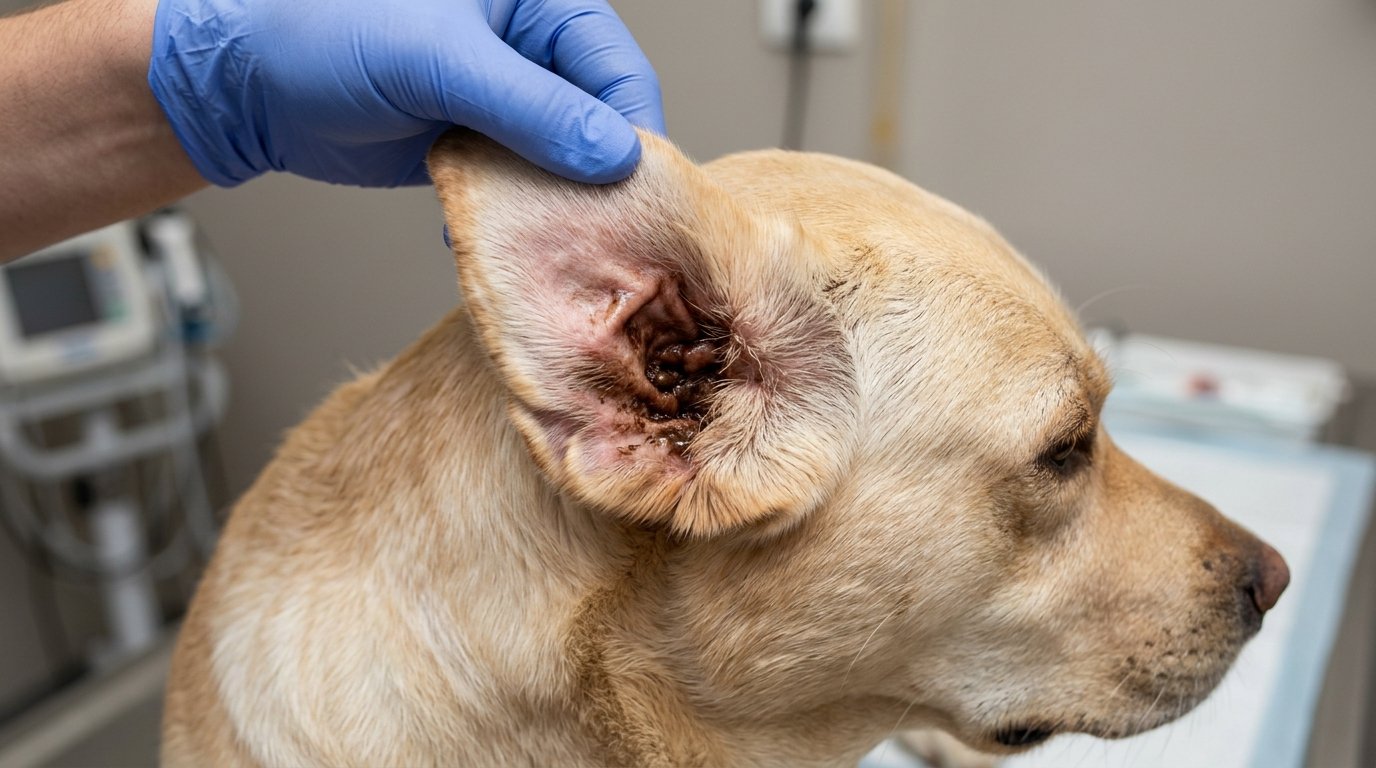
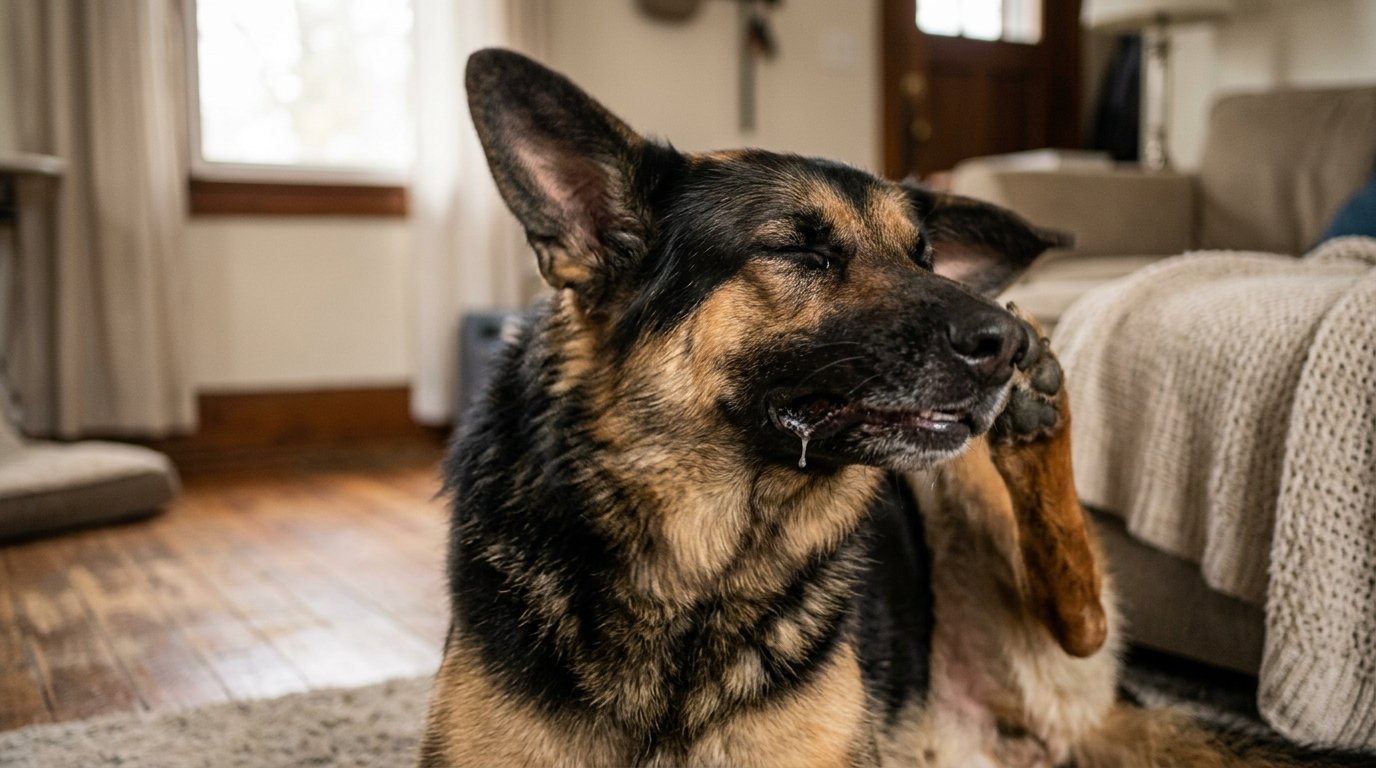
You lean in to pet your dog and get hit with a smell you can't ignore — something funky coming from their ears. If your dogs ears smell bad, it's not just unpleasant — it's your dog's body telling you something is wrong. Healthy dog ears have little to no odor. When they start to smell, there's almost always an underlying cause that needs attention.
7 Reasons Your Dog's Ears Smell Bad
1. Yeast Infection
This is the number one reason why dogs ears smell. A dog ear yeast infection produces a distinctive musty, sweet, almost cheese-like odor — some owners say their dogs ears smell like cheese or corn chips. You'll typically see brown, waxy buildup inside the ear canal. Yeast loves warm, moist environments, which is why floppy-eared dogs and dogs who swim frequently are most at risk. If the yeast infection in your dog's ears keeps coming back, allergies are often the underlying trigger.
2. Bacterial Ear Infection
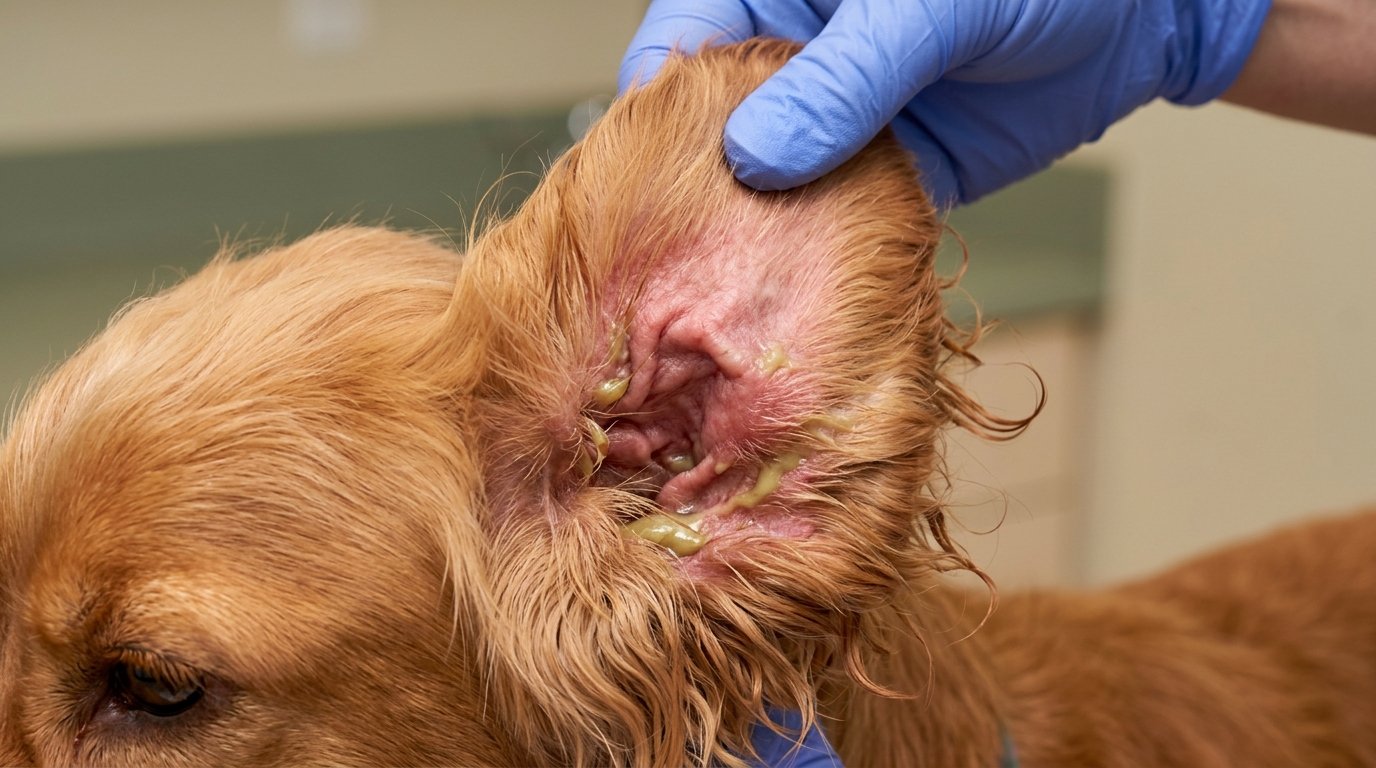
A bacterial dog ear infection has a stronger, more pungent smell than yeast — you'll know it when you smell it. The discharge is usually yellow or greenish and may be thicker. Your dog may also show signs of pain, tilting their head to one side, or whimpering when you touch the ear. What does a dog ear infection smell like? Think rotten or sour — distinctly different from the musty yeast smell.
3. Ear Mites
Ear mites in dogs cause a dark, crumbly discharge that looks like coffee grounds and has a distinct odor. While more common in cats, dogs can get them too — especially puppies or dogs living with infected cats. Along with the smell, you'll notice your dog scratching their ears obsessively and shaking their head.
4. Excessive Ear Wax
Some dogs naturally produce more ear wax than others. Checking the dog ear wax color can tell you a lot: healthy ear wax is light yellow or honey-colored with minimal smell. Dark brown or black ear wax, especially with a strong odor, suggests infection. If you're wondering what the normal color of dog ear wax should be, think light and clean — anything darker warrants a closer look.
5. Moisture Trapped in the Ear
If your dog swims, gets bathed frequently, or even plays in the rain, water can get trapped in the ear canal. This warm, damp environment is a breeding ground for bacteria and yeast. This is why dogs ears often smell worse in summer or after water activities. Always dry your dog's ears thoroughly after they get wet.
6. Allergies
Allergies — whether food allergies, environmental allergens, or contact allergies — are one of the most overlooked causes of smelly dog ears. Allergies cause inflammation in the ear canal, which disrupts the normal environment and allows bacteria and yeast to overgrow. If your dog has recurring ear infections, allergies are very likely the root cause.
7. Foreign Object
Occasionally, a grass seed, foxtail, or other debris can get lodged in your dog's ear. This causes irritation, infection, and — eventually — a bad smell. Your dog will usually shake their head violently and scratch at one ear specifically. This needs veterinary attention to remove safely.
What the Discharge Color Tells You
The color and consistency of dog ear discharge is a big clue to what's going on:
- ✓Light yellow — normal ear wax, usually nothing to worry about
- ✓Brown, waxy — likely a yeast infection
- ✓Dark brown/black, crumbly — likely ear mites
- ✓Yellow-green, thick — likely a bacterial infection
- ✓Bloody or reddish — could be injury, severe infection, or a foreign object
If you notice brown discharge from your dog's ear combined with a bad smell, it's worth getting checked. You can upload a photo to our AI ear checker for an instant assessment of the discharge color and type.
What to Do About Smelly Dog Ears
- ✓Inspect the ear — gently fold back the ear flap and look inside. Note the color, smell, and any discharge.
- ✓Clean gently — use a vet-approved ear cleaner (not water, not alcohol). Squeeze it in, massage the base of the ear, let your dog shake, then wipe with cotton.
- ✓Don't use cotton swabs — you can push debris deeper and damage the ear canal.
- ✓Dry after water — always dry your dog's ears thoroughly after swimming or bathing.
- ✓Take a photo — upload it to our AI ear infection checker for a quick analysis before deciding whether to see the vet.
When to See a Vet
- ✓The smell is strong and persistent despite cleaning
- ✓You see yellow, green, or bloody discharge
- ✓Your dog is in pain, tilting their head, or won't let you touch the ear
- ✓Symptoms have lasted more than 2-3 days
- ✓Your dog gets recurring ear infections (more than 2-3 per year)
- ✓You suspect a foreign object is stuck in the ear
Recurring smelly ears almost always have an underlying cause — usually allergies. Your vet can help identify and treat the root issue, not just the symptoms.
Concerned About Your Dog's Ears?
Upload a photo of the inside of your dog's ear and get an instant AI health assessment. Detect infections, ear mites, and more.
Disclaimer: This article is for informational purposes only and is not a substitute for professional veterinary advice. Always consult a licensed veterinarian for diagnosis and treatment of your pet's health conditions.