Why Is My Cat Vomiting? — AI Vomit Photo Checker
Upload a photo of your cat's vomit and get an instant AI health report. Identify white foam, yellow bile, blood, hairballs, and other vomit types to understand what's wrong with your cat.
Drop your pet's photo here
or
✅JPG, PNG, WEBP
📏Max 8MB
This tool provides AI-generated preliminary analysis only. Not a substitute for professional veterinary diagnosis.
📸 Photo Guide
Good photos
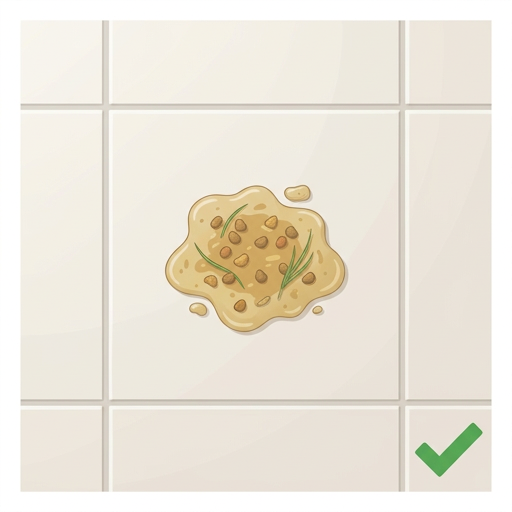
Clear & well-lit
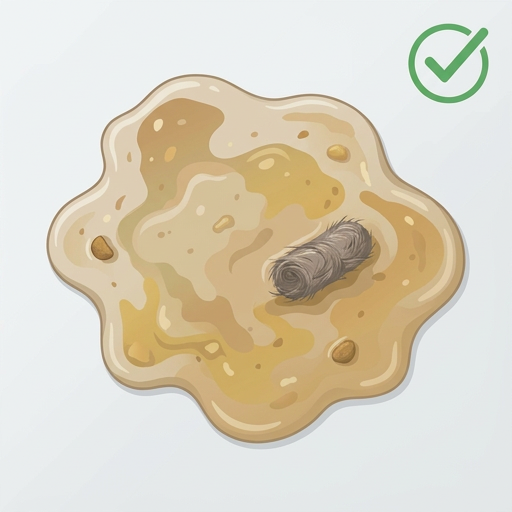
Shows full area
Avoid
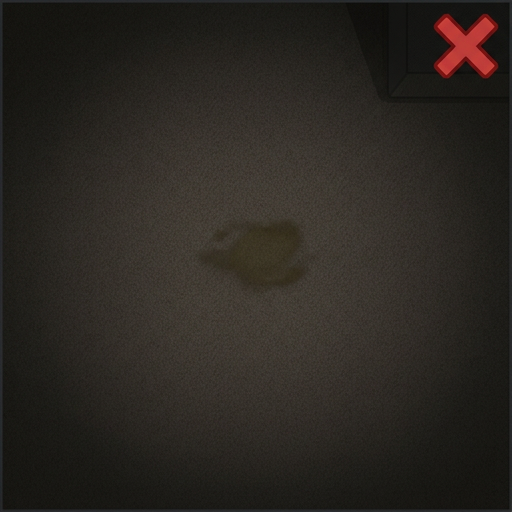
Too dark or blurry
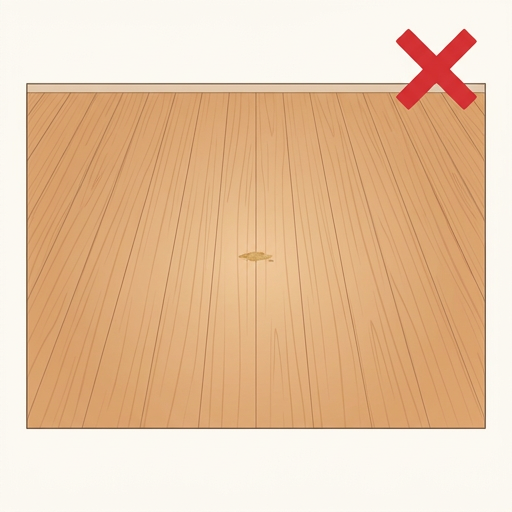
Too far away
Tips for best results
- ✓Take the photo in good lighting — natural light is best
- ✓Get close enough to show color and texture clearly
- ✓Include the entire vomit area in the frame
- ✓Avoid shadows covering the vomit
- ✓If there are visible contents (hair, food), make sure they're in focus
How It Works — AI Cat Vomit Checker
Step 1
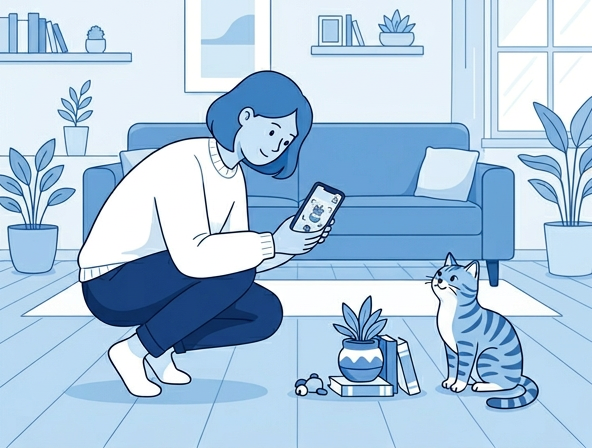
Upload a Photo
Take a clear photo of your cat's vomit. Make sure the image shows the color, texture, and any visible contents like hairballs or food.
Step 2
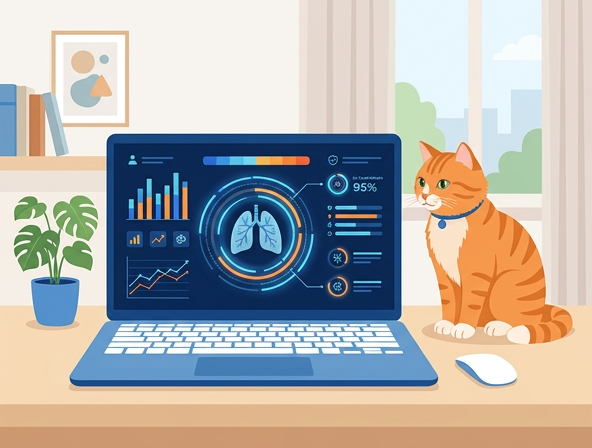
AI Analyzes
Our AI examines the vomit color, consistency, and contents to identify potential causes — from harmless hairballs to conditions that need veterinary attention.

Step 3
Get Report
Receive a detailed health report with the identified vomit type, possible causes, severity assessment, and recommended next steps.
Common Types of Cat Vomit
Is your cat throwing up? The appearance of your cat's vomit can reveal important health information. Here are the most common types of cat vomit and what they may indicate. Also try our dog vomit checker or eye infection checker or skin disease checker.
White Foam or Frothy Vomit in Cats
Cat vomiting white foam is one of the most common types. The white, frothy substance is a mix of stomach acid and mucus, usually occurring when the stomach is empty. Common causes include going too long between meals, mild gastritis, or indigestion. While occasional white foam vomit is typically not serious, frequent episodes — especially with cat vomiting foam repeatedly — may indicate inflammatory bowel disease (IBD), pancreatitis, or other chronic digestive conditions that warrant veterinary attention.


Yellow Bile Vomit in Cats
When your cat's vomit is yellow, it's typically bile — a digestive fluid produced by the liver. Cat vomiting yellow liquid usually happens when the stomach is empty, often in the early morning. This is known as bilious vomiting syndrome. Cats vomit is yellow when they haven't eaten for an extended period, causing bile to irritate the stomach lining. Feeding smaller, more frequent meals can often resolve this issue. Persistent yellow vomiting may point to liver problems, gallbladder issues, or intestinal inflammation.
Hairball Vomit in Cats
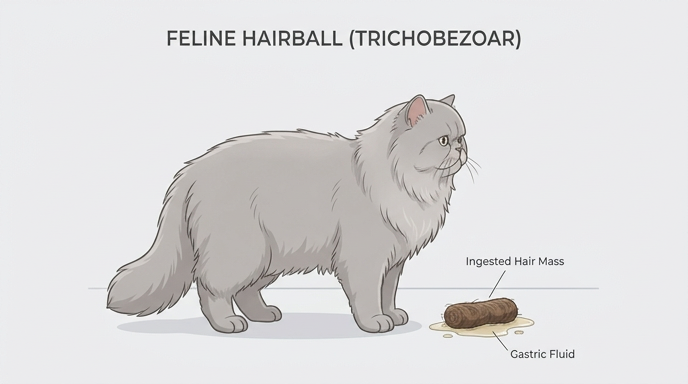
Cat vomit furball is extremely common, especially in long-haired breeds. Hairball vomit typically appears as a tubular mass of compressed hair, often surrounded by clear liquid or bile. Cats ingest hair during grooming, and while most passes through the digestive system, some accumulates in the stomach and is eventually vomited up. Regular brushing, hairball-formula food, and fiber supplements can help reduce frequency. If your cat is frequently gagging without producing hairballs, or seems unable to pass them, consult your vet.
Blood in Cat Vomit
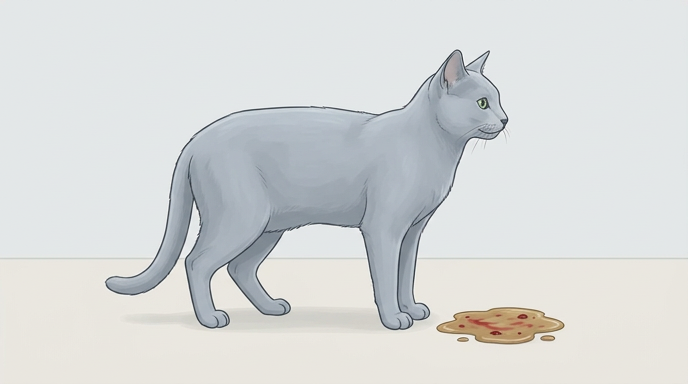
Cat vomiting blood is a serious symptom that requires prompt veterinary attention. Fresh blood appears bright red, while digested blood looks like dark brown or black coffee grounds. Causes of blood in cat vomit include stomach ulcers, ingestion of sharp objects or toxic substances, severe gastritis, clotting disorders, or internal injuries. Even small amounts of blood in vomit should not be ignored. If your cat is vomiting blood, especially in large amounts or repeatedly, seek emergency veterinary care immediately.
Undigested Food Vomit in Cats
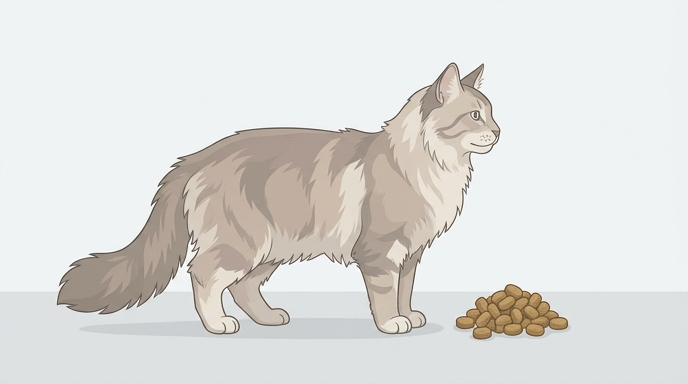
Cat vomits after eating undigested food — this is technically regurgitation rather than true vomiting. The food comes up looking much the same as when it went down, often in a tubular shape. Common causes include eating too quickly, overeating, sudden food changes, food sensitivity, or esophageal issues. Slow-feeder bowls and puzzle feeders can help cats who eat too fast. If your cat consistently vomits undigested food, it could indicate food allergies, megaesophagus, or gastrointestinal obstruction.
Clear Liquid or Foam Vomit in Cats
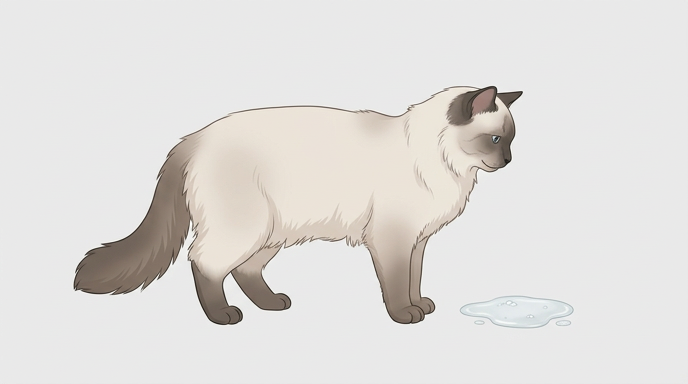
Cat vomiting clear liquid is usually water or gastric fluid and may indicate nausea, drinking too much water too quickly, or mild stomach upset. Clear vomit can also appear before a cat brings up a hairball or other stomach contents. While occasional clear liquid vomiting is usually harmless, persistent episodes — especially combined with loss of appetite, lethargy, or other symptoms — could signal kidney disease, hyperthyroidism, or diabetes, all of which are common in older cats.
Concerned about your cat's vomiting?
Upload a photo now and get an AI-powered analysis of your cat's vomit in seconds. Understand what the color, texture, and contents mean for your cat's health.
Check Cat Vomit Now →Medical Disclaimer
PawCheck provides AI-generated preliminary health analysis for informational and educational purposes only. This service is not intended to replace professional veterinary advice, diagnosis, or treatment. The AI analysis has inherent limitations and may not always be accurate. Always seek the advice of a qualified, licensed veterinarian with any questions regarding your pet's health. Never disregard professional veterinary advice or delay in seeking it because of information provided by this tool. If your pet is experiencing a medical emergency, contact your veterinarian or emergency animal hospital immediately. By using this service, you acknowledge and agree to these terms.
Frequently Asked Questions
When should I be concerned with my cat throwing up?
+
You should be concerned if your cat is vomiting blood, vomiting repeatedly for more than 24 hours, showing signs of dehydration (dry gums, lethargy), refusing food and water, or if the vomiting is accompanied by diarrhea, weight loss, or behavioral changes. Kittens and senior cats are especially vulnerable — seek veterinary care immediately if vomiting persists.
Why is my cat vomiting white foam?
+
Cat vomiting white foam or frothy vomit is usually caused by an empty stomach — the foam is a mix of stomach acid and mucus. Common causes include going too long between meals, eating too fast, hairballs, mild stomach irritation, or gastritis. While occasional white foam vomit is usually not serious, frequent episodes may indicate inflammatory bowel disease (IBD) or other digestive issues that require veterinary attention.
What does the color of my cat's vomit mean?
+
Cat vomit color can indicate different issues: white foam usually means an empty stomach; yellow or bile-colored vomit suggests the stomach is empty and bile is being expelled; clear liquid may indicate water regurgitation or mild nausea; green vomit can mean your cat ate grass or plant material; brown vomit may contain digested blood or food; and red or pink vomit with blood is a serious sign requiring immediate veterinary care. Use our AI vomit photo checker for instant analysis.
My cat keeps throwing up but seems fine — what should I do?
+
If your cat keeps vomiting but appears otherwise healthy (eating, drinking, active), it could be due to hairballs, eating too fast, food sensitivity, or mild stomach irritation. Try feeding smaller, more frequent meals, use a slow-feeder bowl, and brush your cat regularly to reduce hairball formation. However, if vomiting occurs more than once or twice a week, or continues for more than a few days, consult your vet — chronic vomiting in cats can indicate underlying conditions even when they seem fine.
Why is my cat vomiting yellow liquid?
+
Yellow vomit in cats is usually bile — a digestive fluid produced by the liver. This typically happens when a cat vomits on an empty stomach, often in the early morning. Common causes include going too long without eating, bilious vomiting syndrome, gastritis, or intestinal blockage. Try feeding a small meal before bedtime to prevent morning bile vomiting. If yellow vomiting is frequent, see your vet to rule out liver or gallbladder problems.
Can I treat my cat's vomiting at home?
+
For occasional, mild vomiting, you can withhold food for 12 hours (but always provide water), then gradually reintroduce a bland diet like boiled chicken. Make sure your cat stays hydrated. However, do NOT attempt home treatment if your cat is vomiting blood, is lethargic, has a fever, is a kitten, or has been vomiting for more than 24 hours. Always consult your veterinarian before giving any medication — many human medications are toxic to cats.
What causes a cat to suddenly start throwing up?
+
Sudden vomiting in cats can be triggered by eating too fast, hairballs, dietary changes, food allergies or intolerance, ingesting toxic plants or substances, infections, intestinal parasites, or stress. In some cases, sudden vomiting can indicate more serious conditions like kidney disease, pancreatitis, or intestinal obstruction. If the vomiting is sudden and severe, or if your cat ate something potentially toxic, seek veterinary care immediately.
Why does my cat vomit after eating?
+
Cat vomiting after eating is commonly caused by eating too quickly (regurgitation of undigested food), overeating, sudden food changes, food allergies, or sensitivity to certain ingredients. Some cats may have conditions like megaesophagus or gastric issues. Try feeding smaller portions more frequently, using a puzzle feeder or slow-feed bowl, and transitioning between foods gradually over 7-10 days. If your cat consistently vomits after eating, consult your vet to rule out food allergies or gastrointestinal disorders.
More AI Pet Health Checks
Eye Infection Checker
Detect dog eye infection, cat eye problems, conjunctivitis, corneal ulcers, and cataracts.

Skin Disease Checker
Detect dog skin infection, cat skin problems, dermatitis, hot spots, and ringworm.

Dog Ear Infection Checker
Detect dog ear infection, ear mites, yeast infections, and ear discharge with AI photo analysis.
Cat Ear Mites Checker
Detect cat ear mites, ear infections, yeast infections, and ear discharge with AI photo analysis.

Dog Vomit Checker
Dog vomiting when to worry? Analyze white foam, yellow bile, blood, and undigested food with AI.
🐾
View All Tools
Explore all AI pet health check tools