Dog Vomiting: When to Worry — AI Vomit Photo Checker
Upload a photo of your dog's vomit and get an instant AI health report. Analyze white foam, yellow bile, blood, undigested food, and other vomit types to know when to see a vet.
Drop your pet's photo here
or
✅JPG, PNG, WEBP
📏Max 8MB
This tool provides AI-generated preliminary analysis only. Not a substitute for professional veterinary diagnosis.
📸 Photo Guide
Good photos
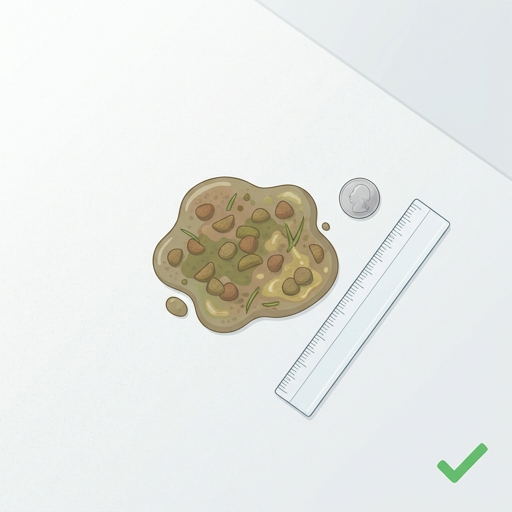
Clear & well-lit
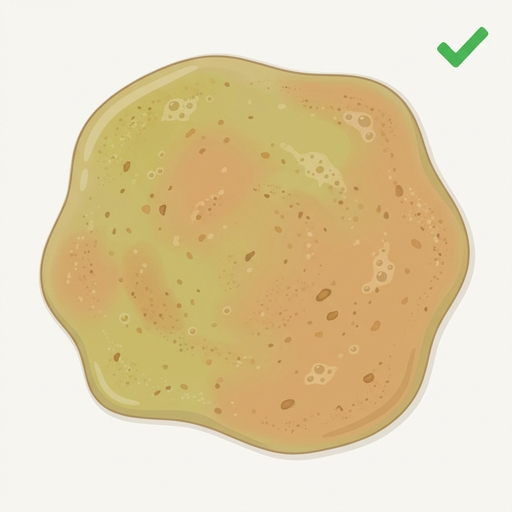
Shows full area
Avoid

Too dark or blurry

Too far away
Tips for best results
- ✓Take the photo in good lighting — natural light is best
- ✓Get close enough to show color and texture clearly
- ✓Include the entire vomit area in the frame
- ✓Avoid shadows covering the vomit
- ✓If there are visible contents (food, grass, foam), make sure they're in focus
How It Works — AI Dog Vomit Checker
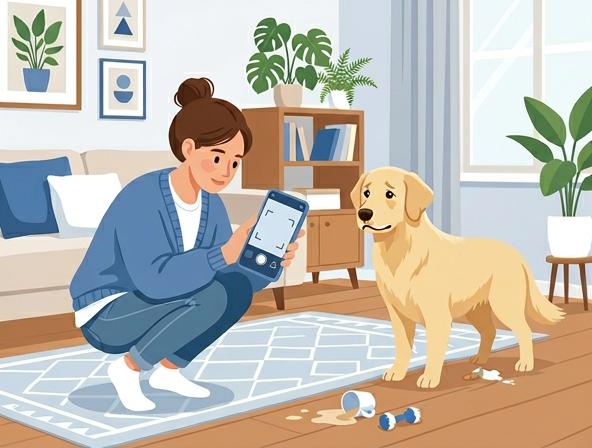
Step 1
Upload a Photo
Take a clear photo of your dog's vomit. Make sure the image shows the color, texture, and any visible contents like food or foam.

Step 2
AI Analyzes
Our AI examines the vomit color, consistency, and contents to identify potential causes — from mild stomach upset to conditions requiring veterinary attention.

Step 3
Get Report
Receive a detailed health report with the identified vomit type, possible causes, severity assessment, and recommended next steps.
Common Types of Dog Vomit
Is your dog throwing up? The appearance of your dog's vomit can tell you a lot about what's going on. Here are the most common types of dog vomit and what they may indicate. Also try our cat vomit checker or eye infection checker or skin disease checker.
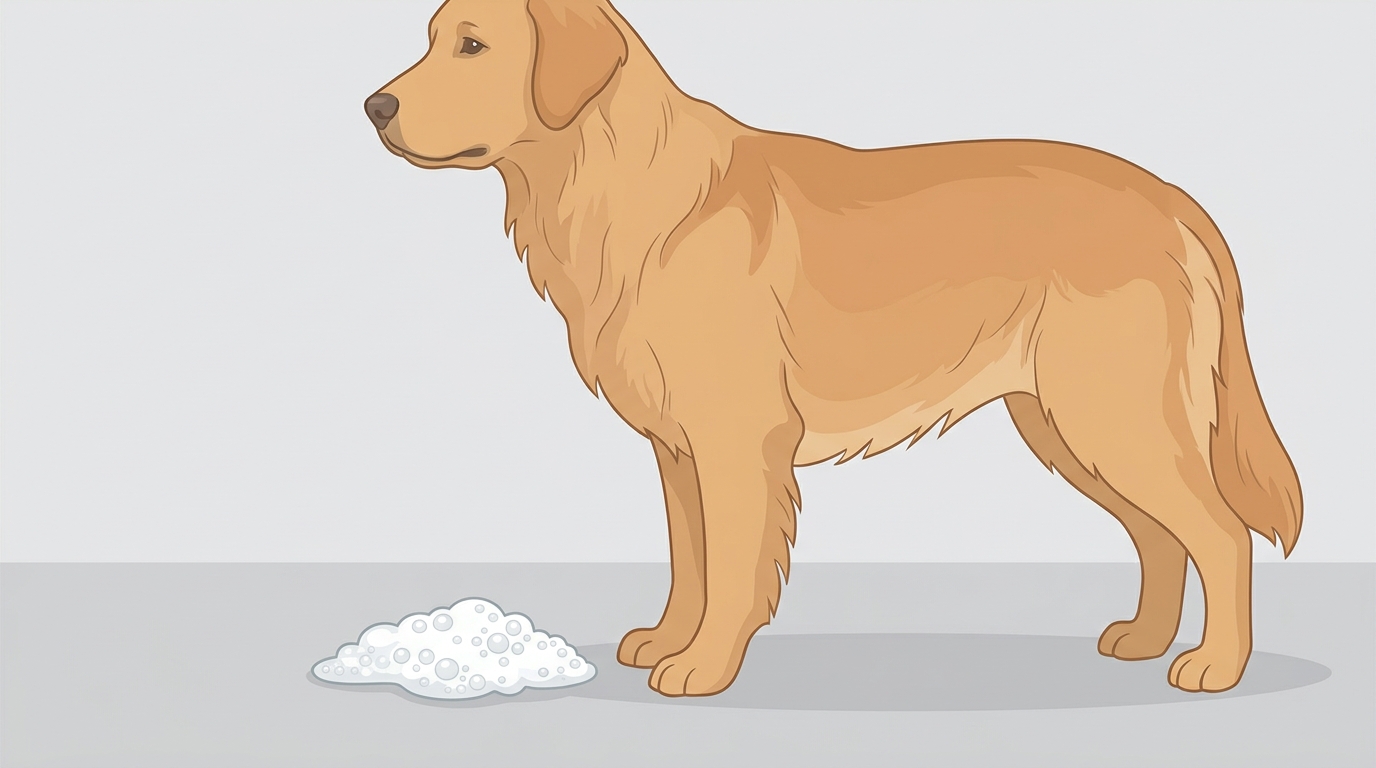
White Foam Vomit in Dogs
Dog vomiting white foam is a very common occurrence. The white, foamy substance is a combination of stomach acid and mucus that forms when the stomach is empty. Causes include indigestion, eating grass, acid reflux, kennel cough, or going too long between meals. While occasional white foam vomit is usually not alarming, persistent white foam vomiting combined with retching, restlessness, or a swollen abdomen could indicate bloat (gastric dilatation-volvulus or GDV) — a life-threatening emergency requiring immediate veterinary care.
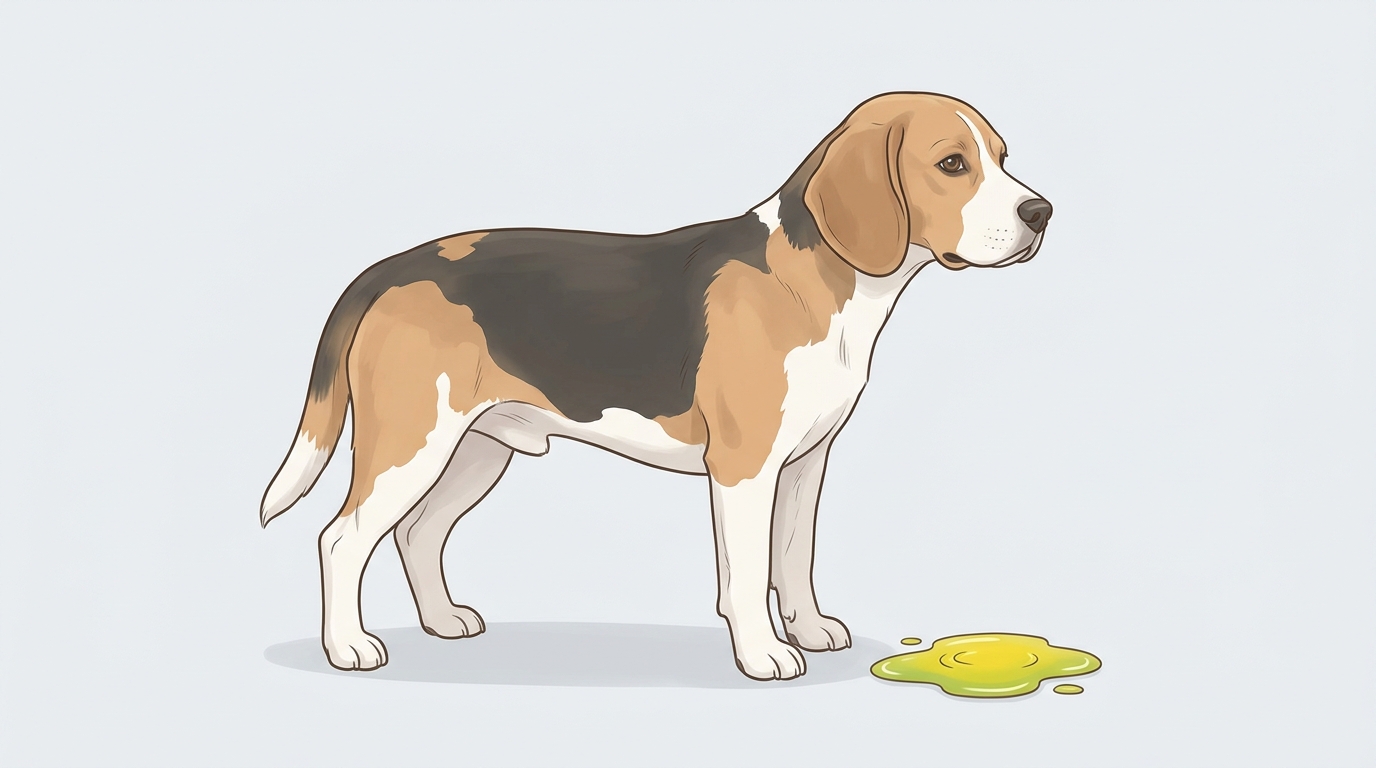
Yellow Bile or Yellow Vomit in Dogs
Dog vomiting yellow bile is one of the most frequently searched concerns among pet owners. The yellow or greenish liquid is bile — a digestive fluid produced by the liver. Dog vomiting yellow typically occurs on an empty stomach, often in the early morning or late evening. This is called bilious vomiting syndrome. Dog vomiting yellow bile and not eating can indicate gastritis, pancreatitis, or intestinal blockage. Feeding smaller, more frequent meals throughout the day can help prevent bilious vomiting. Persistent yellow vomiting warrants a veterinary checkup.
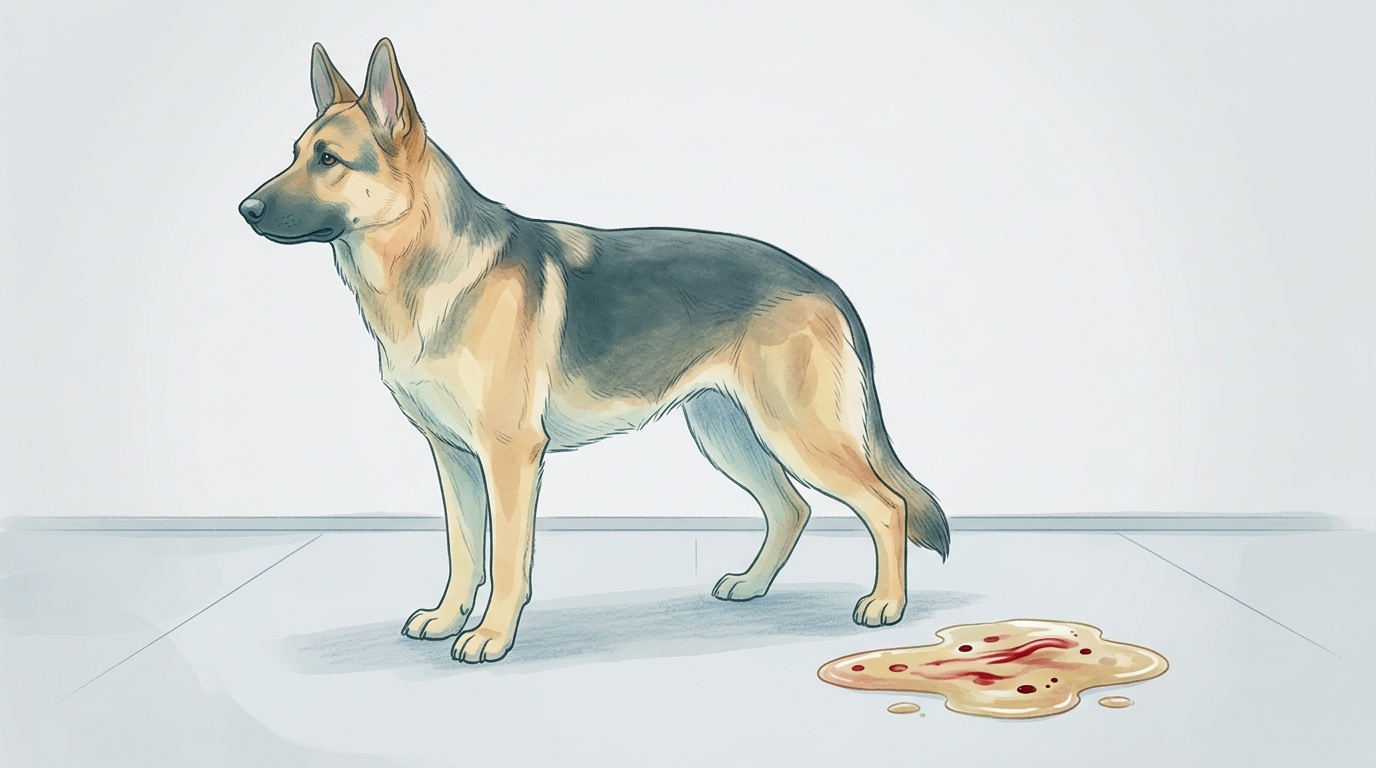
Blood in Dog Vomit
Dog vomiting blood is a serious symptom that requires immediate veterinary attention. Fresh blood in vomit appears bright red (hematemesis), while digested blood looks like dark brown or black coffee grounds. Common causes include stomach ulcers, ingestion of toxic substances or sharp objects, severe gastritis, rat poison ingestion, parvovirus, or internal injuries. Blood in dog vomit — even in small amounts — should never be ignored. If your dog is vomiting blood, especially with lethargy or pale gums, treat it as an emergency.

Vomiting with Diarrhea in Dogs
Dog vomiting and diarrhea occurring together is a common combination that can range from mild dietary indiscretion to serious illness. Dog loose stool and vomiting is often caused by eating something they shouldn't have (garbage, table scraps, foreign objects), viral infections like parvovirus, bacterial infections, parasites, or sudden diet changes. While dog vomiting and diarrhea but acting normal may resolve on its own, this combination can cause rapid dehydration — especially in puppies or small dogs. If symptoms persist beyond 24 hours or worsen, seek veterinary care promptly.
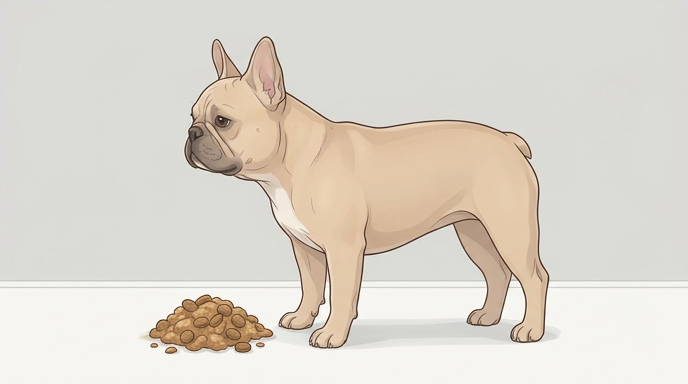
Undigested Food Vomit in Dogs
Dog vomiting undigested food shortly after eating is technically regurgitation — the food comes back up before reaching the stomach. It often looks much the same as when eaten. Common causes include eating too fast, overeating, excitement during or after meals, food sensitivity, or esophageal disorders. Dog vomiting after eating can be managed with slow-feeder bowls, elevated food dishes, and feeding smaller portions more frequently. If your dog consistently regurgitates meals, consult your vet to rule out megaesophagus or gastrointestinal obstruction.
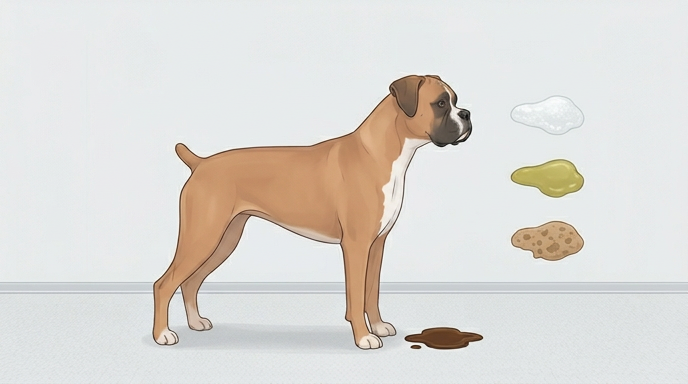
Brown or Dark Vomit in Dogs
Dog vomit brown in color can have several causes. Light brown vomit usually contains partially digested food or kibble — relatively normal after eating. However, dark brown or black vomit (resembling coffee grounds) may indicate digested blood from the upper gastrointestinal tract, which is a serious concern. Dogs that eat dirt, feces, or decomposing material may also produce brown vomit. Dog vomit color chart analysis can help distinguish between harmless and dangerous causes. If the brown vomit is very dark, has a foul smell, or recurs frequently, see your veterinarian to rule out internal bleeding or intestinal blockage.
Worried about your dog's vomiting?
Upload a photo now and get an AI-powered analysis of your dog's vomit in seconds. Understand what the color, texture, and contents mean — and know when to see the vet.
Check Dog Vomit Now →Medical Disclaimer
PawCheck provides AI-generated preliminary health analysis for informational and educational purposes only. This service is not intended to replace professional veterinary advice, diagnosis, or treatment. The AI analysis has inherent limitations and may not always be accurate. Always seek the advice of a qualified, licensed veterinarian with any questions regarding your pet's health. Never disregard professional veterinary advice or delay in seeking it because of information provided by this tool. If your pet is experiencing a medical emergency, contact your veterinarian or emergency animal hospital immediately. By using this service, you acknowledge and agree to these terms.
Frequently Asked Questions
When should I worry if my dog is throwing up?
+
You should worry if your dog is vomiting blood, vomiting repeatedly for more than 24 hours, showing signs of dehydration, has a bloated or painful abdomen, is lethargic or unresponsive, or if the vomiting is accompanied by diarrhea. Puppies, senior dogs, and dogs with existing health conditions are at higher risk. If your dog may have eaten something toxic or a foreign object, seek emergency veterinary care immediately.
Why is my dog vomiting yellow bile?
+
Dog vomiting yellow bile typically occurs when the stomach is empty. The yellow liquid is bile — a digestive fluid from the liver and gallbladder. This commonly happens in the early morning or late at night when your dog hasn't eaten for a while. It's known as bilious vomiting syndrome. Try feeding a small meal before bedtime and another first thing in the morning. If yellow bile vomiting persists despite regular feeding, consult your vet to rule out gastritis, pancreatitis, or intestinal issues.
What does the color of my dog's vomit mean?
+
Dog vomit color is an important diagnostic clue: yellow or green vomit indicates bile from an empty stomach; white foam suggests stomach acid and mucus buildup; brown vomit may contain partially digested food or could indicate intestinal blockage; red or pink vomit with blood is a serious emergency; dark brown or black vomit (coffee-ground appearance) may indicate digested blood from the upper GI tract. Upload a photo to our AI vomit checker for instant analysis of your dog's vomit color and texture.
Can I treat my dog's vomiting at home?
+
For mild, occasional vomiting, you can withhold food for 12-24 hours while keeping water available. Then gradually reintroduce a bland diet — boiled chicken and rice in small portions. Ensure your dog stays hydrated with small amounts of water or ice chips. However, do NOT try home treatment if your dog is vomiting blood, is a puppy, is lethargic, has abdominal pain, or has been vomiting for more than 24 hours. Never give human medications without veterinary guidance — ibuprofen and acetaminophen are toxic to dogs.
Why is my dog vomiting white foam?
+
Dog vomiting white foam is usually caused by a buildup of stomach acid and mucus when the stomach is empty. Common causes include indigestion, eating grass, kennel cough, bloat (GDV), or acid reflux. While occasional white foam is usually harmless, persistent white foam vomiting or white foam accompanied by retching, restlessness, or a swollen belly could indicate bloat — a life-threatening emergency that requires immediate veterinary attention.
My dog is vomiting and has diarrhea but acting normal — what should I do?
+
If your dog has both vomiting and diarrhea but seems otherwise normal (still eating, drinking, and active), it's likely a mild gastrointestinal upset from dietary indiscretion — eating something they shouldn't have. Withhold food for 12 hours, then feed a bland diet. Keep your dog hydrated. However, monitor closely for worsening symptoms. If vomiting and diarrhea persist beyond 24 hours, if stools contain blood, or if your dog becomes lethargic, see your vet — concurrent vomiting and diarrhea can lead to rapid dehydration.
What to give a dog for upset stomach and vomiting?
+
For a mild upset stomach, you can offer a bland diet of boiled chicken (no skin or bones) and white rice in small portions. Plain canned pumpkin (not pumpkin pie filling) can help settle the stomach. Bone broth without onion or garlic is also soothing. Keep your dog hydrated with small, frequent sips of water. Some vets may recommend Pepcid (famotidine) for acid reflux, but always consult your veterinarian before giving any medication. Avoid giving human anti-nausea medications without vet approval.
How many times should a dog throw up before going to the vet?
+
A single episode of vomiting is usually not cause for alarm if your dog is otherwise healthy. However, seek veterinary care if your dog vomits more than 2-3 times in a day, vomits repeatedly over multiple days, vomits blood or has projectile vomiting, shows other symptoms like lethargy or diarrhea, or if a puppy or senior dog vomits even once with additional symptoms. When in doubt, it's always safer to call your vet — early intervention can prevent more serious complications.
More AI Pet Health Checks
Eye Infection Checker
Detect dog eye infection, cat eye problems, conjunctivitis, corneal ulcers, and cataracts.

Skin Disease Checker
Detect dog skin infection, cat skin problems, dermatitis, hot spots, and ringworm.

Dog Ear Infection Checker
Detect dog ear infection, ear mites, yeast infections, and ear discharge with AI photo analysis.
Cat Ear Mites Checker
Detect cat ear mites, ear infections, yeast infections, and ear discharge with AI photo analysis.
Cat Vomit Checker
Why is my cat vomiting? Analyze white foam, yellow bile, blood, hairballs, and more with AI.
🐾
View All Tools
Explore all AI pet health check tools