Dog Ear Infection & Ear Mites Checker — AI Photo Analysis
Upload a photo of your dog's ear and get an instant AI health report. Detect ear infections, yeast infections, ear mites, discharge, and other ear conditions in seconds.
Drop your pet's photo here
or
✅JPG, PNG, WEBP
📏Max 8MB
This tool provides AI-generated preliminary analysis only. Not a substitute for professional veterinary diagnosis.
📸 Photo Guide
Good photos
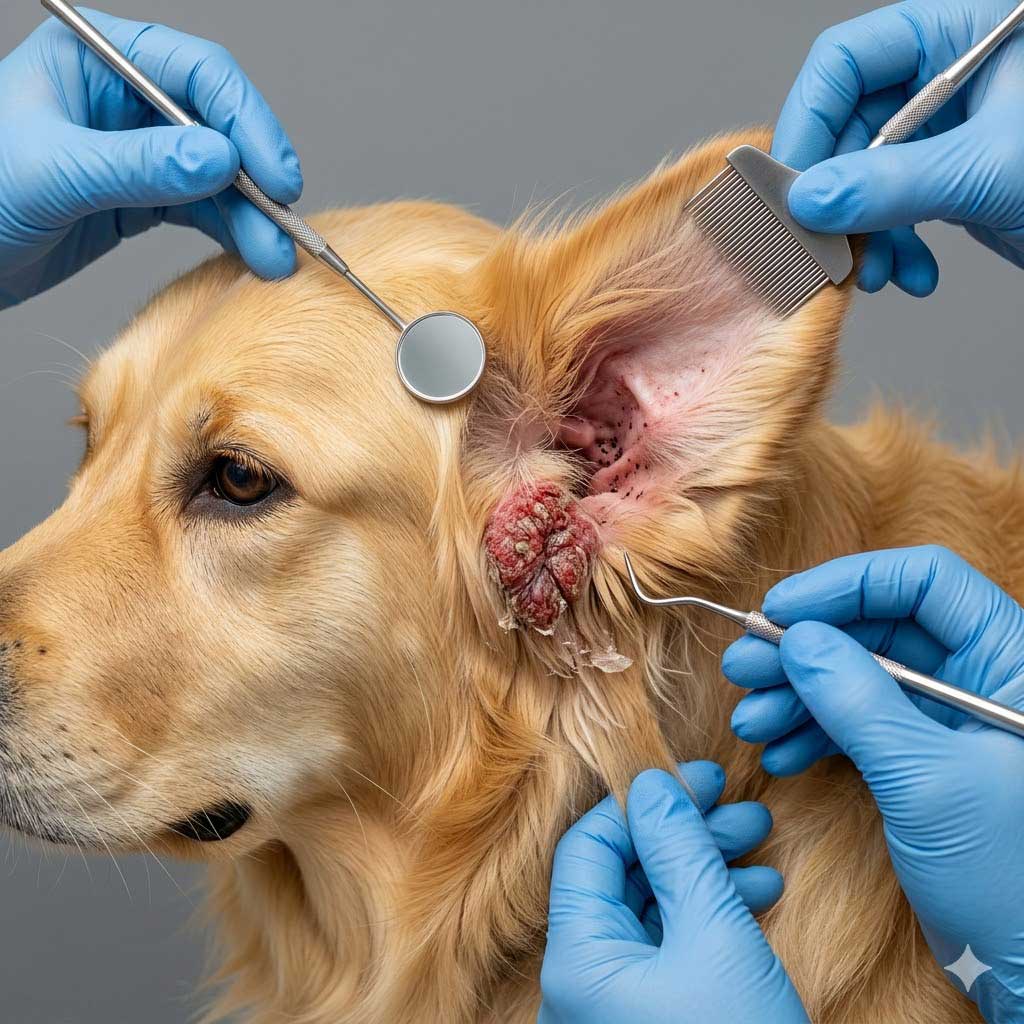
Inside ear visible
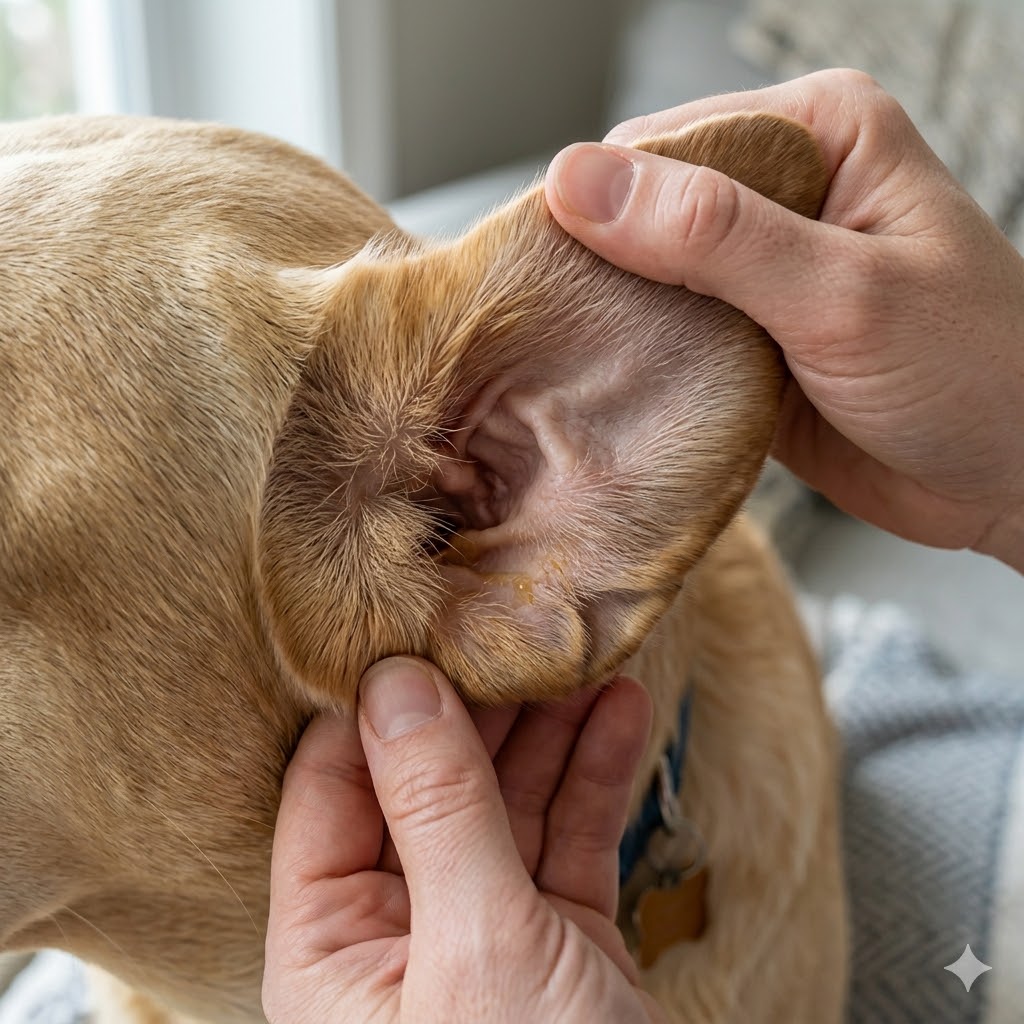
Well-lit, clear
Avoid
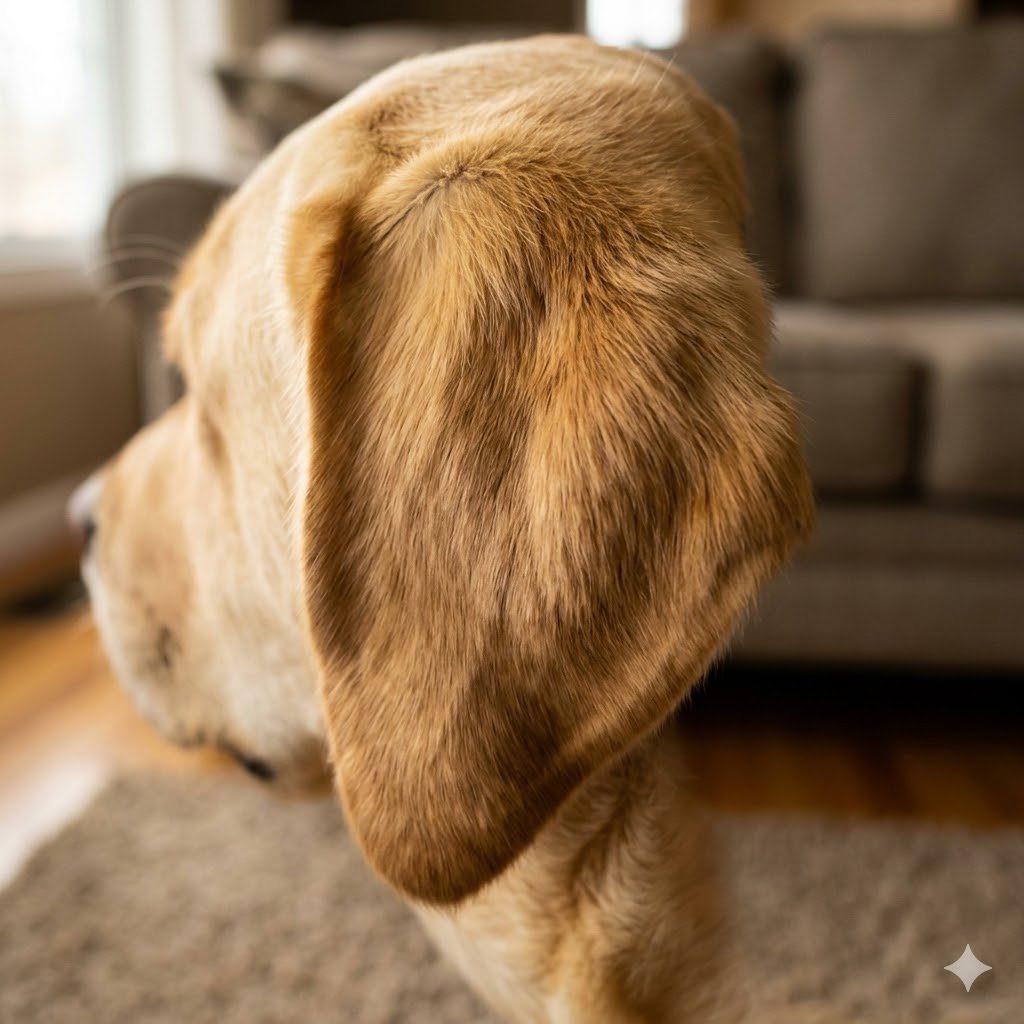
Outside only
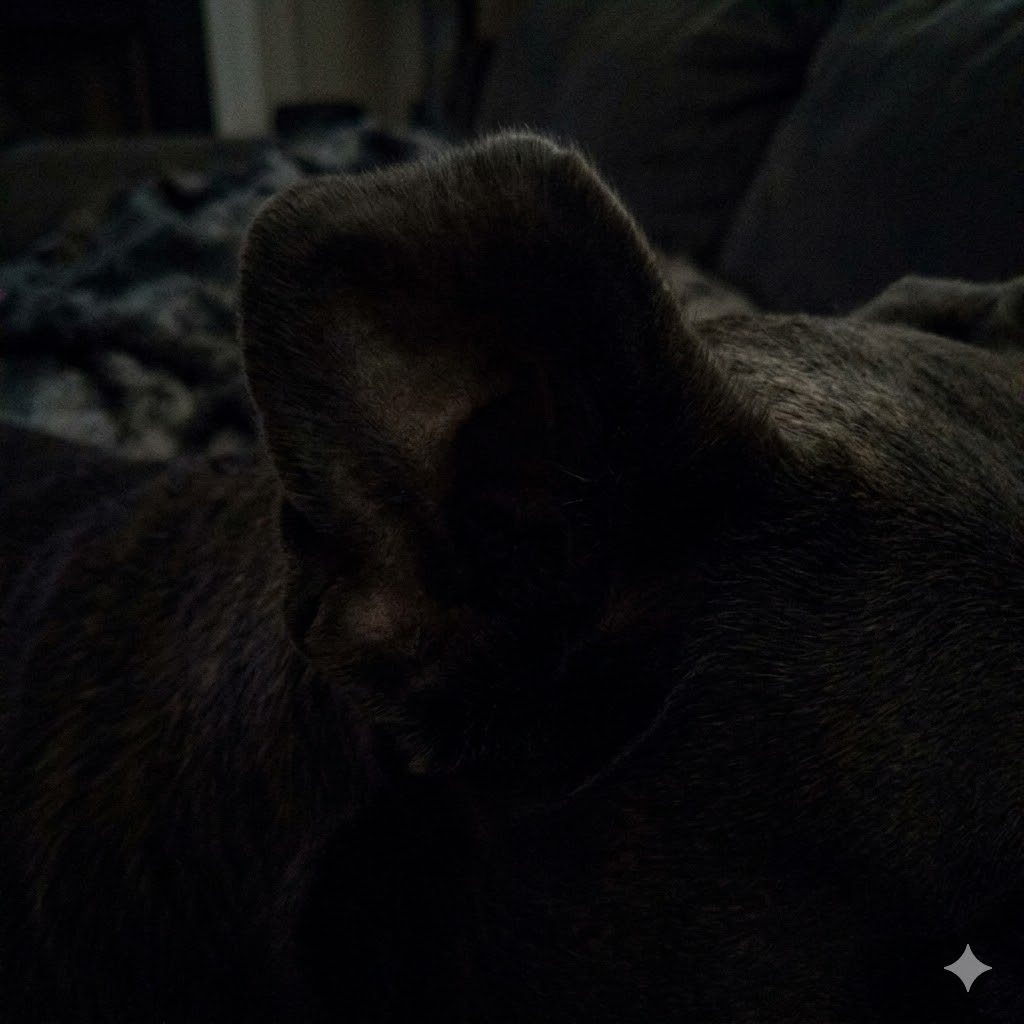
Too dark
Tips for best results
- ✓Gently fold the ear flap back to expose the inner ear
- ✓Use natural daylight or a bright room
- ✓Hold your phone 10-15cm from the ear opening
- ✓Include any visible discharge or redness in the photo
How It Works — AI Dog Ear Infection Checker

Step 1
Upload a Photo
Take a clear photo of the inside of your dog's ear. Gently fold the ear flap back so the canal is visible.
Step 2
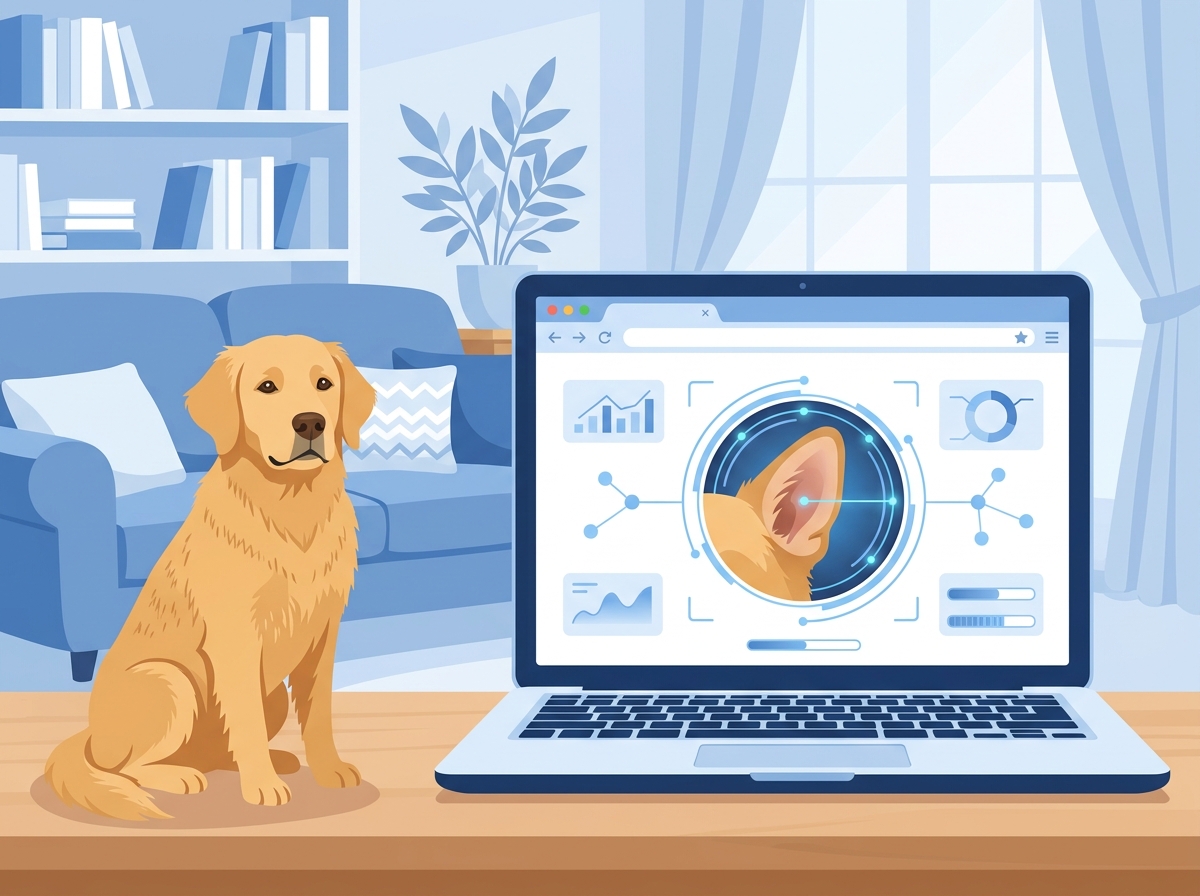
AI Analyzes
Our AI examines the image for signs of bacterial infections, yeast infections, ear mites, discharge, and other abnormalities.
Step 3
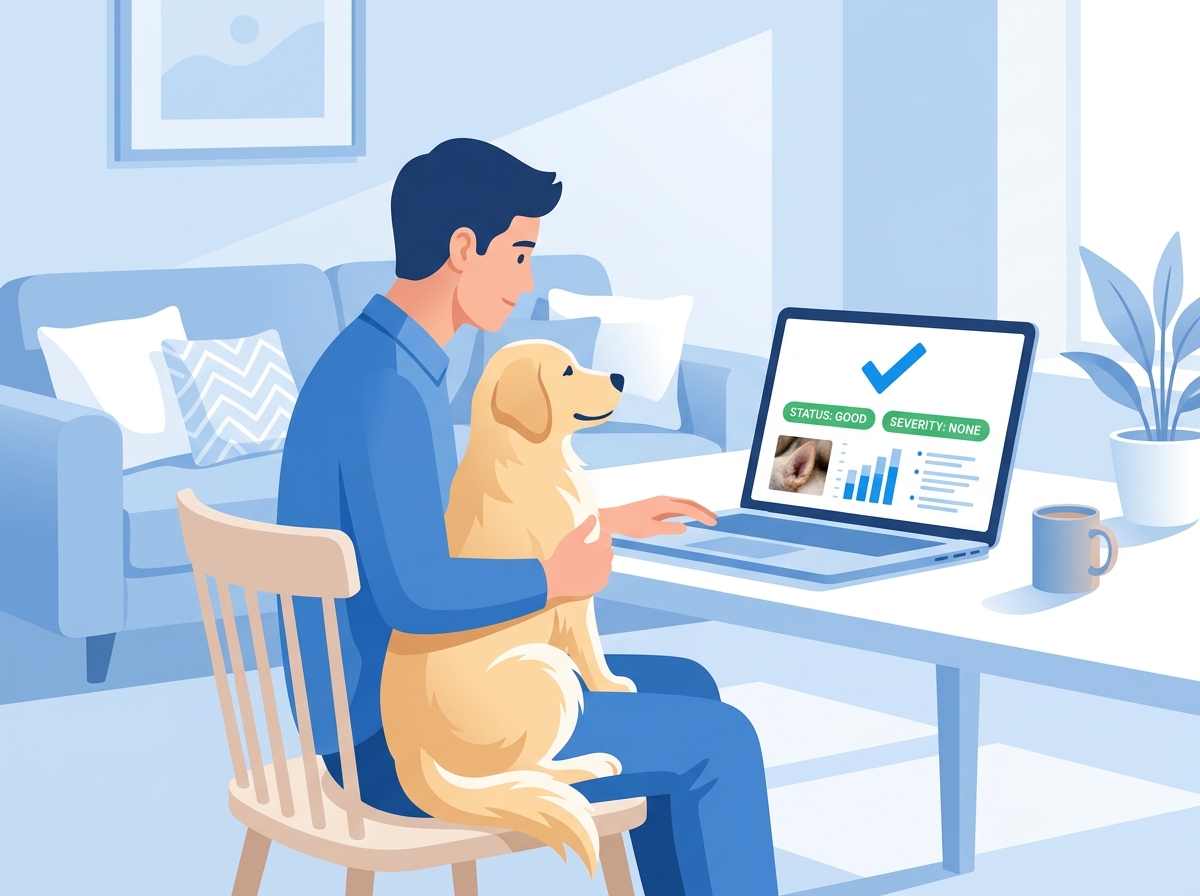
Get Your Report
Receive a detailed health report with the condition, severity, possible causes, and recommended next steps.
Common Dog Ear Conditions
Is your dog shaking their head or scratching their ears? Dog ear problems are one of the top reasons for vet visits. Here are the most common conditions our AI can help identify. Also try our cat ear checker or dog vomit checker or skin disease checker.
Bacterial Ear Infection in Dogs (Otitis Externa)
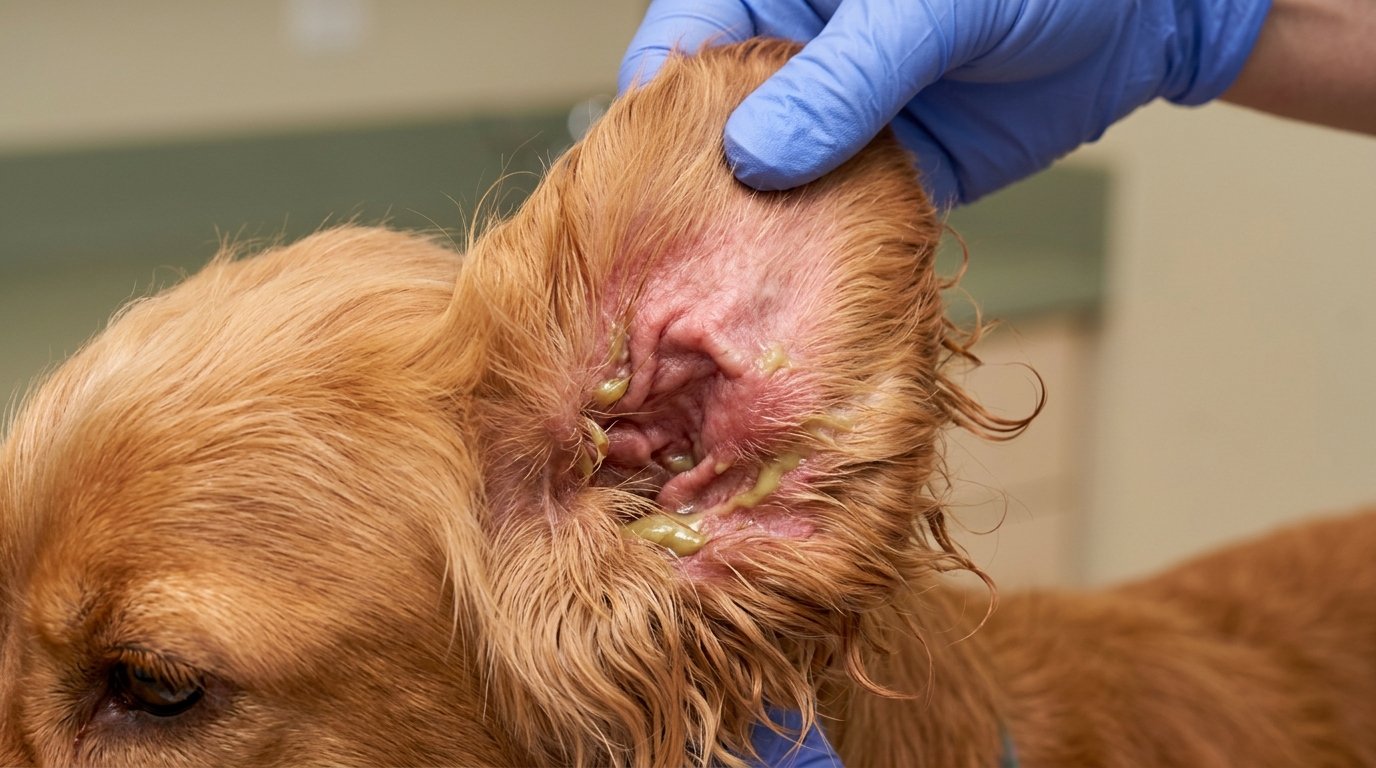
Dog ear infection is one of the most common health problems — affecting 1 in 5 dogs. Symptoms include redness, swelling, yellow or green discharge, and a strong unpleasant odor. Your dog may scratch their ear constantly, cry when the ear is touched, or tilt their head to one side. Breeds with floppy ears like Cocker Spaniels, Basset Hounds, and Labradors are especially prone. Dog ear infection treatment typically requires antibiotics prescribed by your vet. How to treat dog ear infection at home? Gentle cleaning helps, but medication is usually needed.
Dog Ear Yeast Infection
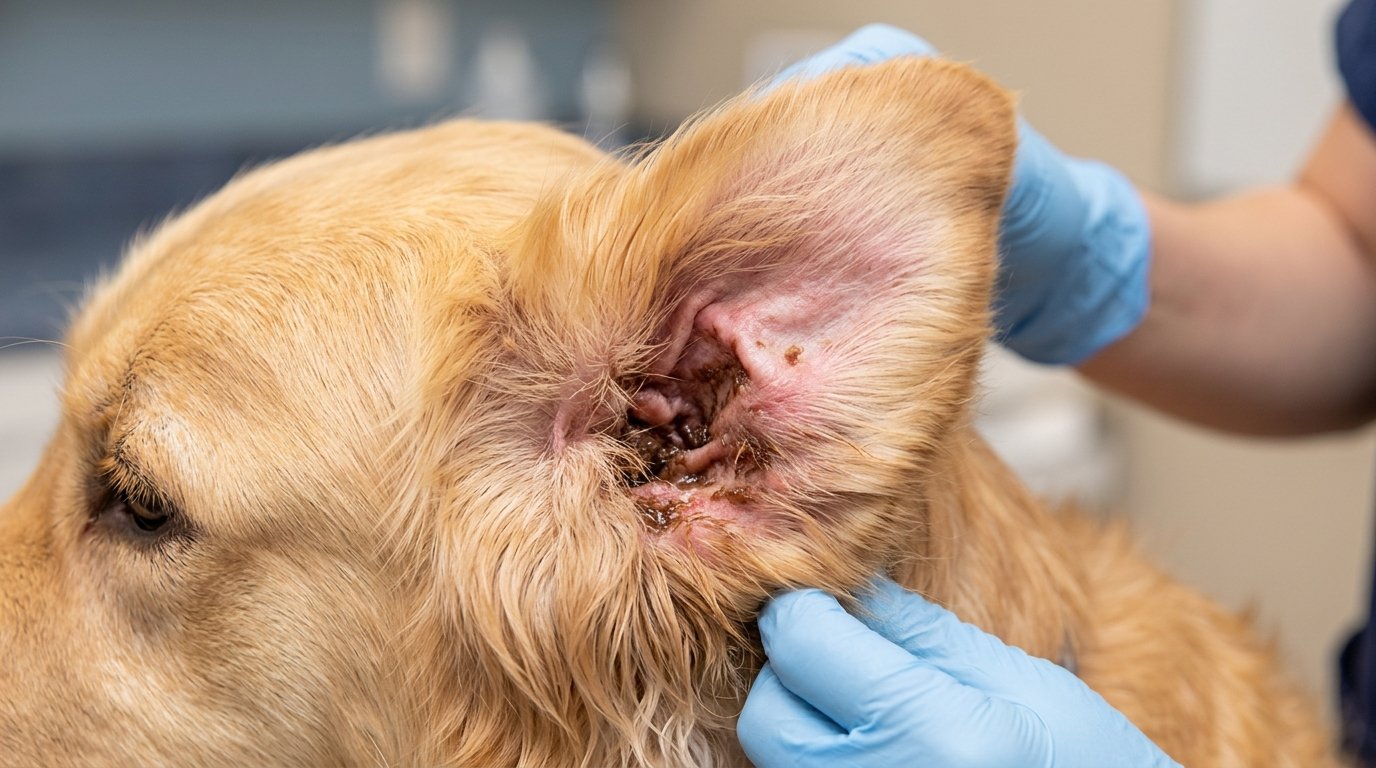
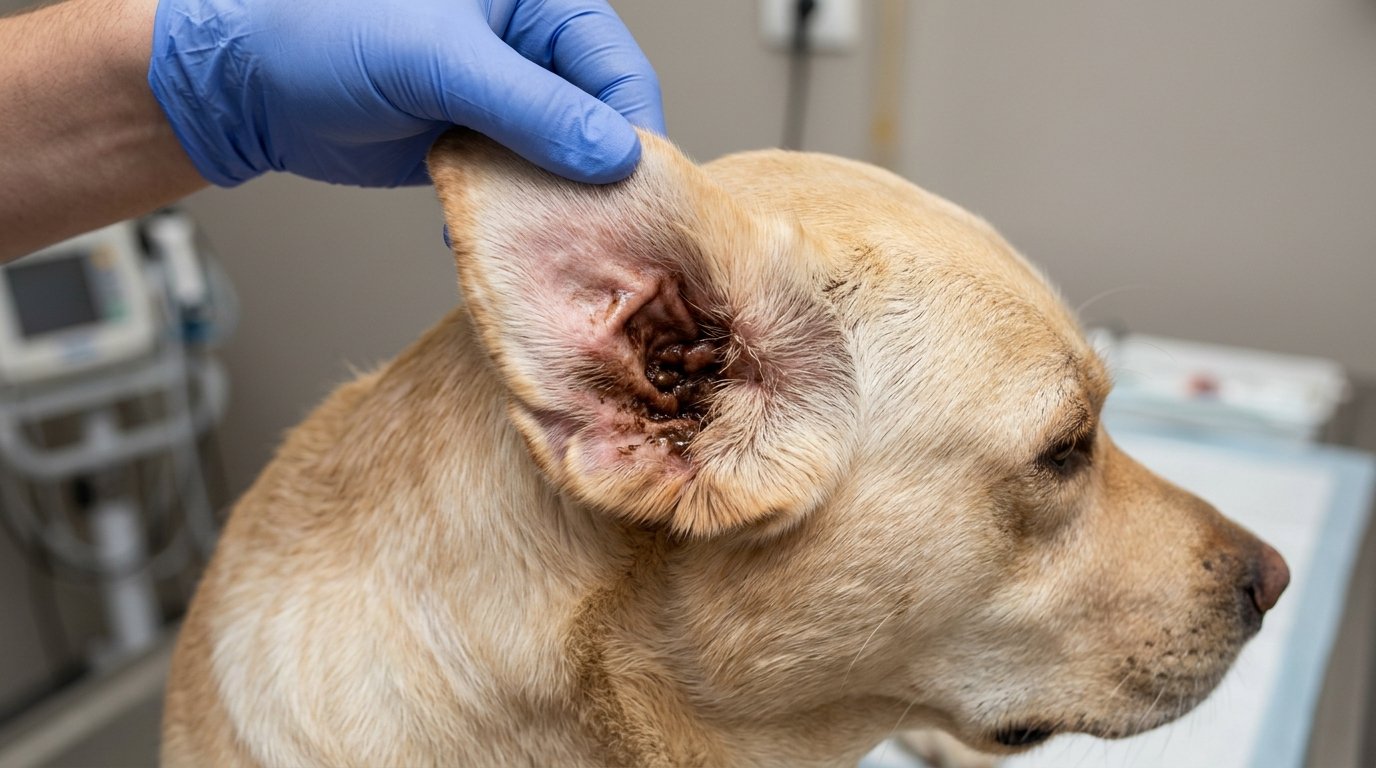
A yeast infection in dogs ears is extremely common and incredibly itchy. The telltale sign? A sweet, musty smell with brown waxy buildup. Dog ears infection yeast is often triggered by allergies, moisture from swimming or bathing, or a weakened immune system. Your dog will scratch relentlessly and shake their head. Dog ear yeast infection treatment involves antifungal medication — ear drops, ointments, or oral medication. Pictures of dog yeast infection in ear typically show brown, greasy discharge coating the ear canal.
Ear Mites in Dogs
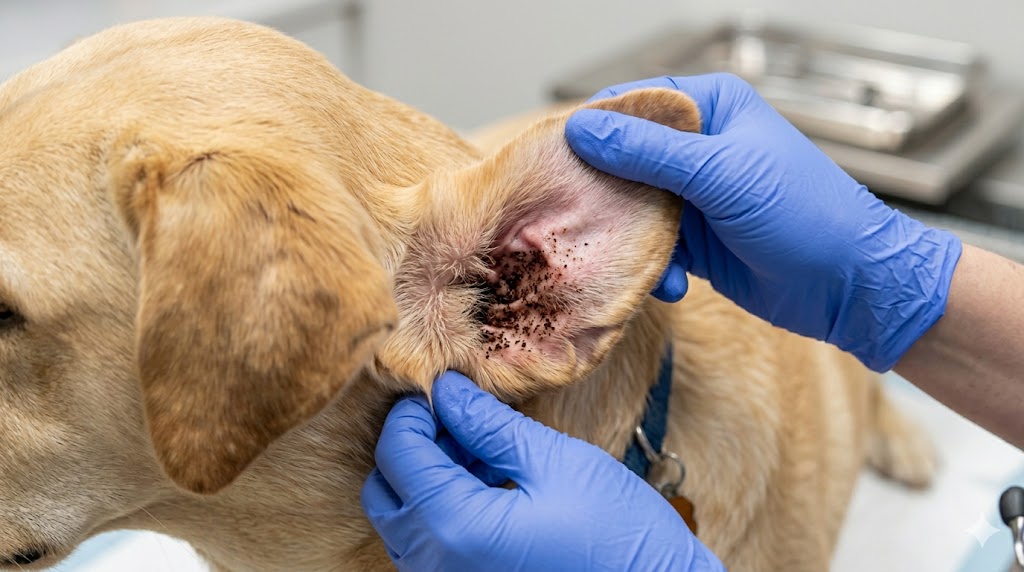
Dog ear mites are tiny parasites that live inside the ear canal, causing intense itching and irritation. The classic sign is dark, crumbly discharge resembling coffee grounds. How do dogs get ear mites? Usually through contact with infected animals. What does ear mites look like in a dogs ear? You'll see dark debris, redness, and inflammation. Dog ear mites treatment involves prescription anti-parasitic drops. While less common than in cats, ear mites in dogs still occur, especially in puppies. Dog ear mites vs ear wax — mites produce dark crumbly debris, while normal wax is light honey-colored.
Dog Ear Discharge & Bad Smell
Why do your dogs ears smell bad? Ear discharge and odor are the most obvious signs something is wrong. Dog ear infection smell varies by cause — yeast produces a sweet musty odor, bacteria create a stronger pungent smell. Dog ear infection discharge color matters too: brown waxy discharge often means yeast, yellow or green points to bacteria, and dark crumbly material suggests mites. Normal dog ear wax should be light yellow and odorless. If the smell or discharge has changed, upload a photo for AI analysis.
Head Shaking & Ear Scratching in Dogs
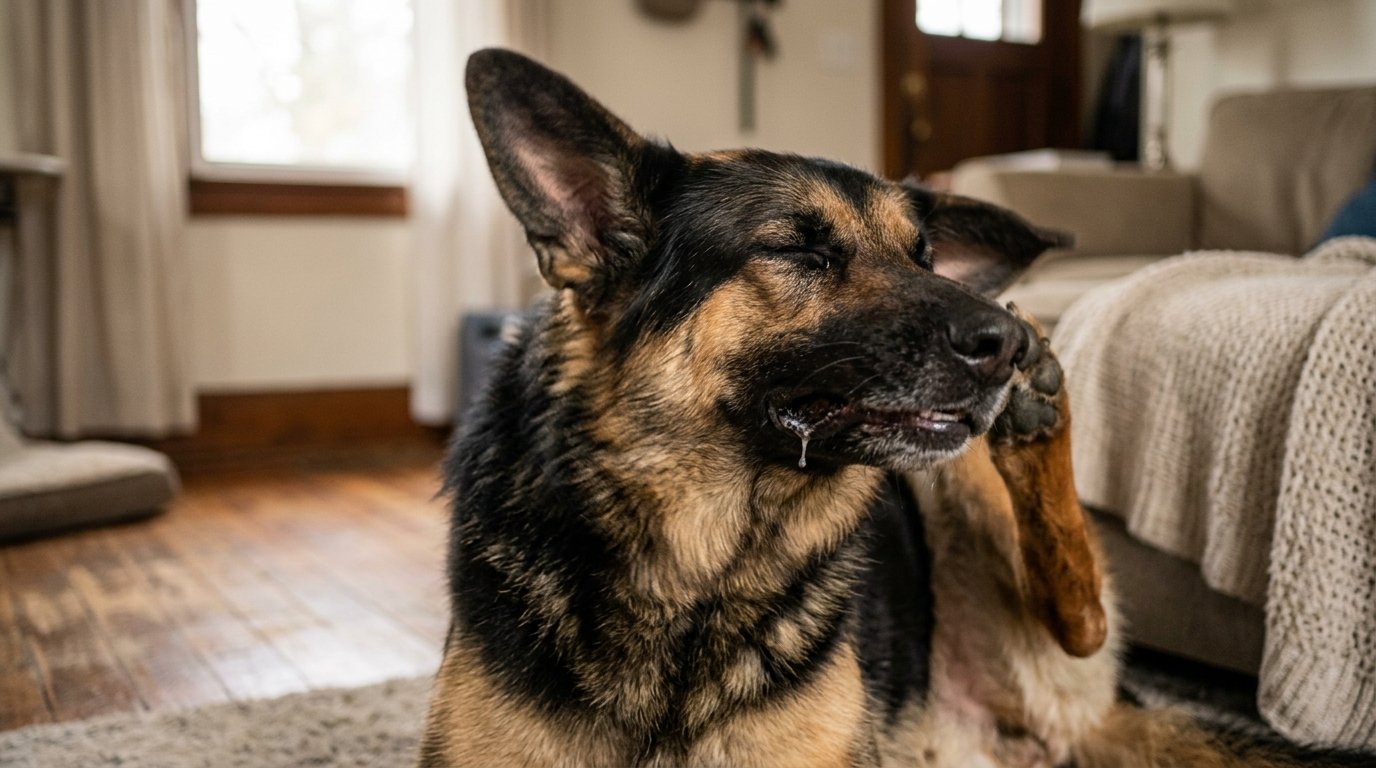
When your dog keeps shaking head and scratching ear, it's almost always a sign of an ear problem. Dog shaking head could indicate an infection, ear mites, a foreign object like a grass seed, allergies, or water trapped after swimming. Dog keeps shaking head but ears look clean? It could be an inner ear issue or early-stage infection not yet visible. Persistent scratching can cause ear hematomas — blood blisters on the ear flap that may need surgery. Don't wait for it to get worse — upload a photo now.
Red & Inflamed Dog Ears
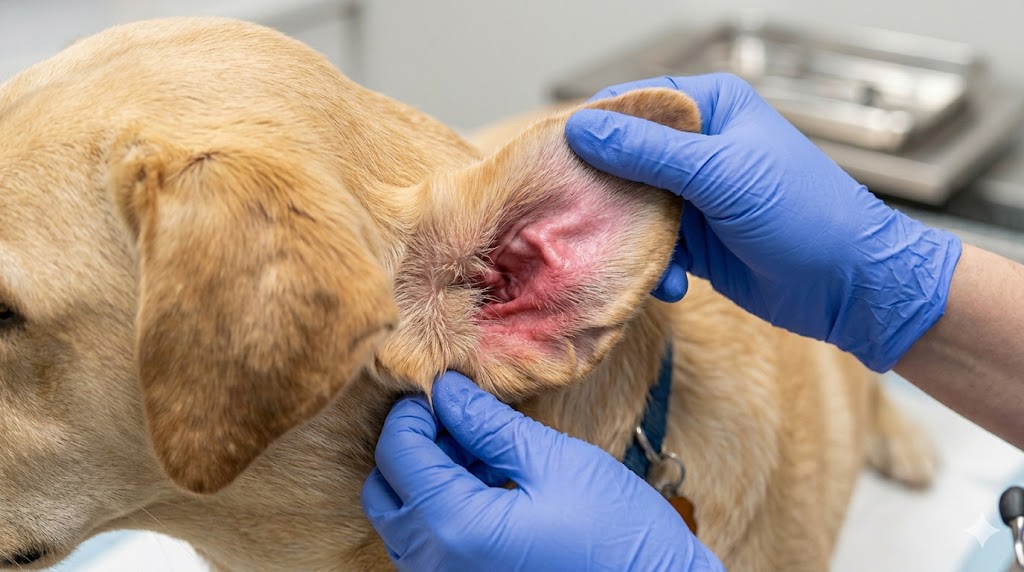
If your dog ear red inside, it signals irritation or infection. The redness might be mild (pinkish) or severe (deep red with swelling). Signs of ear infection in dogs often start with redness before other symptoms appear. Common causes include allergies (food or environmental), bacterial infections, yeast overgrowth, and ear mites. Floppy-eared breeds are especially prone due to poor airflow. Early detection matters — a mildly red ear is much easier to treat than a full-blown infection with discharge and pain.
Worried about your dog's ears?
Upload a photo now and get an AI-powered health report in seconds. The sooner you identify the problem, the faster your dog gets relief.
Check Dog Ears Now →Medical Disclaimer
PawCheck provides AI-generated preliminary health analysis for informational and educational purposes only. This service is not intended to replace professional veterinary advice, diagnosis, or treatment. The AI analysis has inherent limitations and may not always be accurate. Always seek the advice of a qualified, licensed veterinarian with any questions regarding your pet's health. Never disregard professional veterinary advice or delay in seeking it because of information provided by this tool. If your pet is experiencing a medical emergency, contact your veterinarian or emergency animal hospital immediately. By using this service, you acknowledge and agree to these terms.
Frequently Asked Questions
How can I treat my dog's ear infection at home?
+
For mild cases, you can gently clean your dog's ear with a vet-approved ear cleaning solution. However, most dog ear infections require prescription medication — antibiotics for bacterial infections or antifungal drops for yeast infections. Home remedies like hydrogen peroxide or vinegar can actually irritate the ear and make things worse. Use our AI checker to identify the type of infection, then consult your vet for proper treatment.
Does a dog ear infection heal on its own?
+
No, dog ear infections rarely heal on their own and typically get worse without treatment. An untreated ear infection can spread deeper into the middle and inner ear, potentially causing permanent hearing loss, facial nerve damage, or a serious systemic infection. If you notice signs like redness, discharge, smell, or head shaking, get it checked promptly — early treatment is faster and less expensive.
What are the symptoms of a dog ear infection?
+
Common dog ear infection symptoms include redness and swelling inside the ear, brown or yellow discharge, bad smell, head shaking, ear scratching, whimpering when the ear is touched, head tilting, and loss of balance. If your dog keeps shaking their head or you notice their ears smell bad, it's likely an infection that needs attention.
What can give a dog an ear infection?
+
Common causes of dog ear infections include moisture trapped after swimming or bathing, allergies (food or environmental), ear mites, excess hair growth in the ear canal, foreign objects like grass seeds, and hormonal imbalances. Dogs with floppy ears (Labradors, Cocker Spaniels, Basset Hounds) are especially prone because the ear flap traps moisture and reduces airflow.
How do you get rid of ear mites in dogs?
+
Dog ear mites are treated with medicated ear drops or topical treatments prescribed by your vet. The treatment typically takes 2-3 weeks to fully eliminate mites and their eggs. You'll also need to clean all bedding and treat other pets in the household, as ear mites are highly contagious. Over-the-counter treatments exist but are less effective than prescription medications.
How do I know if my dog has ear mites?
+
Dog ear mites produce a distinctive dark, crumbly discharge that looks like coffee grounds inside the ear. Your dog will scratch their ears intensely and shake their head frequently. The ears may look red and inflamed. Ear mites are less common in dogs than cats but still occur, especially in puppies or dogs that have contact with infected animals.
Can humans catch ear mites from dogs?
+
Ear mites are species-specific parasites and very rarely transfer to humans. While it's theoretically possible to get a temporary skin irritation from contact, ear mites cannot establish an infestation in human ears. However, they spread easily between pets — if your dog has ear mites, check your cats and other dogs as well.
Dog ear infection: yeast or bacterial — how do I tell the difference?
+
Yeast ear infections typically have a sweet, musty smell with brown waxy discharge and intense itching. Bacterial infections have a stronger, more pungent odor with yellow or green discharge and tend to be more painful. Yeast infections are often triggered by allergies or moisture. Our AI photo checker can help analyze the visual signs to distinguish between the two types.
More AI Pet Health Checks
Eye Infection Checker
Detect dog eye infection, cat eye problems, conjunctivitis, corneal ulcers, and cataracts.

Skin Disease Checker
Detect dog skin infection, cat skin problems, dermatitis, hot spots, and ringworm.
Cat Ear Mites Checker
Detect cat ear mites, ear infections, yeast infections, and ear discharge with AI photo analysis.
Cat Vomit Checker
Why is my cat vomiting? Analyze white foam, yellow bile, blood, hairballs, and more with AI.

Dog Vomit Checker
Dog vomiting when to worry? Analyze white foam, yellow bile, blood, and undigested food with AI.

Dog Nose Checker
Dog nose dry or runny? Analyze cracked noses, nasal discharge, and color changes with AI.
Dog Dental Checker
Detect dog tooth infections, gum disease, tartar buildup, and dental problems with AI photo analysis.

Dog Poop Checker
Blood in dog stool? Analyze poop color, detect worms, mucus, and diarrhea with AI photo analysis.
Cat Dental Checker
Detect cat tooth infections, gum disease, stomatitis, tooth resorption, and dental problems with AI photo analysis.

Dog Lump Checker
Found a lump on your dog? Identify skin tags, warts, cysts, lipomas, and bumps with AI photo analysis.

Cat Poop Checker
Blood in cat stool? Analyze poop color, detect worms, mucus, and diarrhea with AI photo analysis.
Dog Wound Checker
Is your dog's wound infected? Check infection signs, healing stages, and bite wounds with AI photo analysis.
Cat Lump Checker
Found a lump on your cat? Identify skin tags, cysts, lipomas, warts, and bumps with AI photo analysis.
Cat Nose Checker
Cat nose dry or runny? Analyze crusty noses, nasal discharge, and sneezing symptoms with AI.
Dog Paw Checker
Dog paw injured, swollen, or infected? Check cuts, yeast infections, peeling pads, and redness between toes with AI.

Dog Acne Checker
Pimples on your dog's chin or muzzle? Tell canine acne from mange with AI — includes puppy acne, severity stage, and treatment advice.
Dog Urine Checker
Blood in your dog's urine? Dark or orange pee? Check for UTI, dehydration, liver issues, or emergency signs with AI photo analysis.
Cat Paw Checker
Cat paw swollen, puffy, or injured? Check pillow foot, infections, abscesses, ingrown nails, and pad problems with AI.
Cat Acne Checker
Black specks on your cat's chin? Tell feline acne apart from flea dirt or mites with AI — includes severity stage and treatment advice.
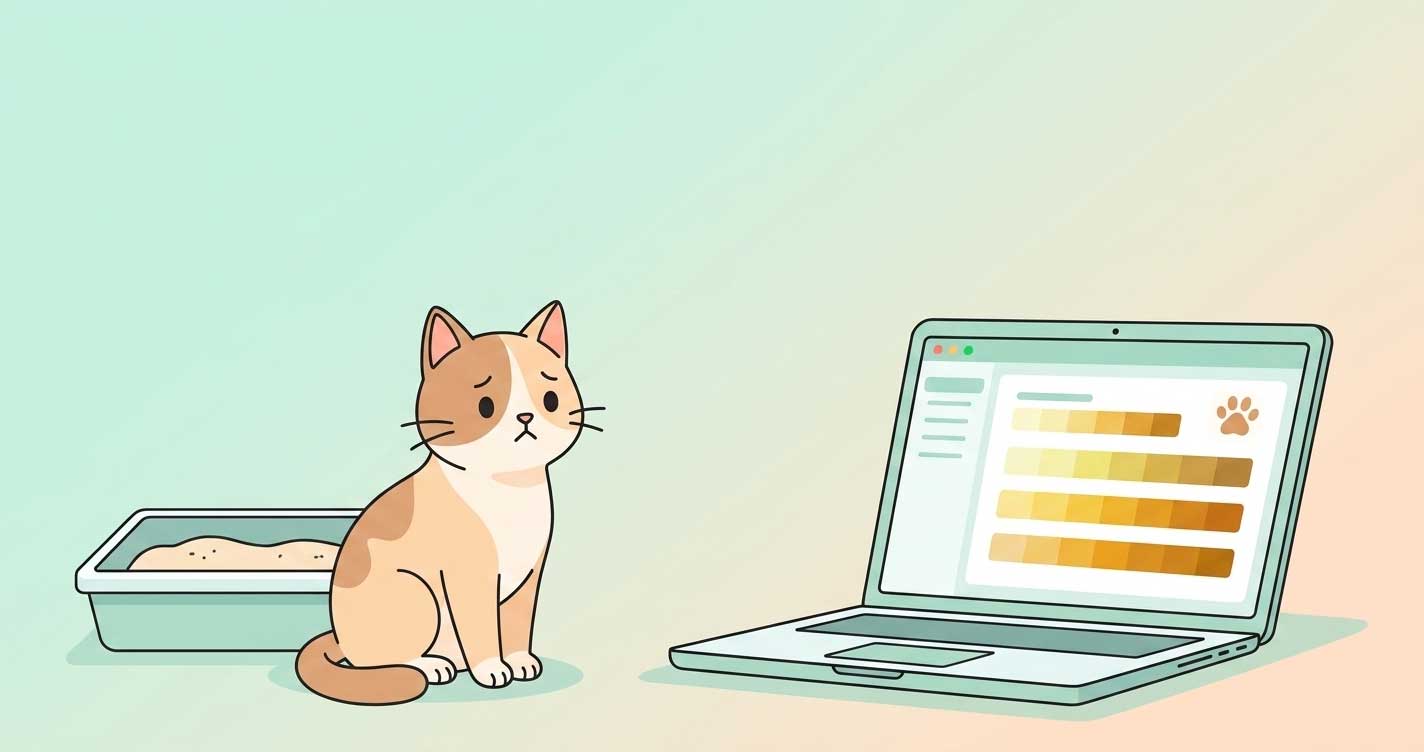
Cat Urine Checker
Blood in your cat's pee? Dark or cloudy urine? Check color, clarity, and visible blood with AI — triage UTI, crystals, or liver issues.

Dog Gum & Tongue Checker
Pale, blue, yellow gums or black spots on tongue in your dog? Triage anemia, bloat, jaundice, toxin exposure, or benign lentigo with AI photo analysis.

Cat Gum & Tongue Checker
Pale, blue, yellow, or red gums/tongue in your cat? Triage FeLV, feline asthma, stomatitis, jaundice, or toxin exposure with AI photo analysis.

Dog Hair Loss Checker
Dog losing hair in patches, on tail, around eyes, or with no itching? AI identifies the pattern and ranks likely causes — ringworm, mange, flea allergy, or suspected endocrine disease.

Cat Hair Loss & Overgrooming Checker
Cat licking fur off, losing hair on belly, or scruffy coat? AI identifies miliary dermatitis, stud tail, ringworm, or flags paraneoplastic cancer warning in senior cats.

Dog Broken Nail Checker
Dog broken nail bleeding, hanging, exposed quick, or infected? AI assesses severity and gives step-by-step home treatment or clear vet-visit guidance.
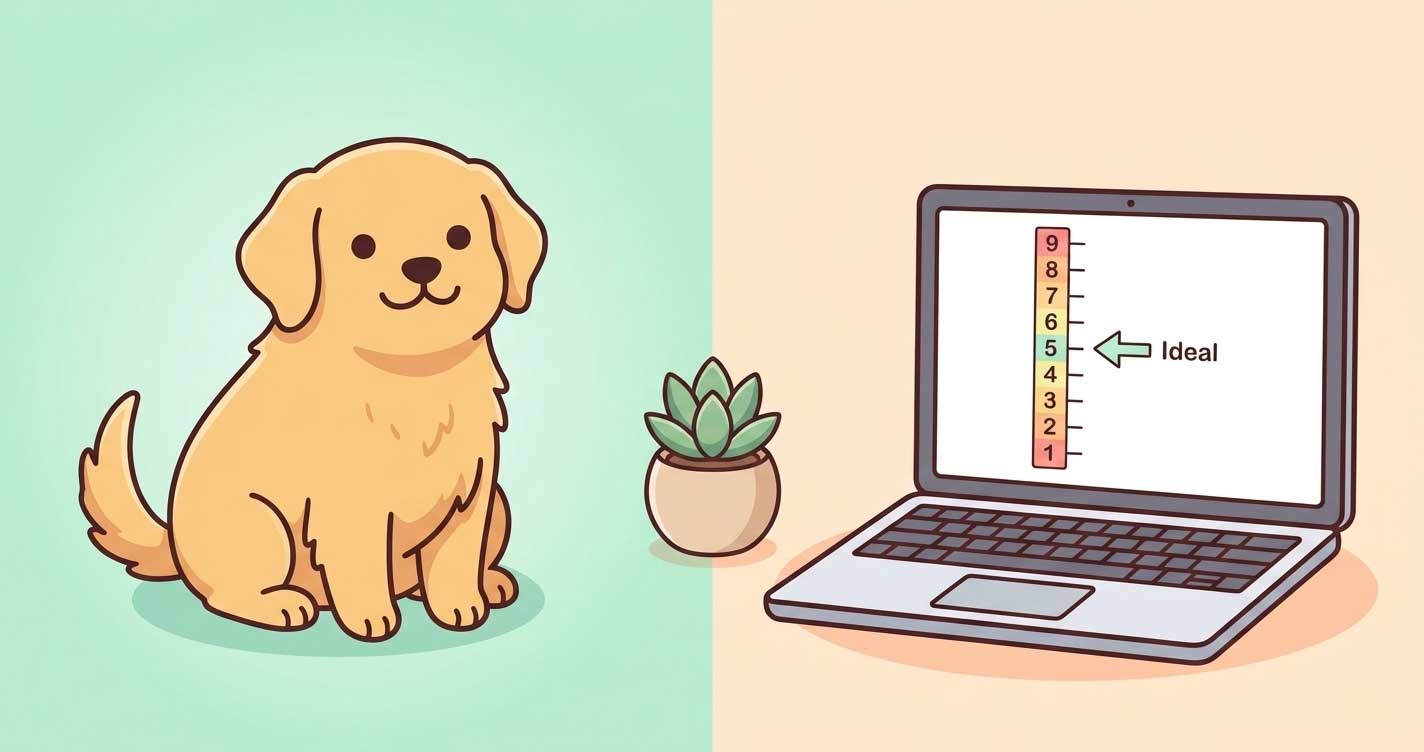
Dog Body Condition Score Checker
Is your dog overweight, underweight, or ideal? Upload a side + top-down photo — AI scores body condition (BCS 1–9) and gives diet and exercise recommendations.

Dog Eye Discharge Checker
Green, yellow, clear, or brown eye discharge? AI identifies the color and ranks causes — bacterial infection, allergies, dry eye, porphyrin tear stains, or foreign body.

Cat Eye Infection & Discharge Checker
Green, yellow, brown, watery, or black crust eye discharge? AI identifies feline herpesvirus, chlamydia, URI, bacterial infection, or blocked tear duct — with urgency triage.
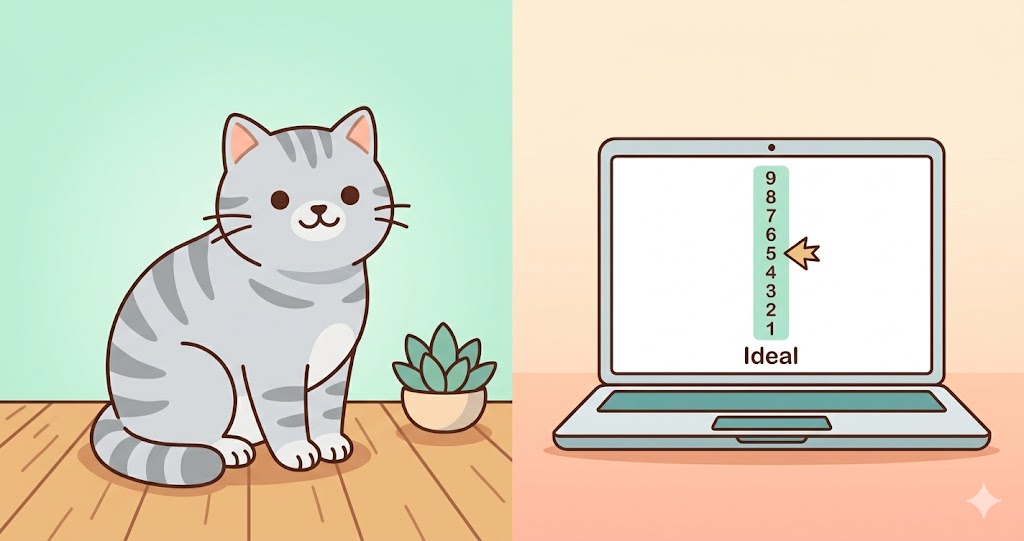
Cat Body Condition Score Checker
Is your cat overweight, or is it the primordial pouch? Upload a side + top-down photo — AI scores body condition (BCS 1–9) and gives diet recommendations.
🐾
View All Tools
Explore all AI pet health check tools