Cat Urine Checker — Blood, UTI, Color & Crystals Photo AI
Blood in your cat's pee, dark, orange, or cloudy urine? Upload a photo for instant AI analysis of color, clarity, and blood. ⚠️ If your cat is straining without producing urine, that's a blockage emergency — go to a vet immediately, this tool can't detect blockage without urine to analyze.
Drop your pet's photo here
or
✅JPG, PNG, WEBP
📏Max 8MB
This tool provides AI-generated preliminary analysis only. Not a substitute for professional veterinary diagnosis.
📸 Photo Guide
Good photos

White surface, clear light
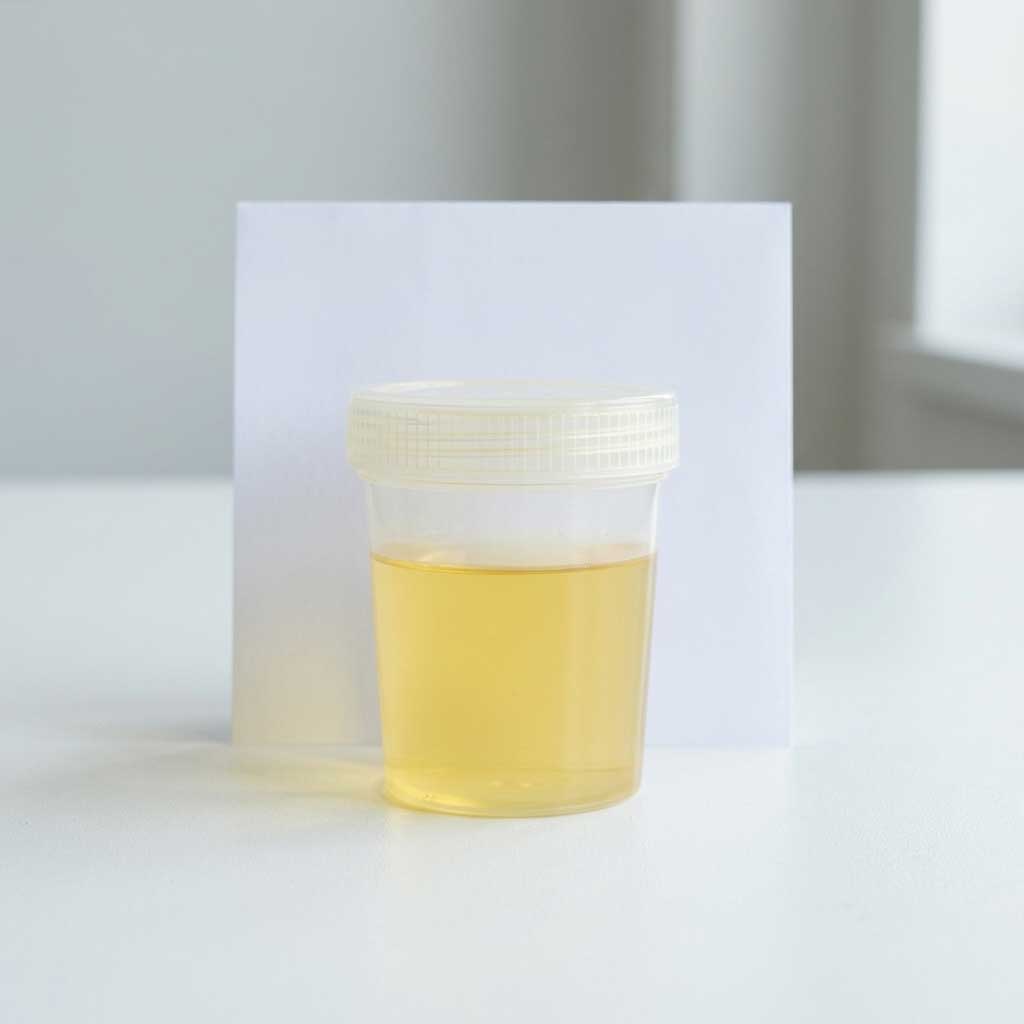
Clear container
Avoid
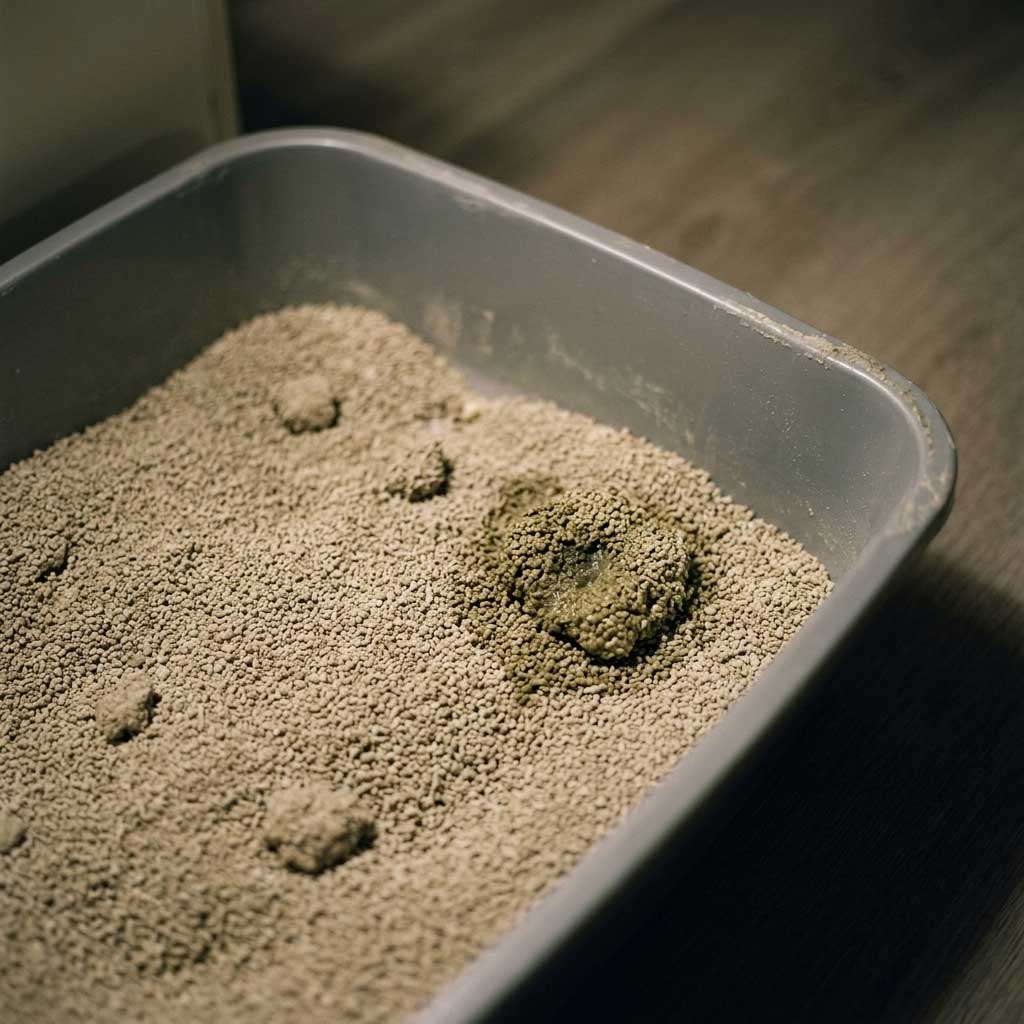
In litter (distorts)
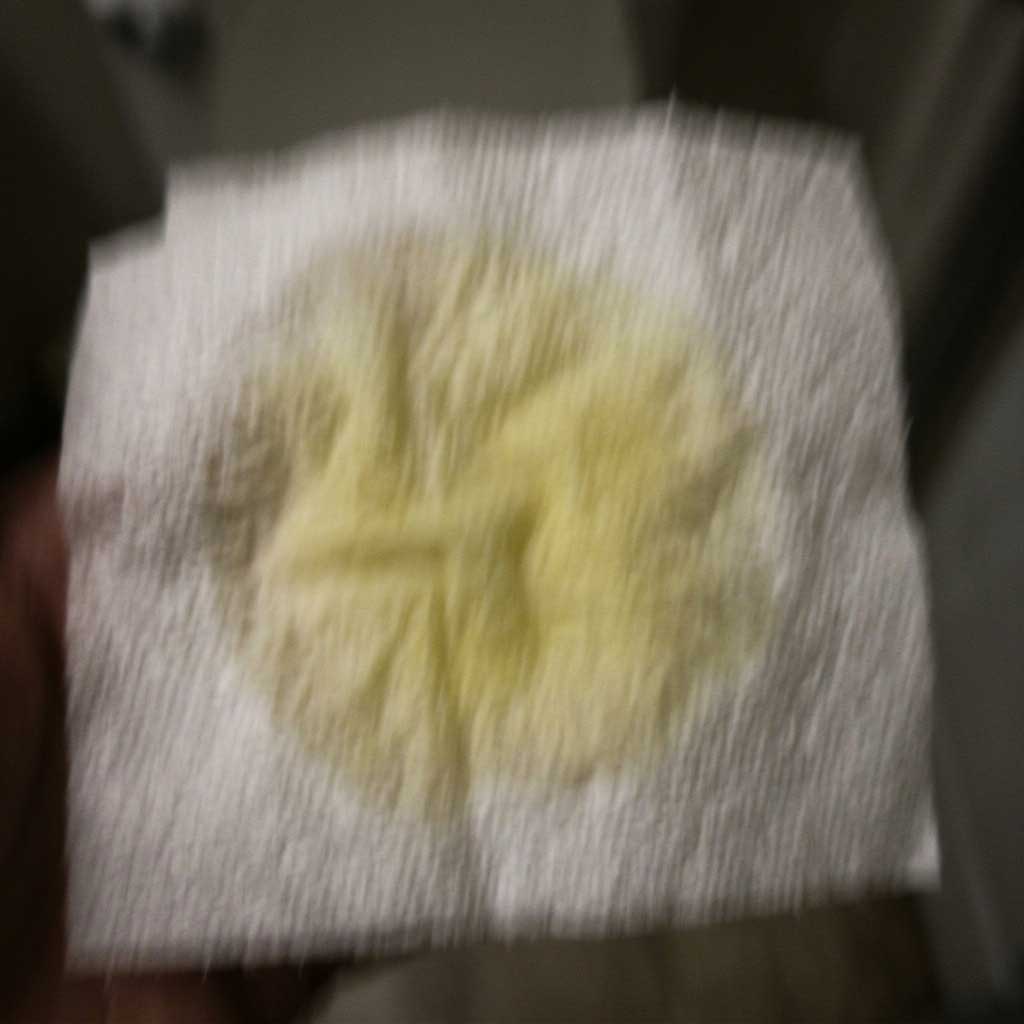
Too dim/blurry
Tips for best results
- ✓Photograph on a WHITE absorbent surface — paper towel, white pee pad, or tile work best
- ✓Do NOT photograph urine in clumping litter — litter dye and clumping distort colors
- ✓Use natural daylight if possible — indoor lighting makes urine look darker
- ✓If you collect in a cup, use a clear or white container (not colored plastic)
- ✓Include a piece of plain white paper in the frame as a color reference
- ✓IMPORTANT: if your cat is straining and producing NO urine, this is a blockage emergency — skip the photo and go to a vet NOW
- ✓Photograph within 30 minutes of urination — urine oxidizes and changes color over time
How It Works — AI Cat Urine Color Checker
Step 1
Upload a Urine Photo
Take a clear, well-lit photo of the urine sample on a white surface (paper towel, white tile, or clean container). The AI needs a neutral background to assess color accurately.

Step 2
AI Analyzes
Our AI examines urine color, clarity, and visible blood — identifying whether you're seeing signs of UTI, crystals, dehydration, liver issues, or other urinary concerns.

Step 3
Get Your Report
Receive a detailed report with the likely meaning, severity level, next steps, and whether you need an emergency vet visit.
Common Cat Urine Color & Clarity Problems
Cat urine color tells you a lot. Here are the most common abnormal findings our AI can identify from a photo — from blood to dehydration to liver signs. For each finding we explain what conditions it could indicate so you know whether to rush or wait. Also try our dog urine checker or cat poop checker or cat vomit checker.
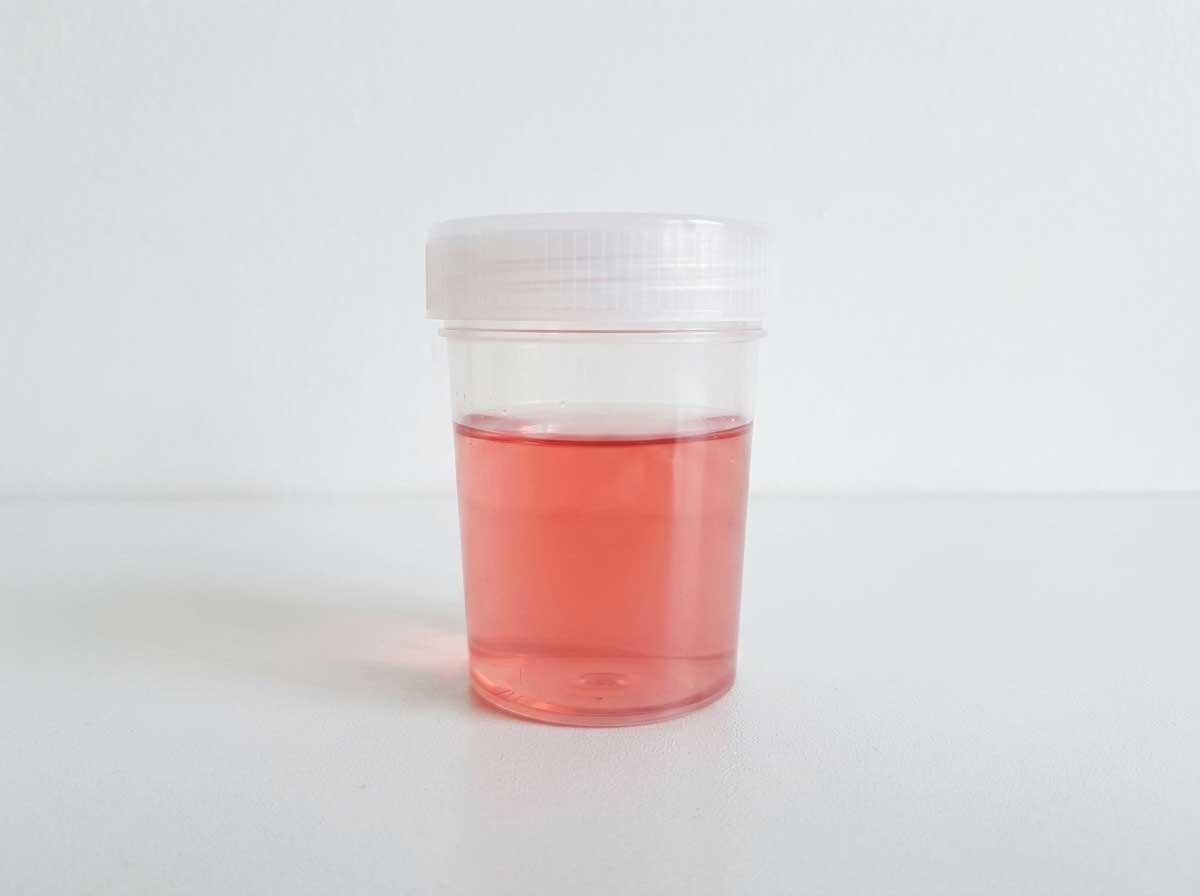
Red, Pink or Rust-Colored Urine (Blood / Hematuria)
Blood in cat urine — whether bright red, pink, or rust-brown — is common and always warrants a vet visit. Possible causes: Feline Idiopathic Cystitis (FIC) — #1 cause of bloody urine in cats under 10, triggered by stress and bladder inflammation, not infection; Urinary crystals or bladder stones — struvite or calcium oxalate crystals irritate the bladder lining; Urinary tract infection (UTI) — less common in cats than dogs, but occurs especially in senior cats; Urinary blockage (in male cats particularly) — partial blockage can cause blood + straining — this is a LIFE-THREATENING EMERGENCY if your cat can't produce urine; Bladder cancer — in older cats, chronic recurring blood; Trauma — uncommon but possible from falls or accidents. Urgency: bright red bleeding with an otherwise-normal cat = vet within 24 hours. Blood + lethargy/vomiting = ER today. Blood + male cat not producing urine = EMERGENCY — go to 24-hour vet immediately.
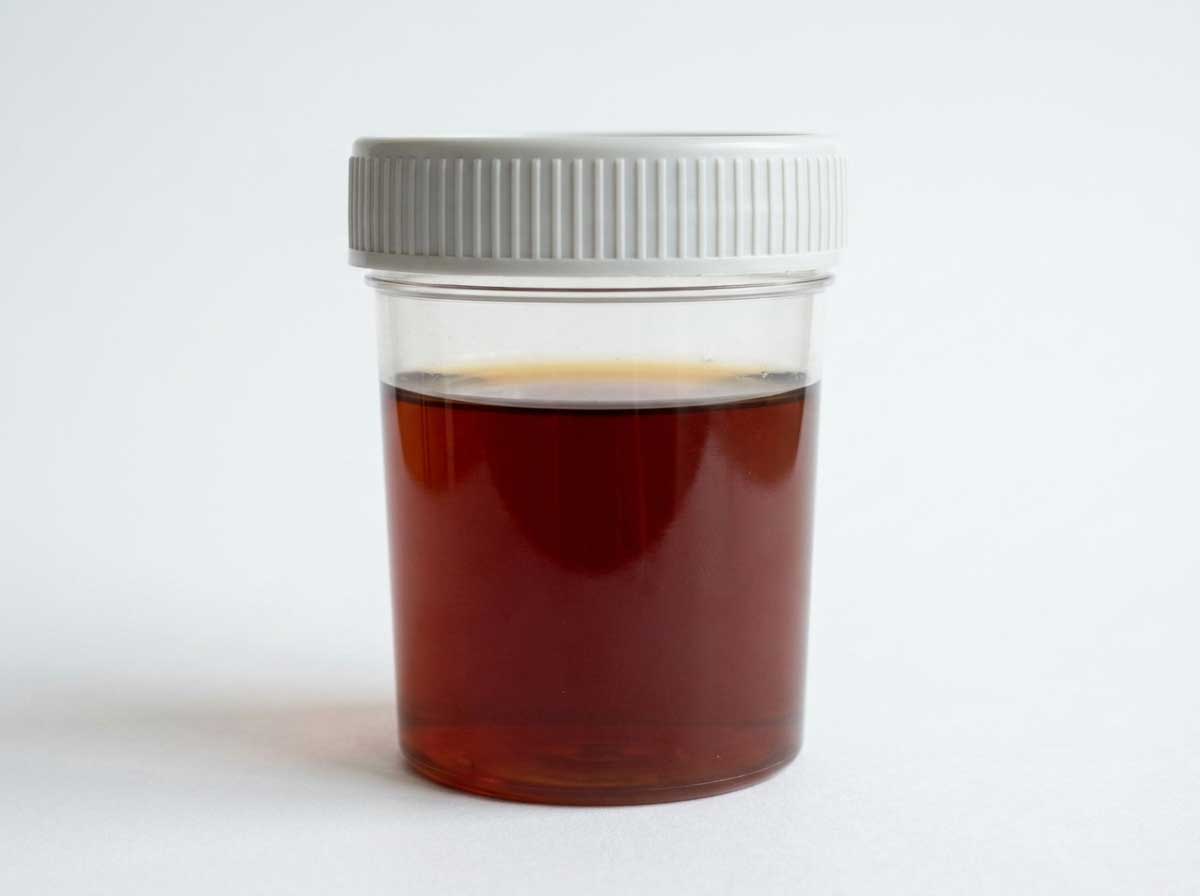
Rust or Brown Urine (Older Blood, Muscle, Severe Issues)
Rust-brown, tea-colored, or cola-colored cat urine is a concerning finding. Possible causes: old / oxidized blood — bleeding from deeper in the urinary tract or bleeding that sat in the bladder before being voided; severe dehydration + bilirubin (from liver issues) concentrated together; rhabdomyolysis (muscle breakdown) — from severe trauma, heat stroke, or prolonged exertion (less common in cats than dogs); hemolysis (red blood cell destruction) — from toxin exposure, autoimmune disease, or tick-borne disease; advanced kidney or liver disease; and in rare cases, post-blockage complications. Brown urine almost never means "just dehydration" in cats — most causes are serious. Urgency: same-day vet visit. If combined with yellow gums/eyes, vomiting, weakness, or not eating — emergency. Do not wait on this one.
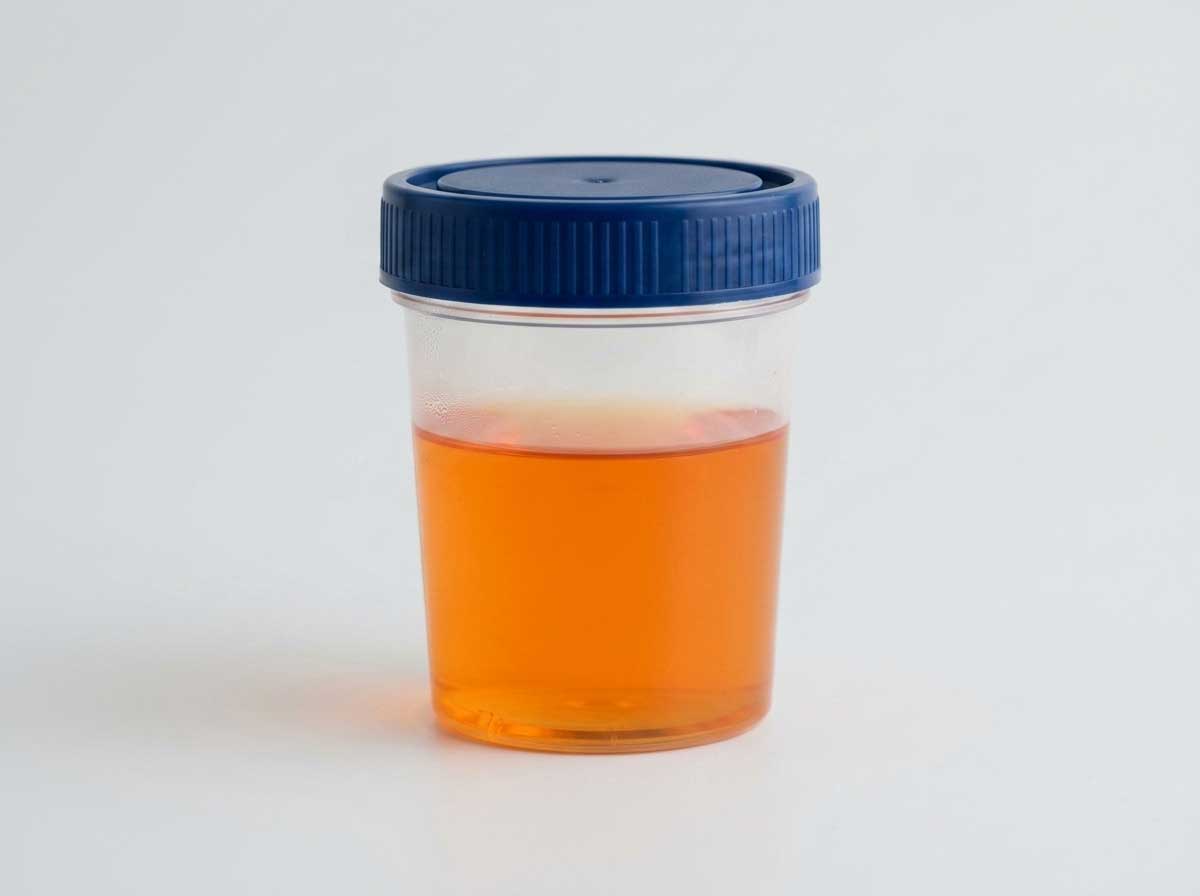
Orange Urine (Liver, Bile or Jaundice)
Orange-colored cat urine suggests liver issues or bile pigment excretion. Possible causes: liver disease (hepatitis, liver failure) — bilirubin leaks into urine, giving an orange tint; bile duct obstruction — gallbladder issues force bile pigments into the urine; jaundice (yellow gums, yellow whites of eyes) — always orange urine accompanies visible jaundice; severe dehydration with concentrated bilirubin; some medications (check recent prescriptions); and certain toxin exposures (Tylenol is extremely toxic to cats and causes orange-brown urine — never give). Urgency: same-day vet visit for orange urine. Orange urine + yellow gums/eyes = LIVER EMERGENCY — go to 24-hour vet immediately. Cat livers have limited reserve and damage is often not reversible if caught late.
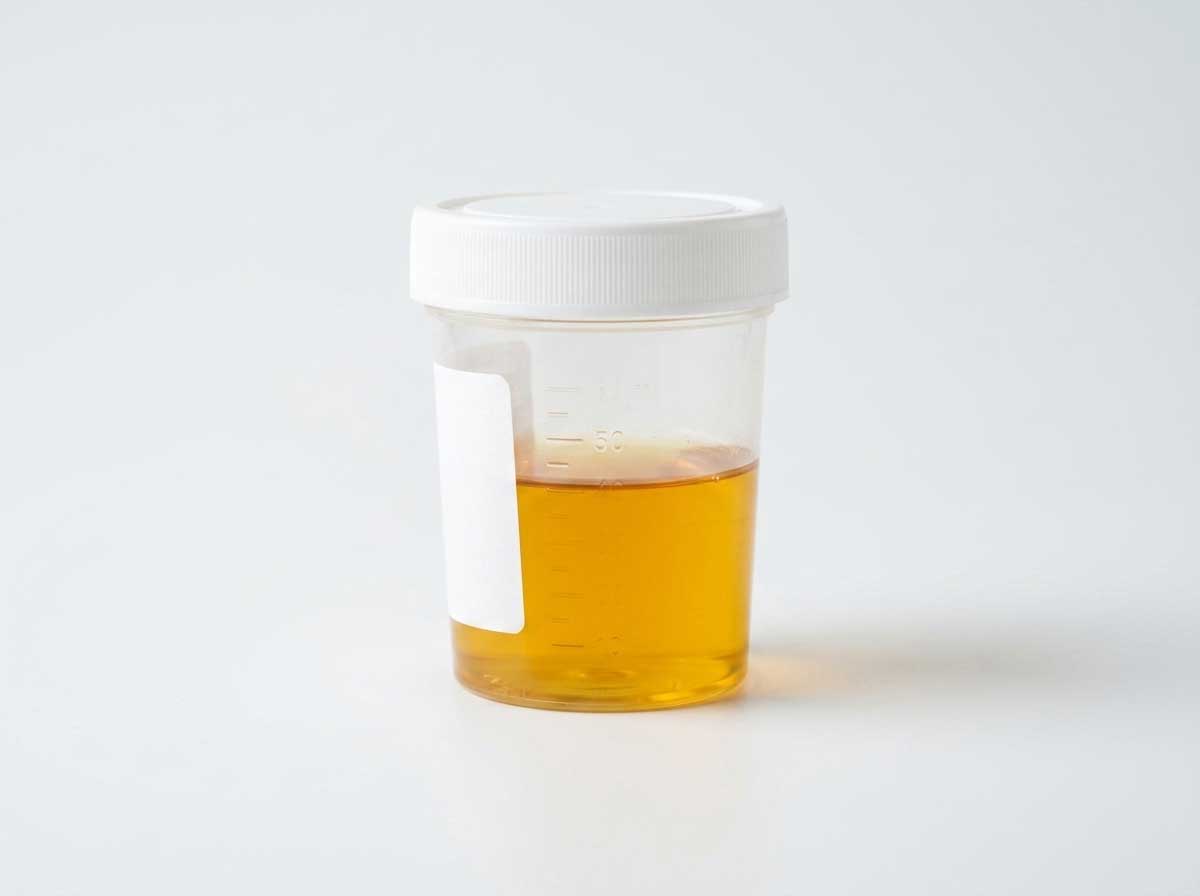
Dark Yellow / Amber Urine (Dehydration)
Dark yellow to amber-colored cat urine typically indicates dehydration. Cats are notoriously poor water drinkers and many develop chronic mild dehydration, especially on dry-food-only diets. Common causes: inadequate water intake — most common cause, especially in dry-food-fed cats; hot weather or overheating; vomiting or diarrhea causing fluid loss; older cats with declining kidney function concentrating urine; some medications. Simple at-home test: offer multiple fresh water sources (bowls in different rooms, water fountain) and consider adding wet food. Recheck urine in 24 hours. If it lightens to pale/medium yellow, dehydration was the cause. Persistent dark urine despite good water intake can indicate kidney disease (common in senior cats) or diabetes — vet visit recommended. Very dark urine + lethargy + not eating is an emergency (possible hepatic lipidosis in cats who stop eating).
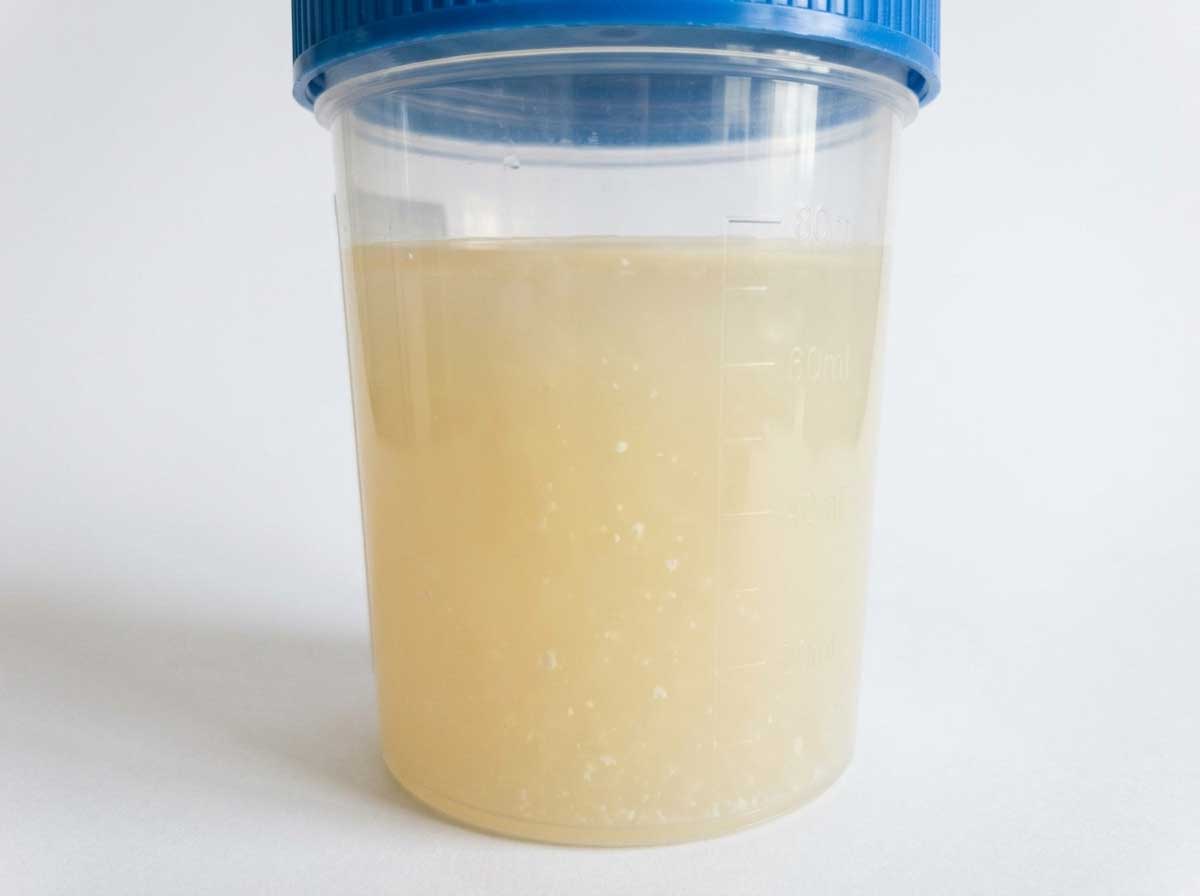
Cloudy or Milky Urine (UTI, Crystals or Infection)
Cloudy, milky, or opaque cat urine usually indicates an infection or crystal formation. Possible causes: struvite or calcium oxalate crystals — very common in cats, especially on dry-food diets, cause cloudy sediment; urinary tract infection — less common than in dogs but happens, especially in senior cats, diabetic cats, and cats with underlying disease; pyelonephritis (kidney infection) — more serious infection ascending from bladder to kidneys; pus from severe infection; protein in urine (proteinuria) — can appear as cloudy, may indicate kidney disease; and early blockage signs (crystals aggregating). Strong fishy, ammonia-like smell often accompanies cloudy UTI urine. Urgency: collect a fresh sample and see a vet within a few days for urinalysis — this simple test distinguishes crystals from infection. If combined with straining or less urine than normal, vet same-day (possible blockage forming).

Clear or Colorless Urine (Overhydration, Kidney or Diabetes)
Water-clear cat urine — almost no yellow color at all — is NOT normal in cats. Cats have highly concentrated urine compared to humans or dogs, so clear urine is a warning sign. Possible causes: advanced kidney disease — damaged kidneys lose the ability to concentrate urine, so it comes out dilute; diabetes mellitus — excess sugar pulls water into urine, diluting it; hyperthyroidism — common in senior cats, causes increased drinking and urination; Cushing's disease (rare in cats); excessive fluid intake (unusual for cats unless something is wrong); and psychogenic polydipsia (rare behavioral cause). Accompanied by: drinking a lot more water than usual, urinating more frequently or in larger amounts, weight loss despite good appetite (diabetes, hyperthyroidism), vomiting (kidney disease). Urgency: vet visit within 1-2 weeks for basic bloodwork to investigate. Chronic clear urine should not be ignored — most causes (kidney, diabetes, thyroid) are serious in cats but manageable if caught early.
Worried about your cat's urine color?
Upload a photo now. Our AI will assess color, clarity, and visible blood — plus explain what your findings could mean and whether you need a vet urgently. ⚠️ If your cat is straining without producing urine, skip the tool and go to an ER — that's a blockage emergency.
Check Cat Urine Now →Medical Disclaimer
PawCheck provides AI-generated preliminary health analysis for informational and educational purposes only. This service is not intended to replace professional veterinary advice, diagnosis, or treatment. The AI analysis has inherent limitations and may not always be accurate. Always seek the advice of a qualified, licensed veterinarian with any questions regarding your pet's health. Never disregard professional veterinary advice or delay in seeking it because of information provided by this tool. If your pet is experiencing a medical emergency, contact your veterinarian or emergency animal hospital immediately. By using this service, you acknowledge and agree to these terms.
Frequently Asked Questions
Is blood in cat pee an emergency?
+
Blood in cat urine is ALWAYS concerning and should be evaluated within 24-48 hours. It becomes a TRUE EMERGENCY (go to ER immediately) if: your cat is straining in the litter box but NOT producing urine (possible urinary blockage — life-threatening in male cats within 24-48 hours), vomiting or extreme lethargy accompanies the blood, your cat is yowling or crying when trying to pee, bloody urine is accompanied by a hard, painful belly, or your cat hasn't peed in 12+ hours. For milder cases (pink tint in urine but cat is eating, drinking, and behaving normally), a vet visit within 24 hours is appropriate — UTI, crystals, or stress cystitis (FIC) are common causes. Do NOT use human UTI meds like AZO — some ingredients are toxic to cats.
How do I check if my cat has a urinary blockage?
+
A urinary blockage is a photo tool's blind spot — if there's no urine to photograph, we can't help you. Key signs of blockage: your cat is going into the litter box frequently but producing little or NO urine, straining, crying, or yowling while trying to pee, licking the genital area repeatedly, hard or painful lower belly when gently touched (feels like a tense water balloon), vomiting, lethargy, or refusing food (signs the blockage has progressed), and collapse or inability to walk in late stages. This is an EMERGENCY in male cats — a blocked cat can die within 24-48 hours from kidney damage or heart complications. Do NOT wait to see if they'll pass it. Go directly to a 24-hour emergency vet. Blockage treatment typically requires sedation, catheter placement, and 2-5 days of hospitalization.
What can be mistaken for a UTI in cats?
+
Bacterial UTIs are actually LESS common in cats than in dogs — cats have very concentrated, acidic urine that resists bacterial growth. So many "UTI symptoms" in cats are actually other conditions: Feline Idiopathic Cystitis (FIC) — stress-related bladder inflammation, most common misdiagnosed "UTI" in cats under 10, Urinary crystals or stones — cause pain and blood that mimics UTI, Urinary blockage — early stages feel like UTI to the cat, Bladder cancer — in older cats, chronic blood in urine, Hyperthyroidism — can cause drinking/urination changes, Diabetes — similar polyuria/polydipsia, Kidney disease — common in older cats, changes urine appearance, and Behavioral issues like peeing outside the box without an underlying medical cause. If your vet says "no UTI" but symptoms persist, ask about FIC — it's the #1 non-UTI cause of cat urinary issues.
Why does my cat have blood in urine but no UTI?
+
If your vet tested the urine and said "no bacterial infection" but blood is still present, the most likely explanation is Feline Idiopathic Cystitis (FIC) — also called feline interstitial cystitis or Pandora Syndrome. FIC is an inflammation of the bladder wall triggered by stress rather than bacteria. It's the #1 urinary condition in cats under 10. Typical triggers: moving house, new pet in household, schedule changes, construction noise, dirty litter box, multi-cat conflicts, or any stress to the cat. Other "no UTI" causes of blood: crystals or microstones irritating the bladder, early-stage blockage, bladder polyps or tumors (older cats), and trauma. Treatment focuses on stress reduction (Feliway, environmental enrichment, more water intake, stress-reduction diets) rather than antibiotics. FIC is frustrating because it tends to recur during stress, but most cats manage well with environmental changes.
Can a cat UTI heal on its own?
+
Rarely. True bacterial UTIs in cats almost always need antibiotics to clear — bacteria continue multiplying without treatment and can ascend to the kidneys (pyelonephritis) causing more serious illness. What looks like "UTI cleared itself" is often: actually FIC (which does often cycle through flare-and-remission on its own), the infection temporarily quieted but still active, or the cat hiding symptoms (they're stoic). Untreated cat UTIs can progress to: kidney infection, bladder stone formation, chronic cystitis, or urosepsis (life-threatening). The only "safe" home-only approach is for mild FIC cases where stress reduction alone can help — but confirming it's FIC requires a vet urinalysis first to rule out actual infection. Always confirm with a vet before going home-only.
What does blood in cat urine look like?
+
Blood in cat urine can appear several ways depending on amount, freshness, and where in the urinary tract it's coming from. Fresh blood (bladder/urethra): bright red streaks, pink-tinged urine, or visible red drops. Older blood: rust-brown, tea-colored, or dark brown urine. Severe bleeding: cola-colored urine or visible clots. Mixed with pus/UTI: cloudy pink or rusty-cloudy. Very dilute: almost imperceptible pink — hold the litter clump against a white paper towel for 30 seconds to see the color. In male cats, bleeding from a partial blockage may appear as a few drops of dark blood at the end of a urination attempt. In female cats, UTI blood often produces cloudy pink-to-red urine with a strong odor. Always photograph against a white background and get to a vet within 24 hours.
What foods cause crystals in cat urine?
+
Cat urine crystals (primarily struvite or calcium oxalate) are partly diet-influenced. Foods that can promote crystal formation: poor-quality dry food with high magnesium, phosphorus, or calcium, foods with alkalizing ingredients (some plant-based proteins push urine pH up, promoting struvite), dehydrating diets (dry kibble with insufficient water intake), calcium-rich supplements, and some human foods (avoid feeding dairy, calcium supplements, or high-phosphorus scraps). Better choices: wet/canned food (high moisture, reduces crystal risk), vet-prescribed urinary diets (Hills c/d, Royal Canin Urinary SO, Purina UR) — these adjust pH and mineral levels to prevent crystal formation, adequate water intake (water fountains encourage drinking), and consistent feeding schedule with known ingredients. If your cat has had crystals, diet change is usually permanent — recurrence is high without prescription food.
Cat urine smells like ammonia — what does it mean?
+
A strong ammonia smell from cat urine can mean several things. Common causes: normal concentrated urine — cats have very concentrated urine; when dehydrated, the ammonia smell intensifies, urinary tract infection (UTI) — bacteria produce ammonia as a byproduct, making the smell especially strong and often "rotten," kidney disease — impaired urea processing leads to concentrated ammonia smell, intact male cat marking — unneutered male urine has a very distinctive strong ammonia/musky odor even when healthy, high-protein diet — more nitrogen waste = stronger ammonia smell, and dehydration — less water to dilute waste. When to worry: the smell changed suddenly and is accompanied by litter box changes (frequency, volume, blood, cloudiness), or your cat is drinking more / urinating more. When it's probably fine: slight increase in ammonia smell in summer when cats drink less, or in intact male cats as a normal feature.
Why is my cat peeing outside the litter box with blood?
+
Cats peeing outside the box with bloody urine is almost always medical, not behavioral — something hurts or feels urgent. Most common causes: Feline Idiopathic Cystitis (FIC) — stress + bladder inflammation makes the litter box painful, so they pick a different spot, Urinary blockage (early stage) — urgency drives them to pee anywhere, Bladder stones / crystals — pain during urination, UTI — discomfort and urgency (less common in cats), Bladder cancer in older cats — increasing urgency, Senior cat arthritis — can't climb into high-sided box (but without blood), and Trauma or injury. What NOT to assume: behavioral issues or "spite." A cat peeing outside the box with blood = vet visit within 24 hours. For FIC cases: after vet confirms no infection, address stress triggers (new pet, construction, litter box location/cleanliness), add Feliway diffusers, and try a lower-sided litter box in a quiet area.
What color should cat urine be?
+
Healthy cat urine is pale to medium yellow — similar to pale straw or light apple juice. Variations within healthy range: pale yellow (well hydrated), medium yellow (adequately hydrated), slightly darker amber (mildly dehydrated — offer more water). Abnormal colors: clear / water-like (overhydration, kidney disease, diabetes), dark yellow / deep amber (dehydration, concentrated urine from kidney disease), orange (liver disease, bile issues, jaundice — urgent), brown / tea-colored (muscle breakdown, severe liver, hemolysis — urgent), red / pink (blood — UTI, stones, FIC, blockage — same-day vet), and cloudy (UTI, crystals — vet within a few days). How to check accurately: photograph on a white paper towel or white tile in natural daylight. Avoid toilet water (dilutes), grass (distorts), or colored surfaces. Cats have very concentrated urine naturally, so their normal is slightly darker than dog or human urine.
More AI Pet Health Checks
Eye Infection Checker
Detect dog eye infection, cat eye problems, conjunctivitis, corneal ulcers, and cataracts.

Skin Disease Checker
Detect dog skin infection, cat skin problems, dermatitis, hot spots, and ringworm.

Dog Ear Infection Checker
Detect dog ear infection, ear mites, yeast infections, and ear discharge with AI photo analysis.
Cat Ear Mites Checker
Detect cat ear mites, ear infections, yeast infections, and ear discharge with AI photo analysis.
Cat Vomit Checker
Why is my cat vomiting? Analyze white foam, yellow bile, blood, hairballs, and more with AI.
Dog Vomit Checker
Dog vomiting when to worry? Analyze white foam, yellow bile, blood, and undigested food with AI.
Dog Nose Checker
Dog nose dry or runny? Analyze cracked noses, nasal discharge, and color changes with AI.
Dog Dental Checker
Detect dog tooth infections, gum disease, tartar buildup, and dental problems with AI photo analysis.

Dog Poop Checker
Blood in dog stool? Analyze poop color, detect worms, mucus, and diarrhea with AI photo analysis.
Cat Dental Checker
Detect cat tooth infections, gum disease, stomatitis, tooth resorption, and dental problems with AI photo analysis.

Dog Lump Checker
Found a lump on your dog? Identify skin tags, warts, cysts, lipomas, and bumps with AI photo analysis.
Cat Poop Checker
Blood in cat stool? Analyze poop color, detect worms, mucus, and diarrhea with AI photo analysis.
Dog Wound Checker
Is your dog's wound infected? Check infection signs, healing stages, and bite wounds with AI photo analysis.
Cat Lump Checker
Found a lump on your cat? Identify skin tags, cysts, lipomas, warts, and bumps with AI photo analysis.
Cat Nose Checker
Cat nose dry or runny? Analyze crusty noses, nasal discharge, and sneezing symptoms with AI.
Dog Paw Checker
Dog paw injured, swollen, or infected? Check cuts, yeast infections, peeling pads, and redness between toes with AI.

Dog Acne Checker
Pimples on your dog's chin or muzzle? Tell canine acne from mange with AI — includes puppy acne, severity stage, and treatment advice.
Dog Urine Checker
Blood in your dog's urine? Dark or orange pee? Check for UTI, dehydration, liver issues, or emergency signs with AI photo analysis.
Cat Paw Checker
Cat paw swollen, puffy, or injured? Check pillow foot, infections, abscesses, ingrown nails, and pad problems with AI.
Cat Acne Checker
Black specks on your cat's chin? Tell feline acne apart from flea dirt or mites with AI — includes severity stage and treatment advice.
🐾
View All Tools
Explore all AI pet health check tools