Cat Tooth Infection & Gum Disease Checker — AI Photo Analysis
Upload a photo of your cat's teeth and gums and get an instant AI health report. Detect tooth infections, gum disease, stomatitis, tooth resorption, and other dental conditions in seconds.
Drop your pet's photo here
or
✅JPG, PNG, WEBP
📏Max 8MB
This tool provides AI-generated preliminary analysis only. Not a substitute for professional veterinary diagnosis.
📸 Photo Guide
Good photos
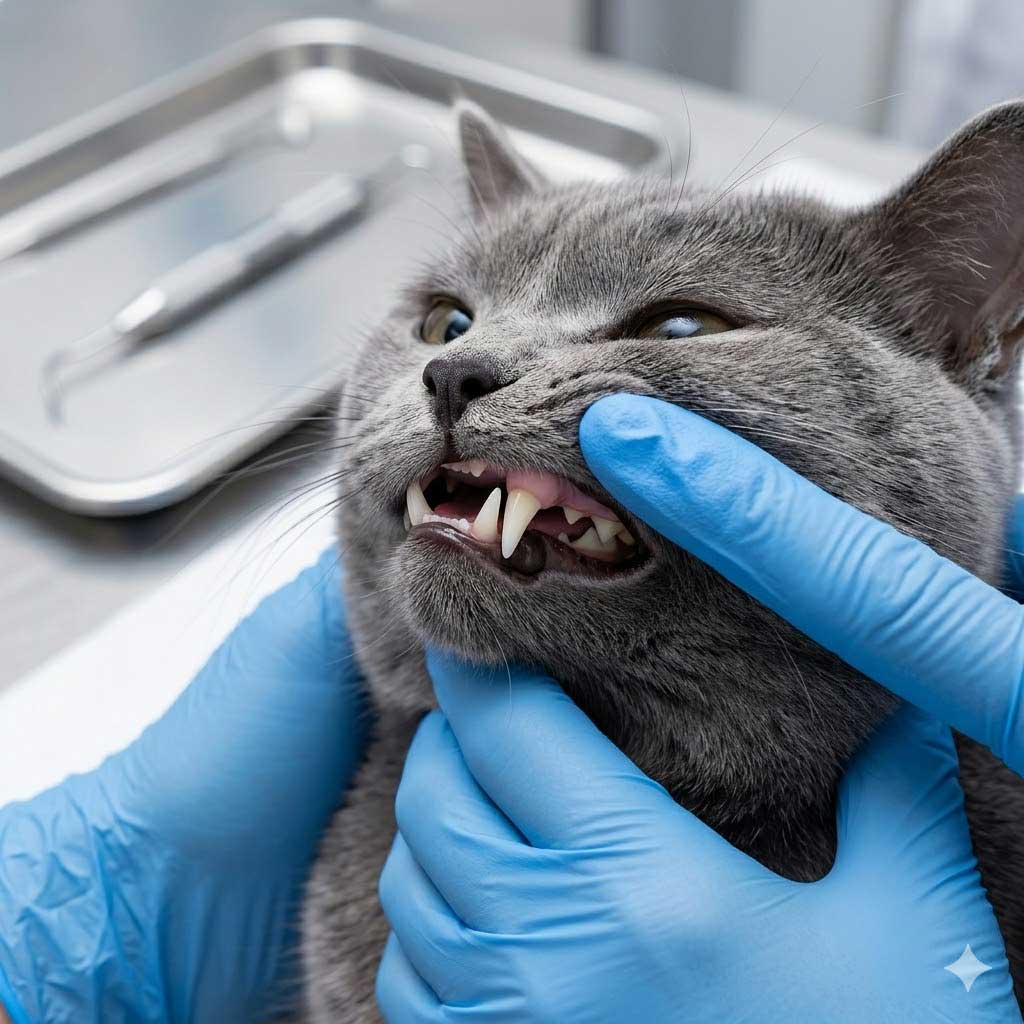
Close-up, clear
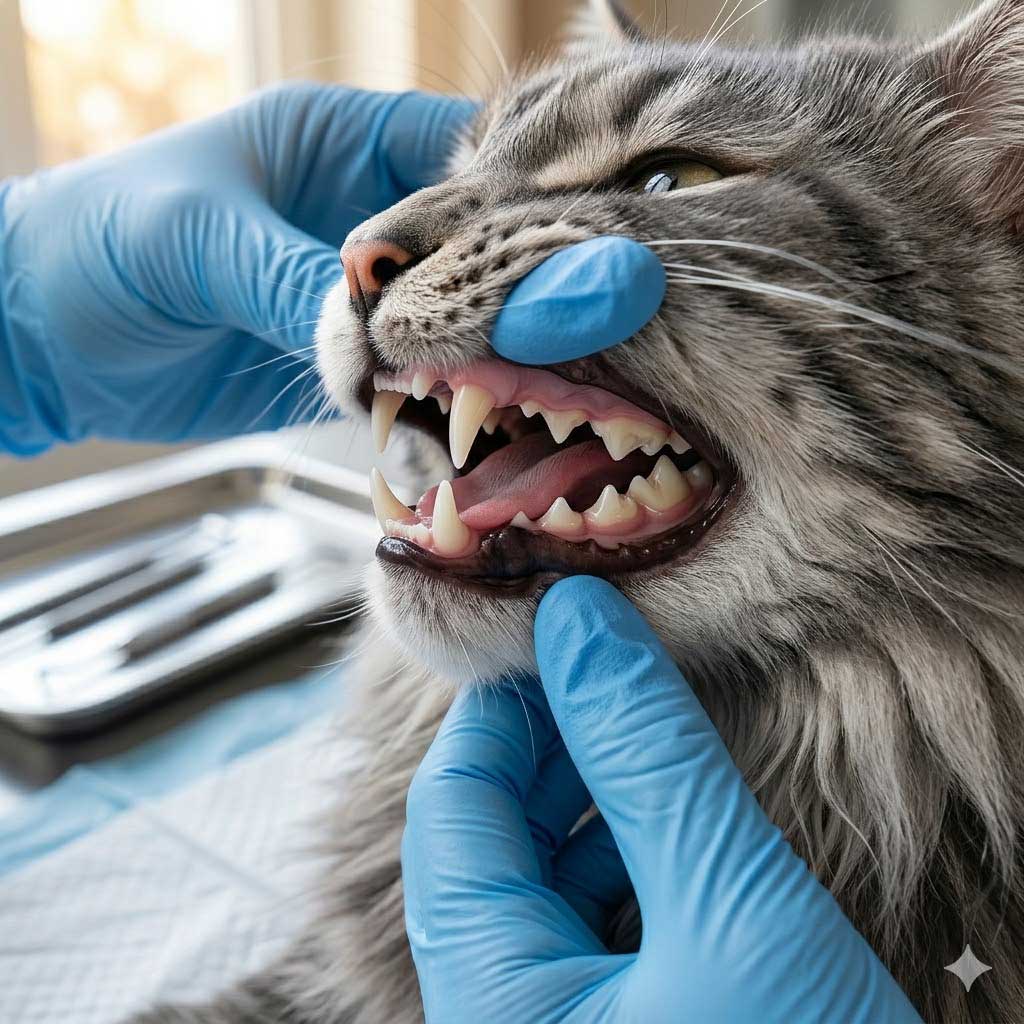
Shows gum line
Avoid

Too far away
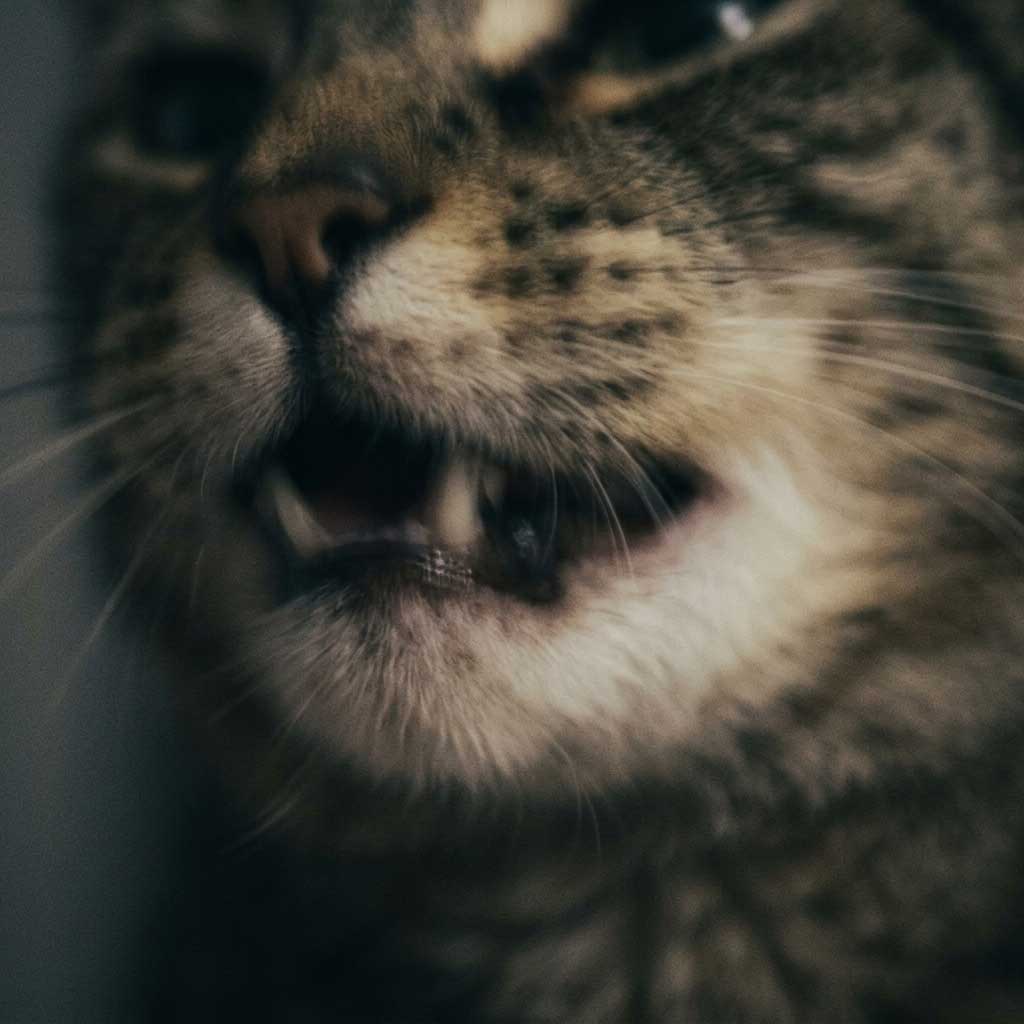
Blurry
Tips for best results
- ✓Gently lift your cat's lips to expose the teeth and gums
- ✓Focus on the area that concerns you most
- ✓Use natural daylight for best results
- ✓Include both the teeth and gum line in the photo
- ✓Keep your cat calm — try when they're relaxed or sleepy
How It Works — AI Cat Dental Checker

Step 1
Upload a Photo
Take a clear, close-up photo of your cat's teeth and gums. Gently lift your cat's lips to expose the teeth and gum line.

Step 2
AI Analyzes
Our AI examines the teeth, gums, tartar buildup, and any signs of infection to identify potential dental health issues.

Step 3
Get Your Report
Receive a detailed health report with the identified condition, possible causes, severity assessment, and recommended next steps.
Common Cat Dental Conditions
Is your cat showing signs of dental problems? Bad breath, red gums, drooling, or difficulty eating can all indicate dental disease. Here are the most common dental conditions our AI can help identify. Also try our dog dental checker or cat ear checker or cat nose checker.
Cat Tooth Infection (Tooth Abscess)
A cat tooth infection occurs when bacteria invade the tooth root, often through advanced periodontal disease or a fractured tooth. The telltale signs include facial swelling (usually on one side), eye discharge on the affected side — a symptom unique to cats that many owners don't connect to dental problems — bad breath, drooling, and refusal to eat. Cat tooth infection symptoms also include pawing at the mouth and head tilting. Treatment typically requires extraction under anesthesia, with antibiotics prescribed before and after. Cat tooth infection treatment cost varies from $300-$1,500 depending on complexity. Left untreated, the infection can spread to the jawbone or bloodstream.
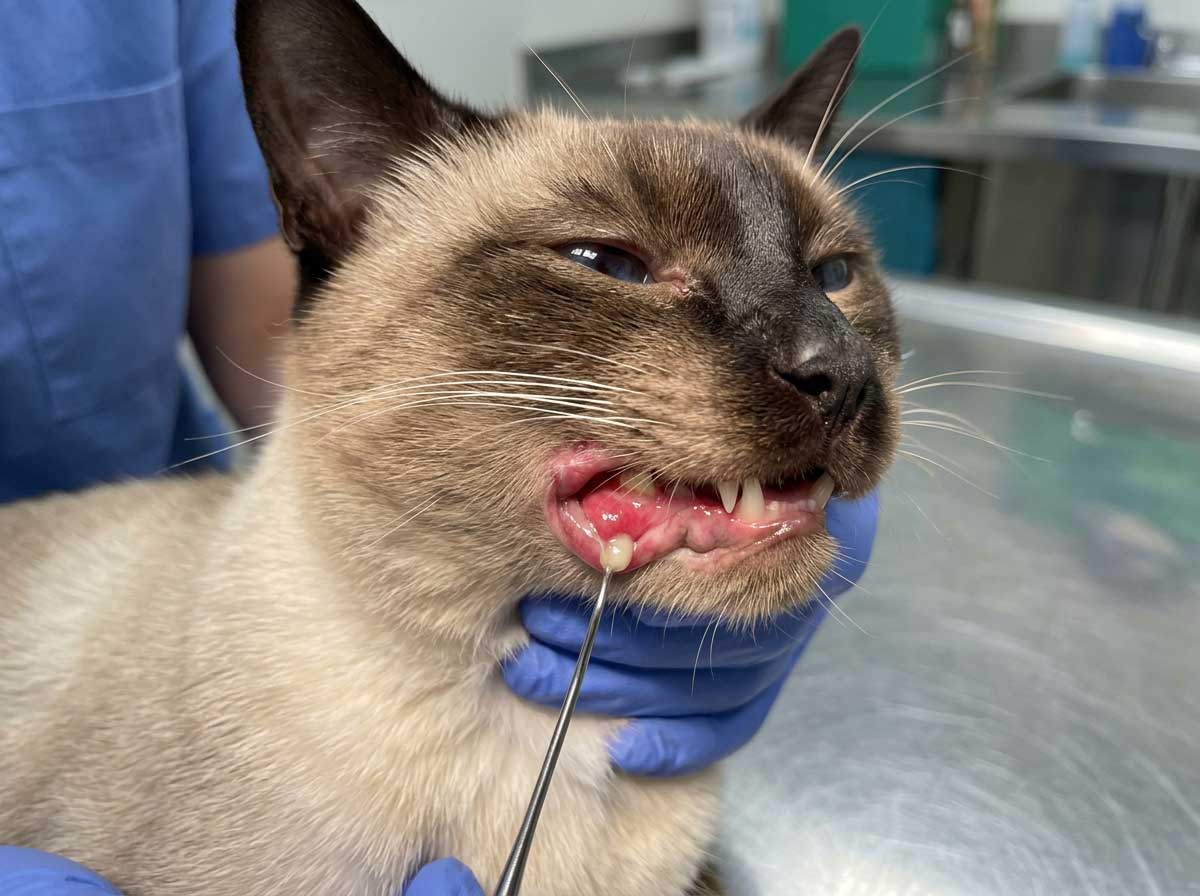
Gum Disease in Cats (Periodontal Disease)
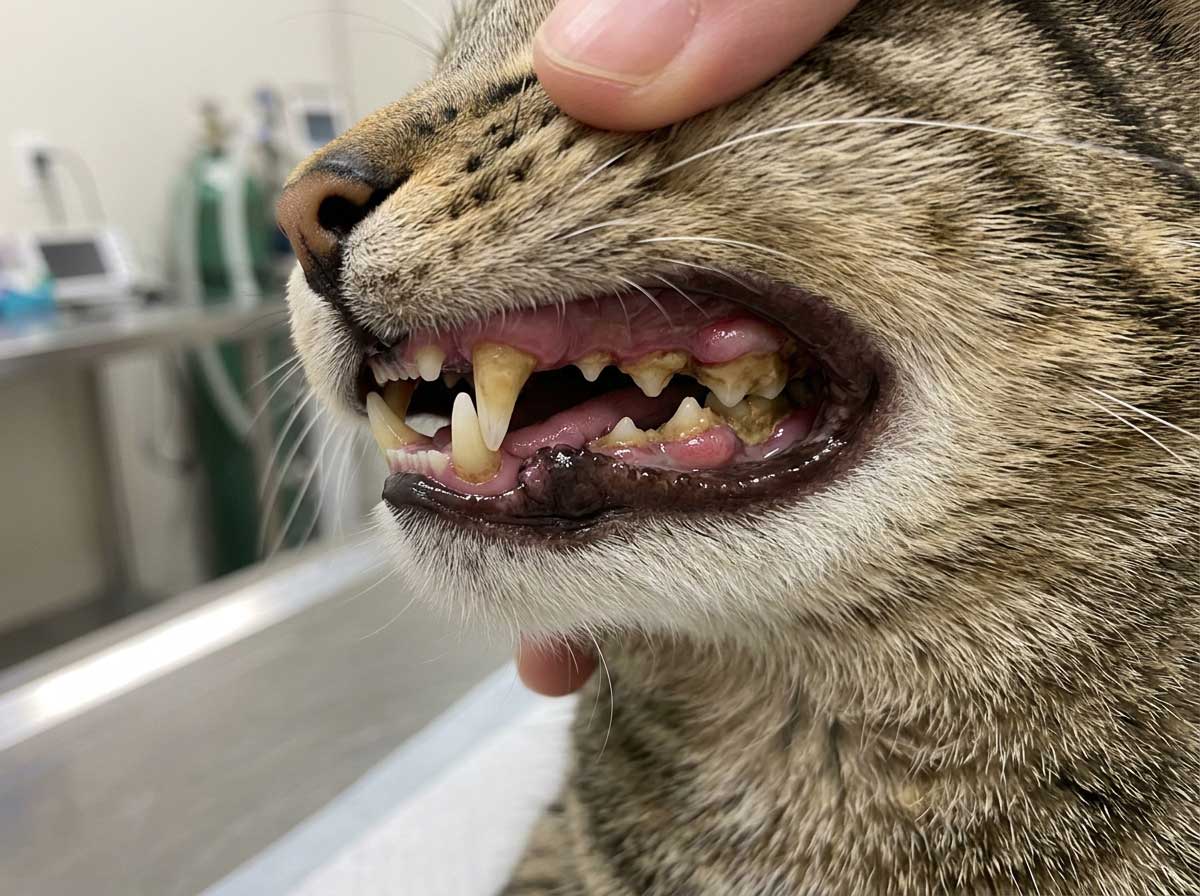
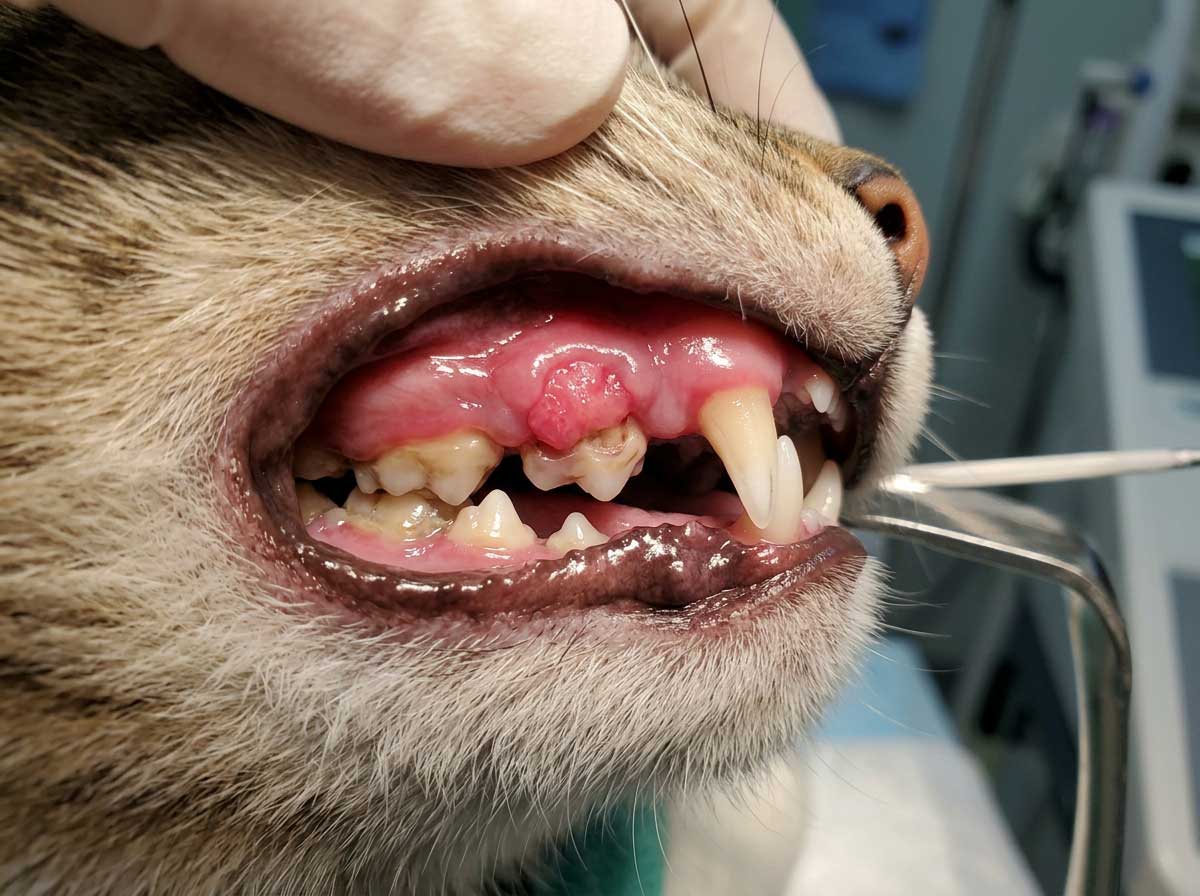
Cat gum disease is extremely common — studies show 50-90% of cats over age 4 have some form of periodontal disease. Cat gum disease stages range from Stage 1 (gingivitis — red, swollen gums that bleed easily, fully reversible) to Stage 4 (severe bone loss with teeth falling out). Early cat gum disease symptoms include a red line along the gums, bad breath, and slight bleeding when eating. As it progresses, you'll see receding gums, heavy tartar buildup, loose teeth, and pus. What does gum disease look like in cats? Look for red or purple gums, yellow-brown tartar deposits, and gum recession exposing tooth roots. Daily brushing and annual dental cleanings are the best prevention.
Cat Stomatitis (Severe Mouth Inflammation)
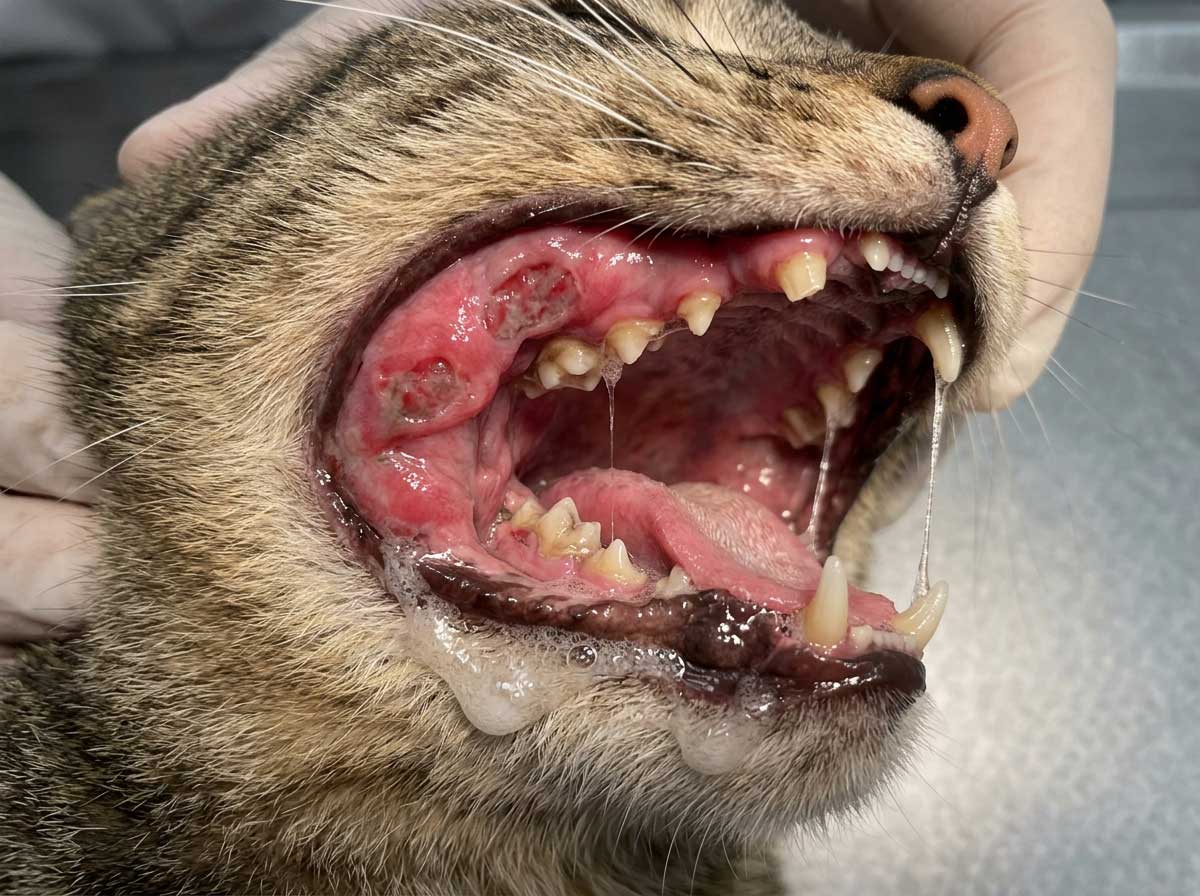
Stomatitis is a devastating condition that affects cats far more often than dogs. It causes severe, widespread inflammation of the gums, inner cheeks, tongue, and back of the throat. Cats with stomatitis experience extreme pain — they may cry when yawning, drool constantly (often blood-tinged), refuse to eat despite being hungry, lose weight rapidly, and have horrific breath. The exact cause is debated, but it's believed to be an immune overreaction to oral bacteria. Cat gum disease stomatitis is notoriously difficult to treat. Many cats require full-mouth or near-full-mouth extraction, which sounds extreme but actually provides dramatic relief in 60-80% of cases. Medications alone rarely control it long-term.
Tooth Resorption (FORL)
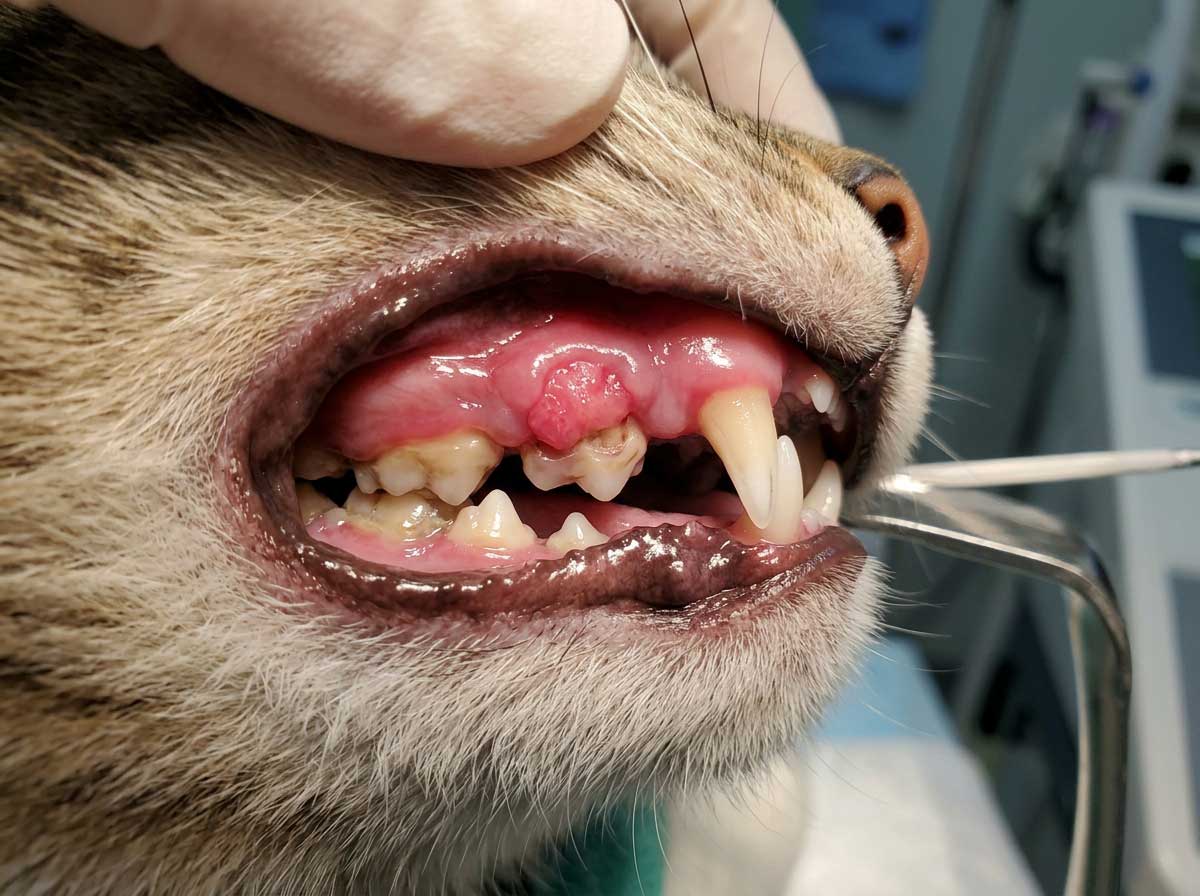
Feline odontoclastic resorptive lesions (FORL), also called tooth resorption, is a cat-specific condition where the tooth structure is gradually destroyed and absorbed by the body. It affects 30-70% of cats, making it one of the most common feline dental problems. The tooth develops painful holes or "cavities" usually at or below the gum line, making them hard to spot without dental X-rays. Signs include jaw chattering when the area is touched, difficulty eating, drooling, and bleeding gums. Unlike human cavities, these cannot be filled — the only treatment is extraction of the affected teeth. The cause remains unknown, which is why regular dental checkups with X-rays are crucial.
Tartar & Plaque Buildup
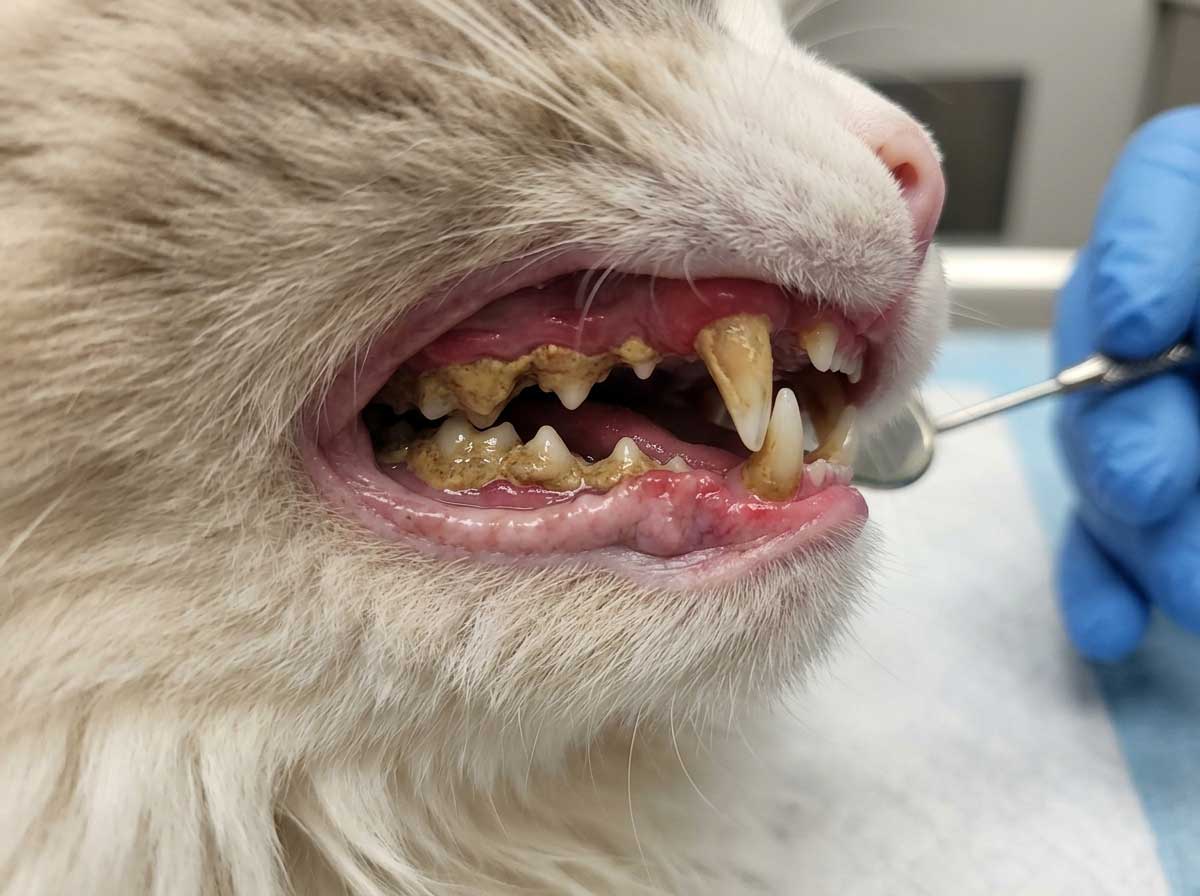
Tartar (calculus) forms when plaque hardens on cat teeth, appearing as yellow, brown, or gray crusty deposits along the gum line. Cats that don't receive regular dental care can develop heavy tartar that covers entire teeth. While tartar itself isn't directly painful, it harbors bacteria that cause gum disease, tooth infections, and stomatitis. Cats with tartar buildup often have persistent bad breath and may develop red, inflamed gums where the tartar meets the gum tissue. Once hardened, tartar cannot be removed by brushing — professional dental cleaning under anesthesia is required. Prevention through daily brushing and dental treats is far easier than treatment.
Broken or Fractured Teeth
Cats can break teeth from trauma (falls, fights, or being hit by a car), chewing on hard objects, or when teeth are weakened by resorption. The most commonly fractured teeth are the canine (fang) teeth. A broken tooth may expose the sensitive pulp, causing significant pain and rapid infection. Signs include visible tooth damage, bleeding, drooling, avoiding food, and sensitivity when the area is touched. Even small fractures can allow bacteria to enter and cause an abscess over time. Treatment depends on severity — minor chips may be monitored, but fractures exposing the pulp require extraction or, in rare cases, root canal therapy.
Worried about your cat's teeth?
Upload a close-up photo of your cat's teeth and gums now. Get an AI-powered dental health report in seconds.
Check Cat Teeth Now →Medical Disclaimer
PawCheck provides AI-generated preliminary health analysis for informational and educational purposes only. This service is not intended to replace professional veterinary advice, diagnosis, or treatment. The AI analysis has inherent limitations and may not always be accurate. Always seek the advice of a qualified, licensed veterinarian with any questions regarding your pet's health. Never disregard professional veterinary advice or delay in seeking it because of information provided by this tool. If your pet is experiencing a medical emergency, contact your veterinarian or emergency animal hospital immediately. By using this service, you acknowledge and agree to these terms.
Frequently Asked Questions
How to treat an infected tooth in a cat?
+
Treatment depends on the severity. Mild gingivitis may improve with professional dental cleaning under anesthesia. However, most cat tooth infections — especially tooth abscesses — require extraction of the affected tooth. Your vet will prescribe antibiotics and pain medication before and after the procedure. Never attempt to treat a cat tooth infection at home with human medications, as many (like acetaminophen) are extremely toxic to cats. If you notice drooling, facial swelling, or refusal to eat, see your vet promptly.
What is Stage 1 dental disease in cats?
+
Stage 1 dental disease in cats is gingivitis — inflammation of the gums. You'll notice a thin red line along the gum where it meets the teeth. The gums may appear slightly swollen and bleed easily when touched. The good news is that Stage 1 is fully reversible with professional dental cleaning and at-home care. If left untreated, it progresses to Stage 2 (early periodontitis), Stage 3 (moderate periodontitis with bone loss), and Stage 4 (severe periodontitis with teeth falling out). Regular dental checkups can catch it early.
What happens if a cat has a rotten tooth?
+
A rotten or severely decayed tooth causes constant pain, even if your cat tries to hide it. The tooth can become infected, forming an abscess that may cause facial swelling, nasal discharge, or eye discharge on the affected side. Cats may stop eating, drool, paw at their mouth, or only chew on one side. Left untreated, the infection can spread to the jawbone or bloodstream (sepsis), which is life-threatening. The treatment is almost always extraction — cats do remarkably well even after having multiple teeth removed.
How do you treat gum disease in cats?
+
Treatment depends on the stage. Stage 1 (gingivitis) is reversible with professional dental cleaning to remove tartar and plaque, followed by daily brushing at home. Stages 2-3 require deep cleaning under the gum line, and loose or damaged teeth may need extraction. Stage 4 often requires multiple extractions. For cat stomatitis (severe mouth inflammation), full-mouth extraction is sometimes the only effective treatment. Your vet may also prescribe antibiotics, anti-inflammatory medications, or pain relief. Prevention through regular dental care is far easier than treatment.
Can a cat live with periodontal disease?
+
Cats can survive with periodontal disease, but it significantly impacts their quality of life. Periodontal disease causes chronic pain, difficulty eating, weight loss, and bad breath. The bacteria from infected gums can enter the bloodstream and affect the heart, kidneys, and liver — organs already vulnerable in older cats. With proper treatment (professional cleaning, extractions if needed, and ongoing dental care), cats can live comfortably. Many cats actually become more active and eat better after having painful teeth removed.
What are the symptoms of a cat tooth infection?
+
Common signs include bad breath (halitosis), drooling or saliva staining on the chin, difficulty eating or dropping food, pawing at the mouth, facial swelling (especially under the eye or on one side of the face), eye discharge on the affected side, bleeding gums, red or swollen gums, loose teeth, weight loss, and behavioral changes like hiding or irritability. Cats are masters at hiding pain, so dental disease is often advanced before owners notice. Regular dental checkups are important even if your cat seems fine.
How much does it cost to treat a cat tooth infection?
+
Costs vary by location and severity. A basic dental cleaning typically ranges from $200-$400. A single tooth extraction may cost $150-$500 depending on complexity. Complex extractions, root remnants, or multiple teeth can cost $500-$2,000+. Emergency treatment for a severe abscess adds additional costs. Many vets offer dental care packages. Pet dental insurance can help cover unexpected costs. While the price may seem high, untreated dental disease leads to far more expensive health problems affecting the kidneys, heart, and other organs.
How can I prevent dental disease in my cat?
+
Start dental care early for best results. Brush your cat's teeth daily or at least 3 times a week using cat-specific toothpaste (never human toothpaste). Dental treats and toys can help reduce plaque buildup. Feed a balanced diet — some veterinary dental diets are specifically designed to scrape teeth clean. Schedule professional dental cleanings with your vet annually or as recommended. Watch for early signs like bad breath or red gums. Starting when your cat is young makes them more accepting of tooth brushing, but even older cats can learn with patience.
More AI Pet Health Checks

Eye Infection Checker
Detect dog eye infection, cat eye problems, conjunctivitis, corneal ulcers, and cataracts.

Skin Disease Checker
Detect dog skin infection, cat skin problems, dermatitis, hot spots, and ringworm.

Dog Ear Infection Checker
Detect dog ear infection, ear mites, yeast infections, and ear discharge with AI photo analysis.

Cat Ear Mites Checker
Detect cat ear mites, ear infections, yeast infections, and ear discharge with AI photo analysis.

Cat Vomit Checker
Why is my cat vomiting? Analyze white foam, yellow bile, blood, hairballs, and more with AI.

Dog Vomit Checker
Dog vomiting when to worry? Analyze white foam, yellow bile, blood, and undigested food with AI.
Dog Nose Checker
Dog nose dry or runny? Analyze cracked noses, nasal discharge, and color changes with AI.
Dog Dental Checker
Detect dog tooth infections, gum disease, tartar buildup, and dental problems with AI photo analysis.

Dog Poop Checker
Blood in dog stool? Analyze poop color, detect worms, mucus, and diarrhea with AI photo analysis.

Dog Lump Checker
Found a lump on your dog? Identify skin tags, warts, cysts, lipomas, and bumps with AI photo analysis.

Cat Poop Checker
Blood in cat stool? Analyze poop color, detect worms, mucus, and diarrhea with AI photo analysis.
Dog Wound Checker
Is your dog's wound infected? Check infection signs, healing stages, and bite wounds with AI photo analysis.

Cat Lump Checker
Found a lump on your cat? Identify skin tags, cysts, lipomas, warts, and bumps with AI photo analysis.

Cat Nose Checker
Cat nose dry or runny? Analyze crusty noses, nasal discharge, and sneezing symptoms with AI.
🐾
View All Tools
Explore all AI pet health check tools