Blood in Dog Stool? Dog Poop Color & Diarrhea Checker — AI Photo Analysis
Upload a photo of your dog's poop and get an instant AI health report. Analyze stool color, detect blood, worms, mucus, and other abnormalities to know when to see a vet.
Drop your pet's photo here
or
✅JPG, PNG, WEBP
📏Max 8MB
This tool provides AI-generated preliminary analysis only. Not a substitute for professional veterinary diagnosis.
📸 Photo Guide
Good photos
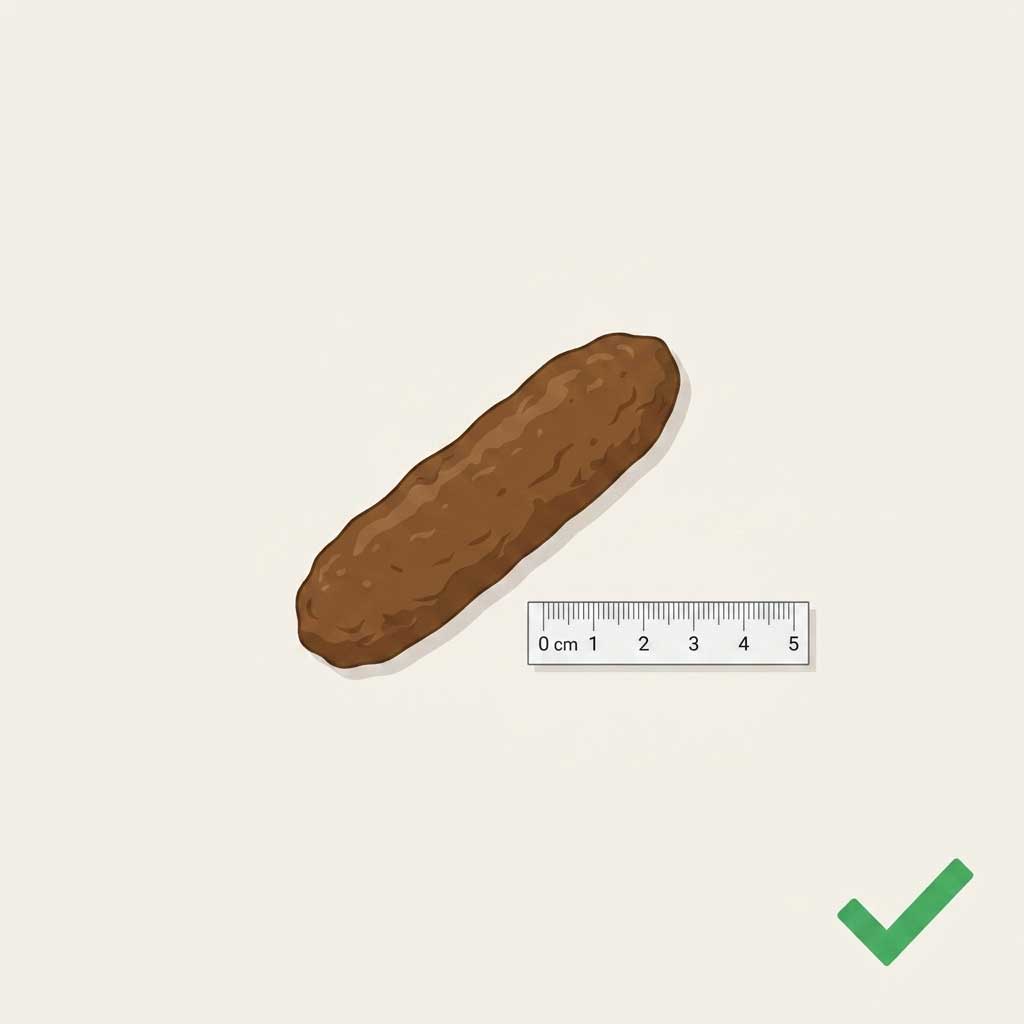
Clear, shows color
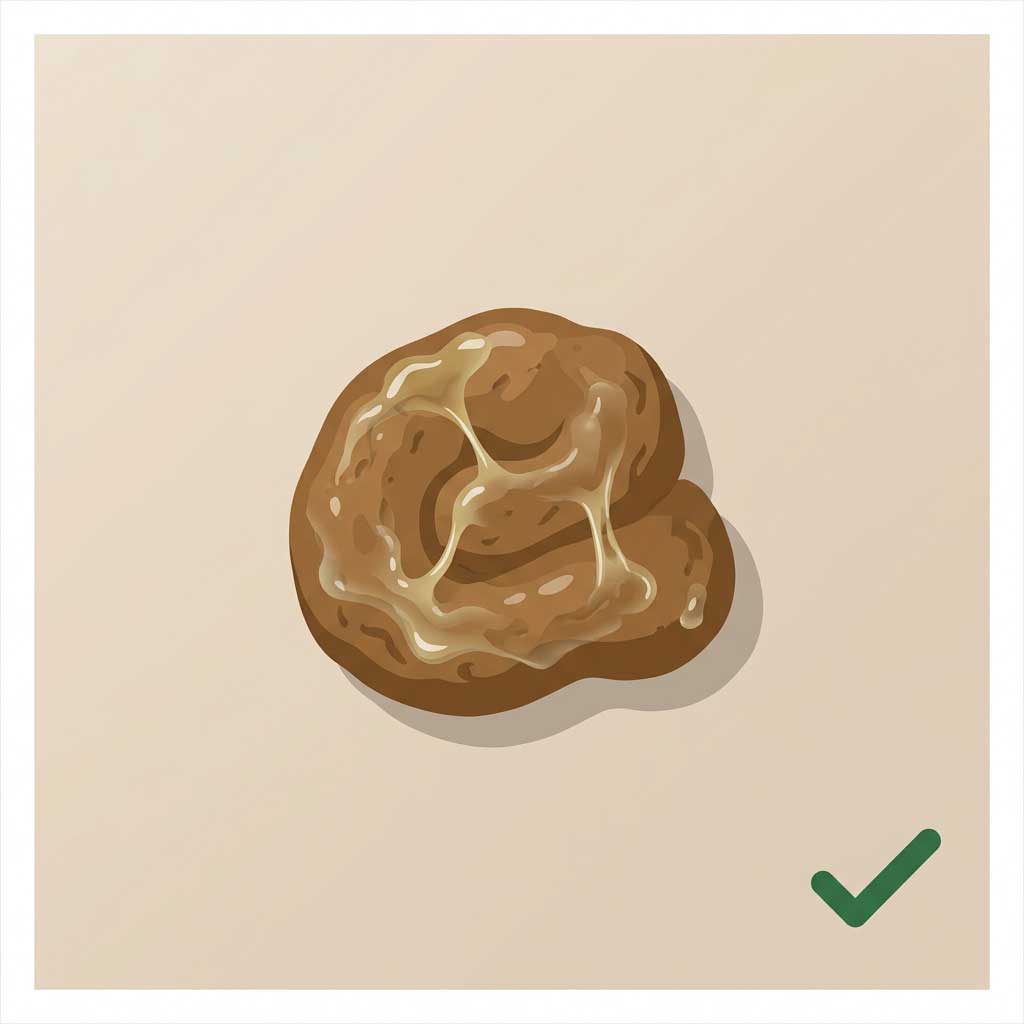
Full stool visible
Avoid

Too far away

Blurry
Tips for best results
- ✓Take the photo in good lighting so the true color is visible
- ✓Include the full stool — don't crop out parts
- ✓If there's blood or mucus, make sure it's clearly visible in the photo
- ✓If you see worms or white specks, get a close-up
- ✓A photo on grass is fine — just make sure the stool is clearly distinguishable
How It Works — AI Dog Poop Checker
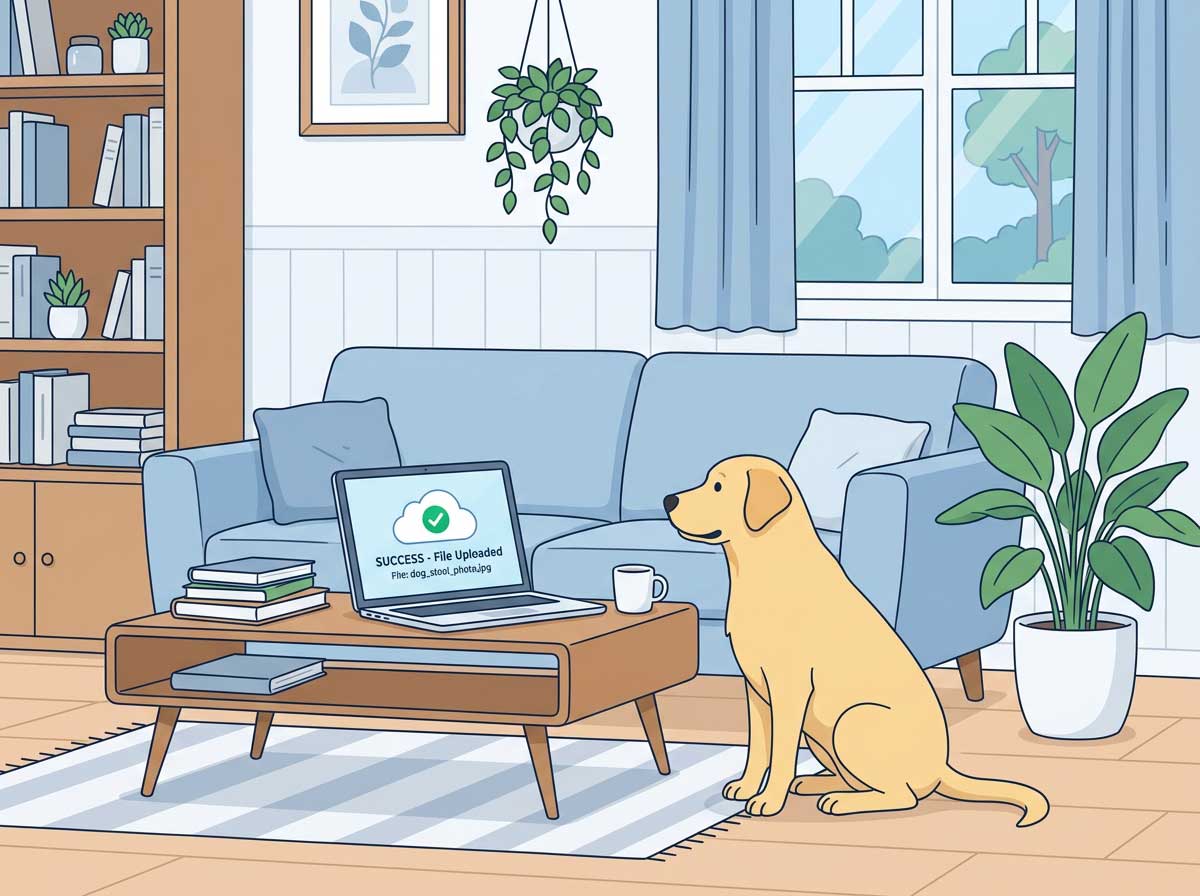
Step 1
Upload a Photo
Take a clear photo of your dog's poop. Include the full stool so the AI can analyze color, texture, consistency, and any visible abnormalities.
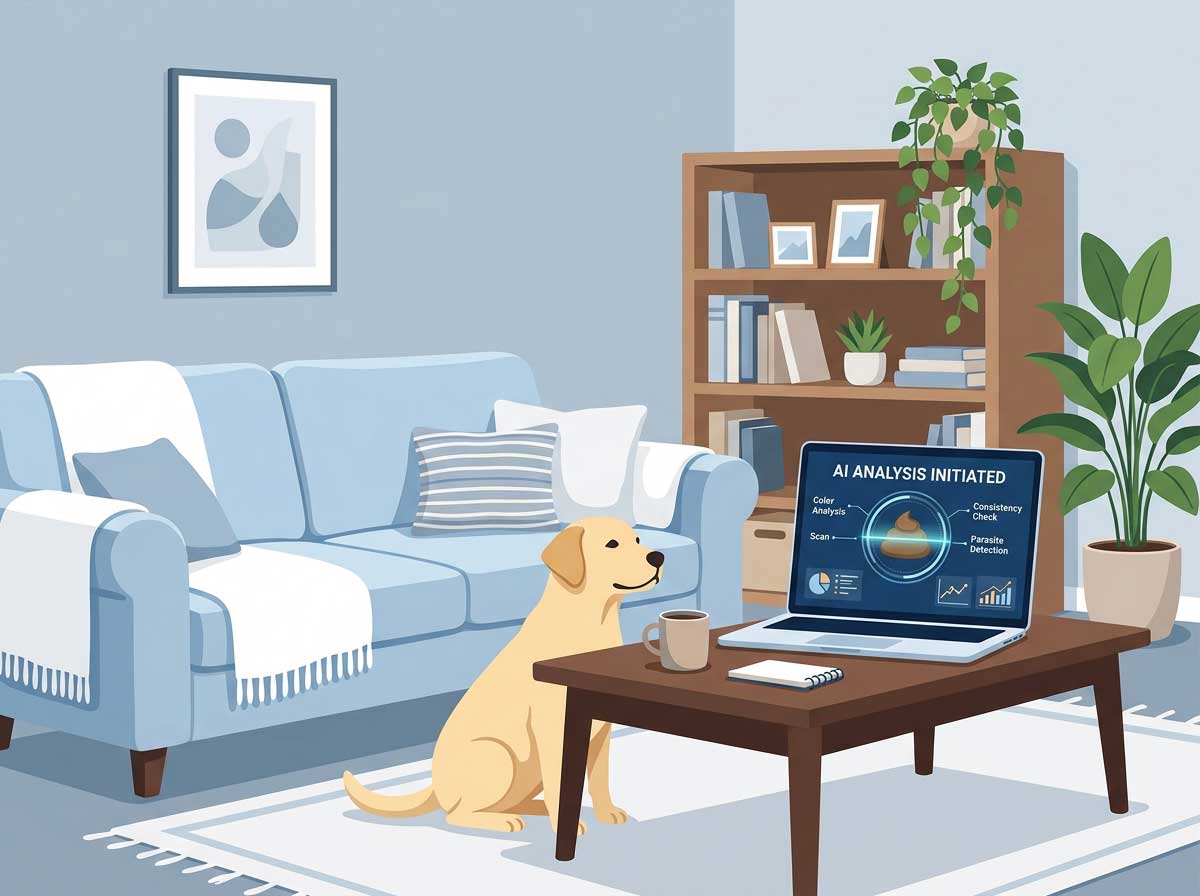
Step 2
AI Analyzes
Our AI examines the stool color, consistency, presence of blood, mucus, worms, or foreign objects to identify potential health issues.

Step 3
Get Your Report
Receive a detailed health report with what the stool color and consistency may indicate, possible causes, severity assessment, and recommended next steps.
What Your Dog's Poop Is Telling You
Dog poop color, consistency, and contents can reveal a lot about your dog's health. Blood, mucus, worms, or unusual colors are warning signs. Here are the most common stool abnormalities our AI can help identify. Also try our cat poop checker or dog vomit checker or dog nose checker.
Blood in Dog Stool (Bloody Poop)
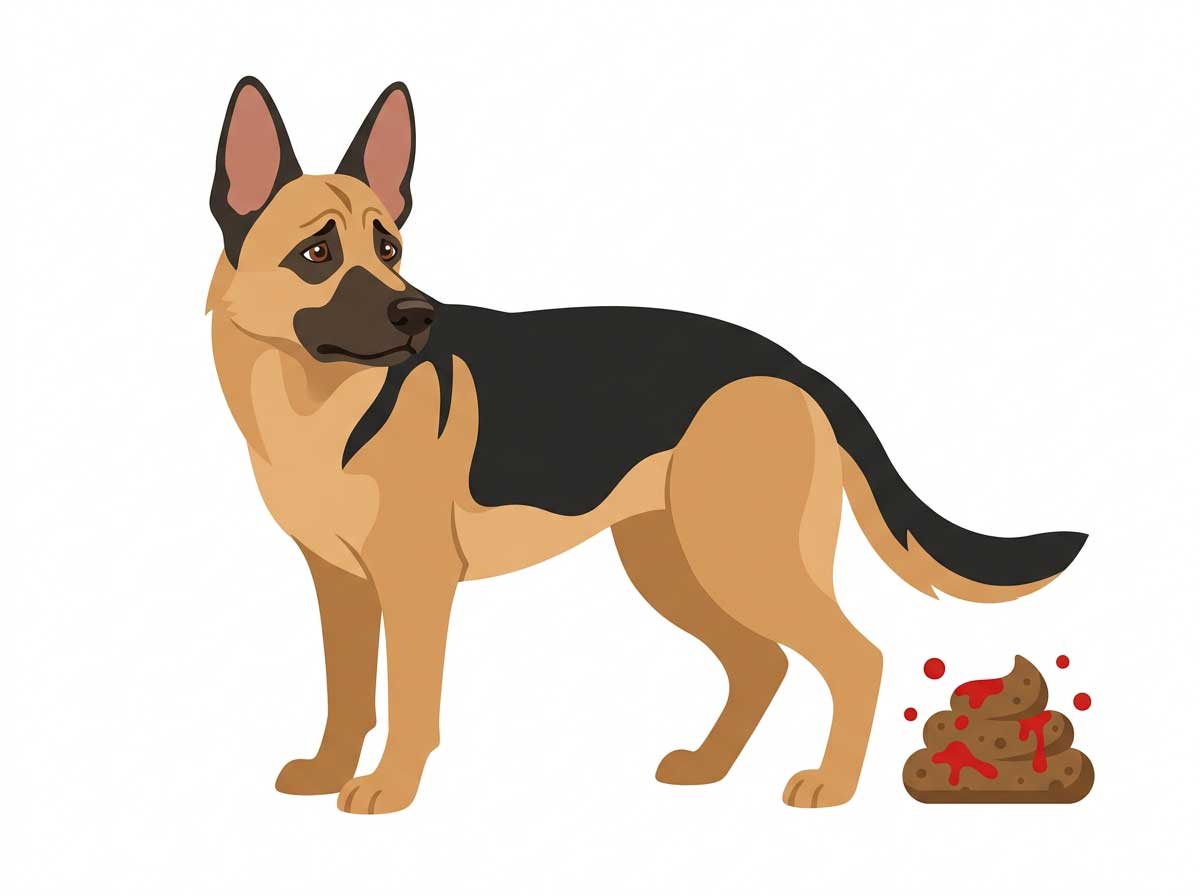
Blood in dog stool is one of the most alarming things pet owners encounter. Bright red blood (hematochezia) typically comes from the lower digestive tract — the colon or rectum — and common causes include colitis, intestinal parasites, dietary indiscretion, or anal gland issues. Blood in dog stool but acting normal is common with minor irritation. However, dog poop like jelly with blood (bloody mucus) suggests colitis or a more significant inflammation. Dark, tarry blood means upper GI bleeding and is more serious. Bright red blood in dog stool in small amounts is often manageable, but large amounts, persistent bleeding, or blood accompanied by lethargy or vomiting requires urgent veterinary care.
Worms in Dog Poop
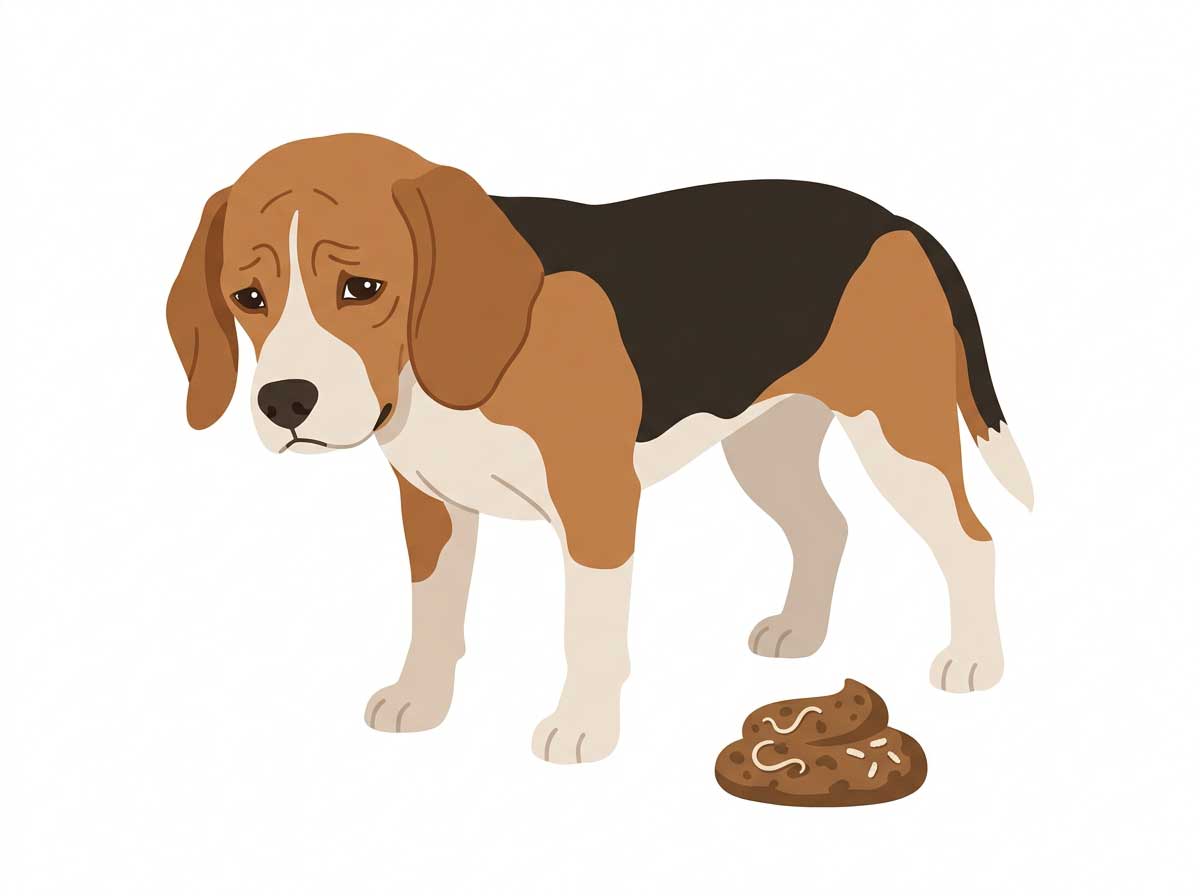
Finding worms in dog poop is disturbing but very common — most dogs get intestinal parasites at some point. The most visible types include roundworms (long, white, spaghetti-like — up to several inches), tapeworms (flat, white segments that look like rice grains or sesame seeds — worms in dog poop that look like rice are almost always tapeworm), and hookworms (tiny, thin, harder to see). White worms in dog poop are typically roundworms or tapeworm segments. Worms in dog poop are contagious to other dogs and some species can infect humans too. Treatment is straightforward with prescription dewormer from your vet. Regular preventive deworming is the best protection.
Mucus in Dog Poop (Jelly-Like Stool)
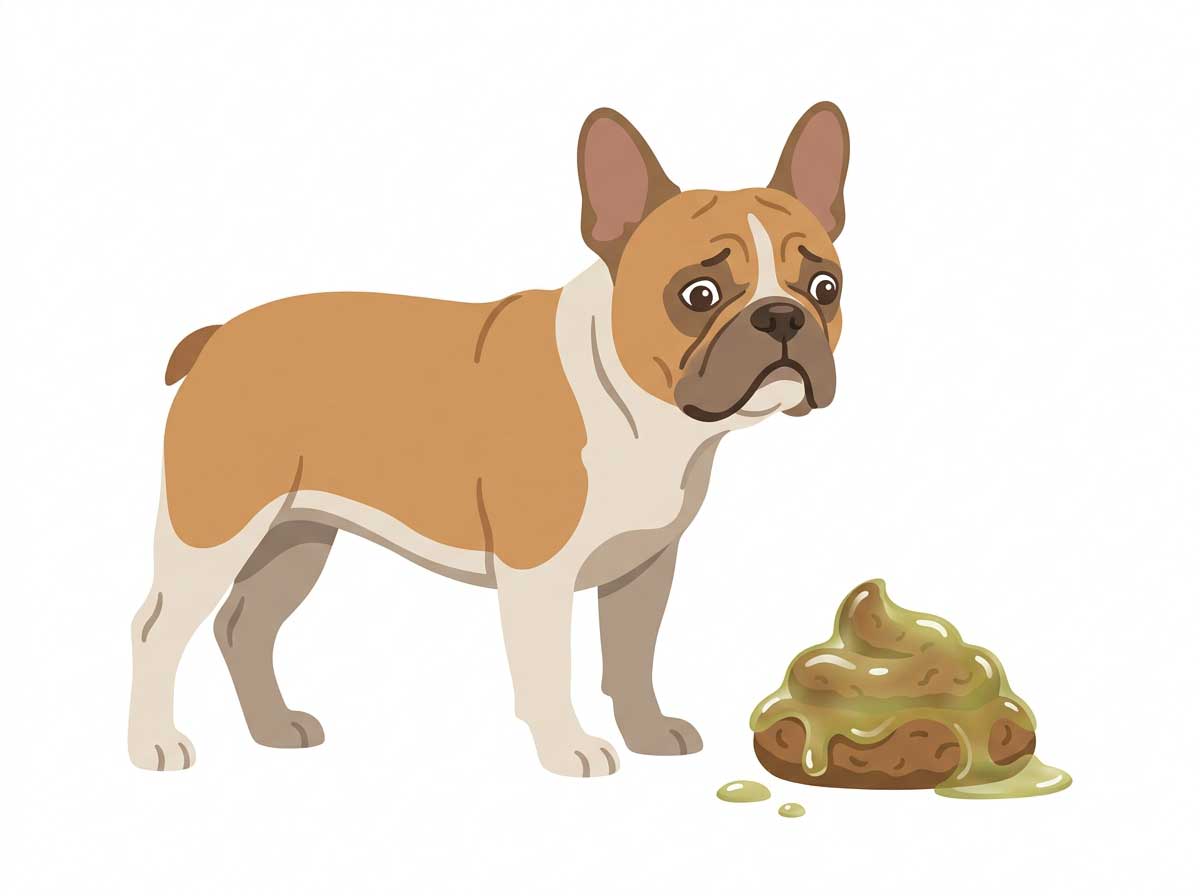
A small amount of mucus in dog poop is normal — intestines produce mucus to help stool pass. But excessive mucus, especially if the stool looks like jelly or is encased in a membrane, signals inflammation. Dog poop encased in membrane or mucus in dog stool but acting normal may indicate mild colitis, dietary sensitivity, or stress. Yellow mucus in dog poop can suggest a bacterial infection. When mucus appears with blood (bloody mucus poop dog), it often indicates colitis, parasites, or inflammatory bowel disease. If mucus persists more than 2-3 days or comes with diarrhea, blood, or appetite loss, see your vet.
Black Dog Poop (Tarry Stool / Melena)
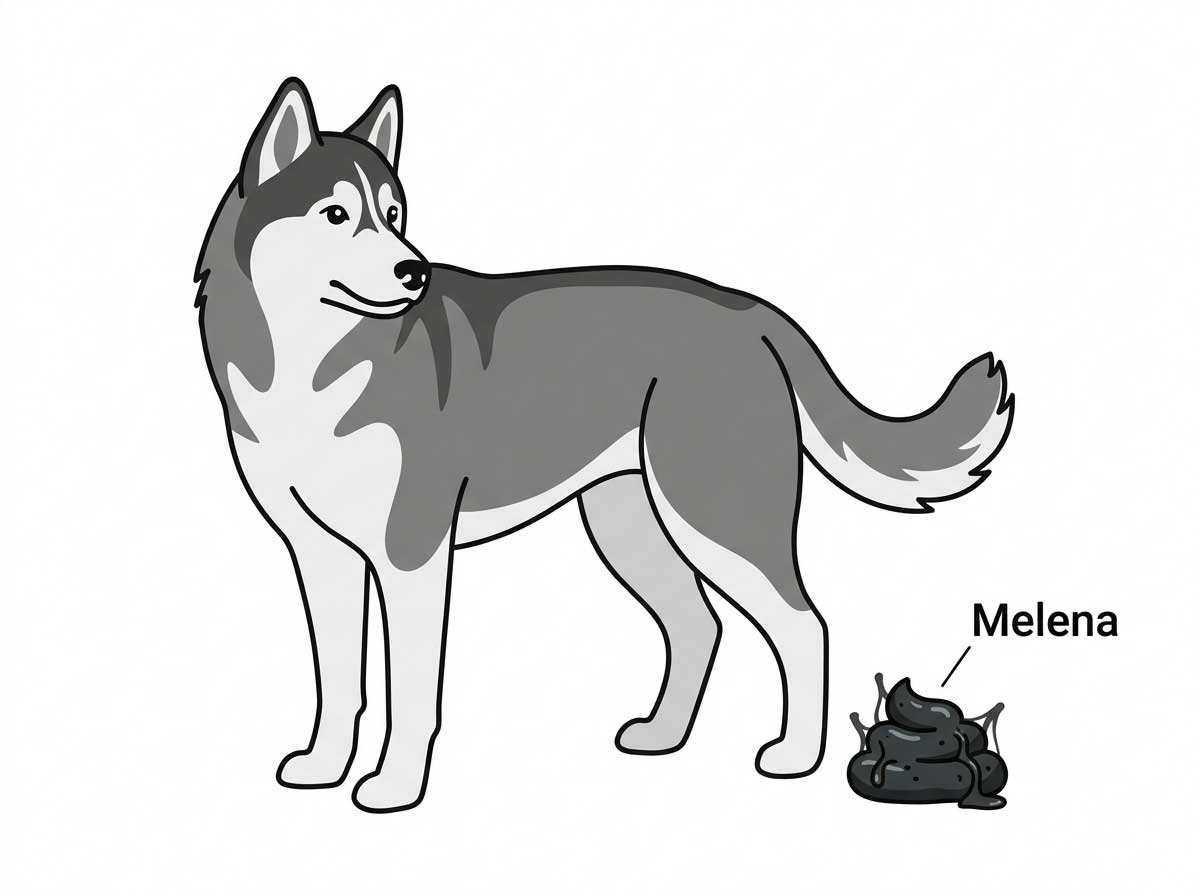
Black, tarry dog poop — called melena — is a serious sign that usually indicates digested blood from the upper gastrointestinal tract (stomach or small intestine). The blood turns black as it's digested on its way through. Common causes include stomach ulcers (often from NSAID medications like aspirin or ibuprofen), tumors, severe infections, or ingestion of blood from a wound. Black dog poop but acting normal can still be serious — the bleeding may be slow but ongoing. Why is my dog's poop black? If your dog hasn't eaten dark-colored foods (like liver or charcoal treats), black stool warrants a vet visit within 24 hours.
Yellow or Green Dog Poop
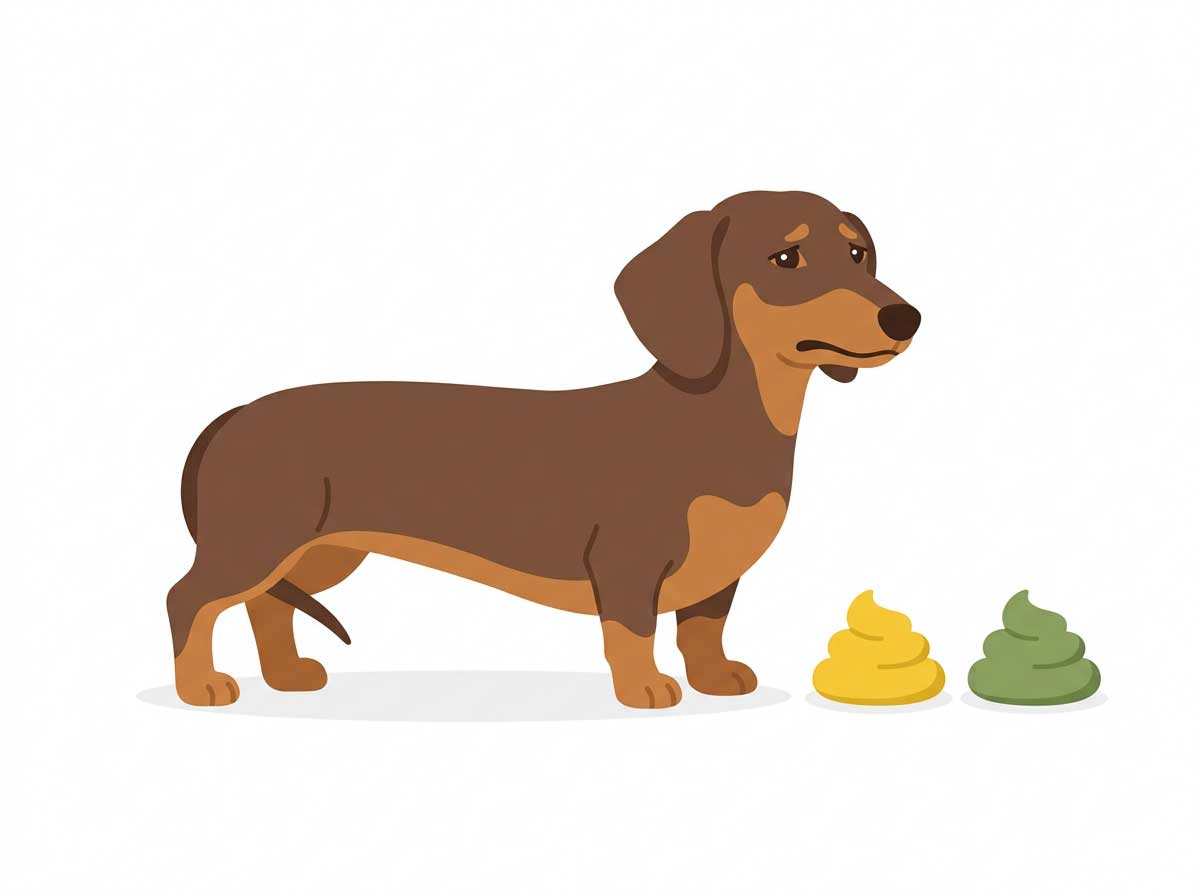
Dog poop yellow color can indicate several things: eating too fast (food passes through without full digestion), liver or gallbladder issues (bile not being processed properly), pancreatitis (dog pancreatitis poop color is often yellow or orange and greasy), or a food intolerance. Yellow dog poop after chicken and rice is common during a bland diet and usually normalizes. Green dog poop often means your dog has been eating grass, but it can also indicate a gallbladder issue, intestinal parasites, or — urgently — rat poison ingestion. If your dog could have accessed rodent bait and has green poop, this is an emergency.
White or Pale Dog Poop
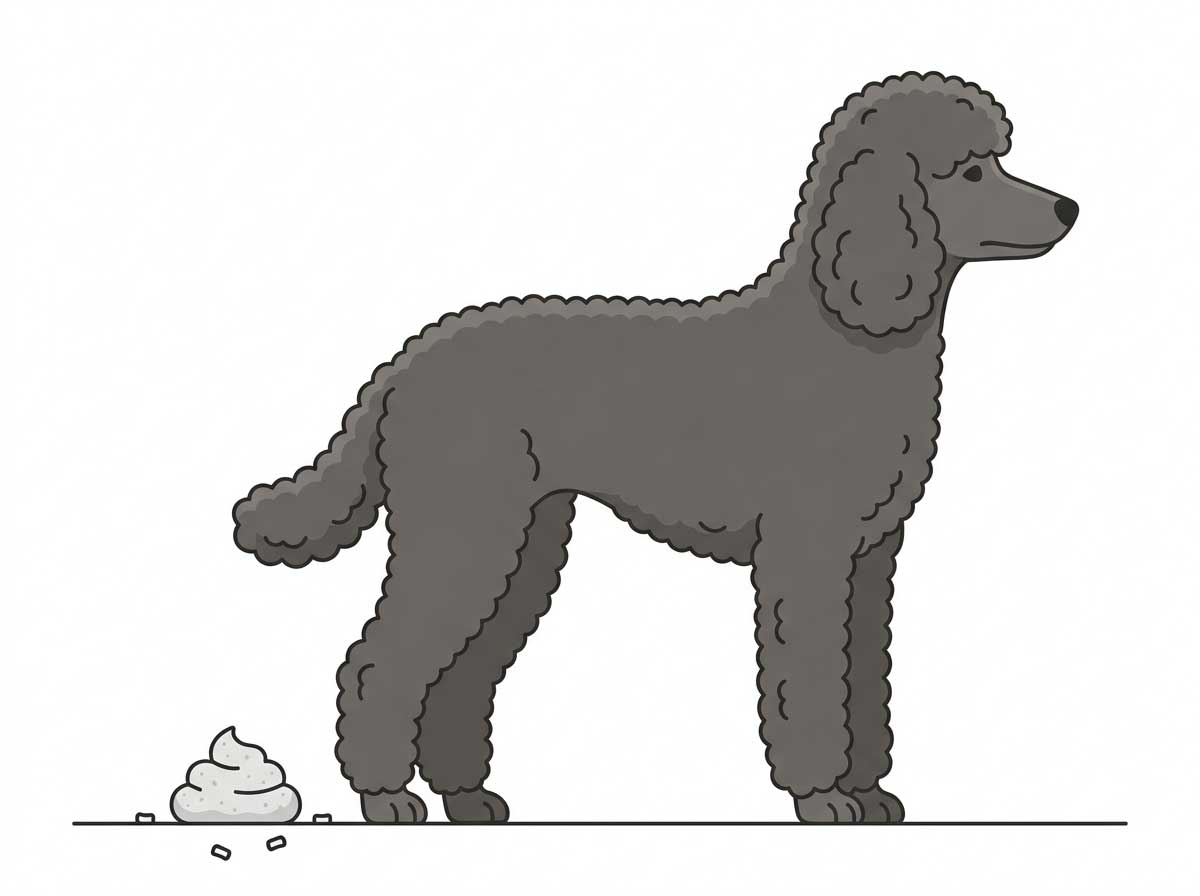
White dog poop or very pale, gray, clay-colored stool can indicate a problem with the liver, gallbladder, or pancreas — specifically a lack of bile reaching the intestines. Bile gives poop its normal brown color, so its absence results in pale stool. White specks or spots in otherwise normal-colored poop are different — these are usually tapeworm segments (they look like rice grains) or undigested food. Why does dog poop turn white? Old poop left in the yard turns white from sun bleaching and calcium — this is normal. But fresh white or gray poop is not normal and warrants a vet visit to check liver and pancreatic function.
Worried about your dog's poop?
Upload a photo of your dog's stool now. Get an AI-powered analysis of color, consistency, and potential health issues in seconds.
Check Dog Poop Now →Medical Disclaimer
PawCheck provides AI-generated preliminary health analysis for informational and educational purposes only. This service is not intended to replace professional veterinary advice, diagnosis, or treatment. The AI analysis has inherent limitations and may not always be accurate. Always seek the advice of a qualified, licensed veterinarian with any questions regarding your pet's health. Never disregard professional veterinary advice or delay in seeking it because of information provided by this tool. If your pet is experiencing a medical emergency, contact your veterinarian or emergency animal hospital immediately. By using this service, you acknowledge and agree to these terms.
Frequently Asked Questions
Is blood in dog stool an emergency?
+
It depends on the amount and color. A small streak of bright red blood (hematochezia) in otherwise normal stool is usually not an immediate emergency — it often comes from minor irritation in the lower digestive tract. However, large amounts of blood, dark tarry black stool (melena), blood accompanied by vomiting, lethargy, or loss of appetite, or bloody diarrhea in puppies (possible parvovirus) should be treated as urgent. When in doubt, contact your vet within 24 hours. Upload a photo to get an initial AI assessment of what the blood may indicate.
What does parvovirus poop look like?
+
Parvovirus (parvo) poop is typically very watery, bloody diarrhea with a distinctive foul, metallic smell that most people describe as unmistakable once encountered. The stool is often dark red or maroon-colored, sometimes mixed with mucus. Parvo is most common in unvaccinated puppies under 6 months old. Other symptoms include severe lethargy, vomiting, loss of appetite, and rapid dehydration. Parvo is life-threatening and highly contagious — if you suspect it, isolate your dog and get to a vet immediately. Early treatment dramatically improves survival rates.
Are worms in dog poop contagious to humans?
+
Yes, some dog worms can infect humans (called zoonotic parasites). Roundworms (Toxocara) are the most common risk — their eggs can survive in soil for years and cause visceral or ocular larva migrans in humans, especially children. Hookworms can penetrate human skin and cause cutaneous larva migrans (itchy, red, winding rash). Tapeworms are less commonly transmitted but possible if you accidentally ingest a flea. Always wash your hands thoroughly after cleaning up dog poop, wear gloves when gardening, and keep your dog on a regular deworming schedule.
When should I worry about mucus in dog poop?
+
A small amount of mucus in dog poop is normal — the intestines produce mucus to help stool pass smoothly. You should worry if: there's a large amount of mucus (the stool looks like jelly), mucus appears consistently over multiple days, it's accompanied by blood, diarrhea, vomiting, or loss of appetite, or your dog is straining to poop. Common causes include dietary changes, food intolerance, intestinal parasites, colitis, and inflammatory bowel disease. If mucus persists for more than 2-3 days or is accompanied by other symptoms, see your vet.
What color dog poop is concerning?
+
Normal dog poop is chocolate brown. Concerning colors include: Black or tarry (possible upper GI bleeding — stomach or small intestine), Red or bloody (lower GI bleeding, colitis, or parasites), Yellow or orange (liver or gallbladder issues, or eating too fast), Green (gallbladder issue, eating grass, or rat poison ingestion — urgent if your dog could have accessed poison), White or gray (pancreatic or bile duct problems), and White spots or specks (possible tapeworm segments). Any sudden color change that persists for more than 1-2 bowel movements warrants attention.
What if my dog has diarrhea but is still eating?
+
If your dog has diarrhea but is still eating, acting normally, and staying hydrated, it's often not an emergency. Common causes include dietary indiscretion (eating something they shouldn't have), sudden food changes, stress, or mild infections. Try a bland diet (boiled chicken and white rice) for 2-3 days, ensure plenty of fresh water, and avoid treats. However, see a vet if: diarrhea lasts more than 48 hours, there's blood or mucus, your dog becomes lethargic, or it's a puppy (they dehydrate quickly). Upload a photo of the stool for an AI assessment.
How long does dog diarrhea typically last?
+
Mild diarrhea from dietary indiscretion or stress usually resolves within 24-48 hours with a bland diet and rest. If diarrhea persists beyond 48 hours, or is accompanied by vomiting, blood, lethargy, or loss of appetite, veterinary attention is needed. Chronic diarrhea lasting more than 2 weeks suggests an underlying condition like inflammatory bowel disease, food allergies, parasites, or pancreatic insufficiency, which requires diagnostic testing. Puppies and senior dogs should be seen sooner as they dehydrate more quickly.
What does it mean if my dog's poop is black?
+
Black, tarry dog poop (called melena) usually indicates digested blood from the upper gastrointestinal tract — the stomach or small intestine. This is different from bright red blood, which comes from the lower GI tract. Common causes include stomach ulcers, ingestion of blood (from a mouth wound or nosebleed), certain medications (NSAIDs like aspirin or ibuprofen), tumors, or serious infections. Black stool is generally more concerning than red blood and should prompt a vet visit within 24 hours. Note: iron supplements or eating dark foods (like liver) can also cause dark stool without being dangerous.
More AI Pet Health Checks
Eye Infection Checker
Detect dog eye infection, cat eye problems, conjunctivitis, corneal ulcers, and cataracts.
Skin Disease Checker
Detect dog skin infection, cat skin problems, dermatitis, hot spots, and ringworm.

Dog Ear Infection Checker
Detect dog ear infection, ear mites, yeast infections, and ear discharge with AI photo analysis.
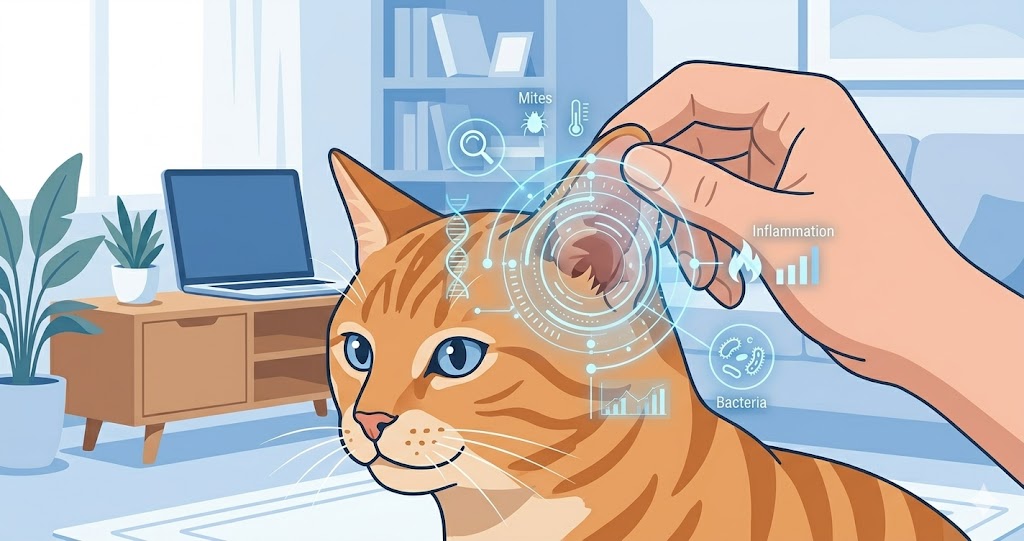
Cat Ear Mites Checker
Detect cat ear mites, ear infections, yeast infections, and ear discharge with AI photo analysis.
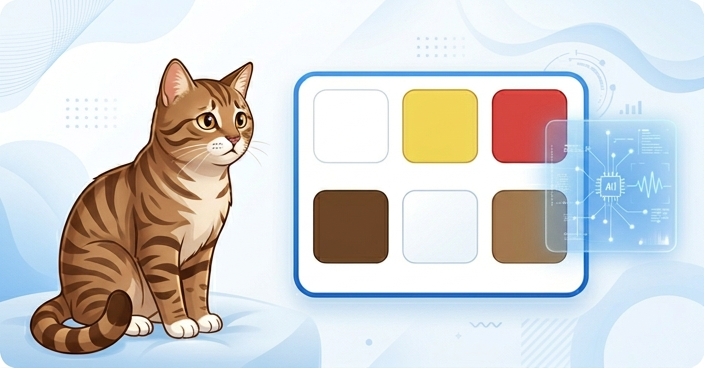
Cat Vomit Checker
Why is my cat vomiting? Analyze white foam, yellow bile, blood, hairballs, and more with AI.
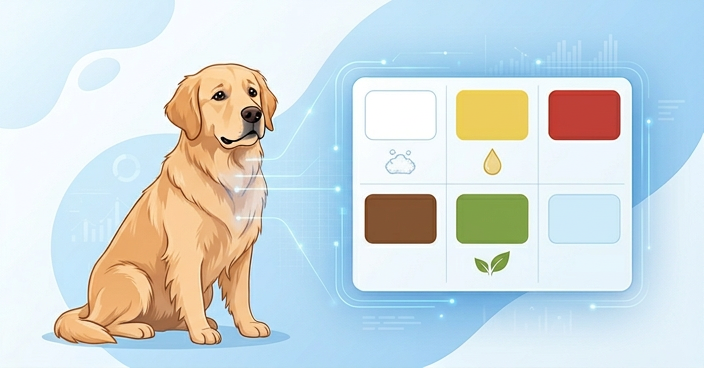
Dog Vomit Checker
Dog vomiting when to worry? Analyze white foam, yellow bile, blood, and undigested food with AI.
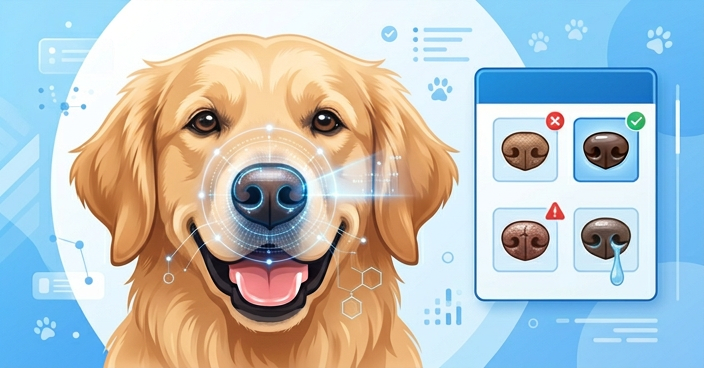
Dog Nose Checker
Dog nose dry or runny? Analyze cracked noses, nasal discharge, and color changes with AI.
Dog Dental Checker
Detect dog tooth infections, gum disease, tartar buildup, and dental problems with AI photo analysis.
Cat Dental Checker
Detect cat tooth infections, gum disease, stomatitis, tooth resorption, and dental problems with AI photo analysis.

Dog Lump Checker
Found a lump on your dog? Identify skin tags, warts, cysts, lipomas, and bumps with AI photo analysis.
Cat Poop Checker
Blood in cat stool? Analyze poop color, detect worms, mucus, and diarrhea with AI photo analysis.
Dog Wound Checker
Is your dog's wound infected? Check infection signs, healing stages, and bite wounds with AI photo analysis.
Cat Lump Checker
Found a lump on your cat? Identify skin tags, cysts, lipomas, warts, and bumps with AI photo analysis.
Cat Nose Checker
Cat nose dry or runny? Analyze crusty noses, nasal discharge, and sneezing symptoms with AI.
🐾
View All Tools
Explore all AI pet health check tools