Dog Wound Infection Signs? AI Wound Checker
Is your dog's wound infected or healing normally? Upload a photo and get an instant AI assessment of infection signs, wound type, healing stage, and whether you need to see a vet.
Drop your pet's photo here
or
✅JPG, PNG, WEBP
📏Max 8MB
This tool provides AI-generated preliminary analysis only. Not a substitute for professional veterinary diagnosis.
📸 Photo Guide
Good photos
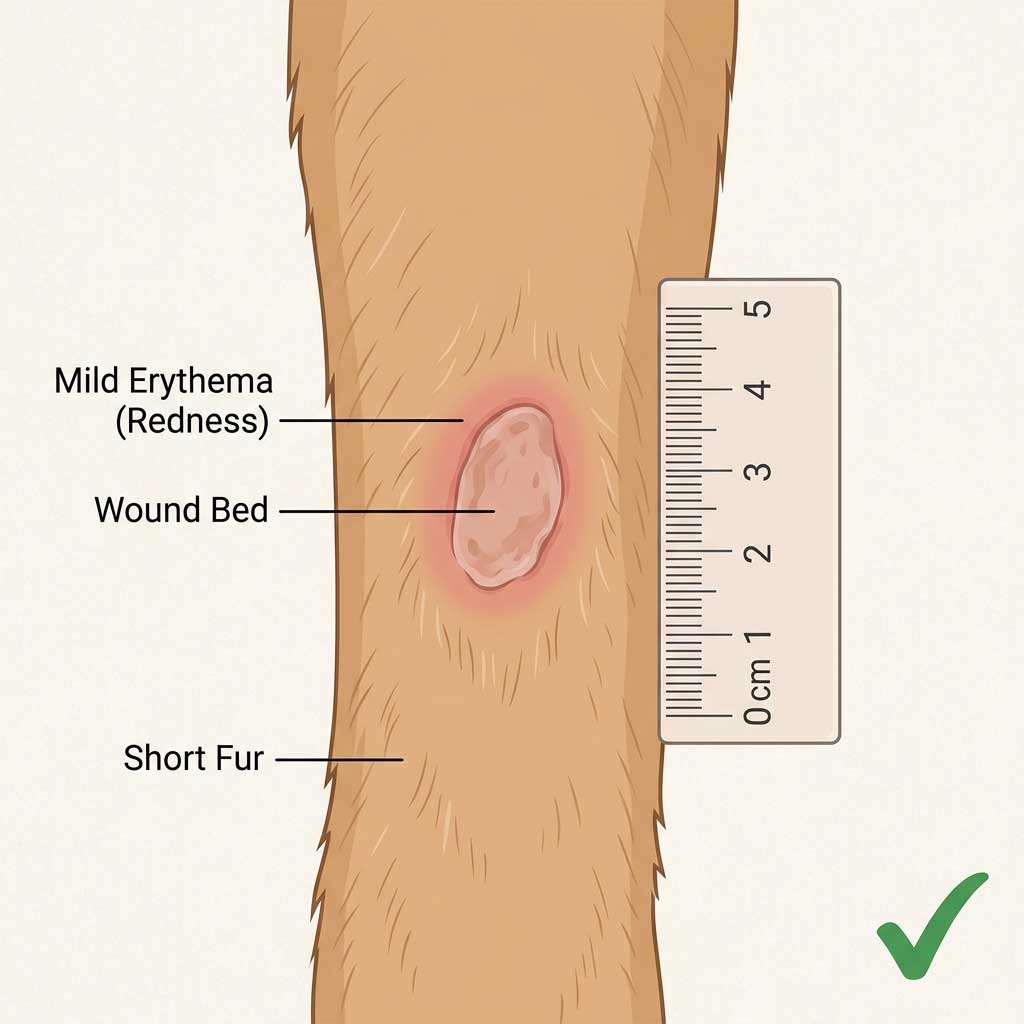
Close-up, clear
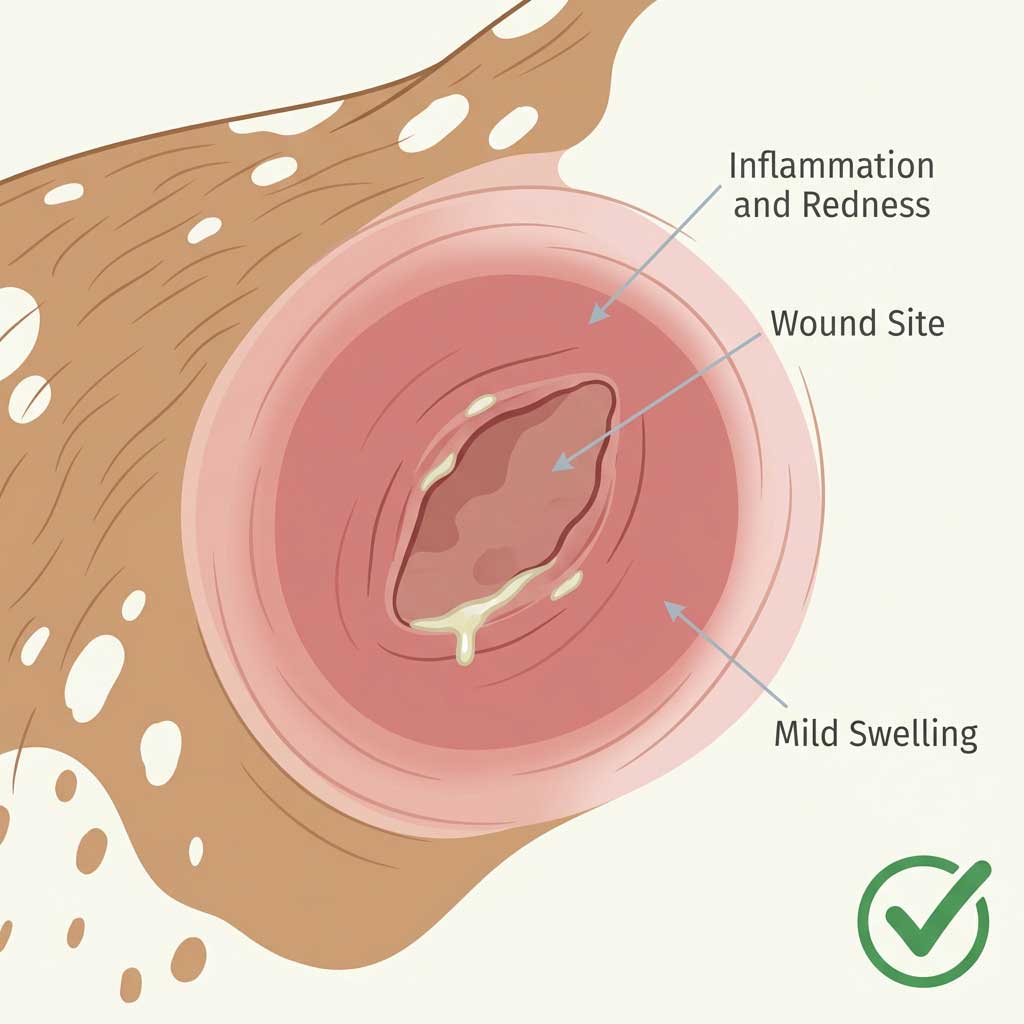
Shows surrounding area
Avoid
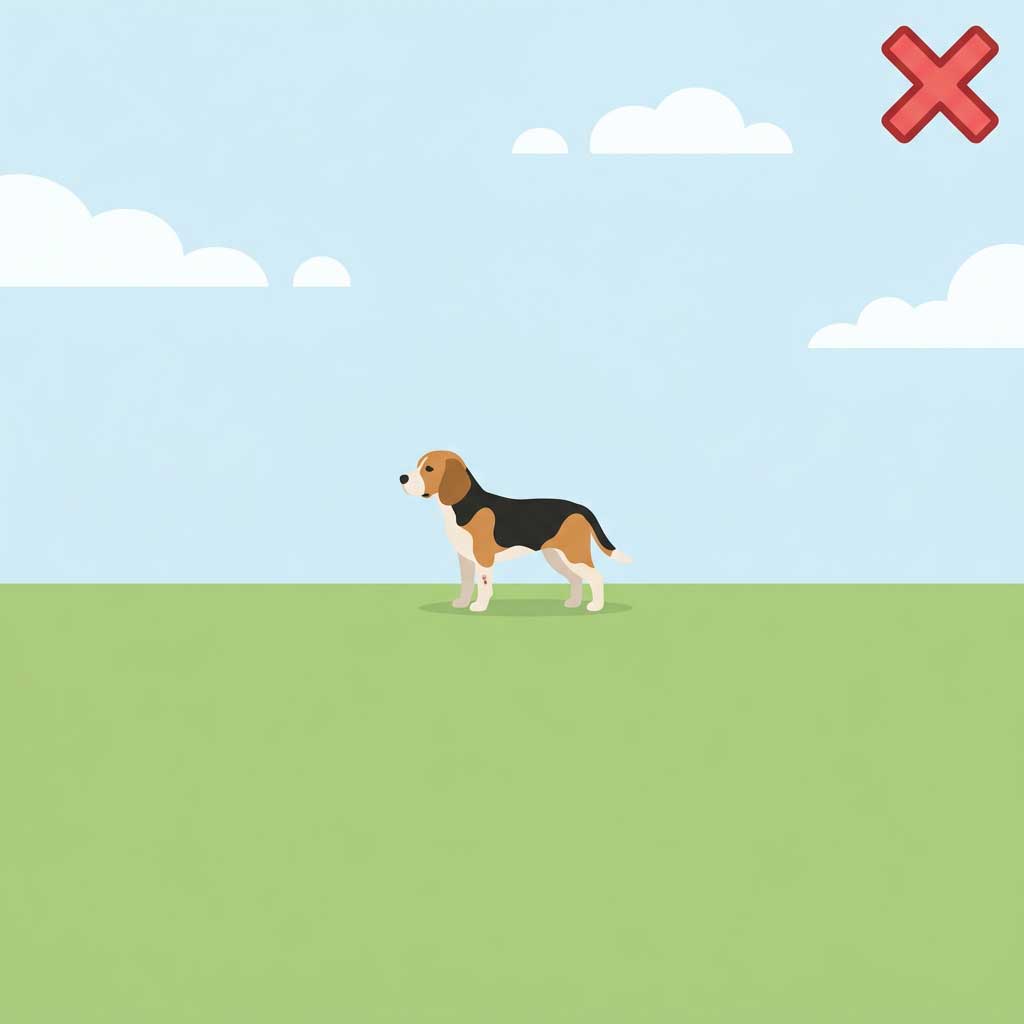
Too far away

Blurry
Tips for best results
- ✓Gently clean away any blood or debris before taking the photo
- ✓Take the photo in good lighting so the wound color is accurate
- ✓Include the surrounding skin — redness and swelling are important signs
- ✓If there's discharge, make sure it's visible in the photo
- ✓Take photos from multiple angles if the wound is on a curved area
How It Works — AI Dog Wound Checker
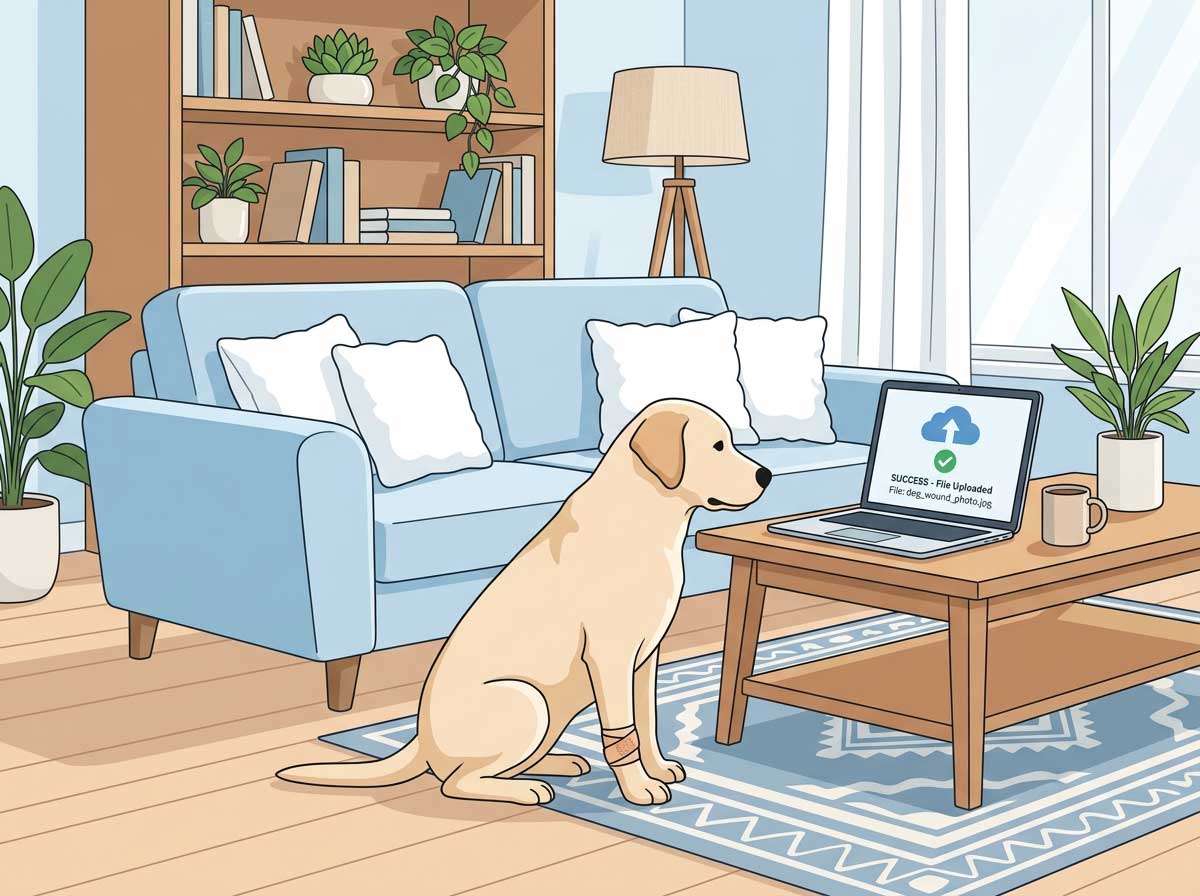
Step 1
Upload a Photo
Take a clear, well-lit photo of your dog's wound. Include the surrounding skin so the AI can assess redness, swelling, and discharge.

Step 2
AI Analyzes
Our AI examines the wound for signs of infection, healing stage, wound type, and severity to determine if veterinary care is needed.

Step 3
Get Your Report
Receive a detailed report with wound assessment, infection risk level, healing stage, and whether you should see a vet urgently.
Types of Dog Wounds & Infection Signs
Is your dog's wound infected or healing normally? Redness, swelling, discharge, and smell are all important clues. Here are the most common wound types and infection signs our AI can help assess. Also try our cat wound checker or dog skin checker or dog lump checker.
Infected Wound (Signs of Infection)
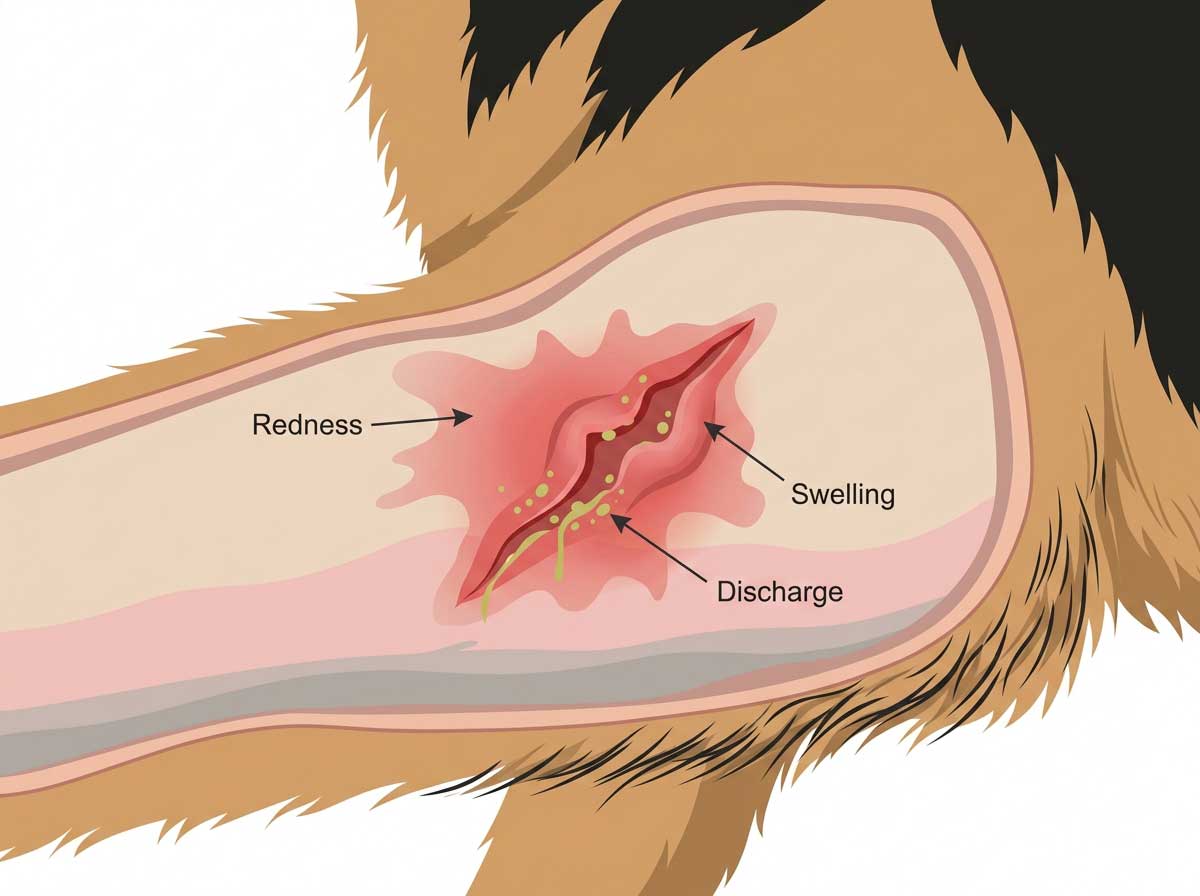
An infected dog wound is the most common reason owners search for help. Dog wound infection signs include increasing redness and swelling (not improving after 2-3 days), yellow or green pus-like discharge, foul smell (infected dog wound smell is often described as rotten meat), the wound area feels hot to the touch, and red streaks spreading outward from the wound. Infected dog wound healing stages go in reverse — the wound gets worse instead of better. How to tell if a dog wound is infected or healing? A healing wound improves daily with decreasing redness; an infected wound worsens. If you see these signs, your dog needs antibiotics from a vet — wound infections don't resolve on their own.
Dog Bite Wound / Puncture Wound
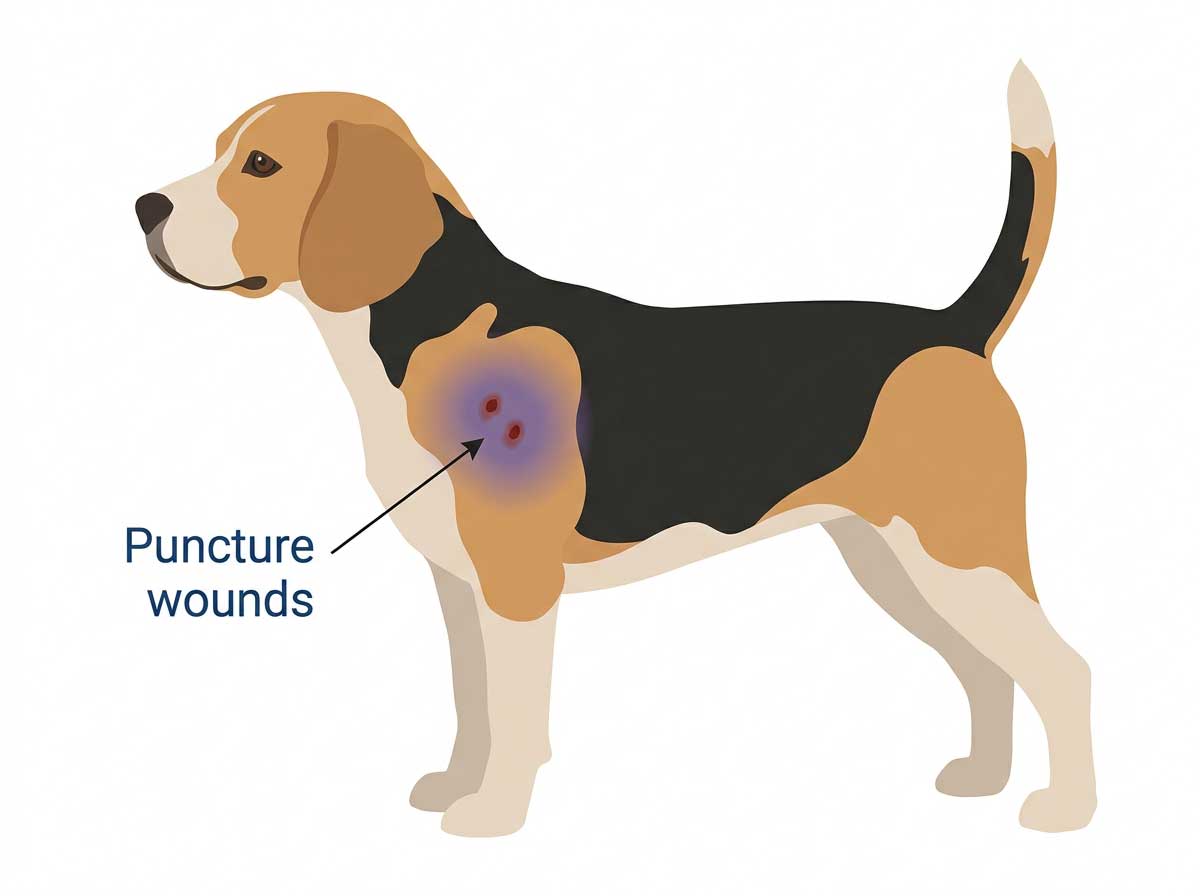
Dog bite wounds are deceptively dangerous. A dog bite wound on dog may look like a small puncture on the outside, but the crushing force of jaws causes extensive damage beneath the surface — torn tissue, deep bacterial contamination, and bruising that isn't visible. Dog bite puncture wounds seal over quickly, trapping bacteria inside where abscesses form within 2-3 days. Should I take my dog to the vet for a puncture wound? Always yes — even small puncture wounds have a very high infection rate. Will a dog bite wound heal on its own? No — bite wounds almost always need veterinary cleaning, drainage, and antibiotics. Signs a bite wound is getting infected include increasing swelling, warmth, discharge, and your dog being in more pain rather than less.
Open Wound (Laceration / Cut)
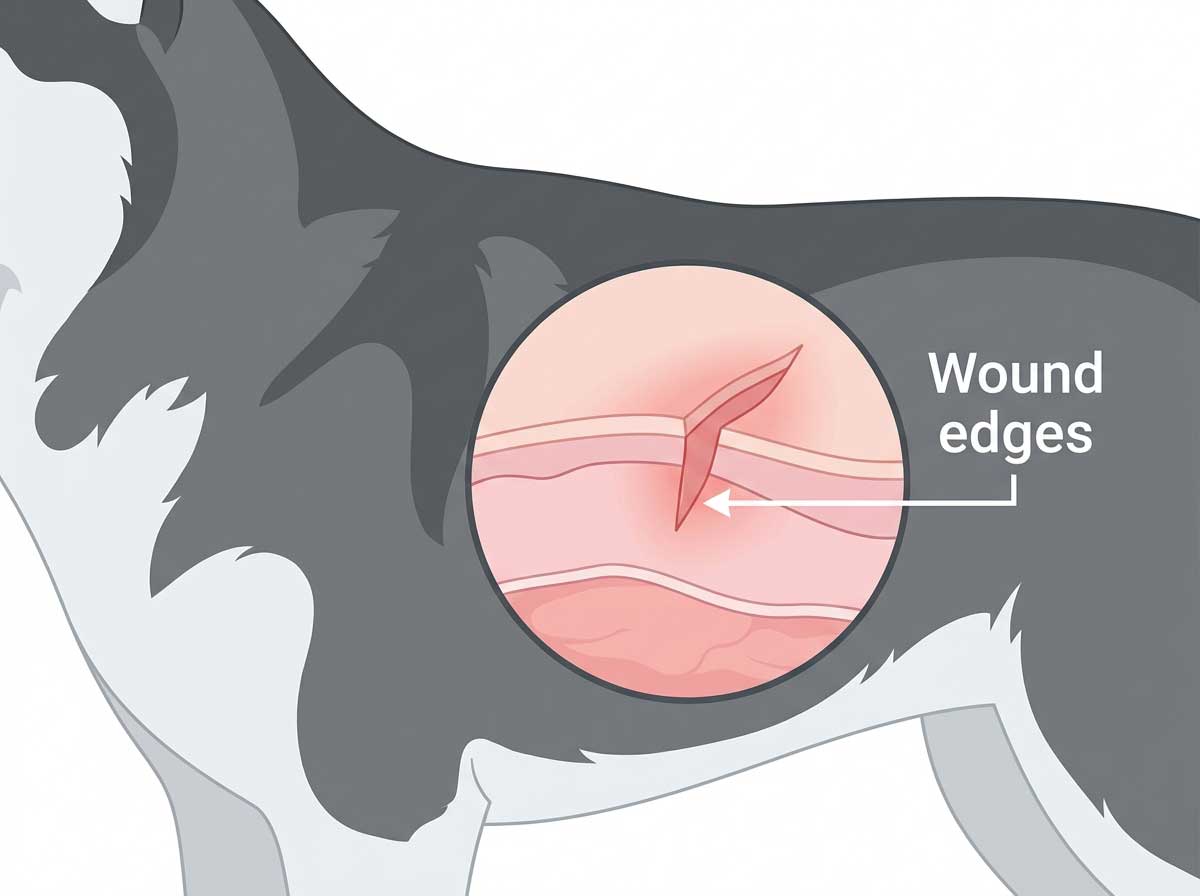
An open wound on dog can range from a minor scrape to a deep laceration. Minor surface scrapes and shallow cuts often heal with basic home care — keep it clean, prevent licking (e-collar), and monitor daily. Open wound on dog not bleeding may still be serious if it's deep, gaping, or exposing tissue beneath the skin. Deep lacerations with wound edges that won't come together, wounds exposing fat, muscle, or bone, and cuts longer than an inch typically need stitches. Dog laceration on paw pads and joints are particularly tricky because movement keeps reopening them. Types of dog wounds include incised (clean cut), lacerated (jagged tear), abrasion (scrape), and avulsion (skin torn away).
Wound Healing Stages
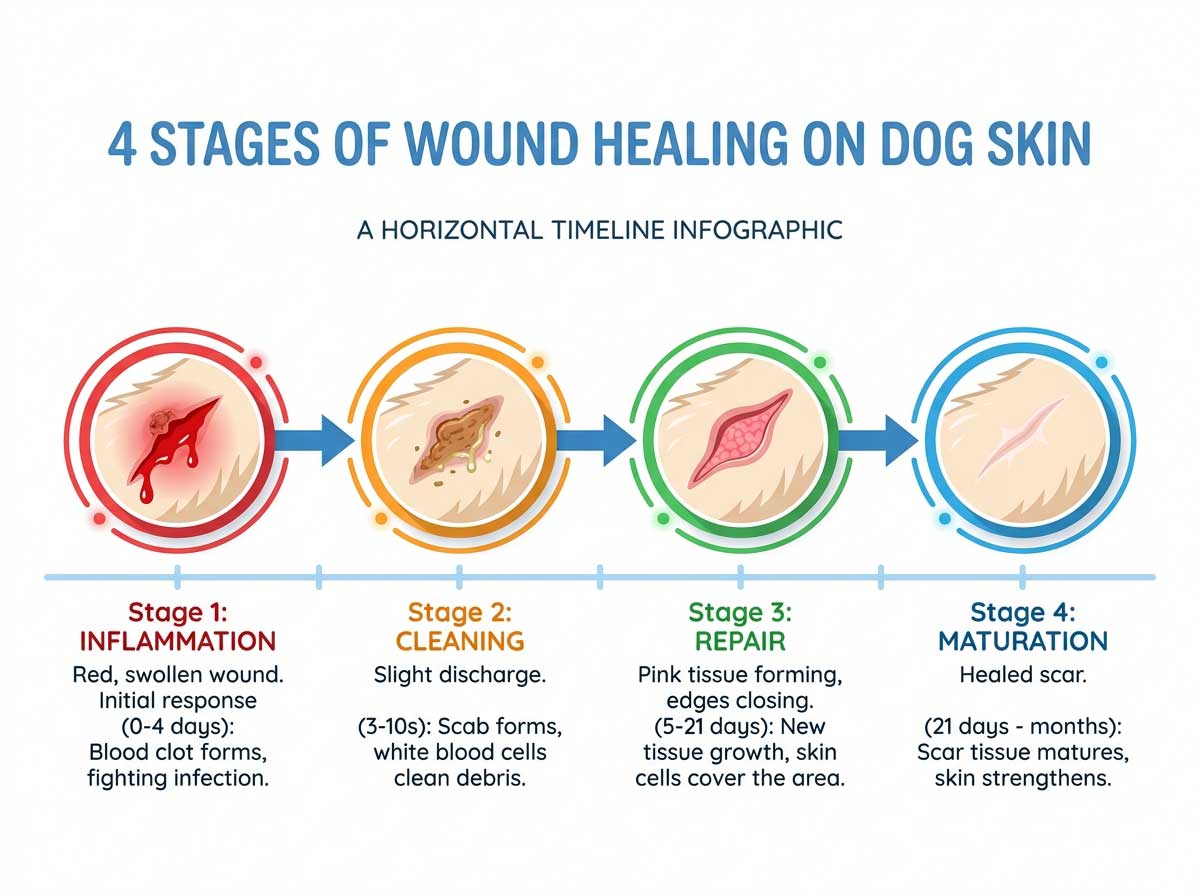
Understanding dog wound healing stages helps you know if your dog's wound is progressing normally or needs attention. Stage 1 — Inflammation (days 1-3): redness, swelling, warmth, and light bleeding or clear discharge — this is normal. Stage 2 — Debridement (days 3-5): the body cleans the wound, you may see slight discharge. Stage 3 — Repair (days 5-14): pink granulation tissue forms, wound edges start closing, scab develops. Stage 4 — Maturation (weeks 2-4+): scar forms and strengthens. How to tell if infected or healing? Normal healing shows steady improvement through these stages. If the wound stalls at Stage 1-2, gets worse, or develops smell/pus, it's likely infected. Infected dog wound healing stages pictures can help you compare — upload a photo for AI assessment.
Abscess (Swollen Infected Pocket)
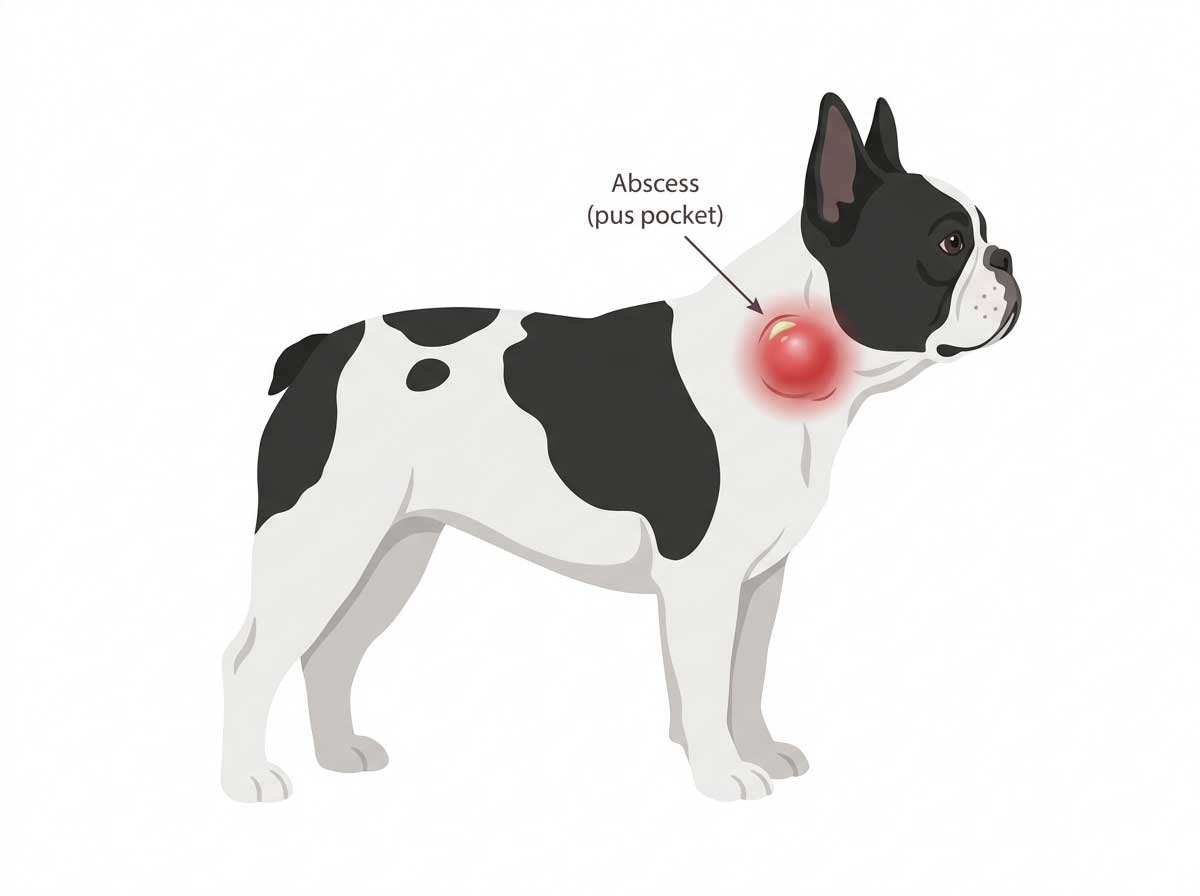
A dog abscess is a pocket of pus that forms under the skin, usually from a bite wound, puncture, or foreign object. It appears as a firm, painful, warm swelling that grows over several days. The skin over the abscess may become thin and eventually rupture, releasing thick, foul-smelling pus (often green or yellow-brown). Abscesses are common after dog fights — a bite wound seals shut, trapping bacteria that multiply in the damaged tissue. Abscess dog wound infection signs include a rapidly growing lump, increasing pain, fever, and your dog being lethargic. Treatment requires veterinary drainage (lancing), flushing, and antibiotics. Without treatment, abscesses can spread, causing cellulitis or life-threatening sepsis.
Post-Surgery Wound (Incision Site)
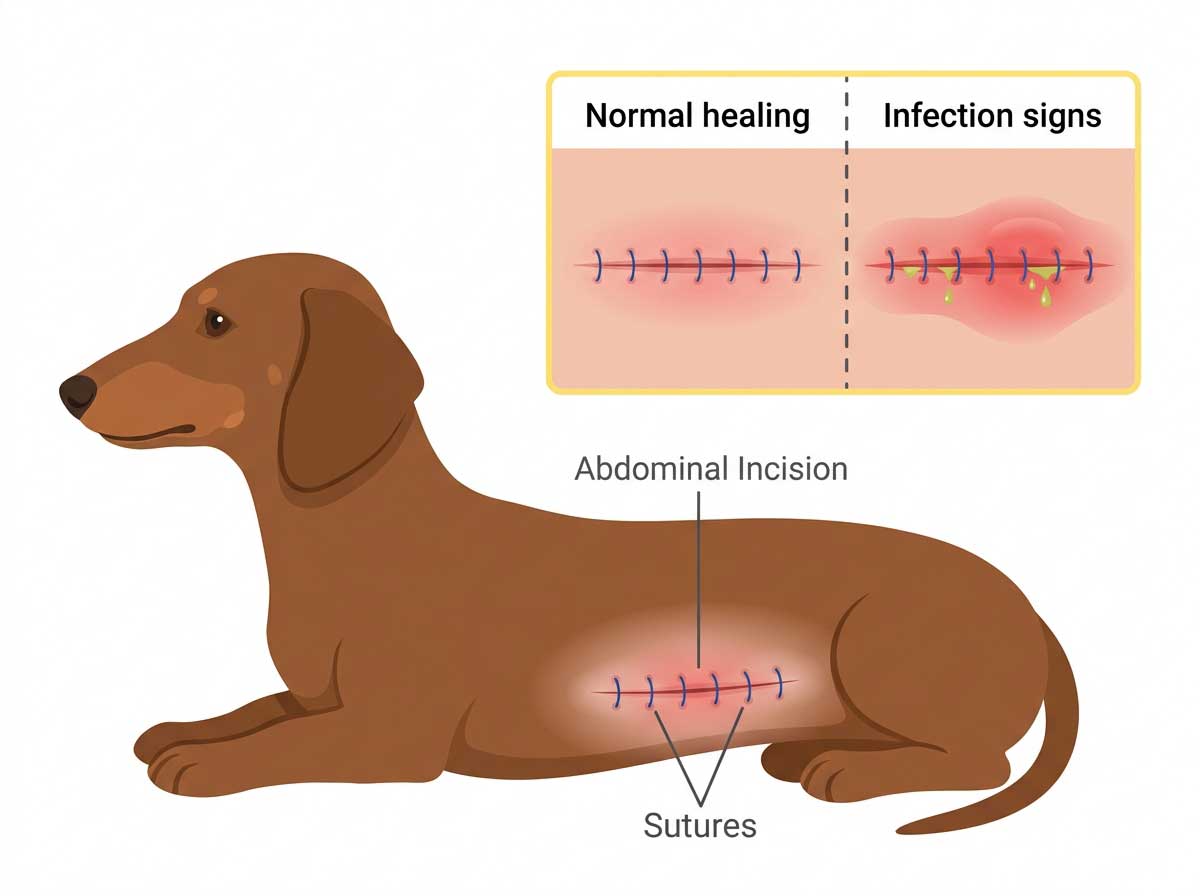
After surgery, monitoring the incision site is crucial. Dog incision infection signs include: increasing redness beyond the first 2 days, swelling that's getting bigger rather than smaller, discharge that changes from clear/light pink to yellow or green, wound edges separating (dehiscence), bad smell from the incision, and your dog having a fever or being unusually lethargic. Normal post-surgery healing shows mild redness and swelling for the first 1-2 days that then steadily improves. The incision edges should stay together and dry. If you see any opening of the incision, staples or stitches coming out, or signs listed above, contact your vet immediately. An e-collar is essential — licking is the number one cause of post-surgery wound infections.
Worried about your dog's wound?
Upload a photo of your dog's wound now. Get an AI-powered assessment of infection signs, healing stage, and whether you need to see a vet.
Check Dog Wound Now →Medical Disclaimer
PawCheck provides AI-generated preliminary health analysis for informational and educational purposes only. This service is not intended to replace professional veterinary advice, diagnosis, or treatment. The AI analysis has inherent limitations and may not always be accurate. Always seek the advice of a qualified, licensed veterinarian with any questions regarding your pet's health. Never disregard professional veterinary advice or delay in seeking it because of information provided by this tool. If your pet is experiencing a medical emergency, contact your veterinarian or emergency animal hospital immediately. By using this service, you acknowledge and agree to these terms.
Frequently Asked Questions
What does an infected wound on a dog look like?
+
An infected dog wound typically shows: increasing redness and swelling around the wound (not improving after 2-3 days), yellow, green, or foul-smelling discharge (pus), the wound feels warm or hot to the touch, swelling that's getting worse rather than better, red streaks spreading outward from the wound, the wound smells bad (infected dog wound smell is often described as rotten), and your dog is licking or guarding the area excessively. If the wound was healing but then starts looking worse, that's a strong sign of infection. Upload a photo to get an AI assessment of whether the wound shows signs of infection.
How do I know if my dog's wound is serious?
+
A dog wound is serious and needs immediate vet attention if: it's bleeding heavily and won't stop with 5 minutes of direct pressure, you can see deep tissue, muscle, or bone, the wound is on the chest or abdomen (risk of penetrating injuries), it's a puncture wound (looks small outside but can be deep), there's a large flap of torn skin, the wound is near the eyes, throat, or genitals, your dog is in obvious pain, limping severely, or refusing to eat, or there are signs of shock (pale gums, rapid breathing, weakness). Any bite wound from another animal should be checked by a vet due to infection risk.
How to tell if a dog wound is infected or healing?
+
A healing wound shows: decreasing redness and swelling over days, light pink or clear discharge (not yellow/green), a scab forming and edges slowly closing, your dog bothering it less over time. An infected wound shows the opposite: increasing redness, swelling, and pain, yellow/green/foul discharge, wound edges not closing or getting worse, hot to the touch, bad smell, and your dog constantly licking it. The key difference is the direction of change — healing improves day by day, infection gets worse. If you're unsure, take a photo each day to compare, and upload to get an AI assessment.
Can dog wounds heal on their own?
+
Minor wounds — small scrapes, shallow cuts, and minor abrasions — can often heal on their own with basic home care: keep the wound clean, prevent your dog from licking it (use an e-collar), and monitor for signs of infection. However, these wounds need veterinary care: puncture wounds (high infection risk), bite wounds from other animals, deep cuts exposing fat or muscle, wounds that won't stop bleeding, wounds larger than an inch, any wound showing signs of infection, and wounds on the face, joints, or paw pads. When in doubt, it's always safer to have a vet check it — wound infections in dogs can escalate quickly.
How long does an infected dog wound take to heal?
+
With proper veterinary treatment (antibiotics, wound care), most infected dog wounds show improvement within 3-5 days and heal within 2-4 weeks depending on severity. Without treatment, infected wounds will not heal and will get progressively worse. The healing timeline depends on: wound size and depth, how early the infection was caught, your dog's overall health and age, wound location (paw pads and joints heal slower), and whether your dog can be prevented from licking it. If a wound isn't showing improvement within 48-72 hours of starting antibiotics, contact your vet — the bacteria may be resistant or there may be a deeper issue.
Should I take my dog to the vet for a puncture wound?
+
Yes — puncture wounds are deceptive and almost always need veterinary attention. They look small on the outside but can be deep, pushing bacteria far into the tissue where infection thrives. Dog bite puncture wounds are especially dangerous because: the mouth is full of bacteria, the wound seals over quickly trapping bacteria inside, deep tissue infection and abscess formation are common, and there may be internal damage not visible from the surface. Even a small puncture wound can lead to a serious abscess within 2-3 days. Your vet will likely clean the wound deeply, may leave it open to drain, and prescribe antibiotics. Don't wait for signs of infection — by then it's harder to treat.
Will a dog bite wound heal on its own?
+
Dog bite wounds should NOT be left to heal on their own — they have a very high infection rate (up to 20% or more). This is because: bite wounds are puncture-type injuries that seal quickly, trapping bacteria deep inside, dog saliva contains many bacteria species, the crushing force of a bite damages tissue, creating conditions where bacteria thrive, and what looks like a small bite outside can have extensive damage underneath. Even if the wound looks minor, see your vet within 24 hours. Typical treatment includes wound flushing/cleaning, antibiotics (often started before infection develops), pain medication, and monitoring. Delaying treatment significantly increases the risk of serious infection and abscess.
What are the early warning signs of sepsis in dogs?
+
Sepsis (blood infection) is a life-threatening emergency that can develop from an untreated wound infection. Early warning signs include: fever (normal dog temperature is 101-102.5°F), rapid breathing or panting at rest, fast heart rate, red or dark gums (instead of healthy pink), lethargy and weakness — more than just "tired", loss of appetite and refusing water, vomiting or diarrhea, and the wound suddenly looks much worse. Advanced signs include pale or gray gums, cold extremities, collapse, and confusion. If your dog has a wound AND shows any of these signs, this is a veterinary emergency — go to an emergency vet immediately. Sepsis can be fatal within hours without treatment.
More AI Pet Health Checks
Eye Infection Checker
Detect dog eye infection, cat eye problems, conjunctivitis, corneal ulcers, and cataracts.

Skin Disease Checker
Detect dog skin infection, cat skin problems, dermatitis, hot spots, and ringworm.

Dog Ear Infection Checker
Detect dog ear infection, ear mites, yeast infections, and ear discharge with AI photo analysis.
Cat Ear Mites Checker
Detect cat ear mites, ear infections, yeast infections, and ear discharge with AI photo analysis.
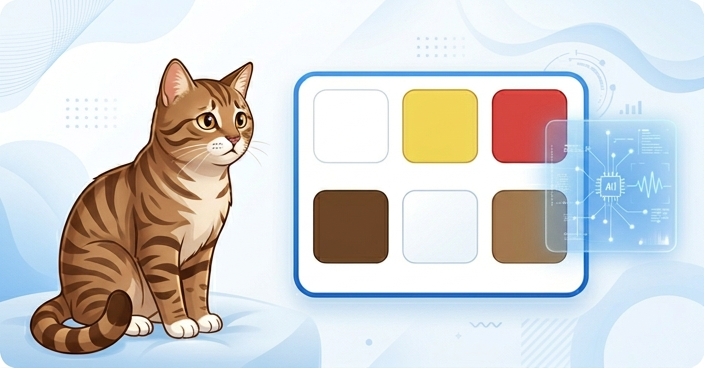
Cat Vomit Checker
Why is my cat vomiting? Analyze white foam, yellow bile, blood, hairballs, and more with AI.

Dog Vomit Checker
Dog vomiting when to worry? Analyze white foam, yellow bile, blood, and undigested food with AI.
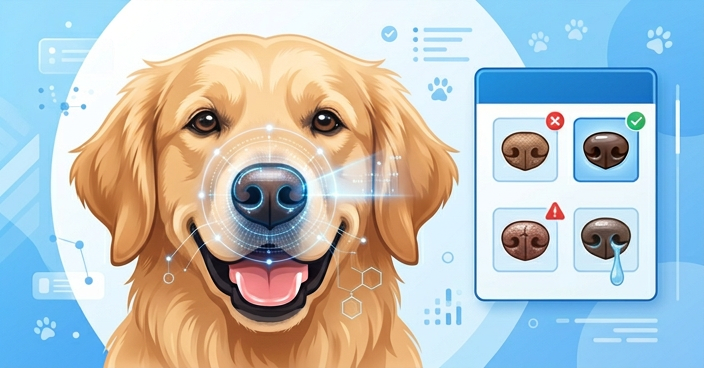
Dog Nose Checker
Dog nose dry or runny? Analyze cracked noses, nasal discharge, and color changes with AI.
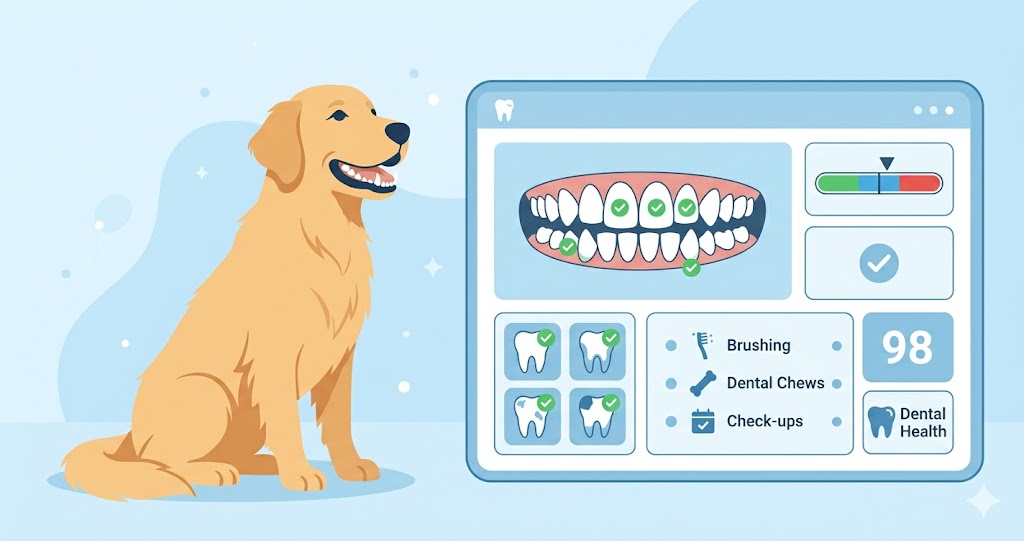
Dog Dental Checker
Detect dog tooth infections, gum disease, tartar buildup, and dental problems with AI photo analysis.
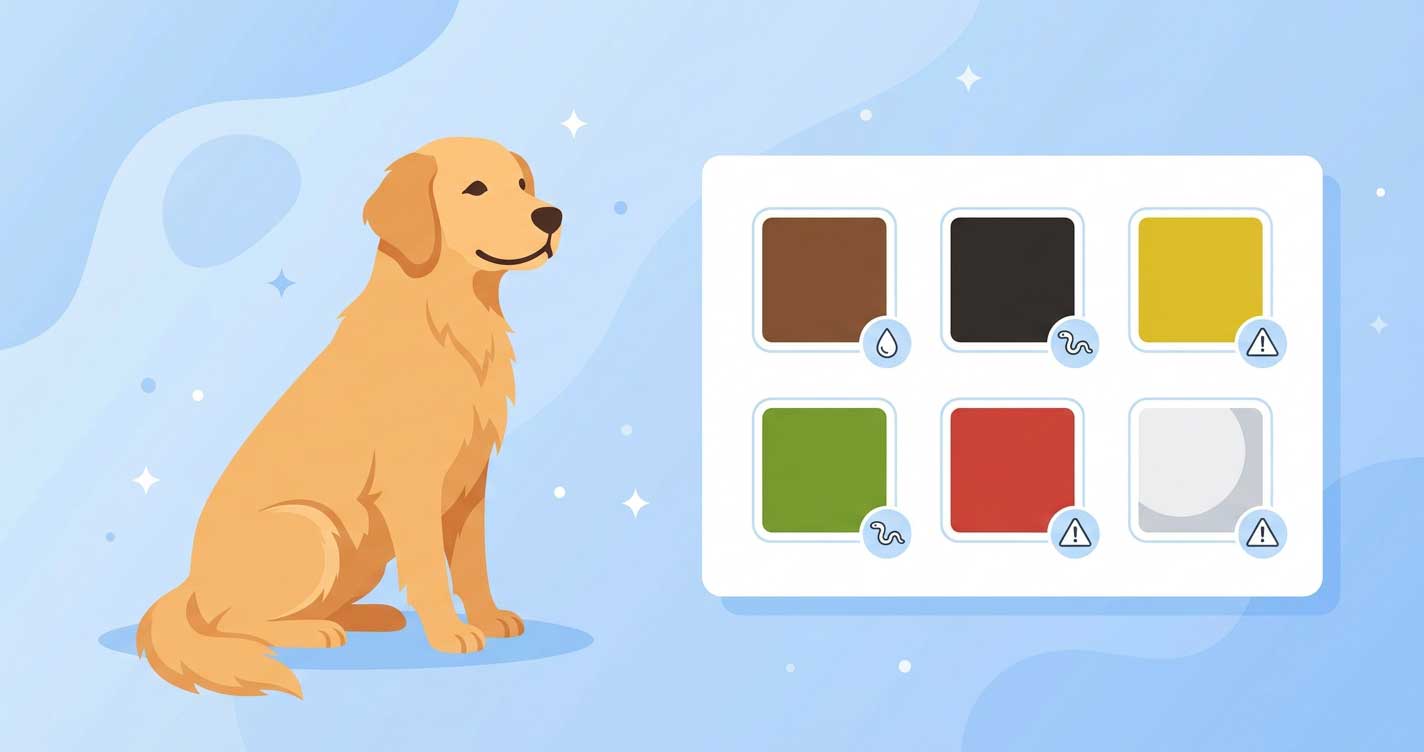
Dog Poop Checker
Blood in dog stool? Analyze poop color, detect worms, mucus, and diarrhea with AI photo analysis.
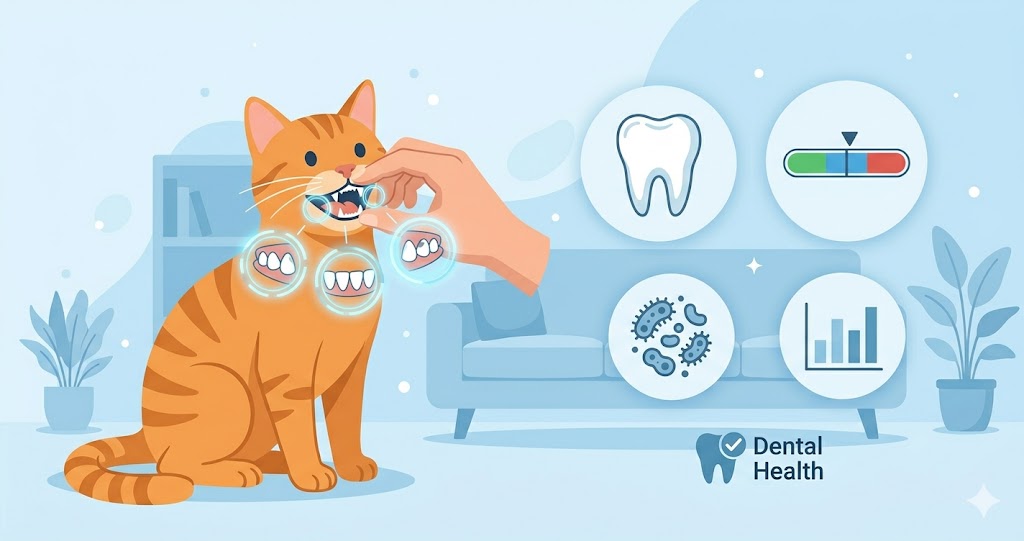
Cat Dental Checker
Detect cat tooth infections, gum disease, stomatitis, tooth resorption, and dental problems with AI photo analysis.

Dog Lump Checker
Found a lump on your dog? Identify skin tags, warts, cysts, lipomas, and bumps with AI photo analysis.
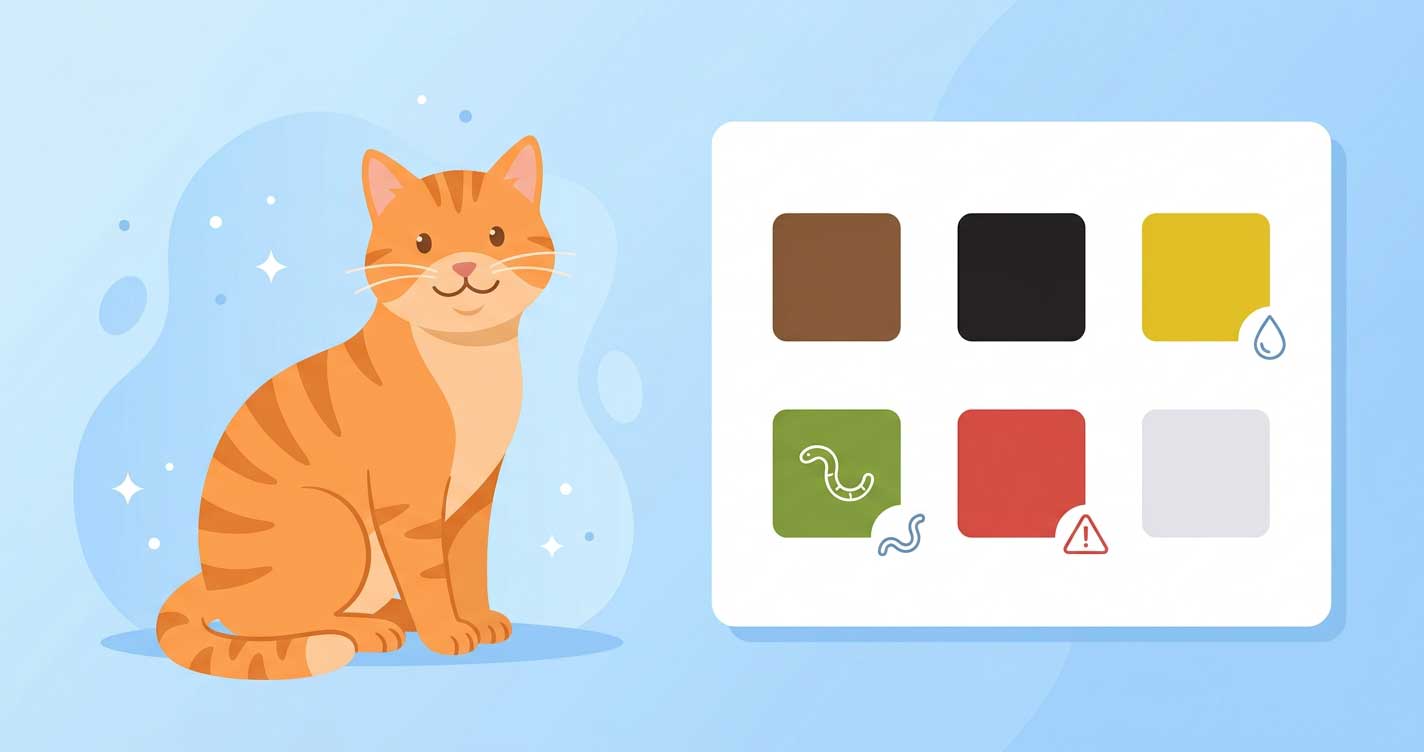
Cat Poop Checker
Blood in cat stool? Analyze poop color, detect worms, mucus, and diarrhea with AI photo analysis.
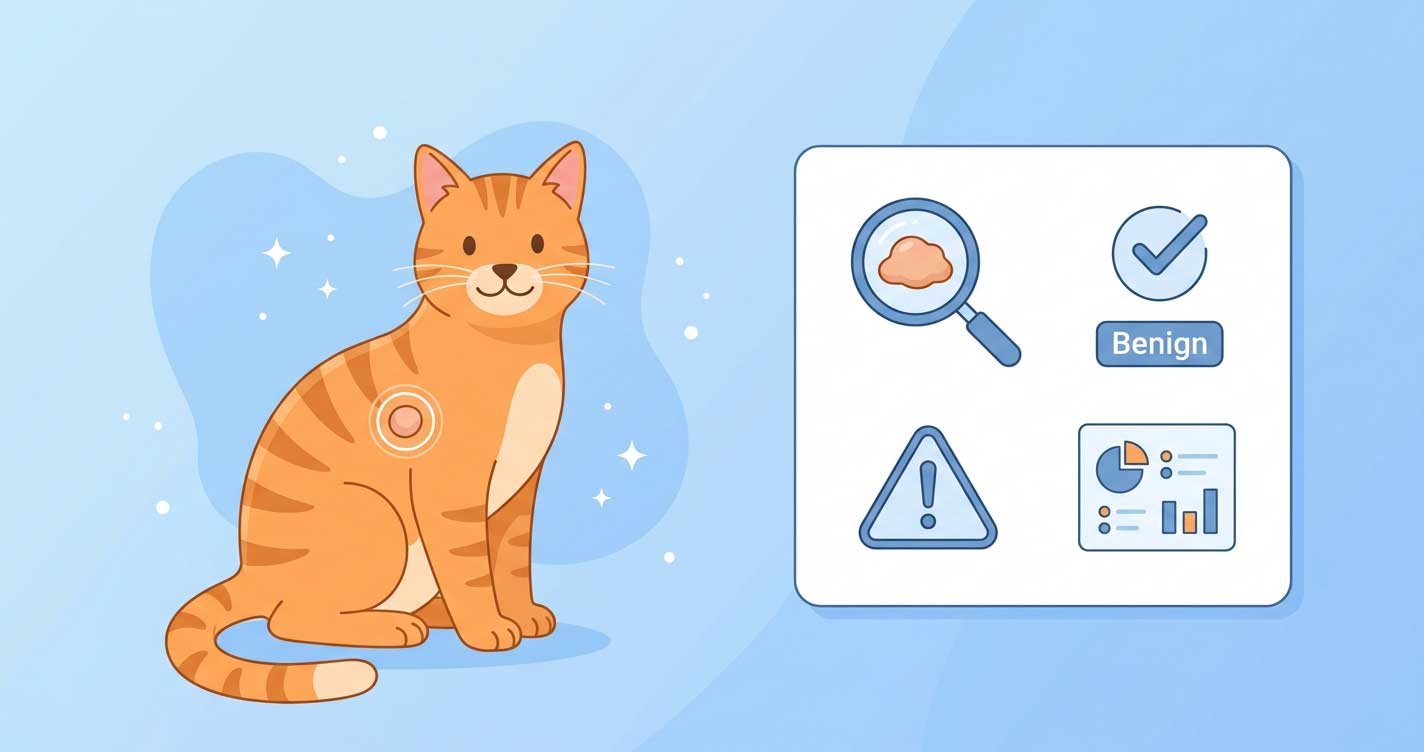
Cat Lump Checker
Found a lump on your cat? Identify skin tags, cysts, lipomas, warts, and bumps with AI photo analysis.

Cat Nose Checker
Cat nose dry or runny? Analyze crusty noses, nasal discharge, and sneezing symptoms with AI.
🐾
View All Tools
Explore all AI pet health check tools