Cat Paw Checker — Pillow Foot, Swollen Paws, Infection & Injury
Is your cat's paw swollen, red, or puffy? Upload a photo and get an instant AI assessment of pillow foot, infections, abscesses, injuries, ingrown nails, and whether you need to see a vet.
Drop your pet's photo here
or
✅JPG, PNG, WEBP
📏Max 8MB
This tool provides AI-generated preliminary analysis only. Not a substitute for professional veterinary diagnosis.
📸 Photo Guide
Good photos
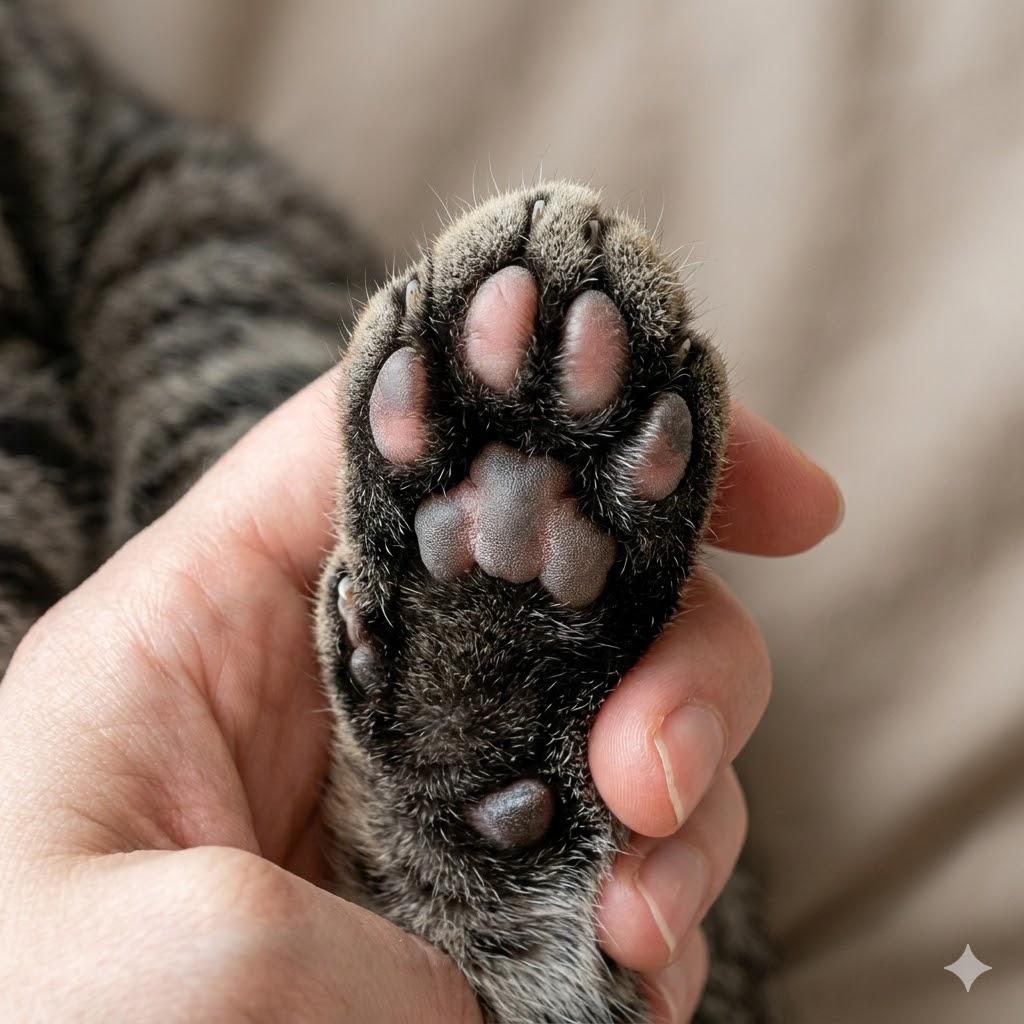
Close-up, clear
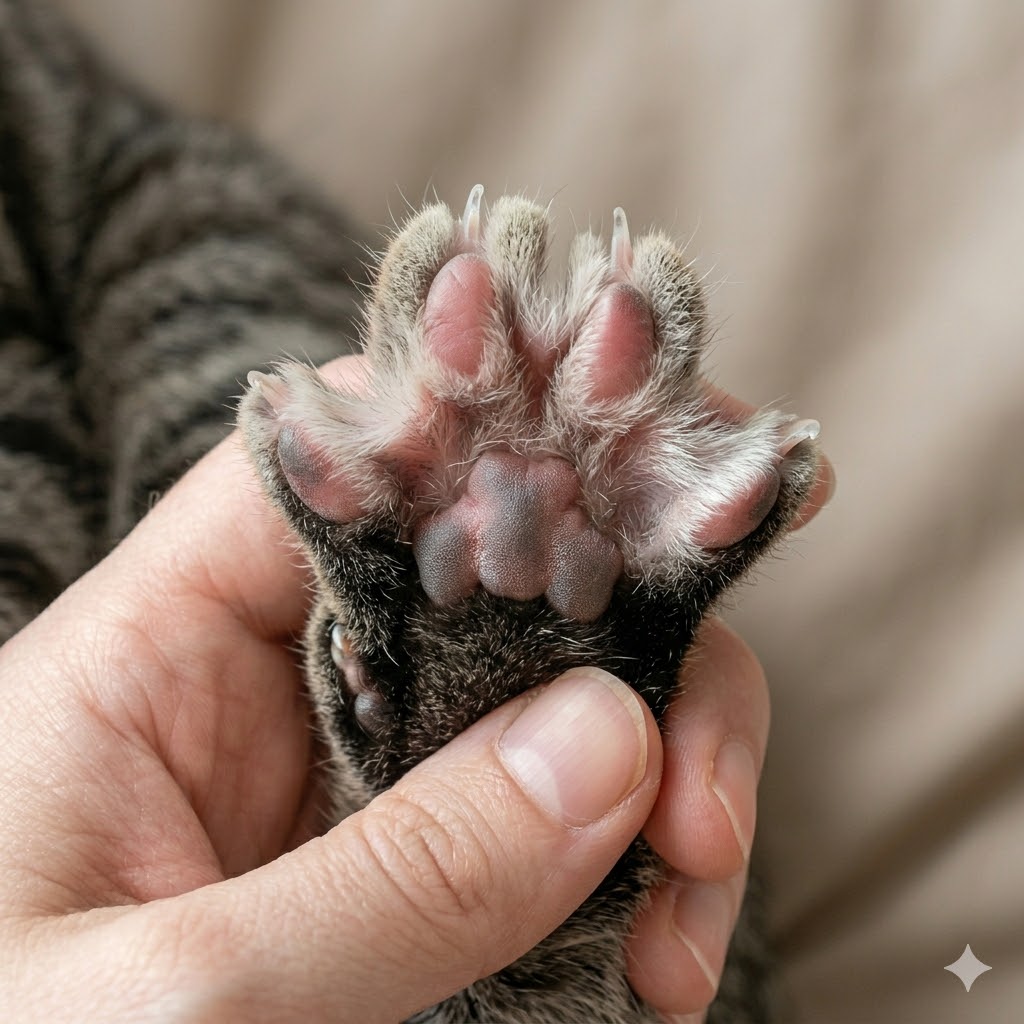
Shows toes & nails
Avoid
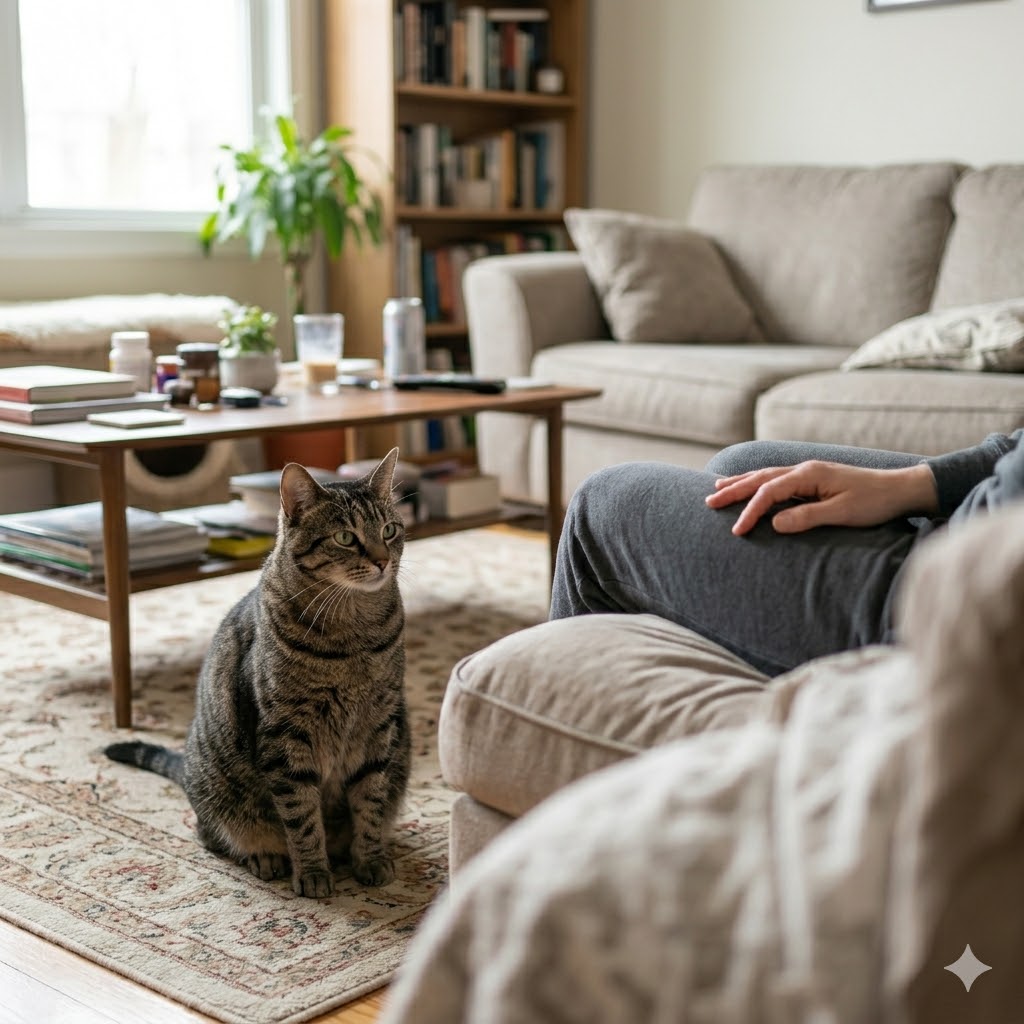
Too far away
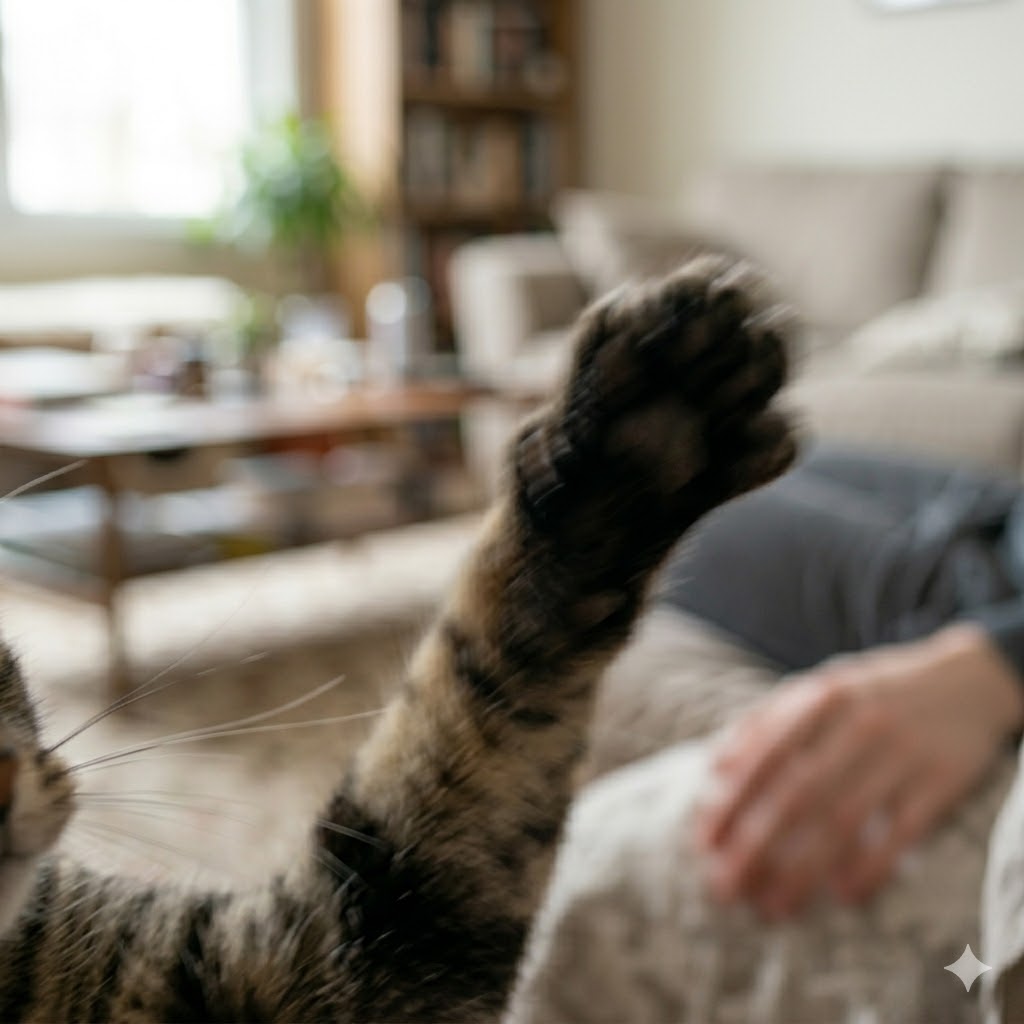
Blurry
Tips for best results
- ✓Gently press the pad — pillow foot feels soft and puffy, not firm
- ✓Take the photo in natural daylight if possible — color accuracy matters
- ✓Include the nails if they look discolored or overgrown
- ✓Wipe away litter dust before photographing
- ✓Compare with the healthy paws if only one looks swollen or puffy
How It Works — AI Cat Paw Checker
Step 1
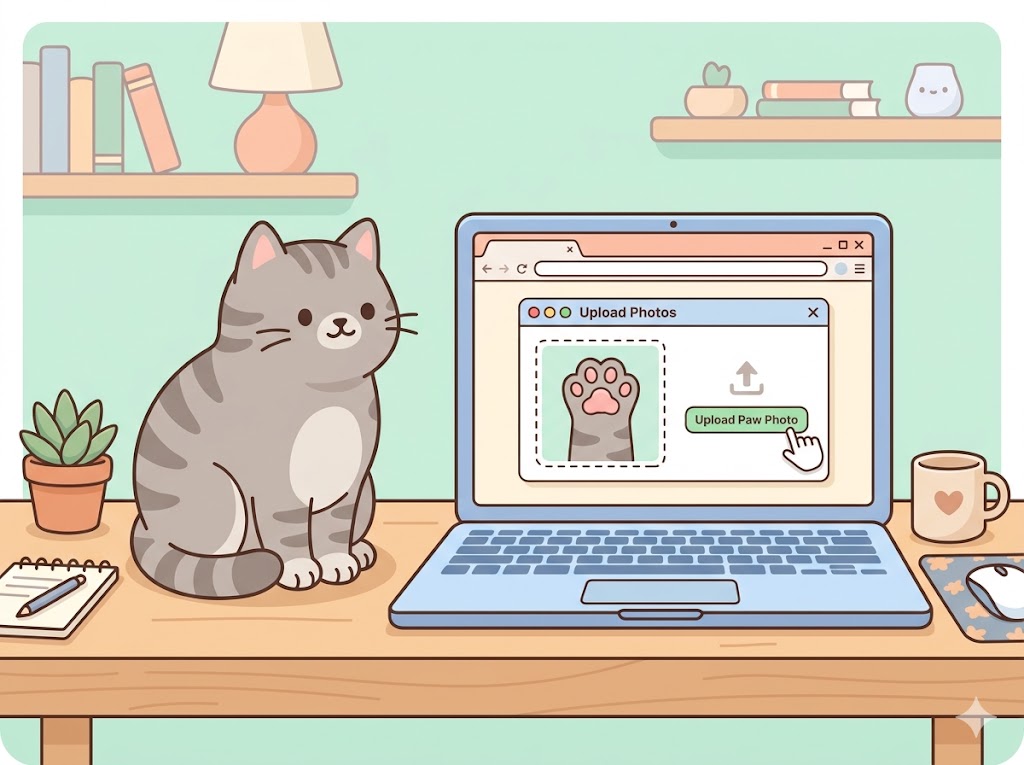
Upload a Paw Photo
Take a clear, well-lit photo of your cat's paw — include the paw pads, between the toes, and the nail area. The AI needs to see puffiness, redness, discharge, or nail problems clearly.
Step 2
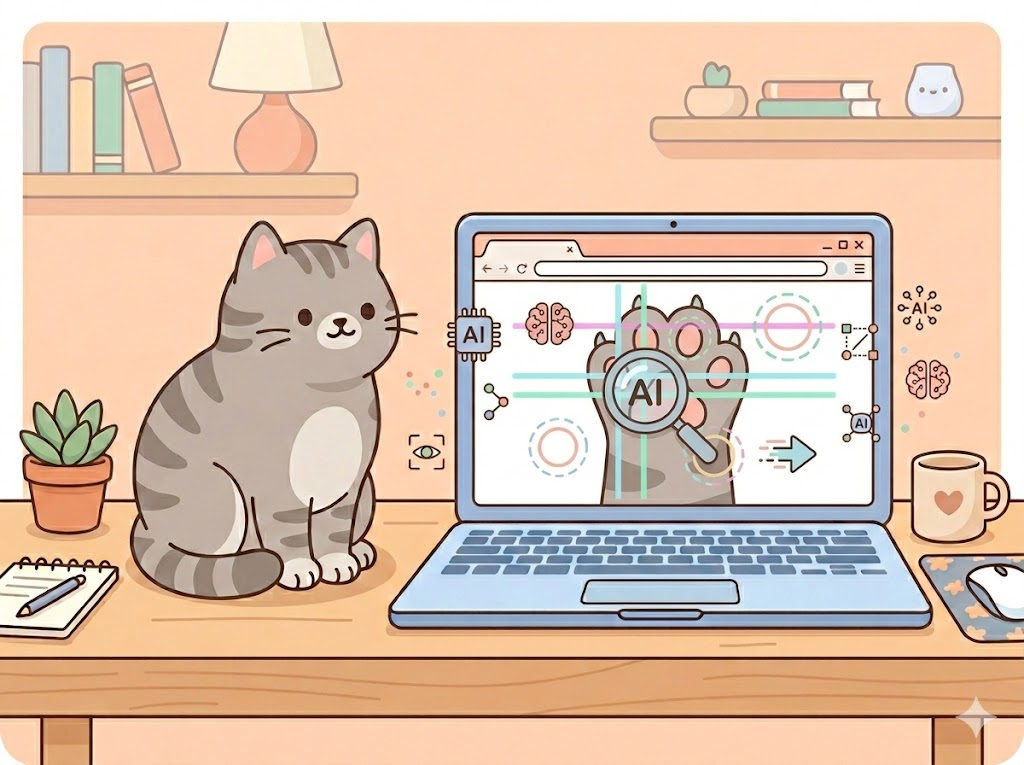
AI Analyzes
Our AI examines the paw for signs of pillow foot, swelling, abscesses, ingrown nails, bacterial or fungal infections, pad injuries, and other common cat paw conditions.
Step 3
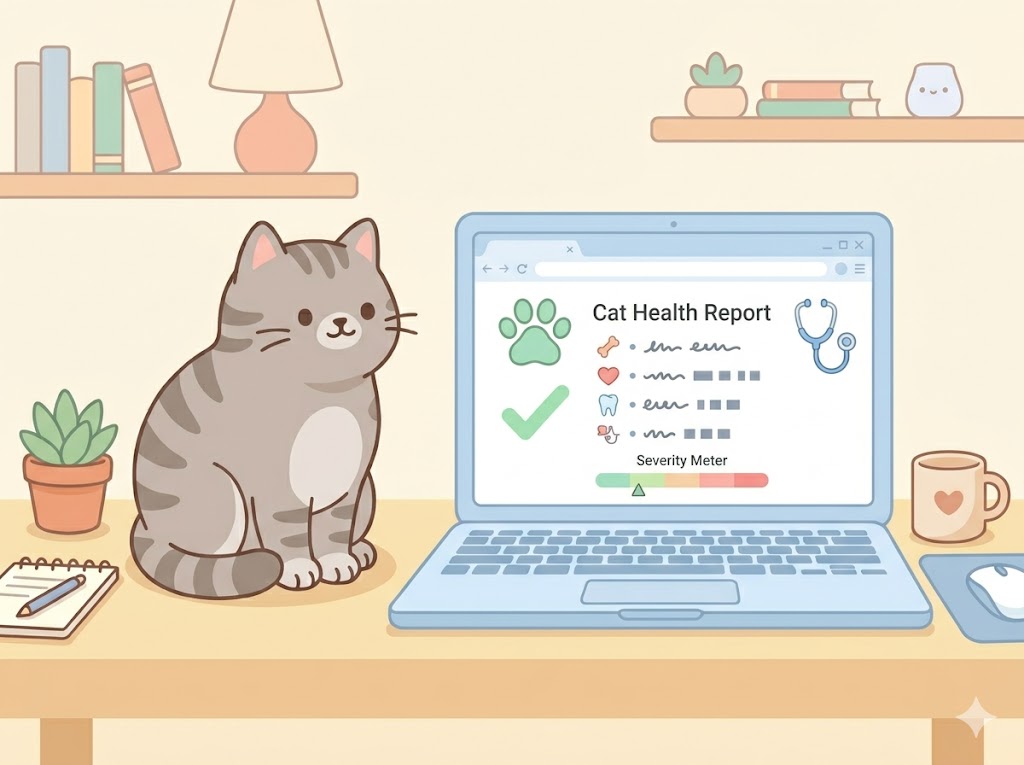
Get Your Report
Receive a detailed report with the likely condition, severity, home care steps, and whether you should see a vet urgently.
Common Cat Paw Problems
From pillow foot to abscesses, cats develop paw conditions that are very different from dogs. Here are the most common cat paw problems our AI can help assess — each with visual signs to watch for. Also try our dog paw checker or cat wound checker or cat skin checker.
Pillow Foot (Plasma Cell Pododermatitis)
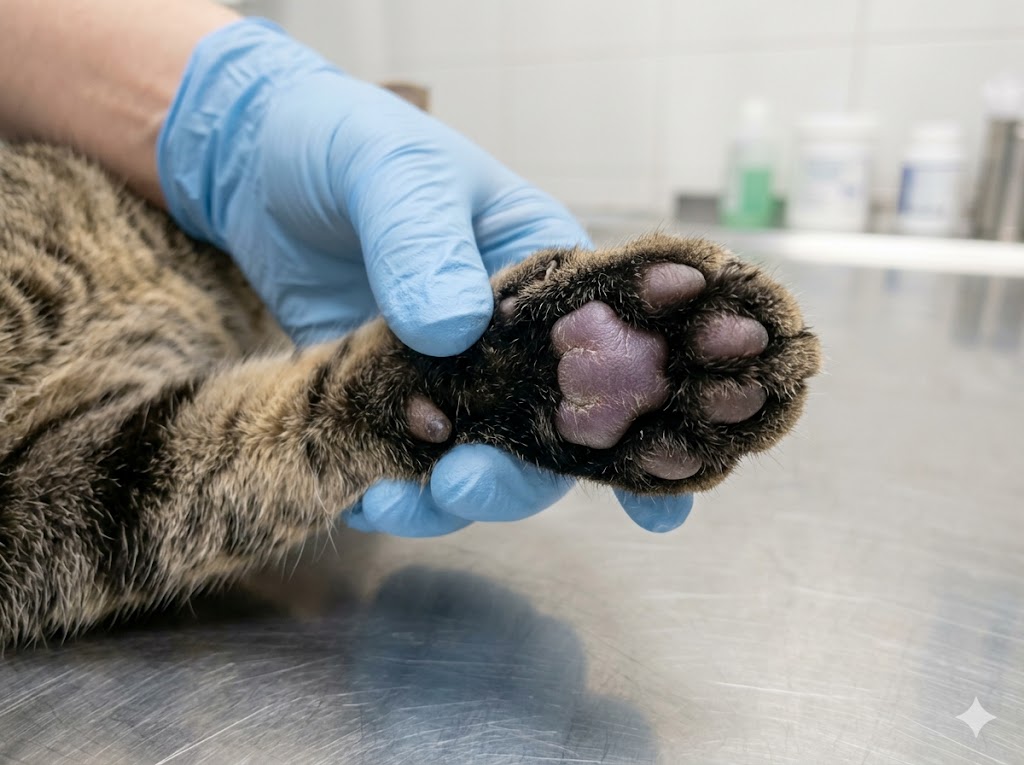
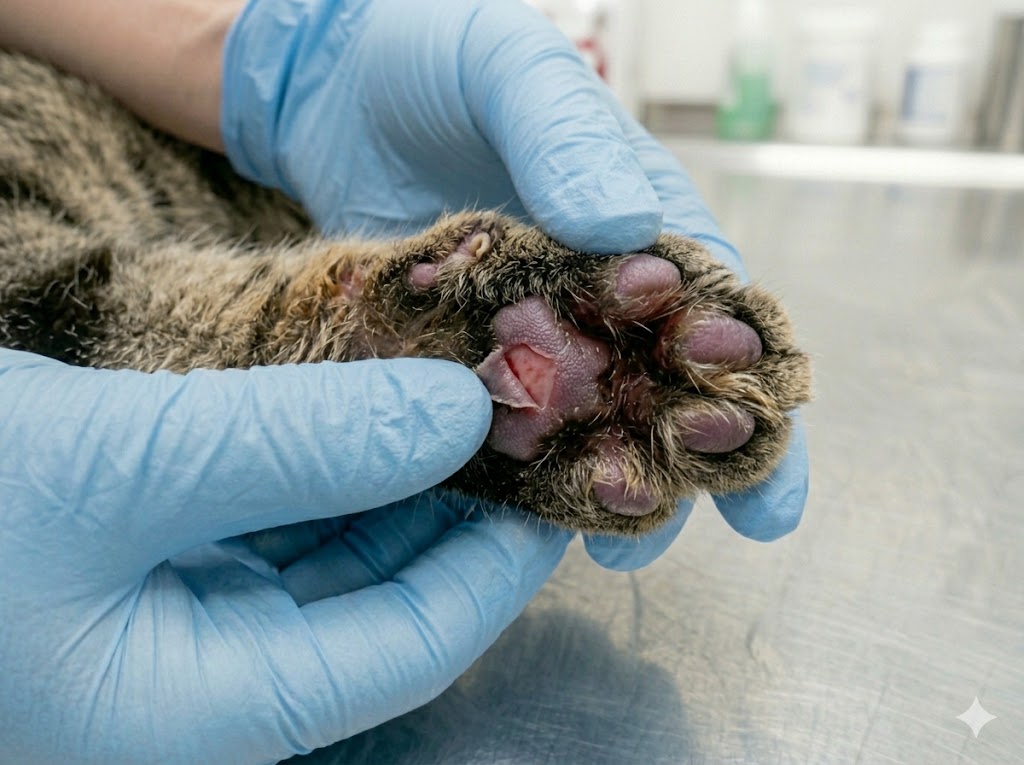
Pillow foot in cats, also called plasma cell pododermatitis, is a cat-specific condition where one or more paw pads become soft, puffy, and enlarged — giving the "pillow" appearance the name refers to. The central pad is most often affected. Early pillow foot pictures show a soft, squishy enlargement without obvious redness or pain — your cat may not even limp. Progressive signs include: a scaly surface texture, a violet or purple tint to the pad, cross-shaped creases across the center, ulceration, and sometimes bleeding in severe cases. Causes are thought to be immune-mediated, with a notable link to FIV (feline immunodeficiency virus) in some cases. What is pillow foot in cats treated with? Most cases respond to doxycycline over 4-8 weeks; severe cases may need steroids or surgery. Is pillow foot in cats contagious? No — it is not contagious between cats or to humans. Can cat litter cause pillow foot? Not directly, but dusty or fragranced litters can worsen existing cases. Many mild cases partly resolve on their own, but progression can lead to chronic lameness, so a vet evaluation is recommended once signs appear.
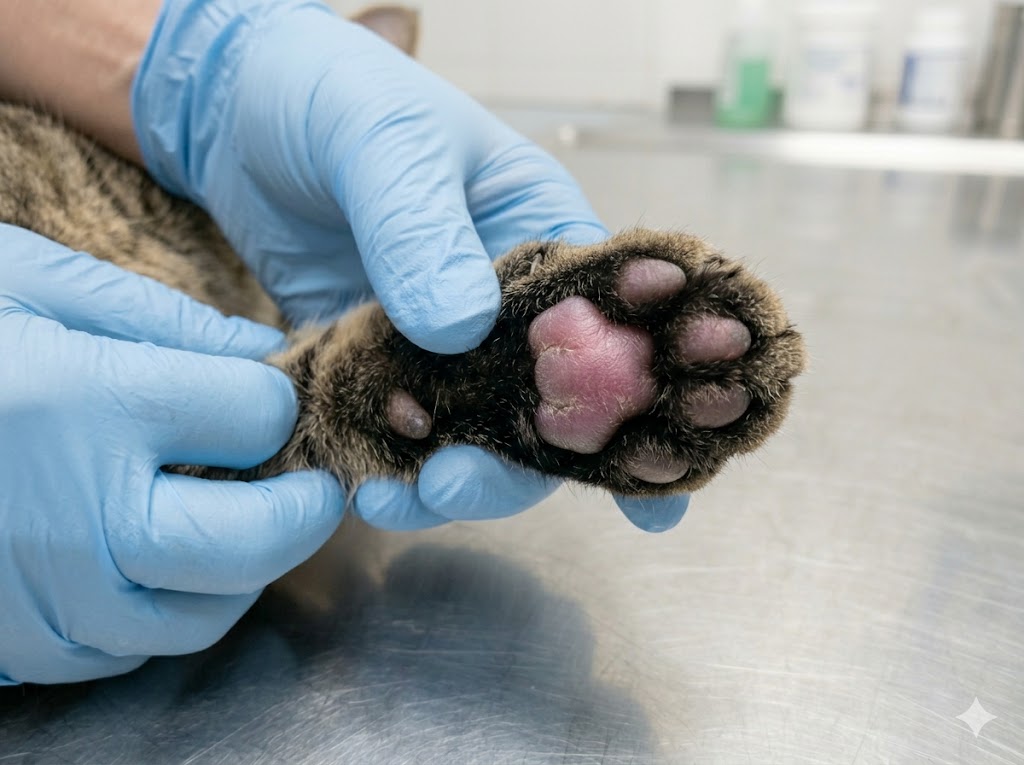
Swollen Paw & Toes
A swollen cat paw can mean an abscess from a fight bite (very common in outdoor cats), an insect sting, a broken toenail, an interdigital cyst, a sprain or fracture from a fall, an allergic reaction, a foreign object between the toes, or an early-stage infection. Cat paw swollen around nail almost always points to a broken nail or nail bed infection. Swollen cat paw with limping suggests injury or established infection; swollen cat paw with no pain can indicate pillow foot, an early-stage abscess that hasn't ruptured, or a mild allergic reaction. Is a swollen cat paw an emergency? It is if: swelling is rapidly increasing, the paw is hot and red, your cat refuses to bear any weight, there's discharge or foul smell, or if your cat is also lethargic or off food. Cats hide pain — "limping but not crying" does NOT mean it isn't serious. Any swollen paw that hasn't improved within 48 hours should be checked by a vet.
Paw Abscess from Fight Wounds
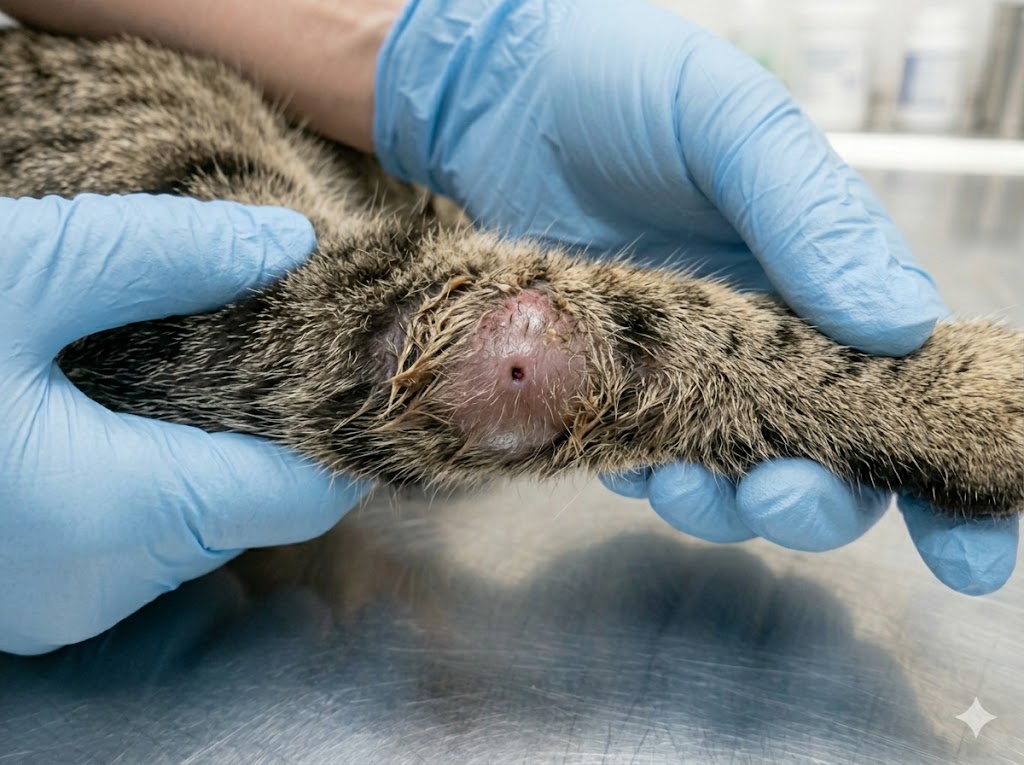
Paw abscesses are one of the most common injuries in cats, especially outdoor or semi-outdoor cats. A single bite or puncture wound (often from another cat) seals over, traps bacteria underneath, and forms a pus-filled pocket over 2-5 days. Signs of a cat paw abscess: a firm or fluid-filled swelling on the paw or leg, intense pain when touched, heat in the area, a small scab or puncture mark that started it, low-grade fever, lethargy, and hiding or reduced appetite. Many abscesses rupture spontaneously, releasing foul-smelling yellow-brown pus — at that point owners usually notice and panic, but a ruptured abscess is actually easier to treat than a sealed one. Will an abscess on a cat go away on its own? Occasionally yes after rupture, but most need veterinary lancing, flushing, and oral antibiotics. Don't try to squeeze or pop an abscess at home — you can drive bacteria deeper and cause serious infection. Any cat that returns from outdoors with new swelling or a limp should be checked for an abscess.
Cat Paw Infection (Bacterial, Yeast & Fungal)
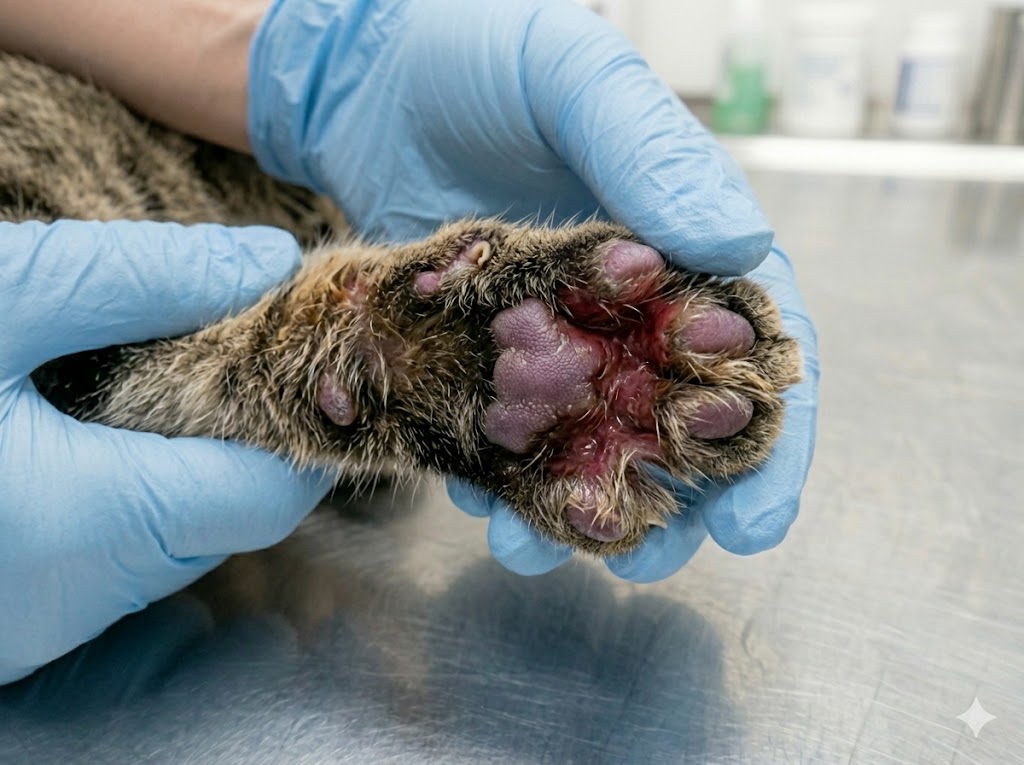
Cat paw infections present as red, swollen, sometimes weepy skin with a foul smell. Bacterial infections often show yellow or greenish discharge. Yeast infections may appear as greasy, brown-stained fur between the toes. Fungal infections, including ringworm, can cause circular hair loss or cat paw infection black staining around the nail base. Classic signs: constant licking or chewing at the paw, limping, a bad paw smell, discharge between the toes, thickened or darkened skin, and visible sores. Cat paw infection pictures often show red inflammation between the toes with patches of moisture and matted fur. How can I tell if my cat's paw is infected? Look for heat, smell, discharge, and persistent licking. Fights are a top cause in outdoor cats — a single puncture wound can inject bacteria deep under the skin and become an infection within days. Mild early cases sometimes clear with povidone-iodine soaks and keeping the paw dry; established infections need vet-prescribed antibiotics.
Ingrown & Overgrown Claws
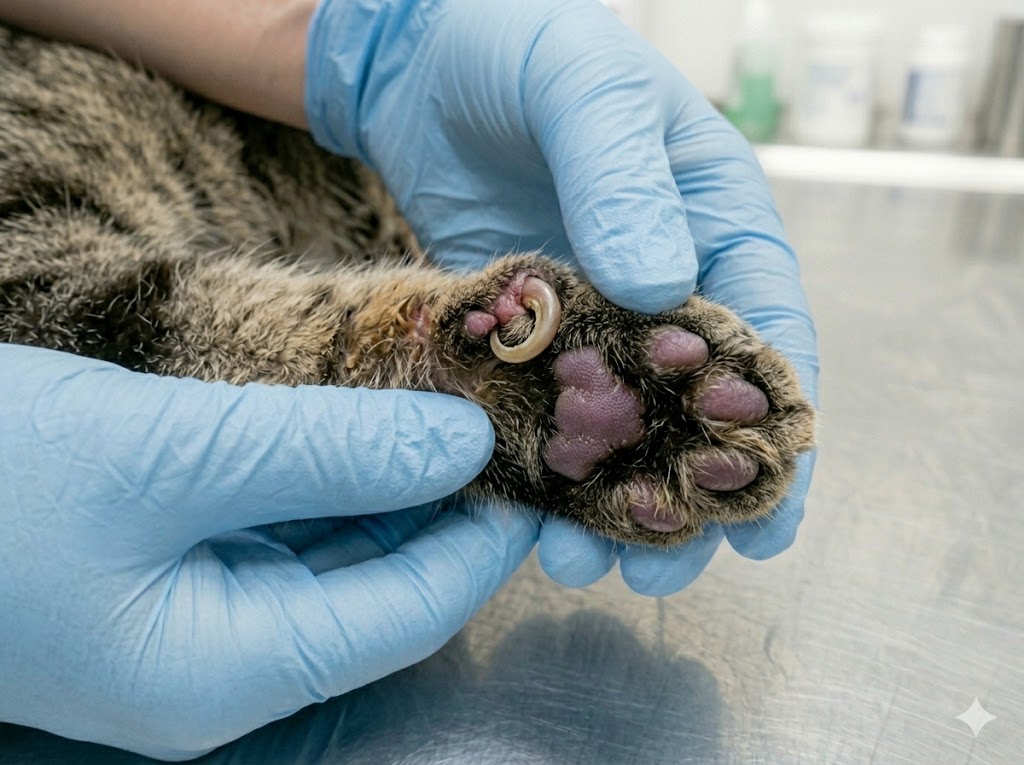
Cats retract their claws, but older cats, overweight cats, and cats that don't scratch enough can develop overgrown claws that curl back into the paw pad. Once the claw pierces the pad, it causes pain, bleeding, infection, and limping. Cat ingrown nail pictures show a claw making almost a full circle with the tip buried or pressed into the pad — usually on the dewclaw (the inner "thumb" claw). Elderly cat ingrown claw is extremely common because older cats scratch less and claw tips thicken without shedding properly. What does an ingrown nail look like on a cat? A tight, curved claw pressed into swollen or red pad skin, sometimes with visible discharge or dried blood. Cat ingrown nail removal at home is possible for small, clean cases: use cat nail clippers to snip the tip beyond the curl, then clean the pad with diluted chlorhexidine. If the claw is already buried in the pad, there's infection, or your cat won't let you handle the paw, a vet should remove it under sedation. Check all four paws (and especially dewclaws) on senior cats at least once a month.
Paw Pad Cuts, Cracks & Peeling
Pad injuries in cats are less common than in dogs but still happen — glass, splinters, chemical burns from floor cleaners, hot surfaces, or rough play can all cut or burn the pad. Cat paw pad peeling can result from burns, contact with cleaning chemicals, allergies, or hyperkeratosis (excess keratin buildup). Cat paw pad cracked usually comes from dryness or chronic inflammation. Cat paw pad turning black can be normal pigmentation in dark-coated cats, but it can also indicate fungal infection, frostbite, or necrosis — any color change combined with swelling, smell, or limping is a red flag. Cat cut paw pad treatment: rinse with clean water, apply gentle pressure to stop bleeding, clean with diluted chlorhexidine (not hydrogen peroxide — it damages healing tissue), and restrict activity for 3-5 days. See a vet if the cut is deeper than the outer pad layer, the pad has a loose flap, there's heavy bleeding, or color change with swelling. Cat paw pads naturally regenerate but the outer layer can take 1-3 weeks to fully heal.
Worried about your cat's paw?
Upload a photo of your cat's paw now. Get an AI-powered assessment of pillow foot, swelling, infection, injury, or nail problems — and whether you need to see a vet.
Check Cat Paw Now →Medical Disclaimer
PawCheck provides AI-generated preliminary health analysis for informational and educational purposes only. This service is not intended to replace professional veterinary advice, diagnosis, or treatment. The AI analysis has inherent limitations and may not always be accurate. Always seek the advice of a qualified, licensed veterinarian with any questions regarding your pet's health. Never disregard professional veterinary advice or delay in seeking it because of information provided by this tool. If your pet is experiencing a medical emergency, contact your veterinarian or emergency animal hospital immediately. By using this service, you acknowledge and agree to these terms.
Frequently Asked Questions
How can I tell if my cat's paw is infected?
+
A cat paw infection typically shows: redness between the toes or around the paw pads, swelling that's warm to the touch, a foul smell (fishy, rotten, or musty), yellow or greenish discharge between the toes, your cat licking or biting the paw excessively, limping or refusing to put weight on that paw, the nail base turning black or dark brown (possible fungal infection), and visible pus or scabbing. In outdoor cats, many paw infections start as bite wound abscesses — look for a small puncture mark with swelling around it. Cats are very good at hiding pain, so subtle behavior changes (hiding, not jumping, reduced grooming) can be the earliest signs. Upload a clear photo for an AI assessment.
How do you treat a swollen paw on a cat?
+
Treatment depends on the cause. For mild swelling from a minor sprain or sting: rest your cat, restrict jumping for 24-48 hours, and apply a cool compress for 10 minutes at a time. For a suspected abscess (common in outdoor cats after fights): warm compresses can help it come to a head, but most abscesses need a vet to lance and drain them. For swelling around a nail: check for a broken toenail or ingrown claw — both need careful trimming or vet attention. Never give your cat human pain medications — ibuprofen and acetaminophen are both toxic to cats. See a vet within 24-48 hours if: swelling increases, your cat refuses to bear weight, there's discharge or smell, or the paw feels hot. Upload a photo for an instant AI assessment of severity.
How long will a swollen cat paw heal on its own?
+
It depends heavily on the cause. Mild swelling from a sting, minor bump, or soft-tissue strain often resolves in 24-72 hours with rest. However, a swollen cat paw will NOT heal on its own if caused by: an abscess from a bite wound (needs draining), an ingrown claw pressing into the pad, a foreign object between the toes, a broken toenail, a sprain on a joint that keeps getting re-injured, pillow foot / plasma cell pododermatitis (may partly resolve but can recur), or an infection. If swelling hasn't improved after 48 hours, is increasing, or comes with limping/discharge/bad smell, see a vet. Cats hide pain well — a "swollen paw with no obvious pain" does NOT mean it's safe to wait.
Why is my cat limping and has a swollen paw?
+
Swollen paw + limping most often means: an abscess from a bite wound (extremely common in outdoor cats — check for a small puncture), a sprain or fracture (falls, jumps from height, tail-pulled-while-climbing accidents), a broken toenail (look for blood or a nail pointing the wrong direction), an ingrown claw piercing the pad, a foreign body like a splinter or glass, a deep cut or burn, an infection that has progressed, or a tick attachment causing localized swelling. If the swelling is isolated to one paw and your cat is limping, it's rarely pillow foot (which usually affects multiple paws without much pain). Any limping cat that doesn't improve within 24-48 hours should see a vet. Cats don't typically cry when in pain — they hide, refuse food, or stop grooming instead.
How do you treat pillow foot in cats?
+
Mild pillow foot (plasma cell pododermatitis) sometimes resolves on its own in 3-6 months with rest and reduced paw stress. Most vets start treatment with doxycycline (an antibiotic that also has immune-modulating effects) — this clears many cases within 4-8 weeks. More severe cases may need prednisolone (a steroid), cyclosporine, or other immunosuppressive medications. Surgical removal of the affected pad tissue is reserved for non-responding or ulcerated cases. Home care that helps: use dust-free, non-clumping litter (avoid fragranced litter), provide soft bedding, keep the paws clean with a gentle saline rinse, and test your cat for FIV/FeLV (both are associated with pillow foot). If the paw is ulcerated, bleeding, or your cat is lame, skip home care and see a vet.
Can cat litter cause pillow foot?
+
Cat litter does NOT cause pillow foot directly — the root cause is thought to be immune-mediated, and there is a strong link with FIV (feline immunodeficiency virus) in some cases. However, rough, dusty, heavily fragranced, or chemical-coated clumping litters can IRRITATE an already affected paw and slow healing. If your cat has pillow foot: switch to a dust-free, unscented, soft litter (paper pellets, wood pellets, or silica gel crystals), change the litter more frequently to minimize contact with soiled pads, and ensure the litter box is large enough that the cat isn't standing in clumps. Correlation ≠ causation: many indoor cats with access to all litter types never develop pillow foot. Don't blame yourself for the condition, but do adjust the environment to help healing.
How do you tell if a cat's paw is sprained or broken?
+
A sprain and a broken (fractured) paw can look similar, but there are clues. Likely a sprain: mild to moderate swelling, some weight-bearing possible (limping but still uses the leg), pain when flexing the joint but not a sharp reaction on touch, and usually improves partially within 24 hours. Likely a fracture: severe swelling, cat refuses to touch the paw to the ground, visible deformity or shortening of the limb, bone protruding (emergency), extreme pain reaction to any touch, and no improvement after rest. You cannot reliably tell without an X-ray — if your cat won't bear weight at all, or if swelling is severe, go to the vet. Never give human painkillers to a cat. Keep your cat confined to a small space to prevent worse injury while waiting for vet care.
What should I do if my cat is limping but not crying?
+
Cats almost never cry out from pain — they evolved to hide injuries to avoid appearing vulnerable. A limping cat that isn't vocalizing is still in pain. What to do: gently examine each paw (top, pad, between toes, around nails) looking for cuts, swelling, embedded objects, or broken claws, check up the leg for heat or swelling, watch your cat for 24 hours with restricted activity (keep indoors, block jumping), and look for other signs of pain (hiding, reduced appetite, not grooming, pupils dilated). See a vet within 24-48 hours if: limping doesn't improve, any paw swelling is present, your cat won't bear weight at all, there's visible injury, or if your cat is unusually quiet or hidden. "Silent pain" in cats is often as serious as vocal pain in dogs.
What does an ingrown nail look like on a cat?
+
An ingrown cat nail (ingrown claw) is a claw that has grown in a tight curve and pierced back into the paw pad. Visually, it looks like: a claw making almost a full circle with the tip buried or pressed into the pad, usually on the dewclaw (the "thumb" claw on the inside of each front paw), or on an older cat's thick overgrown claws. The surrounding area may be red, swollen, have a small wound, discharge, or be crusted with dried blood. Your cat may limp, lick the paw excessively, or be sensitive to touch. Elderly and overweight cats are most prone because they scratch less and their claws thicken. If you can see the ingrown tip clearly and the paw isn't infected, you can often trim it at home with a cat nail clipper. If it's deeply buried, infected, or bleeding, a vet needs to remove it.
Can a cat's paw heal on its own?
+
Minor cat paw issues can heal on their own, but many cannot. Likely to heal on its own: a small surface scrape, a mild sprain, a minor insect sting without allergic reaction, and very early-stage pillow foot in some cats. Will NOT heal on its own: an abscess (needs draining), a deep cut or puncture wound, a broken toenail with exposed quick, an ingrown claw buried in the pad, a foreign body lodged between toes, a bacterial or fungal infection once established, a fracture, and most pillow foot cases beyond mild stages. Rule of thumb: if there is no improvement within 48 hours of rest, or if there are signs of infection (discharge, smell, increasing redness, heat), see a vet. Cats are stoic — the absence of crying is NOT a sign the paw is fine.
More AI Pet Health Checks
Eye Infection Checker
Detect dog eye infection, cat eye problems, conjunctivitis, corneal ulcers, and cataracts.

Skin Disease Checker
Detect dog skin infection, cat skin problems, dermatitis, hot spots, and ringworm.

Dog Ear Infection Checker
Detect dog ear infection, ear mites, yeast infections, and ear discharge with AI photo analysis.
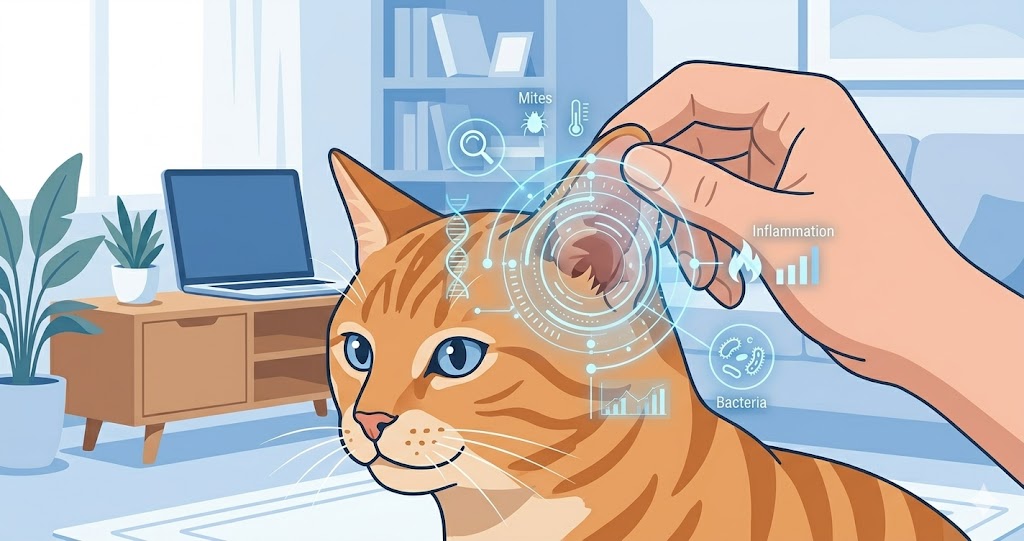
Cat Ear Mites Checker
Detect cat ear mites, ear infections, yeast infections, and ear discharge with AI photo analysis.
Cat Vomit Checker
Why is my cat vomiting? Analyze white foam, yellow bile, blood, hairballs, and more with AI.

Dog Vomit Checker
Dog vomiting when to worry? Analyze white foam, yellow bile, blood, and undigested food with AI.
Dog Nose Checker
Dog nose dry or runny? Analyze cracked noses, nasal discharge, and color changes with AI.
Dog Dental Checker
Detect dog tooth infections, gum disease, tartar buildup, and dental problems with AI photo analysis.
Dog Poop Checker
Blood in dog stool? Analyze poop color, detect worms, mucus, and diarrhea with AI photo analysis.
Cat Dental Checker
Detect cat tooth infections, gum disease, stomatitis, tooth resorption, and dental problems with AI photo analysis.

Dog Lump Checker
Found a lump on your dog? Identify skin tags, warts, cysts, lipomas, and bumps with AI photo analysis.
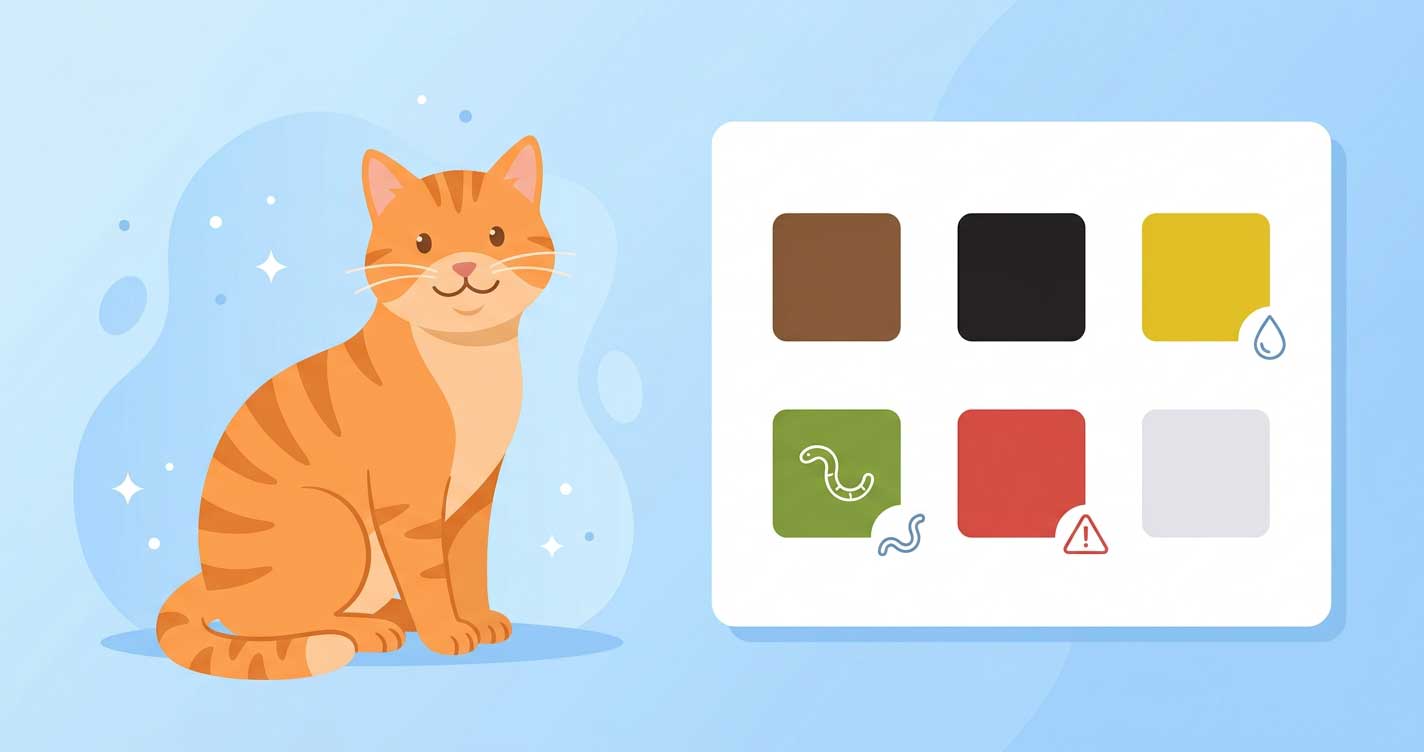
Cat Poop Checker
Blood in cat stool? Analyze poop color, detect worms, mucus, and diarrhea with AI photo analysis.
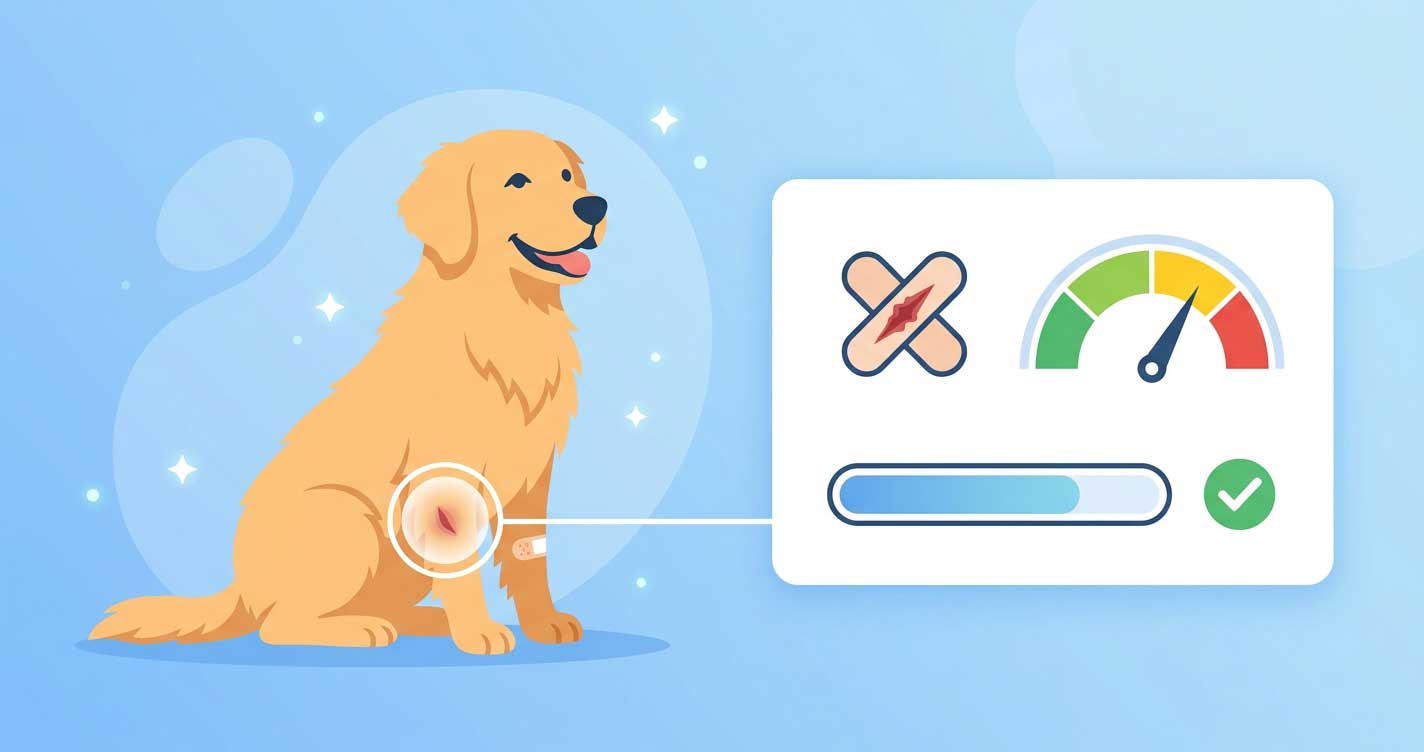
Dog Wound Checker
Is your dog's wound infected? Check infection signs, healing stages, and bite wounds with AI photo analysis.
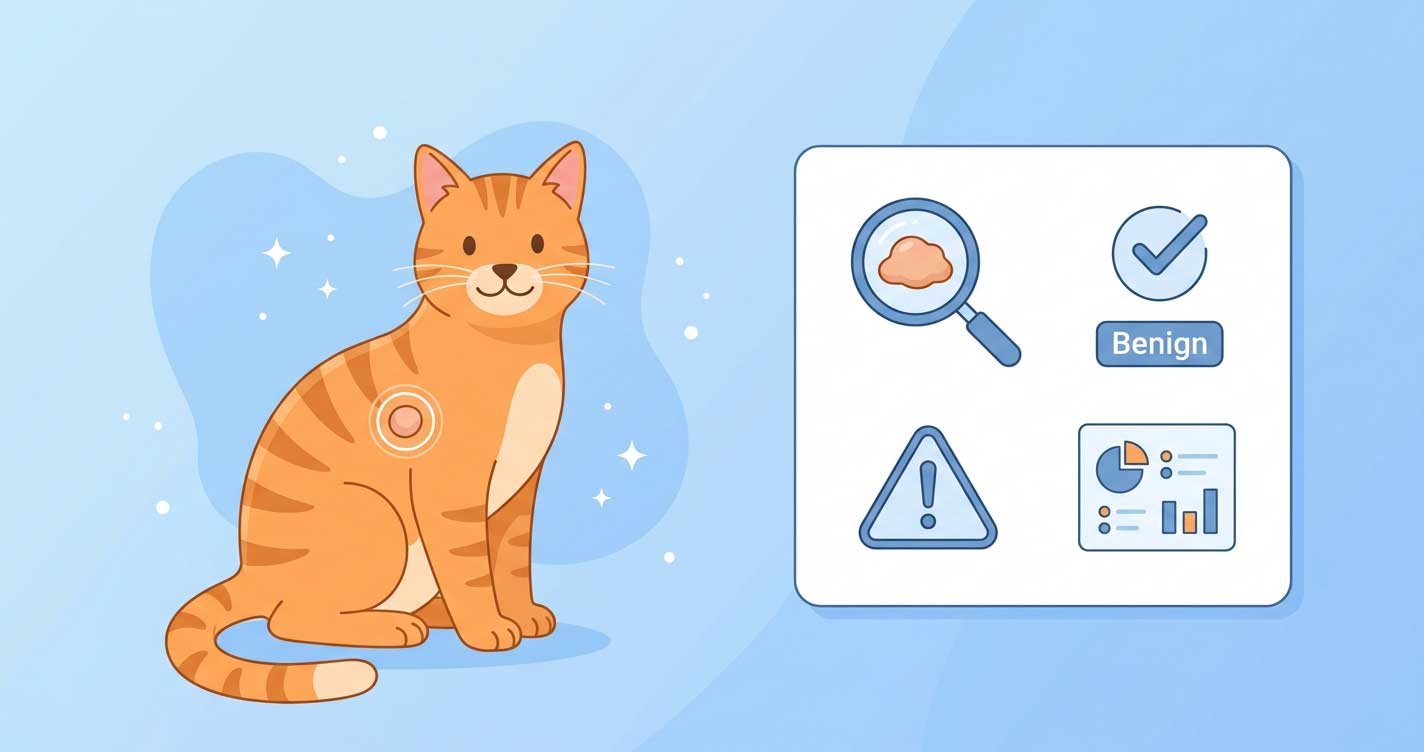
Cat Lump Checker
Found a lump on your cat? Identify skin tags, cysts, lipomas, warts, and bumps with AI photo analysis.
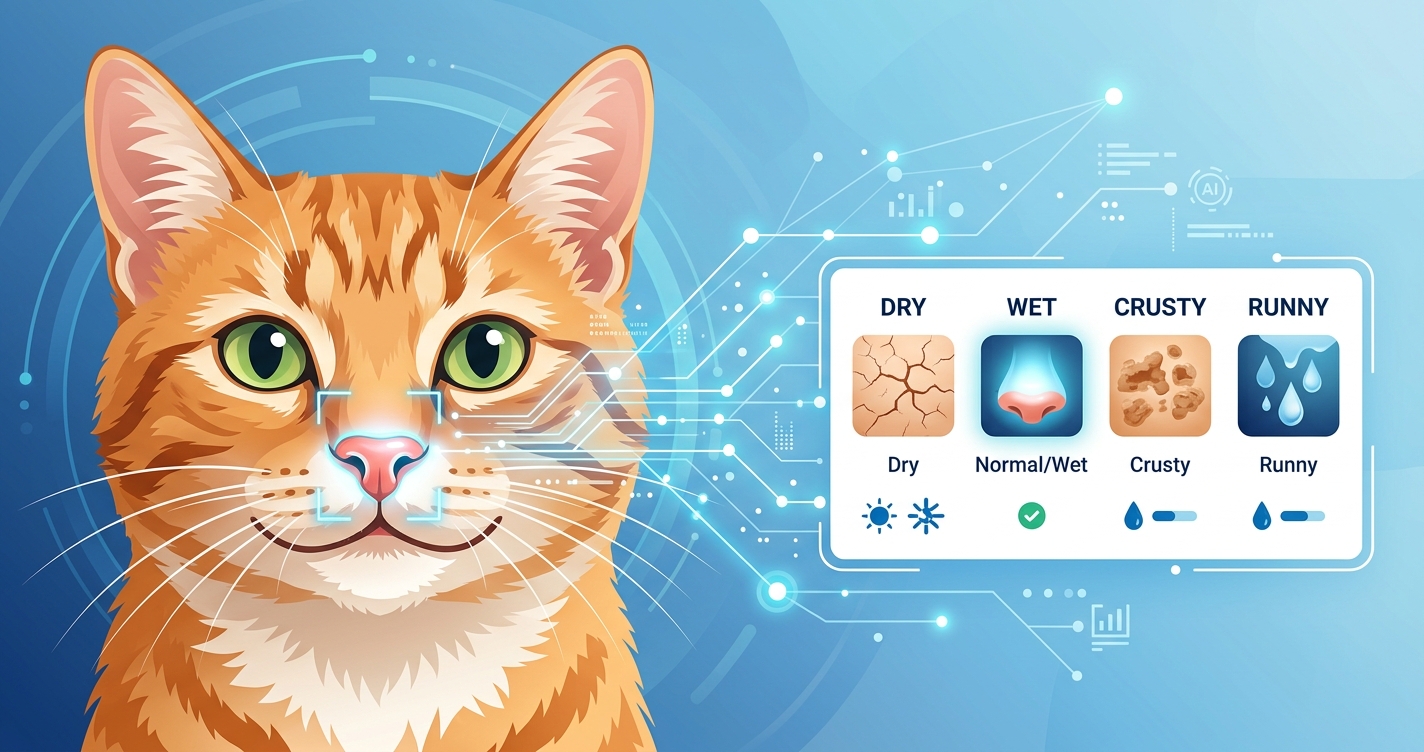
Cat Nose Checker
Cat nose dry or runny? Analyze crusty noses, nasal discharge, and sneezing symptoms with AI.
Dog Paw Checker
Dog paw injured, swollen, or infected? Check cuts, yeast infections, peeling pads, and redness between toes with AI.
🐾
View All Tools
Explore all AI pet health check tools