Cat Acne Checker — Feline Chin Acne, Black Specks & Pimples
Is your cat's chin covered in tiny black dots or red bumps? Upload a photo and get an instant AI assessment of feline acne — including whether it's acne, flea dirt, or mites — plus home care guidance.
Drop your pet's photo here
or
✅JPG, PNG, WEBP
📏Max 8MB
This tool provides AI-generated preliminary analysis only. Not a substitute for professional veterinary diagnosis.
📸 Photo Guide
Good photos
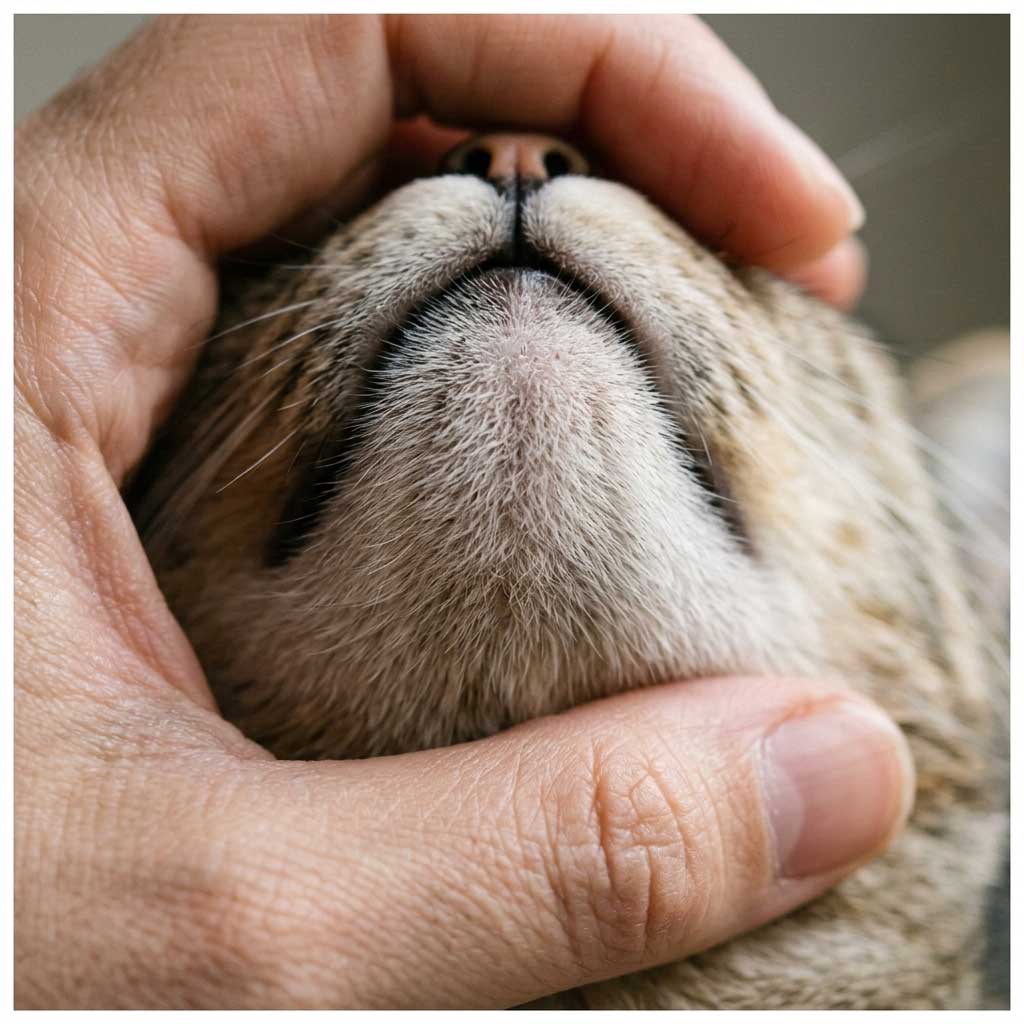
Close-up, clear
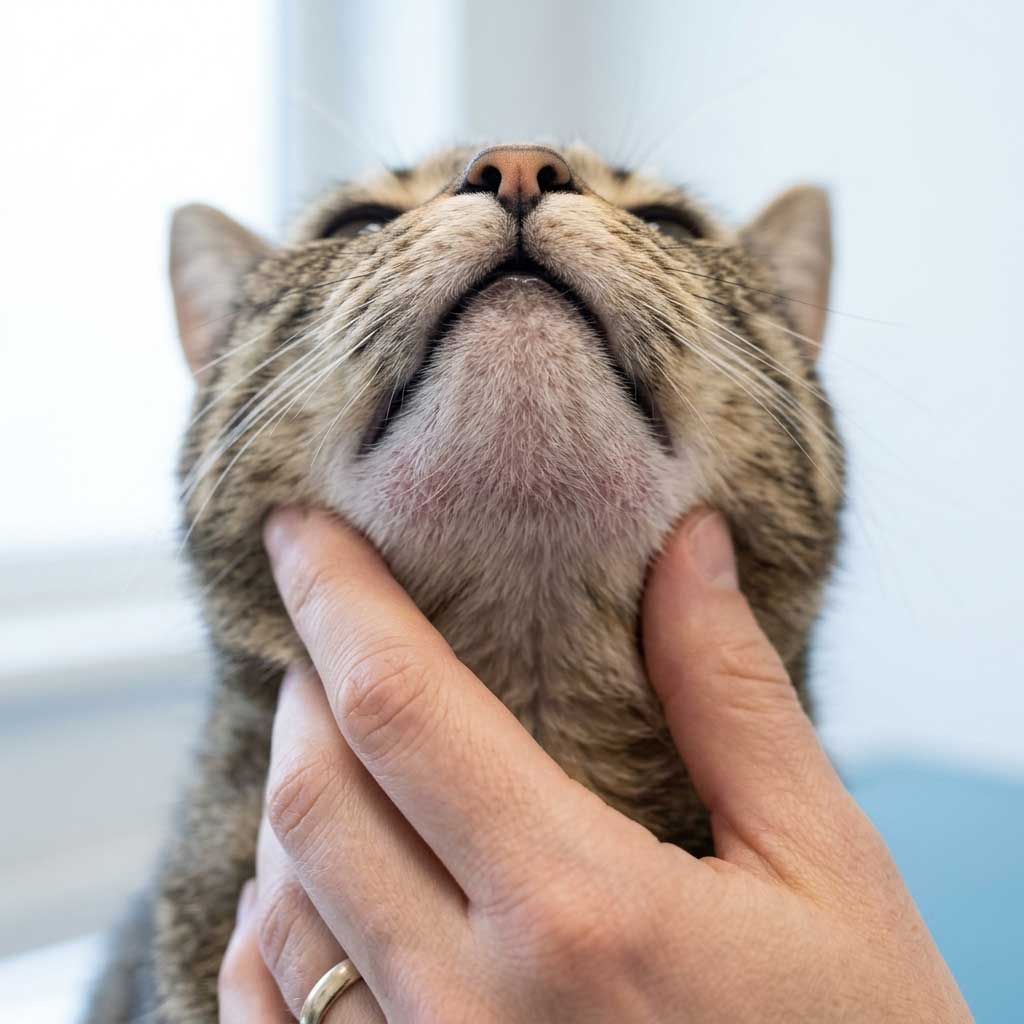
Good lighting
Avoid
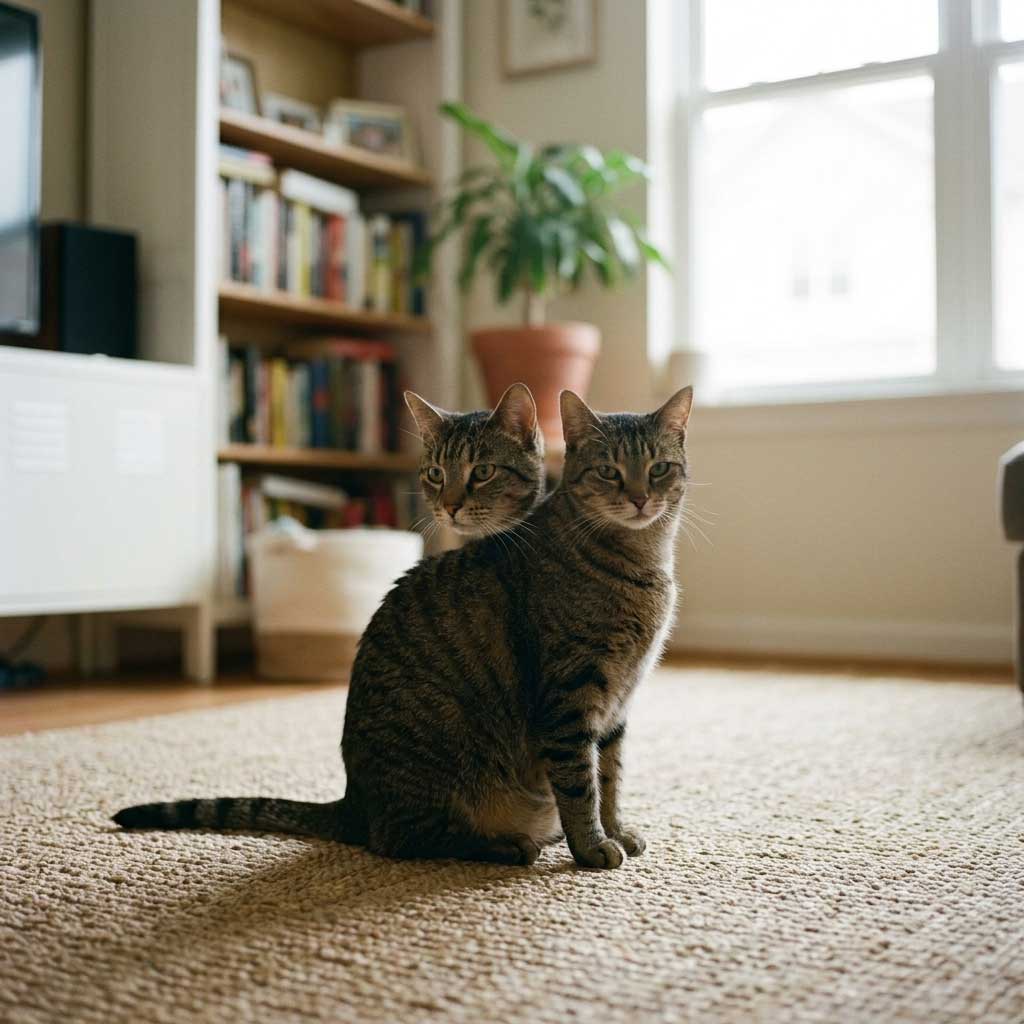
Too far away
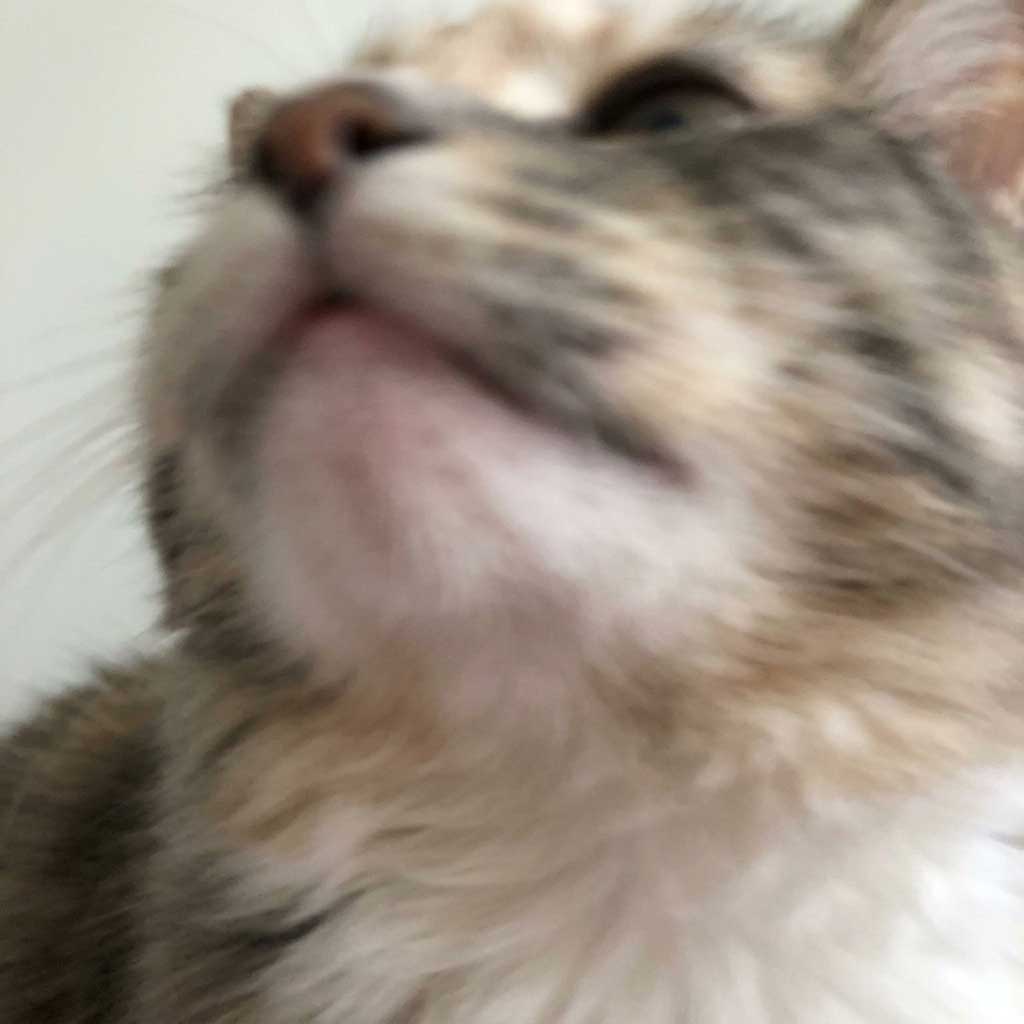
Blurry
Tips for best results
- ✓Gently tilt your cat's head up to expose the chin fully
- ✓Take the photo in natural daylight if possible — color accuracy matters
- ✓Get close enough that the chin fills most of the frame
- ✓Try to capture the lower lip too — acne often extends there
- ✓If possible, also photograph any black specks on other body areas (for flea dirt comparison)
How It Works — AI Cat Acne Checker
Step 1
Upload a Chin Photo
Take a clear, close-up photo of your cat's chin and lower lip area. The AI needs to see blackheads, bumps, redness, or scabs clearly to distinguish acne from flea dirt or mites.
Step 2
AI Analyzes
Our AI examines the chin for blackheads, red bumps, pustules, infection signs, and patterns that distinguish feline acne from flea dirt, mites, or contact dermatitis.

Step 3
Get Your Report
Receive a detailed report with the likely diagnosis (acne, flea dirt, or mites), severity stage, suggested home care steps, and whether you should see a vet.
Common Cat Acne Presentations
Cat acne (feline acne) mostly affects the chin and lower lip. It ranges from cosmetic blackheads to painful infected sores. Here's what each stage looks like and how to tell cat acne apart from flea dirt or mites. Also try our cat skin checker or cat bug identifier or cat paw checker.
Mild Cat Chin Acne — Blackheads (Comedones)
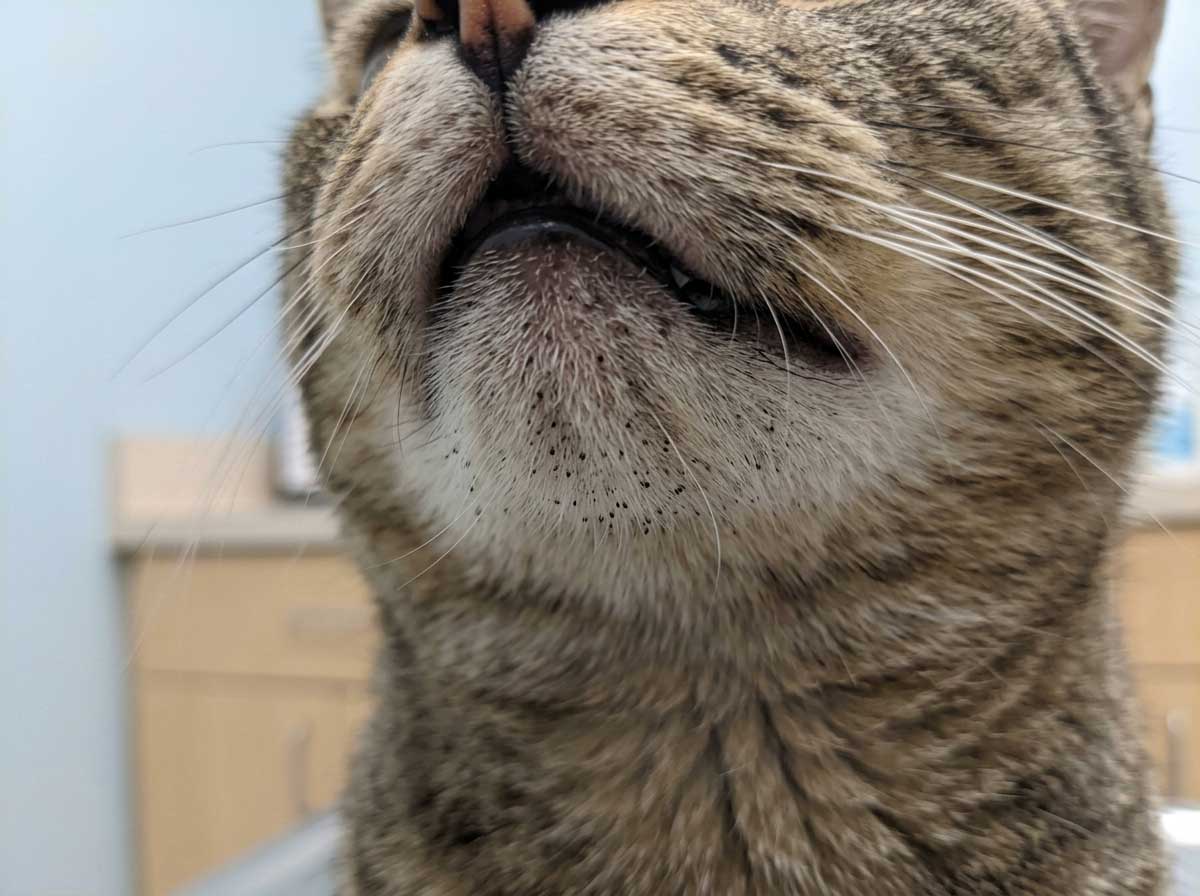
Mild cat acne looks like small black specks clustered on the chin and lower lip, giving a "dirty-looking" appearance that doesn't wash off. These are comedones — plugged hair follicles filled with sebum and keratin, oxidized to a black color (the same process as human blackheads). Cats at this stage are usually not bothered by the acne, have no redness, swelling, or itching, and the chin feels normal to touch. Mild cat chin acne typically responds well to simple interventions: switch plastic food/water bowls to stainless steel, ceramic, or glass; wash the bowls daily with hot soapy water; and gently wipe the chin with a warm damp cloth once a day. Most mild cases resolve in 2-4 weeks once triggers are removed. Do NOT try to squeeze, pick, or aggressively scrub blackheads — this pushes infection deeper and can cause scarring. What causes cat chin blackheads? Plastic bowl contact, reduced self-grooming (often in older cats), excess sebum production, and sometimes underlying allergies.
Moderate Cat Chin Acne — Red Bumps & Pimples
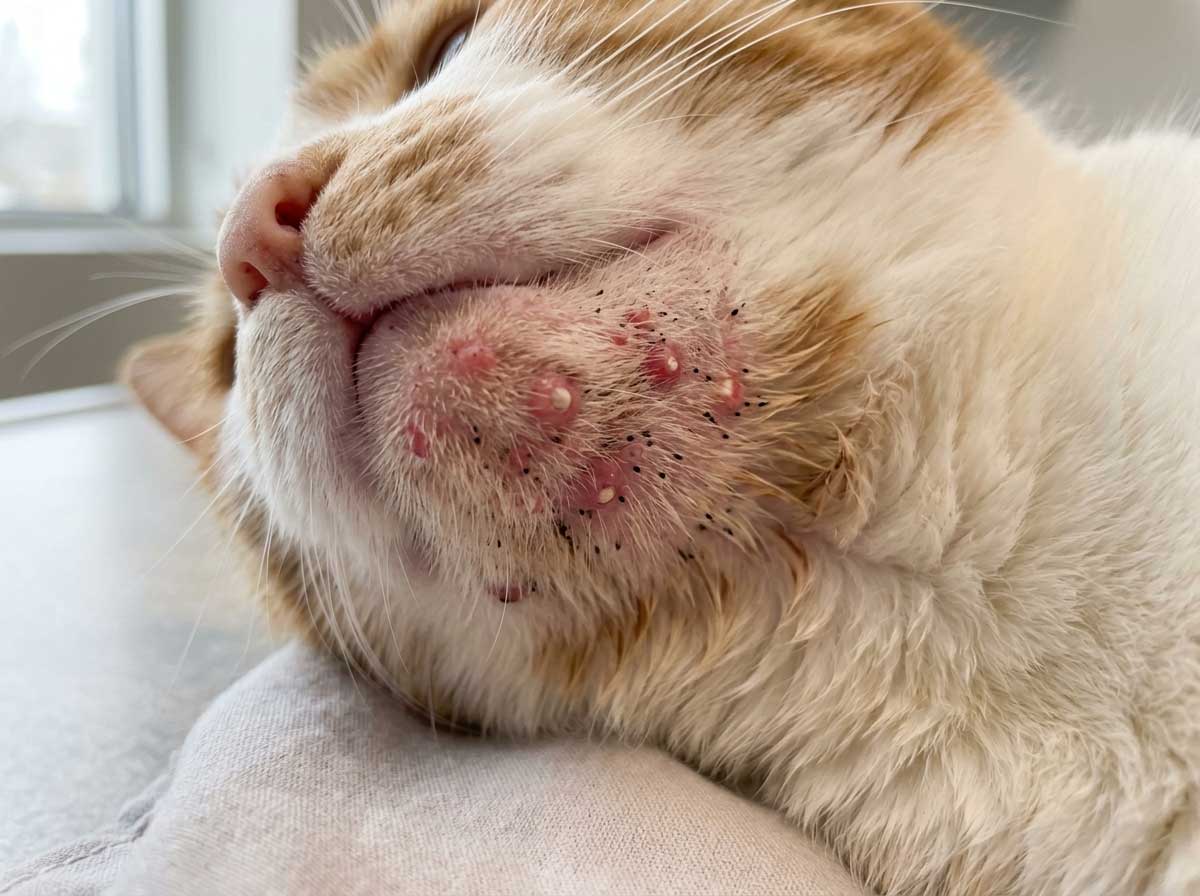
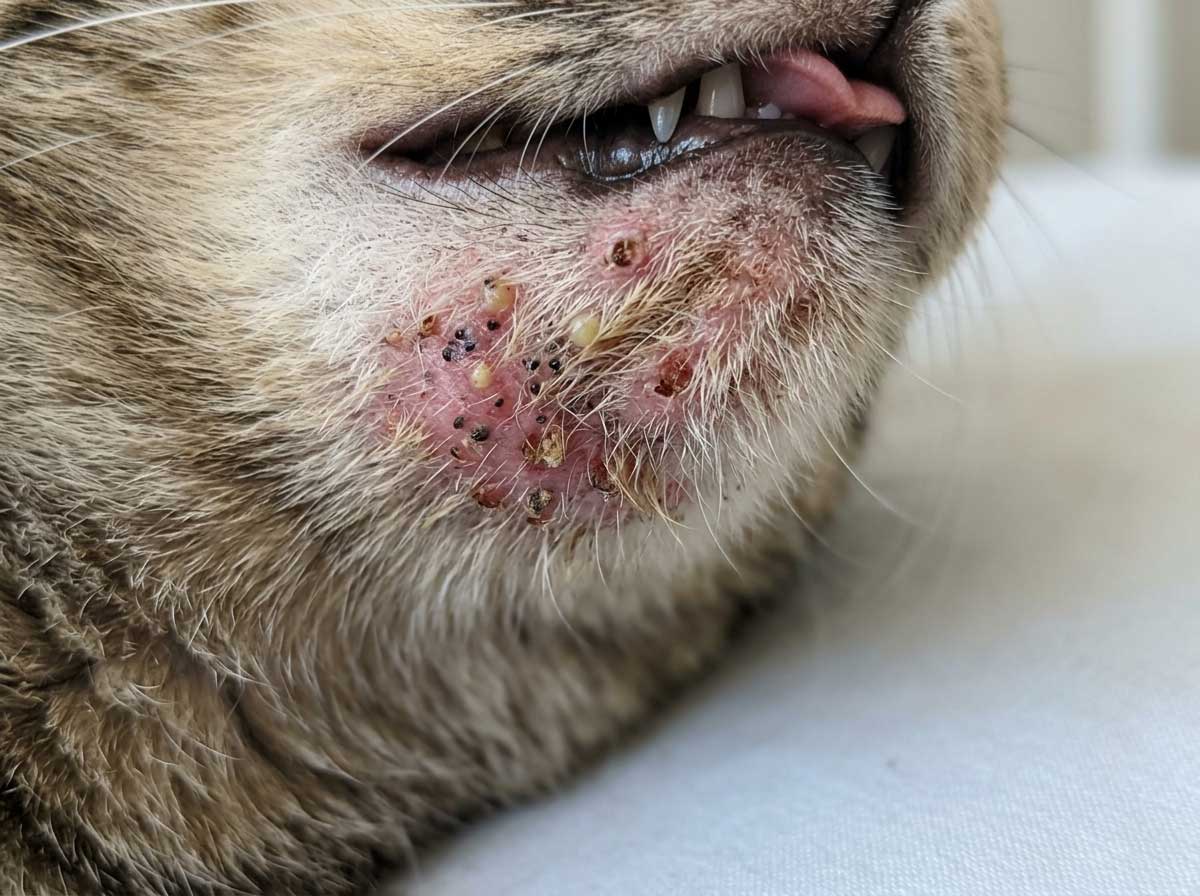
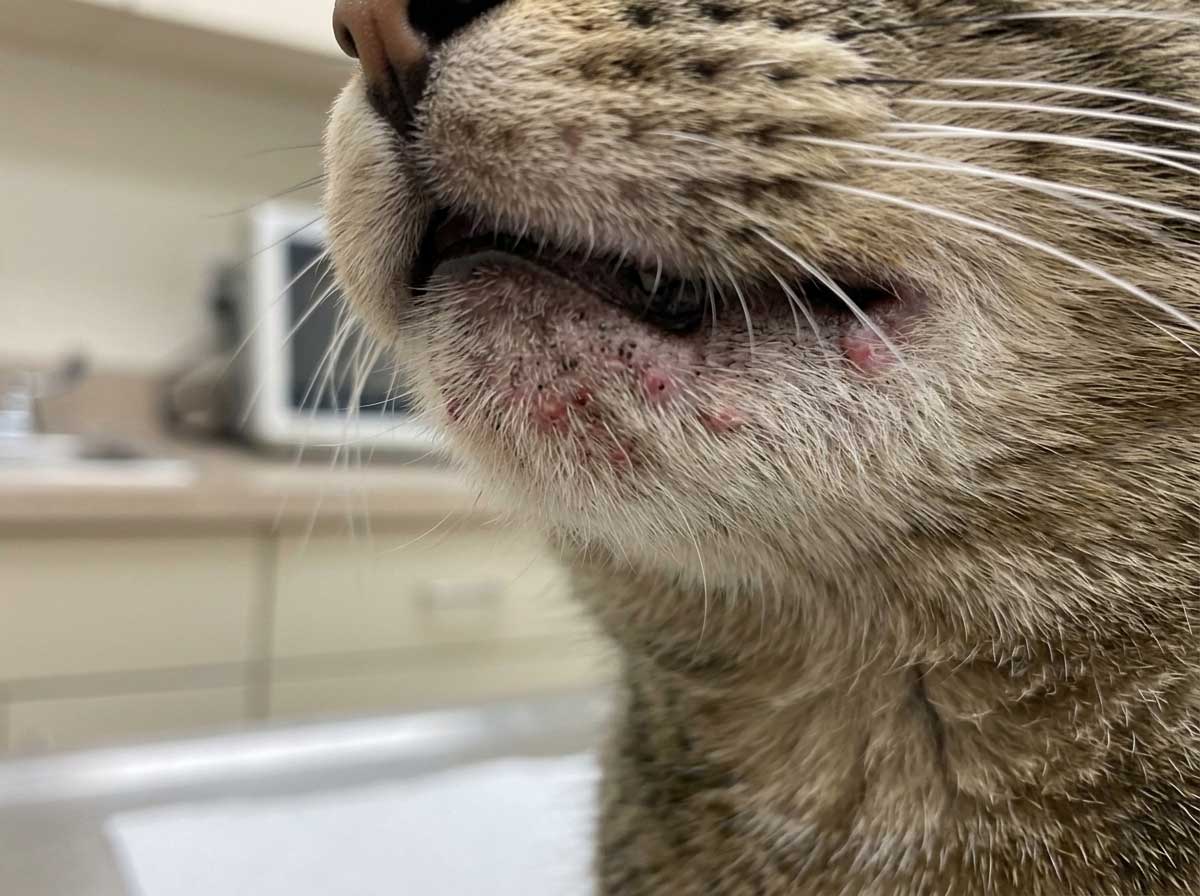
Moderate cat acne progresses beyond blackheads to include red, raised bumps (papules) and pus-filled pimples (pustules). The chin may look swollen, pink, or irritated, and your cat may begin scratching or rubbing the chin against furniture. Bumps that break open may leave small scabs. At this stage, cat acne is inflammatory — hair follicles have become infected with normal skin bacteria (Staphylococcus or others) that take advantage of the plugged follicles. Home care for moderate acne: continue bowl hygiene changes, add daily chlorhexidine cleaning (diluted 2% solution or medicated wipes labeled for pets), and apply warm compresses 2-3 minutes twice daily. Most moderate cases clear in 3-6 weeks with consistent care. If the bumps are spreading, not improving after 2 weeks, or your cat seems in discomfort, see a vet — short-course topical antibiotics can dramatically speed recovery.
Severe Cat Chin Acne — Infected, Swollen & Bleeding
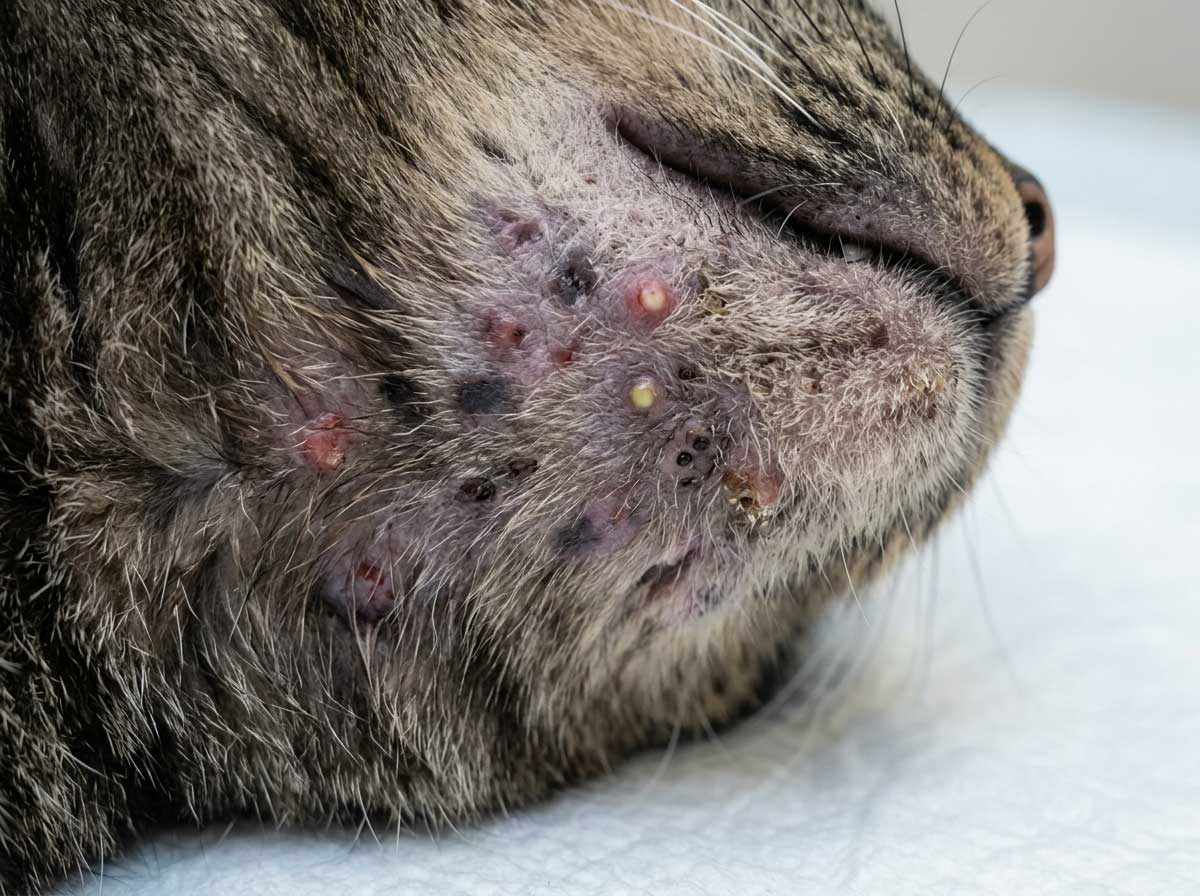
Severe cat chin acne is a veterinary problem. Signs: the chin is visibly swollen beyond its normal outline, lesions are draining pus or blood, scabs cover much of the chin surface, hair loss around the chin, your cat flinches or hides when the chin is touched, and sometimes fever or lethargy. Severe cases usually involve deep folliculitis (inflammation that has penetrated below the skin surface) or furunculosis (ruptured, draining infected follicles). Home care alone is rarely enough — vets typically prescribe oral antibiotics for 2-4 weeks, sometimes combined with medicated shampoos or surgical debridement if the chin is heavily crusted. Recovery takes 4-8 weeks. Do not attempt to clean severe acne aggressively at home — you can spread the infection and cause more damage. A cat chin that is bleeding, very swollen, or causing appetite loss is a same-week vet visit, not a wait-and-see situation.
Acne on Lips, Around Mouth & Rare Locations
While 90%+ of feline acne appears on the chin, it can spread to or start on the lower lip, the upper lip, the corners of the mouth, and very rarely on the nose, eyelids, or base of the tail (where sebaceous glands are concentrated). Cat acne on the lip looks like small black dots or red bumps along the lip margin, sometimes causing the lip to appear slightly swollen or irritated. Cat acne around the mouth often accompanies chin acne and responds to the same treatments. Acne in unusual locations (eyelids, nose) is uncommon and warrants a vet visit — it can sometimes be confused with autoimmune conditions, eosinophilic granuloma complex, or early-stage ringworm. Treatment for lip and mouth acne is similar to chin acne: bowl hygiene, gentle cleaning with chlorhexidine, and short-course topical antibiotics if inflamed.
Cat Acne vs Flea Dirt vs Mites (How to Tell)
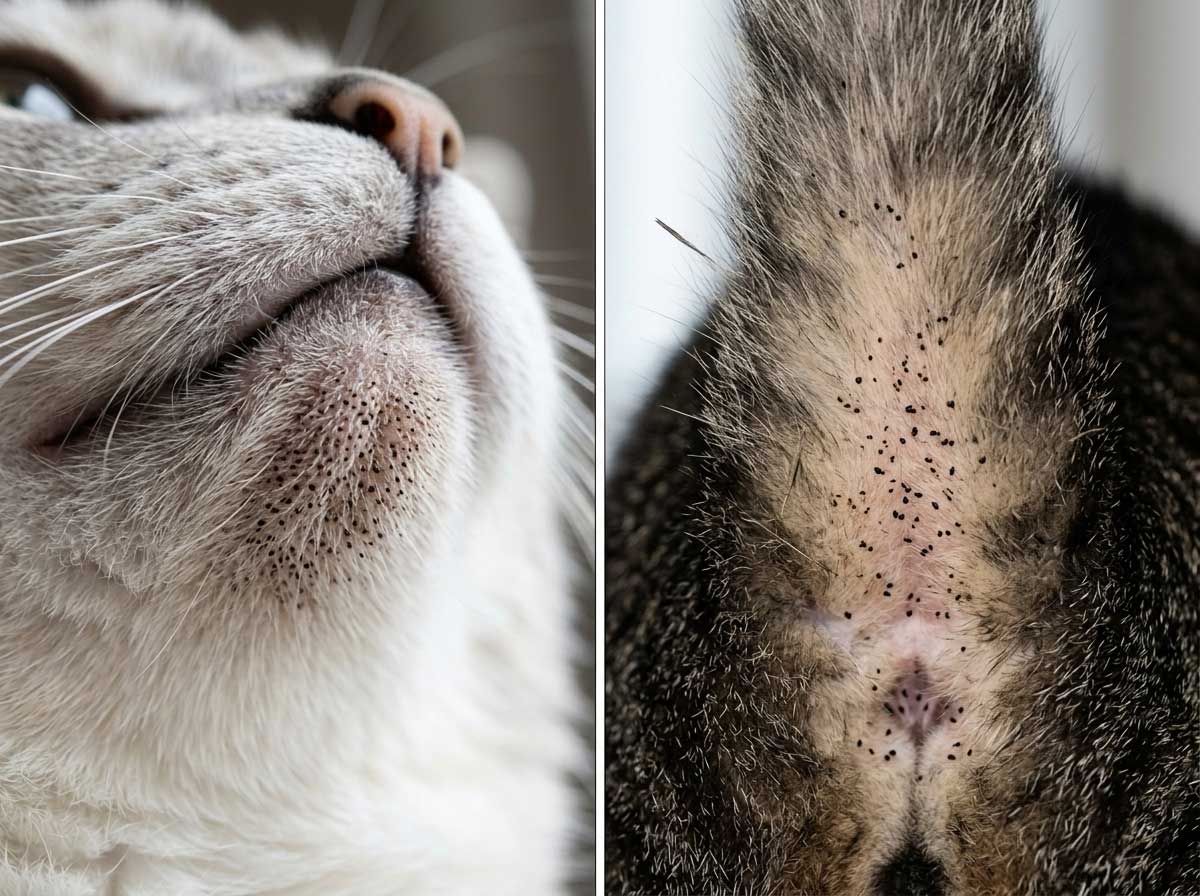
Black specks on a cat's chin are confusing — acne, flea dirt, and mites can all look similar at first glance. Here's how to tell them apart. Cat acne blackheads: clustered tightly on the chin and lower lip, don't move, don't wash off with water alone, feel like small dots embedded IN the skin. Not found elsewhere on the body. Flea dirt: small black specks that look like coffee grounds, can be found on the back, belly, and tail base in addition to the chin. Key test: wet a white paper towel and rub a speck — flea dirt turns REDDISH-BROWN (it's digested blood), acne blackheads do not change color. You may also see fleas themselves moving in the fur. Mites (Demodex, Cheyletiella): uncommon, usually cause darkening at hair bases WITH hair loss, crusting, or visible dandruff-like flakes. Requires vet diagnosis with skin scraping. If you're unsure, our AI can assess the photo and help distinguish between these three possibilities.
Chronic & Recurring Cat Acne
Some cats develop chronic cat acne that flares monthly or never fully resolves. If you've eliminated plastic bowls and kept the chin clean but acne keeps coming back, the root cause is usually deeper: underlying food or environmental allergies, immune suppression (FIV/FeLV), hormonal imbalance (rare hyperthyroidism presentation), stress-related over-grooming or under-grooming, or a bacterial/yeast overgrowth that has become resistant to simple cleaning. Chronic cat acne management typically requires: a vet workup (skin culture, FIV/FeLV test, sometimes biopsy), elimination diet trial (8-12 weeks on a hypoallergenic food), regular medicated chin washing (weekly chlorhexidine or benzoyl peroxide pet shampoo — NOT human benzoyl peroxide products), and sometimes long-term low-dose antibiotics or cyclosporine. Chronic acne is manageable, but complete cure is uncommon — the goal becomes minimizing flares rather than eliminating them entirely.
Black specks on your cat's chin?
Upload a photo now. Our AI will tell you whether it's feline acne, flea dirt, or mites — plus severity stage, home care steps, and when to see a vet.
Check Cat Acne Now →Medical Disclaimer
PawCheck provides AI-generated preliminary health analysis for informational and educational purposes only. This service is not intended to replace professional veterinary advice, diagnosis, or treatment. The AI analysis has inherent limitations and may not always be accurate. Always seek the advice of a qualified, licensed veterinarian with any questions regarding your pet's health. Never disregard professional veterinary advice or delay in seeking it because of information provided by this tool. If your pet is experiencing a medical emergency, contact your veterinarian or emergency animal hospital immediately. By using this service, you acknowledge and agree to these terms.
Frequently Asked Questions
How do you get rid of cat acne?
+
Mild cat acne (just a few blackheads, no redness) often clears on its own once the trigger is removed — switch plastic food/water bowls to stainless steel, ceramic, or glass, and wash them daily with hot soapy water. For moderate acne (red bumps, pimples): gently clean the chin once daily with a warm damp cotton pad, then apply a thin layer of diluted chlorhexidine (2%) or use a medicated chlorhexidine wipe. Most cases improve within 2-3 weeks. For severe acne (infected, bleeding, scabbing): see a vet — oral or topical antibiotics are often needed, sometimes combined with a medicated shampoo. Avoid hydrogen peroxide, human acne products (benzoyl peroxide is too harsh for cats), and over-scrubbing — these all worsen inflammation.
Can cat chin acne clear up on its own?
+
Yes, mild cat chin acne often clears on its own in 2-4 weeks once the trigger is eliminated (most commonly a plastic bowl). If you see just a few blackheads and no redness, swelling, or discharge, you can remove the trigger, wash the chin daily with a warm damp cloth, and monitor. If acne progresses to red bumps, pimples, or starts bleeding, it won't resolve on its own — you'll need to intervene with topical treatment or a vet visit. Chronic recurring cat acne (monthly flares even with a non-plastic bowl) usually indicates underlying allergies, immune issues, or bacterial overgrowth, and these cases rarely self-resolve.
Why did my cat get acne all of a sudden?
+
Sudden cat acne has a few common triggers. Plastic bowl contact: switching to plastic food or water bowls, or scratches appearing on old plastic bowls, is the #1 sudden trigger. The porous plastic holds bacteria. Change in grooming: stress, dental pain, or arthritis can cause a cat to groom less, letting oils and debris build up on the chin. Diet change: new foods can alter skin oil composition. Environmental change: new detergents, scented litter, smoke, or a new house. Hormonal shifts: puberty or stress-hormone spikes. Underlying illness: FIV, FeLV, diabetes, or hyperthyroidism can suppress the immune system and trigger acne. If there's no obvious trigger and the acne is spreading or severe, see a vet for a workup.
How serious is cat chin acne?
+
Mild cat chin acne is cosmetic and not serious — just blackheads on an otherwise healthy cat. Moderate cat chin acne (red bumps, itching, mild scabs) is uncomfortable but not dangerous, and usually resolves with home care. Severe cat chin acne (infected, swollen, bleeding, draining pus, or associated with fever/lethargy) IS serious — the infection can spread to deeper tissues, cause cellulitis, or very rarely systemic infection. See a vet urgently if: the chin is swollen beyond the normal chin outline, there's visible pus or heavy bleeding, your cat is in obvious pain when you touch the area, your cat is off food or lethargic, or home care for 2 weeks hasn't helped.
Is cat acne painful to cats?
+
Mild cat acne is not painful — most cats with just blackheads seem completely unbothered. Moderate acne with red bumps or pimples can be mildly itchy or tender, and you may notice your cat rubbing its chin against furniture or pawing at it. Severe acne with infection (swollen, pus-filled bumps, scabbing, bleeding) IS painful — cats may avoid eating from bowls, flinch when touched, or become withdrawn. Cats are stoic and hide pain well, so behavior changes like reduced appetite, hiding, or reduced grooming around the face are important clues that the acne is bothering them.
How long does feline acne last?
+
It depends on severity and whether the trigger is addressed. Mild cases (blackheads only): usually resolve in 2-4 weeks once plastic bowls are swapped and the chin is kept clean. Moderate cases (red bumps, pimples): typically 3-6 weeks with daily topical care (chlorhexidine wipes, warm compresses). Severe or infected cases: 4-8 weeks with vet-prescribed antibiotics, sometimes longer if complications arise. Chronic / recurring acne: can last years with flare-and-remission patterns — often needs ongoing management (regular chin cleaning, hypoallergenic bowls, occasional medicated shampoos, sometimes long-term low-dose antibiotics or dietary changes).
Does hydrogen peroxide help cat acne?
+
No — do NOT use hydrogen peroxide on cat acne. It damages healthy skin cells, delays healing, and makes inflammation worse. Hydrogen peroxide was recommended decades ago but modern veterinary medicine firmly advises against it for wound and skin care in pets. Better alternatives: diluted chlorhexidine 2% (the vet-recommended antiseptic), medicated chlorhexidine wipes (sold as "pet dermatology wipes"), warm saline compresses, or simply a warm damp cloth with mild unscented soap rinsed off. For any moderate-to-severe case, see a vet — topical treatment alone may not clear an established infection.
Can a dirty litter box cause cat acne?
+
A dirty litter box is unlikely to directly cause acne, but it can contribute in two indirect ways. First, dust or strongly fragranced litter particles can stick to a cat's chin after grooming and irritate hair follicles. Second, bacteria from a rarely-scooped litter box can colonize the skin when the cat lies down and transfer to the chin via grooming. The #1 cause of cat chin acne remains plastic food/water bowls — but keeping the litter box clean, switching to dust-free unscented litter, and placing the box away from food bowls all support overall skin health. If acne persists after switching bowls, evaluate litter hygiene as a secondary factor.
What are the black specks on my cat's chin?
+
Black specks on a cat's chin are usually one of three things. Cat acne blackheads (comedones): clustered tightly on the chin and lower lip, don't move, don't cause obvious itching, and feel like small dark dots embedded in the skin. Flea dirt: appears as small black specks but may also be found on the back, belly, or tail base — not isolated to the chin. Flea dirt turns reddish-brown when wetted on a white tissue (it's digested blood). Mites (Demodex, Cheyletiella): rare, but can cause darkening at hair bases with associated hair loss and itching. If the specks are only on the chin, don't turn red on a wet tissue, and don't cause fur loss elsewhere, it's most likely acne.
Should you comb out cat acne?
+
Do NOT aggressively pick, squeeze, or comb out cat acne blackheads — you can push infection deeper into the skin, cause bleeding, and create scarring. Gentle surface care is fine and helpful: use a warm damp cloth to gently wipe the chin once daily, soft-bristled pet brush to loosen surface debris (do not scrub), and medicated wipes labeled safe for cats. If a blackhead is loose and comes off easily during a gentle wipe, that's OK. If it requires pressure or squeezing, leave it alone. For stubborn cases, let a vet remove them with proper technique. Trying to "pop" cat acne is one of the most common mistakes that turns mild acne into an infected, scarred mess.
More AI Pet Health Checks
Eye Infection Checker
Detect dog eye infection, cat eye problems, conjunctivitis, corneal ulcers, and cataracts.

Skin Disease Checker
Detect dog skin infection, cat skin problems, dermatitis, hot spots, and ringworm.

Dog Ear Infection Checker
Detect dog ear infection, ear mites, yeast infections, and ear discharge with AI photo analysis.
Cat Ear Mites Checker
Detect cat ear mites, ear infections, yeast infections, and ear discharge with AI photo analysis.
Cat Vomit Checker
Why is my cat vomiting? Analyze white foam, yellow bile, blood, hairballs, and more with AI.

Dog Vomit Checker
Dog vomiting when to worry? Analyze white foam, yellow bile, blood, and undigested food with AI.

Dog Nose Checker
Dog nose dry or runny? Analyze cracked noses, nasal discharge, and color changes with AI.
Dog Dental Checker
Detect dog tooth infections, gum disease, tartar buildup, and dental problems with AI photo analysis.

Dog Poop Checker
Blood in dog stool? Analyze poop color, detect worms, mucus, and diarrhea with AI photo analysis.
Cat Dental Checker
Detect cat tooth infections, gum disease, stomatitis, tooth resorption, and dental problems with AI photo analysis.

Dog Lump Checker
Found a lump on your dog? Identify skin tags, warts, cysts, lipomas, and bumps with AI photo analysis.
Cat Poop Checker
Blood in cat stool? Analyze poop color, detect worms, mucus, and diarrhea with AI photo analysis.
Dog Wound Checker
Is your dog's wound infected? Check infection signs, healing stages, and bite wounds with AI photo analysis.
Cat Lump Checker
Found a lump on your cat? Identify skin tags, cysts, lipomas, warts, and bumps with AI photo analysis.
Cat Nose Checker
Cat nose dry or runny? Analyze crusty noses, nasal discharge, and sneezing symptoms with AI.

Dog Paw Checker
Dog paw injured, swollen, or infected? Check cuts, yeast infections, peeling pads, and redness between toes with AI.

Dog Acne Checker
Pimples on your dog's chin or muzzle? Tell canine acne from mange with AI — includes puppy acne, severity stage, and treatment advice.

Dog Urine Checker
Blood in your dog's urine? Dark or orange pee? Check for UTI, dehydration, liver issues, or emergency signs with AI photo analysis.
Cat Paw Checker
Cat paw swollen, puffy, or injured? Check pillow foot, infections, abscesses, ingrown nails, and pad problems with AI.
Cat Urine Checker
Blood in your cat's pee? Dark or cloudy urine? Check color, clarity, and visible blood with AI — triage UTI, crystals, or liver issues.
🐾
View All Tools
Explore all AI pet health check tools