Is My Dog Overweight? Dog Body Condition Score (BCS) AI Checker
Upload a side view and top-down photo of your dog — AI assesses body condition score (BCS 1–9), tells you if your dog is underweight, ideal, or overweight, and gives actionable diet and exercise guidance.
Photo 1 — Side View *
Drop your pet's photo here
or
✅JPG, PNG, WEBP
📏Max 8MB
This tool provides AI-generated preliminary analysis only. Not a substitute for professional veterinary diagnosis.
📸 Photo Guide
Good photos
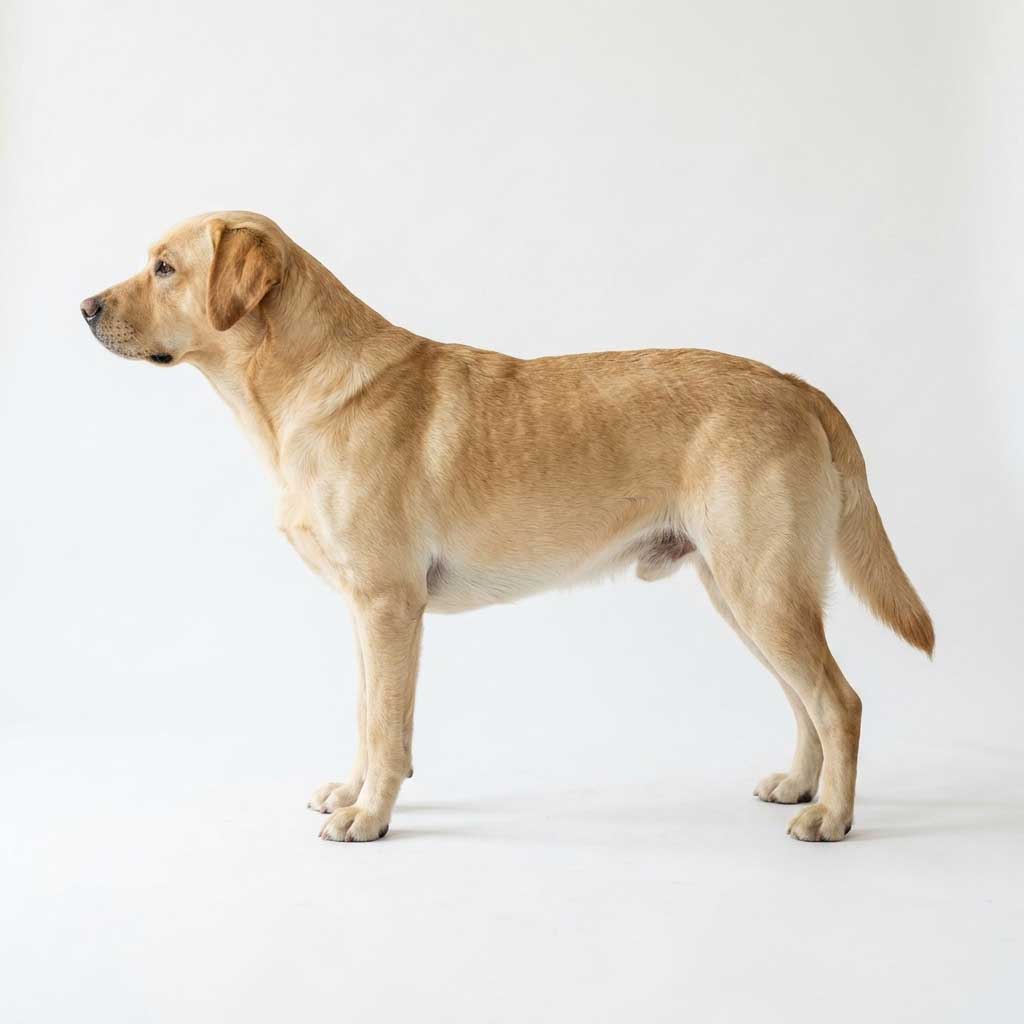
Side view at body height
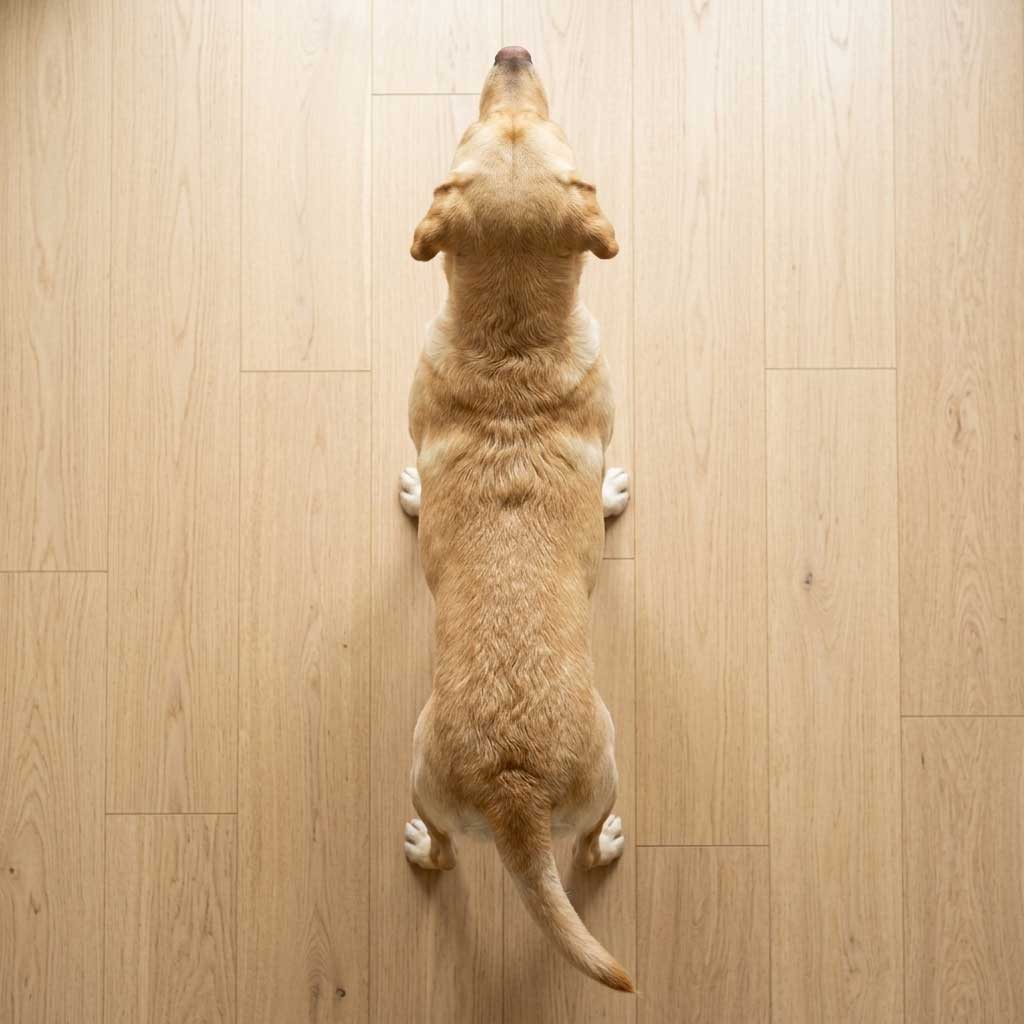
Top-down waist view
Avoid
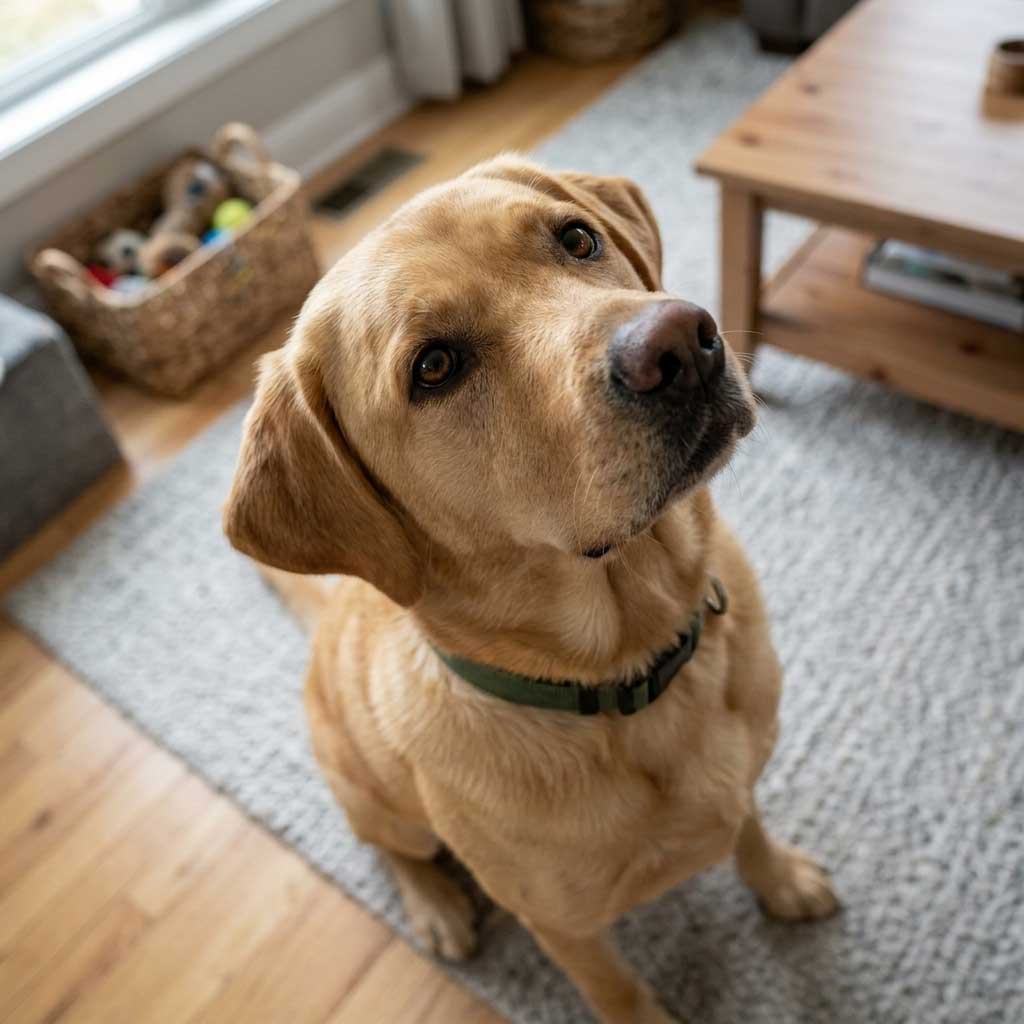
Wrong angle — no waist info
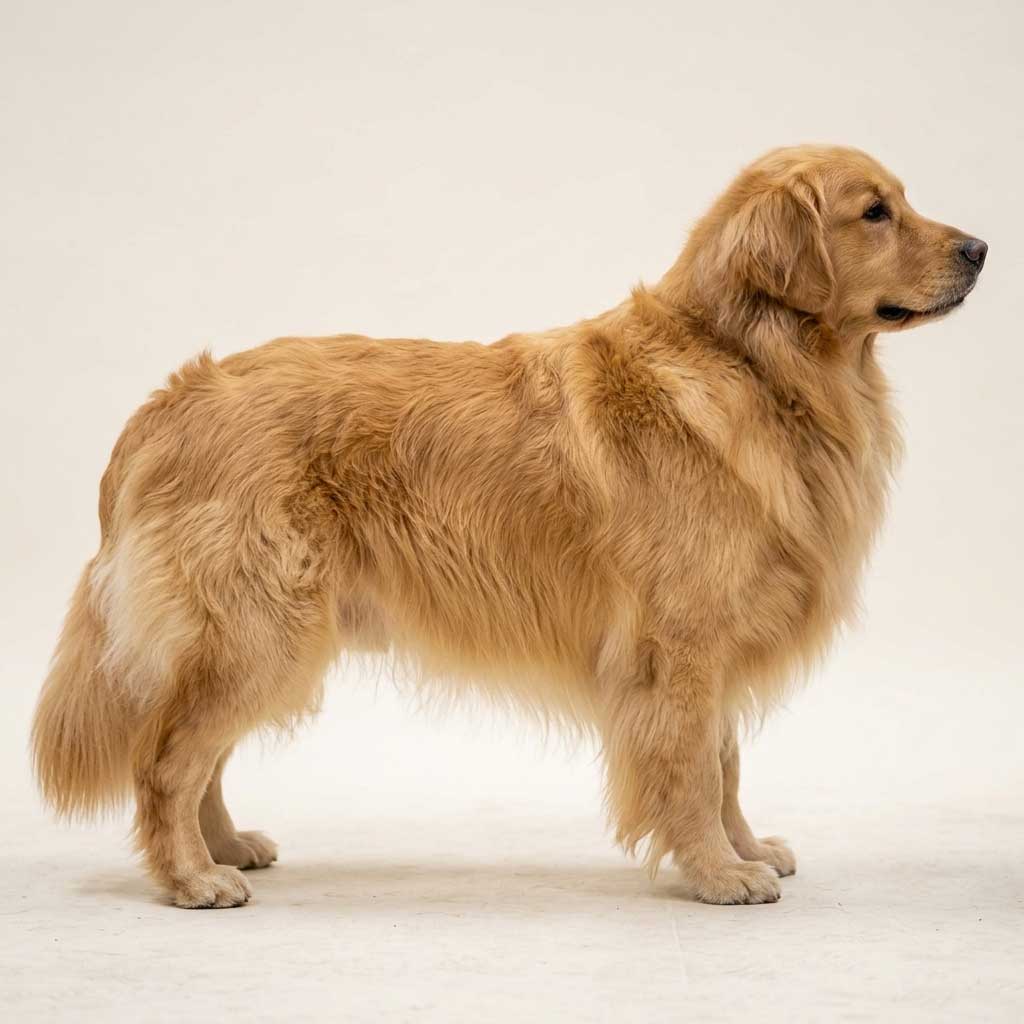
Coat hides body shape
Tips for best results
- ✓Photo 1 (Side View): stand your dog on a flat surface and photograph at their body height — crouching down to dog level gives the correct angle
- ✓Photo 2 (Top-Down): stand directly above your dog and photograph straight down — both sides of the waist should be visible
- ✓Use natural daylight — indoor lighting or flash can wash out body contours
- ✓Have your dog stand still — sitting or lying down hides the belly tuck and waist
- ✓For the side view, aim for the middle of the body — you should see ribs, belly, and hindquarters
- ✓Long-coated breeds (Golden Retriever, Samoyed, Husky): part the coat or photograph during a wet coat — AI will note when coat limits visual accuracy
- ✓Sighthound owners (Greyhound, Whippet): their naturally lean build looks "thin" to non-sighthound eyes — AI accounts for this breed type
- ✓Compare to last month's photos — monthly BCS photos side by side are more informative than a single snapshot
How It Works — AI Dog Body Condition Score Checker

Step 1
Upload Two Photos
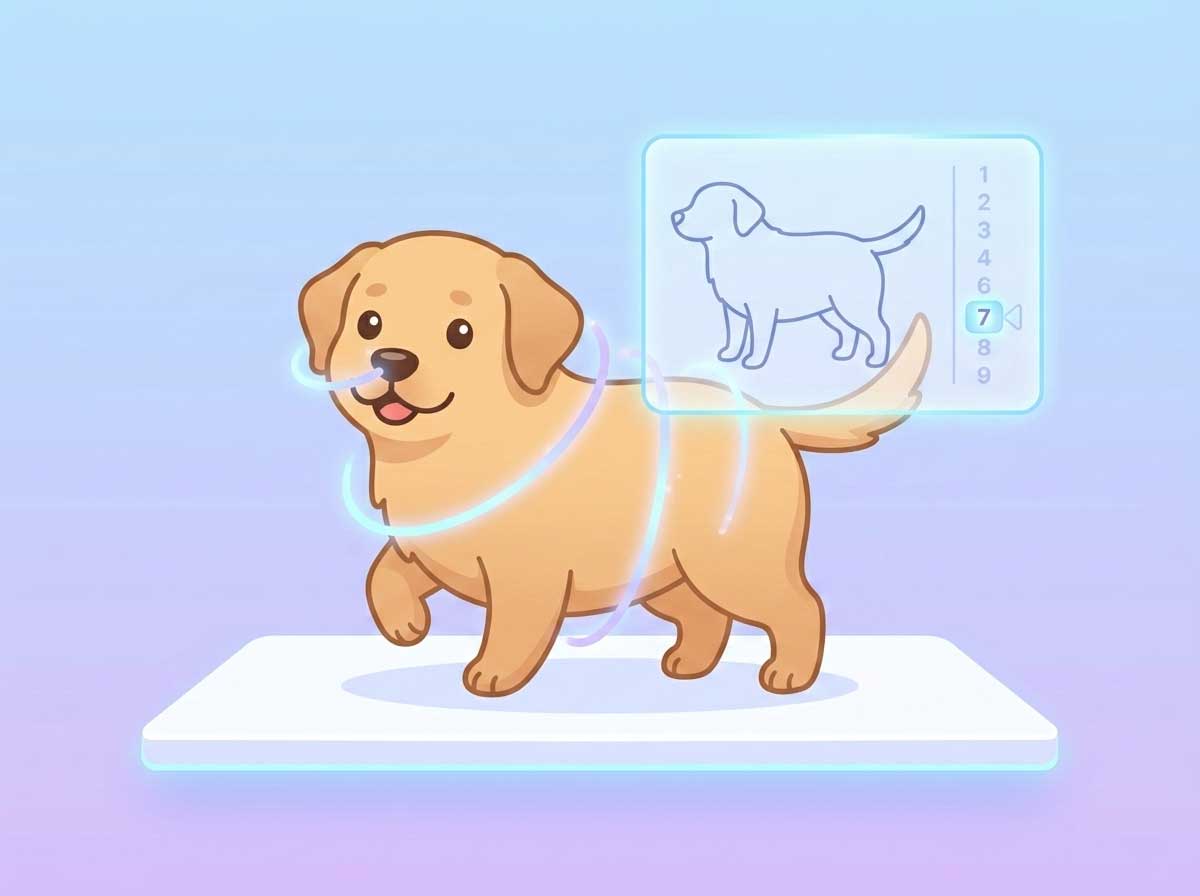
Take a side-view photo (dog at body height, belly and ribs visible) and a top-down photo (from directly above, waist shape visible). Two angles give the AI the best information for an accurate BCS assessment.
Step 2
AI Assesses Body Condition
Our AI identifies your dog's breed type, then evaluates key visual markers: abdominal tuck, waist definition, rib visibility, spine and hip prominence, and overall silhouette — adjusting for breed-specific body proportions.
Step 3
Get Your BCS Report
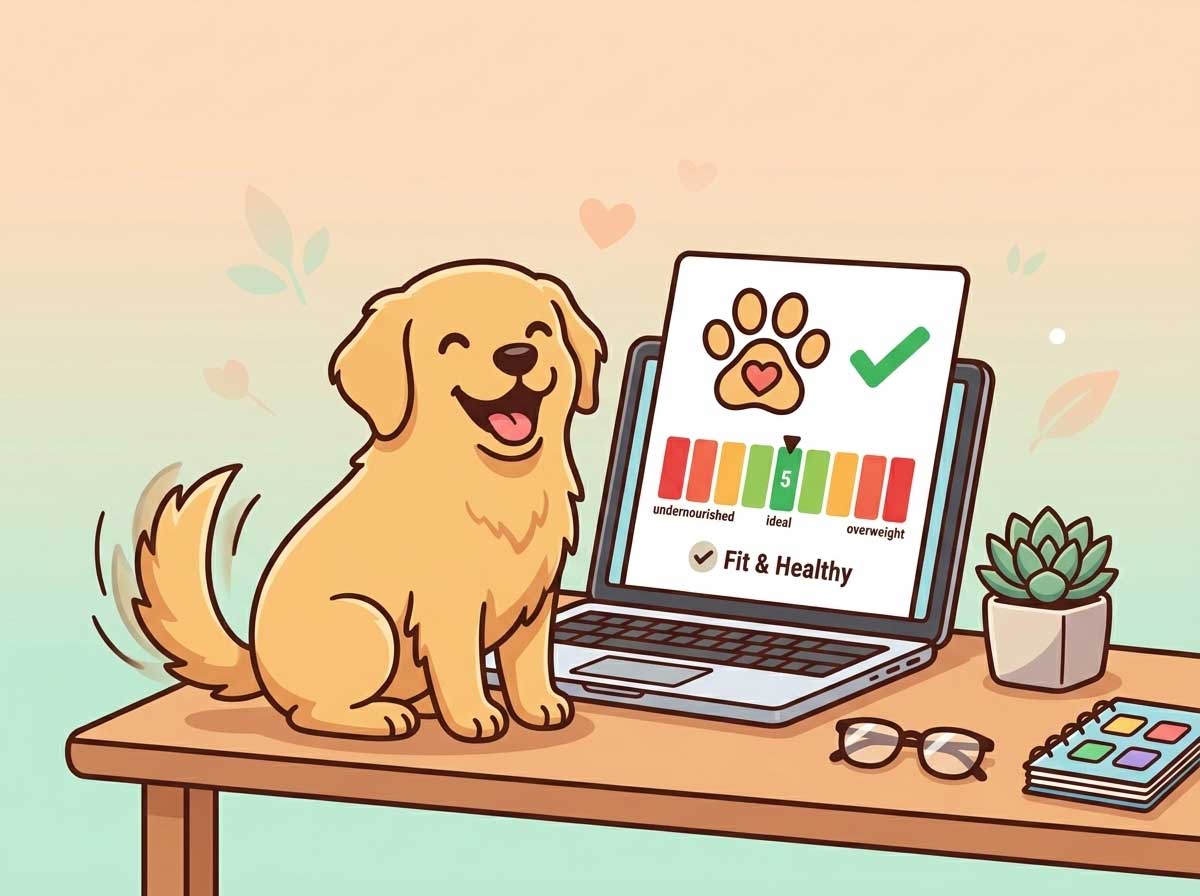
Receive a BCS score on the 1–9 scale with your dog's weight category (underweight / ideal / overweight / obese), plus specific diet and exercise recommendations. Long-coated breeds get a note on visual assessment limitations.
Dog Body Condition Score Guide — All 9 BCS Levels Explained
The 1–9 BCS scale is the veterinary standard for assessing body fat in dogs. Scores 4–5 are ideal for most breeds. Here's what each major BCS category looks like and what to do. Also try our cat body condition score checker or dog skin checker or dog hair loss checker.
BCS 1–2: Severely Underweight
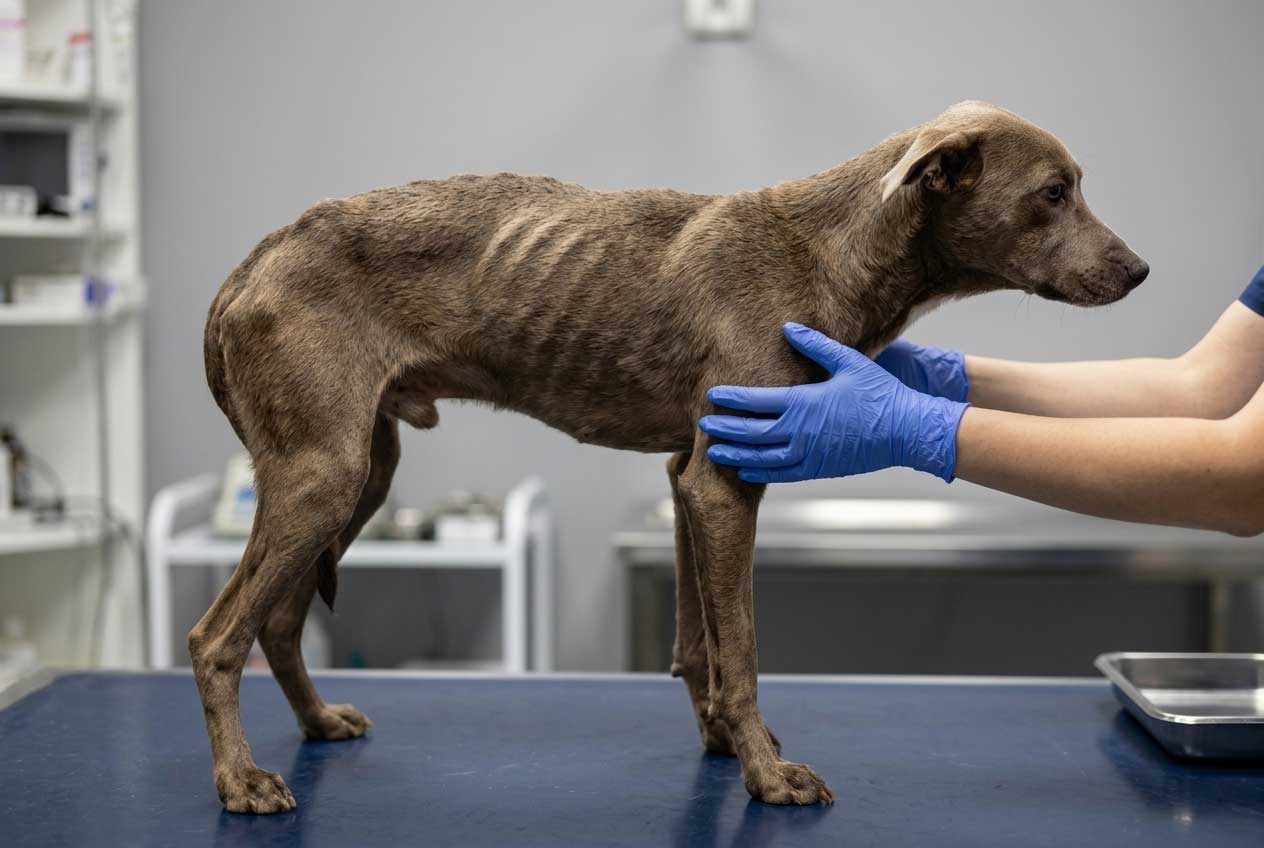
The most serious underweight category. Visible signs: ribs, spine, hip bones, and shoulder blades are ALL prominently visible from across the room — no bending down needed. No fat is detectable; muscle wasting is visible, especially over the hindquarters and spine. Causes in adult dogs: untreated chronic illness (kidney failure, Addison's disease, inflammatory bowel disease, cancer), severe parasitic infestation, prolonged starvation, or advanced dental disease making eating painful. Causes in puppies: nutritional neglect, heavy parasites, or concurrent infection. This is a medical emergency — weight loss this severe is almost never "just diet." What to do: vet visit within 48 hours, not eventually. Do NOT simply increase food without knowing why the dog is this underweight — feeding a dog with protein-losing kidney disease a high-protein diet can accelerate organ damage. The vet will run bloodwork, check for parasites, and identify the underlying cause. Prognosis depends on cause and how early treatment begins. Recovery nutrition should be guided by the vet — refeeding syndrome (dangerous electrolyte shifts) is a real risk if severely malnourished dogs are fed too much too quickly.
BCS 3: Underweight
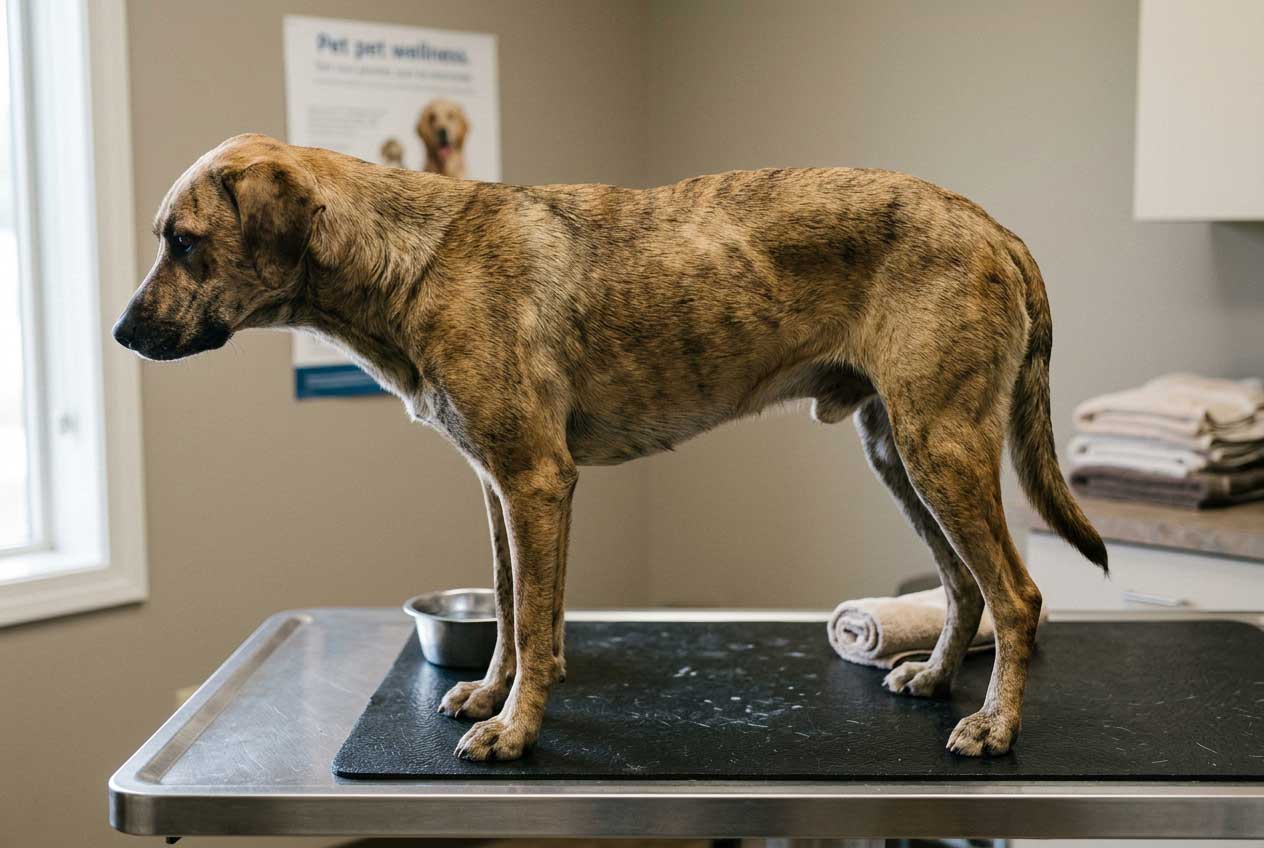
Clearly underweight but not yet in emergency territory. Visible signs: ribs clearly visible without touching; prominent bony points at hip and spine; very pronounced abdominal tuck; obvious hourglass shape from above with very little fill. Some muscle mass remains. Causes in adult dogs: inadequate caloric intake (diet too low for activity level), parasites (hookworms, tapeworms, whipworms are common causes of poor condition in otherwise-fed dogs), dental pain reducing appetite and food intake, early or subclinical chronic disease. Newly adopted dogs from shelters or rescues often present at BCS 3 — this is common and usually resolves with proper nutrition and parasite treatment. What to do: vet visit within a week. Run a fecal test for parasites first (cheap and quick). If the dog is eating well and still thin: bloodwork to check organ function, thyroid, and protein levels. For otherwise healthy dogs needing weight gain: increase daily caloric intake by 20–25% using a high-quality, high-protein food; feed 3 smaller meals per day rather than one large meal; add cooked chicken or fish as a protein boost; recheck BCS in 4 weeks. Goal: gain 0.5–1% body weight per week.
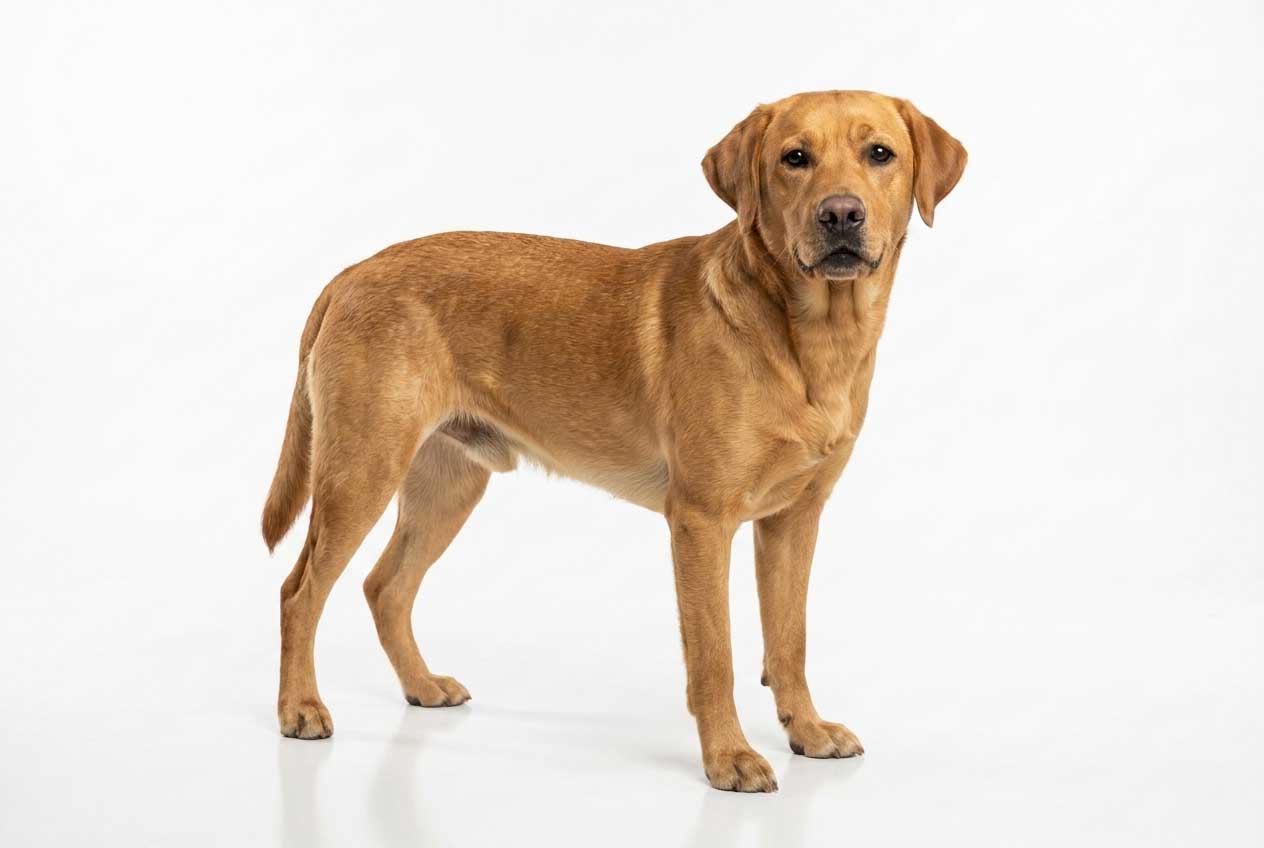
BCS 4–5: Ideal Weight
The target for most dogs. BCS 4 (slightly lean) and BCS 5 (ideal) are both within the healthy range — BCS 4 is common and appropriate in very active working dogs, sporting dogs, and some lean-built breeds. Visual signs at BCS 5: ribs felt easily with gentle finger pressure but not visible; clear waist from above (inward curve behind the ribcage); moderate abdominal tuck from the side; spine and hip bones palpable but not prominent. Visual signs at BCS 4: slightly more defined waist; slightly more pronounced tuck; ribs very easily felt. The "knuckle test" for ideal ribs: rest your hand flat, fingers together — the slight ridges over your knuckles = ideal rib coverage. Firm pressure needed = too fat. Visible without touching = too lean. Health benefits of maintaining ideal BCS: dogs maintained at BCS 4–5 live on average 1.8 years longer than their overweight littermates (Purina lifespan study); lower risk of joint disease, diabetes, heart disease, anesthetic complications, and certain cancers. If your dog is at BCS 4–5: maintain current diet and exercise; recheck monthly; avoid "free choice" feeding (leads to weight gain in most breeds).
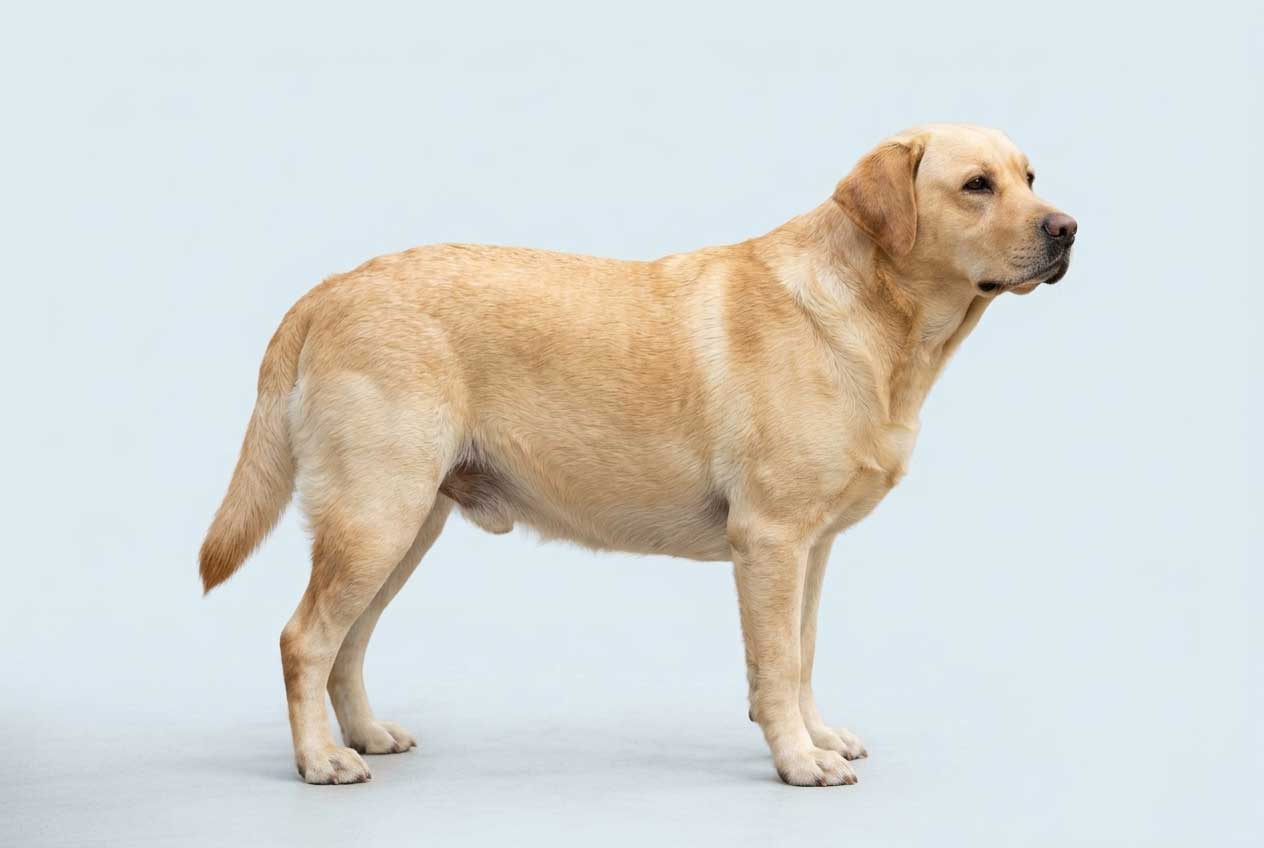
BCS 6: Slightly Overweight
The earliest overweight stage — and the easiest to correct. Visual signs: ribs are palpable but require more than light pressure to feel; waist is visible from above but less defined; abdominal tuck is present but reduced; slight fat deposits may be felt over the spine. BCS 6 is very common in dogs after neutering (spay/neuter reduces metabolic rate by 20–30%), as dogs age (metabolism slows), or after recovery from illness or injury (reduced activity). Many owners don't recognize BCS 6 as overweight because the dog still looks "normal" — but this is the critical stage to intervene before it becomes BCS 7+. What to do: no vet visit required if otherwise healthy. (1) Measure all food accurately — use a kitchen scale, not the measuring cup. (2) Reduce daily ration by 10%. (3) Add 15–20 minutes of daily walking. (4) Cut treats to less than 10% of daily calories. (5) Switch to a lower-calorie food if the dog seems hungry on reduced rations. (6) Recheck BCS in 4 weeks. Goal: return to BCS 5 within 2–3 months. Typical required caloric reduction: 10–15% less than current intake.
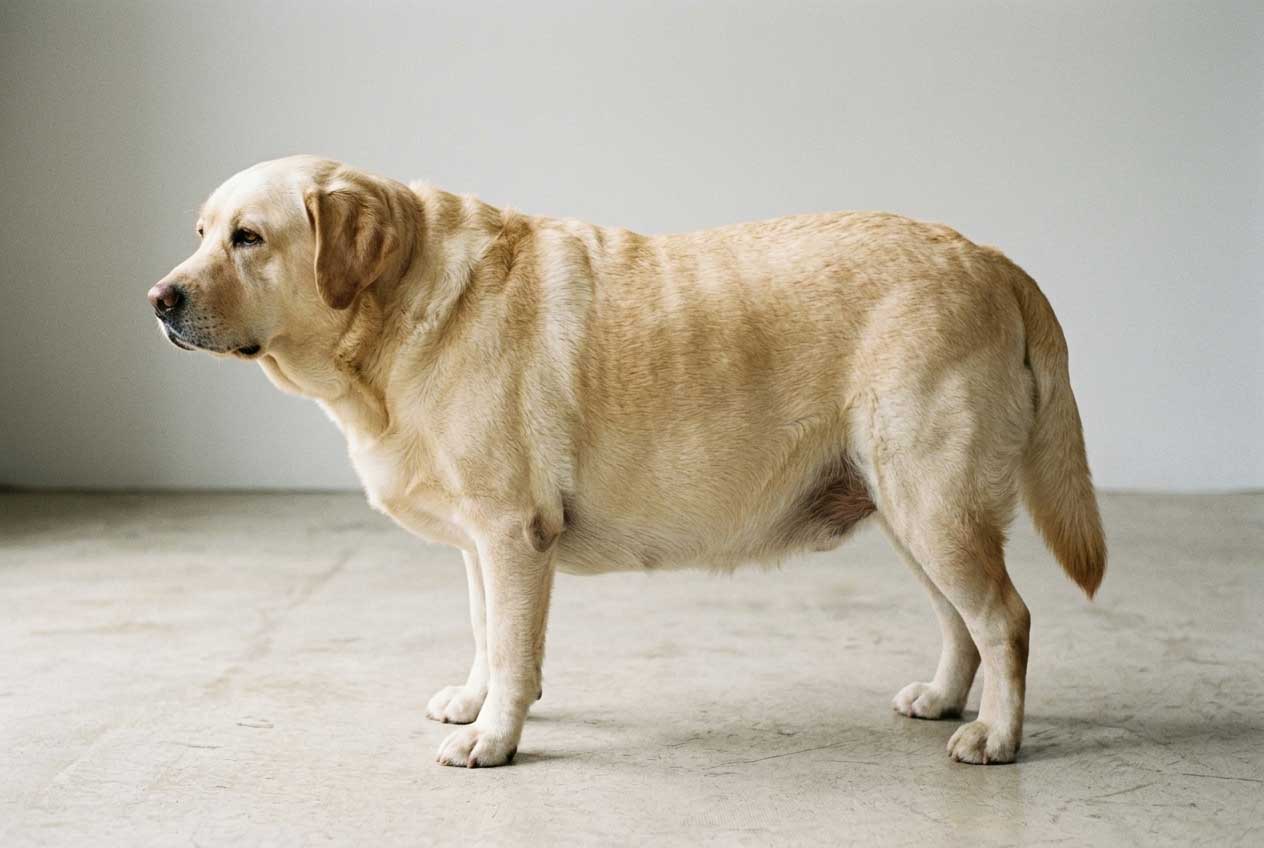
BCS 7: Overweight
Clinically overweight — this carries real health consequences. Visual signs: ribs are difficult to feel even with firm pressure (obscured by fat); waist is barely visible or absent from above; abdominal tuck is absent or reversed (belly rounds downward); fat deposits visible/palpable over the spine, base of tail, and behind the shoulders. Studies show roughly 50–60% of dogs in Western countries fall into this category or higher. Health risks at BCS 7: joint degeneration and pain (each extra kg of body weight = approximately 4 kg of extra joint load); reduced lifespan by 6–18 months; higher anesthetic risk (fat compresses lungs under anesthesia); increased risk of hypothyroidism complications, diabetes, heart disease, and cancer. What to do: vet visit within a week to rule out hypothyroidism (causes unexplained weight gain despite normal eating). If hypothyroid = medication; if diet-related = structured weight loss. Weight loss plan: 10–15% caloric reduction from CURRENT intake (not label recommendation); switch to satiety or weight management food; 30–45 minutes daily walking; recheck every 4 weeks. Goal rate of loss: 1–2% body weight per week maximum. For a 30 kg dog at BCS 7, target loss ~300 g/week.
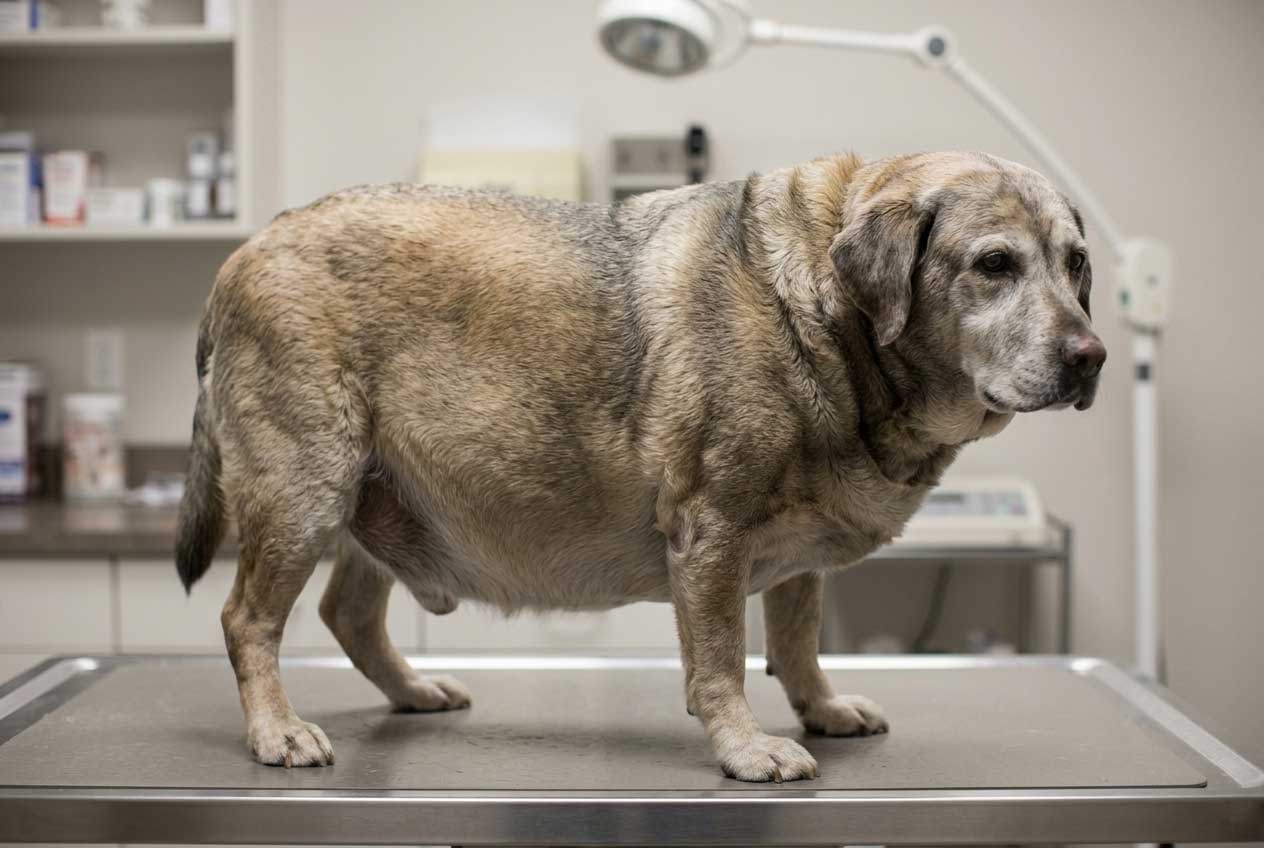
BCS 8–9: Obese
Obesity — requires veterinary intervention, not just diet tweaks. BCS 8–9 visual signs: ribs not palpable under thick fat; no waist from any angle; pendulous belly; massive fat deposits over the neck, spine, and tail base; waddling gait; visible difficulty moving, exercising, or even breathing normally. At BCS 9 (morbidly obese), the dog may struggle to groom itself, have skin fold infections in fat rolls, and show extreme exercise intolerance. Medical consequences: severe joint destruction (bilateral hip/elbow arthritis common), respiratory compromise (particularly in brachycephalic breeds — Pugs, Bulldogs already have narrow airways), high anesthetic risk (often unable to safely receive surgery), insulin resistance, skin disease, and dramatically shortened lifespan. What to do: veterinary consultation required — do NOT attempt aggressive caloric restriction at home without guidance. (1) Bloodwork: rule out and treat hypothyroidism or Cushing's disease if present. (2) Prescription weight loss diet (Hill's Prescription Diet Metabolic, Royal Canin Satiety) — formulated to promote satiety at reduced calories. (3) Structured exercise plan starting from very low impact (short slow walks, water therapy). (4) Monthly weigh-ins and BCS checks at the vet. (5) All family members must be on board — one person giving extra food or treats undoes the entire program. Target: reach BCS 7 in 3 months, then BCS 5 over 6–12 more months depending on starting BCS.
Is your dog overweight, underweight, or just right?
Upload a side view and top-down photo — AI gives your dog a body condition score (BCS 1–9), identifies the weight category, and provides specific diet and exercise guidance. Takes 30 seconds.
Check Dog Body Condition →Medical Disclaimer
PawCheck provides AI-generated preliminary health analysis for informational and educational purposes only. This service is not intended to replace professional veterinary advice, diagnosis, or treatment. The AI analysis has inherent limitations and may not always be accurate. Always seek the advice of a qualified, licensed veterinarian with any questions regarding your pet's health. Never disregard professional veterinary advice or delay in seeking it because of information provided by this tool. If your pet is experiencing a medical emergency, contact your veterinarian or emergency animal hospital immediately. By using this service, you acknowledge and agree to these terms.
Frequently Asked Questions
What is a good body condition score for a dog?
+
A body condition score (BCS) of 4 or 5 out of 9 is considered ideal for most dogs. At BCS 5, you can feel your dog's ribs easily with light pressure but cannot see them; there is a clear waist when viewed from above, and the belly tucks upward when viewed from the side. BCS 4 is slightly lean — ribs are easily felt with minimal fat cover, waist is very defined — which is acceptable for active sporting dogs. BCS 6 is slightly over ideal. Think of the 1–9 scale in thirds: 1–3 = underweight, 4–5 = ideal, 6–7 = overweight, 8–9 = obese. Breed matters too: sighthounds (Greyhounds, Whippets) naturally sit at BCS 4–5 and may look thin to owners unfamiliar with the breed. Upload a side + top-down photo for an AI assessment of where your dog falls on the scale.
What is a 3 out of 9 body condition score?
+
A BCS of 3/9 means your dog is underweight. At this score, ribs are easily visible without touching the dog, the waist and abdominal tuck are very pronounced, and the spine and hip bones may also be visible. There is minimal muscle mass and very little fat. A BCS 3 is concerning in adult dogs — it usually indicates inadequate caloric intake, parasites, dental pain preventing eating, underlying illness (kidney disease, cancer, diabetes, inflammatory bowel disease), or malabsorption. A vet visit within a week is recommended to rule out medical causes. Don't assume the dog simply needs more food — unexplained weight loss often has a treatable underlying cause. Dogs recovering from illness, recent rescues, or working dogs with high energy output are more commonly seen at BCS 3.
What is the ideal body condition score for dogs?
+
The ideal body condition score is 4–5 out of 9 on the standard veterinary 9-point scale (or 3 out of 5 on the older 5-point scale). The key landmarks for an ideal BCS: (1) RIBS — easily felt with gentle pressure, not visible, covered by a thin layer of fat. Think of touching your knuckles with your hand open flat — that's what ribs should feel like. (2) WAIST — clear inward curve behind the ribs when viewed from above, like an hourglass. (3) ABDOMINAL TUCK — belly slopes upward from the ribcage toward the hindquarters when viewed from the side. No pendulous belly. (4) SPINE AND HIPS — not prominently visible or sharply defined, but palpable under a slight fat layer. An ideal BCS correlates with longer lifespan: studies show dogs maintained at BCS 4–5 live an average of 1.8 years longer than overweight dogs (BCS 7+).
How do I tell if my dog is overweight?
+
Three quick checks at home: (1) RIB TEST — run your fingers firmly along your dog's ribcage. You should feel individual ribs with light pressure, like touching your knuckles. If you have to press hard to find the ribs, or can't feel them at all, your dog is likely overweight. (2) WAIST CHECK from above — look down at your dog from above. There should be a visible inward curve (waist) behind the rib cage. If the body is a uniform tube shape with no defined waist, that signals overweight. (3) BELLY TUCK — view from the side. The belly should slope upward from the ribcage toward the back legs. A flat or sagging belly is a sign of excess weight. Other signs: difficulty exercising, tiring quickly, reluctance to play, breathing harder than expected, waddle when walking, visible fat deposits at the neck/base of tail. Upload side + top photos for an AI BCS score — it's often hard to judge your own pet objectively.
Is my dog fat or just stocky?
+
Good question — breed body type matters a lot. Naturally stocky breeds (English Bulldog, Staffordshire Bull Terrier, Pug, Basset Hound, Corgi, Dachshund) have broader chests and shorter statures that can look "fat" compared to slender breeds. The best way to distinguish: use the RIB TEST, not visual appearance alone. In a stocky but healthy-weight dog, you can still FEEL the ribs easily with light pressure even if you can't see them. If ribs are hard to feel, it's fat regardless of body type. Also check: is there a waist from above (even if subtle in stocky breeds)? Does the belly tuck slightly from the side (even minimally)? Is your dog able to exercise without excessive fatigue? If the rib test fails AND the waist is absent AND exercise tolerance is low, that's overweight — not just stocky. Upload a photo for AI assessment — our AI recognizes breed morphology and adjusts BCS interpretation for stocky vs lean build types.
How to tell if my dog is fat from a photo?
+
Two key photo angles give the best visual BCS information: (1) SIDE VIEW at dog's body height — look for abdominal tuck (belly rises from ribcage toward hindlegs), rib outline visibility, waist definition from the side, and overall silhouette. An overweight dog from the side looks barrel-shaped with a flat or pendulous belly. (2) TOP-DOWN VIEW from directly above — look for waist (clear inward curve behind ribs), rib cage visibility from above (shouldn't be prominently visible in overweight dogs), and hip bone prominence. An overweight dog from above looks rectangular, like a "tube," with no waist definition. Limitations of photo assessment: you can't feel the ribs (palpation is part of clinical BCS), long-haired breeds hide body shape under their coat, and short phone cameras can distort proportions with wide-angle lens. Our AI accounts for breed type and notes when coat or angle limits accuracy. For a definitive assessment, combine photo-based AI screening with a vet-performed physical exam.
What does BCS 7/9 mean and what should I do?
+
BCS 7/9 means your dog is overweight. At this score: ribs are difficult to feel even with firm pressure; the waist is barely visible or absent from above; the belly may be rounded or slightly pendulous from the side; there are likely fat deposits over the rump and at the base of the tail. BCS 7 is the most common overweight category seen in veterinary practice — estimates suggest 50–60% of pet dogs in Western countries are overweight or obese. Health consequences of sustained BCS 7: joint pain and arthritis (every extra kg = 4 kg of force on joints), shortened lifespan by 6 months to 2 years, increased anesthesia/surgical risk, higher risk of diabetes (especially in cats), heart and respiratory strain, and higher cancer risk. What to do: (1) Measure and record all food given — most owners underestimate portions by 20–30%. (2) Reduce daily calories by 10–15% initially. (3) Increase daily walks to 30–45 minutes. (4) Switch to a weight management or satiety food. (5) Minimize treats; use vegetables (carrots, green beans) as low-calorie treats. (6) Vet checkup to rule out hypothyroidism (which causes unexplained weight gain). Recheck BCS monthly.
How often should I check my dog's body condition score?
+
Monthly is ideal for most dogs. Body condition score (BCS) is not the same as weight — a dog can gain fat while losing muscle (sarcopenia) and the scale may barely change, while BCS worsens. Monthly BCS check catches slow creep before it becomes a problem. HOW TO BUILD A HABIT: photograph your dog from the side and above on the same day each month (e.g., the 1st of each month), then compare. Also do the rib-feel test monthly. MORE FREQUENT checks recommended for: puppies during growth phases (monthly), dogs on a weight loss program (every 2 weeks to monitor progress), dogs recovering from illness, senior dogs (age 8+ for large breeds, 10+ for small breeds — muscle loss and weight change happen faster). LESS FREQUENT OK for: stable adult dogs maintained at ideal BCS (every 2–3 months). A BCS change of 1 full point (e.g., from 5 to 6) means roughly a 10–15% change in body fat — if you notice this between checks, reassess diet and exercise before the next point change. Use this tool to get an objective AI-generated BCS assessment.
More AI Pet Health Checks
Eye Infection Checker
Detect dog eye infection, cat eye problems, conjunctivitis, corneal ulcers, and cataracts.

Skin Disease Checker
Detect dog skin infection, cat skin problems, dermatitis, hot spots, and ringworm.

Dog Ear Infection Checker
Detect dog ear infection, ear mites, yeast infections, and ear discharge with AI photo analysis.

Cat Ear Mites Checker
Detect cat ear mites, ear infections, yeast infections, and ear discharge with AI photo analysis.
Cat Vomit Checker
Why is my cat vomiting? Analyze white foam, yellow bile, blood, hairballs, and more with AI.

Dog Vomit Checker
Dog vomiting when to worry? Analyze white foam, yellow bile, blood, and undigested food with AI.
Dog Nose Checker
Dog nose dry or runny? Analyze cracked noses, nasal discharge, and color changes with AI.
Dog Dental Checker
Detect dog tooth infections, gum disease, tartar buildup, and dental problems with AI photo analysis.
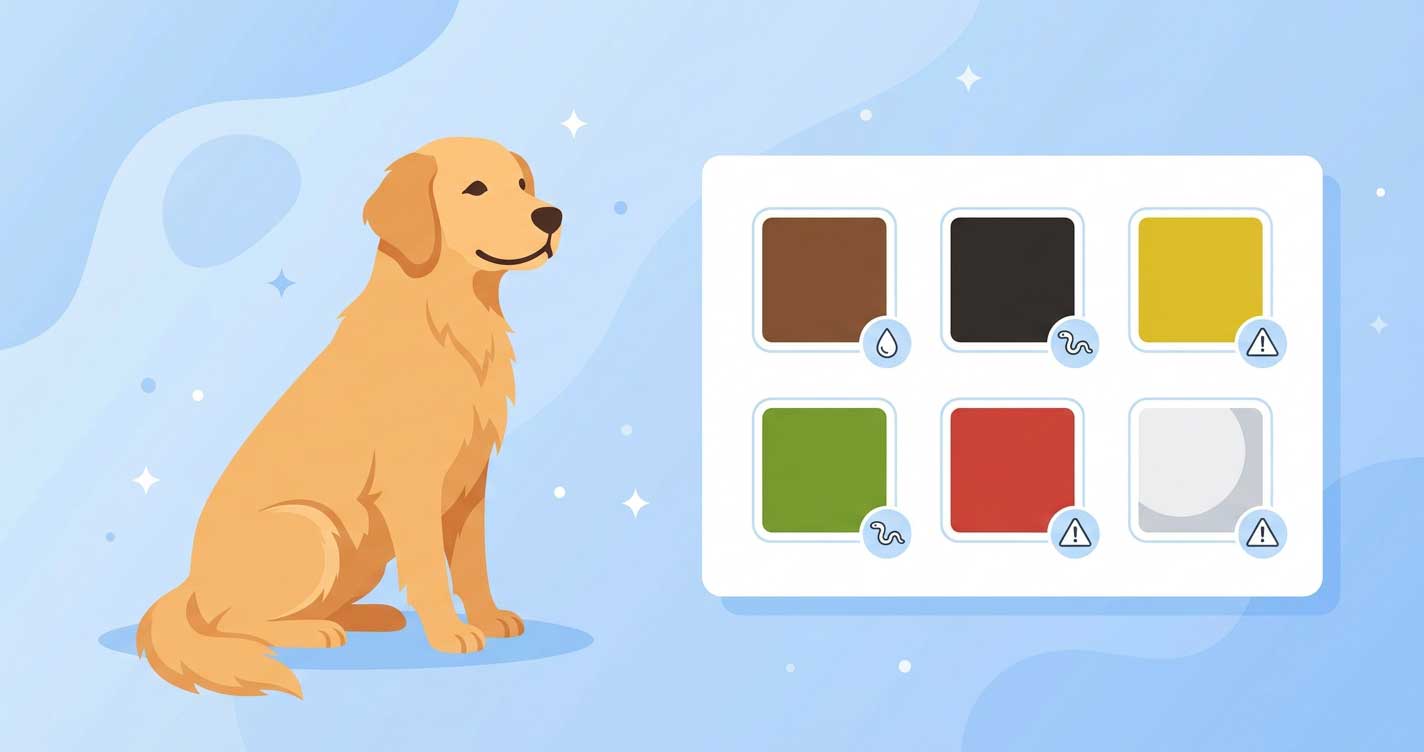
Dog Poop Checker
Blood in dog stool? Analyze poop color, detect worms, mucus, and diarrhea with AI photo analysis.
Cat Dental Checker
Detect cat tooth infections, gum disease, stomatitis, tooth resorption, and dental problems with AI photo analysis.
Dog Lump Checker
Found a lump on your dog? Identify skin tags, warts, cysts, lipomas, and bumps with AI photo analysis.
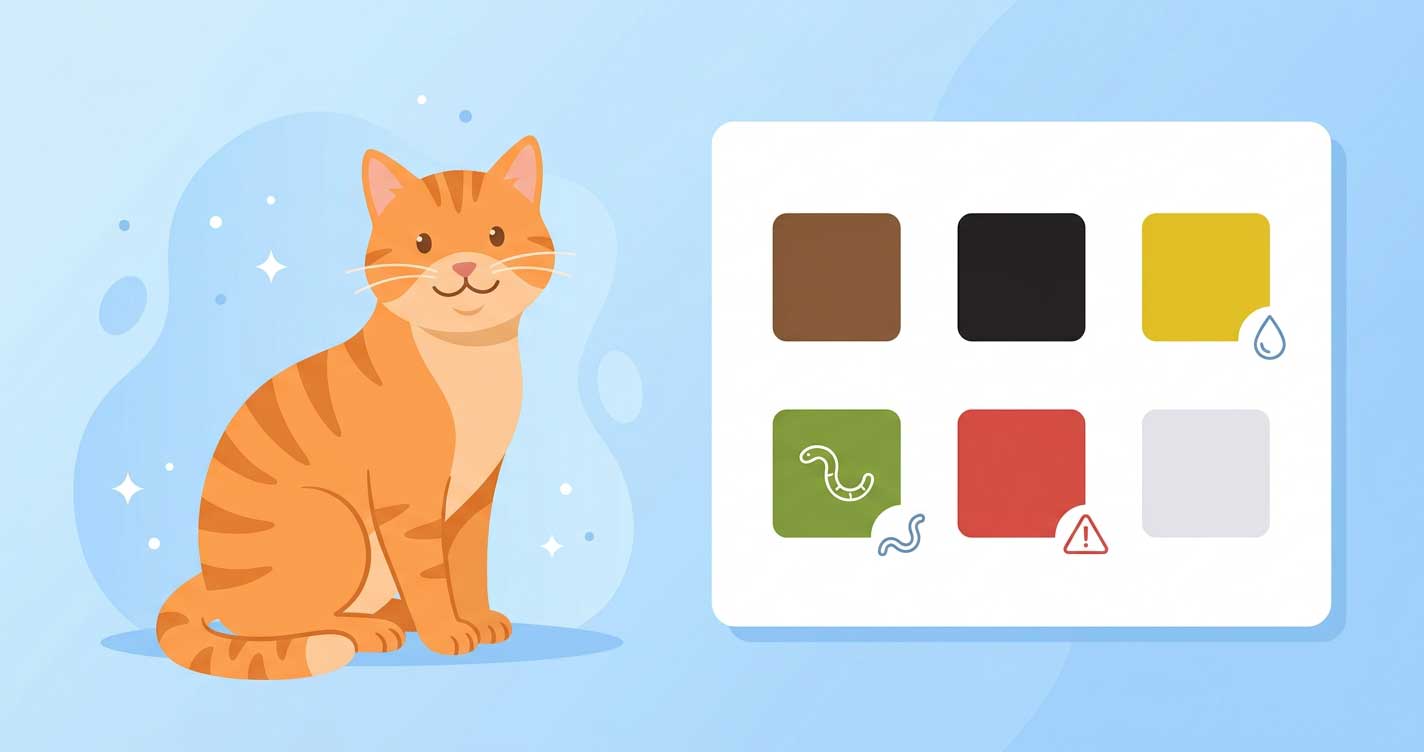
Cat Poop Checker
Blood in cat stool? Analyze poop color, detect worms, mucus, and diarrhea with AI photo analysis.
Dog Wound Checker
Is your dog's wound infected? Check infection signs, healing stages, and bite wounds with AI photo analysis.
Cat Lump Checker
Found a lump on your cat? Identify skin tags, cysts, lipomas, warts, and bumps with AI photo analysis.
Cat Nose Checker
Cat nose dry or runny? Analyze crusty noses, nasal discharge, and sneezing symptoms with AI.
Dog Paw Checker
Dog paw injured, swollen, or infected? Check cuts, yeast infections, peeling pads, and redness between toes with AI.

Dog Acne Checker
Pimples on your dog's chin or muzzle? Tell canine acne from mange with AI — includes puppy acne, severity stage, and treatment advice.
Dog Urine Checker
Blood in your dog's urine? Dark or orange pee? Check for UTI, dehydration, liver issues, or emergency signs with AI photo analysis.
Cat Paw Checker
Cat paw swollen, puffy, or injured? Check pillow foot, infections, abscesses, ingrown nails, and pad problems with AI.

Cat Acne Checker
Black specks on your cat's chin? Tell feline acne apart from flea dirt or mites with AI — includes severity stage and treatment advice.
Cat Urine Checker
Blood in your cat's pee? Dark or cloudy urine? Check color, clarity, and visible blood with AI — triage UTI, crystals, or liver issues.

Dog Gum & Tongue Checker
Pale, blue, yellow gums or black spots on tongue in your dog? Triage anemia, bloat, jaundice, toxin exposure, or benign lentigo with AI photo analysis.

Cat Gum & Tongue Checker
Pale, blue, yellow, or red gums/tongue in your cat? Triage FeLV, feline asthma, stomatitis, jaundice, or toxin exposure with AI photo analysis.

Dog Hair Loss Checker
Dog losing hair in patches, on tail, around eyes, or with no itching? AI identifies the pattern and ranks likely causes — ringworm, mange, flea allergy, or suspected endocrine disease.

Cat Hair Loss & Overgrooming Checker
Cat licking fur off, losing hair on belly, or scruffy coat? AI identifies miliary dermatitis, stud tail, ringworm, or flags paraneoplastic cancer warning in senior cats.

Dog Broken Nail Checker
Dog broken nail bleeding, hanging, exposed quick, or infected? AI assesses severity and gives step-by-step home treatment or clear vet-visit guidance.

Dog Eye Discharge Checker
Green, yellow, clear, or brown eye discharge? AI identifies the color and ranks causes — bacterial infection, allergies, dry eye, porphyrin tear stains, or foreign body.

Cat Eye Infection & Discharge Checker
Green, yellow, brown, watery, or black crust eye discharge? AI identifies feline herpesvirus, chlamydia, URI, bacterial infection, or blocked tear duct — with urgency triage.
Cat Body Condition Score Checker
Is your cat overweight, or is it the primordial pouch? Upload a side + top-down photo — AI scores body condition (BCS 1–9) and gives diet recommendations.
🐾
View All Tools
Explore all AI pet health check tools