Black Specks on Your Cat: Flea Dirt vs Cat Acne — How to Tell & What to Do

Black specks on your cat's chin, fur, or skin? Learn how to tell flea dirt from cat acne, what black dots mean, and when to worry.

Published 2026-04-17
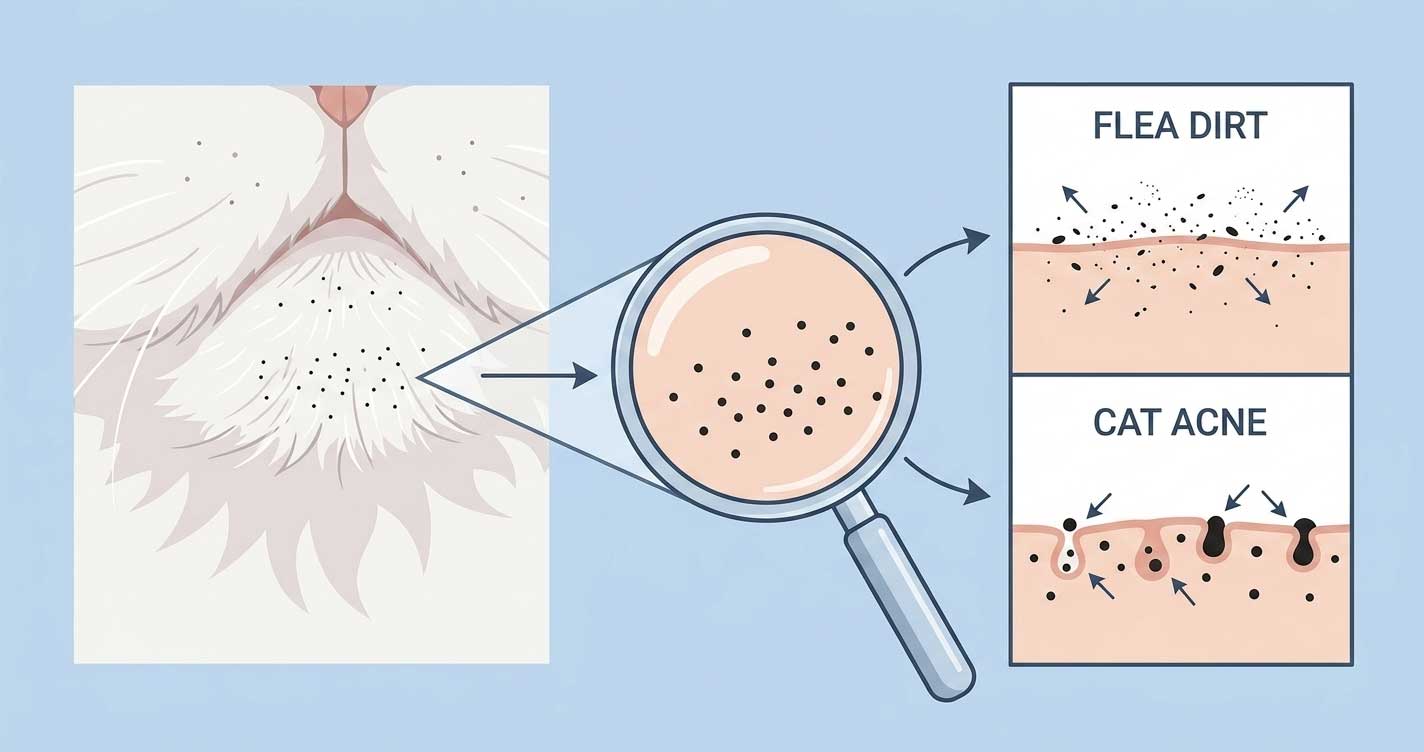
Black specks on cat chin showing comparison of flea dirt vs feline acne

You noticed black specks on your cat — maybe on their chin, in their fur, on their skin, or even on their nose or bedding. What are they? The two most common culprits are flea dirt (flea feces) and feline chin acne (comedones). While both look like tiny black dots, they have very different causes and treatments. Here's how to tell them apart and what to do.

The Wet Paper Towel Test — Your First Step
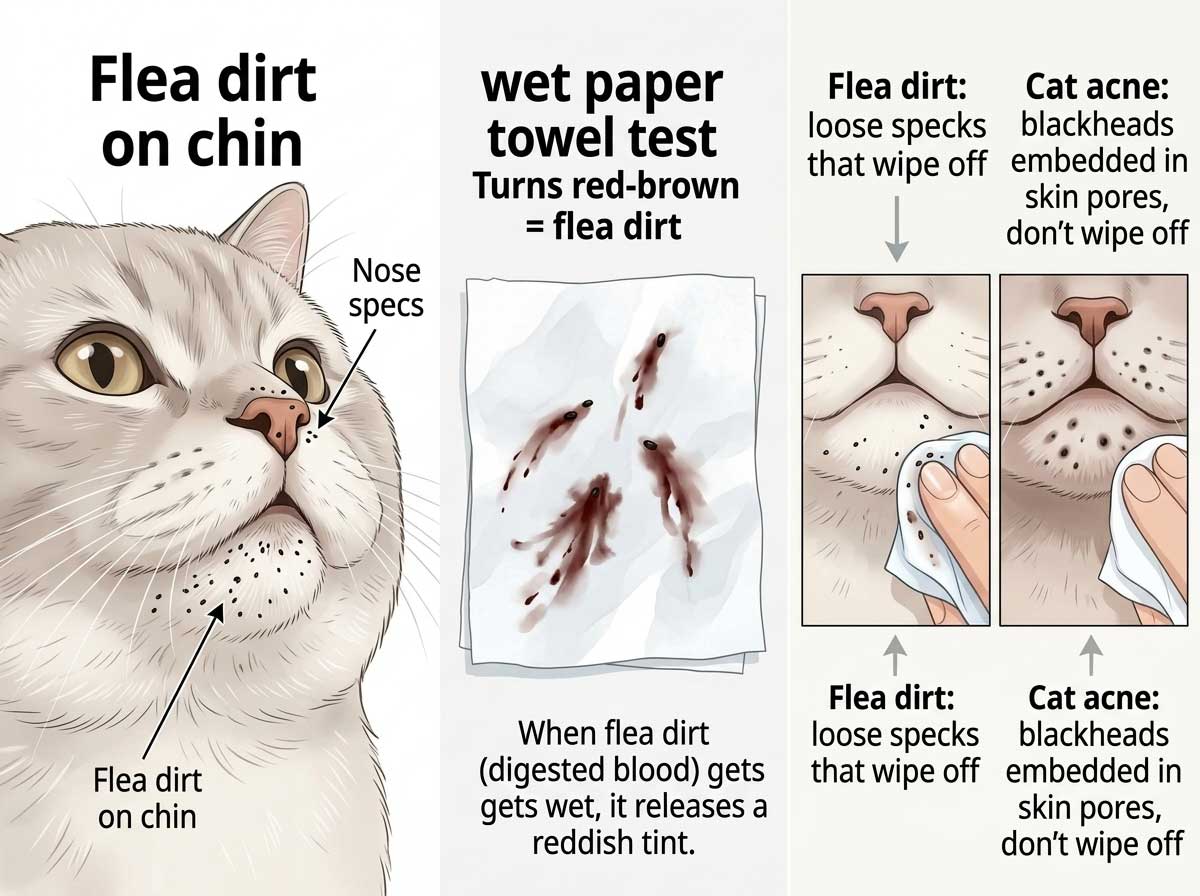
Flea dirt on cat chin, wet paper towel test showing reddish-brown streaks, and flea dirt vs cat acne comparison
Left: flea dirt on chin. Center: wet paper towel test. Right: flea dirt vs cat acne

Before anything else, do this simple test. It's the fastest way to know if you're dealing with flea dirt:

  • Collect some of the black specks from your cat (use a flea comb or your fingers)
  • Place them on a damp white paper towel
  • Wait 30-60 seconds
  • If the specks dissolve into reddish-brown streaks → FLEA DIRT (digested blood)
  • If the specks stay dark and don't change → likely cat acne, regular dirt, or skin debris

This test works because flea dirt is literally dried blood. Regular dirt, cat acne, and other debris won't produce the reddish color change.

Flea Dirt — What It Looks Like and Where to Find It
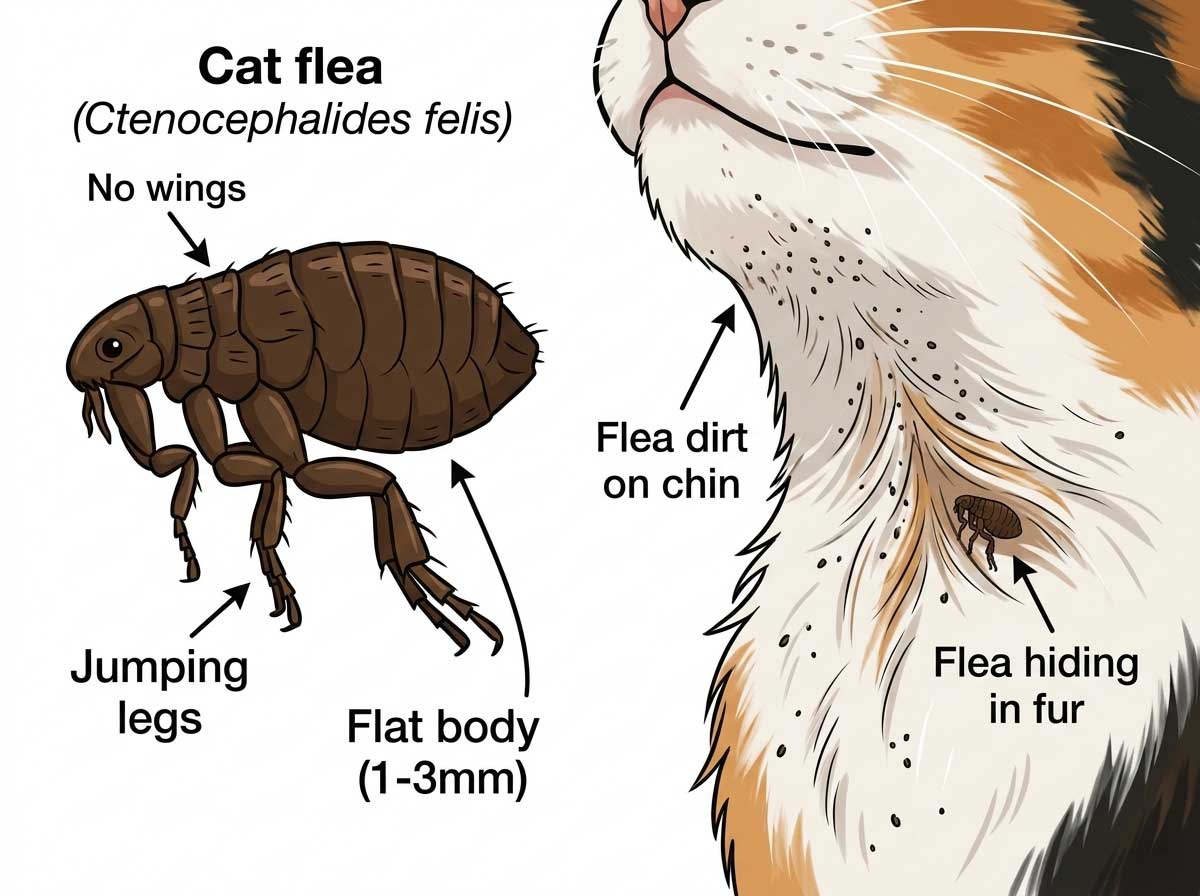
Cat flea anatomy and flea dirt on calico cat chin and neck area
What cat fleas look like and where flea dirt typically appears

Flea dirt is flea feces — tiny black or dark brown specks that look like ground pepper scattered on your cat's skin.

Common Locations

  • Chin and neck — very common, often the first place owners notice
  • Base of the tail — fleas' favorite feeding spot
  • Belly and inner thighs — thin skin, easy feeding
  • Back and along the spine — run a flea comb here
  • Behind the ears
  • Face and nose — less common but possible

Can my cat have flea dirt but no fleas? Yes — this is extremely common with cats. Cats are meticulous groomers and often eat the fleas while grooming. You may never see a live flea, but the flea dirt they left behind is proof of their presence. If you find flea dirt, your cat has (or recently had) fleas — period.

Feline Chin Acne — What It Looks Like

Feline chin acne (comedones) is a very common and usually harmless skin condition. It looks like:

  • Small black dots embedded IN the skin of the chin and lower lip
  • They look like blackheads — because that's essentially what they are
  • They don't wipe off easily — they're in the pores, not on top of the skin
  • They don't dissolve on a wet paper towel
  • Usually concentrated ONLY on the chin area (not elsewhere on the body)
  • In mild cases: just cosmetic black dots, no itching
  • In severe cases: swollen chin, red bumps, pus, and crusting

What Causes Cat Chin Acne?

  • Plastic food bowls — bacteria accumulates in scratches on plastic (switch to ceramic or stainless steel)
  • Poor grooming — some cats don't clean their chin well
  • Stress
  • Hormonal factors
  • Contact allergies

Flea Dirt vs Cat Acne — Side by Side

  • Wet paper towel test: Flea dirt → dissolves reddish-brown. Cat acne → no color change
  • Location: Flea dirt → anywhere on body. Cat acne → chin and lower lip only
  • Removability: Flea dirt → wipes off skin surface. Cat acne → embedded in pores, doesn't wipe off
  • Texture: Flea dirt → loose specks. Cat acne → feels like rough bumps in the skin
  • Other signs: Flea dirt → scratching all over, possible hair loss. Cat acne → usually no itching unless severe
  • On bedding: Flea dirt → falls off onto sheets and blankets. Cat acne → stays on the cat

Black Specks on Cat — Not Flea Dirt or Acne?

If the wet paper towel test is negative and it's not on the chin, the black specks could be:

  • Regular dirt or debris — especially on outdoor cats
  • Dried blood — from scratches, fight wounds, or skin irritation
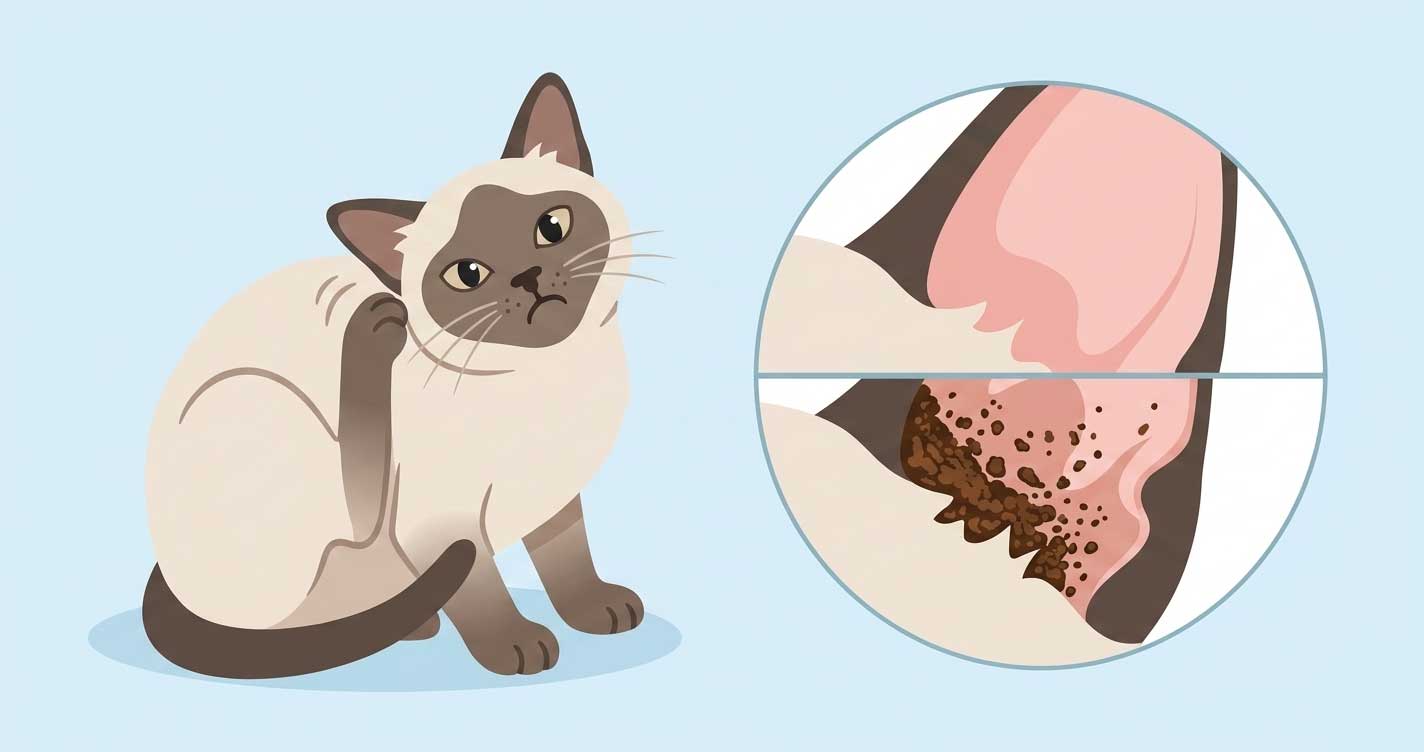
  • Ear mite debris — dark specks around or inside the ears (accompanied by scratching)
  • Skin debris from a fungal infection (ringworm)
  • Scab fragments from healing wounds
  • Lice feces — if you also see tiny slow-moving insects in the fur

Why is my cat leaving little black specks on bedding or furniture? If specks appear where your cat sleeps or sits, it's most likely flea dirt falling off their fur. Regular dirt doesn't typically fall off in noticeable quantities.

What to Do — Treatment Steps

If It's Flea Dirt

  • Treat your cat with a vet-recommended flea treatment (topical, oral, or collar)
  • Treat ALL pets in the household
  • Wash all bedding in hot water
  • Vacuum carpets, furniture, and cracks thoroughly
  • Consider a home flea spray for severe infestations
  • Continue prevention year-round — even for indoor cats

If It's Cat Chin Acne

  • Switch from plastic food/water bowls to ceramic or stainless steel
  • Clean your cat's chin gently with warm water and a soft cloth after meals
  • For mild cases: benzoyl peroxide wipes (2.5% — cat-safe formulation) can help
  • For severe cases (swollen, red, pus): see your vet for antibiotics or medicated shampoo
  • Don't squeeze or pick at the blackheads — this causes inflammation and infection

Not Sure What the Black Specks Are?

Upload a close-up photo and get instant AI identification — flea dirt, cat acne, mites, or something else.

Disclaimer: This article is for informational purposes only and is not a substitute for professional veterinary advice. Always consult a licensed veterinarian for diagnosis and treatment of your pet's health conditions.
More Articles

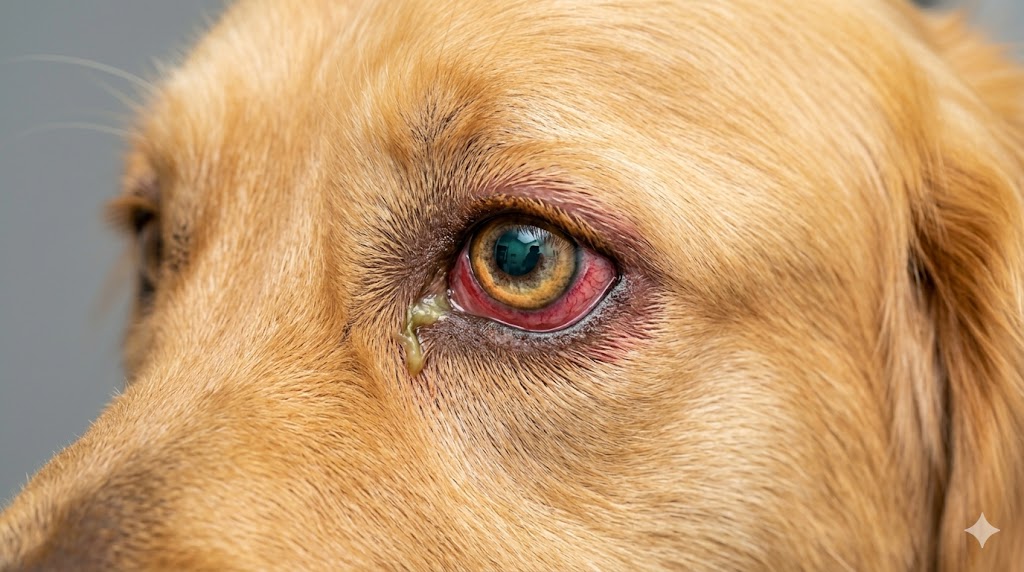
Dog eye infection showing redness and discharge in a Golden Retriever

Dog Eye Infection: Symptoms, Causes & When to See a Vet

How to identify a dog eye infection, what causes it, common types like conjunctivitis and corneal ulcers, home care tips, and when you need to see a vet.

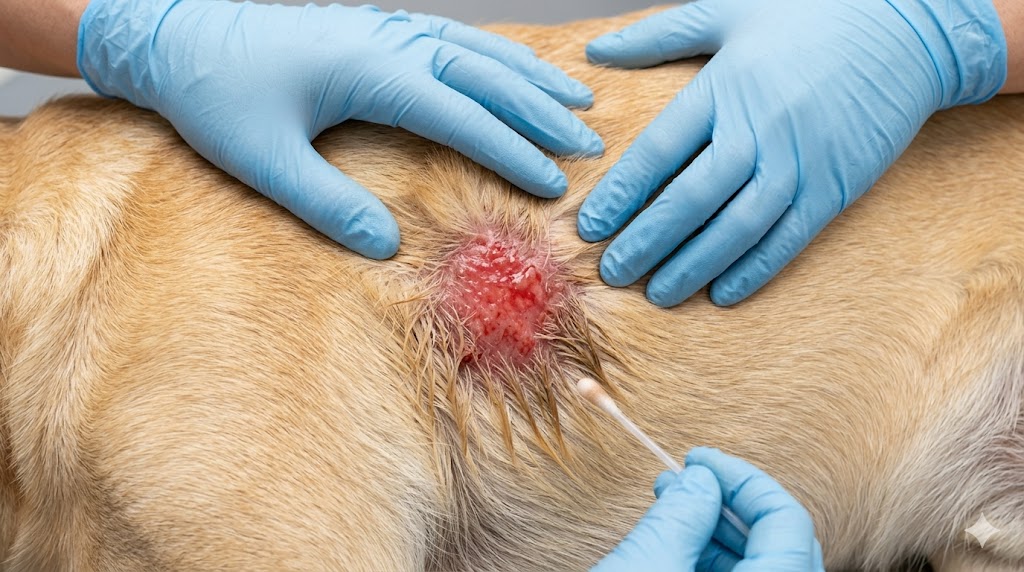
Hot spot on a Labrador Retriever showing red moist oozing skin patch

Dog Hot Spots: What They Look Like, Causes & How to Treat Them

Everything you need to know about hot spots on dogs — how to identify them, what causes them, home treatment options, and when you need a vet.

Dog ear showing brown discharge and wax buildup indicating ear problems

Why Do My Dog's Ears Smell Bad? 7 Causes and What to Do

Dogs ears smell bad for a reason. Learn the 7 most common causes of smelly dog ears, what the smell and discharge color mean, and when you need a vet.

Dermatitis on Golden Retriever belly showing red inflamed flaky skin

My Dog Has a Rash: How to Identify Common Skin Problems

Found a rash on your dog? Learn how to identify dermatitis, hot spots, mange, flea allergy, and other common skin infections from appearance and symptoms.

Dog shaking head and scratching ear showing signs of ear discomfort

Dog Keeps Shaking Head? Here's What It Means and What to Do

Why does your dog keep shaking their head? Learn the most common causes including ear infections, ear mites, and allergies, plus when to see a vet.

Dog skin allergy showing red irritated skin from flea allergy dermatitis

Dog Skin Allergy: Symptoms, Types & What Your Dog's Skin Is Telling You

Learn how to identify dog skin allergies from rashes, bumps, and itching. Understand flea allergy dermatitis, food allergies, and environmental allergies in dogs.

Dog scratching ear from food allergy showing redness and discomfort

Dog Food Allergy Symptoms: How to Tell If Your Dog's Food Is the Problem

How to identify food allergy symptoms in dogs vs food intolerance. Learn about elimination diets, common allergens like chicken and beef, and when to see a vet.

Cat with skin allergy showing patchy hair loss and irritated skin

Cat Skin Allergies & Flea Dermatitis: Signs, Causes & What to Do

How to identify cat skin allergies, flea allergy dermatitis in cats, food allergy rashes, and environmental allergies. Learn what your cat's skin is telling you.

Dog wound showing redness and swelling that needs proper care

Dog Wound Care: How to Clean, Treat & Monitor Wounds at Home

Complete guide to dog wound care at home. Learn how to clean a wound, what to put on it, signs of infection to watch for, and when to see a vet.

Dog wound in healing stage showing healthy pink tissue forming

How to Heal a Dog Wound Fast at Home: 7 Vet-Approved Tips

Want to help your dog's wound heal faster? 7 proven tips for faster wound healing in dogs — from proper cleaning to nutrition to preventing licking.

Open wound on dog that needs proper cleaning

How to Clean a Dog Wound: Step-by-Step Guide (With What to Avoid)

Learn the right way to clean a dog wound at home. Step-by-step instructions, what solutions to use, what to avoid, and when cleaning isn't enough.

Dog bite wound that needs proper cleaning — not hydrogen peroxide

Can You Put Hydrogen Peroxide on a Dog Wound? (Why Vets Say No)

Should you use hydrogen peroxide on your dog's wound? Learn why most vets no longer recommend it, what to use instead, and how to clean dog wounds safely.

Cat wound being gently cleaned at home with saline solution

Cat Wound Care at Home: How to Clean, Treat & Know When to See a Vet

Learn how to care for your cat's wound at home — cleaning, safe ointments, what to avoid, healing stages, and when a wound needs emergency vet care.

Cat abscess that has burst showing drainage and surrounding area

Cat Abscess Burst: What to Do, What It Looks Like & When to See a Vet

Your cat's abscess burst? Don't panic. Learn what a burst abscess looks like, what to do immediately, home care steps, healing timeline, and when it's an emergency.

Close-up of flea dirt on dog skin showing tiny black specks among fur

Flea Dirt, Flea Eggs & Black Specks on Your Dog — What They Mean

Found black specks or tiny white dots on your dog? Learn how to identify flea dirt vs regular dirt, flea eggs vs dandruff, and what black specks on dog skin mean.

Comparison of deer tick and American dog tick on dog skin

Dog Tick Identification: Deer Tick vs Dog Tick, Embedded & Engorged Ticks

How to identify ticks on your dog — deer tick vs dog tick differences, what embedded and engorged ticks look like, tick vs skin tag, and which ticks carry disease.

Cat ear showing dark brown discharge from ear mites vs normal clean ear

Cat Ear Mites: Signs, How to Tell vs Dirty Ears & Treatment Guide

How to tell if your cat has ear mites vs just dirty ears, signs and symptoms, how indoor cats get ear mites, home remedies, and when to see a vet.