Cat Ear Mites: Signs, How to Tell vs Dirty Ears & Treatment Guide
How to tell if your cat has ear mites vs just dirty ears, signs and symptoms, how indoor cats get ear mites, home remedies, and when to see a vet.
Published 2026-04-17
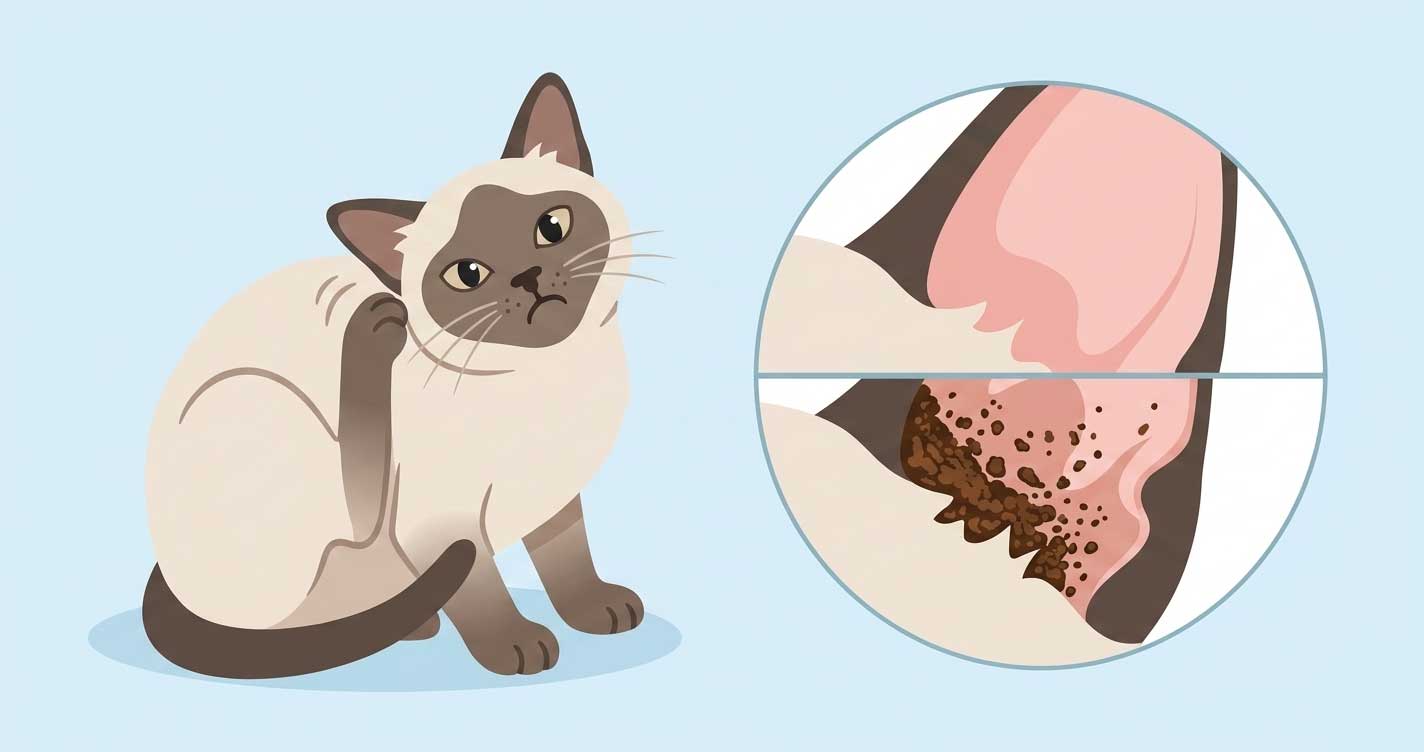
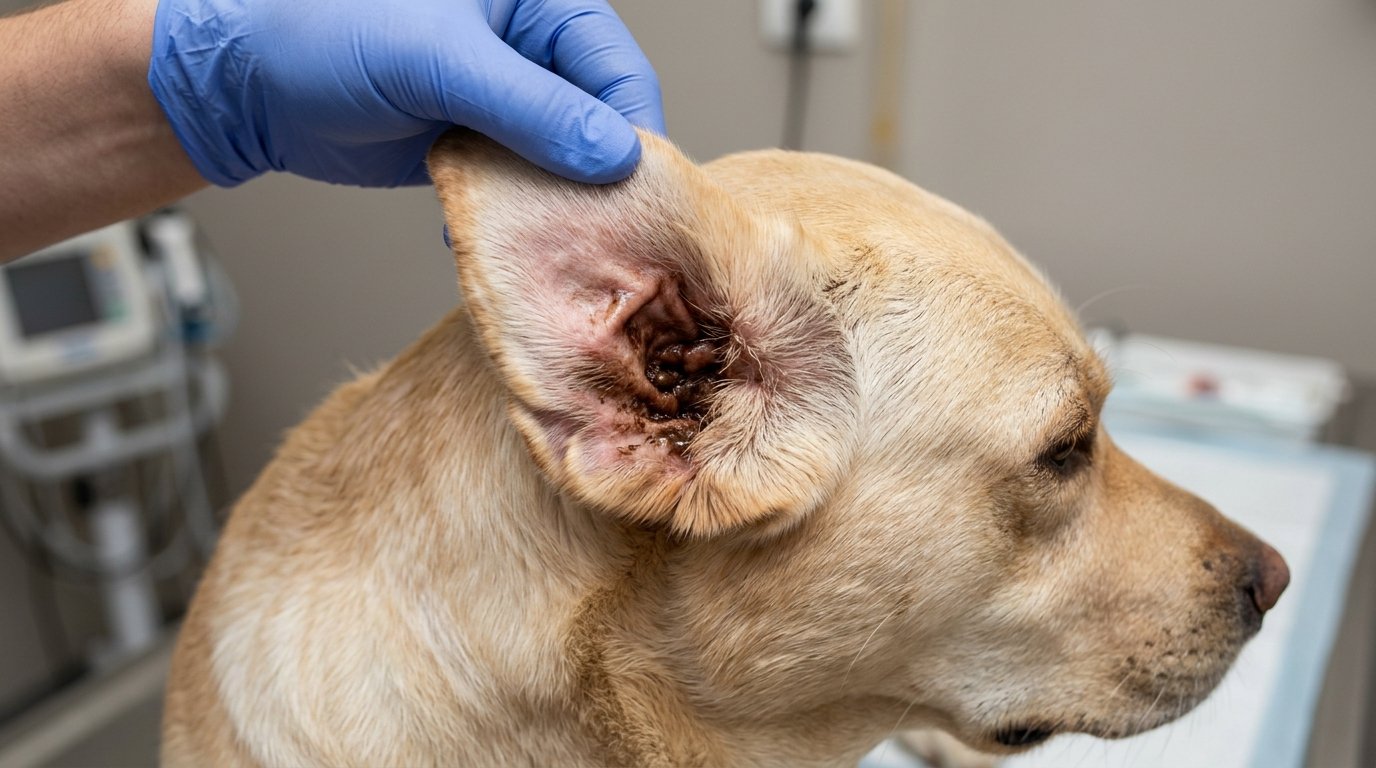
Your cat is scratching at their ears and shaking their head. You look inside and see dark, crumbly gunk. Is it ear mites — or just dirty ears? This is one of the most common questions cat owners face, and the distinction matters because ear mites need treatment while dirty ears just need a cleaning. With ear mites in cats being the #1 cause of ear problems (especially in kittens), here's everything you need to know.
Ear Mites vs Dirty Ears — How to Tell the Difference
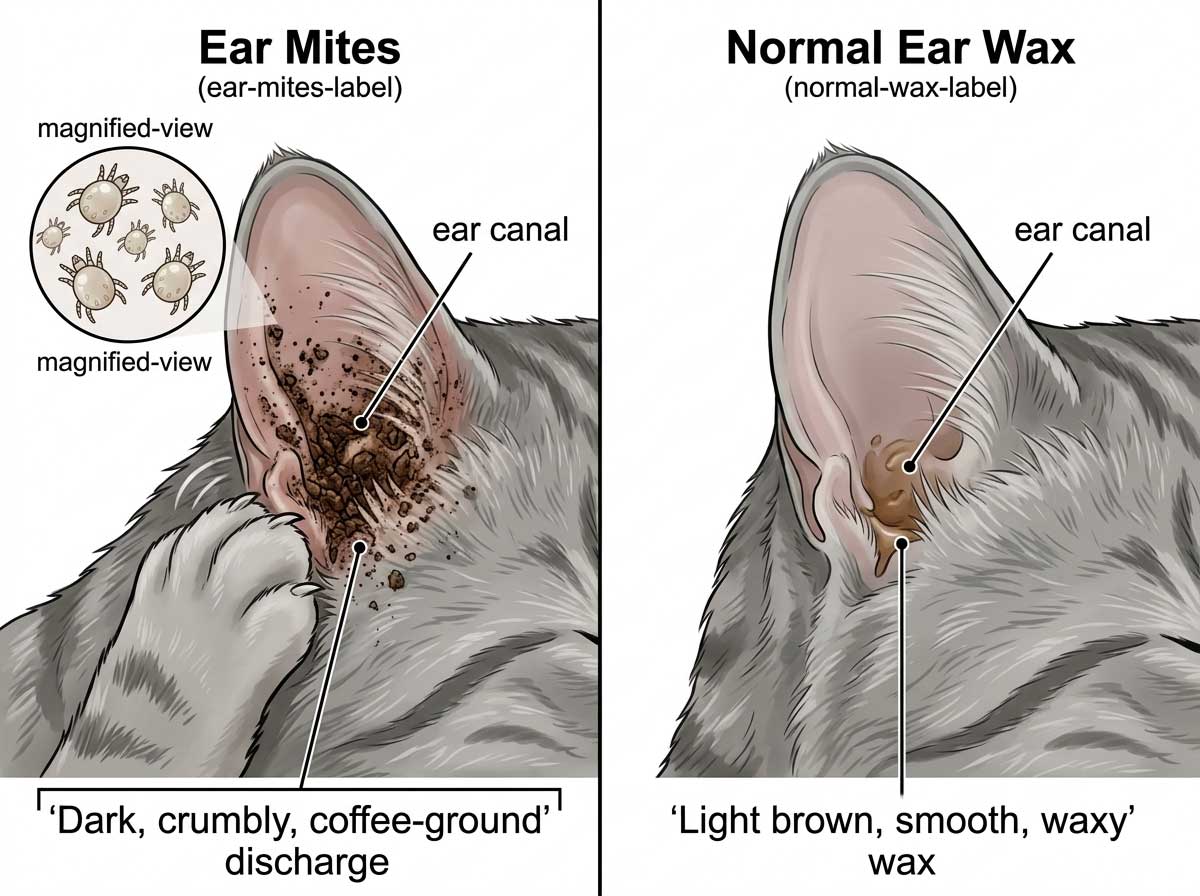
This is the crucial distinction. Here's how to tell them apart:
Ear Mites (Otodectes cynotis)
- ✓Discharge color: dark brown to black
- ✓Texture: dry, crumbly, gritty — resembles coffee grounds
- ✓Smell: often has a noticeable foul odor
- ✓Behavior: cat is constantly scratching ears and shaking head
- ✓Recurrence: discharge comes back within days after cleaning
- ✓Other signs: redness, inflammation, crusty skin around ear edges
Normal Dirty Ears / Ear Wax
- ✓Discharge color: light brown or yellowish
- ✓Texture: smooth, waxy, slightly oily
- ✓Smell: minimal or no odor
- ✓Behavior: cat is NOT scratching excessively
- ✓Recurrence: stays clean after a good cleaning
- ✓Other signs: no redness or inflammation
The easiest rule: if there's dark crumbly discharge PLUS scratching and head shaking, assume ear mites until proven otherwise. A vet can confirm with an ear swab under a microscope — mites are visible as tiny moving white dots.
Signs and Symptoms of Ear Mites in Cats
Ear mites cause unmistakable symptoms once you know what to look for:
- ✓Intense ear scratching — your cat may scratch until the skin bleeds
- ✓Frequent head shaking
- ✓Dark brown/black crumbly discharge in the ears (coffee-ground appearance)
- ✓Strong odor from the ears
- ✓Redness and inflammation inside the ear canal
- ✓Crusty or scabby skin around the outer ear
- ✓Hair loss around the ears from excessive scratching
- ✓Head tilting to one side
- ✓In severe cases: ear hematoma (blood blister from aggressive head shaking)
How Did My Indoor Cat Get Ear Mites?
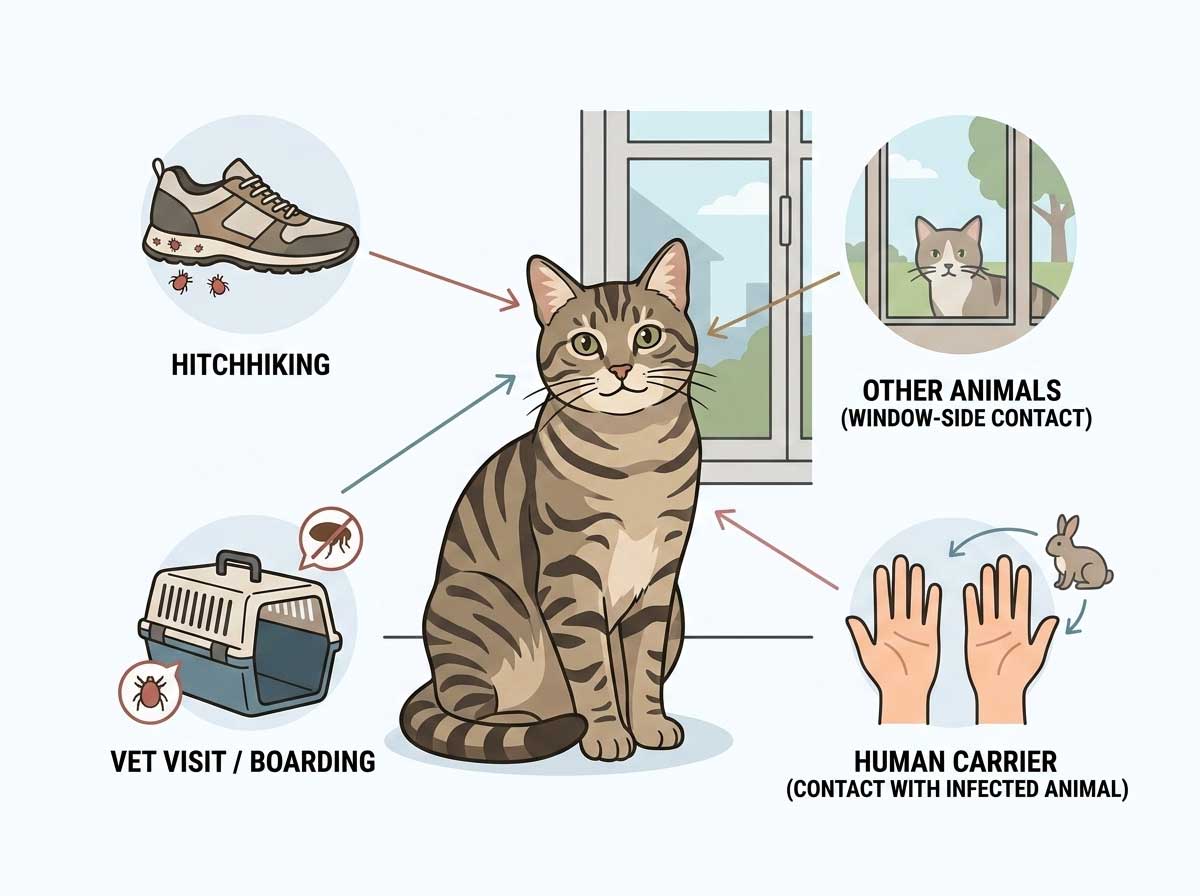
This surprises many cat owners, but indoor cats absolutely can get ear mites. Ear mites are extremely contagious — here's how they spread:
- ✓A new pet joining the household (the most common source)
- ✓Brief contact with an infected cat — even a few seconds of nose-to-nose contact through a screen door
- ✓Boarding or grooming facilities
- ✓Vet visits — while vets sanitize, mites can survive briefly on surfaces
- ✓You can carry mites on your hands or clothing after handling an infected animal
- ✓From the mother cat — kittens often get ear mites from their mom
Indoor cats are actually more susceptible in some ways — they haven't built up the immune response that outdoor cats develop from repeated exposure.
Can Humans Get Ear Mites from Cats?
Cat ear mites (Otodectes cynotis) very rarely affect humans. While there are a few documented cases of temporary skin irritation in people who handle heavily infested cats, it's extremely uncommon. Ear mites strongly prefer animal hosts and can't establish a lasting infestation on humans. However, they are highly contagious to other pets — if one cat has ear mites, all cats AND dogs in the household should be treated simultaneously to prevent the mites from simply moving between pets.
Home Remedies for Ear Mites in Cats
While vet treatment is always recommended, some home care can help:
What You Can Do at Home
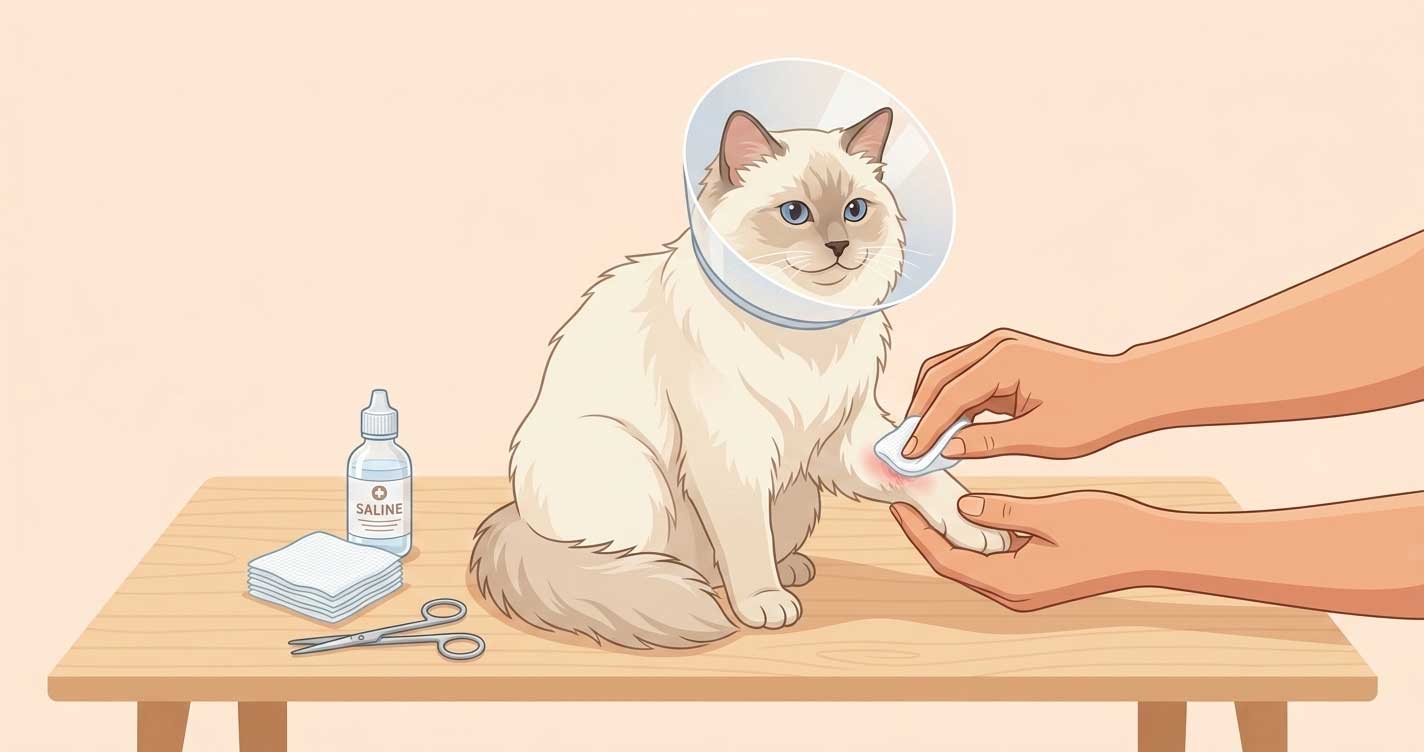
- ✓Gently clean the ears with a vet-approved ear cleaner to remove debris before applying treatment
- ✓Over-the-counter ear mite treatments (containing pyrethrin or ivermectin) are available at pet stores
- ✓Apply treatment to ALL pets in the household, not just the affected one
- ✓Wash all pet bedding in hot water
- ✓Clean any shared grooming tools
What NOT to Do
- ✓Don't use olive oil, coconut oil, or baby oil as a "smothering" treatment — these can trap debris and worsen infection
- ✓Don't use hydrogen peroxide or alcohol in the ears — painful and damaging
- ✓Don't use dog ear mite treatments on cats — some contain ingredients toxic to cats
- ✓Don't assume it's ear mites without checking — yeast infections and bacterial infections look similar
When to See a Vet for Ear Mites
See your vet if:
- ✓Over-the-counter treatment doesn't improve symptoms within a week
- ✓Your cat's ear is very swollen, hot, or painful to touch
- ✓There's pus or a different-colored discharge (may indicate bacterial infection)
- ✓Your cat has a swollen ear flap (possible hematoma — needs vet drainage)
- ✓Your cat is a kitten under 8 weeks old (needs age-appropriate treatment)
- ✓You're not 100% sure it's ear mites (could be yeast or bacterial infection)
Vet treatment typically includes a prescription ear medication (often a single-dose like Revolution/selamectin that treats mites systemically) plus ear cleaning. Most cases resolve completely within 2-3 weeks with proper treatment.
Think Your Cat Has Ear Mites?
Upload a photo of your cat's ear discharge and get instant AI identification — ear mites, yeast infection, or other issue.
Disclaimer: This article is for informational purposes only and is not a substitute for professional veterinary advice. Always consult a licensed veterinarian for diagnosis and treatment of your pet's health conditions.