Dog Food Allergy Symptoms: How to Tell If Your Dog's Food Is the Problem
How to identify food allergy symptoms in dogs vs food intolerance. Learn about elimination diets, common allergens like chicken and beef, and when to see a vet.
Published 2026-04-15

Your dog is itchy year-round, getting ear infections every few months, and maybe throwing up occasionally. You're starting to wonder: could it be their food? Dog food allergies are one of the most misunderstood conditions in veterinary medicine. They're less common than most owners think, but when they're the cause, changing the diet can be life-changing.
Food Allergy vs. Food Intolerance — They're Not the Same
This is the first thing to understand. A food allergy triggers an immune system response — your dog's body treats a food protein as an invader. This causes skin symptoms (itching, ear infections) and sometimes vomiting or diarrhea. A food intolerance is a digestive issue — think of a dog that gets gas or loose stools from dairy, but no itching. Intolerances are more common and less serious.
What Does a Dog Food Allergy Look Like?
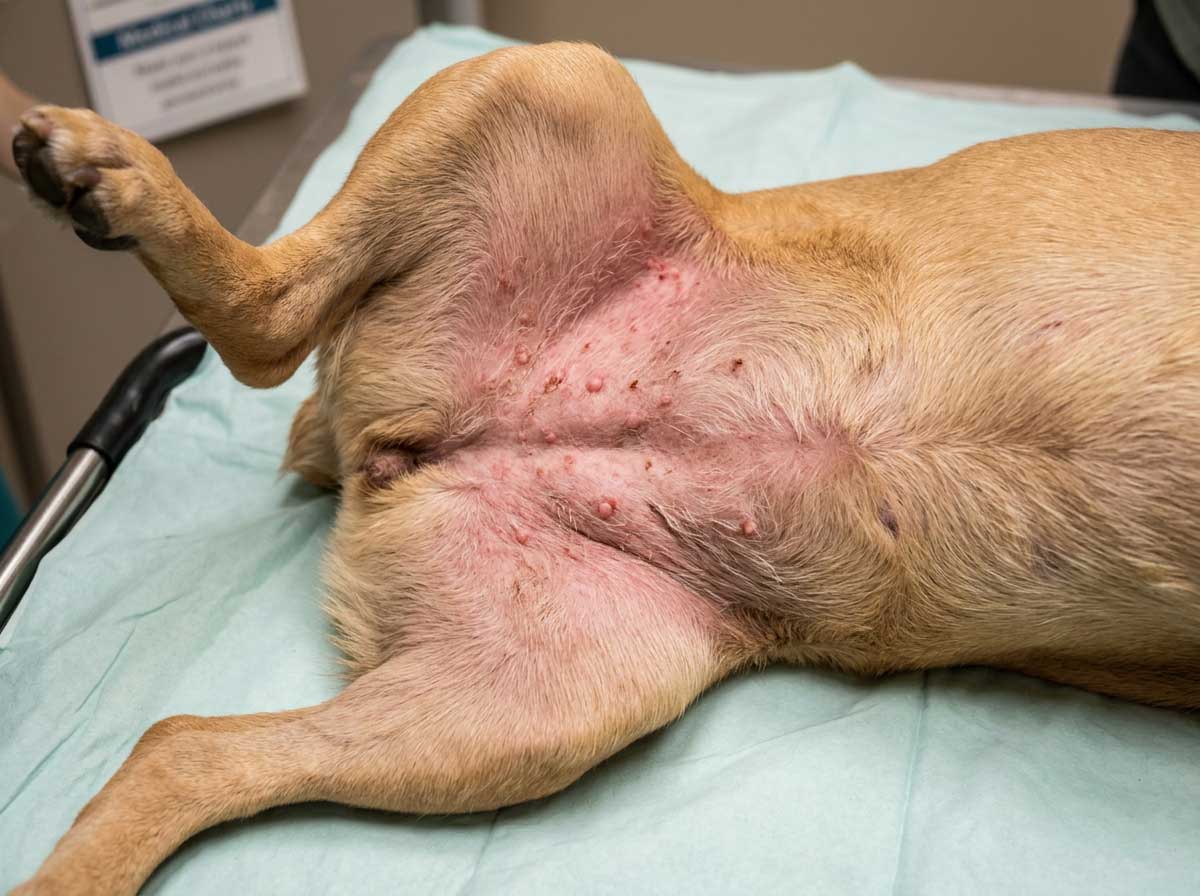
Dog food allergy symptoms primarily show up on the skin — not in the gut, as most people assume:
- ✓Chronic itching — year-round, not seasonal (unlike environmental allergies)
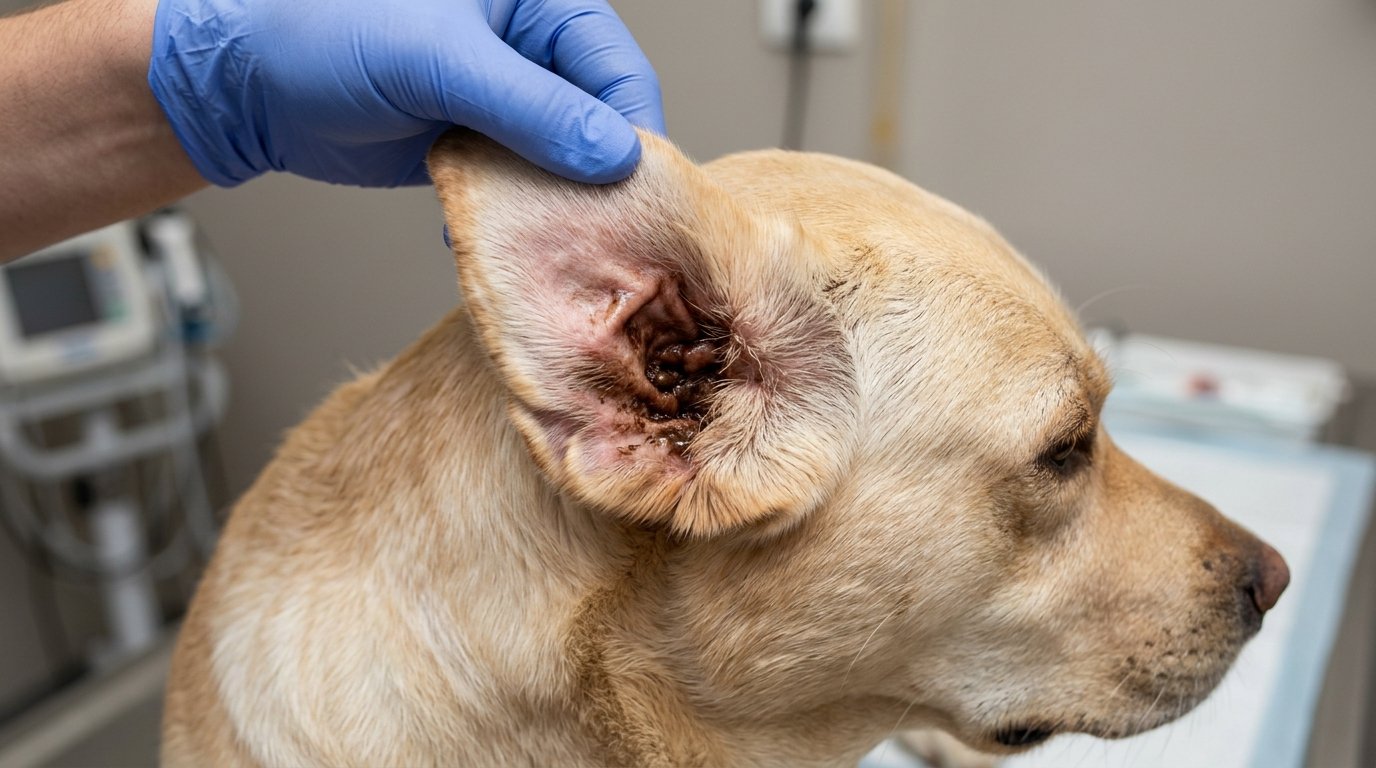
- ✓Recurring ear infections — the #1 sign vets associate with food allergies
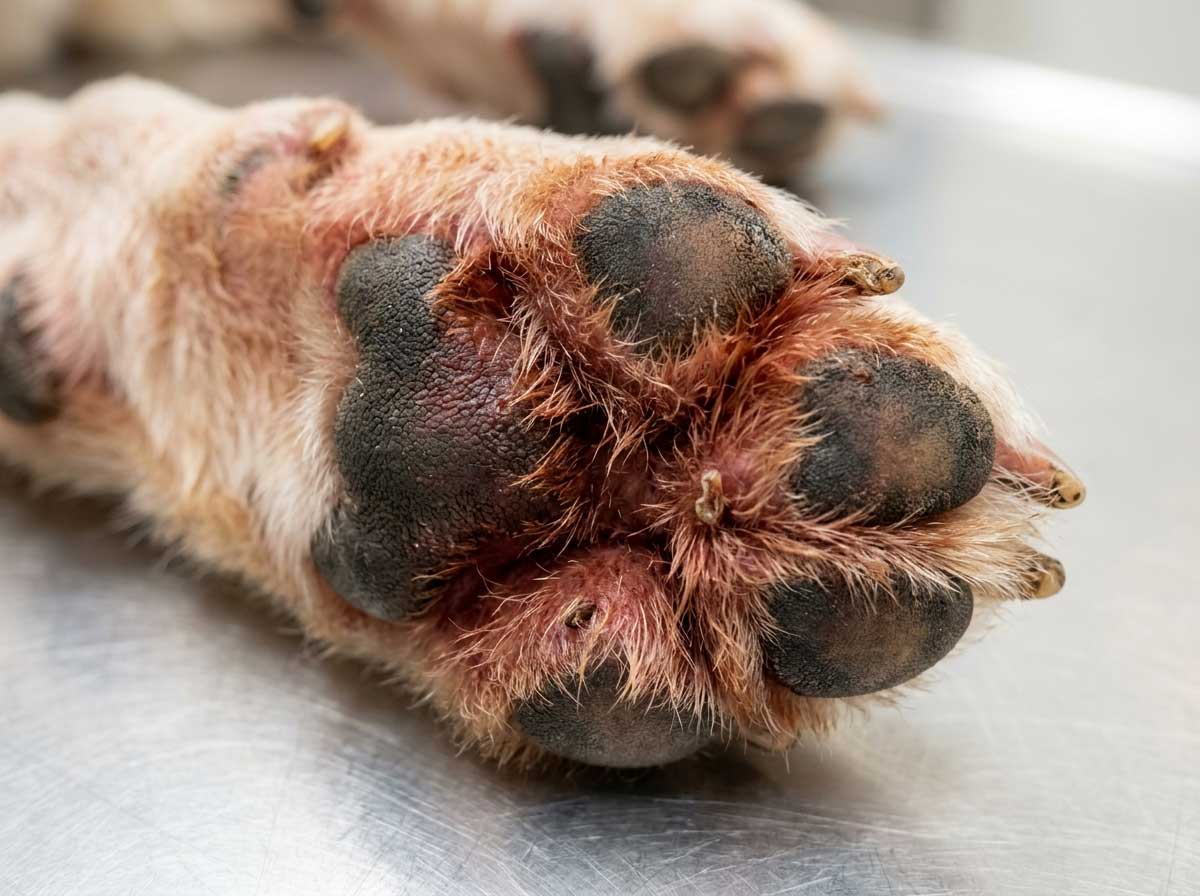
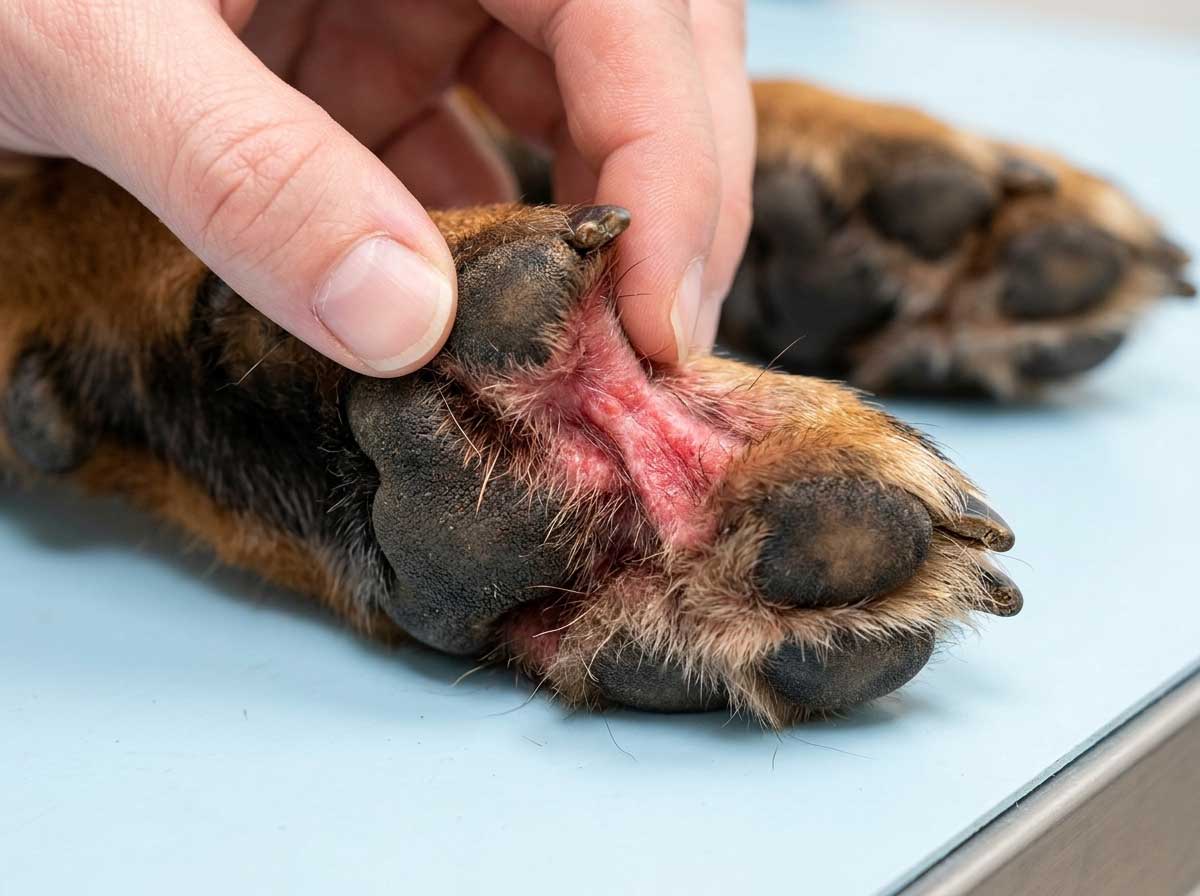
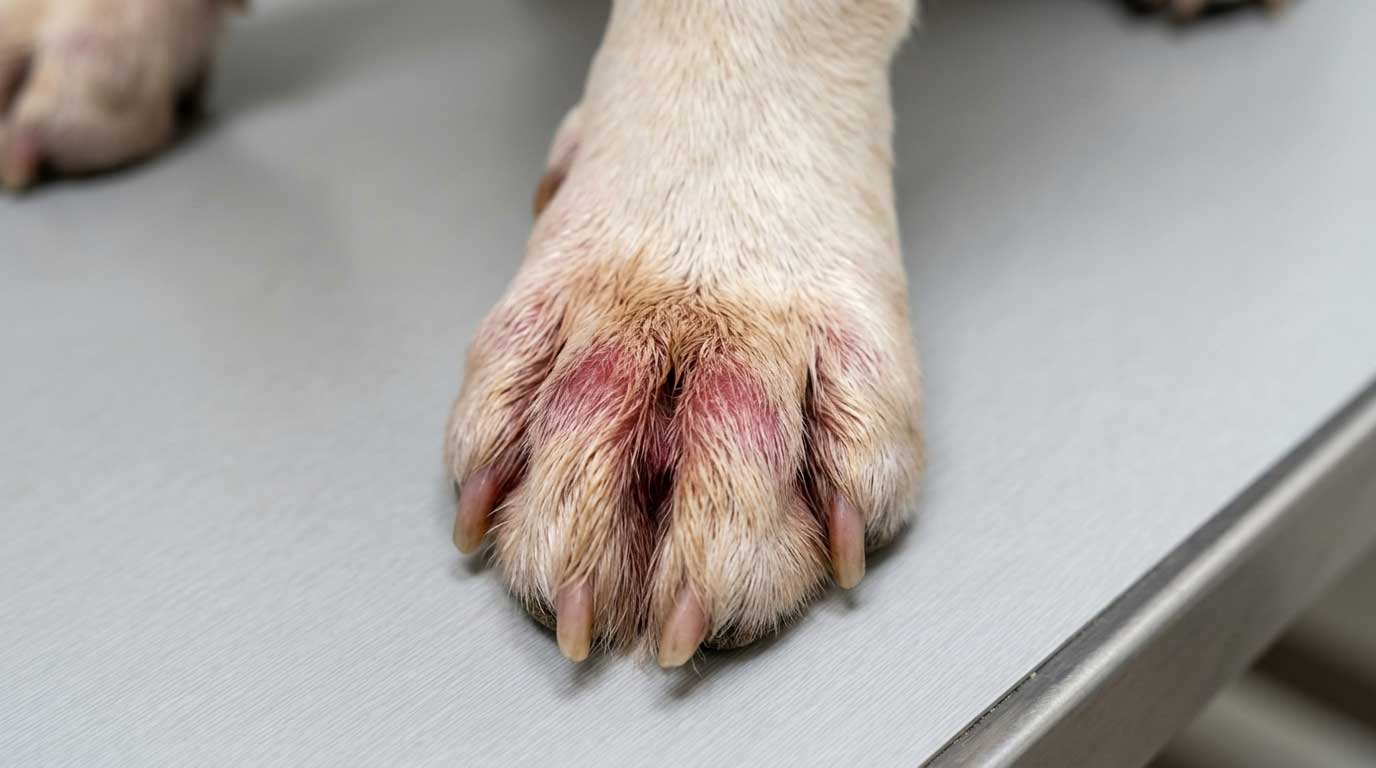
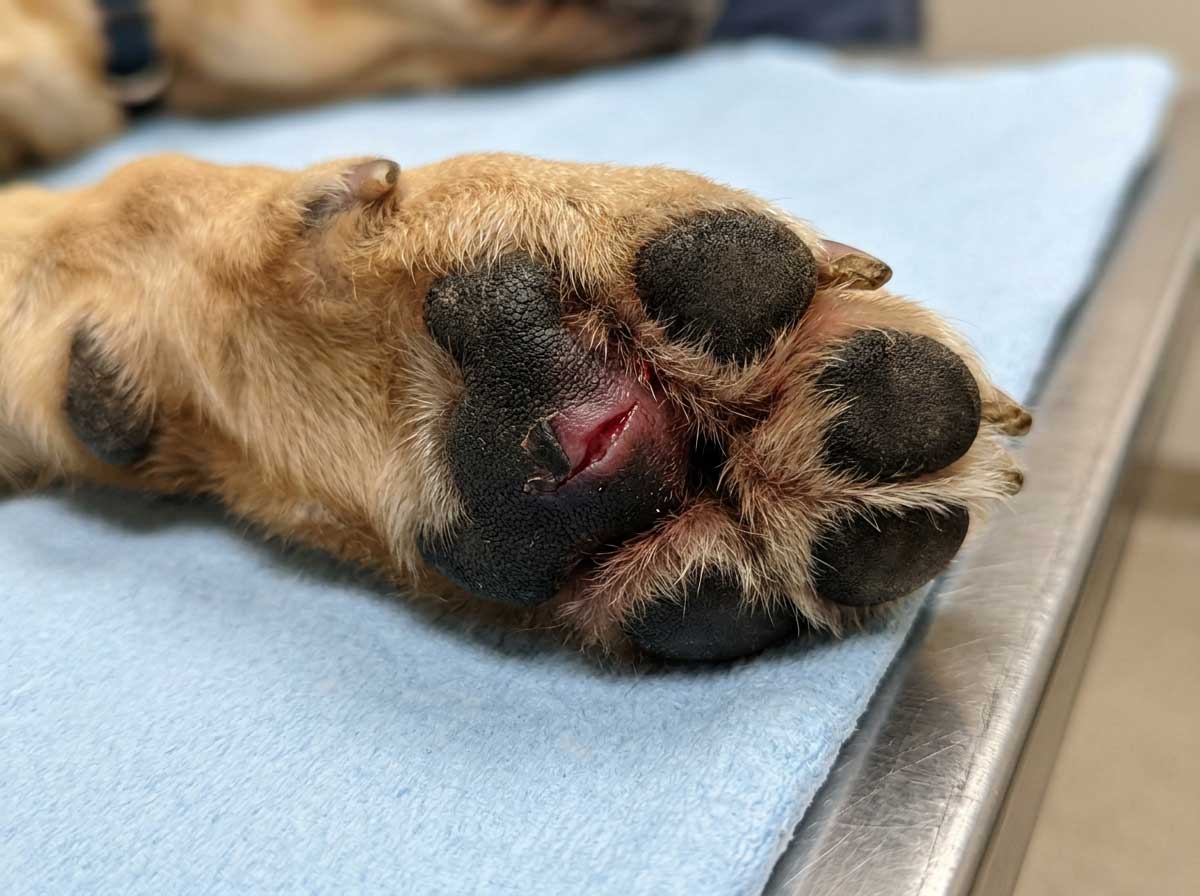
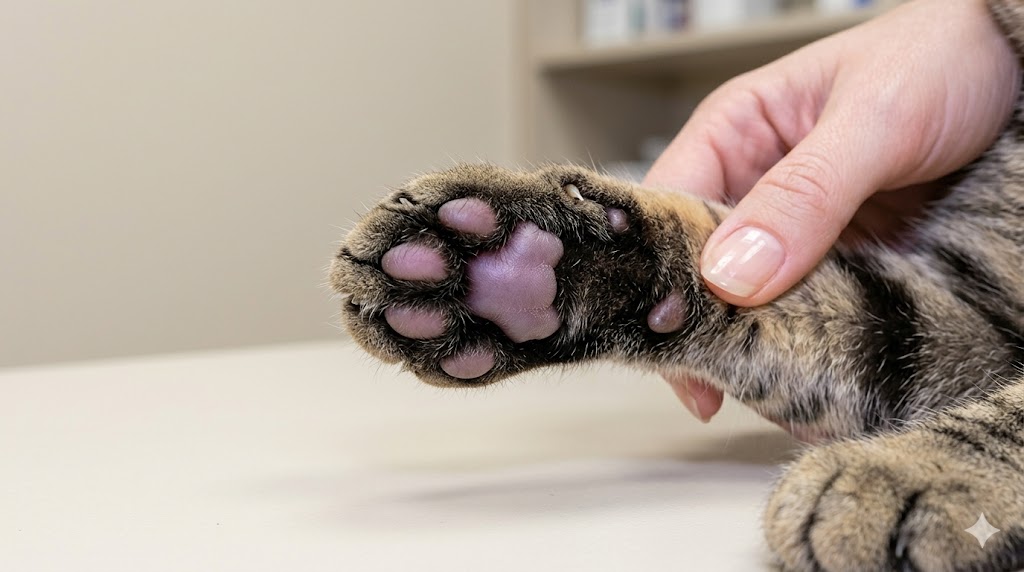
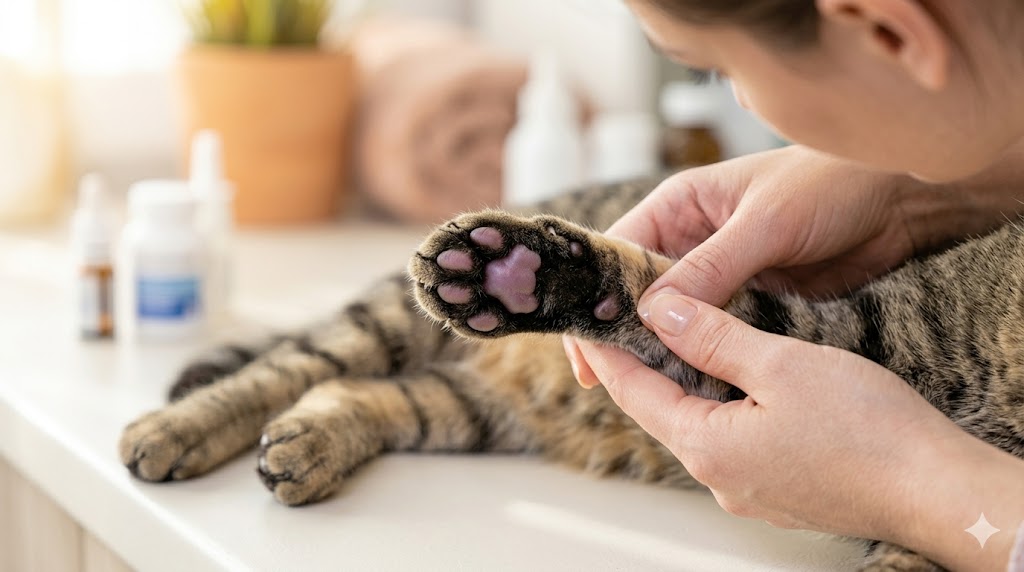
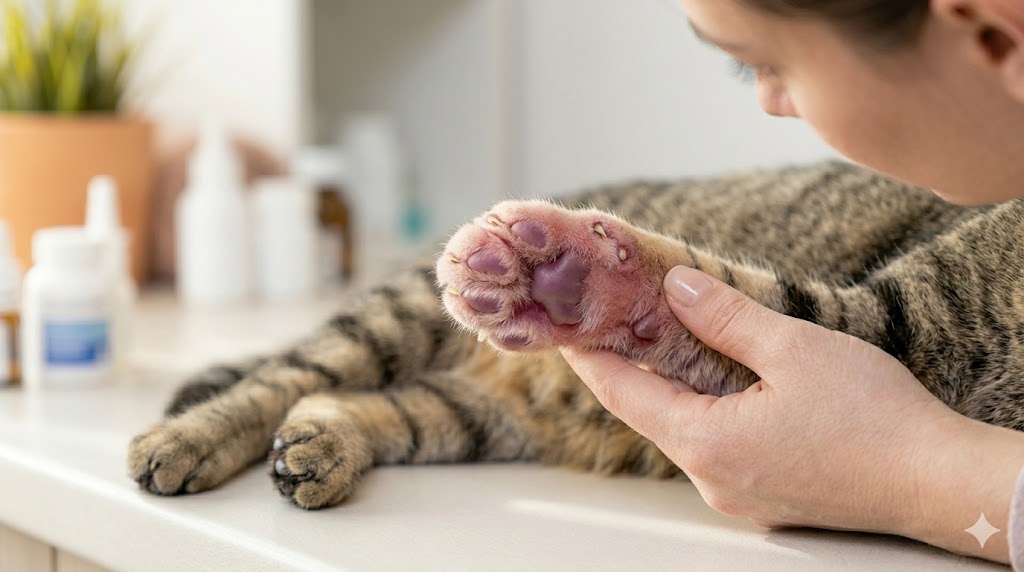
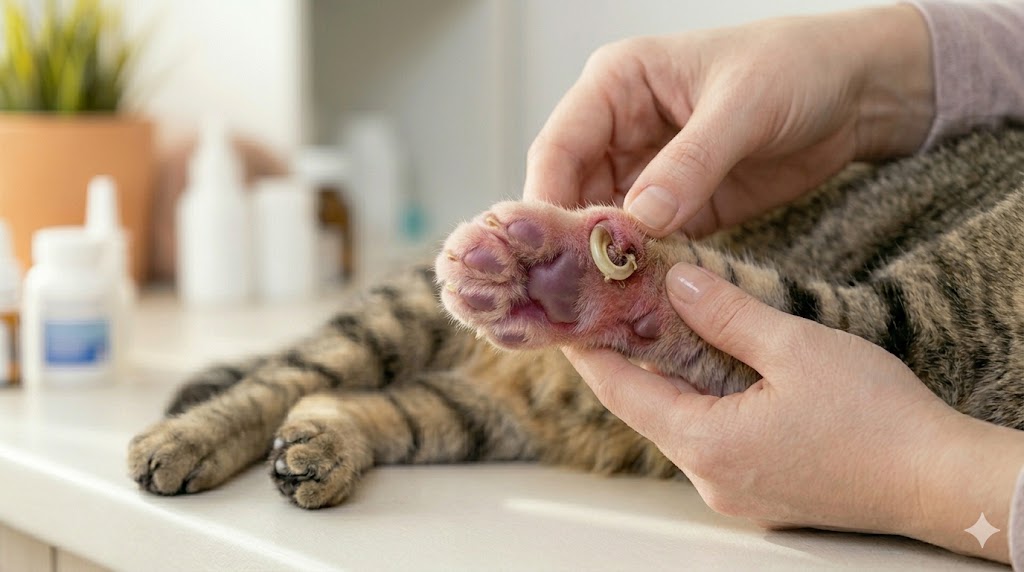
- ✓Itchy paws — obsessive licking between the toes
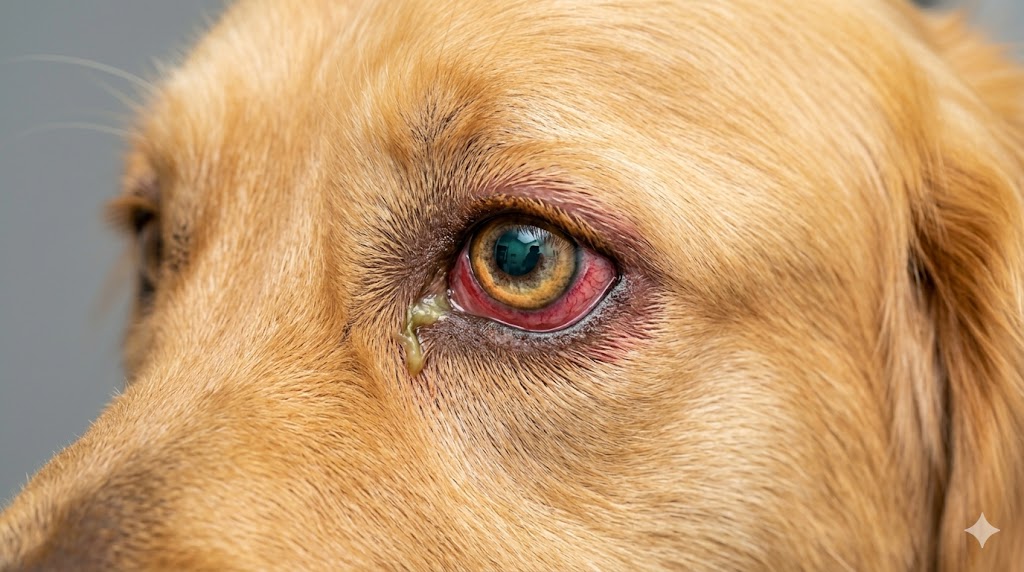
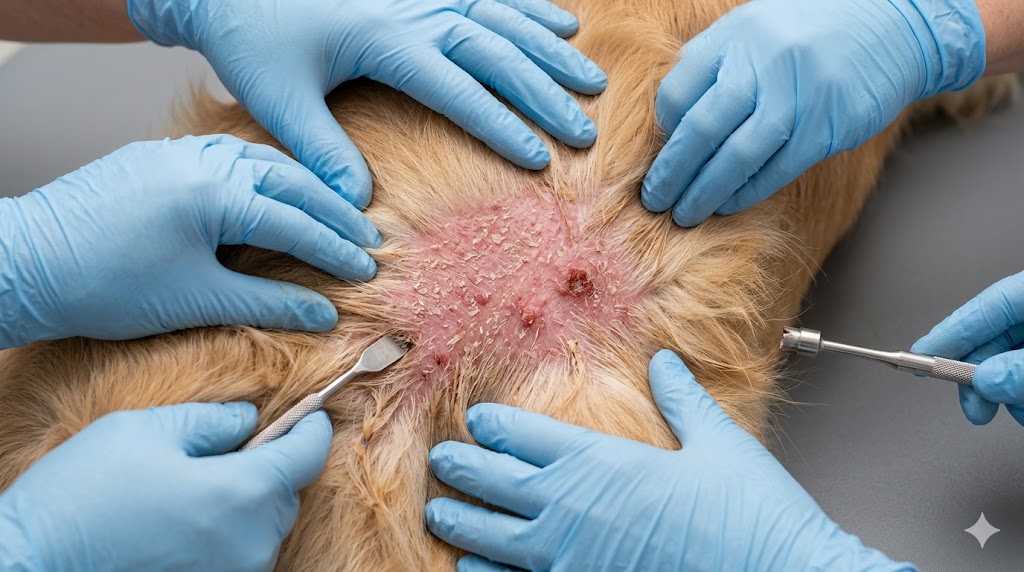
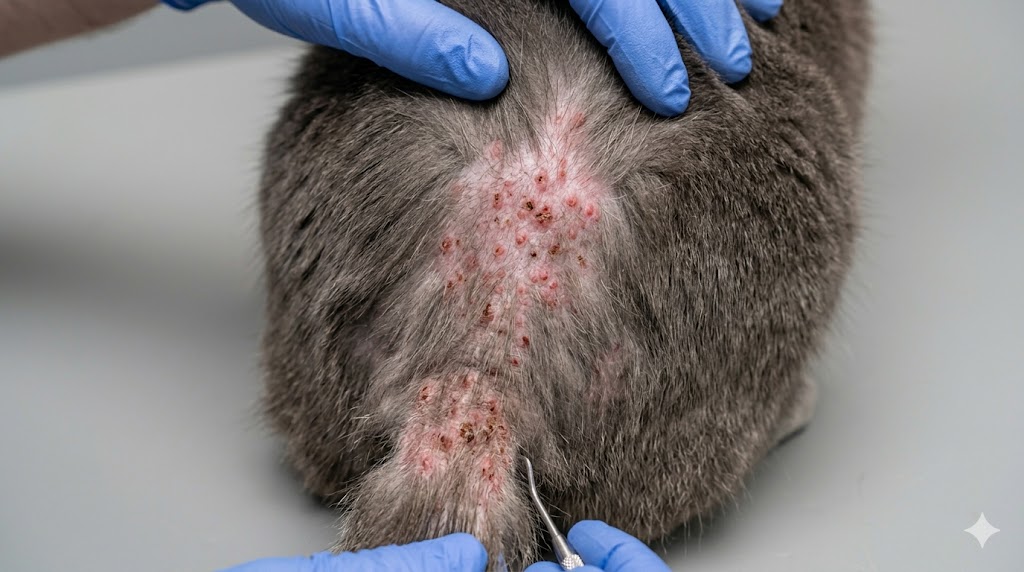
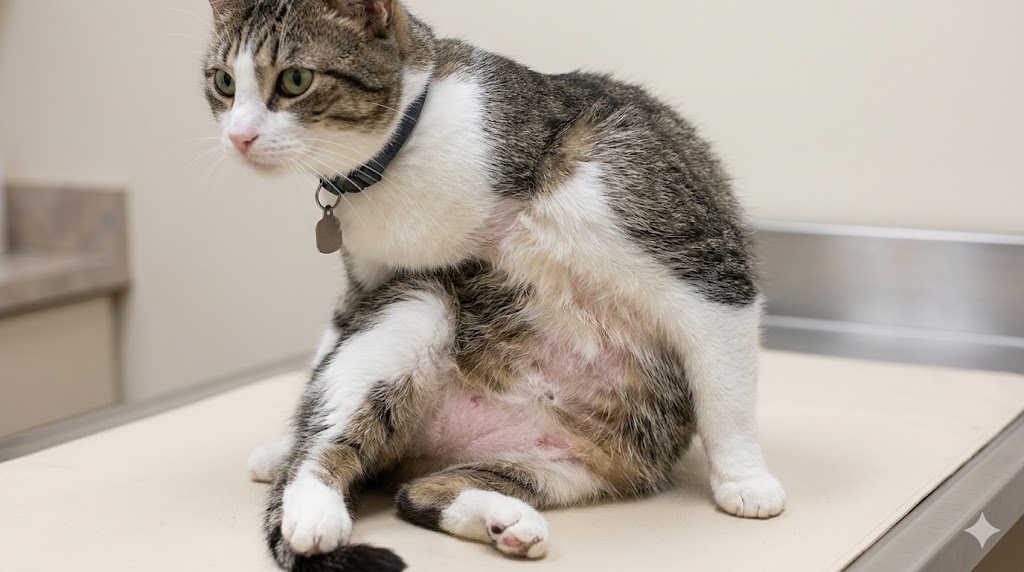
- ✓Red, irritated skin around the face, ears, and rear end
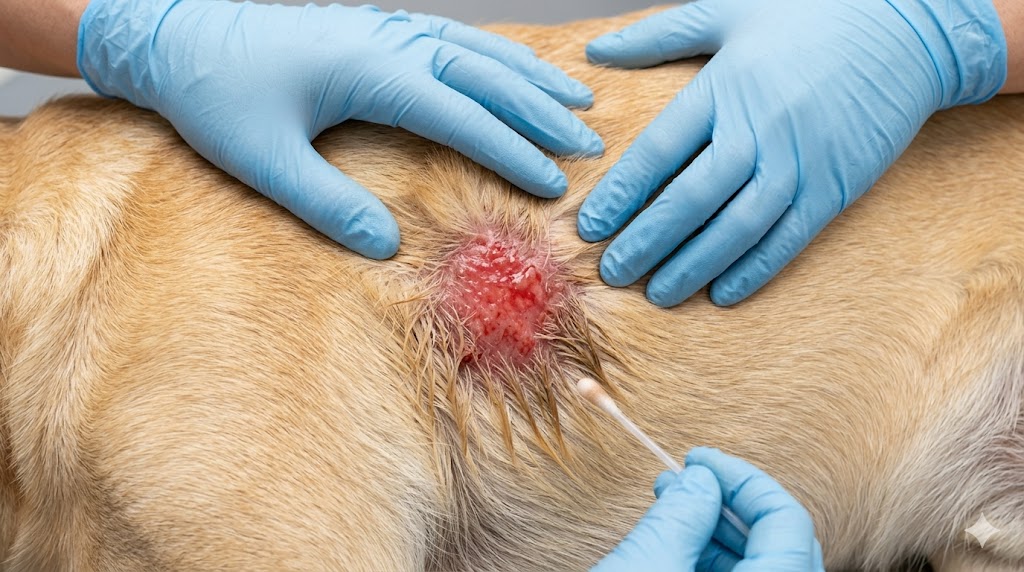
- ✓Skin rashes or bumps, especially on the belly and groin
- ✓Occasional vomiting or diarrhea (only about 20-30% of food-allergic dogs have GI symptoms)
- ✓Chronic anal gland issues
The critical clue: food allergy symptoms in dogs are non-seasonal and consistent. If your dog itches equally bad in January and July, and the itching persists despite flea treatment, food allergy moves up the suspect list.
What Foods Are Dogs Most Commonly Allergic To?
The most common dog food allergy triggers are proteins the dog has been eating repeatedly over time:
- ✓Chicken — the most common, partly because it's in almost every dog food
- ✓Beef — second most common allergen
- ✓Dairy products
- ✓Wheat and grains (though grain allergies are less common than marketing suggests)
- ✓Soy
- ✓Eggs
- ✓Lamb (yes, even "novel proteins" can become allergens over time)
Chicken allergy in dogs is particularly tricky because chicken (or chicken meal, chicken fat, chicken flavor) is in the vast majority of commercial dog foods — even some that don't list "chicken" prominently on the label.
How to Diagnose a Dog Food Allergy
Here's the frustrating truth: there is no reliable blood test or skin test for food allergies in dogs. The dog food allergy test kits sold online have been shown in studies to be inaccurate and unreliable. The only proven diagnostic method is an elimination diet.
The Elimination Diet Process
- ✓Feed a novel protein diet (a protein your dog has never eaten before) or a hydrolyzed protein diet for 8-12 weeks
- ✓Nothing else — no treats, no table scraps, no flavored medications, no rawhides
- ✓If symptoms improve significantly → food allergy confirmed
- ✓Then reintroduce old foods one at a time to identify the specific allergen
- ✓Each reintroduction trial lasts 1-2 weeks
It takes commitment — 8-12 weeks of strict feeding. But it's the only way to know for sure. Work with your vet to choose the right elimination diet.
What About Grain-Free Diets?
Despite the marketing hype, true grain allergies in dogs are uncommon. Most food allergies are to animal proteins, not grains. In fact, the FDA has investigated a link between grain-free diets and heart disease (DCM) in dogs. Don't switch to grain-free unless your vet specifically recommends it after confirming a grain allergy through an elimination diet.
Is It Food Allergy or Something Else?

Food allergy symptoms overlap heavily with environmental allergies and flea allergy dermatitis. Here's a quick comparison:
- ✓Seasonal itching (worse in spring/fall) → more likely environmental allergy
- ✓Itching worst at tail base and rear → more likely flea allergy
- ✓Year-round itching + recurring ear infections → food allergy is a strong suspect
- ✓Itching + vomiting/diarrhea → food allergy or intolerance
If your dog is showing skin symptoms, start by uploading a photo to our <a href="/skin" class="text-blue-600 hover:text-blue-700 underline">skin disease checker</a>. If vomiting is also an issue, try our <a href="/dog-vomiting" class="text-blue-600 hover:text-blue-700 underline">dog vomit checker</a>. These tools can help you understand what you're seeing before your vet appointment.
Best Dog Food for Allergies — What to Look For
- ✓Limited ingredient diets (fewer proteins = fewer potential allergens)
- ✓Novel protein sources your dog hasn't eaten: venison, duck, rabbit, or kangaroo
- ✓Hydrolyzed protein diets (proteins broken down so small the immune system can't react)
- ✓Avoid foods with long ingredient lists full of unnamed "meat meals"
- ✓Work with your vet — don't just pick the most expensive bag at the store
Finding the right food for a food-allergic dog takes time and patience, but once you identify and eliminate the trigger, many dogs improve dramatically within weeks.
Concerned About Your Dog's Skin or Stomach?
Upload a photo and get an instant AI assessment. Our tools can help identify skin rashes, allergy reactions, and vomit analysis.
Disclaimer: This article is for informational purposes only and is not a substitute for professional veterinary advice. Always consult a licensed veterinarian for diagnosis and treatment of your pet's health conditions.