Cat Brown Eye Discharge: Persian Tear Staining & Blocked Tear Ducts
Brown or reddish-brown cat eye discharge often means blocked tear duct, especially in Persian, Himalayan, and Exotic Shorthair breeds. Here's what to do.
Published 2026-04-19

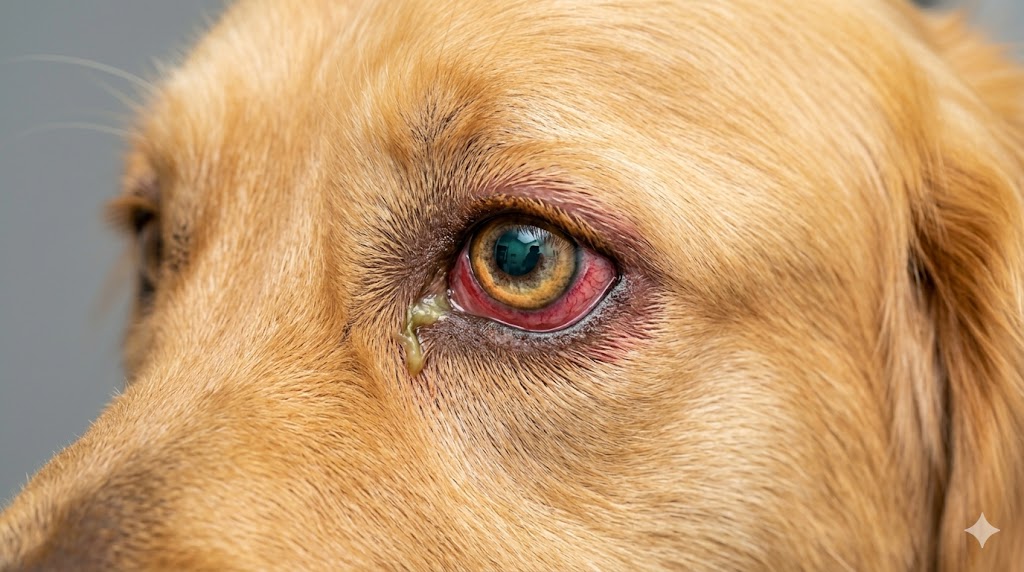
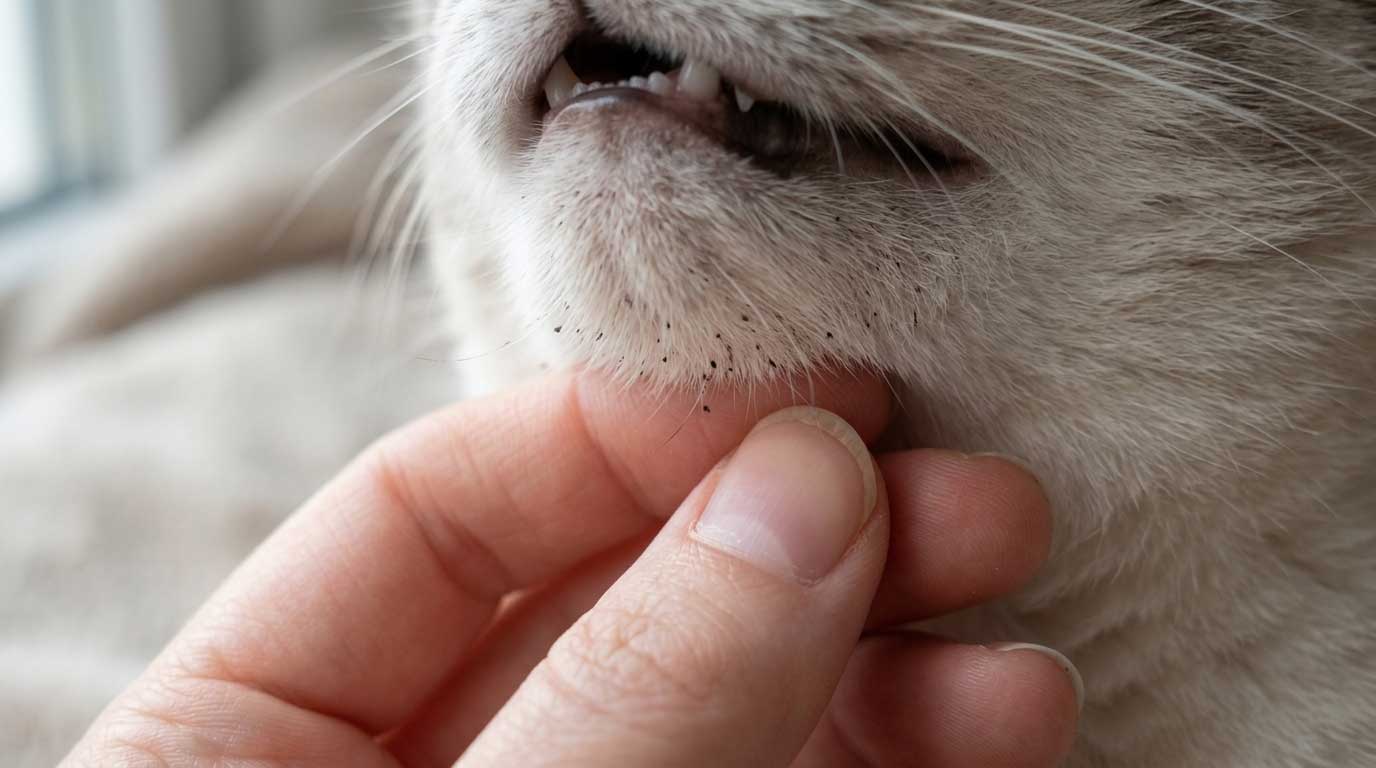
Brown or reddish-brown discharge from a cat's eye — or staining on the fur under the eye — has a specific list of causes, most related to the unique tear duct anatomy of flat-faced cat breeds. Here's everything you need to know.
What Causes Brown Discharge in Cats?
1. Blocked Tear Duct (Nasolacrimal Obstruction) — Most Common
Very common in flat-faced breeds. Key facts:
- ✓PREDISPOSED BREEDS: Persian, Himalayan, Exotic Shorthair, Scottish Fold, British Shorthair — all brachycephalic with shallow eye sockets and short tear ducts
- ✓Tears normally drain through nasolacrimal duct into nose
- ✓When duct is blocked or malformed, tears overflow onto face instead
- ✓Constant tearing causes reddish-brown porphyrin staining on fur
- ✓Usually BOTH EYES in predisposed breeds (anatomical)
- ✓Can be one eye if duct is blocked by scarring, infection, or inflammation
2. Porphyrin Tear Staining (Cosmetic)
Same as in dogs — porphyrin pigment in tears oxidizes on fur when exposed to air, creating reddish-brown staining. Most visible in light-colored cats (white, cream, orange). Cosmetic, not disease — but often combined with blocked tear duct as root cause of the chronic tearing.
3. Chronic Low-Grade Infection
Sometimes chronic conjunctivitis produces brownish discharge rather than bright yellow-green. Often herpesvirus-related low-grade ongoing inflammation.
4. Old Dried Yellow-Green Discharge
Discharge from infection dried over days darkens to brown. Underlying infection may still need treatment.
5. Rarer Causes
- ✓Eyelid abnormalities (entropion) causing chronic tearing
- ✓Foreign body (one eye, acute onset)
- ✓Ocular tumor in senior cats (sudden unilateral brown discharge)
- ✓Eyelid cyst or mass
Typical Breeds with Chronic Brown Staining
- ✓PERSIAN — classic breed for this; many Persians have daily brown tear staining
- ✓HIMALAYAN — same short-face anatomy as Persian
- ✓EXOTIC SHORTHAIR — shorter fur but same anatomy
- ✓SCOTTISH FOLD — also flat-faced
- ✓BRITISH SHORTHAIR — less severe but common
- ✓Sphynx can develop it on short fur
When Brown Discharge Is a Problem
- ✓SUDDEN onset of brown discharge in a previously clean cat (possible tear duct blockage or infection)
- ✓ONE EYE only (localized cause — foreign body, infection, tumor)
- ✓Combined with REDNESS, squinting, or pain
- ✓Discharge color CHANGING to yellow/green (active bacterial infection developing)
- ✓Accompanied by SNEEZING or nasal discharge (URI)
- ✓Significantly WORSENING over days
- ✓YEAST-like smell from stained fur (secondary infection)
Diagnosis and Treatment
Fluorescein Dye Test
Simple in-office test: vet places orange fluorescent dye in the eye; if tear duct is open, dye should appear at the nostril within 5-10 minutes. If no dye at nose, duct is blocked.
Tear Duct Flushing (If Blocked)
Procedure under light sedation:
- ✓Cat sedated or anesthetized briefly
- ✓Vet inserts thin flexible catheter into tear duct opening
- ✓Flushes with saline to clear blockage
- ✓Success rate: variable; some ducts open, others remain blocked
- ✓Cost: $150-400 depending on complexity
- ✓Can be done during routine dental cleanings (same anesthesia)
Daily Home Care (Lifetime for Persian-type breeds)
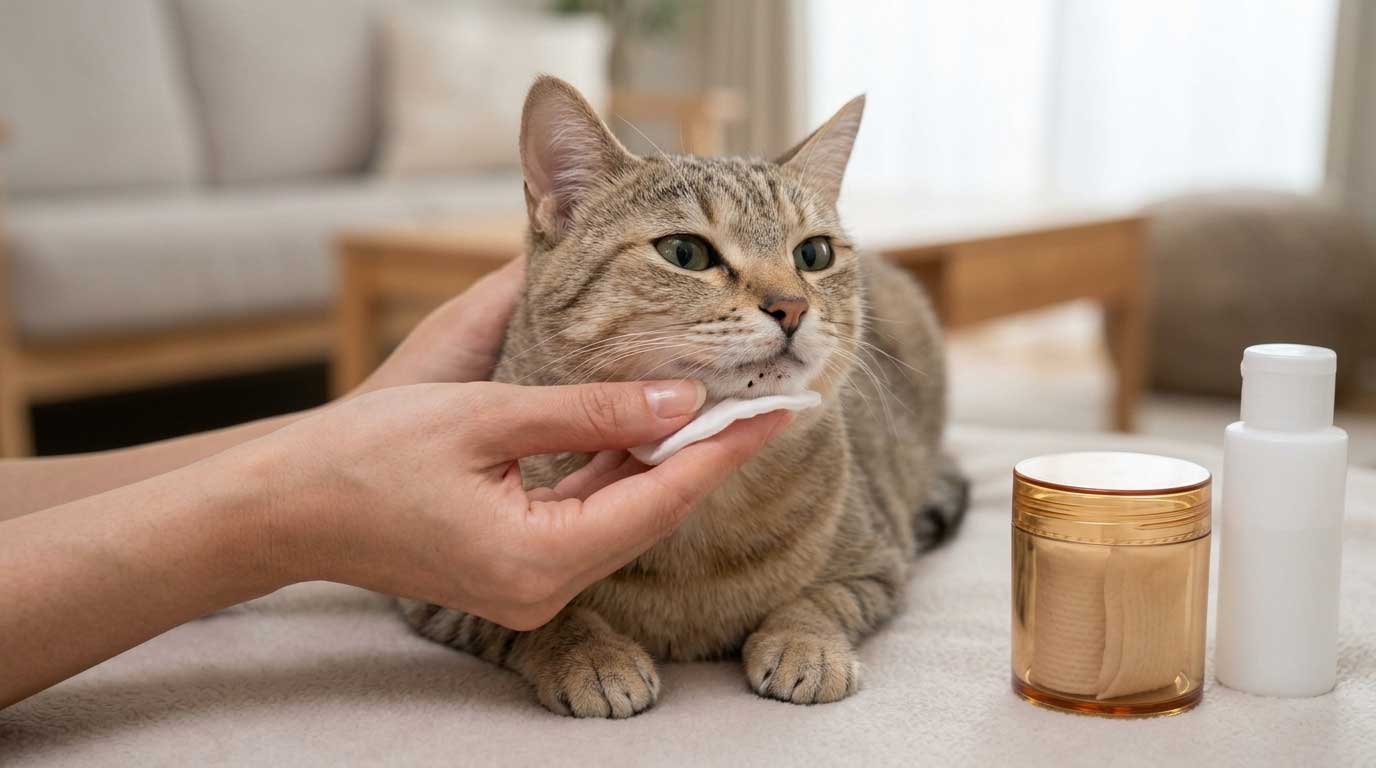
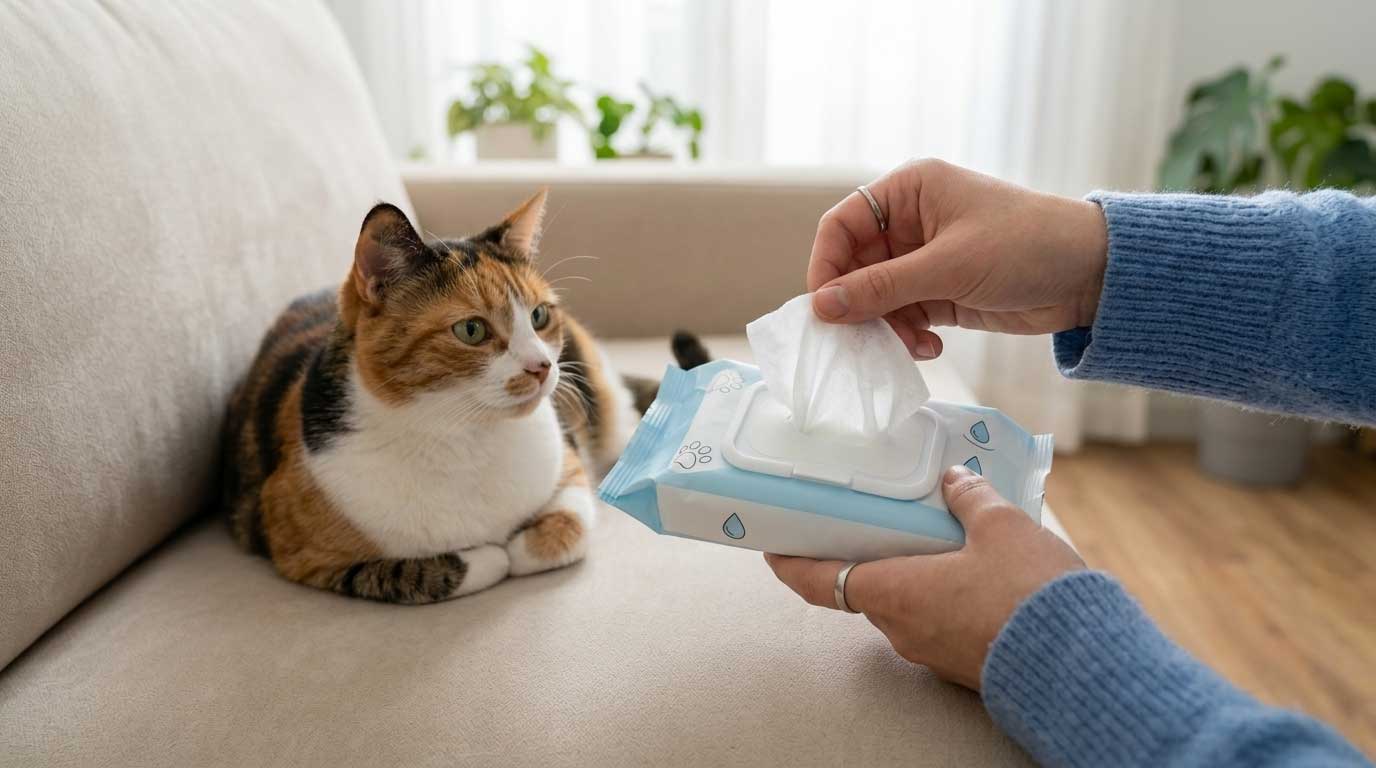
- ✓Daily cleaning with pet-safe tear stain wipes
- ✓Keep fur under eyes trimmed short
- ✓Filtered or distilled water (reduces porphyrin)
- ✓Stainless steel or ceramic bowls
- ✓Regular grooming of face in long-haired breeds
If Infection Is Present
Vet will prescribe antibiotic eye drops; may add oral antibiotics if chronic. Fluorescein test also rules out corneal ulcer.
Realistic Expectations
For Persian/Himalayan/Exotic Shorthair breeds:
- ✓Chronic tear staining is often a LIFELONG condition
- ✓Tear duct flushing may help short-term but blockage often recurs
- ✓Daily home maintenance is the main management
- ✓Existing stained fur doesn't "unstain" — grows out over 2-3 months
- ✓Accept mild chronic staining as part of owning this breed
For other breeds with new-onset brown discharge:
- ✓Often has an identifiable cause that can be treated
- ✓Don't assume it's just "tear staining" — rule out infection, blocked duct, or foreign body
- ✓Vet visit recommended for any new brown discharge
Not sure if your cat's brown discharge is benign porphyrin staining or a problem needing treatment? Upload a photo — AI distinguishes them and suggests next steps.
Tear Staining or Infection?
Upload a photo — AI distinguishes cosmetic porphyrin staining from active infection needing treatment.
Disclaimer: This article is for informational purposes only and is not a substitute for professional veterinary advice. Always consult a licensed veterinarian for diagnosis and treatment of your pet's health conditions.