Swollen Cat Paw: 7 Causes + When It's an Emergency
Why is your cat's paw swollen? 7 common causes, how to tell an emergency, home remedies, and when you must see a vet — including the "silent pain" trap.
Published 2026-04-18
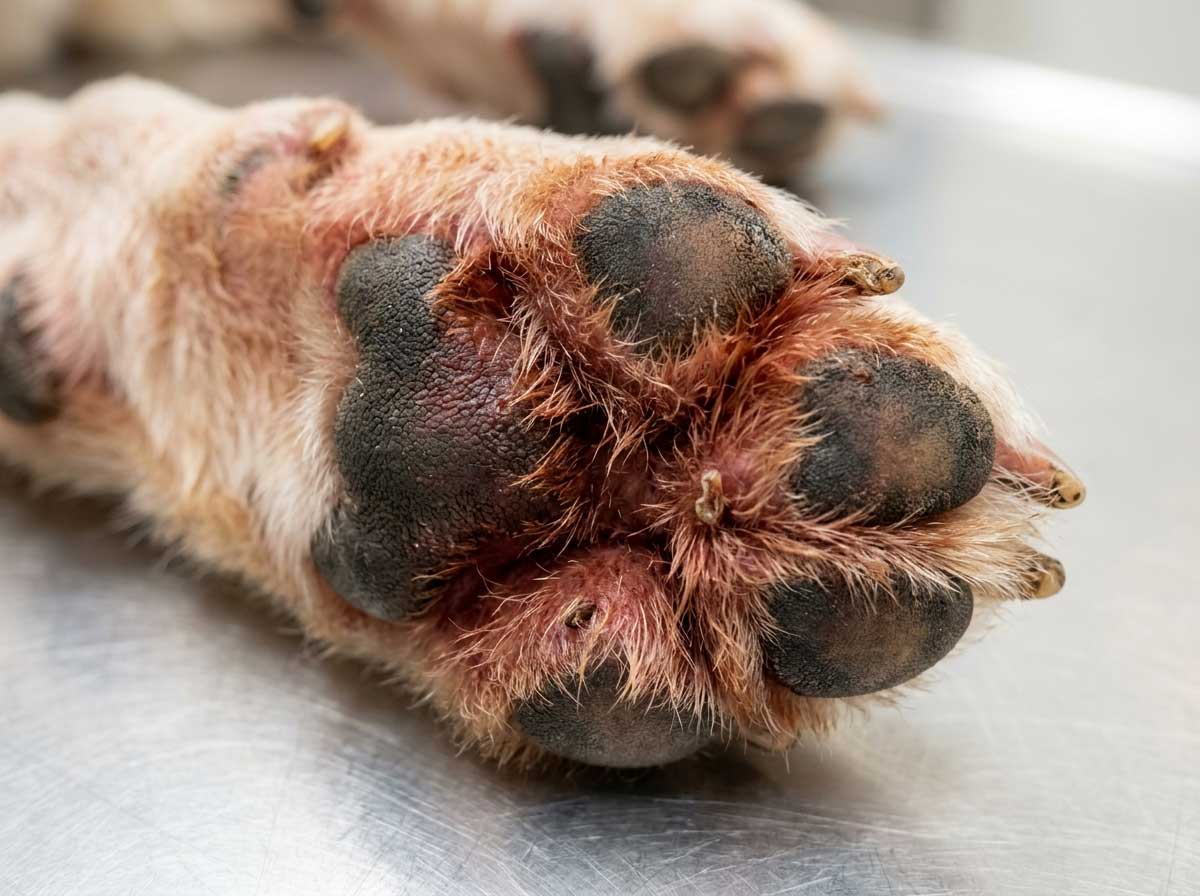
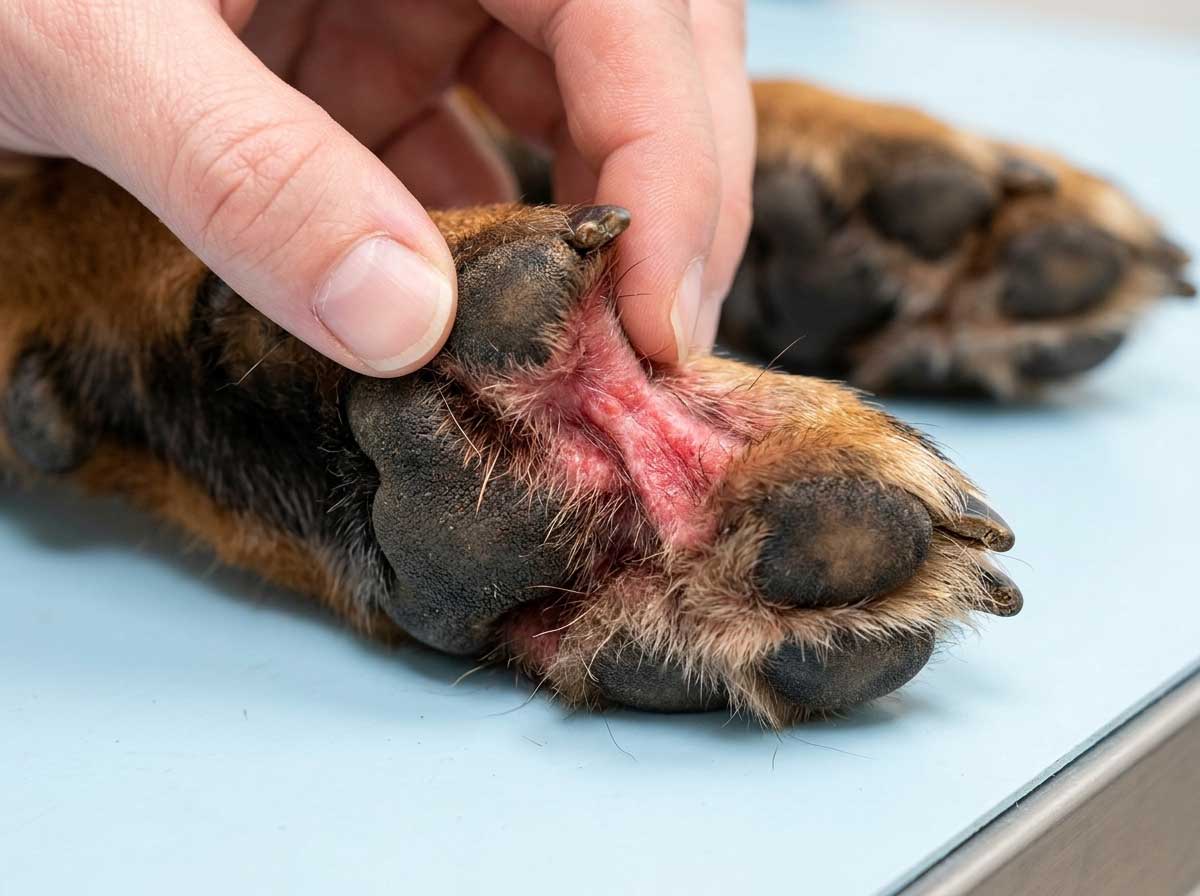
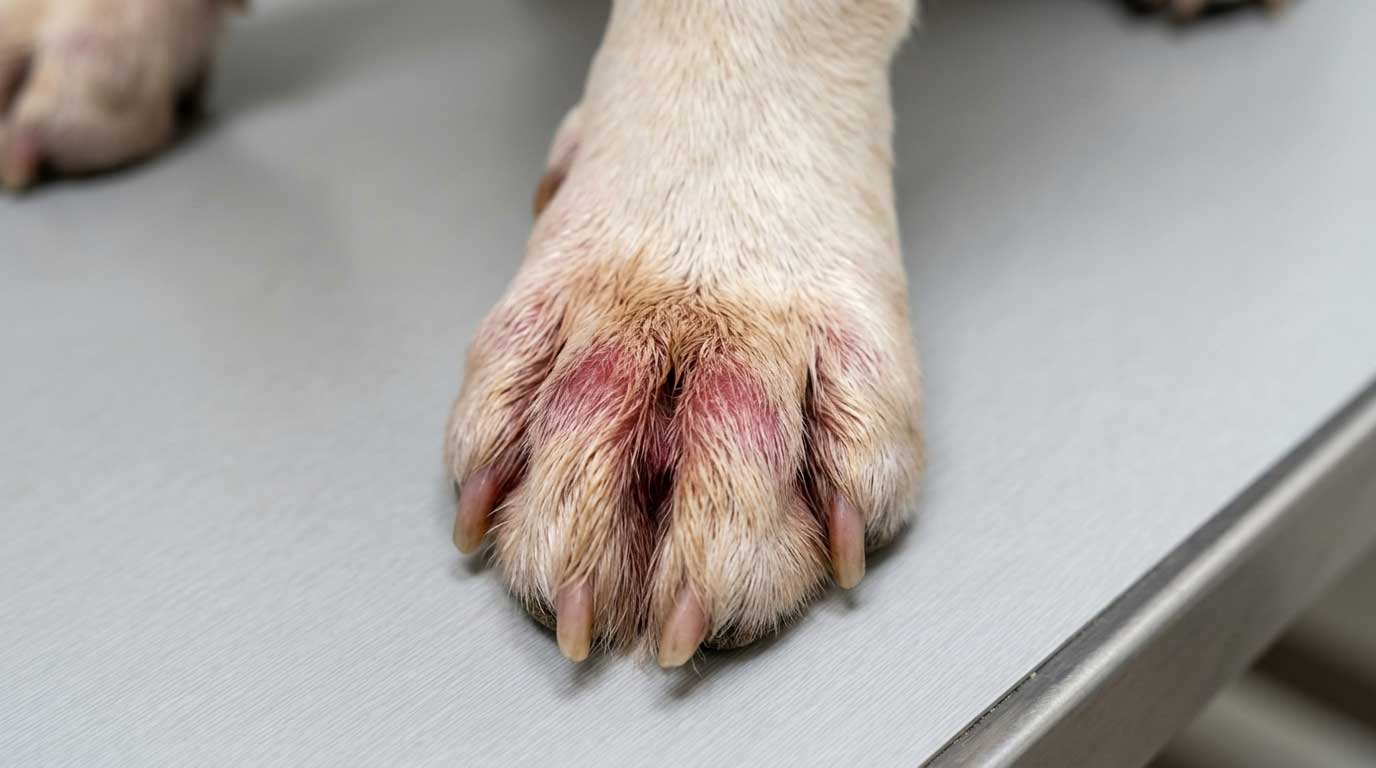
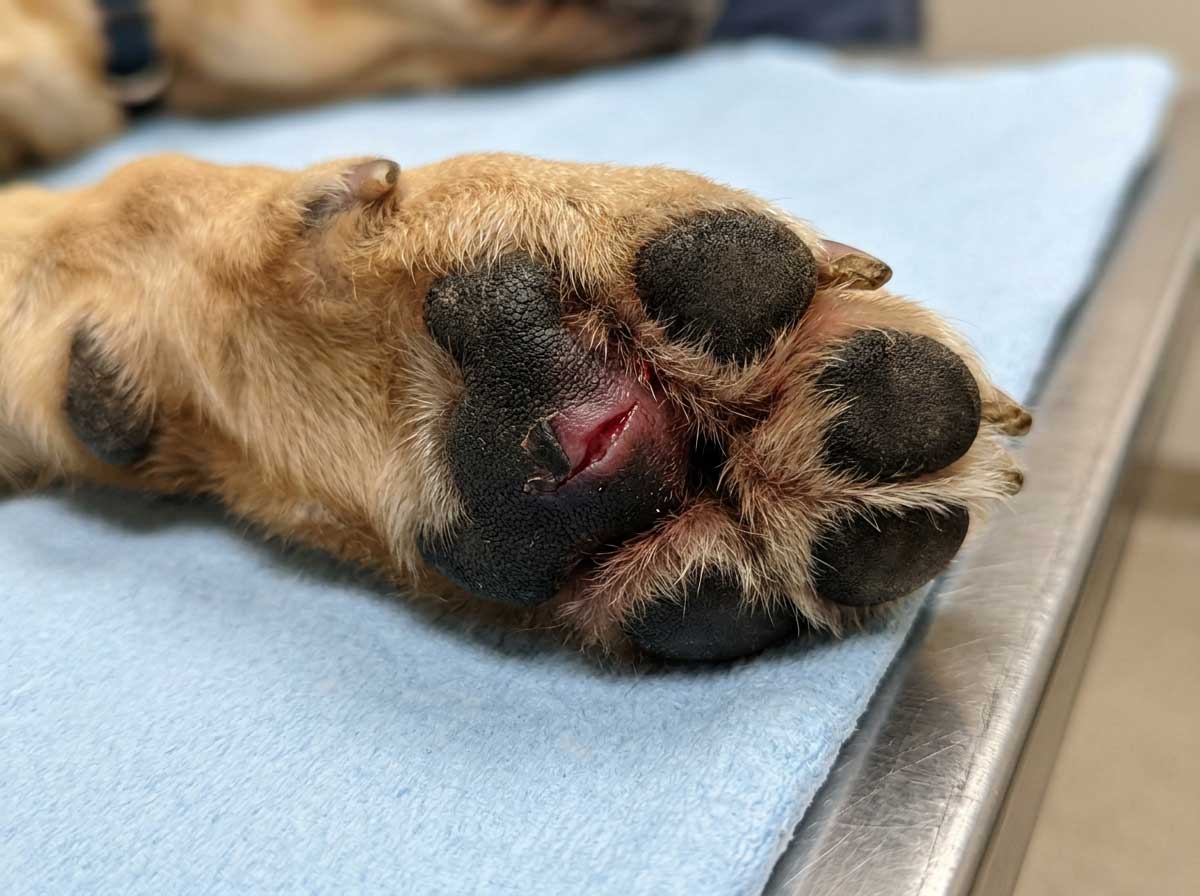
A swollen cat paw is one of those symptoms that sits in a weird zone — sometimes it's a minor sting that clears up in a day, sometimes it's a fight abscess that needs draining, and sometimes it's an ingrown claw you can't see until you look closely. Because cats are masters at hiding pain, owners often can't tell just by watching their cat how serious it is.
Here's how to figure out what's going on, when to wait it out, and when to get to the vet.
Is a Swollen Cat Paw an Emergency?
Not every swollen paw is an emergency, but some are. It IS an emergency if:
- ✓Swelling is increasing rapidly over a few hours
- ✓The paw is hot to the touch and deeply red
- ✓Your cat refuses to bear any weight on the paw
- ✓There's obvious discharge, pus, or foul smell
- ✓Your cat is lethargic, off food, hiding, or has a fever
- ✓The paw is bleeding and bleeding doesn't stop
- ✓You see a bone protrusion or visible deformity
It is probably NOT an emergency (but still worth watching) if: swelling is mild and stable, your cat is walking normally, the paw isn't hot or red, and your cat is eating/behaving normally. Watch it for 24-48 hours — if it's not improving, go to the vet.
7 Common Causes of a Swollen Cat Paw
1. Abscess from a Fight Wound
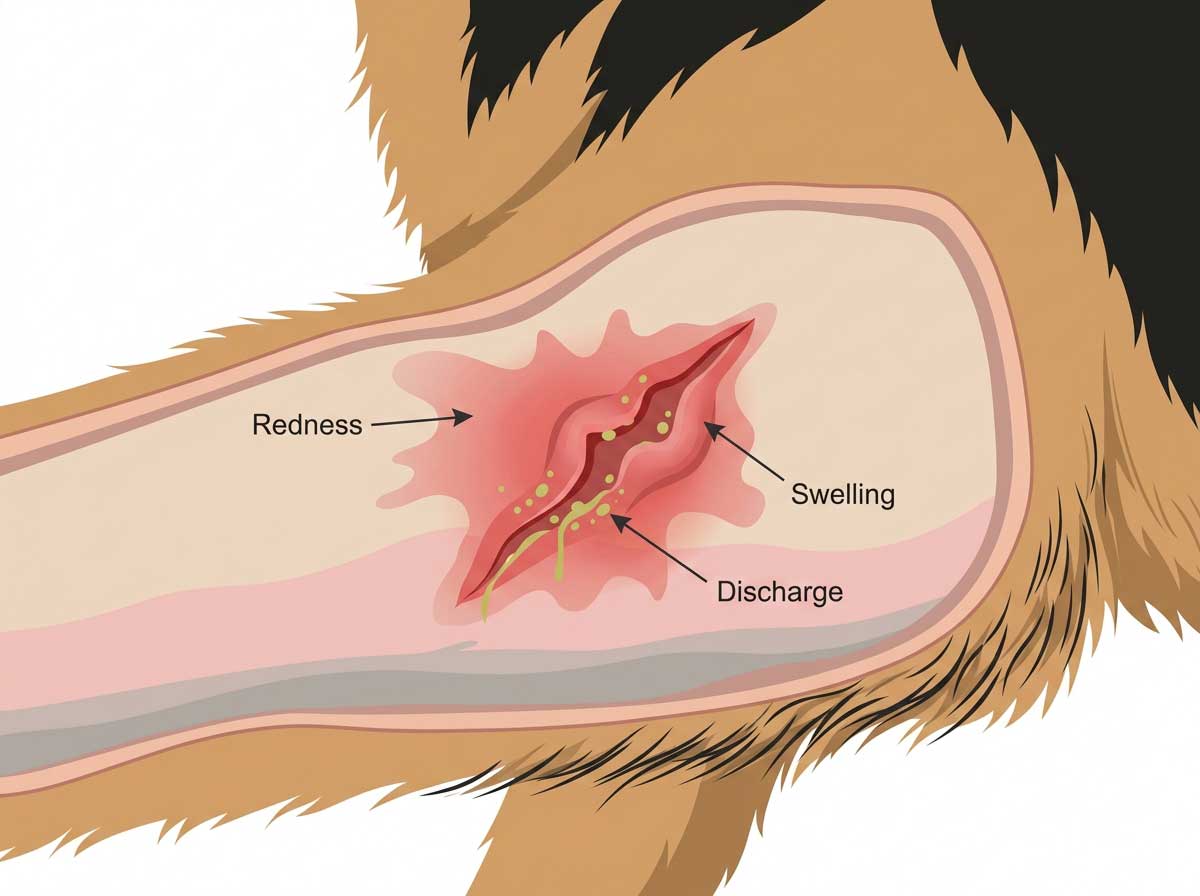
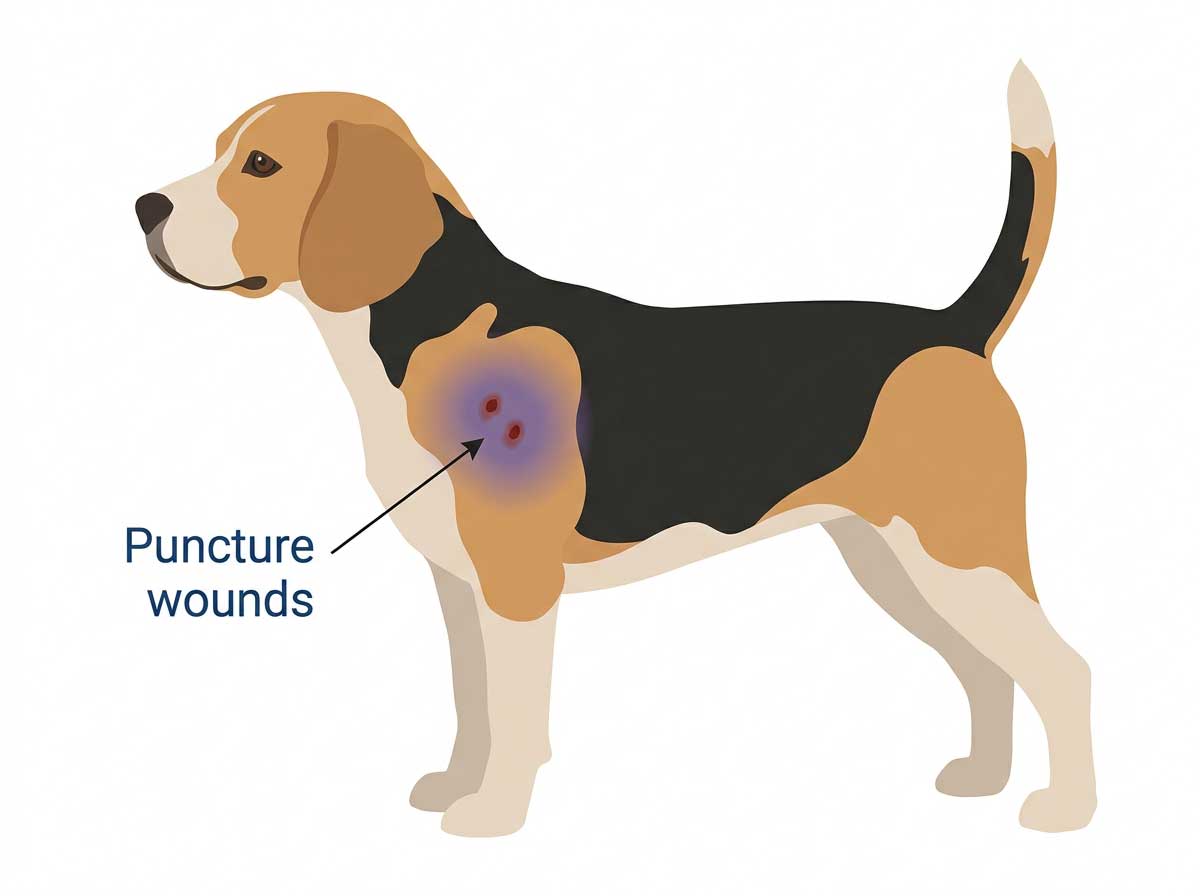
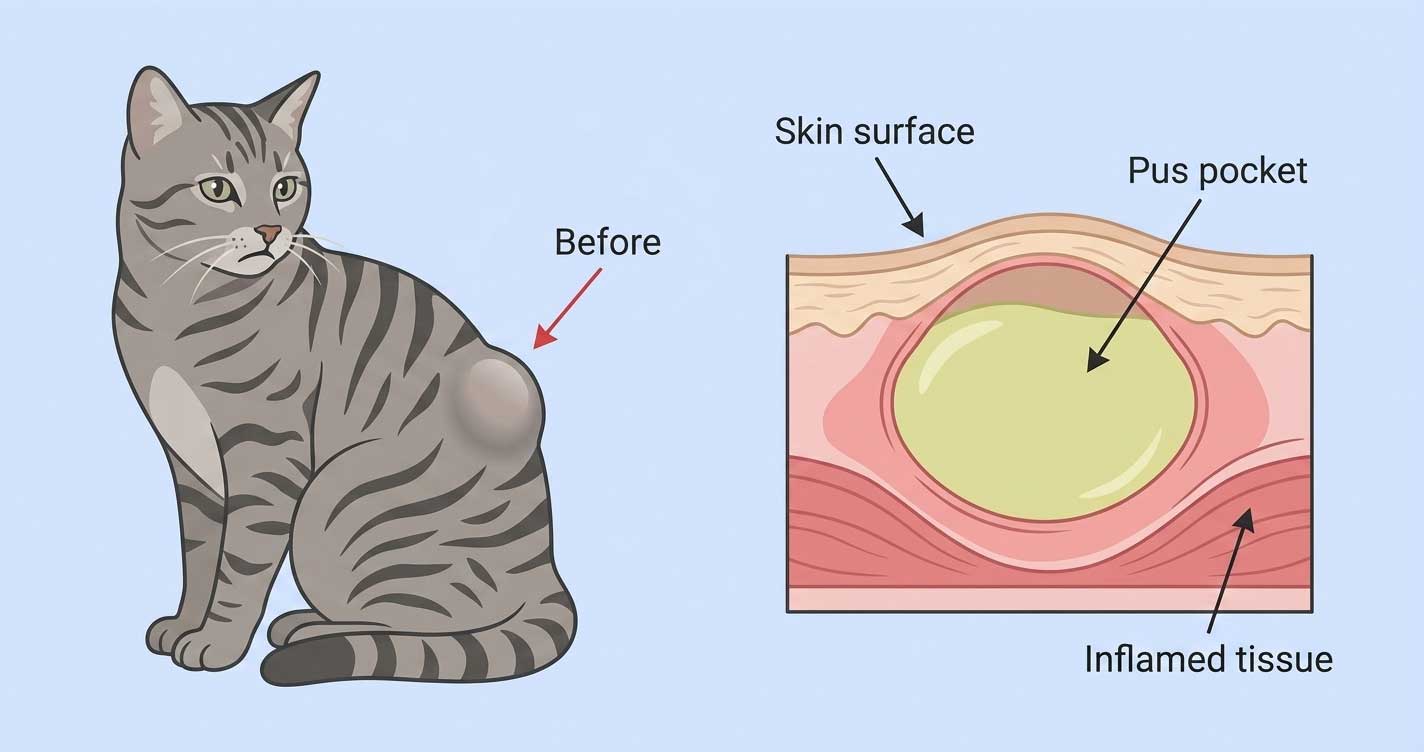
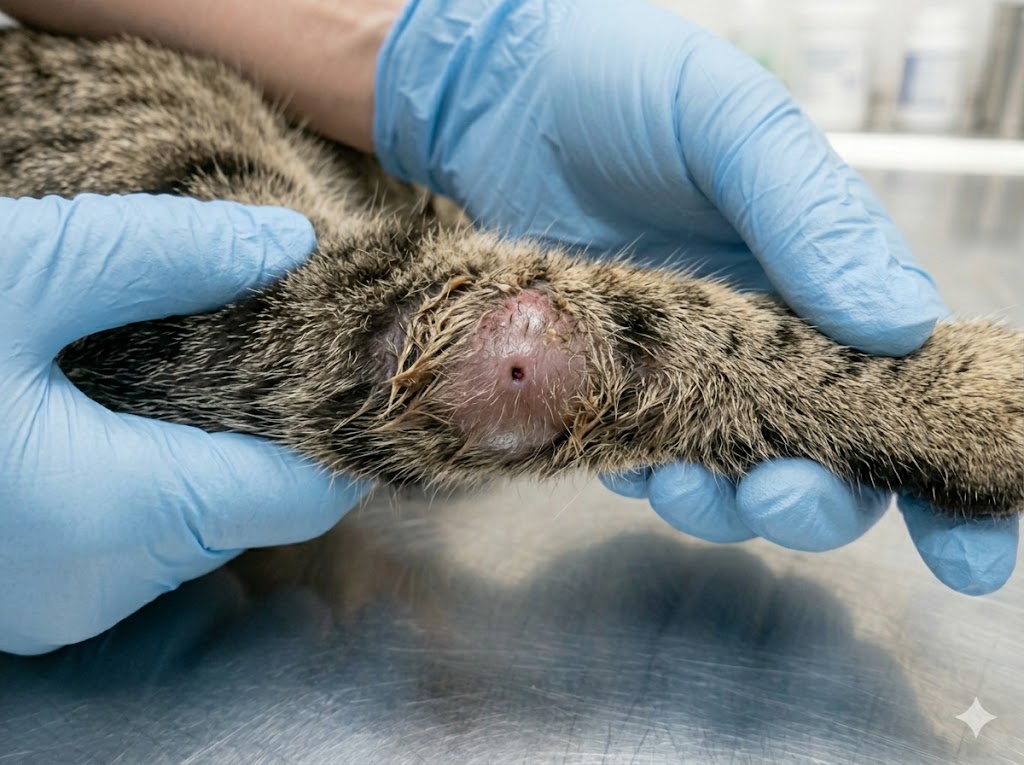
The #1 cause in outdoor cats. A cat bite is a deep puncture that seals over the skin, trapping bacteria underneath. Over 2-5 days a pus pocket forms, causing firm or fluid-filled swelling. Signs: small scab or puncture mark at the center, intense pain on touch, heat, sometimes fever and lethargy. Treatment: vet lancing + antibiotics.
2. Broken Toenail
Cats sometimes break a claw on furniture, carpet, or during a fall. Signs: swelling focused around one nail, blood, a claw bent at a weird angle, or a partially detached claw. Treatment: vet trimming/removal and sometimes a short course of antibiotics if the quick is exposed.
3. Ingrown Claw
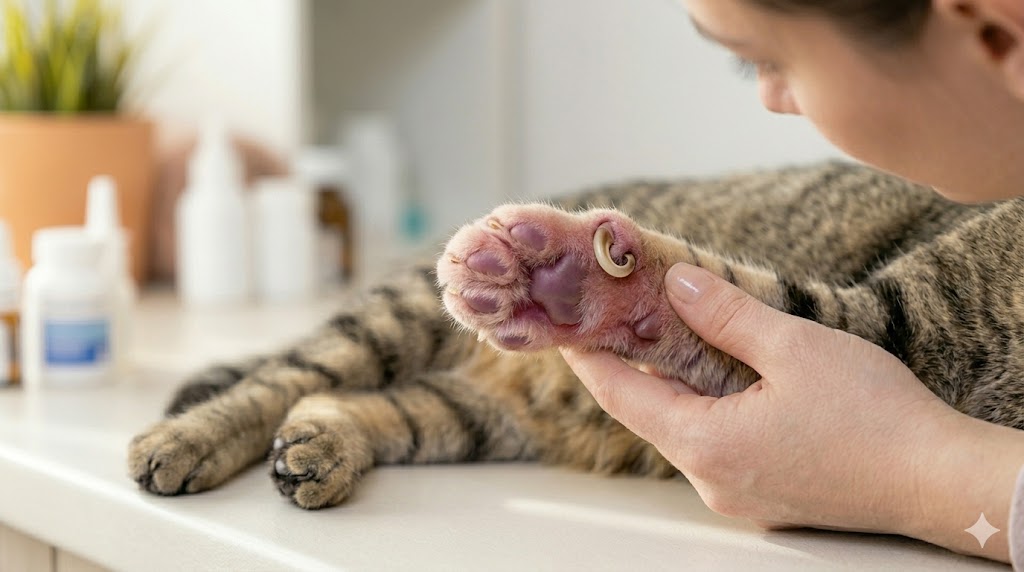
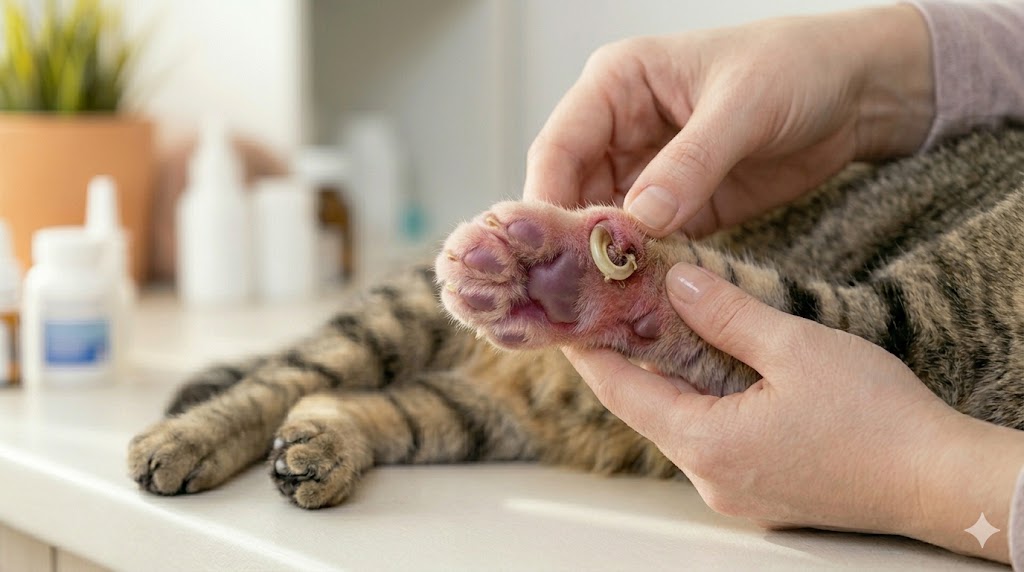
Especially common in elderly or overweight cats. The claw grows in a tight curve and pierces the pad. Signs: visible claw curving into the pad, swelling around that area, dried blood. Treatment: trim the tip with cat nail clippers if clean; vet removal if infected.
4. Insect Sting or Bite
Bee/wasp stings on the paw happen when cats swat at flying insects. Signs: sudden swelling, mild redness, usually stops progressing within hours. Treatment: cool compress, watch for signs of allergic reaction (facial swelling, difficulty breathing = emergency).
5. Sprain or Fracture from a Fall
Cats jump well but don't always land well. Signs: swelling with limping, reluctance to put weight on the paw, sometimes visible deformity. Treatment: rest and possibly X-rays. Never give human painkillers — ibuprofen and acetaminophen are TOXIC to cats.
6. Pillow Foot (Plasma Cell Pododermatitis)
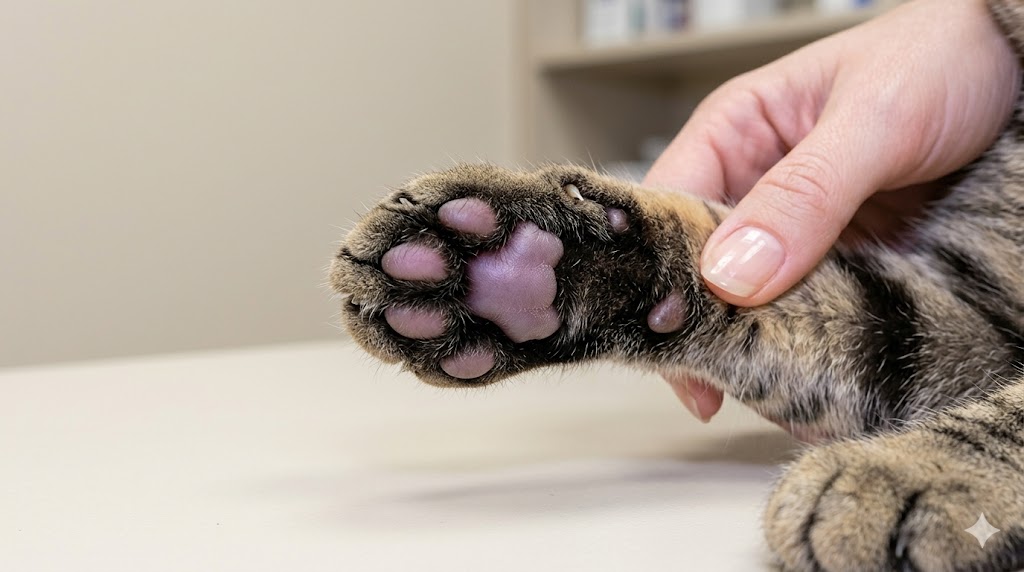
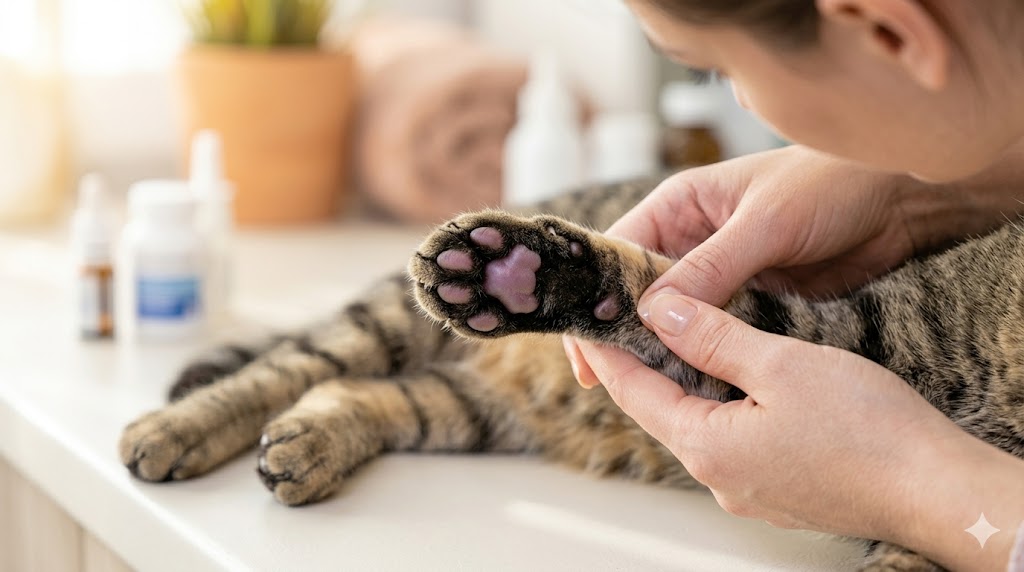
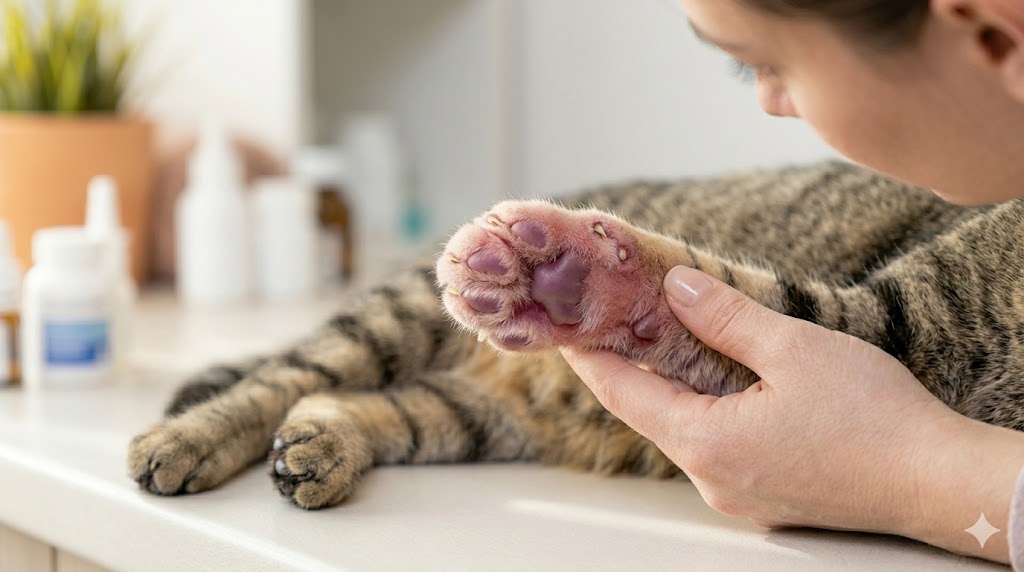
A cat-specific immune condition where paw pads become soft and puffy — like tiny water balloons. Often NOT painful in early stages. Signs: soft puffy central pad, sometimes a violet tint, usually multiple paws over time. Treatment: doxycycline or steroids from a vet.
7. Foreign Object Between the Toes
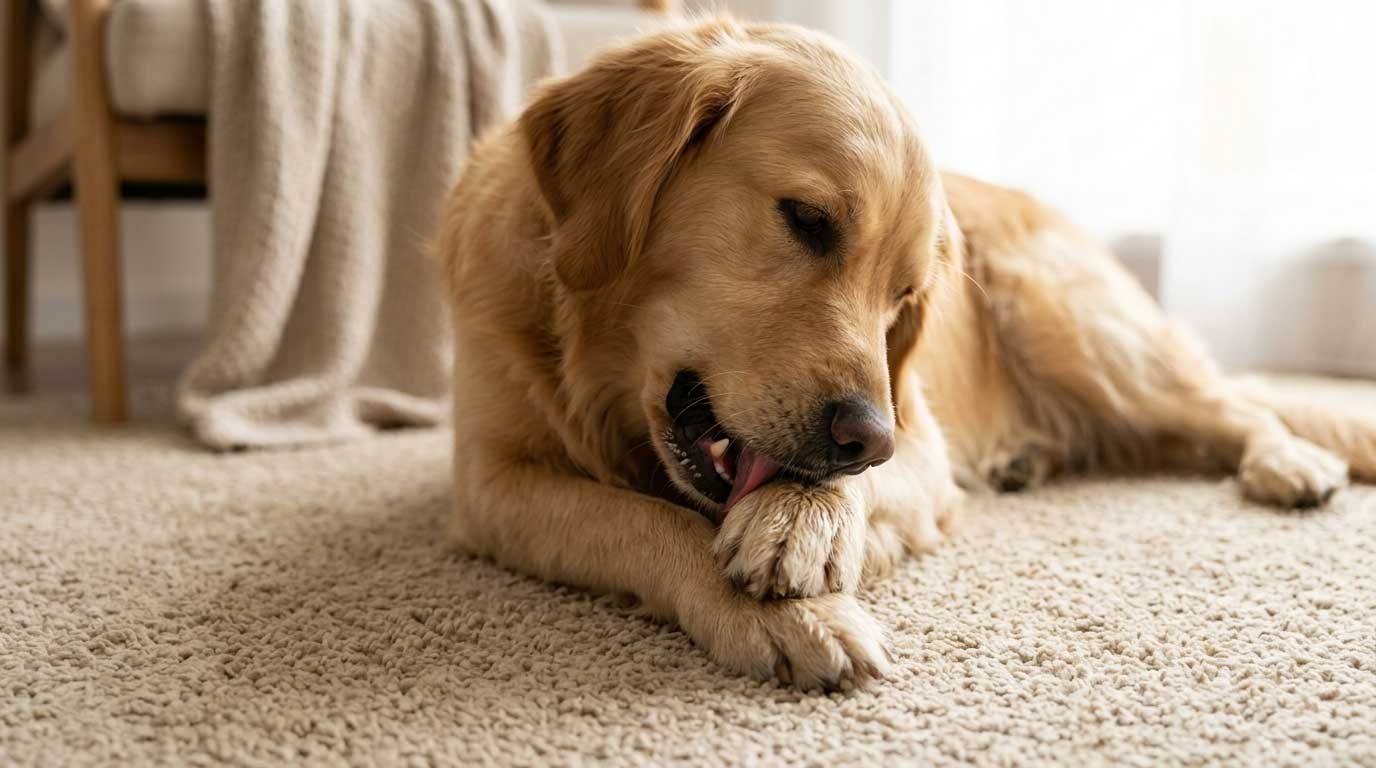
Splinters, glass, grass seeds, or small thorns can lodge between the toes. Signs: swelling concentrated in one spot, licking focused on that paw, sometimes a visible tip of the object. Treatment: careful removal (tweezers) if the object is visible and clean; vet otherwise.
Swollen + Limping — What It Usually Means
Swelling plus limping almost always points to injury or infection: a fight abscess, broken toenail, sprain, or ingrown claw. It's rarely pillow foot (which usually isn't painful enough to cause limping) and rarely allergic (which would usually affect multiple paws without limping).
Swollen With No Pain — The Silent Danger
A swollen paw that your cat doesn't seem bothered by is NOT reassuring. Cats hide pain. Possible causes: early-stage abscess that hasn't ruptured yet, pillow foot, a slow-growing tumor, a foreign body your cat has adapted to, or a mild allergic reaction. "My cat isn't in pain" should never be the reason to skip a vet visit.
Swollen Around the Nail Specifically
Swelling concentrated at the base of one nail almost always means either a broken toenail, a nail bed infection (paronychia), or an ingrown claw. All three benefit from vet evaluation — nail bed infections can progress quickly and ingrown claws buried in the pad need proper removal to prevent abscess.
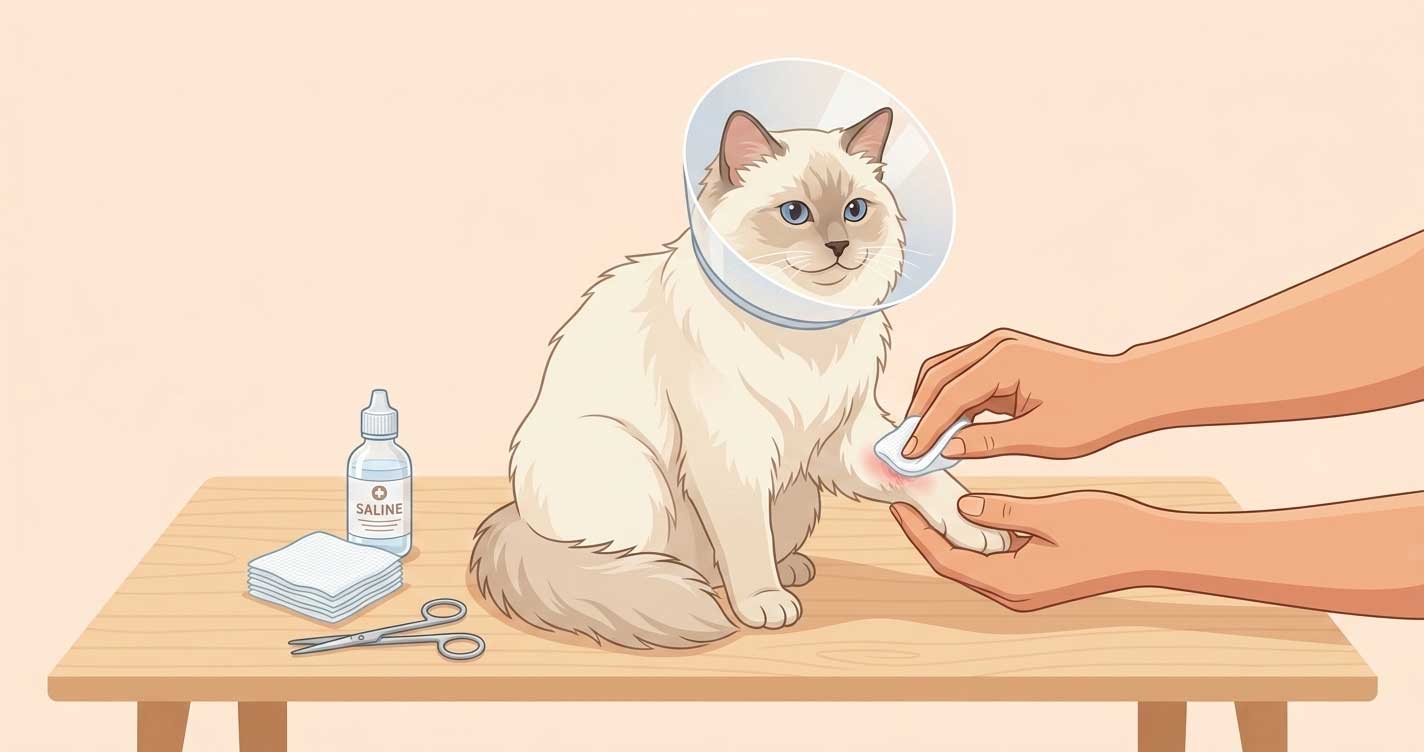
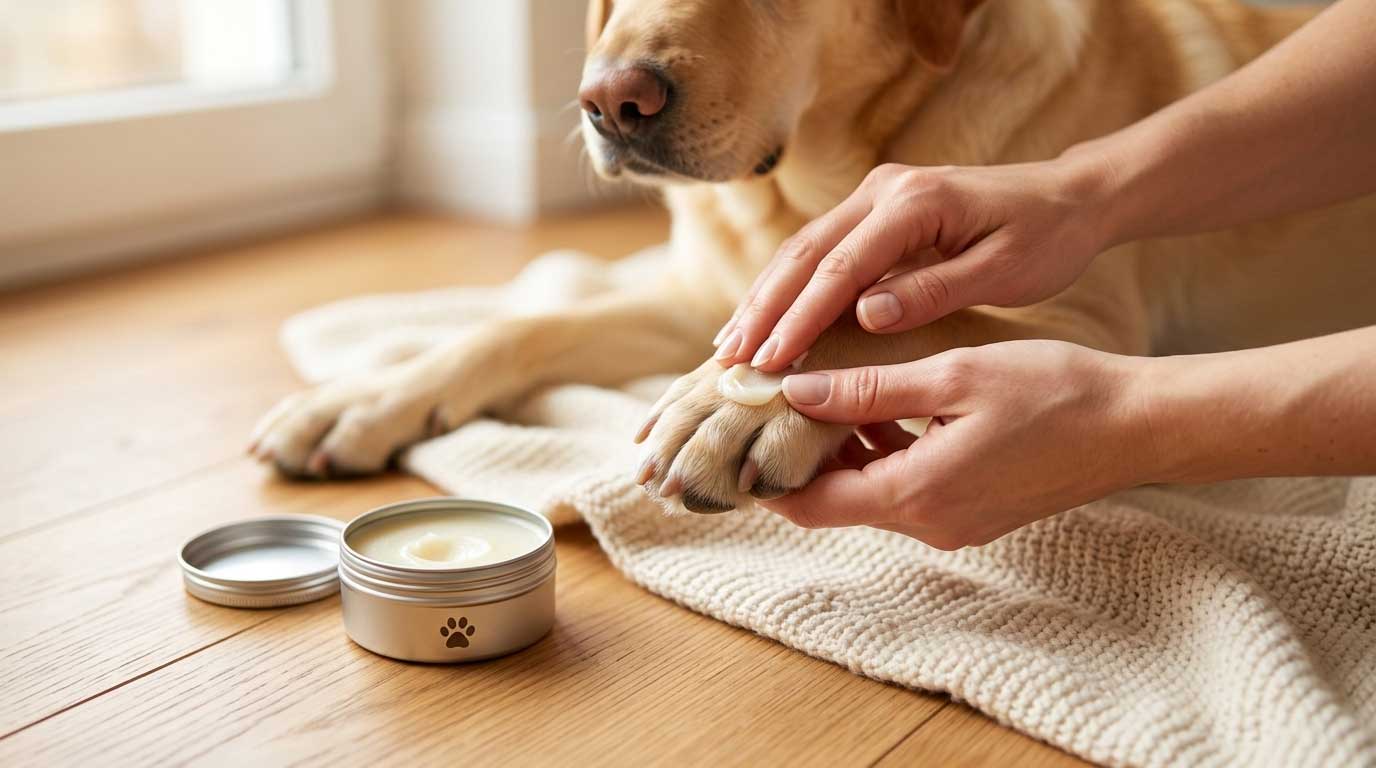
Home Remedies (For Mild Cases Only)
- ✓Restrict activity — keep your cat in a small space, remove jump-up spots
- ✓Cool compress for 10 minutes, 2-3x daily (not ice directly on skin)
- ✓Epsom salt soak: dissolve 1 tbsp in a bowl of warm water, soak the paw 5 minutes, pat dry
- ✓Monitor temperature (normal cat temp is 100.5-102.5°F / 38-39°C)
- ✓Keep the litter box shallow-filled so walking isn't painful
- ✓Never give human painkillers (ibuprofen, aspirin, acetaminophen are all toxic)
When to Go to the Vet
Go within 24 hours if: swelling doesn't improve in 48 hours of home rest, your cat is limping persistently, there's heat or discharge, your cat is off food for more than a day, or you suspect a fight wound. Go same-day if: major bleeding, obvious deformity, visible puncture with rapid swelling, or severe lethargy.
Not sure how serious the swelling is? A photo can help. Our AI cat paw checker can assess likely cause and severity in seconds.
How Bad Is That Swelling?
Upload a photo of your cat's swollen paw and get an instant AI assessment of likely cause and whether it's an emergency.
Disclaimer: This article is for informational purposes only and is not a substitute for professional veterinary advice. Always consult a licensed veterinarian for diagnosis and treatment of your pet's health conditions.