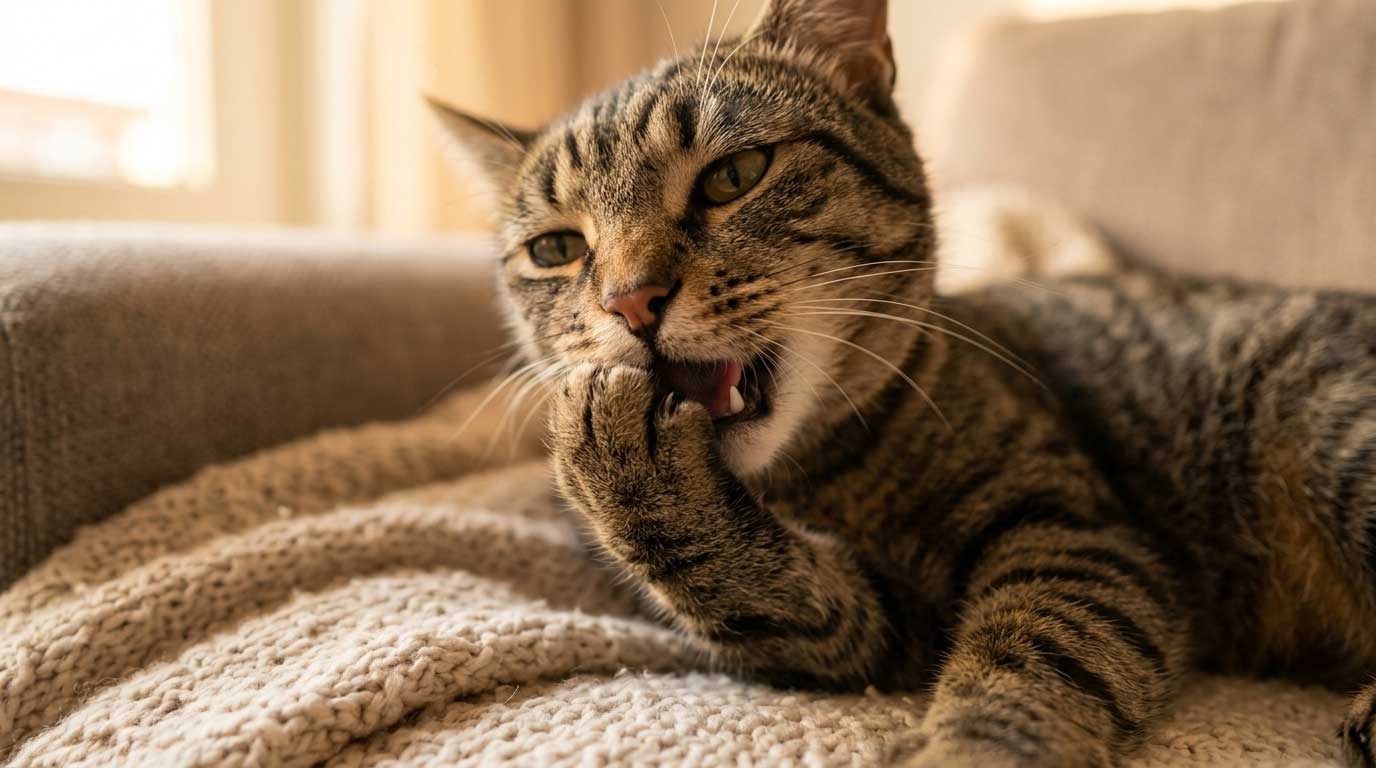
Why Do Dogs Lick and Chew Their Paws? 8 Common Causes
Why is your dog licking or chewing their paws? Here are the 8 most common causes — from allergies and yeast infections to anxiety and pain — plus what to do about each.
Published 2026-04-18
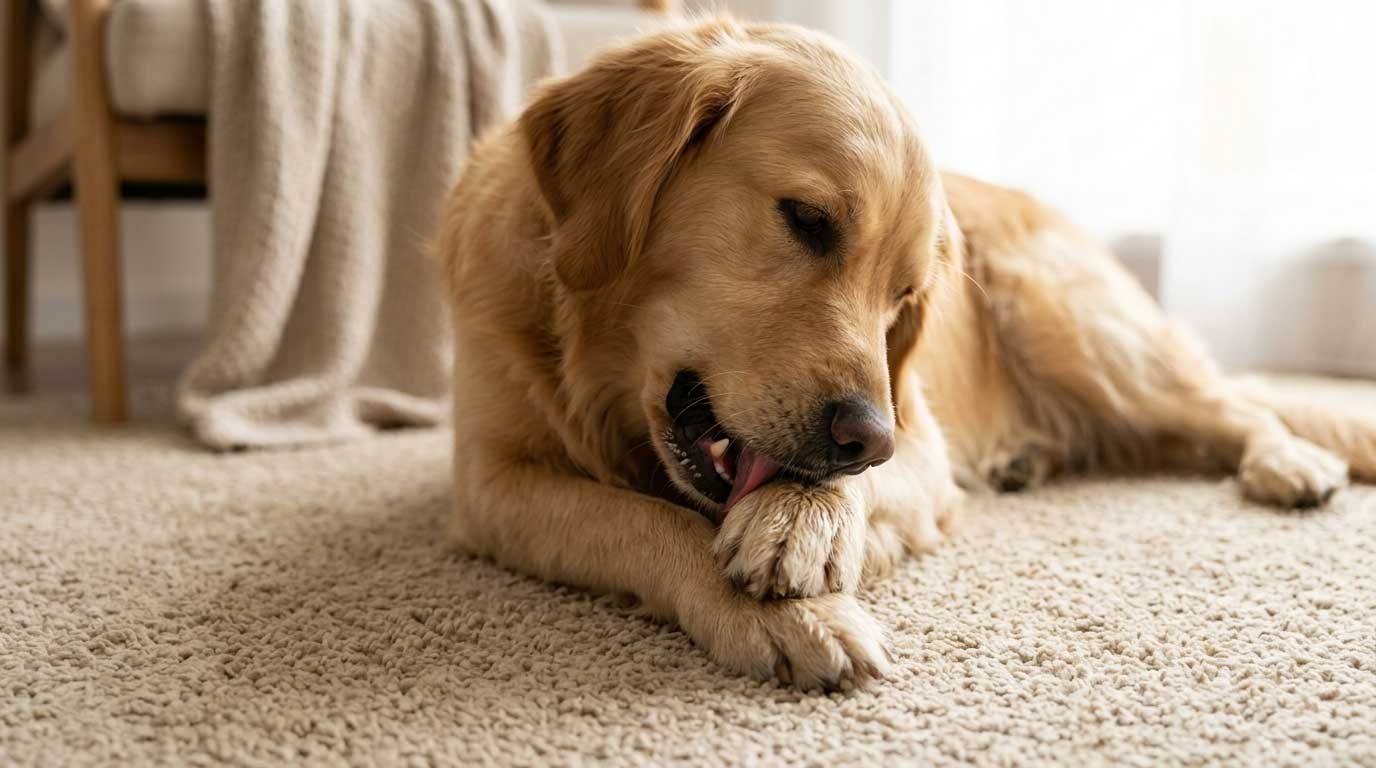
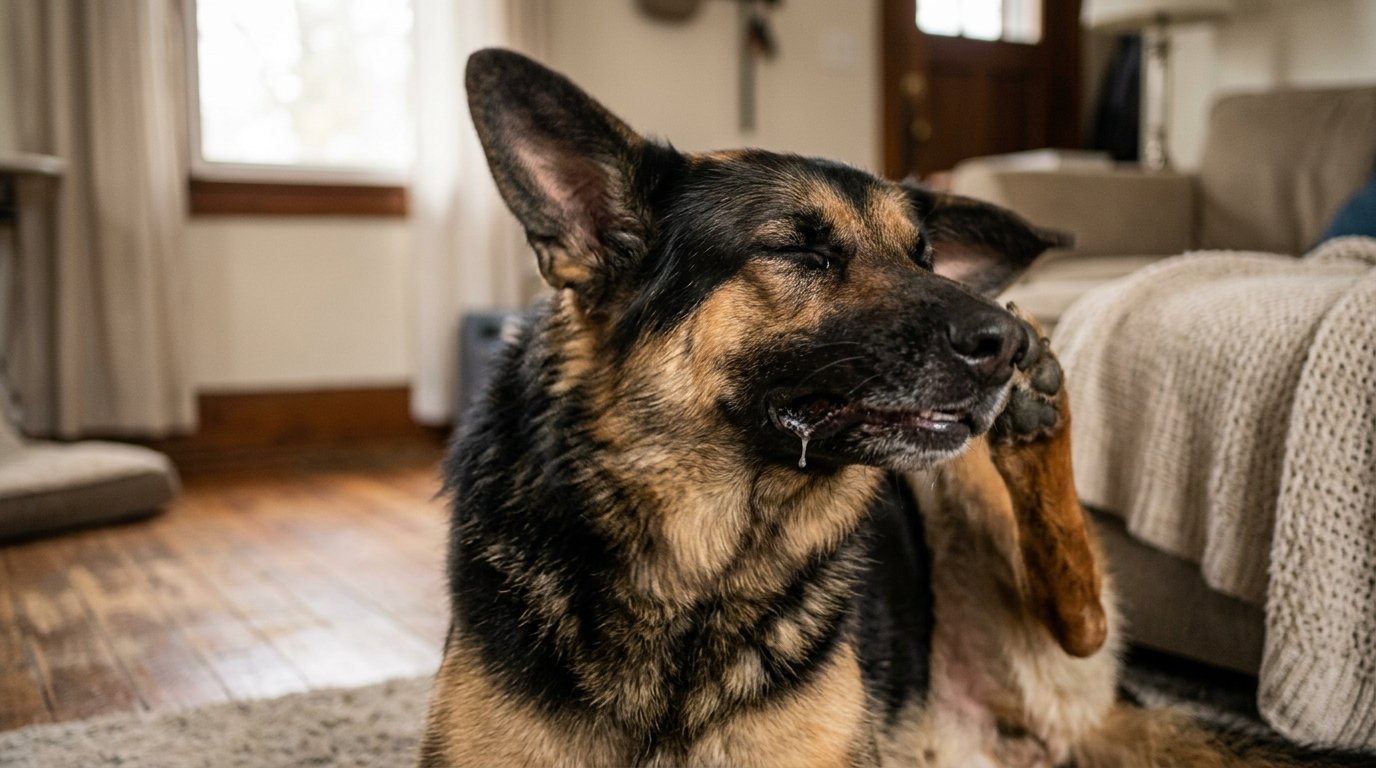
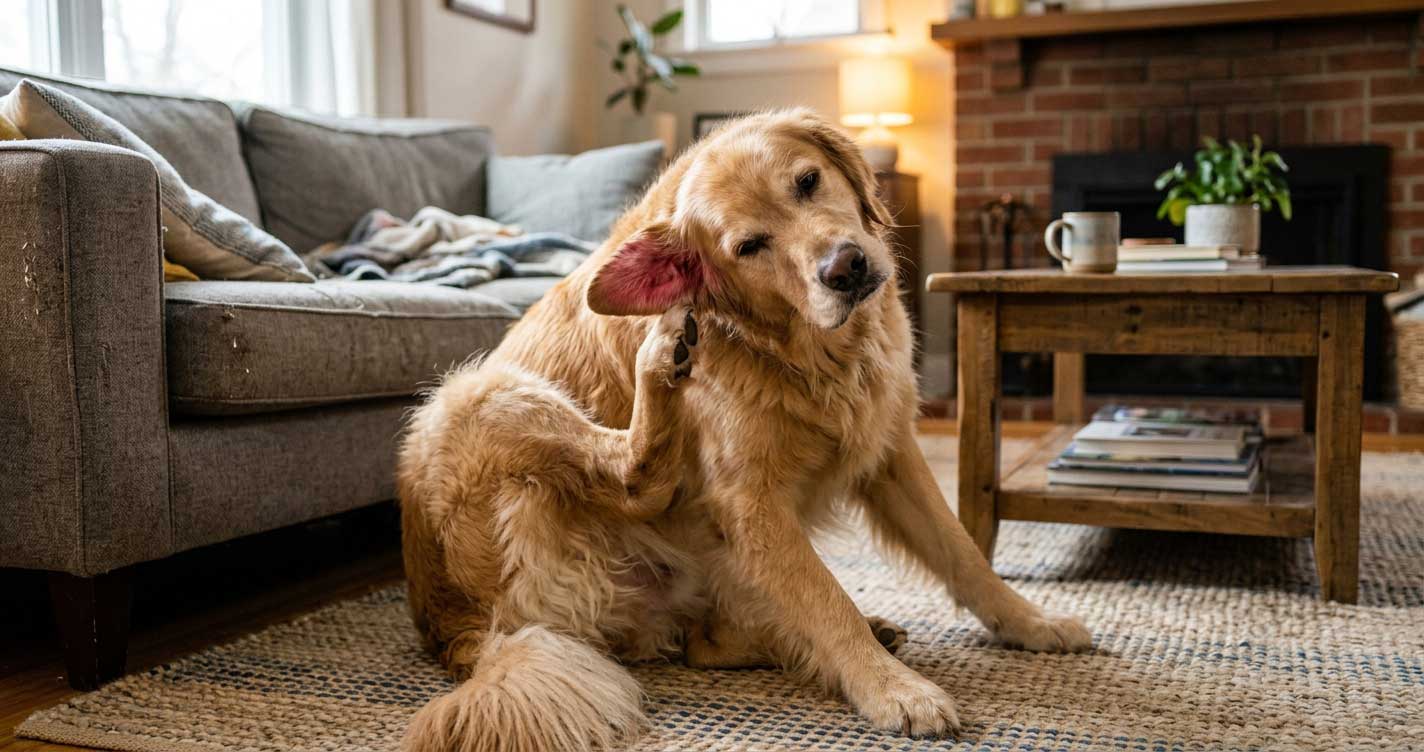
If your dog won't stop licking or chewing their paws, you're not alone — paw licking is one of the most common behavioral and medical issues dog owners report. Occasional licking is normal grooming. But constant, obsessive licking (especially to the point of wet fur, red skin, or raw spots) is always a sign that something is wrong. The tricky part: there are at least 8 different causes, and the fix depends entirely on which one applies.
Here's how to figure out what's going on.
1. Allergies (The #1 Cause)
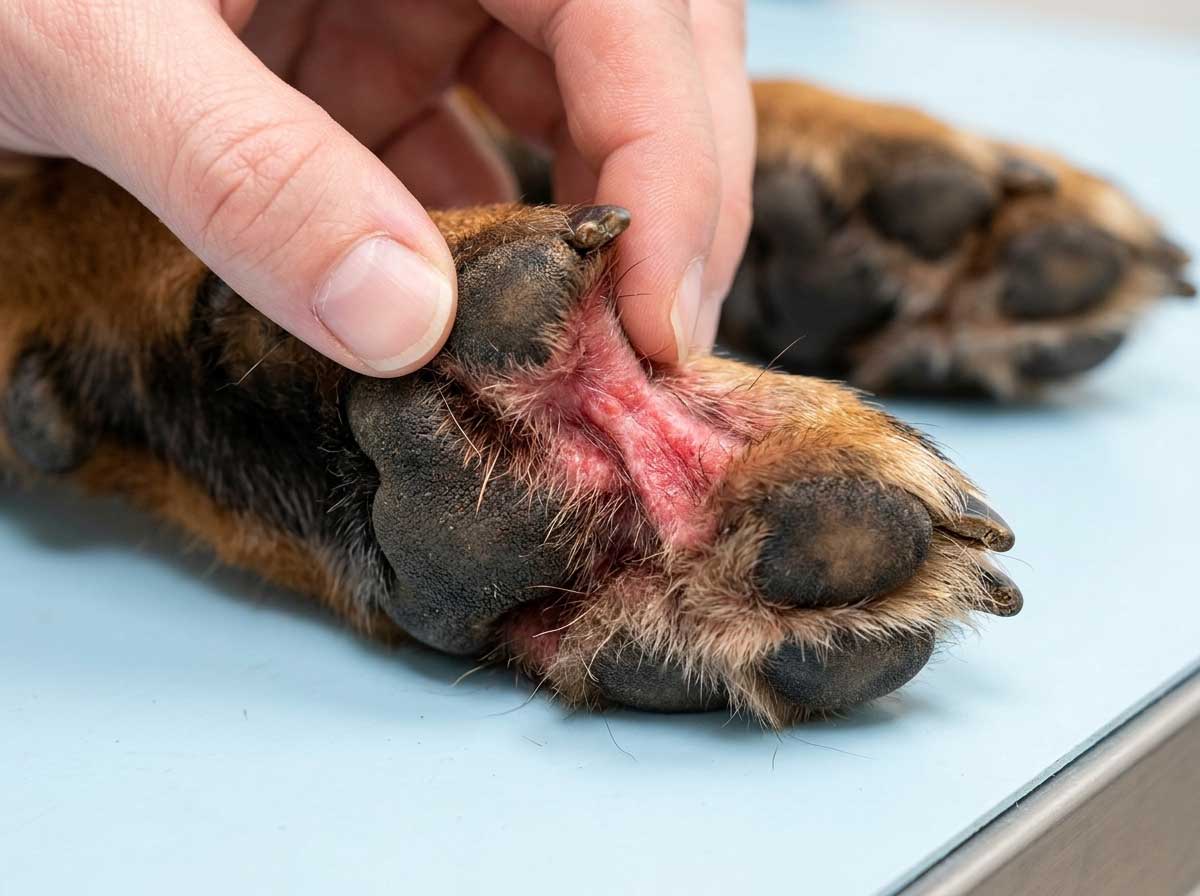
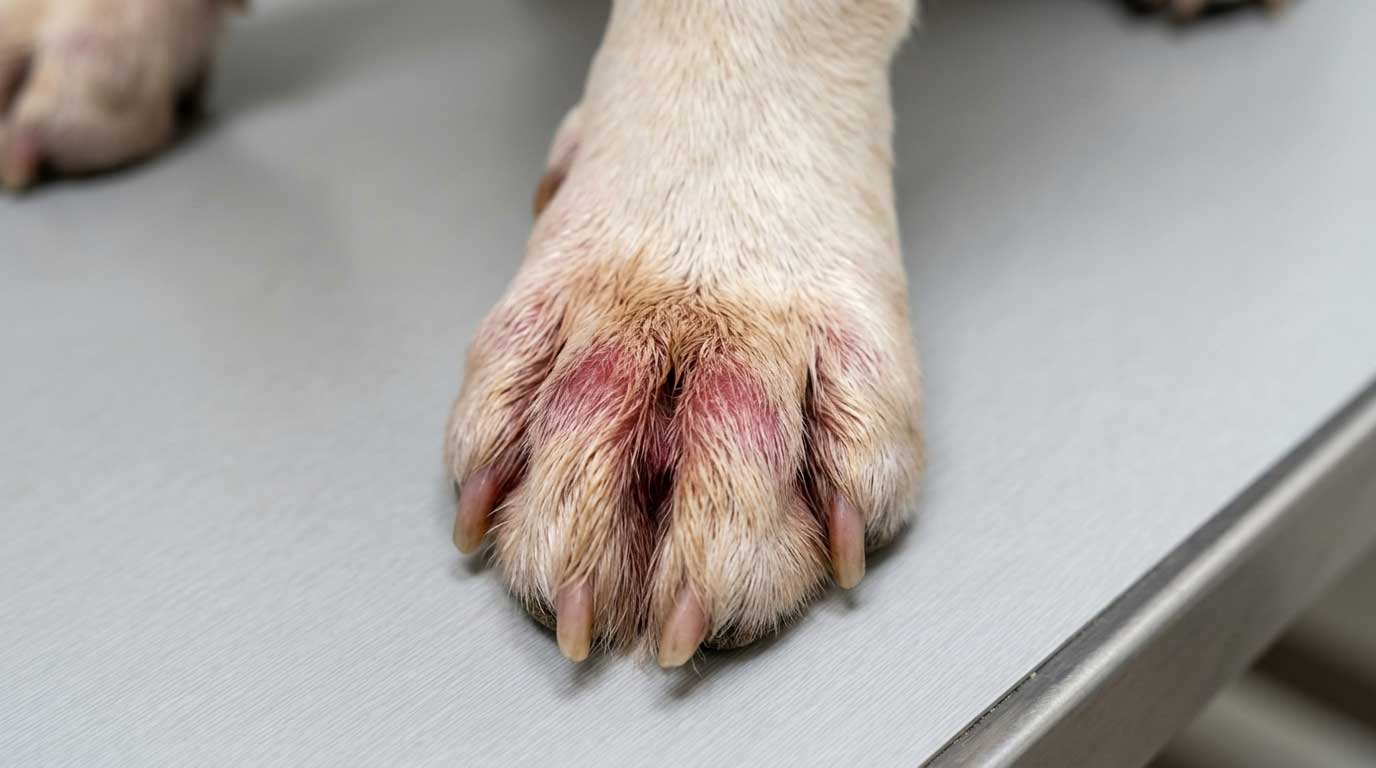
Environmental, food, and contact allergies are the single most common reason dogs lick their paws. The paws are often the first place allergy symptoms show up because they come in direct contact with grass, pollen, dust, and cleaning products. Allergic dogs will typically lick all four paws (not just one), have red, sometimes swollen skin between the toes, and may also have itchy ears, belly, or armpits. If the licking is seasonal (worse in spring/summer), environmental allergies are likely. If it's year-round with digestive issues, suspect food allergy.
2. Yeast Infection (Malassezia)
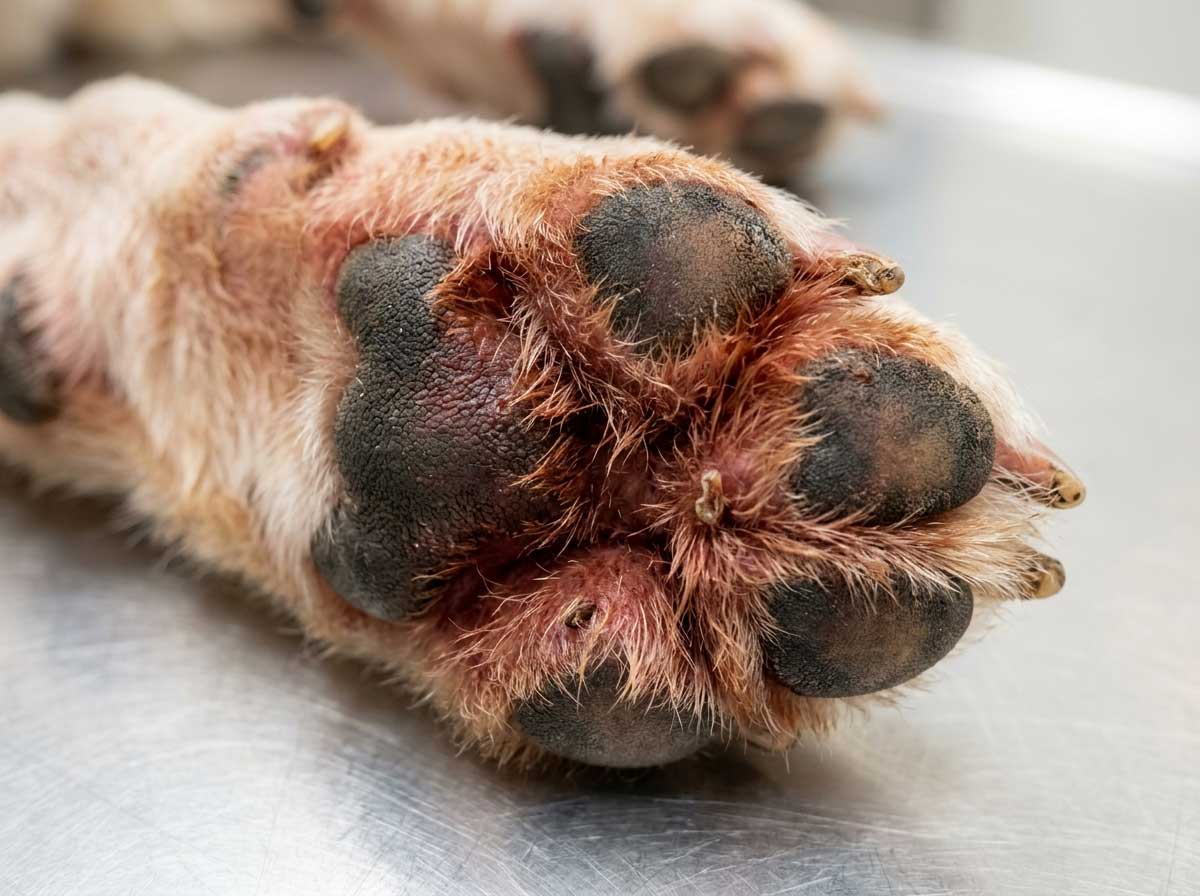
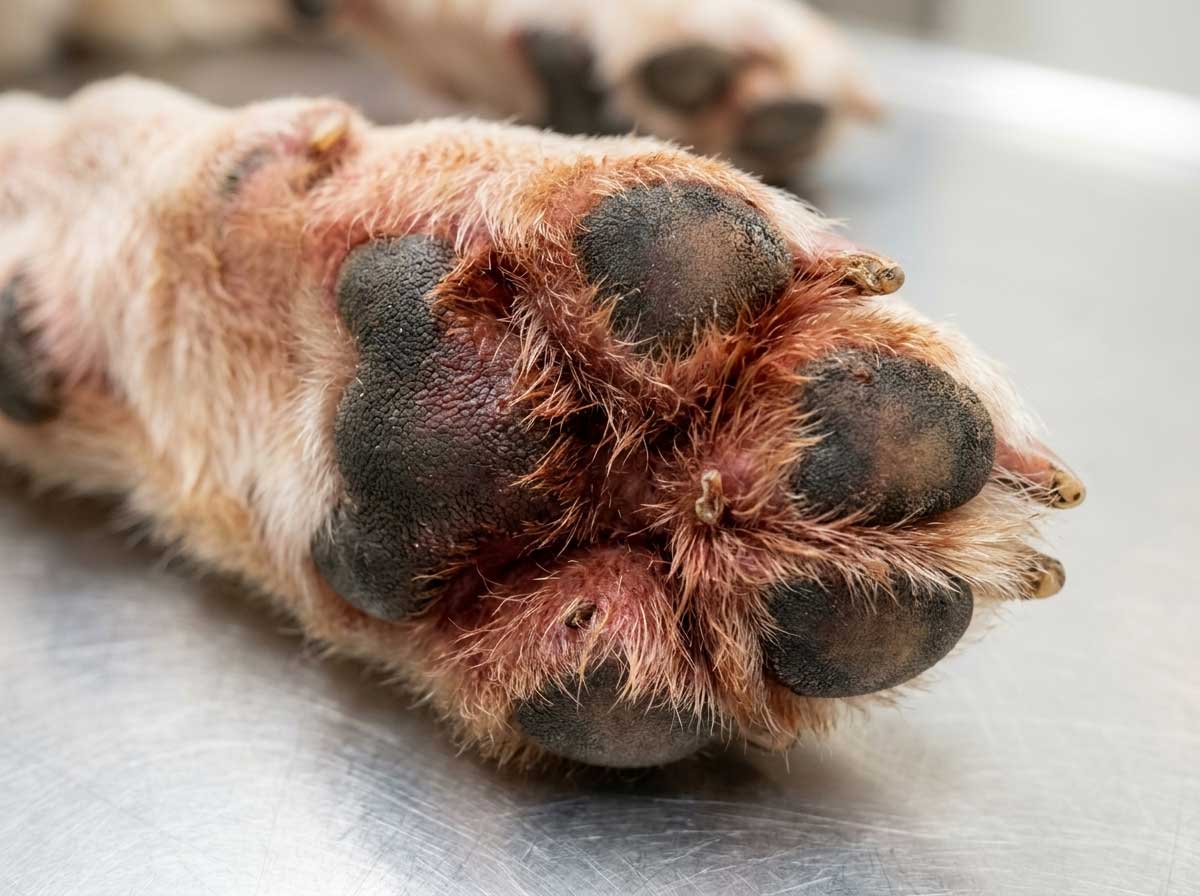
Yeast overgrowth between the toes produces a distinctive musty, "corn chip" or "Frito foot" smell — it's unmistakable once you know it. You'll also see red-brown staining on the fur between the toes (from saliva + yeast), greasy or waxy residue on the skin, and thickened, darkened pad skin in chronic cases. Yeast thrives in warm, moist environments — which is exactly what a constantly-licked paw becomes. This is why allergies and yeast infections often go together: allergies cause itching, dog licks, licked paw becomes yeasty, yeast causes more itching, vicious cycle.
3. Bacterial Infection
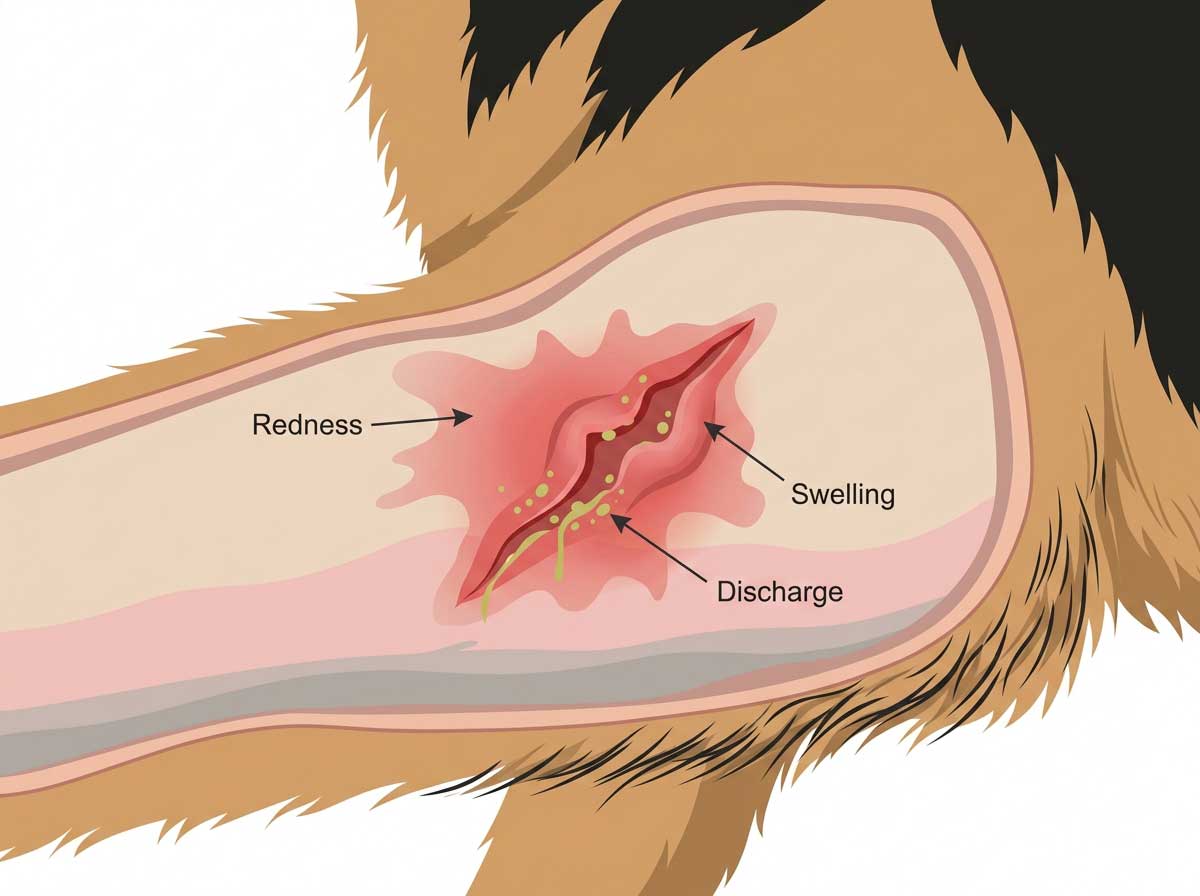
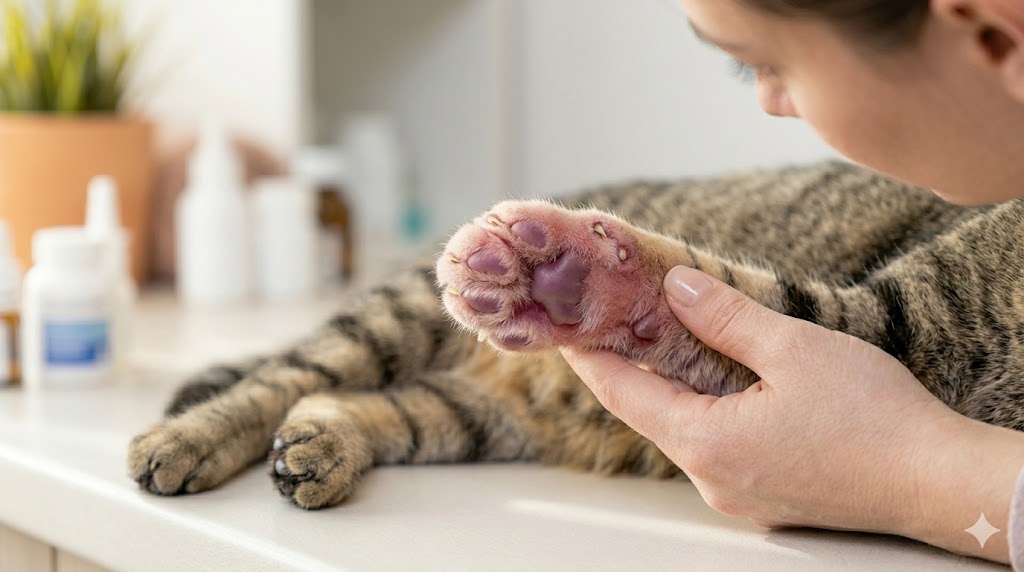
Broken skin from constant licking can get infected with bacteria. Signs: red, swollen, sometimes weepy skin, yellow or greenish discharge, a foul smell different from the yeast corn-chip smell, and warmth to the touch. Bacterial infections usually need oral antibiotics from a vet — topical creams alone often aren't enough to clear them.
4. Something Stuck Between the Toes
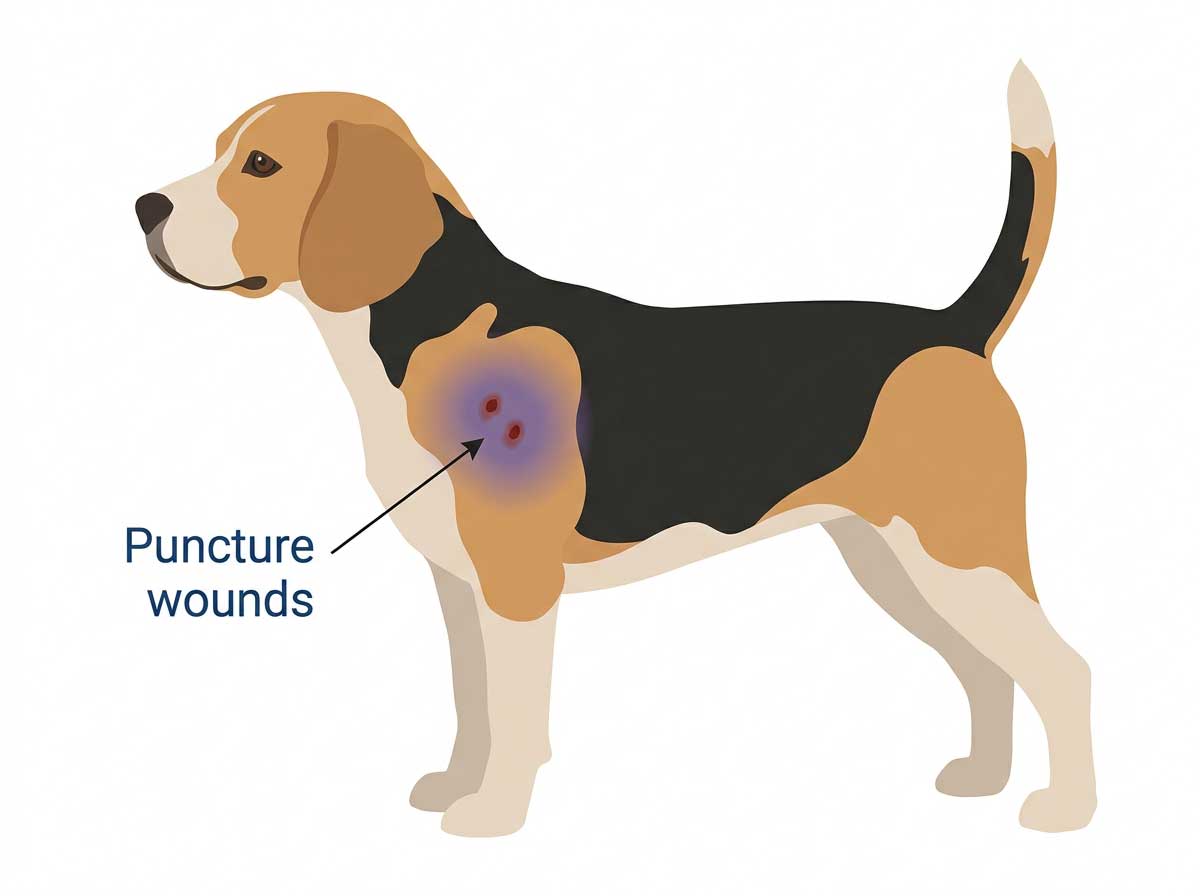
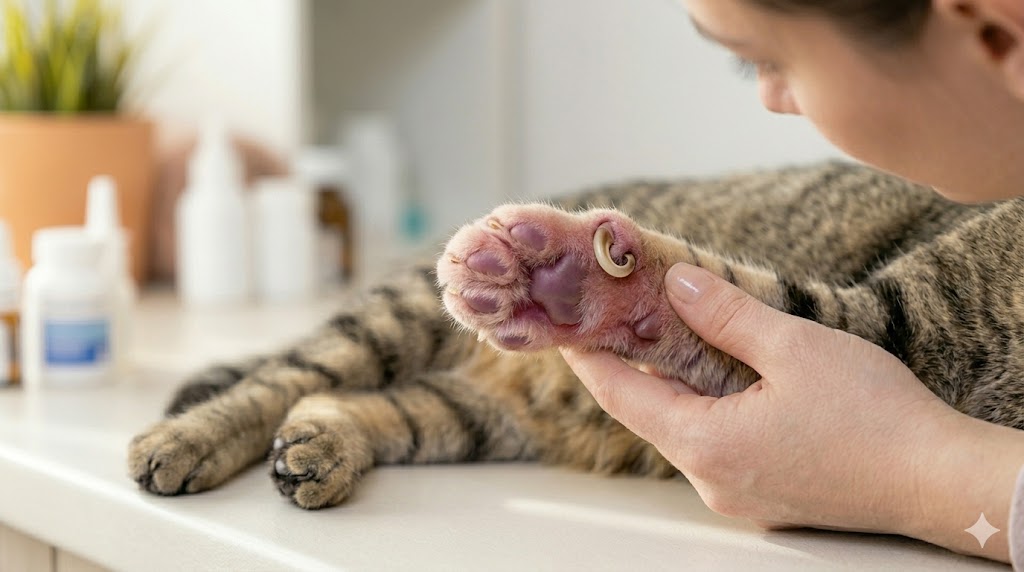
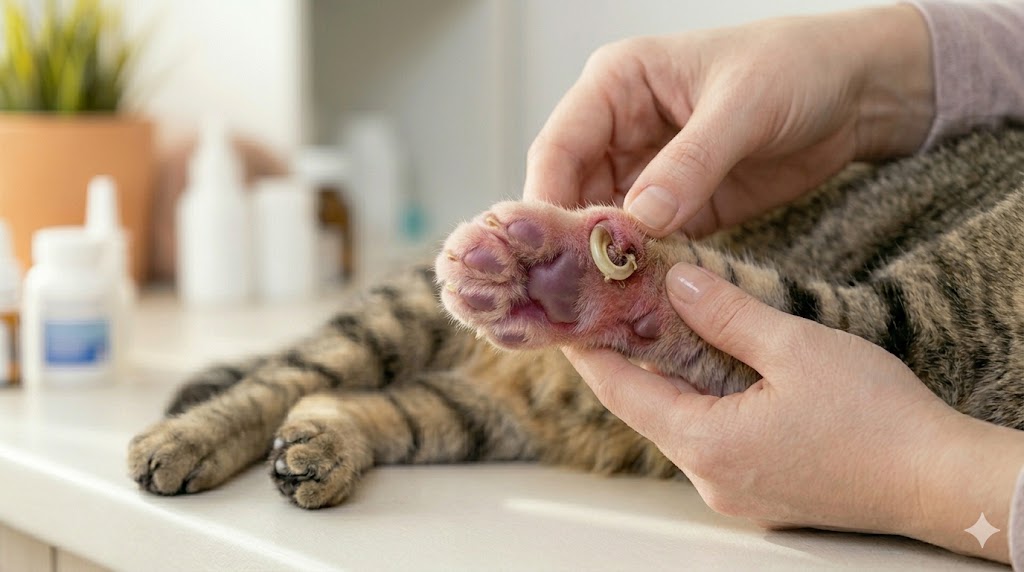
If your dog is suddenly licking one specific paw, look carefully between the toes. Common culprits: grass awns or foxtails (these can burrow into skin), small rocks or gravel, splinters, ice balls in winter, and matted fur. Foxtails are especially dangerous — they have barbed tips that migrate under the skin and cause abscesses. If you see a small entry wound, swelling, or your dog yelps when you touch one specific spot, get to a vet.
5. Paw Injury or Pain
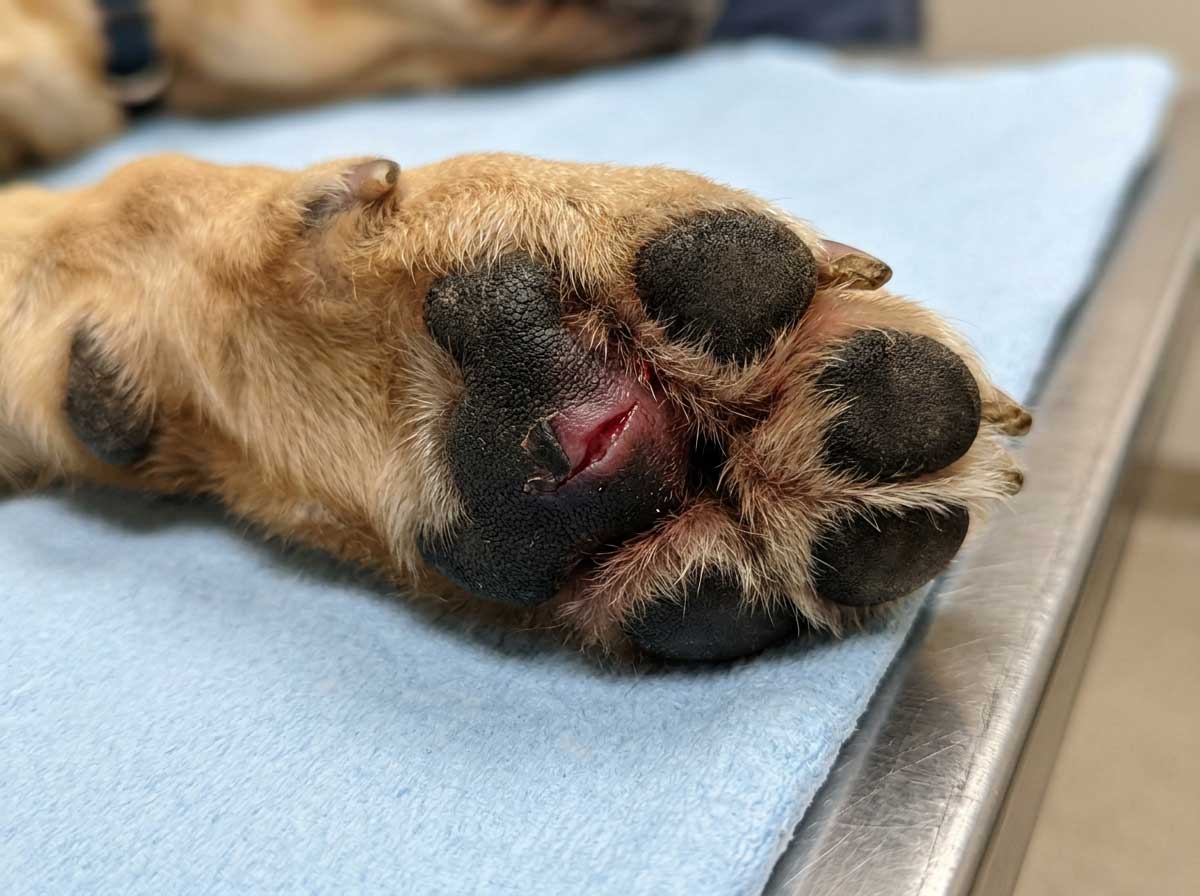
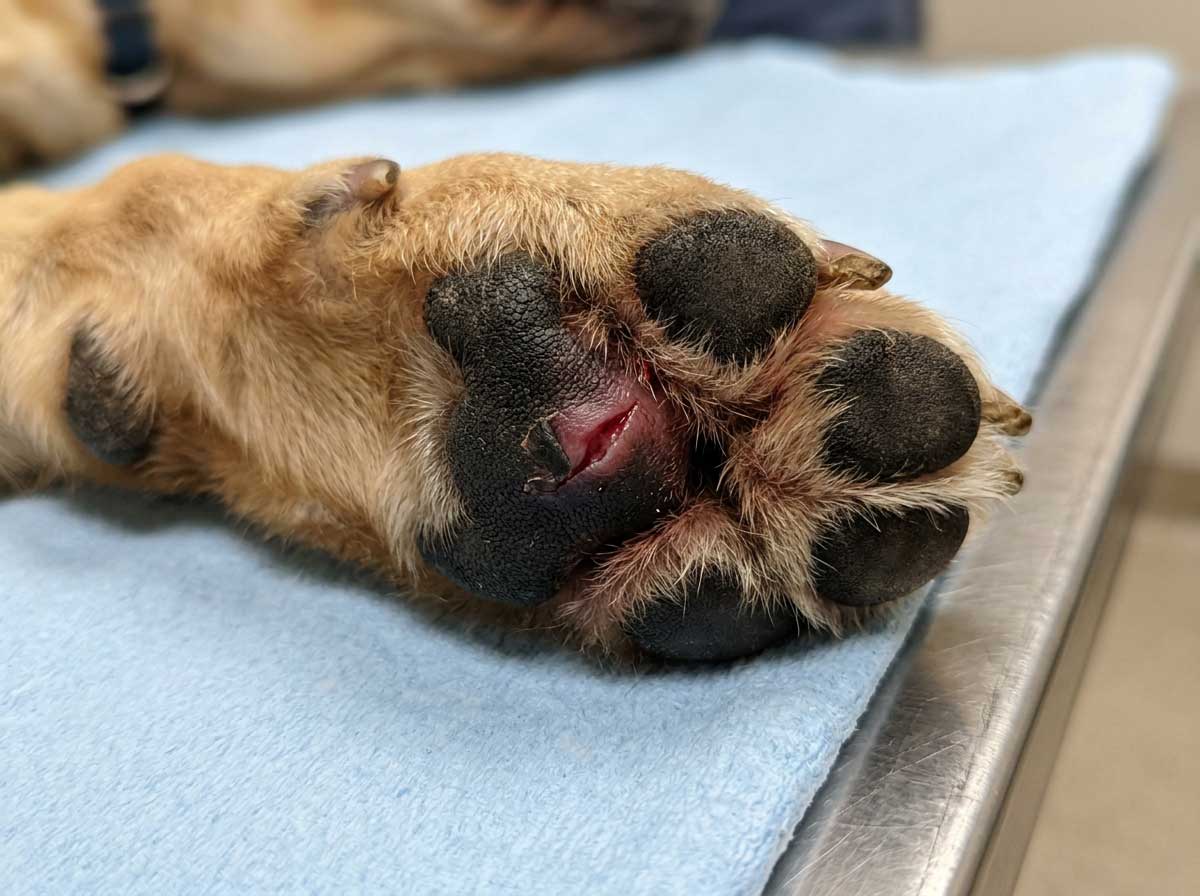
Dogs often lick to soothe pain — from cut pads, cracked pads, broken nails, bee stings, or burns (hot pavement in summer is a big one). Look for visible wounds, swelling, or a specific paw they're favoring. Arthritis in older dogs can also cause foot-area licking, especially after exercise. If licking appeared suddenly and targets one paw, injury is the first thing to check.
6. Anxiety, Stress, or Boredom
Some dogs develop compulsive licking the way humans bite their nails — it's a self-soothing behavior. This is called "acral lick dermatitis" or "lick granuloma" when it creates a raised, hairless sore on the paw or lower leg. Signs it's behavioral: the dog licks the same exact spot repeatedly, there's no underlying redness or infection at first, licking increases when left alone or when stressed, and medications for anxiety sometimes help. Behavioral licking often needs a combination of medical treatment (to break the cycle) and environmental enrichment.
7. Dry Skin or Dry Paw Pads
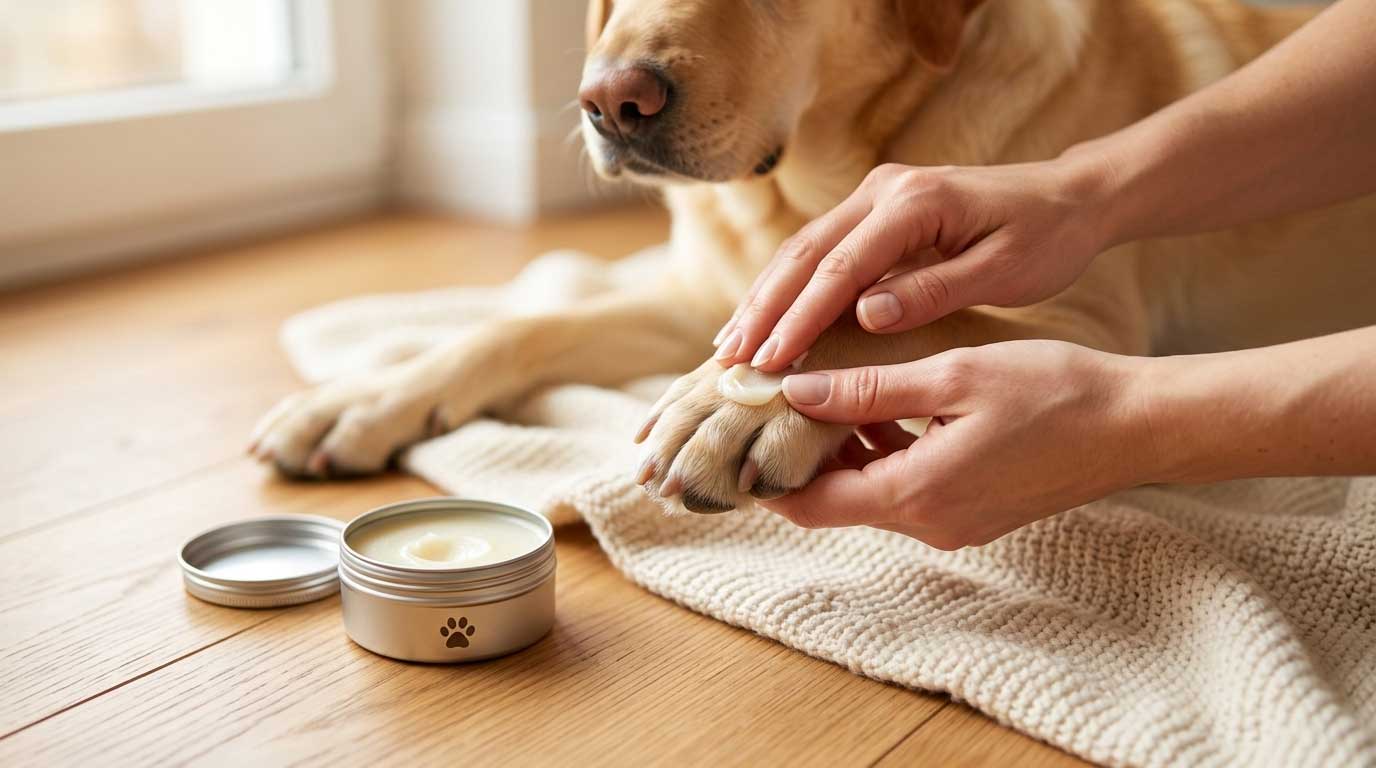
In winter or dry climates, cracked or dry paw pads can itch and feel uncomfortable. Dogs lick to moisturize — but saliva actually dries skin out further, making it worse. Paw balm applied 1-2 times per day is usually the fix. Hyperkeratosis (a condition causing excess keratin buildup on paws) can also cause chronic dry pad licking.
8. Hormonal or Systemic Disease
Less common, but worth knowing: hypothyroidism, Cushing's disease, and other hormonal imbalances can cause skin issues that lead to paw licking. These usually come with other symptoms — weight gain, hair loss, excessive thirst, lethargy. If paw licking started alongside other health changes, mention it to your vet.
When to Worry
See a vet within a few days if your dog has any of these:
- ✓Licking is constant and interferes with sleeping or eating
- ✓Paws are red, swollen, bleeding, or have discharge
- ✓There's a strong smell (yeast, bacteria, or rotting)
- ✓You see a raw, hairless sore that keeps getting bigger
- ✓Your dog is limping or reluctant to walk
- ✓Licking started suddenly after a walk (possible foreign body)
- ✓Home remedies haven't helped in 1-2 weeks
How to Figure Out What's Causing It
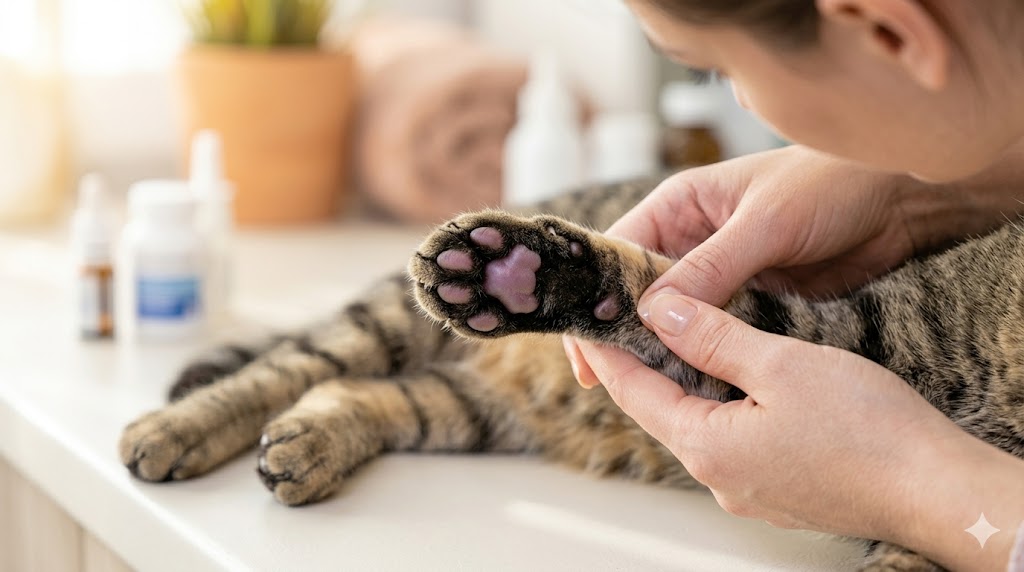
A photo is worth a thousand words when it comes to paw problems. Our AI Dog Paw Checker can analyze a close-up photo and help identify likely causes — infection type, injury, or visible signs of allergies — so you know whether home care will work or if a vet visit is needed. It's a quick first step before spending on an office visit.
Not Sure Why Your Dog Is Licking Their Paws?
Upload a photo of the paw and get an instant AI assessment of likely causes — infection, injury, allergies, or more.
Disclaimer: This article is for informational purposes only and is not a substitute for professional veterinary advice. Always consult a licensed veterinarian for diagnosis and treatment of your pet's health conditions.