Dog Paws Red Between Toes: Causes & Home Remedies

Redness between your dog's toes usually means one of five things — allergies, yeast, infection, foreign body, or a cyst. Here's how to tell which, plus what to do.

Published 2026-04-18
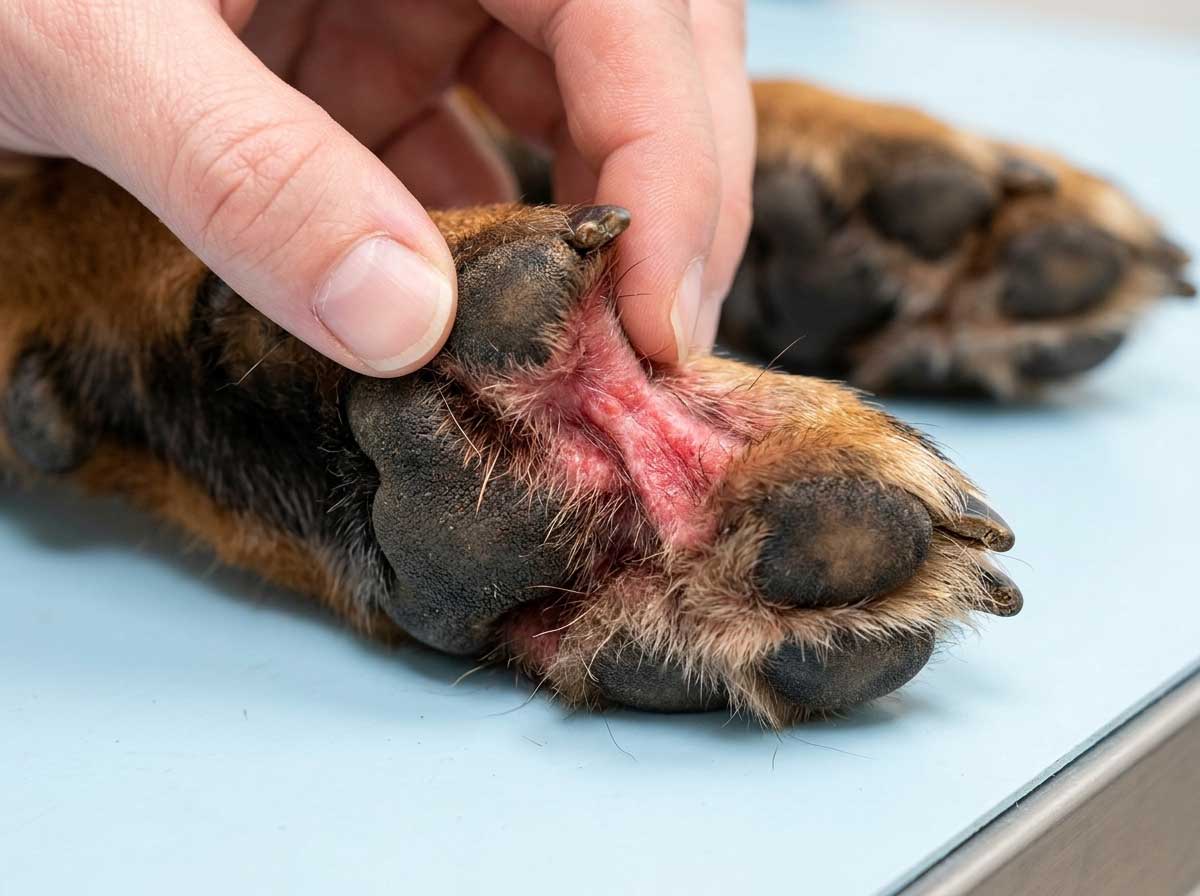
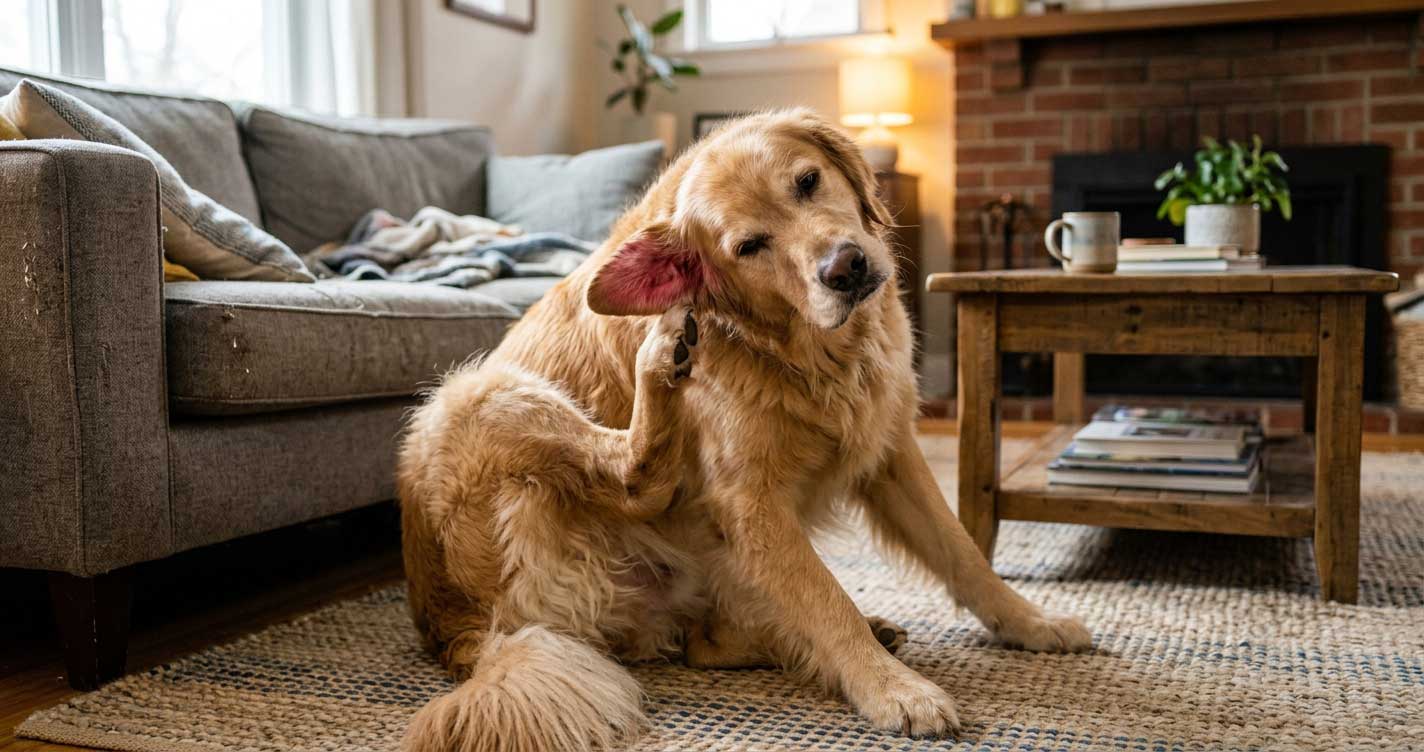
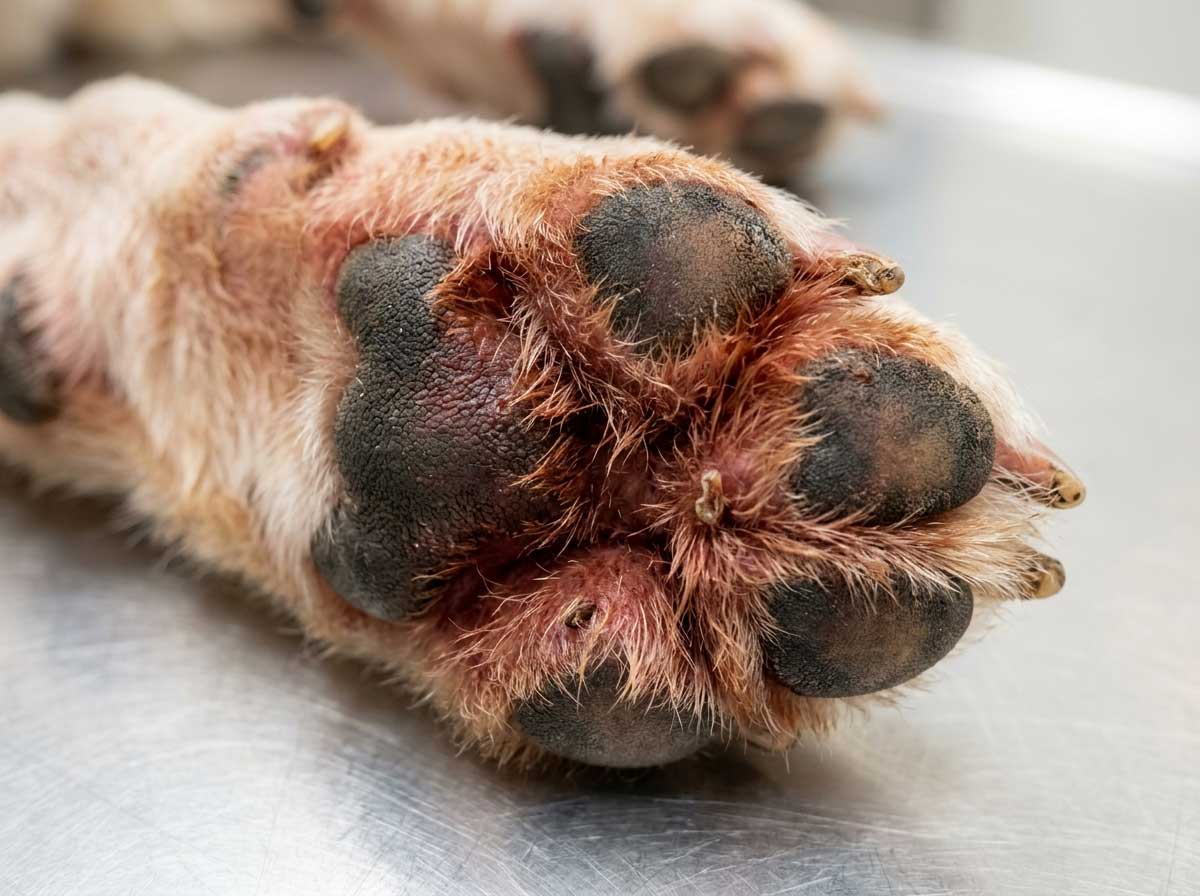
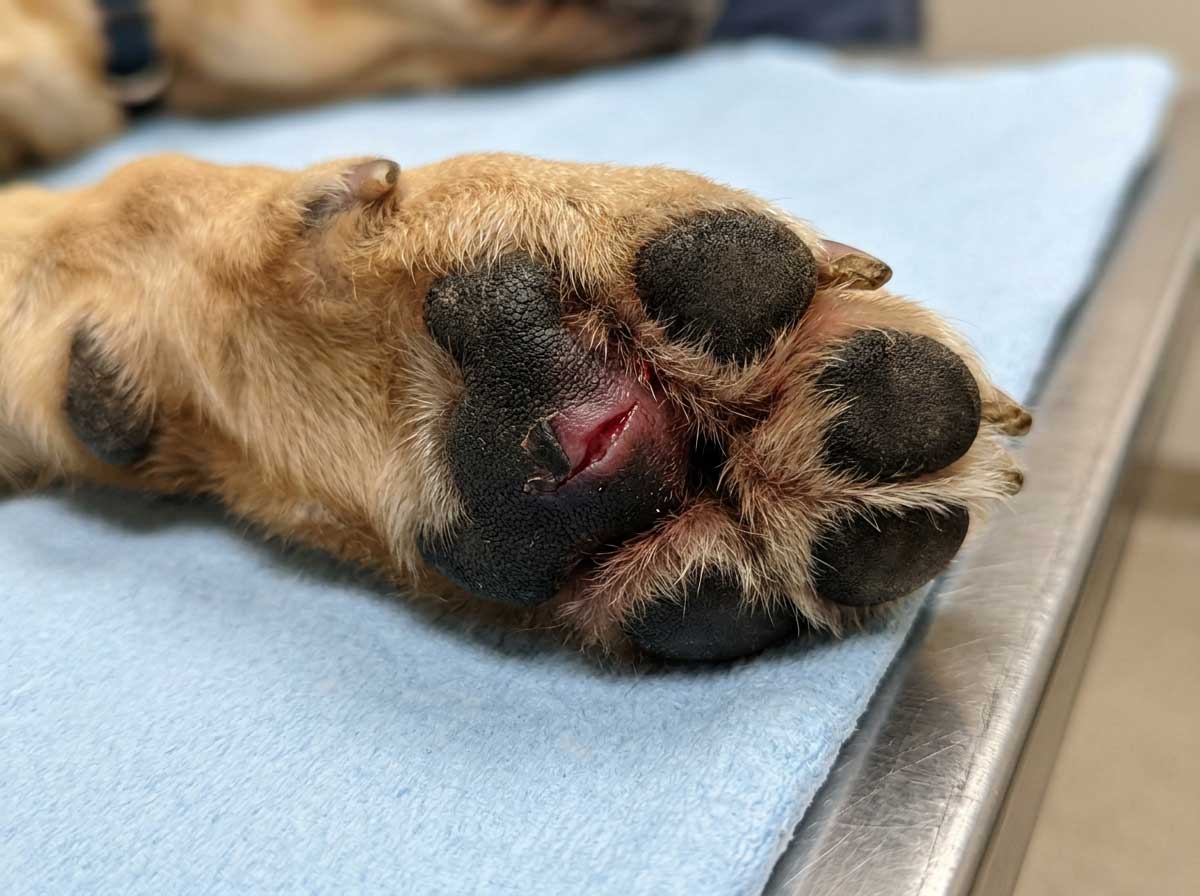
Close-up of red inflamed skin between a dog's toes

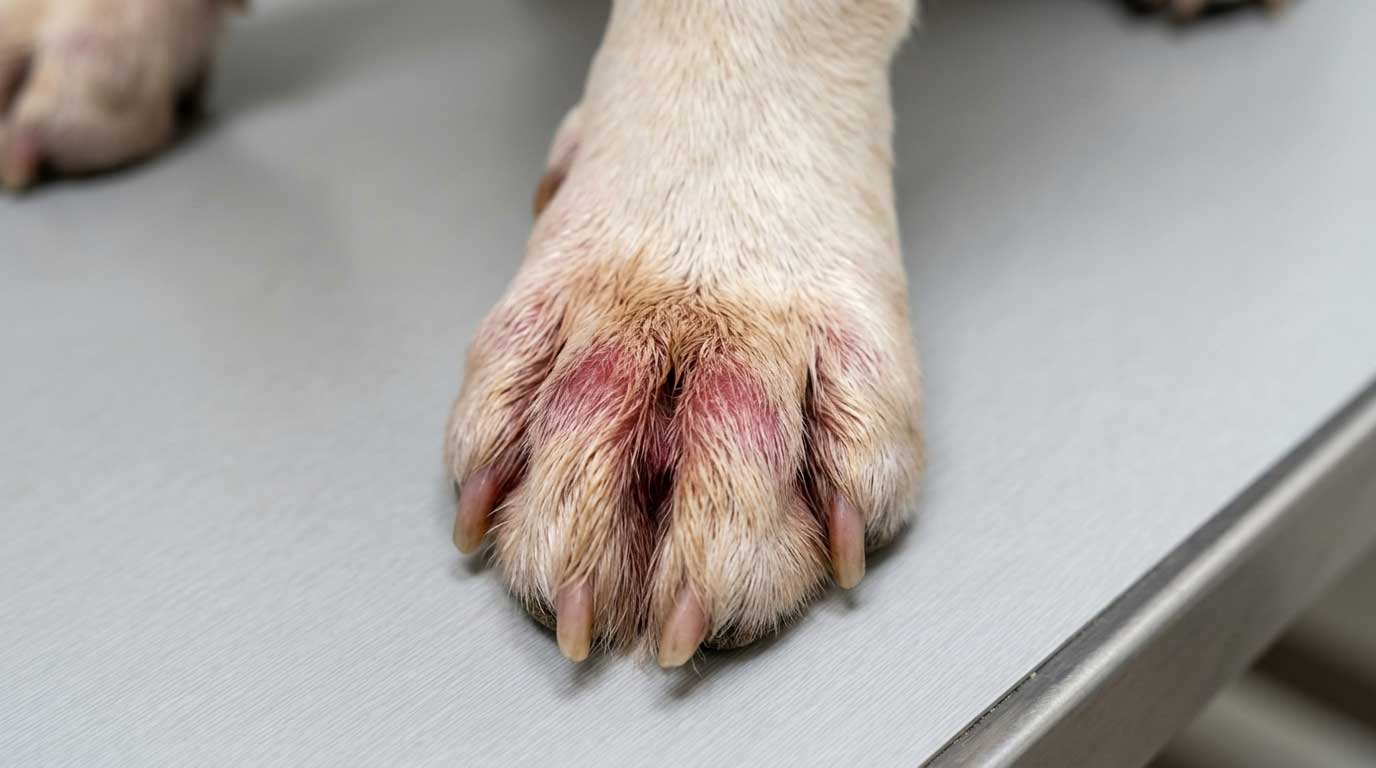
If you spread your dog's toes and see pink, red, or inflamed skin between them, you've spotted one of the most common dog paw problems — and one of the most frustrating, because the same visible redness can have completely different causes. Getting the cause right is what makes treatment work.

The 5 Main Causes of Red Skin Between Dog Toes

1. Allergies (Environmental or Food)

The most common cause by far. Environmental allergens (grass, pollen, mold, dust mites) land on the paws during walks and trigger inflammation in sensitive dogs. Food allergies can cause the same picture, but they tend to be year-round and often include digestive issues. Allergic redness is usually symmetric — similar on all four paws — and gets worse after walks. Dogs will lick, chew, and sometimes develop secondary yeast or bacterial infections on top.

2. Yeast Infection

Yeast overgrowth shows redness plus a distinctive musty smell, red-brown fur staining, and greasy skin. This is a secondary problem that builds on top of constant licking (usually caused by allergies). If your dog's paws smell like corn chips, yeast is involved.

3. Bacterial Infection (Pododermatitis)

When licking breaks the skin, bacteria get in. Bacterial pododermatitis shows deep red, sometimes raw skin, yellow or green pus, foul (not musty) smell, and significant pain. It often requires oral antibiotics — topical treatment alone rarely clears it.

4. Foreign Body (Grass Seed, Splinter, Foxtail)

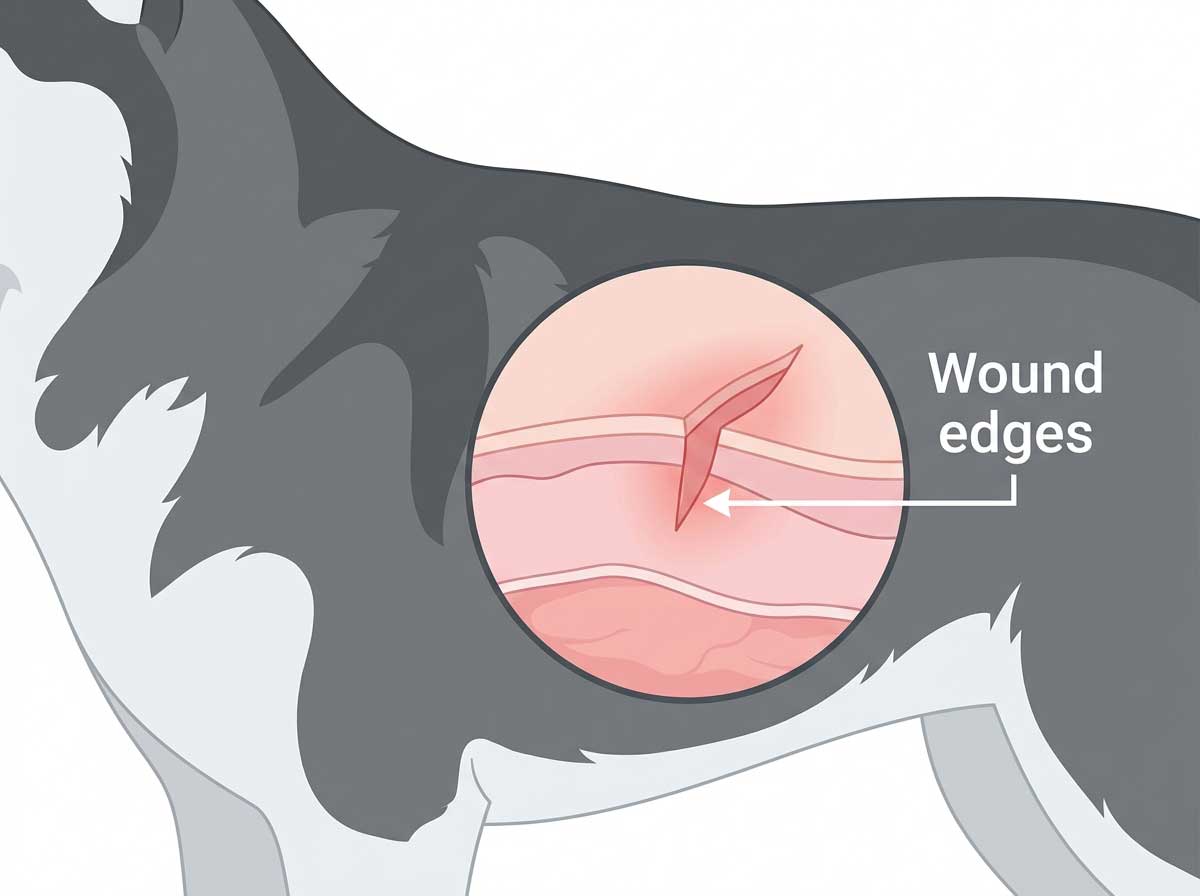
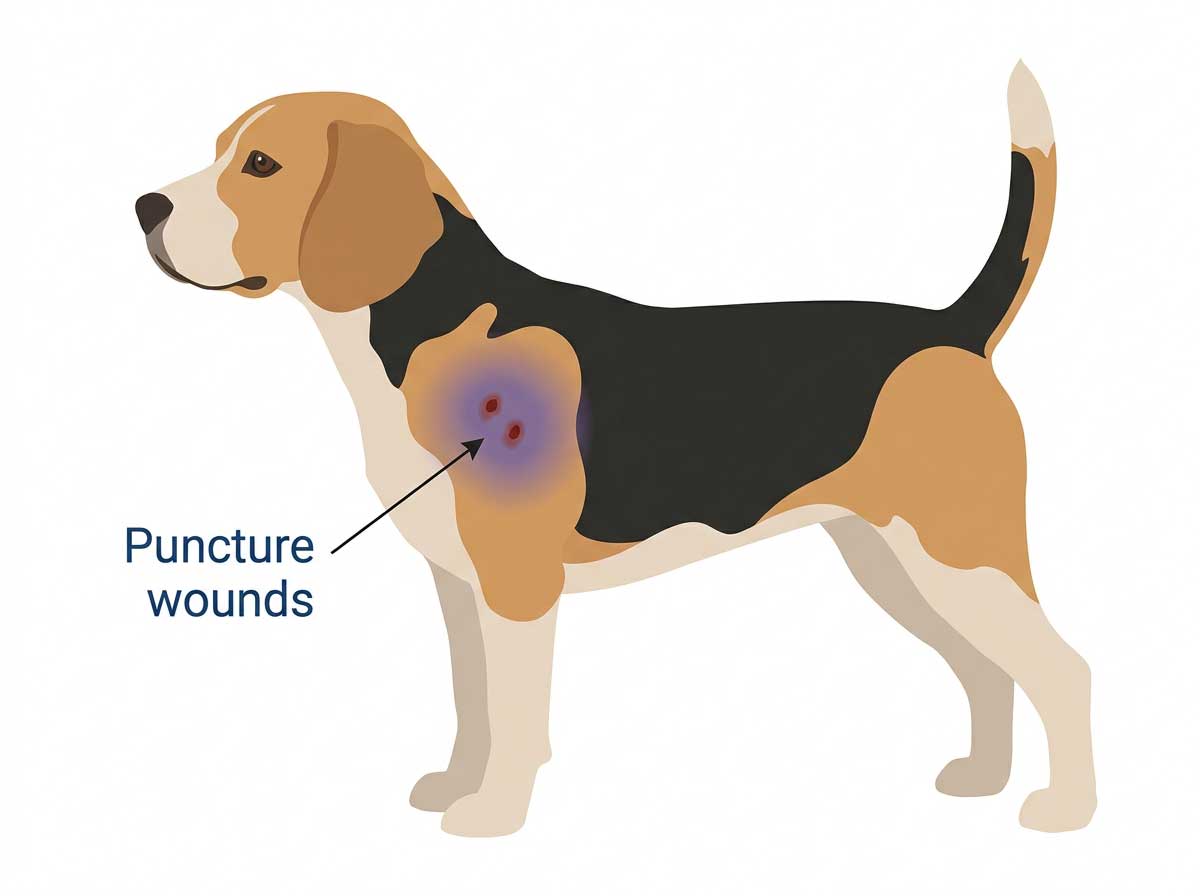
If only one paw is red — especially between one specific set of toes — suspect something stuck. Grass awns (foxtails) are particularly dangerous because they burrow under the skin and migrate. Look for a small swollen spot, a puncture mark, or a bump that wasn't there before. Your dog may yelp when you touch that specific spot.

5. Interdigital Cyst or Furuncle

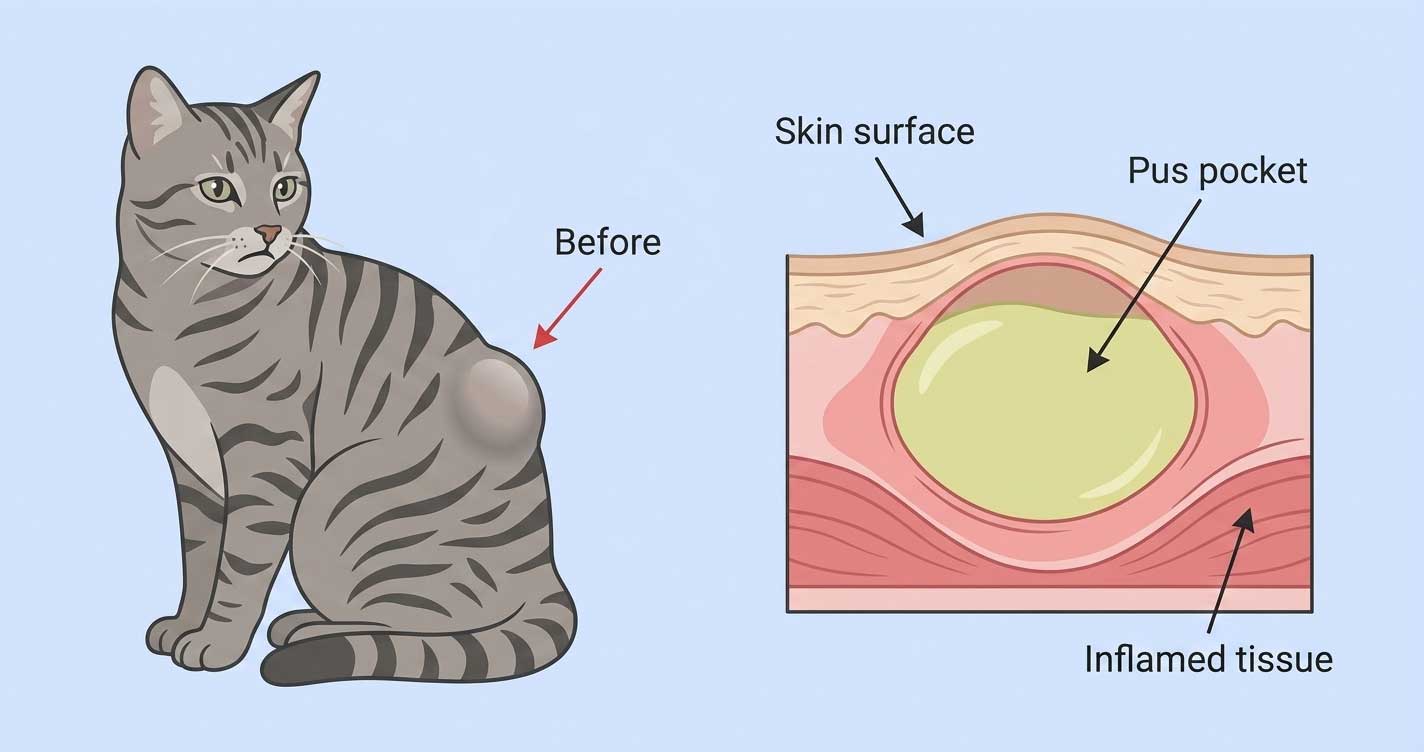
A raised, red, painful lump between the toes — usually one at a time. These are inflamed hair follicles that can be sterile (inflammatory) or infected. Chronic cases often need vet-prescribed antibiotics or even laser treatment. Home care alone rarely resolves them.

Home Remedies for Red Between Toes (Mild Cases)

If the redness is mild, your dog isn't in pain, and you don't see discharge, a lump, or a smell, these home remedies often help:

Daily Foot Soaks

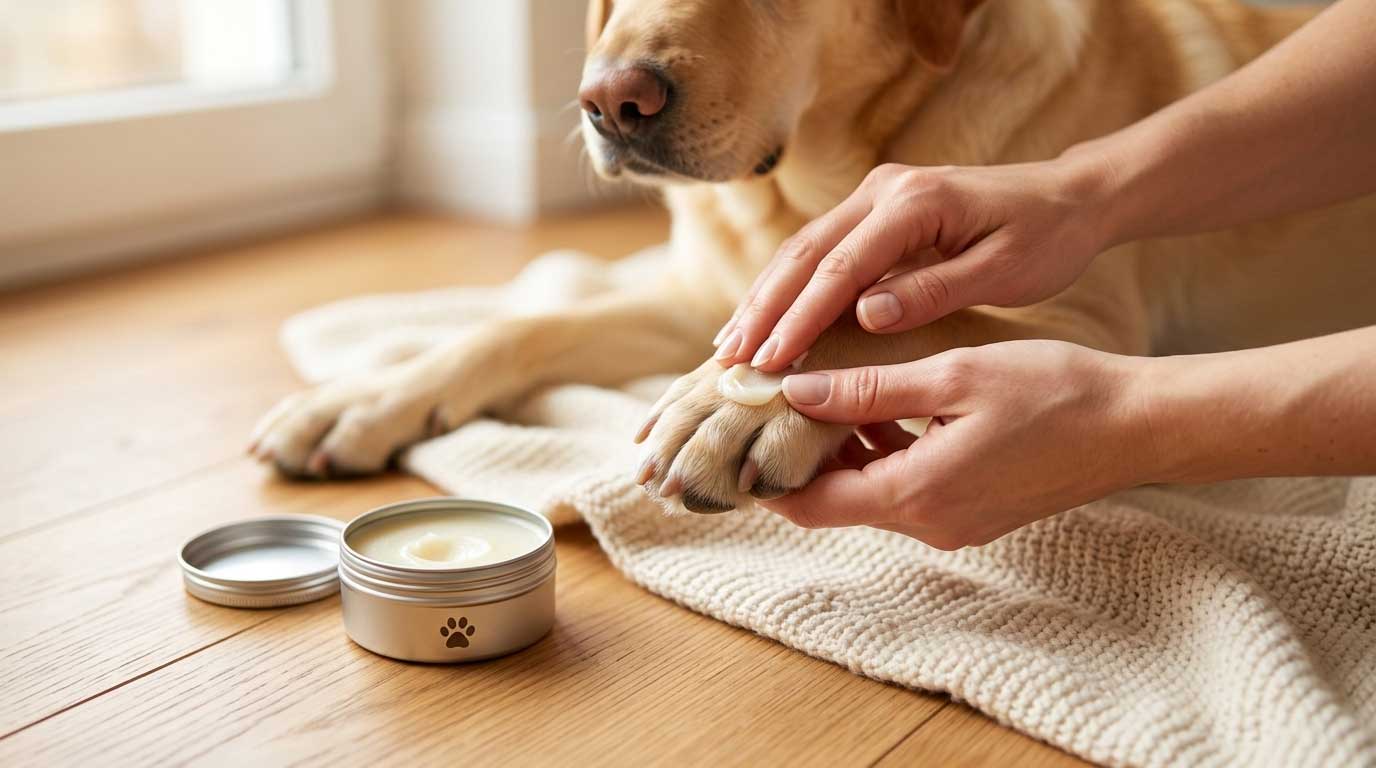
Povidone-iodine or chlorhexidine diluted soaks (5 minutes, 1-2x daily) reduce bacteria and yeast, plus rinse off allergens. Epsom salt soaks help with swelling. Always dry thoroughly after — moisture worsens everything.

Post-Walk Paw Wipes

For allergy dogs, wiping paws with a damp cloth or pet-safe chlorhexidine wipe after every walk removes pollen and contact allergens before they cause inflammation. This single habit can prevent half of allergy flare-ups.

Cold Compress

Wrap a cold pack in a thin towel and hold it on the paw for 5-10 minutes to reduce acute inflammation. Useful after insect stings or contact irritation.

Prevent Licking

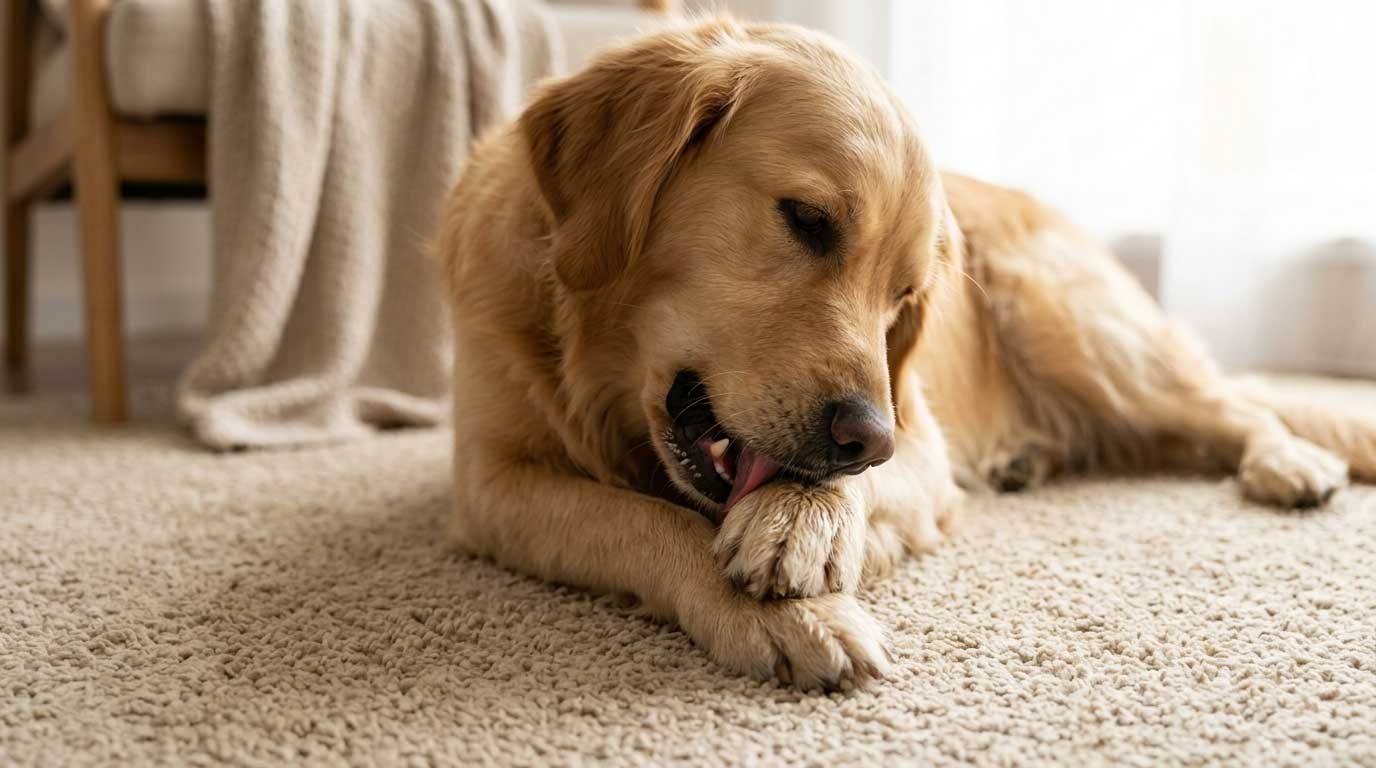
An e-collar, paw booties, or bitter-apple spray breaks the itch-lick-inflame cycle. Without this, nothing else will work — you're just feeding your dog medicated ointment.

What NOT to Do

  • Don't use hydrogen peroxide — damages healing skin and worsens irritation
  • Don't apply human lotions or creams — most contain ingredients dogs shouldn't ingest
  • Don't ignore one-paw redness — it often means a foreign body
  • Don't assume it will "just go away" — most paw redness has an underlying cause that needs treatment

When to See a Vet

Skip home remedies and go to a vet if:

  • There's a raised lump or swelling between the toes
  • You see pus, bleeding, or a wound
  • Your dog is limping or yelps when you touch the paw
  • The paw smells foul (bacterial) or intensely musty (established yeast)
  • Redness is on only one paw and appeared suddenly (possible foreign body)
  • Home treatment hasn't helped after 7-10 days
  • The redness keeps coming back after clearing

If you're not sure whether you're dealing with mild allergies (home-treatable) or something more serious (vet visit), a quick photo check can help you decide.

Not Sure What's Causing the Redness?

Upload a photo and get AI analysis of likely cause — allergies, yeast, infection, or foreign body.

Disclaimer: This article is for informational purposes only and is not a substitute for professional veterinary advice. Always consult a licensed veterinarian for diagnosis and treatment of your pet's health conditions.
More Articles

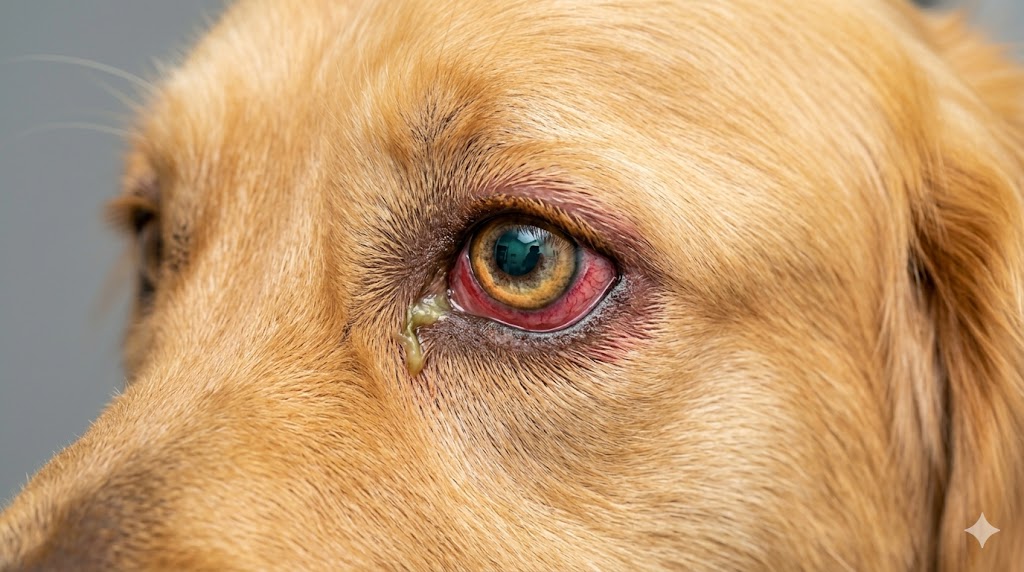
Dog eye infection showing redness and discharge in a Golden Retriever

Dog Eye Infection: Symptoms, Causes & When to See a Vet

How to identify a dog eye infection, what causes it, common types like conjunctivitis and corneal ulcers, home care tips, and when you need to see a vet.

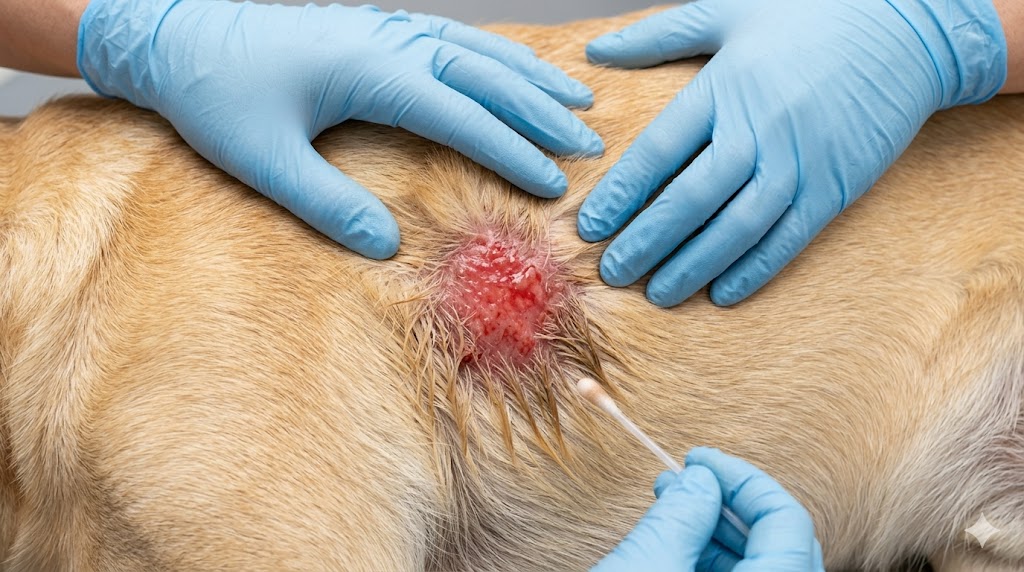
Hot spot on a Labrador Retriever showing red moist oozing skin patch

Dog Hot Spots: What They Look Like, Causes & How to Treat Them

Everything you need to know about hot spots on dogs — how to identify them, what causes them, home treatment options, and when you need a vet.

Dog ear showing brown discharge and wax buildup indicating ear problems

Why Do My Dog's Ears Smell Bad? 7 Causes and What to Do

Dogs ears smell bad for a reason. Learn the 7 most common causes of smelly dog ears, what the smell and discharge color mean, and when you need a vet.

Dermatitis on Golden Retriever belly showing red inflamed flaky skin

My Dog Has a Rash: How to Identify Common Skin Problems

Found a rash on your dog? Learn how to identify dermatitis, hot spots, mange, flea allergy, and other common skin infections from appearance and symptoms.

Dog shaking head and scratching ear showing signs of ear discomfort

Dog Keeps Shaking Head? Here's What It Means and What to Do

Why does your dog keep shaking their head? Learn the most common causes including ear infections, ear mites, and allergies, plus when to see a vet.

Dog skin allergy showing red irritated skin from flea allergy dermatitis

Dog Skin Allergy: Symptoms, Types & What Your Dog's Skin Is Telling You

Learn how to identify dog skin allergies from rashes, bumps, and itching. Understand flea allergy dermatitis, food allergies, and environmental allergies in dogs.

Dog scratching ear from food allergy showing redness and discomfort

Dog Food Allergy Symptoms: How to Tell If Your Dog's Food Is the Problem

How to identify food allergy symptoms in dogs vs food intolerance. Learn about elimination diets, common allergens like chicken and beef, and when to see a vet.

Cat with skin allergy showing patchy hair loss and irritated skin

Cat Skin Allergies & Flea Dermatitis: Signs, Causes & What to Do

How to identify cat skin allergies, flea allergy dermatitis in cats, food allergy rashes, and environmental allergies. Learn what your cat's skin is telling you.

Dog wound showing redness and swelling that needs proper care

Dog Wound Care: How to Clean, Treat & Monitor Wounds at Home

Complete guide to dog wound care at home. Learn how to clean a wound, what to put on it, signs of infection to watch for, and when to see a vet.

Dog wound in healing stage showing healthy pink tissue forming

How to Heal a Dog Wound Fast at Home: 7 Vet-Approved Tips

Want to help your dog's wound heal faster? 7 proven tips for faster wound healing in dogs — from proper cleaning to nutrition to preventing licking.

Open wound on dog that needs proper cleaning

How to Clean a Dog Wound: Step-by-Step Guide (With What to Avoid)

Learn the right way to clean a dog wound at home. Step-by-step instructions, what solutions to use, what to avoid, and when cleaning isn't enough.

Dog bite wound that needs proper cleaning — not hydrogen peroxide

Can You Put Hydrogen Peroxide on a Dog Wound? (Why Vets Say No)

Should you use hydrogen peroxide on your dog's wound? Learn why most vets no longer recommend it, what to use instead, and how to clean dog wounds safely.

Cat wound being gently cleaned at home with saline solution

Cat Wound Care at Home: How to Clean, Treat & Know When to See a Vet

Learn how to care for your cat's wound at home — cleaning, safe ointments, what to avoid, healing stages, and when a wound needs emergency vet care.

Cat abscess that has burst showing drainage and surrounding area

Cat Abscess Burst: What to Do, What It Looks Like & When to See a Vet

Your cat's abscess burst? Don't panic. Learn what a burst abscess looks like, what to do immediately, home care steps, healing timeline, and when it's an emergency.

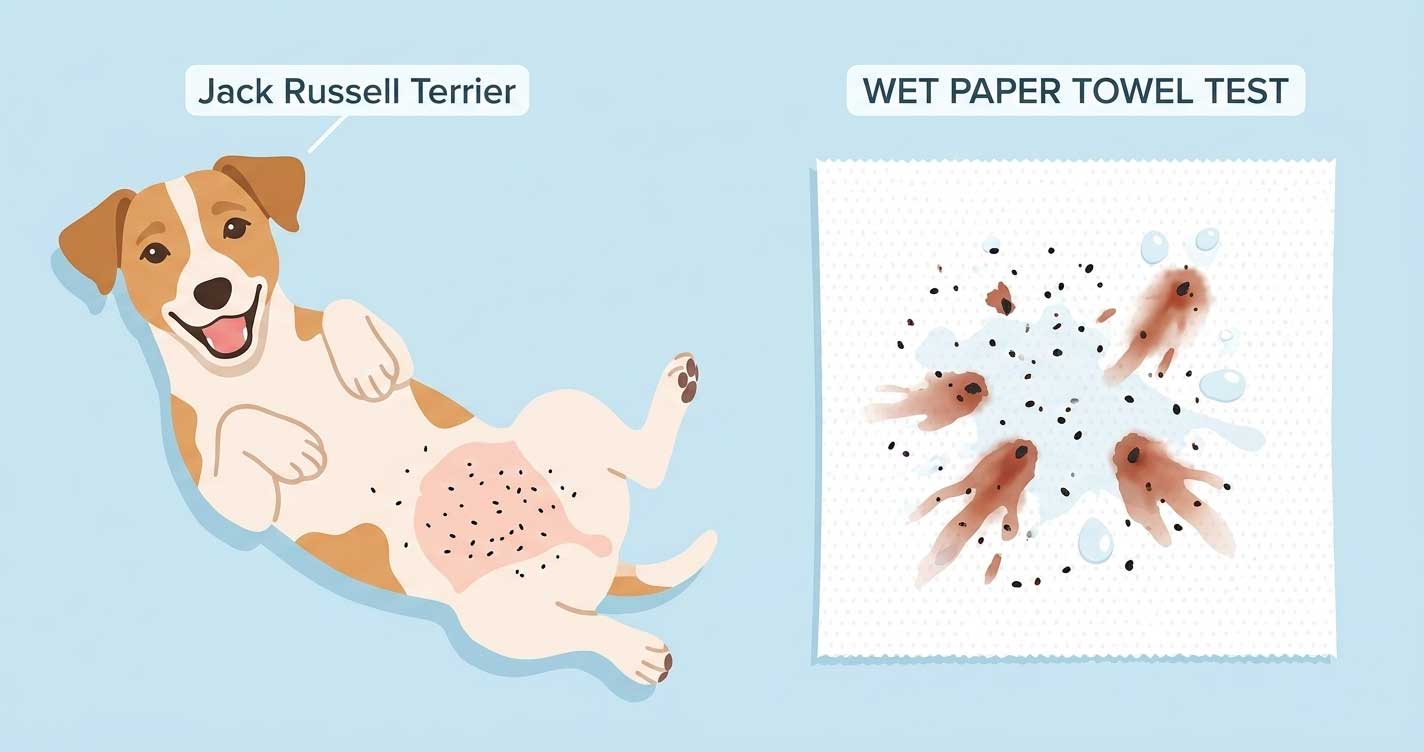
Close-up of flea dirt on dog skin showing tiny black specks among fur

Flea Dirt, Flea Eggs & Black Specks on Your Dog — What They Mean

Found black specks or tiny white dots on your dog? Learn how to identify flea dirt vs regular dirt, flea eggs vs dandruff, and what black specks on dog skin mean.

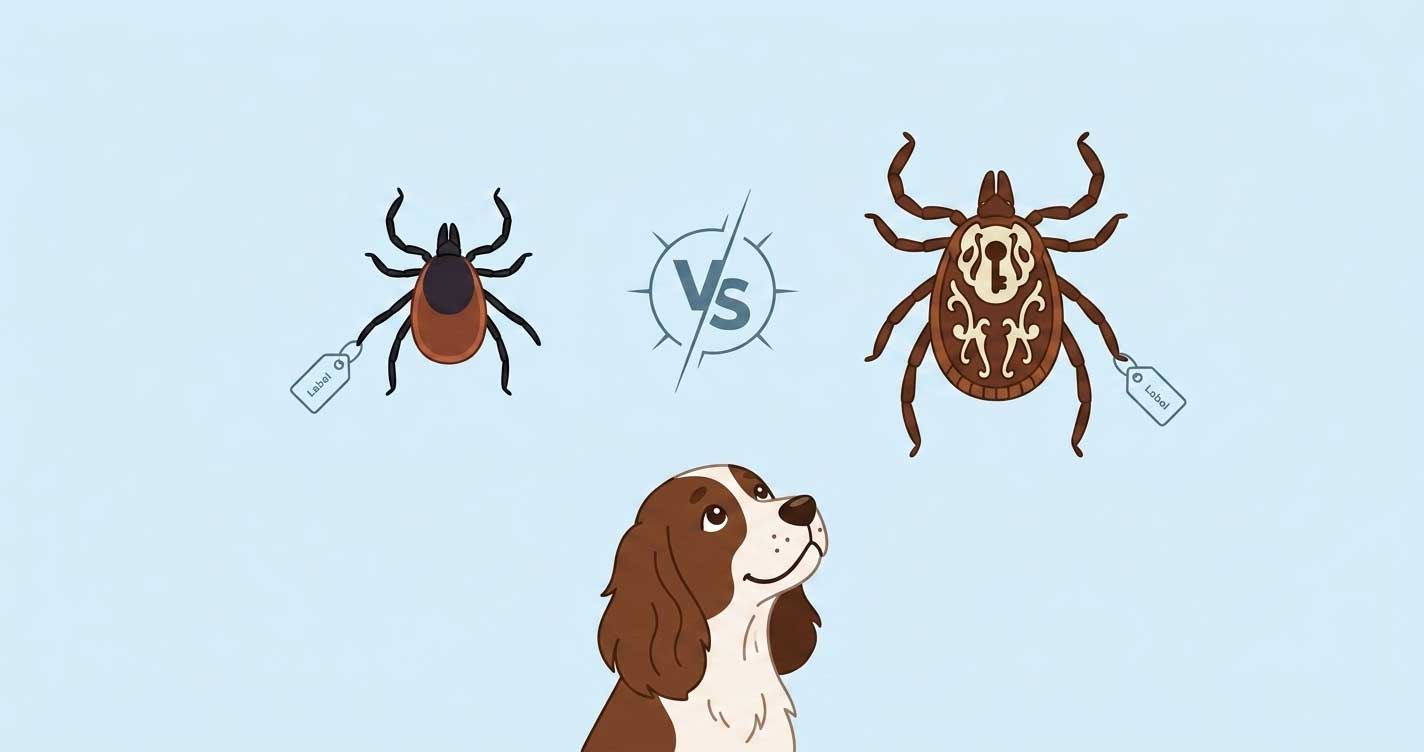
Comparison of deer tick and American dog tick on dog skin

Dog Tick Identification: Deer Tick vs Dog Tick, Embedded & Engorged Ticks

How to identify ticks on your dog — deer tick vs dog tick differences, what embedded and engorged ticks look like, tick vs skin tag, and which ticks carry disease.

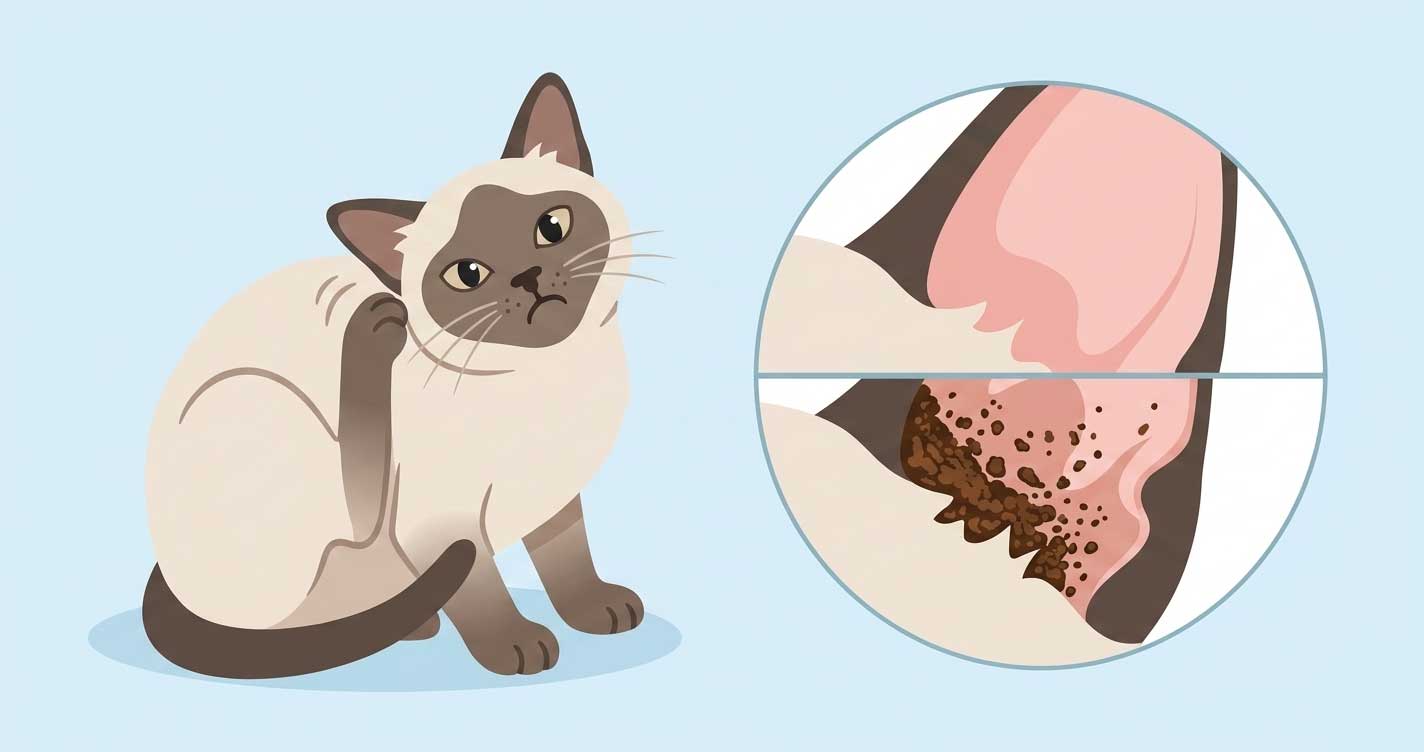
Cat ear showing dark brown discharge from ear mites vs normal clean ear

Cat Ear Mites: Signs, How to Tell vs Dirty Ears & Treatment Guide

How to tell if your cat has ear mites vs just dirty ears, signs and symptoms, how indoor cats get ear mites, home remedies, and when to see a vet.

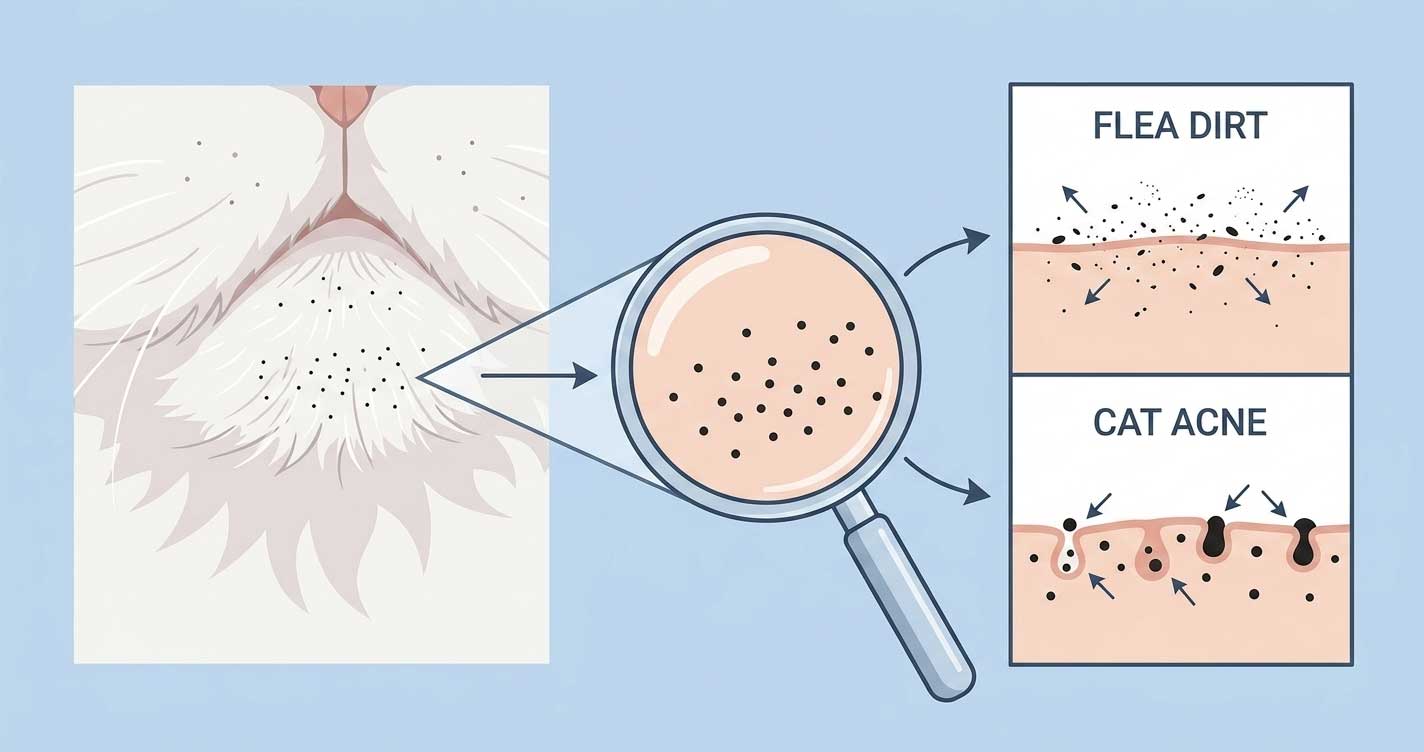
Black specks on cat chin showing comparison of flea dirt vs feline acne

Black Specks on Your Cat: Flea Dirt vs Cat Acne — How to Tell & What to Do

Black specks on your cat's chin, fur, or skin? Learn how to tell flea dirt from cat acne, what black dots mean, and when to worry.

Dog licking and chewing their paw on a couch

Why Do Dogs Lick and Chew Their Paws? 8 Common Causes

Why is your dog licking or chewing their paws? Here are the 8 most common causes — from allergies and yeast infections to anxiety and pain — plus what to do about each.

Owner applying paw balm to stop dog from licking paws

How to Stop a Dog from Licking Their Paws: Home Remedies That Actually Work

Practical home remedies to stop compulsive paw licking in dogs — soaks, e-collars, topical treatments, and long-term fixes. Plus when home care isn't enough.

Dog paw with brown yeast staining between the toes

Dog Paw Yeast Infection: Signs, Treatment & Home Remedies

How to spot a dog paw yeast infection (the "Frito foot" smell), what causes it, and how to treat it at home — plus when you need prescription antifungals.

Dog paw with allergic dermatitis showing redness between toes

Dog Paw Allergies: Symptoms, Treatment & Prevention

Why do allergies hit dogs' paws so hard? Here's what paw allergies look like, the 3 main types (environmental, food, contact), and how to treat them.

Dog paw with a cut or injury on the pad

Dog Paw Pad Injury: First Aid, Flap Treatment & Healing Time

How to treat a dog paw pad injury at home — stopping bleeding, handling a paw pad flap, bandaging, and what the healing timeline looks like. Plus when you need a vet.

Cat paw showing pillow foot with puffy enlarged central pad

What is Pillow Foot in Cats? Causes, Signs & Pictures

Pillow foot in cats (plasma cell pododermatitis) causes soft puffy paw pads. Learn the signs, causes, whether it's contagious, and what to do about it.

Hand holding a cat paw showing pillow foot condition during vet examination

Pillow Foot Treatment in Cats: Home Remedies & Vet Options

How to treat pillow foot (plasma cell pododermatitis) in cats — doxycycline, steroids, home care, litter changes, and how long treatment takes.

Close-up of a swollen cat paw showing enlarged toes and redness

Swollen Cat Paw: 7 Causes + When It's an Emergency

Why is your cat's paw swollen? 7 common causes, how to tell an emergency, home remedies, and when you must see a vet — including the "silent pain" trap.

Close-up of a cat paw with an ingrown nail curling into the pad

Cat Ingrown Nail Removal at Home: Step-by-Step + When to See a Vet

How to safely trim an ingrown cat nail at home — step-by-step guide, when it's too risky, vet costs, and prevention tips. Most common in elderly cats.

Cat paw with nail bed infection showing redness and swelling around the claw base

Cat Nail Bed Infection (Paronychia): Signs, Treatment & Home Remedies

Cat nail bed infection (paronychia) causes redness, swelling, and nail discoloration. Learn to spot it, treat mild cases at home, and when antibiotics are needed.

Cat chewing on its paw while sitting on a couch

Why Is My Cat Chewing or Licking Their Paws? 6 Causes

Why your cat is obsessively chewing or licking their paws — 6 common causes, from allergies to post-declaw chewing, and when you need to see a vet.