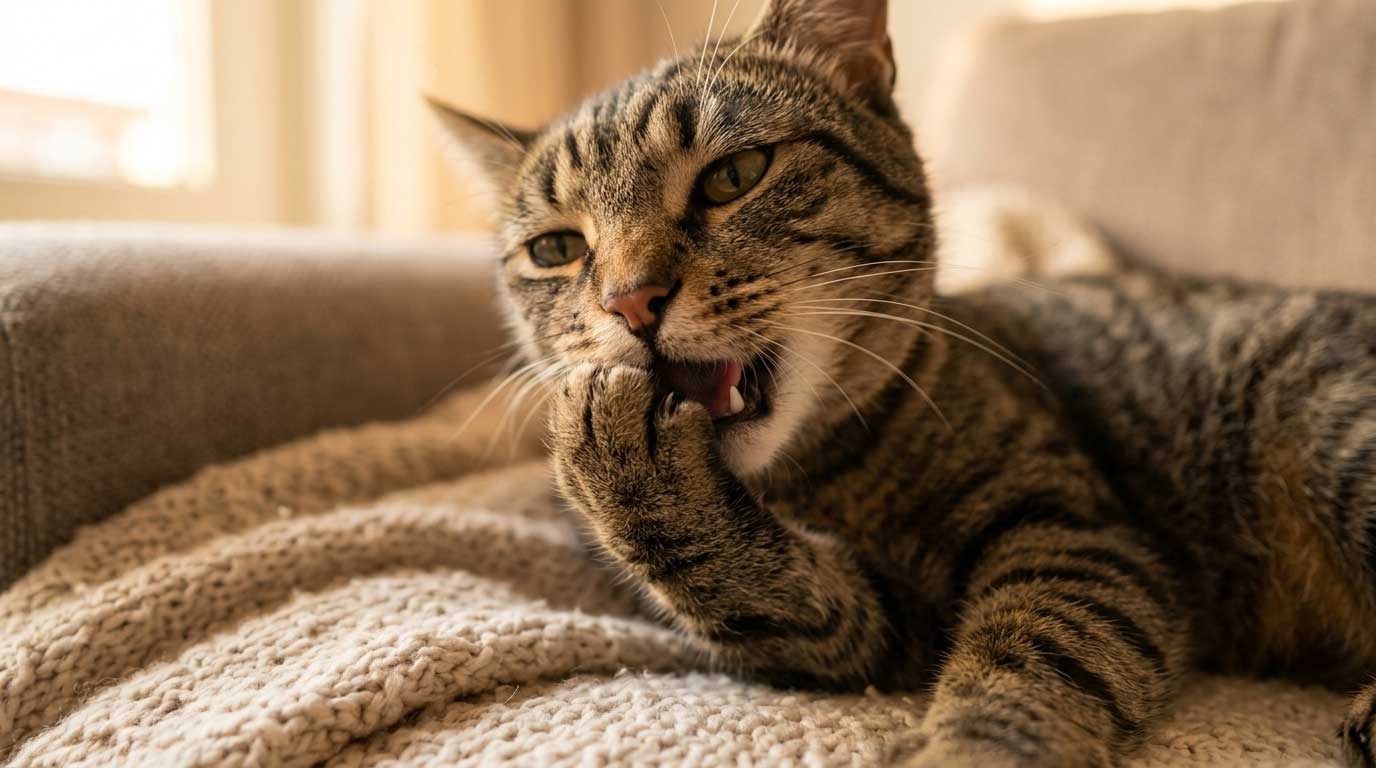
Pillow Foot Treatment in Cats: Home Remedies & Vet Options
How to treat pillow foot (plasma cell pododermatitis) in cats — doxycycline, steroids, home care, litter changes, and how long treatment takes.
Published 2026-04-18
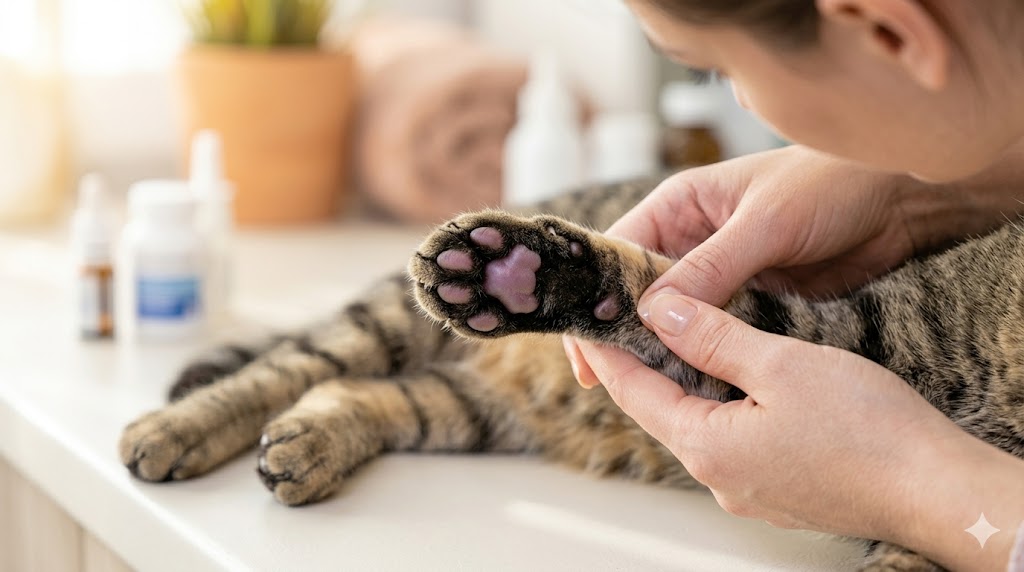
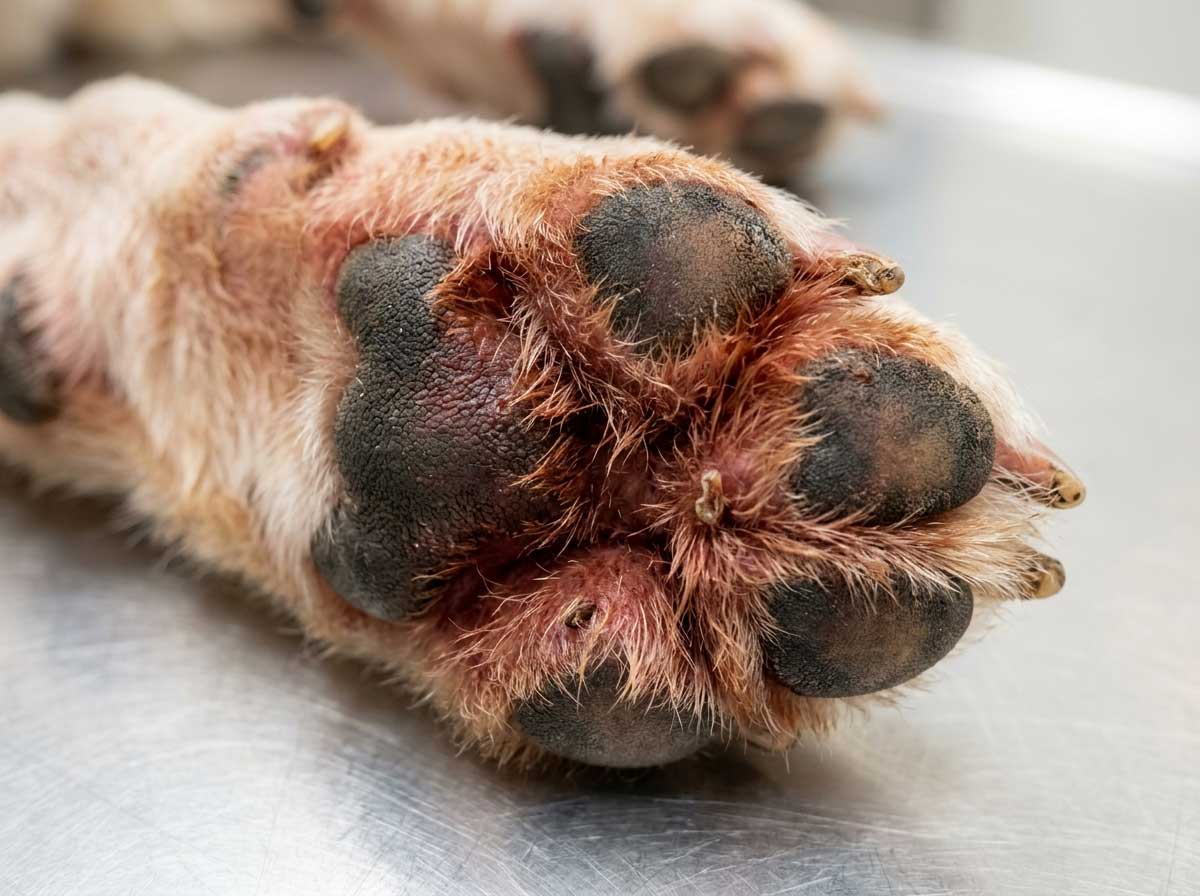
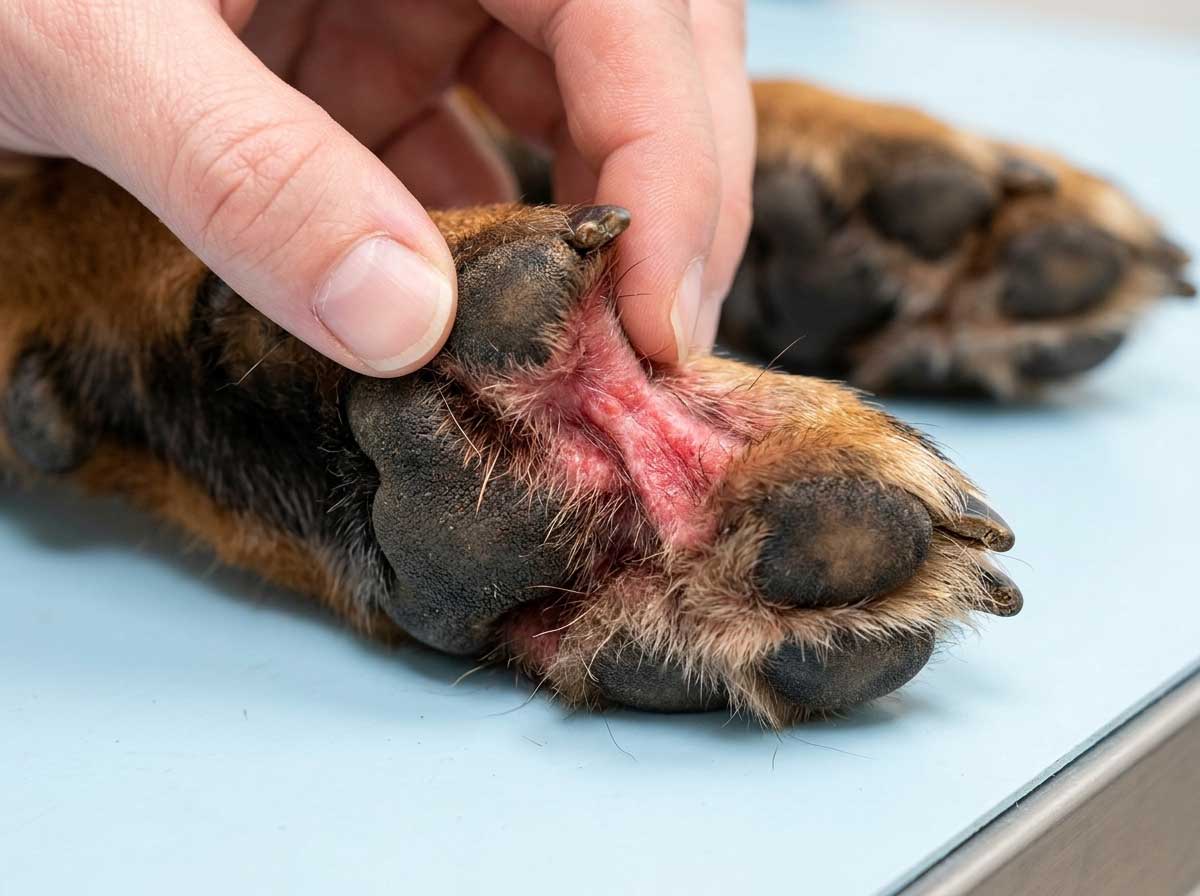
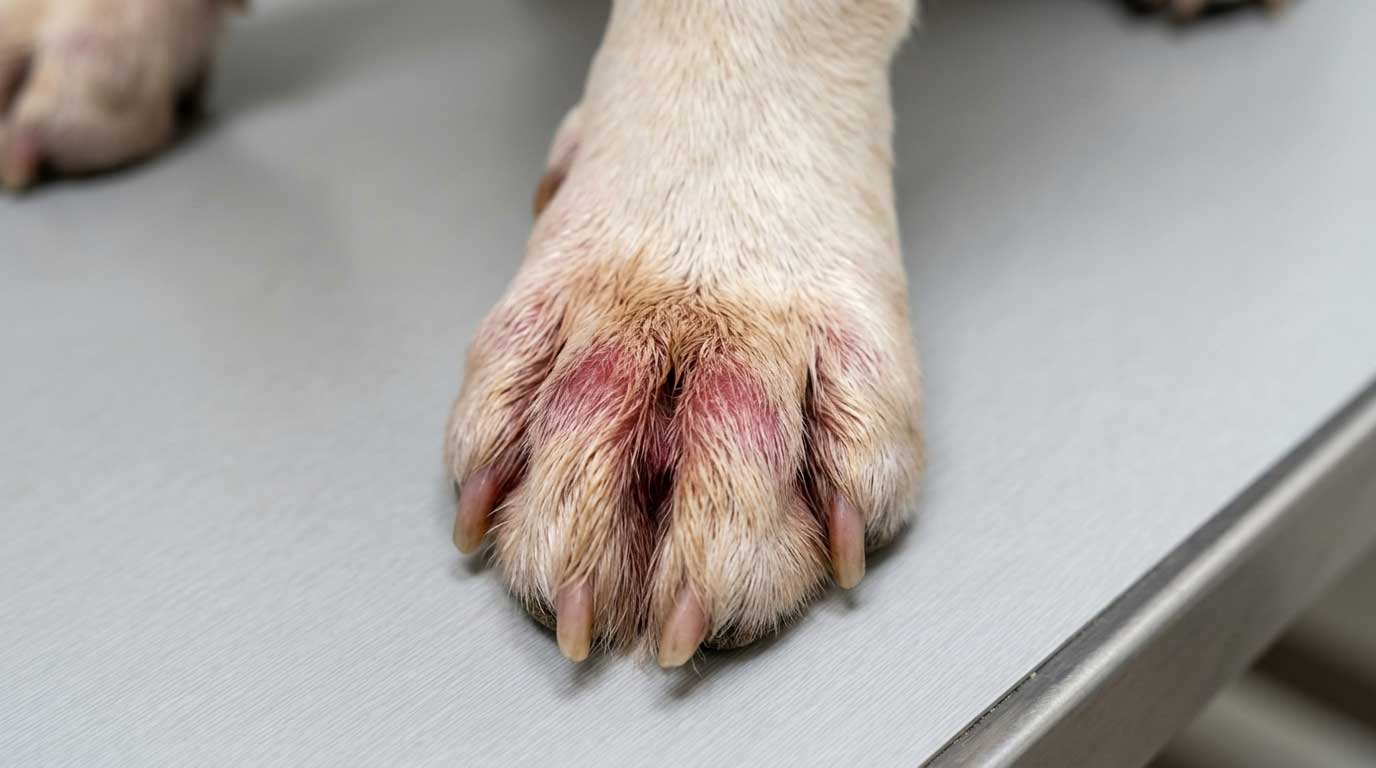
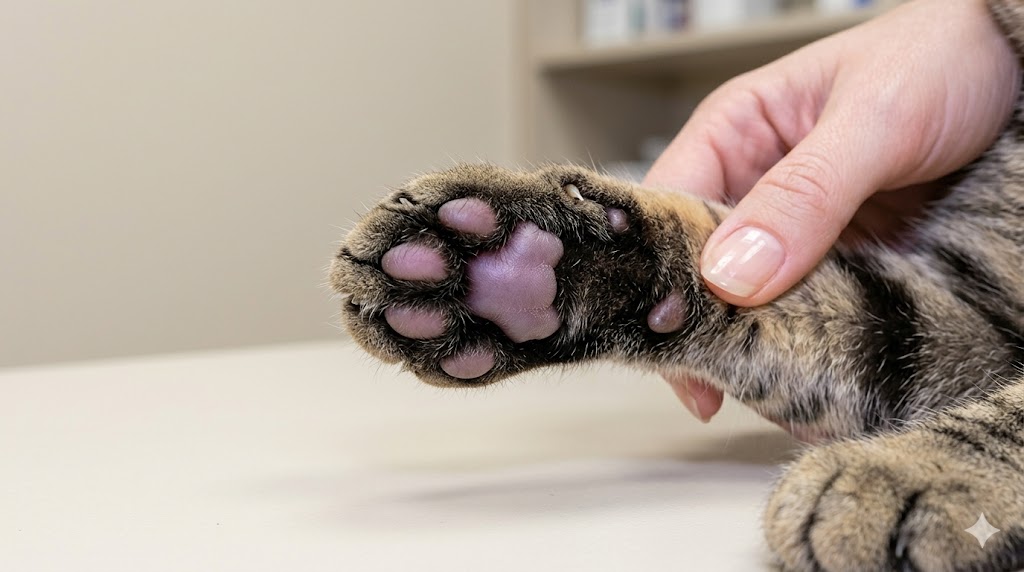
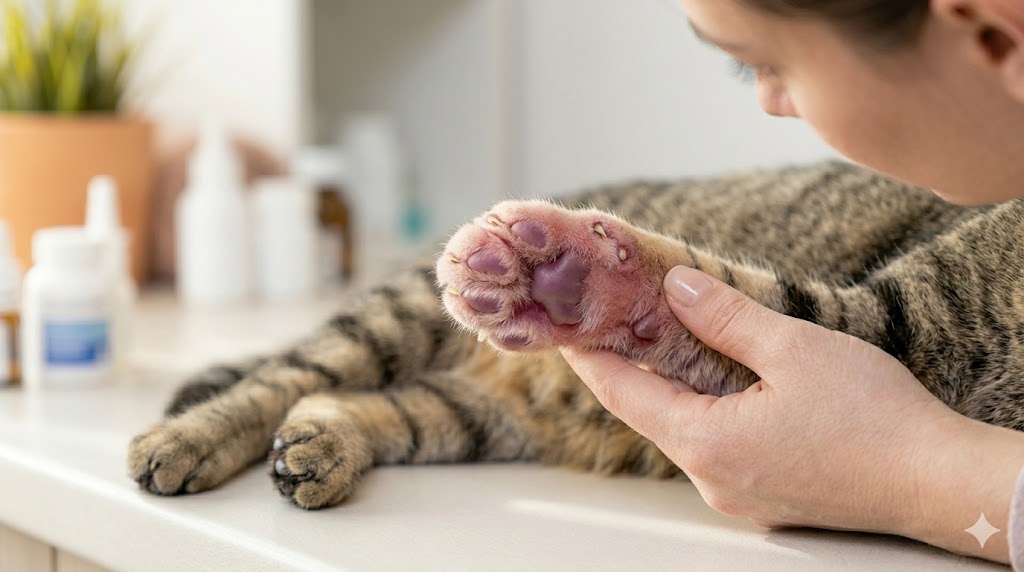
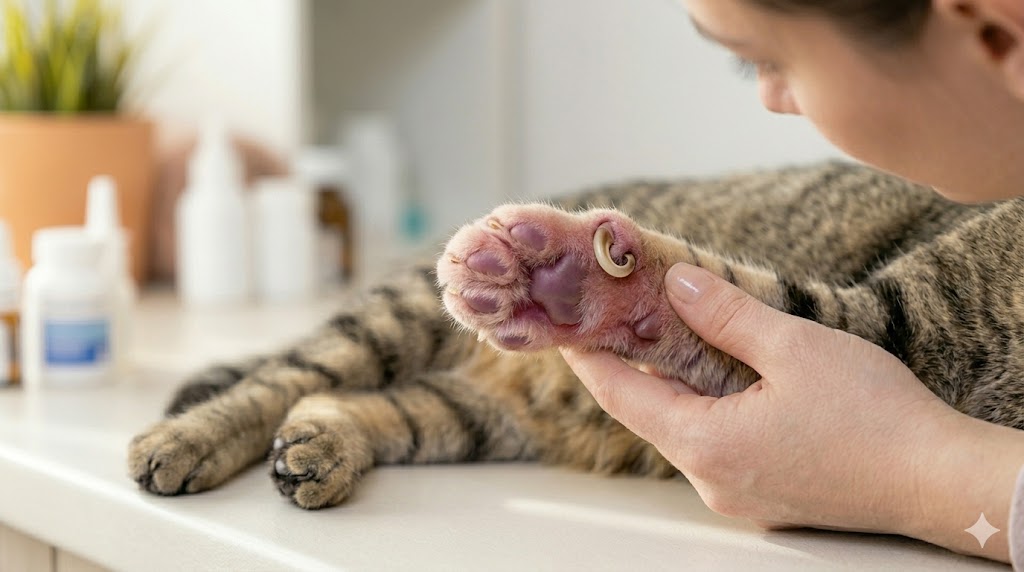
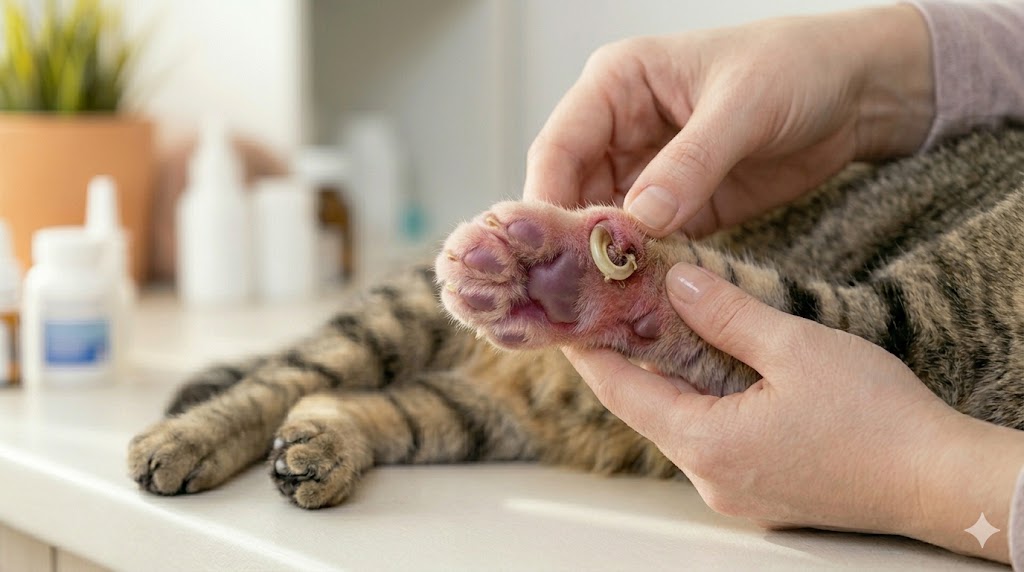
Once you've identified pillow foot (plasma cell pododermatitis) in your cat, the natural next question is: what do I do about it? The good news is that most cases respond well to treatment. The less-good news is that treatment takes weeks to months, and there are a few different paths depending on severity.
Here's the full picture — what vets typically prescribe, what you can do at home, and when surgery becomes part of the conversation.
How Do You Treat Pillow Foot in Cats?
Treatment is tailored to severity. The typical progression:
Mild Cases: Watchful Waiting
If the pad is just slightly puffy, not ulcerated, not painful, and your cat isn't limping, some vets will simply monitor for 4-8 weeks. Pillow foot occasionally resolves on its own — though most cases do progress and benefit from treatment.
First-Line: Doxycycline
Doxycycline is the most common first-line treatment. It's technically an antibiotic, but for pillow foot it's used for its immune-modulating (anti-inflammatory) properties, not for killing bacteria. Typical course: 4-8 weeks, given orally once or twice daily. Many cats respond dramatically — the pad softens, shrinks, and returns to normal color within that window. Side effects are generally mild (occasional GI upset).
Prednisolone (Steroids)
If doxycycline isn't enough, or if the case is moderate-to-severe, vets often add or switch to prednisolone — a steroid that reduces immune-driven inflammation. Steroids work faster but have more side effects (increased thirst, appetite, urination, mild weight gain). Usually given for 2-6 weeks at a tapering dose, then stopped.
Cyclosporine
For chronic or recurring cases that don't respond to doxycycline and steroids, cyclosporine (Atopica) is a targeted immunosuppressant that works well for pillow foot. It's more expensive and requires some monitoring, but many cats do well long-term on it.
Surgery
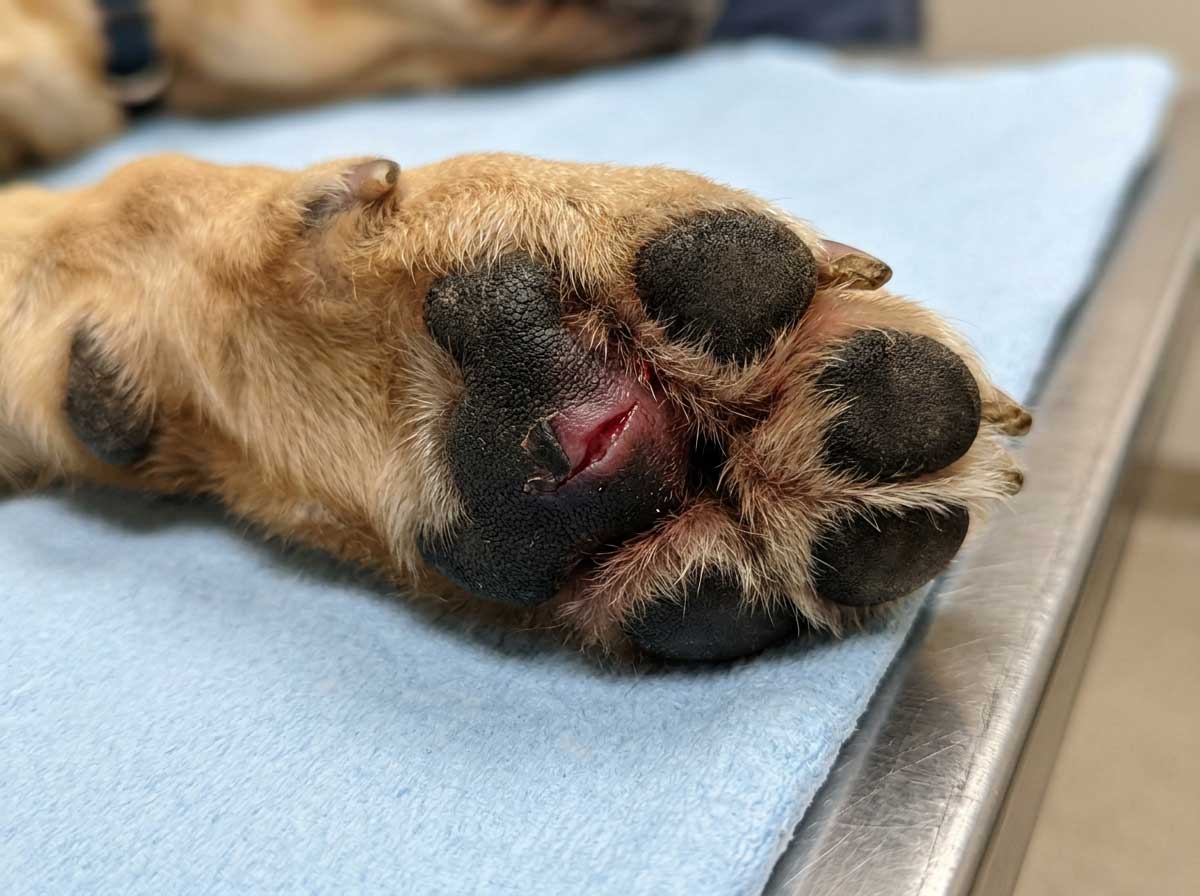
Surgical removal of the affected pad tissue is reserved for cases that have ulcerated, keep bleeding, or haven't responded to medical therapy. It's rarely the first choice but can be curative for stubborn pads. Healing after surgery takes 3-6 weeks.
Home Care That Helps
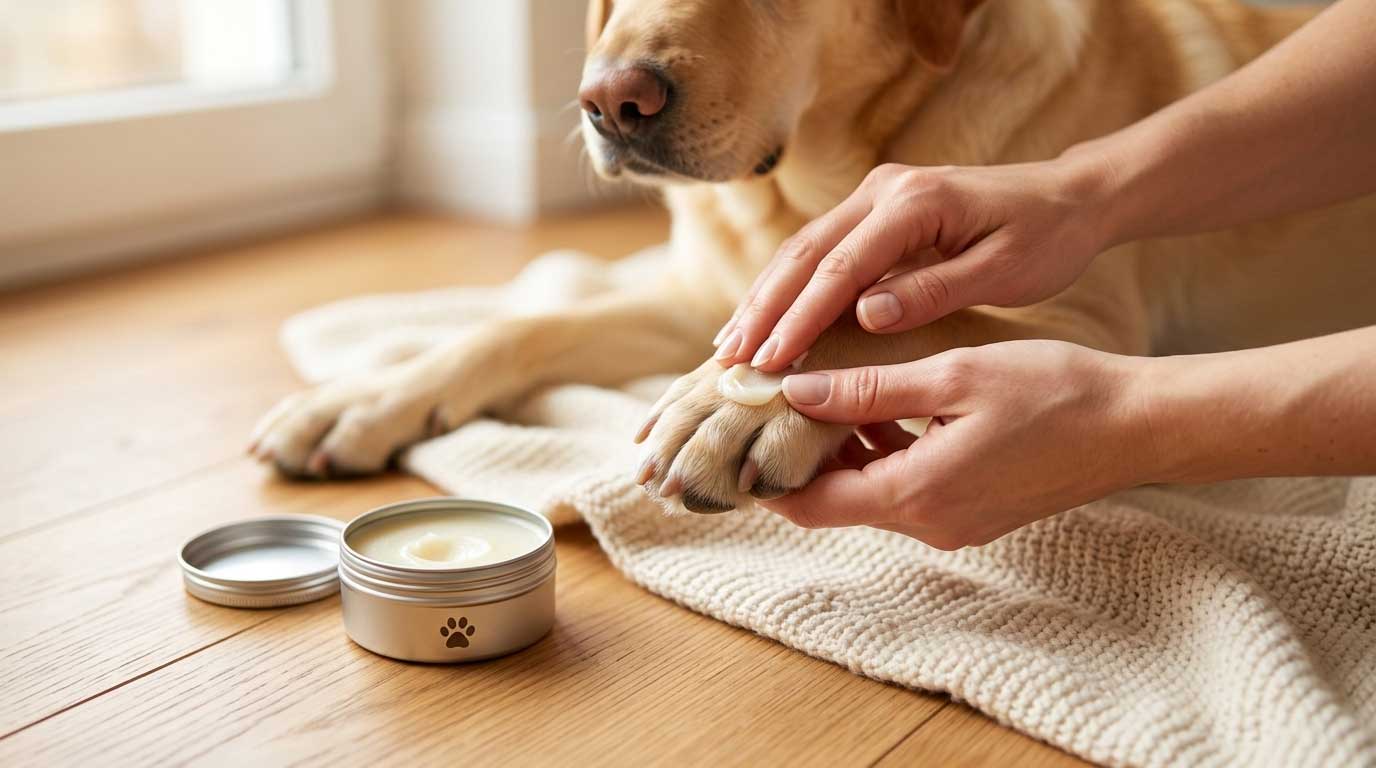
Home care won't cure pillow foot on its own, but it makes a real difference in how quickly the pad heals and how comfortable your cat is during treatment:
- ✓Switch to a soft, dust-free, unscented litter (paper pellets, wood pellets, or silica crystals)
- ✓Scoop the litter box more often — less time standing in clumps
- ✓Provide soft bedding (memory foam, soft blankets) so paws aren't on hard surfaces
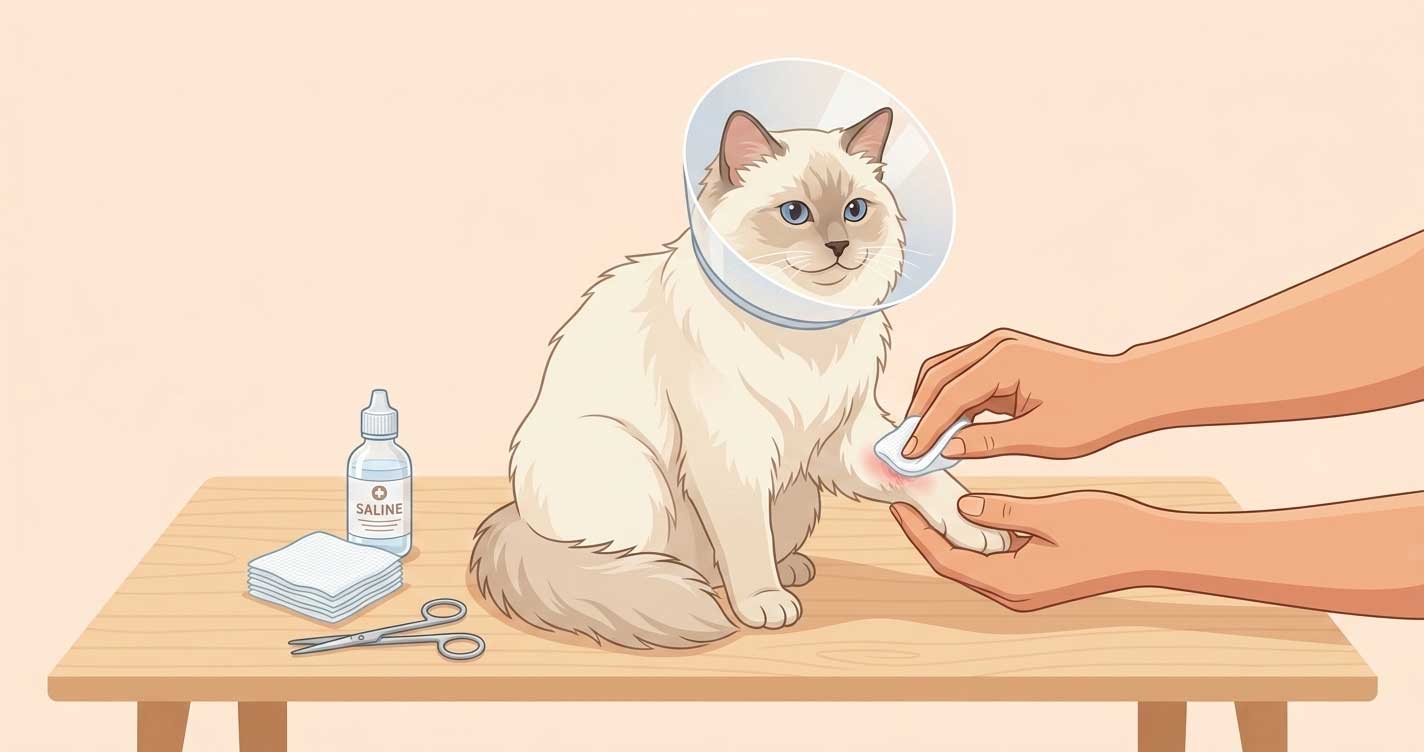
- ✓Gently rinse the affected paw with saline solution if the pad surface looks dirty or weepy
- ✓Keep your cat indoors if they go outside — outdoor surfaces can irritate tender pads
- ✓Minimize jumping (remove cat trees temporarily if your cat is in a painful phase)
- ✓Test your cat for FIV/FeLV if not already done — the result shapes long-term care
How Long Does Treatment Take?
This is the question every owner asks, and the honest answer is: weeks to months. A rough timeline:
- ✓Doxycycline: improvement usually starts in 2-3 weeks, full course is 4-8 weeks
- ✓Prednisolone: visible shrinkage within 7-14 days, tapered over 4-6 weeks
- ✓Cyclosporine: 3-6 weeks for noticeable improvement, often continued long-term
- ✓Surgery recovery: 3-6 weeks for full healing, then needs to be monitored
Some cats relapse after treatment stops — particularly FIV-positive cats or cats with severe initial cases. Be prepared for the possibility of a second round of treatment, or ongoing maintenance.
Is Pillow Foot Curable?
The realistic answer: yes and no. Many cats achieve complete resolution and never have pillow foot again — this is especially common in FIV-negative cats with mild-to-moderate disease. Other cats have chronic, recurring pillow foot that needs ongoing management (usually low-dose cyclosporine or intermittent doxycycline). Even in the latter case, the condition is manageable and most cats live normal lives.
When Home Care Isn't Enough
See a vet urgently if:
- ✓The pad has ulcerated and is bleeding or oozing
- ✓Your cat refuses to walk or is hiding constantly
- ✓There's a foul smell from the paw (secondary infection)
- ✓The pad is getting worse despite 2+ weeks of treatment
- ✓New pads are becoming affected while under treatment
Not sure if the treatment is working or if it's getting worse? A photo comparison over time can help — or upload to an AI paw checker for a second opinion on severity.
Tracking Your Cat's Pillow Foot Progress?
Upload a photo and let AI assess current severity — is it healing or progressing?
Disclaimer: This article is for informational purposes only and is not a substitute for professional veterinary advice. Always consult a licensed veterinarian for diagnosis and treatment of your pet's health conditions.