Dog Paw Allergies: Symptoms, Treatment & Prevention
Why do allergies hit dogs' paws so hard? Here's what paw allergies look like, the 3 main types (environmental, food, contact), and how to treat them.
Published 2026-04-18
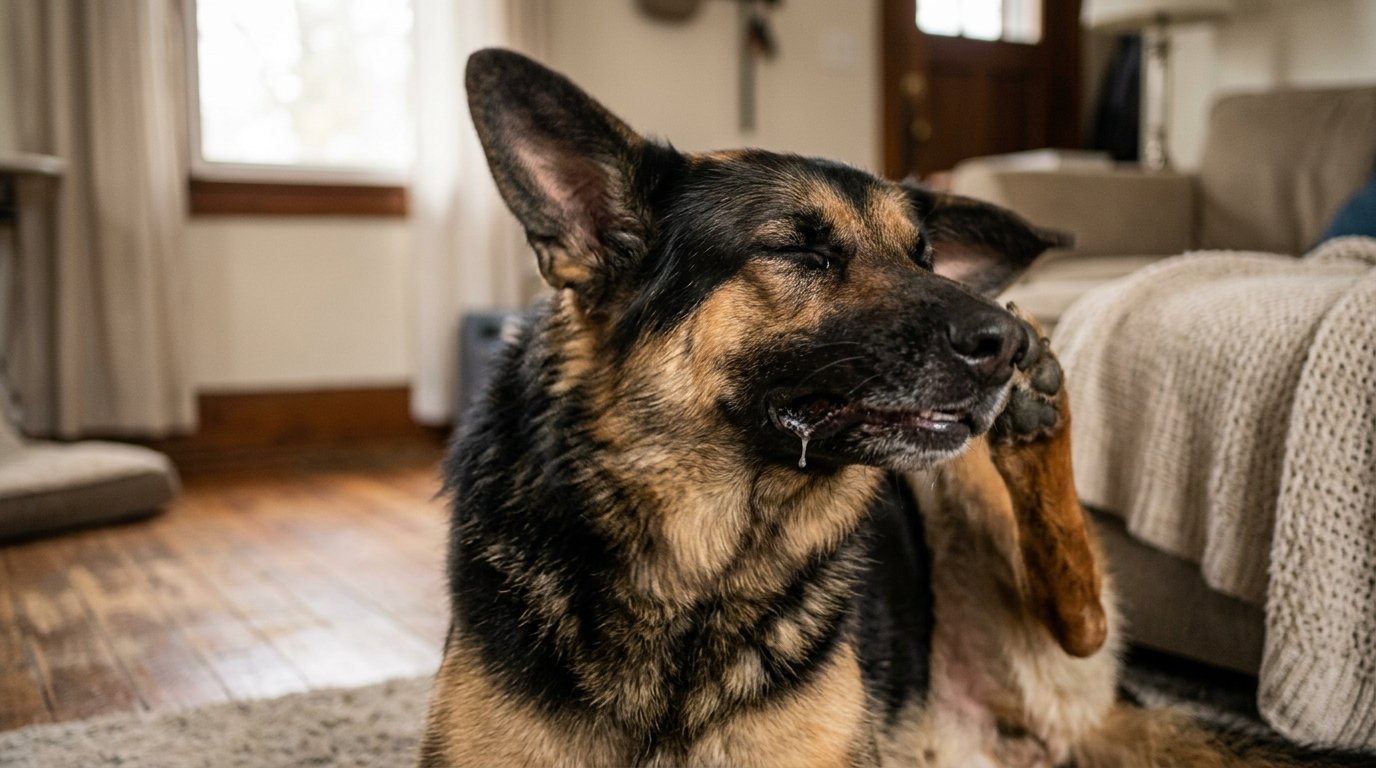
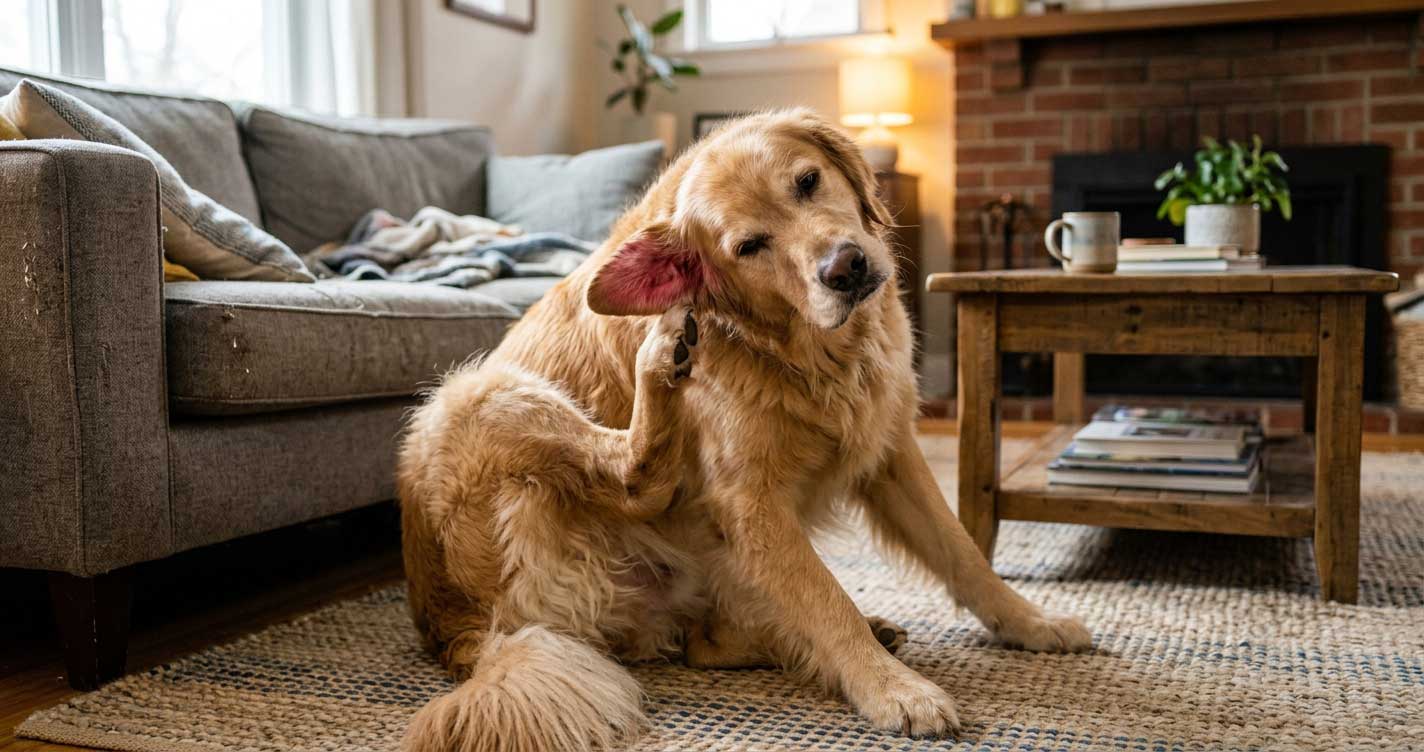
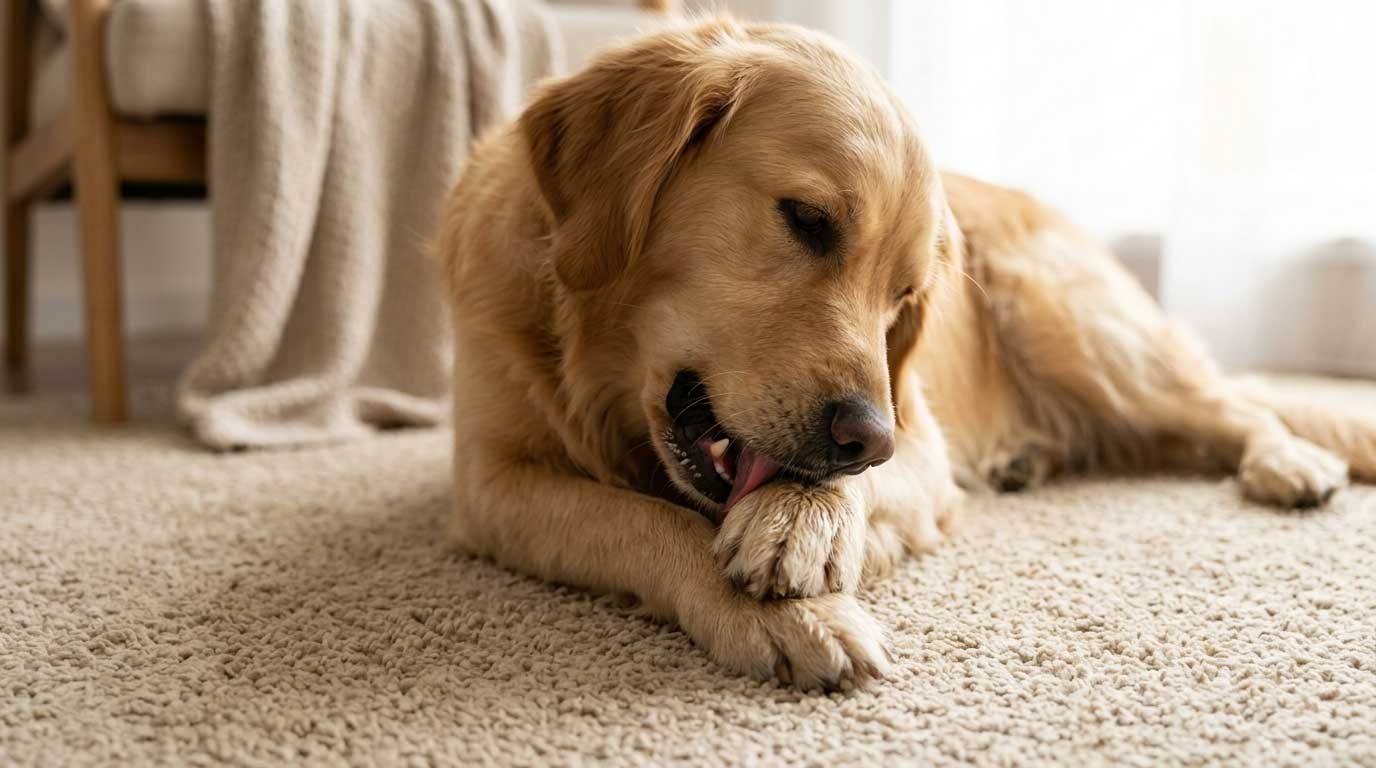
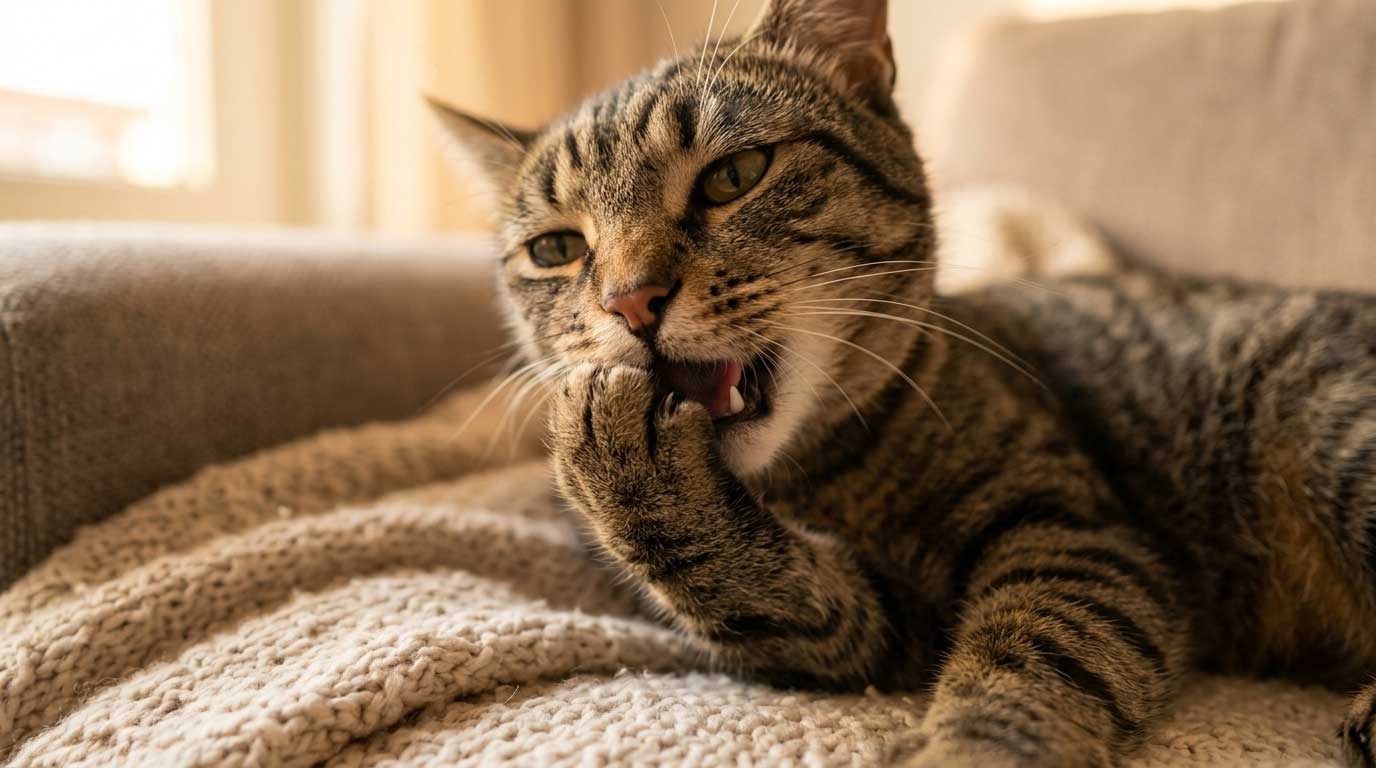
Paws are ground zero for dog allergies. Every step your dog takes, their paws press into grass, pollen, mold, pesticides, cleaning products, and whatever else is on the floor. Combined with the fact that paws have thin skin between the toes and countless sweat glands, it's no surprise that paw licking is one of the single most common signs of allergies in dogs.
The 3 Types of Dog Paw Allergies
1. Environmental Allergies (Atopic Dermatitis)
The most common type. Dogs react to airborne and ground-contact allergens — pollen, mold spores, dust mites, grass, and weeds. Signs: seasonal worsening (spring/summer/fall), symmetric itching on all four paws, itchy ears and belly, and recurrent yeast/bacterial secondary infections. Environmental allergies typically show up between ages 1-3 and worsen over time without management.
2. Food Allergies
Less common than environmental, but important to rule out. Dogs are most commonly allergic to beef, chicken, dairy, eggs, wheat, and soy. Signs: year-round symptoms (no seasonal pattern), digestive issues (chronic loose stool, gas), recurrent ear infections, and non-seasonal paw licking. The only reliable way to diagnose is an 8-12 week elimination diet with a novel protein or hydrolyzed food.
3. Contact Allergies
Least common of the three. Your dog reacts to something they physically touch — carpet cleaner, lawn treatment, plastic food bowls, specific fabrics, ice-melt salt, or laundry detergent on bedding. Signs: redness usually confined to paws and belly (the parts touching the surface), sudden onset after changing products or environments. Contact allergies are easiest to fix once you identify the trigger.
What Do Paw Allergies Look Like?
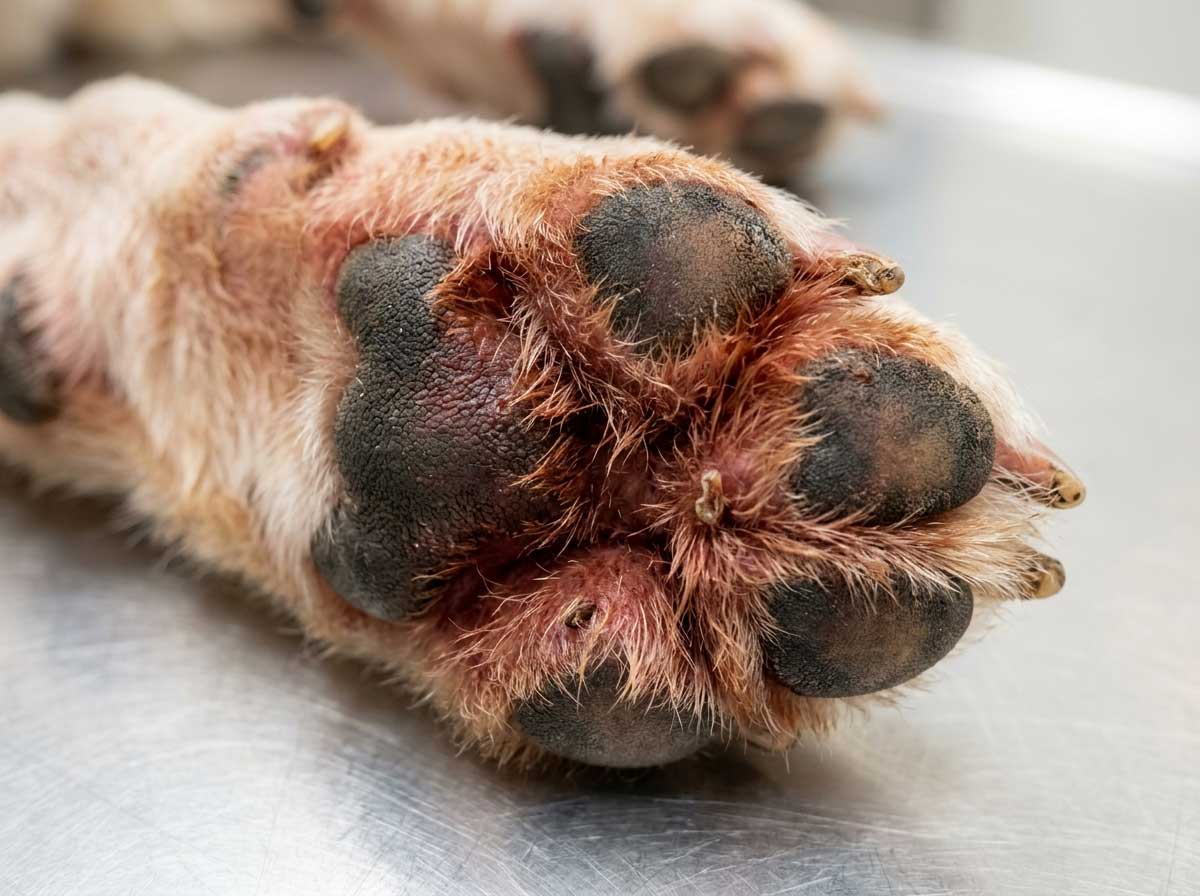
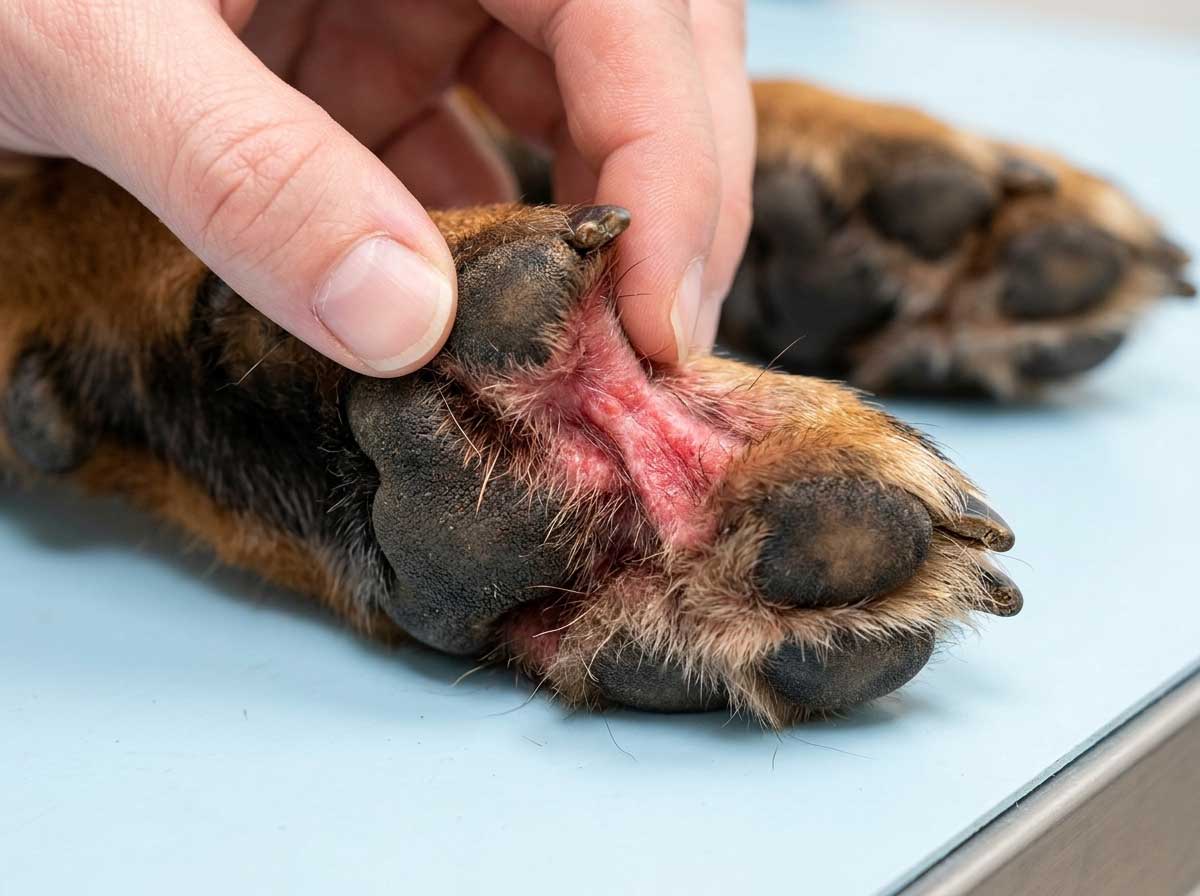
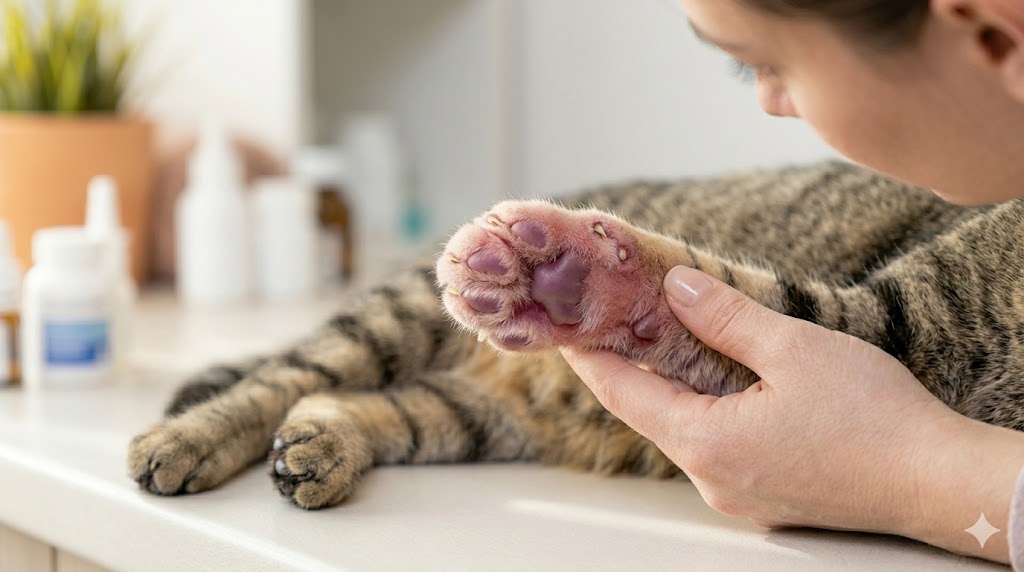
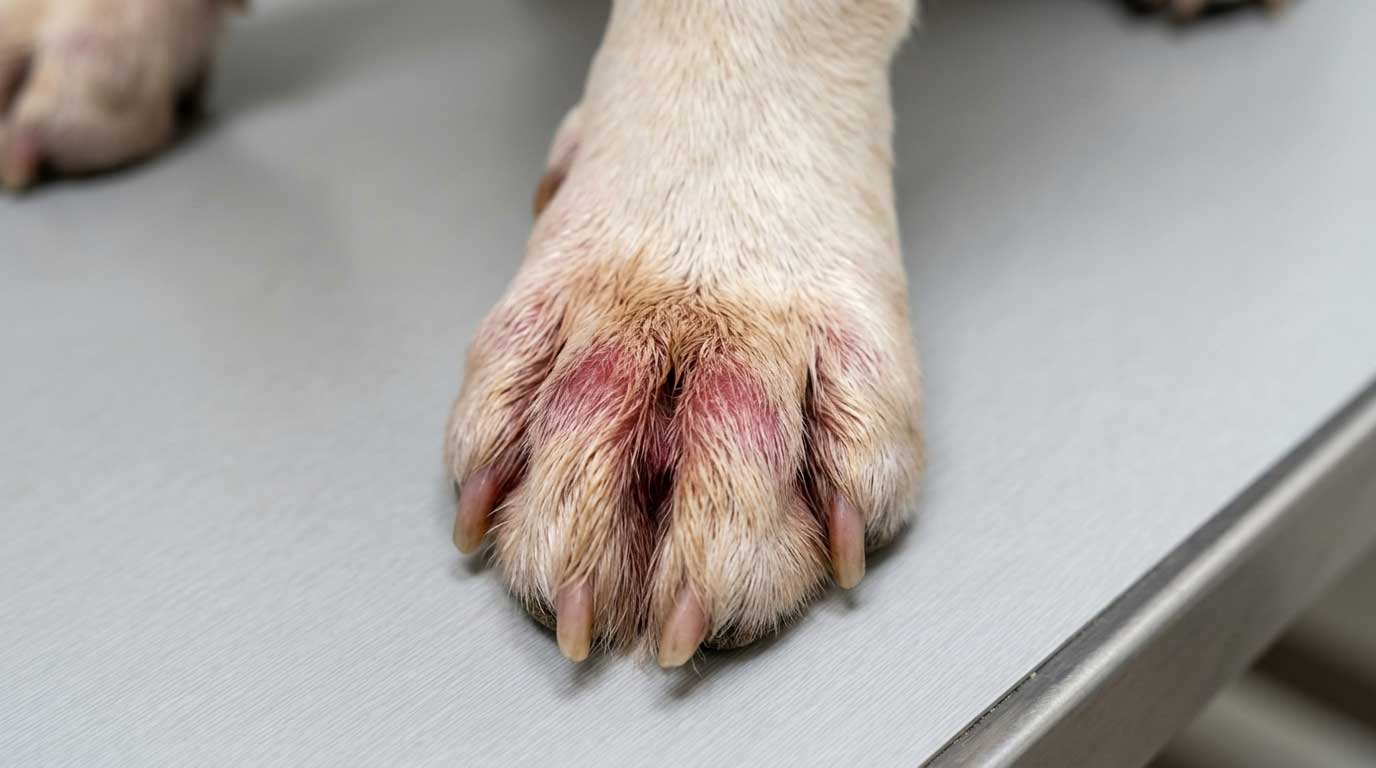
- ✓Red, inflamed skin between the toes
- ✓Brown-red saliva staining on the fur (from constant licking)
- ✓Chewing or nibbling at paws, especially after walks
- ✓Sometimes swollen paws or individual toes
- ✓Secondary yeast infections (musty smell, greasy feel)
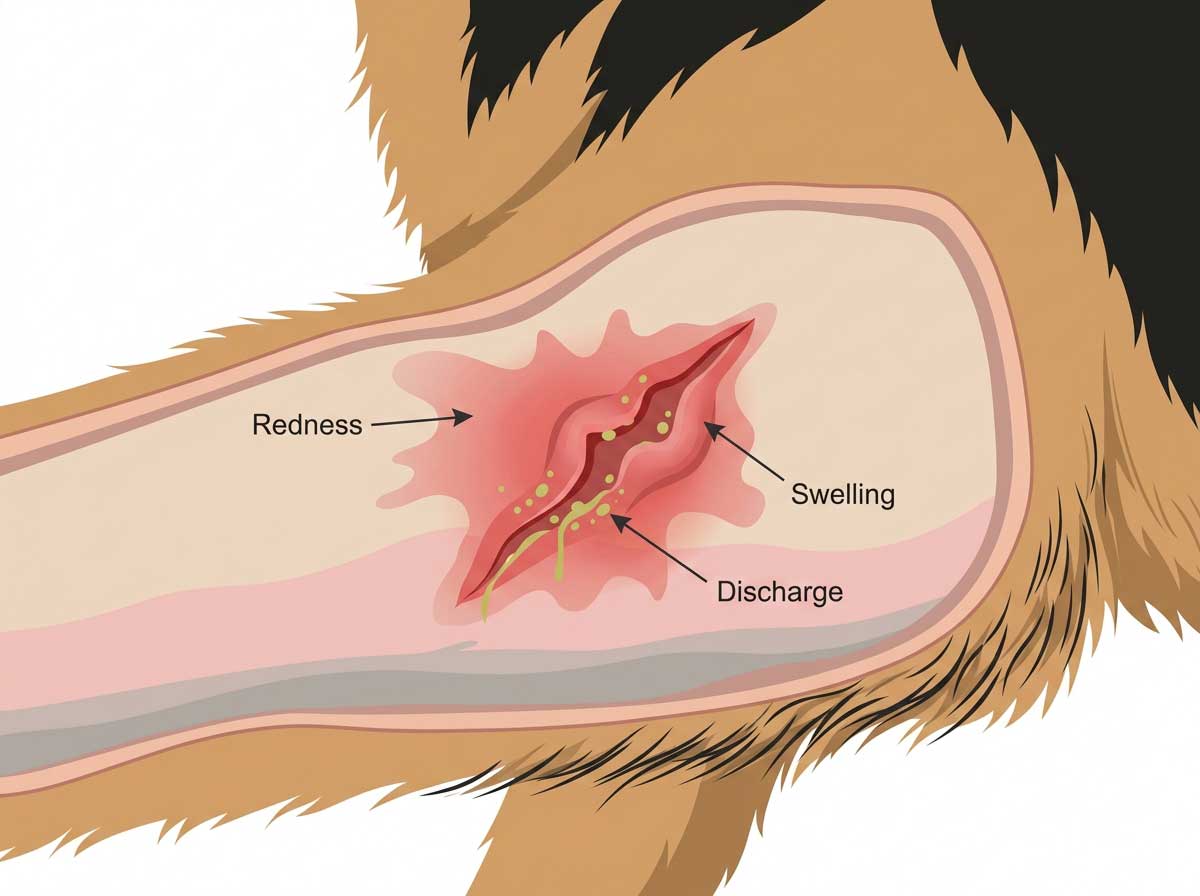
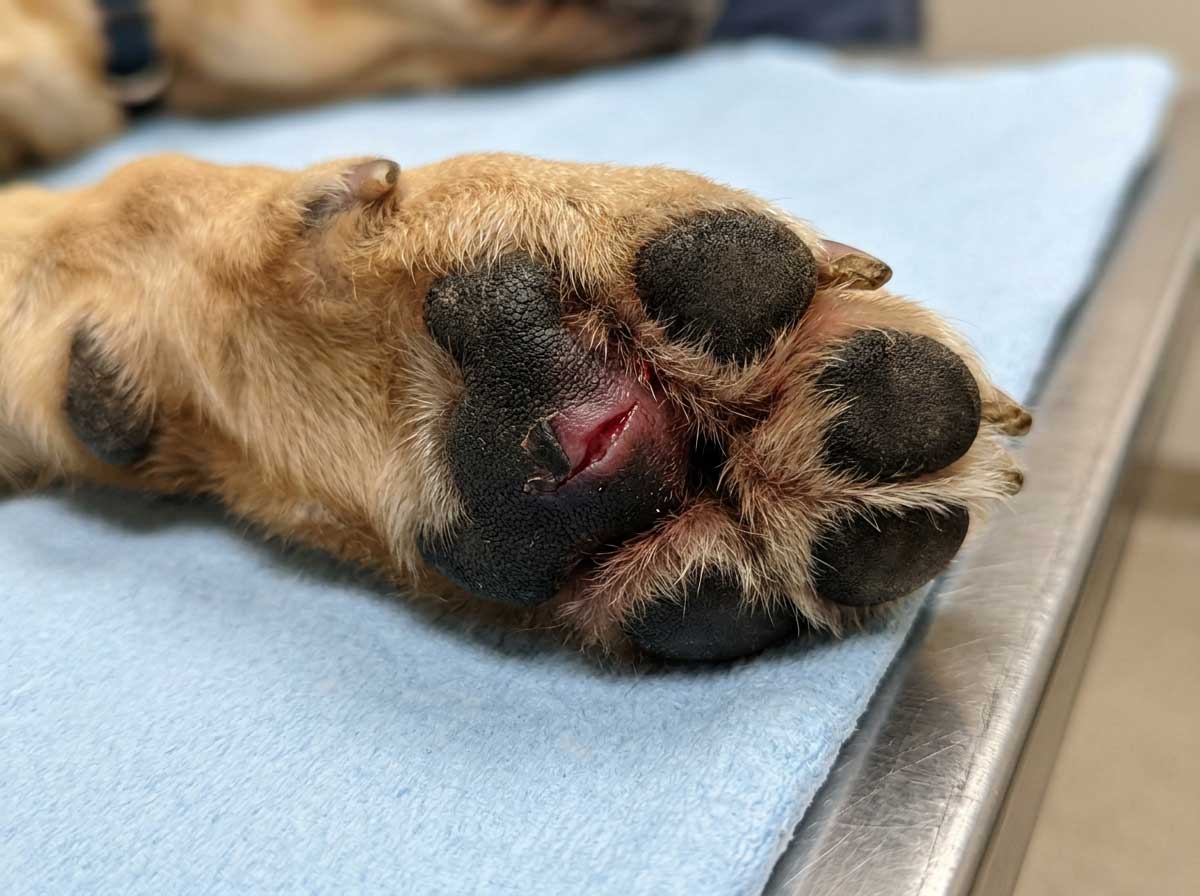
- ✓Secondary bacterial infections (raw skin, pus)
- ✓Thickened, darkened paw pad skin in chronic cases
- ✓Licking to the point of hair loss on the paws
Diagnosing Paw Allergies
Your vet will often start with:
- ✓Physical exam and history — seasonal or year-round? After specific activities?
- ✓Ruling out infections first — skin cytology to check for yeast and bacteria
- ✓Flea treatment trial — flea allergy can look similar
- ✓Food elimination trial (8-12 weeks) — to rule out food allergies
- ✓Intradermal allergy testing or blood allergy panel — identifies specific environmental triggers
Diagnosis is a process — there's no single test that tells you everything.
Treatment: Medical Options
Apoquel (Oclacitinib)
A daily pill that blocks the itch signal. Fast-acting (starts working within 4 hours) and effective for most dogs. Generally very safe long-term, though it can slightly suppress immune function. Works for both environmental and food allergy-driven itching.
Cytopoint
An injection given every 4-8 weeks at the vet. Targets the specific protein that causes itch. Very safe — even for dogs with liver/kidney issues who can't take Apoquel. Not as fast as Apoquel, but many owners prefer the once-monthly dosing.
Immunotherapy (Allergy Shots)
Based on allergy testing results, a customized serum trains the immune system to tolerate specific triggers. Works for about 60-70% of dogs with environmental allergies. Takes 6-12 months to see full benefit, but it's the closest thing to a cure.
Antihistamines
Benadryl, Zyrtec, and Claritin work for mild allergies in some dogs, but are much less effective than prescription options. Always check dosing with your vet.
Home Management Strategies
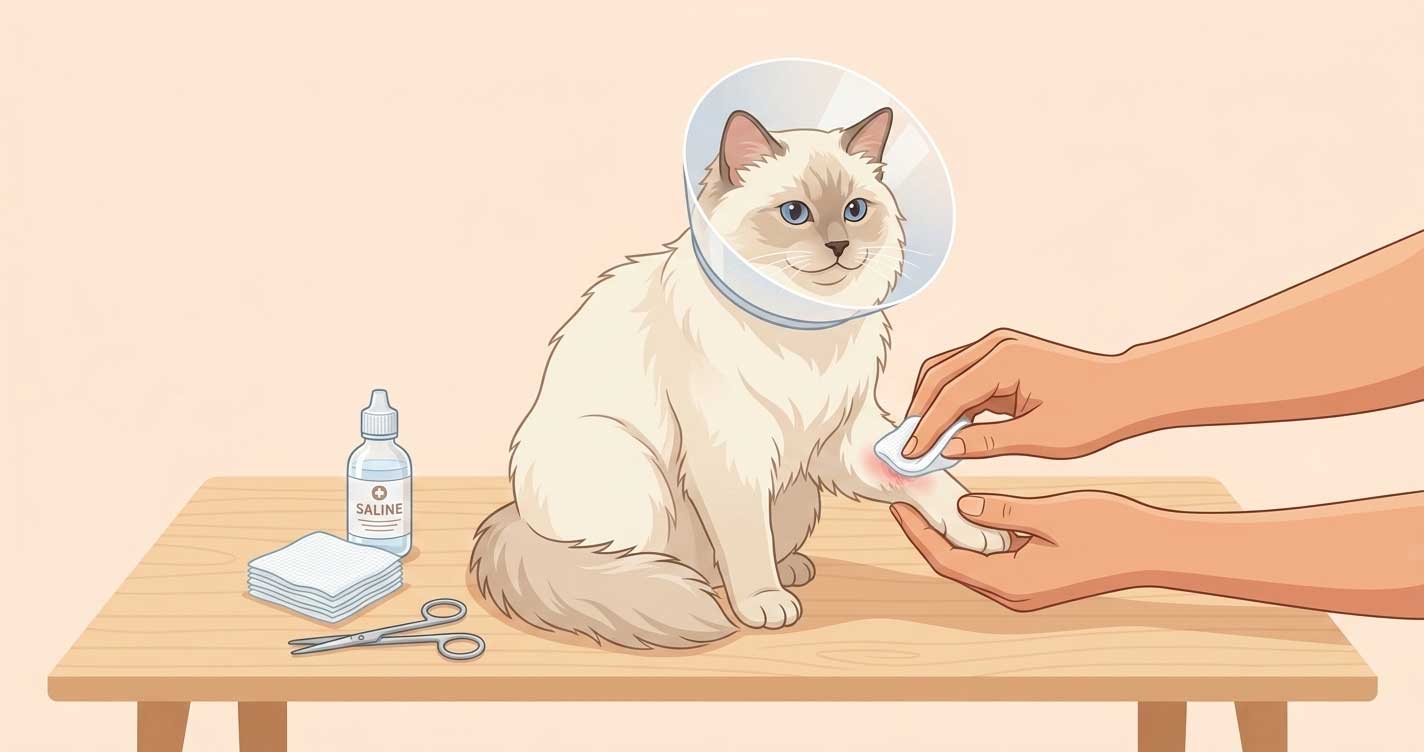
- ✓Wipe paws with a damp cloth or chlorhexidine wipe after every outdoor walk
- ✓Bathe weekly with a hypoallergenic or medicated shampoo during allergy season
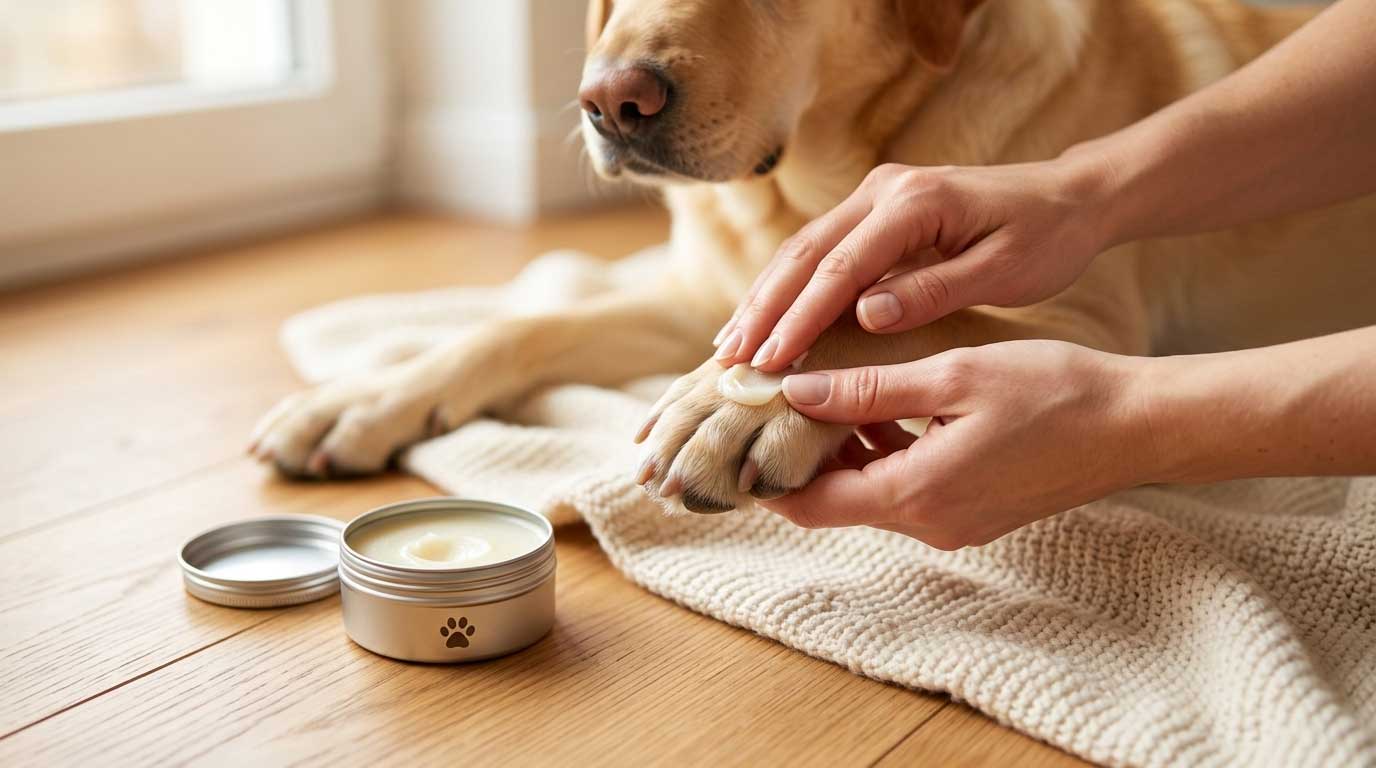
- ✓Use paw balm to create a protective barrier
- ✓HEPA filter at home reduces indoor allergens
- ✓Wash dog bedding weekly in hot water
- ✓Avoid walking during peak pollen times (early morning, windy days)
- ✓Omega-3 fatty acid supplements reduce skin inflammation over time
Preventing Secondary Infections
Allergy dogs are prone to yeast and bacterial infections on top of the allergy itself. Prevention matters:
- ✓Keep paws dry — always towel-dry between toes after walks or baths
- ✓Preventative medicated shampoo (once every 2 weeks) during allergy season
- ✓Address yeast at first signs (corn-chip smell) before it escalates
- ✓Treat infections promptly — they worsen itching and start the whole cycle over
Paw allergies are manageable with the right approach, but they're rarely "cured" — think of it as ongoing maintenance, not a one-time fix.
Is It Allergies or Something Else?
Upload a photo of your dog's paw and get AI analysis of likely causes and severity.
Disclaimer: This article is for informational purposes only and is not a substitute for professional veterinary advice. Always consult a licensed veterinarian for diagnosis and treatment of your pet's health conditions.