Can Cat Acne Clear Up on Its Own? When to Wait vs Treat
Mild cat acne can clear on its own once the trigger is removed. Learn which cases need treatment, how long to wait, and when to see a vet.
Published 2026-04-18
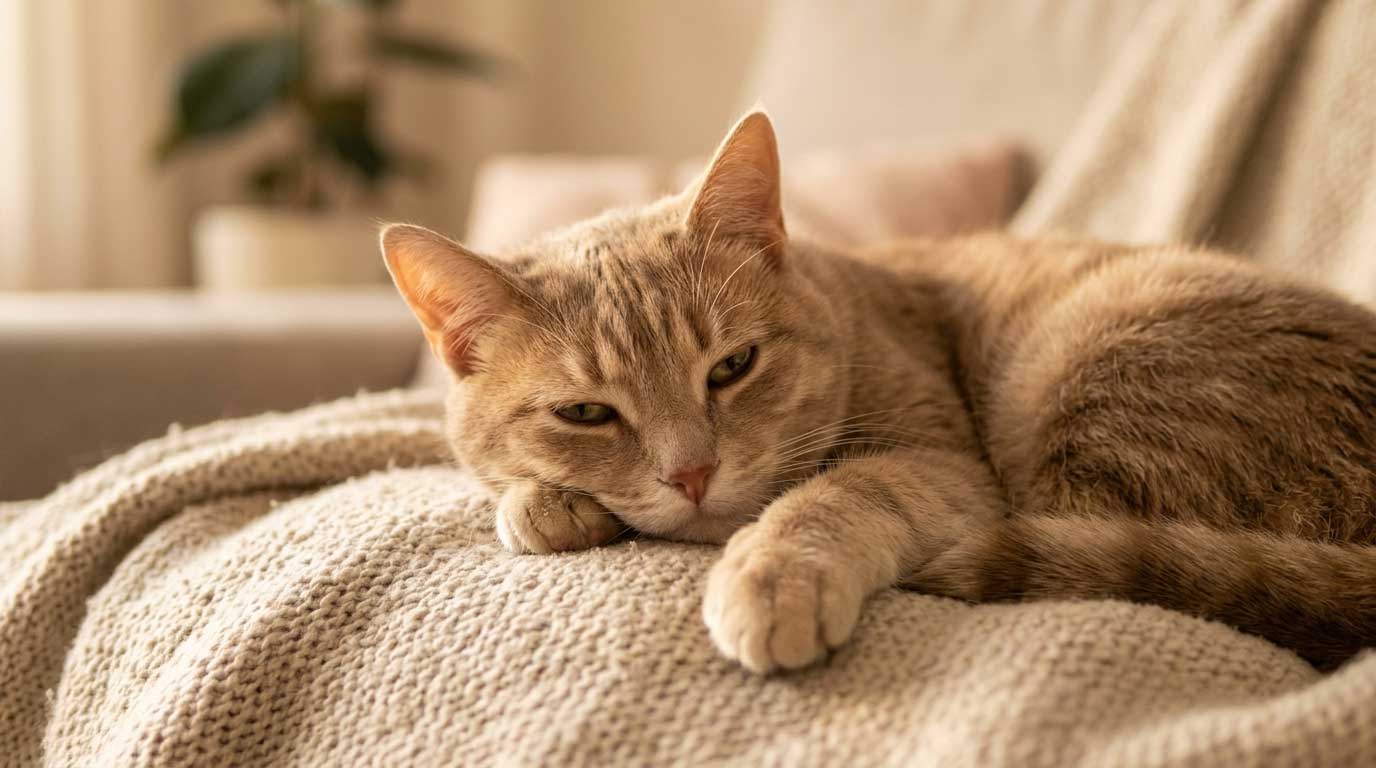
One of the first questions cat owners ask when they spot feline acne is: "Will this just go away on its own?" The answer depends entirely on severity. Some cases clear without any intervention — others absolutely will not.
Here's how to decide whether to wait it out or start treating.
When Cat Acne CAN Clear on Its Own
Mild cases often self-resolve once the trigger is removed. The most common scenario:
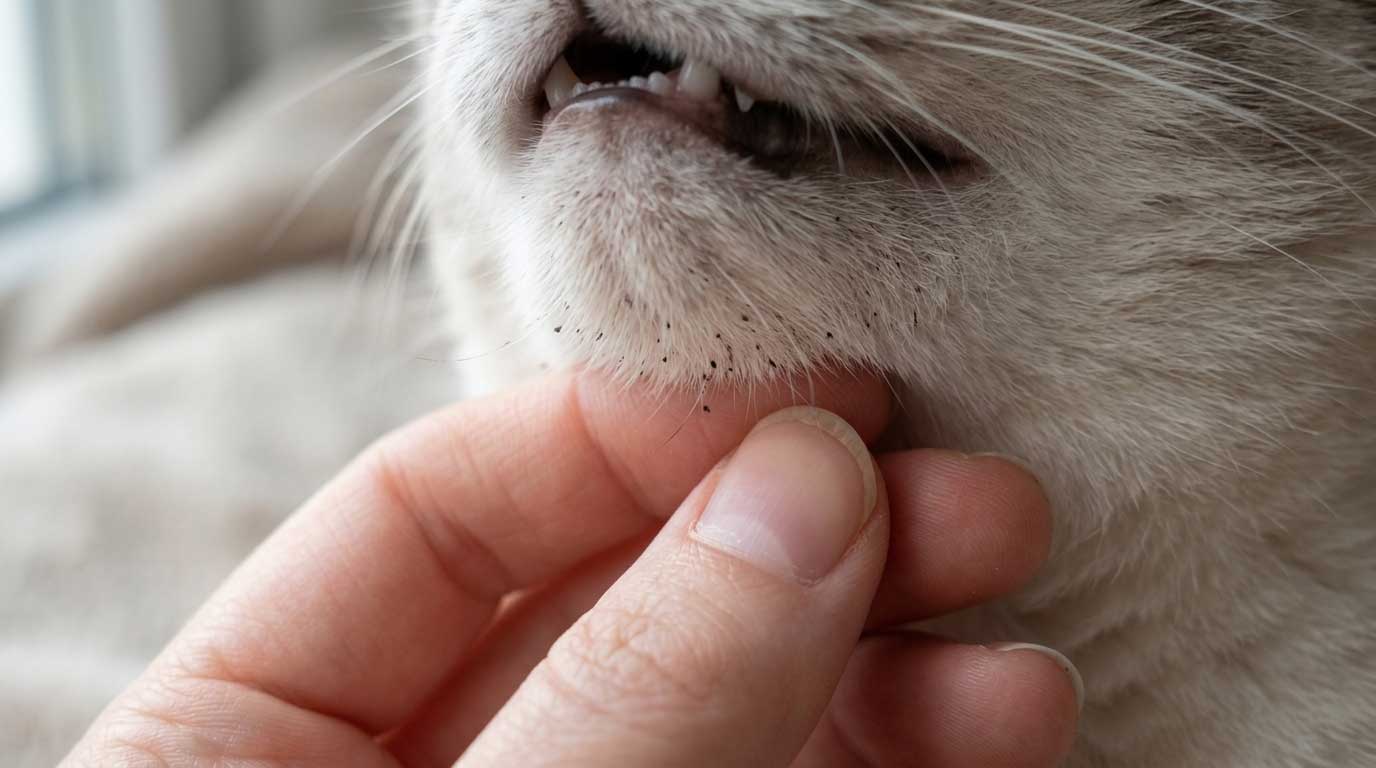
- ✓Small number of blackheads on the chin only
- ✓No redness, swelling, or pain
- ✓Chin is not bleeding, crusting, or losing fur
- ✓Your cat is behaving normally
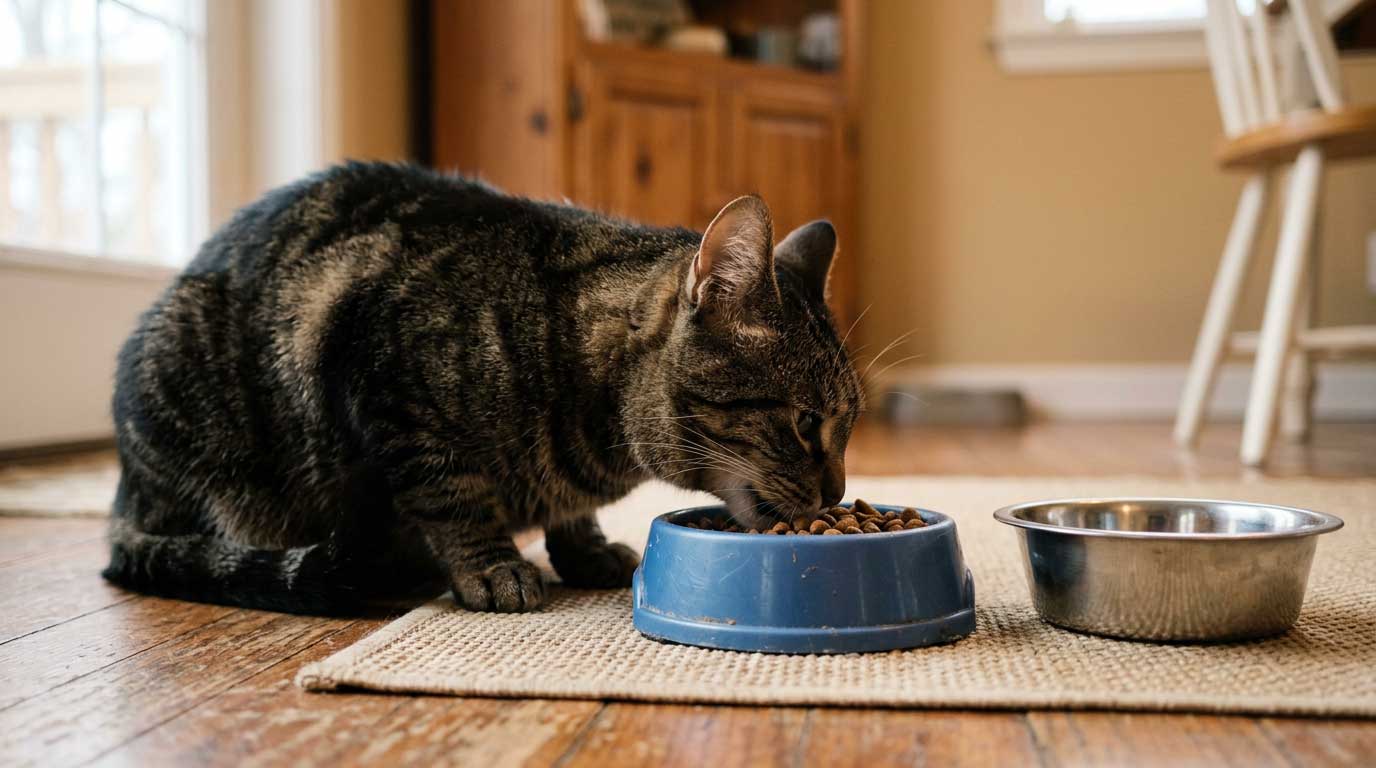
- ✓The trigger (plastic bowl) is identified and replaced
In these cases, about 60-70% of cats see visible improvement within 2-4 weeks just from bowl changes. Another 20-30% need a bit of daily chin wiping with warm water to help speed recovery, but still resolve without medications.
When Cat Acne WILL NOT Clear on Its Own
These cases won't self-resolve:
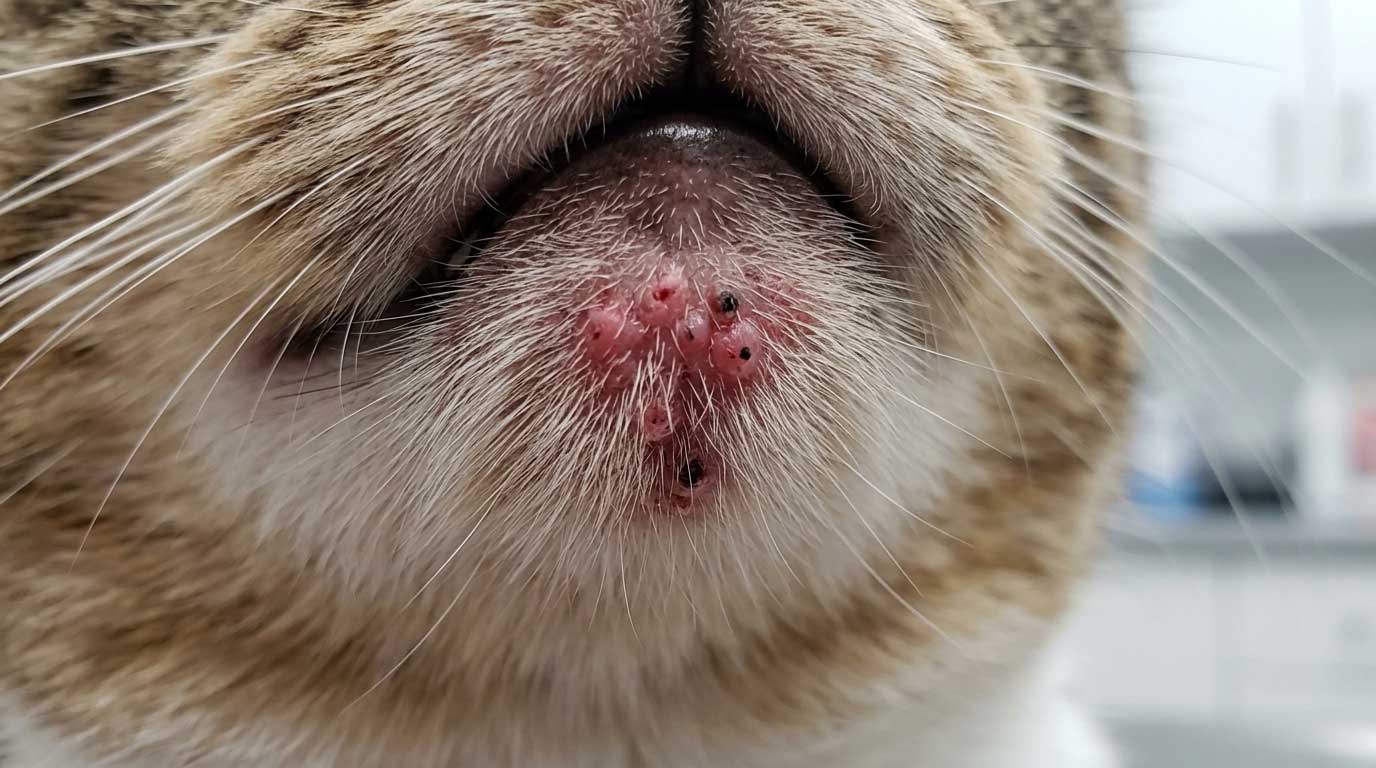
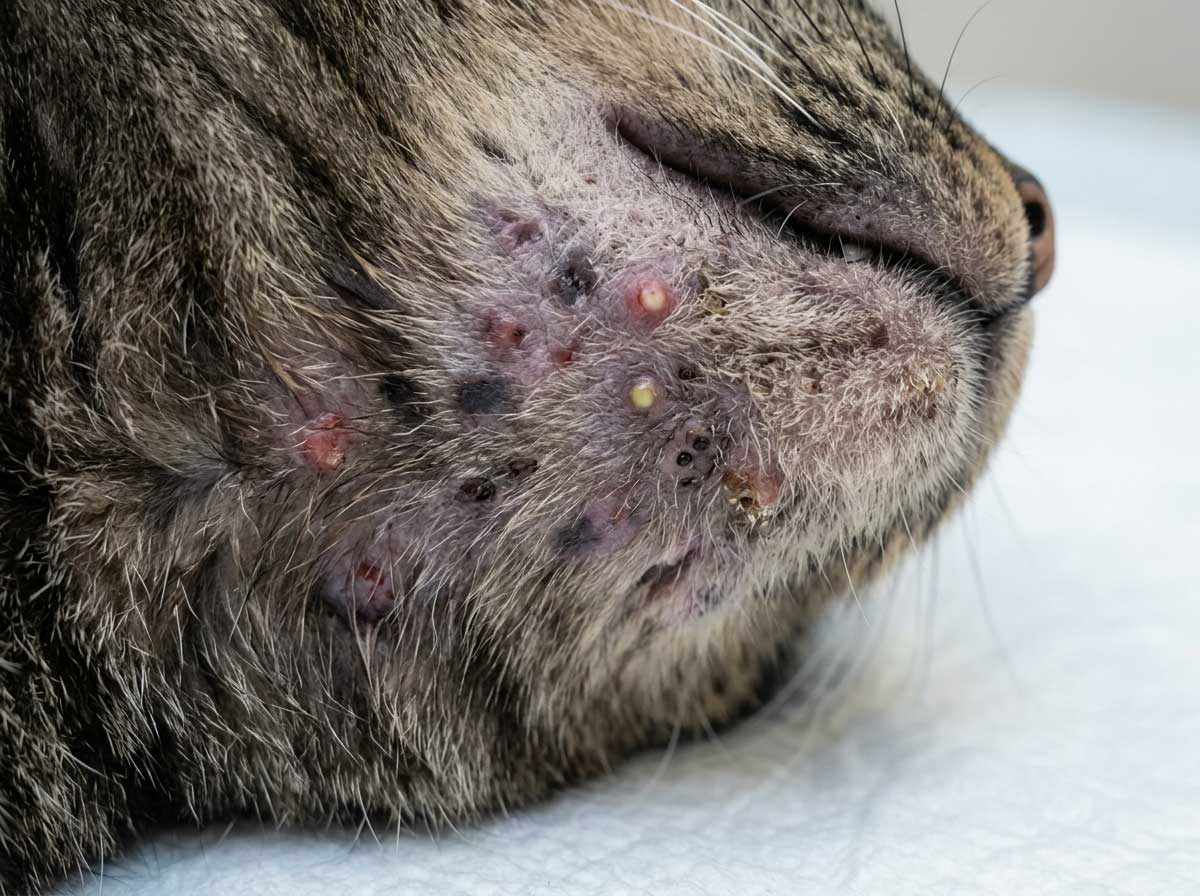
- ✓Moderate acne with red bumps or pimples — these need active treatment
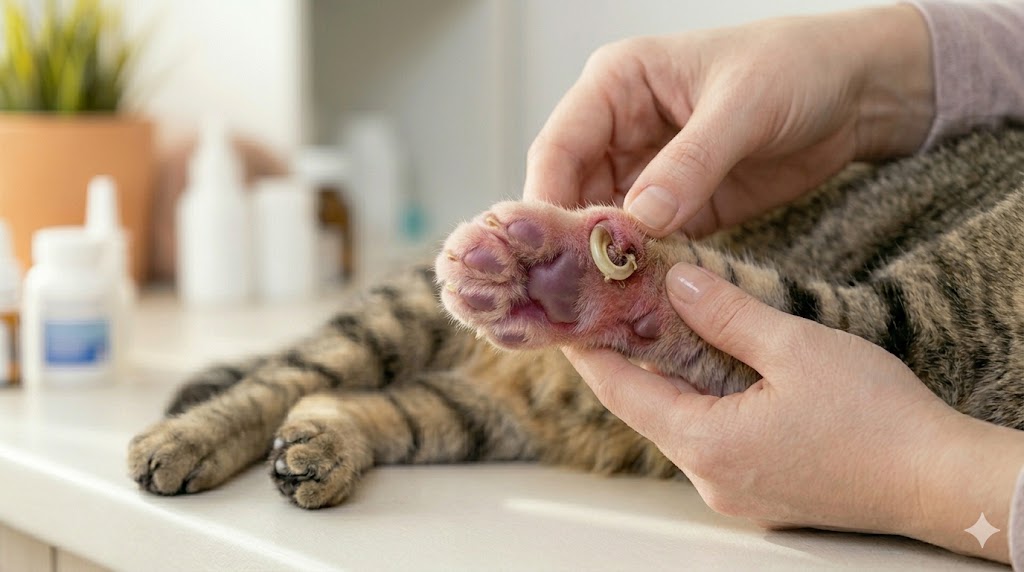
- ✓Any infected acne (swelling, pus, bleeding, scabs)
- ✓Acne that's spreading to the lip or face
- ✓Chronic recurring acne in a cat with clean bowls
- ✓Acne in a cat with known FIV, FeLV, diabetes, or hyperthyroidism
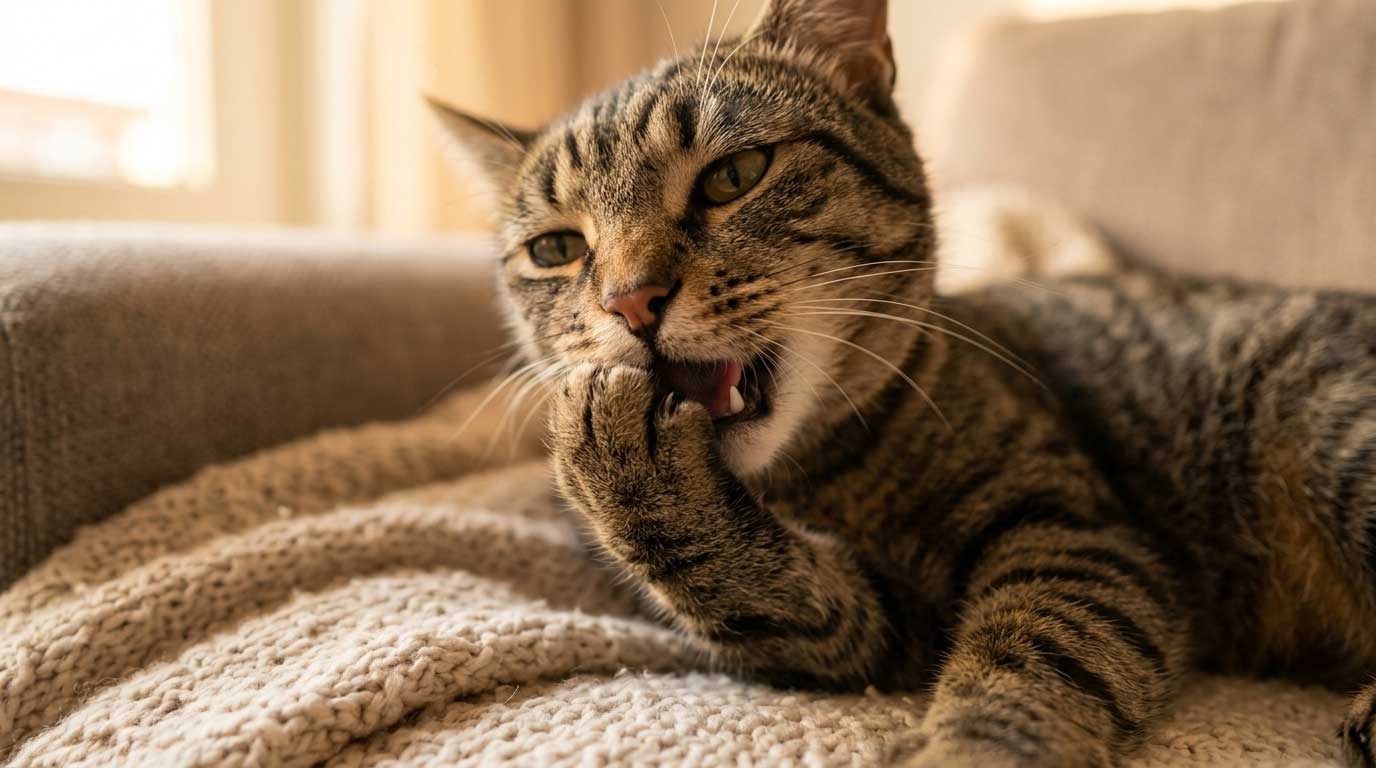
- ✓Any case where the cat shows pain behaviors (hiding, not grooming, flinching)
Waiting for moderate or severe acne to resolve often makes things worse — bacteria dig deeper into follicles and cause more damage.
How Long to Wait Before Intervening
Day 1-7: Remove Triggers
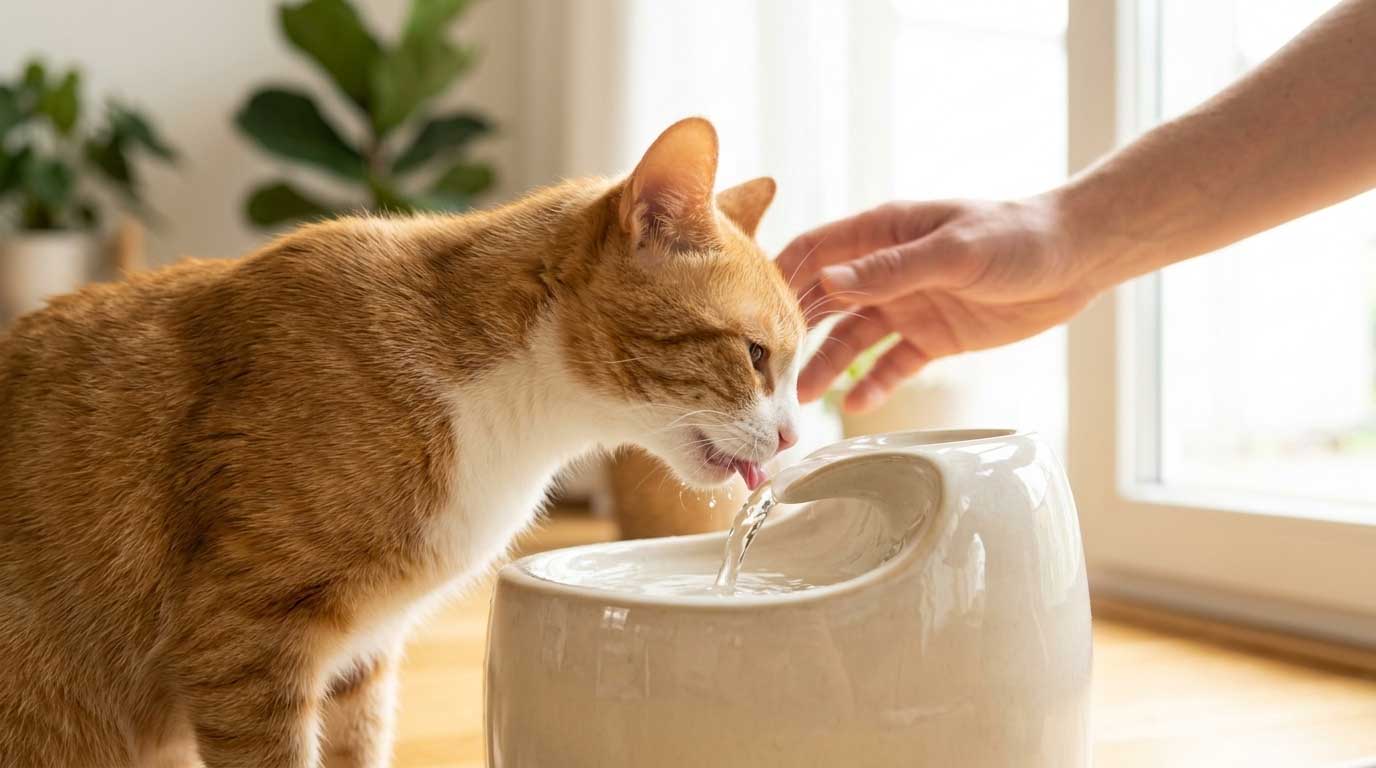
Switch to stainless steel or ceramic bowls. Wash daily. Monitor for any worsening. Do nothing else at this point.
Week 2: Start Gentle Cleaning
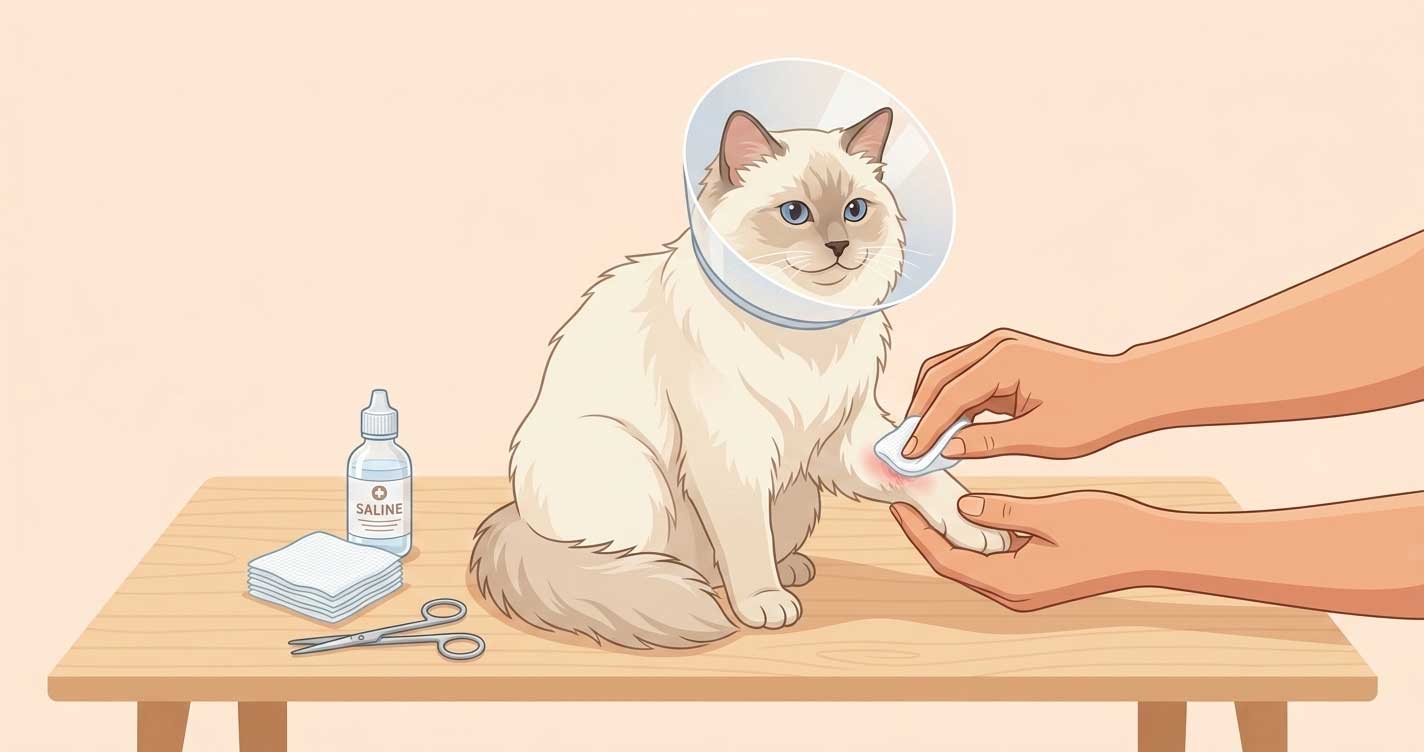
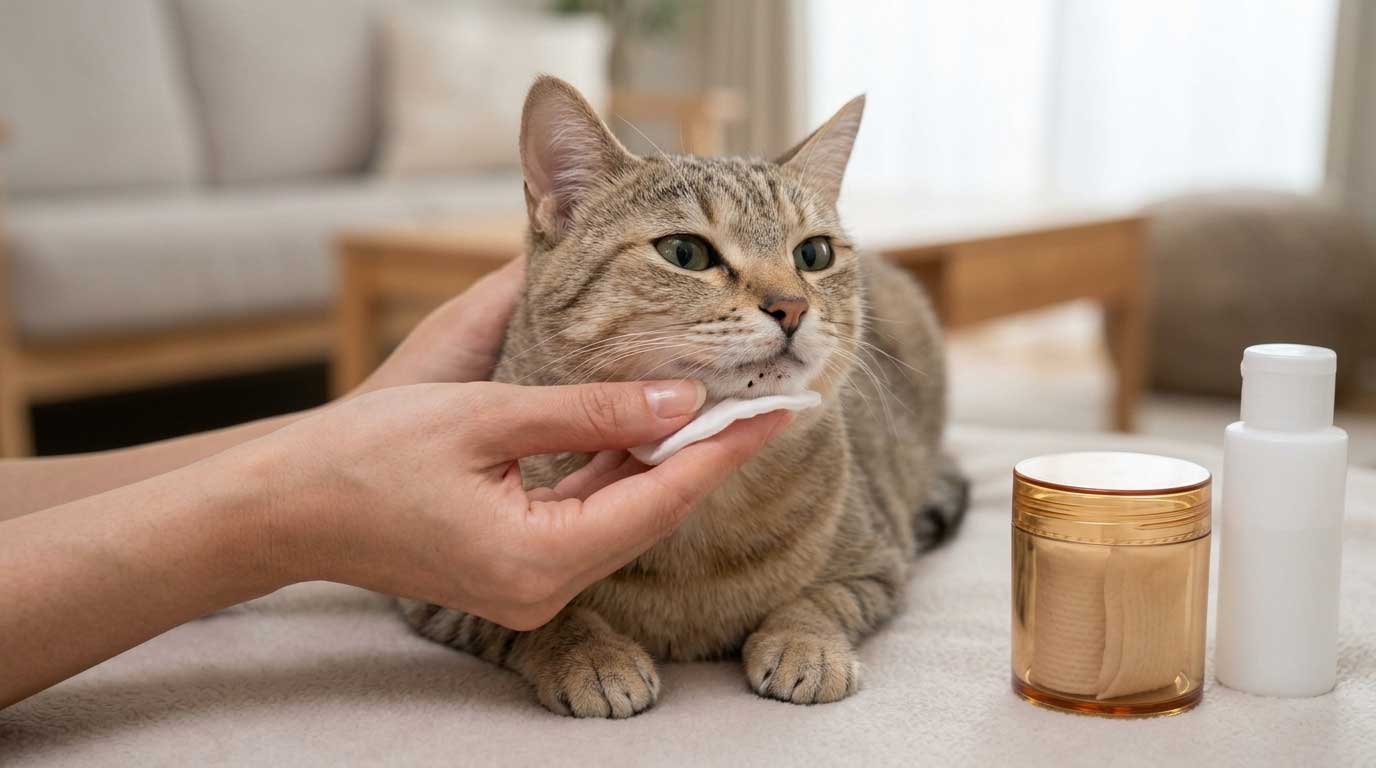
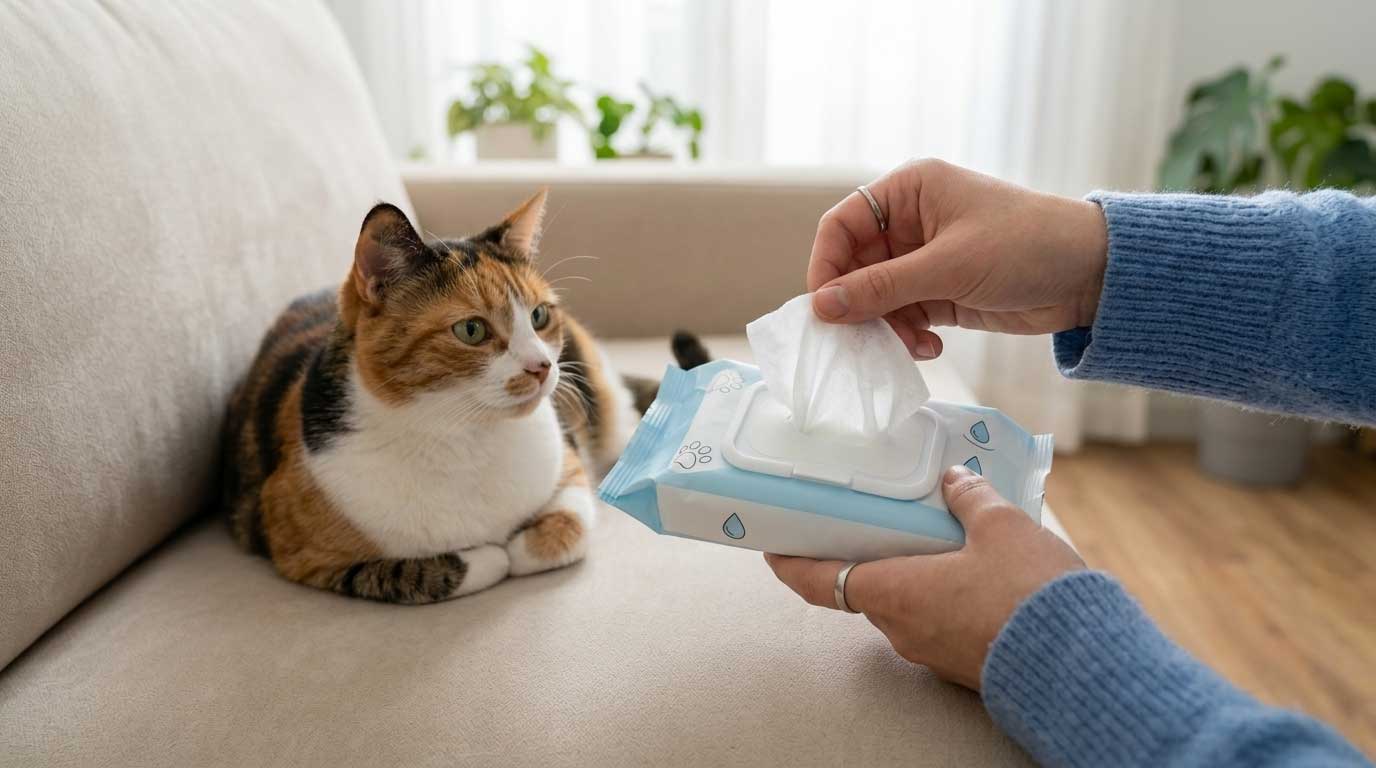
If blackheads haven't decreased, start daily warm water chin wipes. Use a soft cotton pad, don't scrub. Still no chemical treatments.
Week 3-4: Add Chlorhexidine if Inflamed
If you see red bumps forming or blackheads aren't clearing, add daily chlorhexidine wipes or diluted chlorhexidine solution rinses.
Week 4-6: Re-evaluate
By week 4-6, mild cases should be clearly improving or resolved. If they're not, the cause is probably more than plastic bowls — go to a vet.
Signs That Say "Don't Wait, Treat Now"
Skip the wait-and-see approach and start treatment (or see a vet) right away if:
- ✓Red bumps or pimples visible from day one
- ✓Chin is swollen beyond its normal outline
- ✓There's any bleeding or pus
- ✓Scabs are forming
- ✓Fur is falling out around the chin
- ✓Your cat is flinching when you touch the area
- ✓Cat is off food or less active
These indicate the acne is already past the "blackheads only" stage and won't self-resolve.
What Happens If You Wait Too Long?
Untreated moderate cat acne can progress in days to weeks:
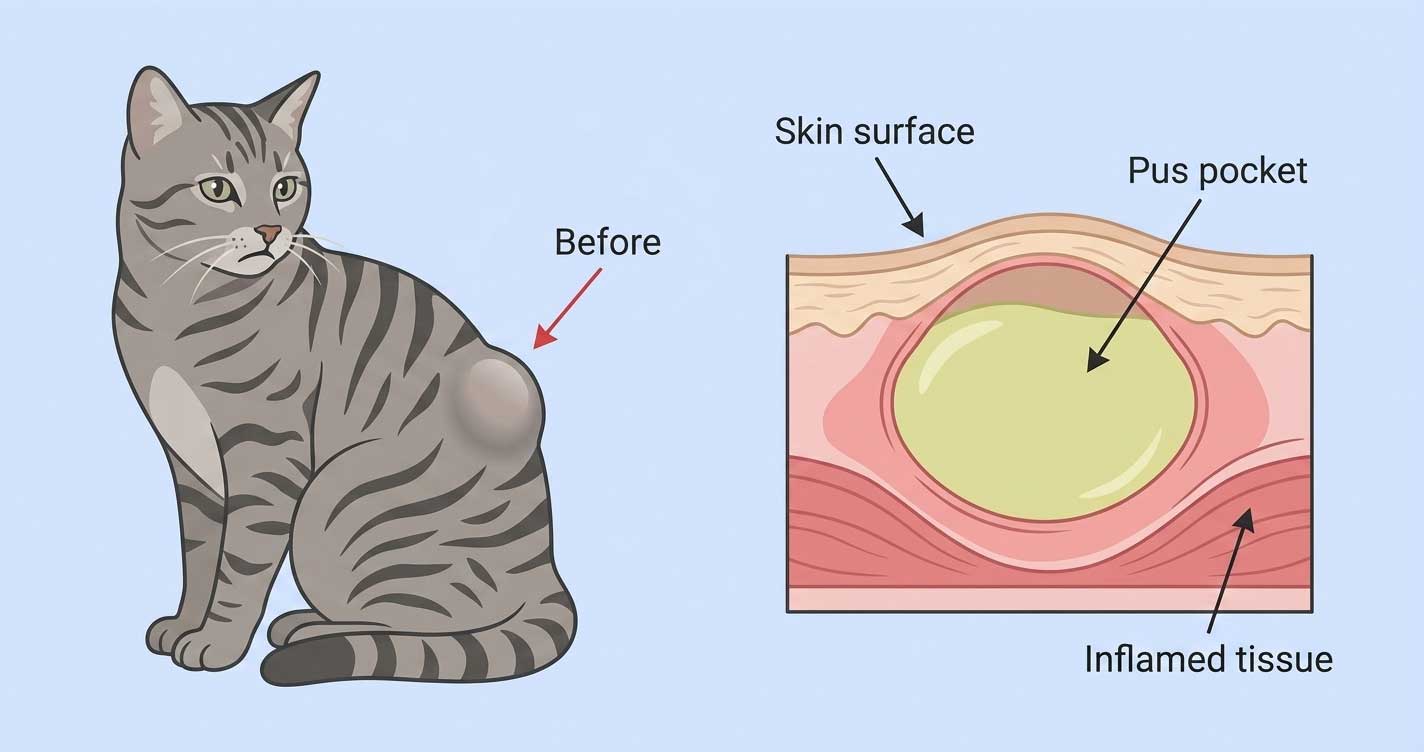
- ✓Red bumps become pustules (pus-filled)
- ✓Pustules burst and become scabbed wounds
- ✓Infection spreads to deeper skin layers (cellulitis)
- ✓Permanent scarring of the chin
- ✓Chronic bacterial colonization that recurs for years
Catching moderate acne at the red-bump stage and treating with chlorhexidine often prevents the whole cascade. Waiting 2-3 weeks into an obvious flare is rarely a good idea.
When Recurring Acne Needs Investigation
If your cat's acne clears with treatment but keeps coming back every few weeks, something beyond plastic bowls is driving it. Investigate:
- ✓Food allergies — try an 8-12 week hypoallergenic diet trial
- ✓Environmental allergies — look for seasonal patterns
- ✓Dirty litter box or dusty litter near the food area
- ✓FIV / FeLV testing if not done (both can lower immunity)
- ✓Dental issues causing drooling that irritates the chin
- ✓Chronic stress reducing self-grooming
Chronic acne is manageable but usually needs ongoing care rather than a one-time fix.
Not sure if your cat's acne is "wait and see" territory or "treat now"? Upload a photo for an AI severity assessment.
Wait or Treat?
Upload a photo and let AI assess severity so you know if waiting is safe or if treatment should start now.
Disclaimer: This article is for informational purposes only and is not a substitute for professional veterinary advice. Always consult a licensed veterinarian for diagnosis and treatment of your pet's health conditions.