Puppy Acne: When It Starts, What It Looks Like, When It Clears
Puppy acne shows up between 5-12 months of age, especially in Boxers, Bulldogs, and other short-haired breeds. Here's what to expect and how to help.
Published 2026-04-18

Your 7-month-old puppy suddenly has small red bumps on their chin, and you're wondering if something's wrong. In most cases, the answer is: no, it's just puppy acne. This is a temporary hormonal skin condition that most young dogs pass through, and it typically clears up on its own as they mature.
Here's what to expect, which breeds get it most, and when to actually worry.
At What Age Do Puppies Get Pimples?
Puppy acne typically appears between 5 and 12 months of age, peaking during sexual maturity (6-9 months). It's driven by hormonal surges — similar to human teenage acne — where testosterone and other hormones stimulate oil production in the skin, causing follicles to plug and pimples to form.
By 12-16 months of age, as hormones stabilize, puppy acne usually resolves on its own. A small percentage of dogs continue to have occasional flares into adulthood, especially intact males and predisposed breeds.
What Does Puppy Acne Look Like?
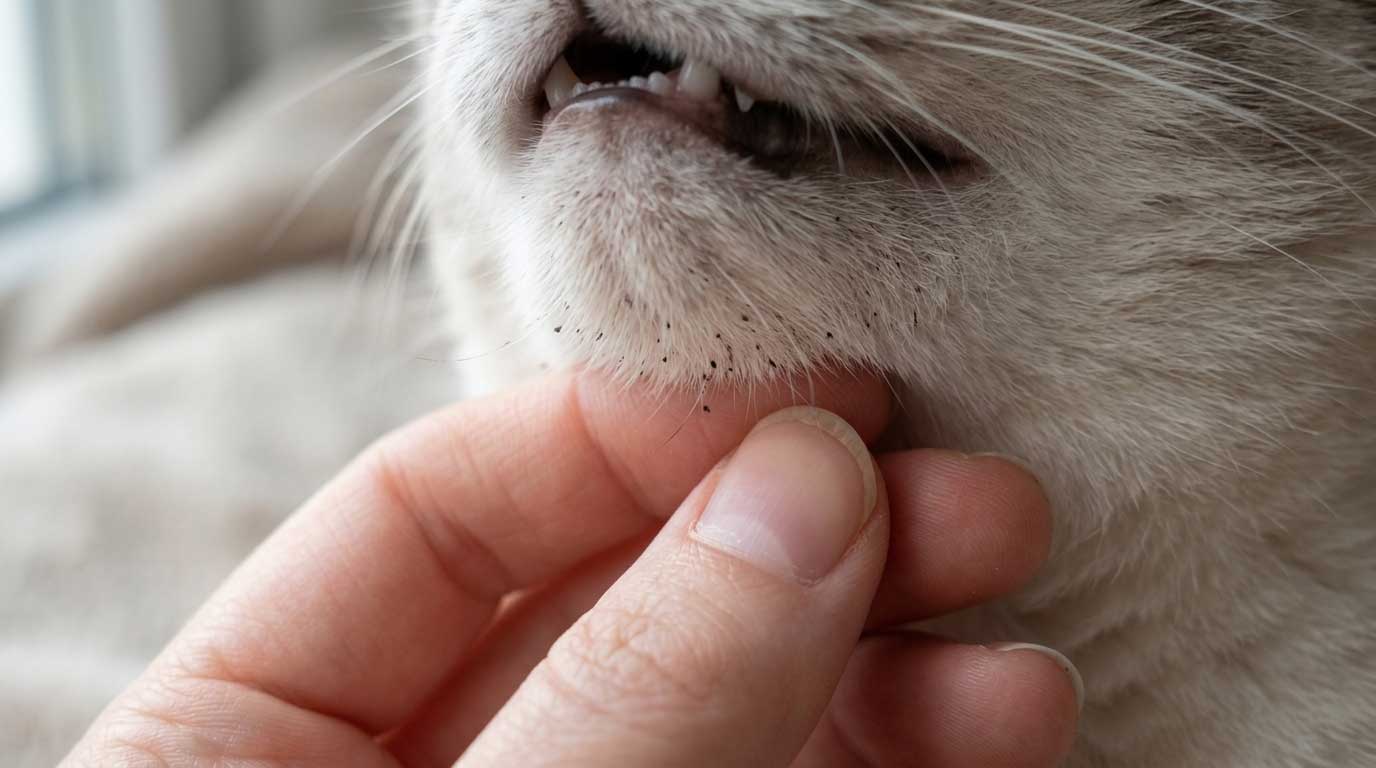
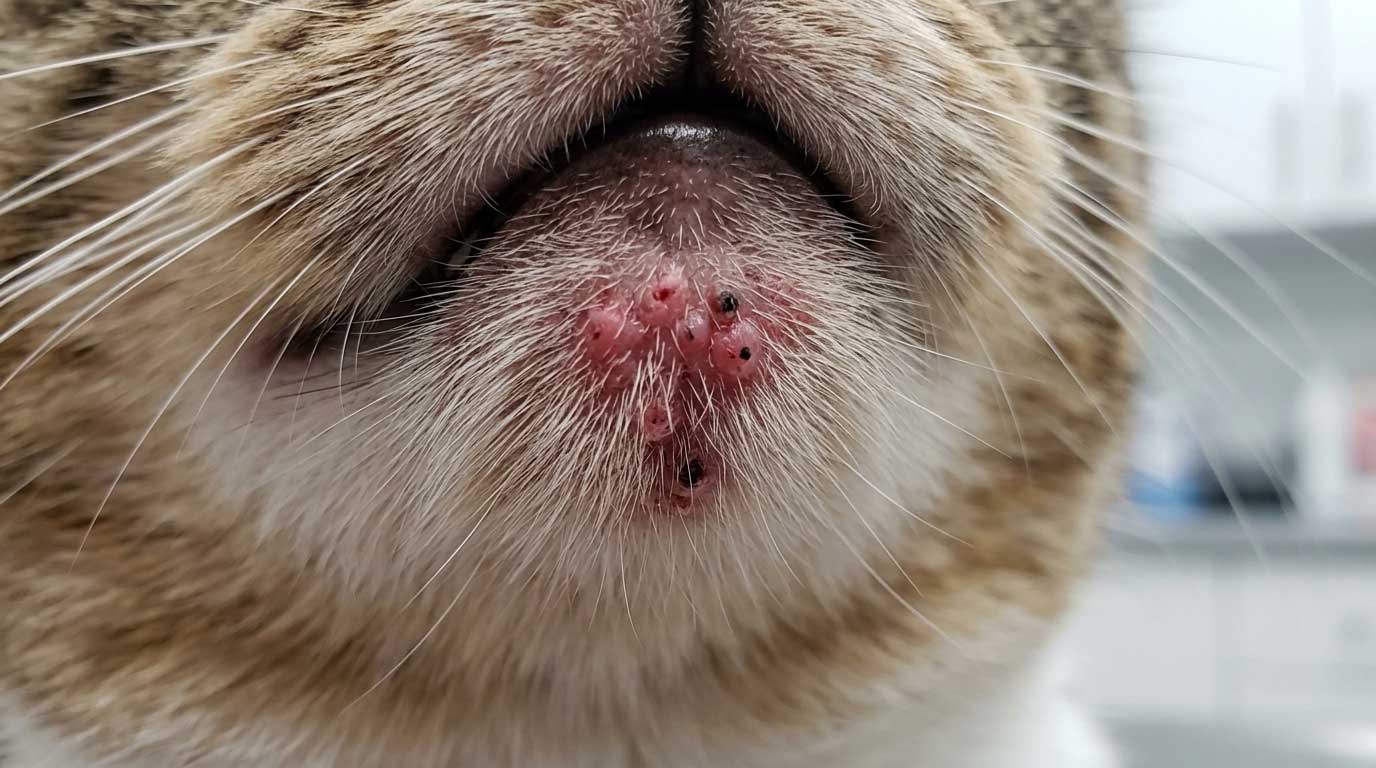
- ✓Small red bumps (papules) on the chin, lower lip, or around the mouth
- ✓White-tipped pimples (pustules) in moderate cases
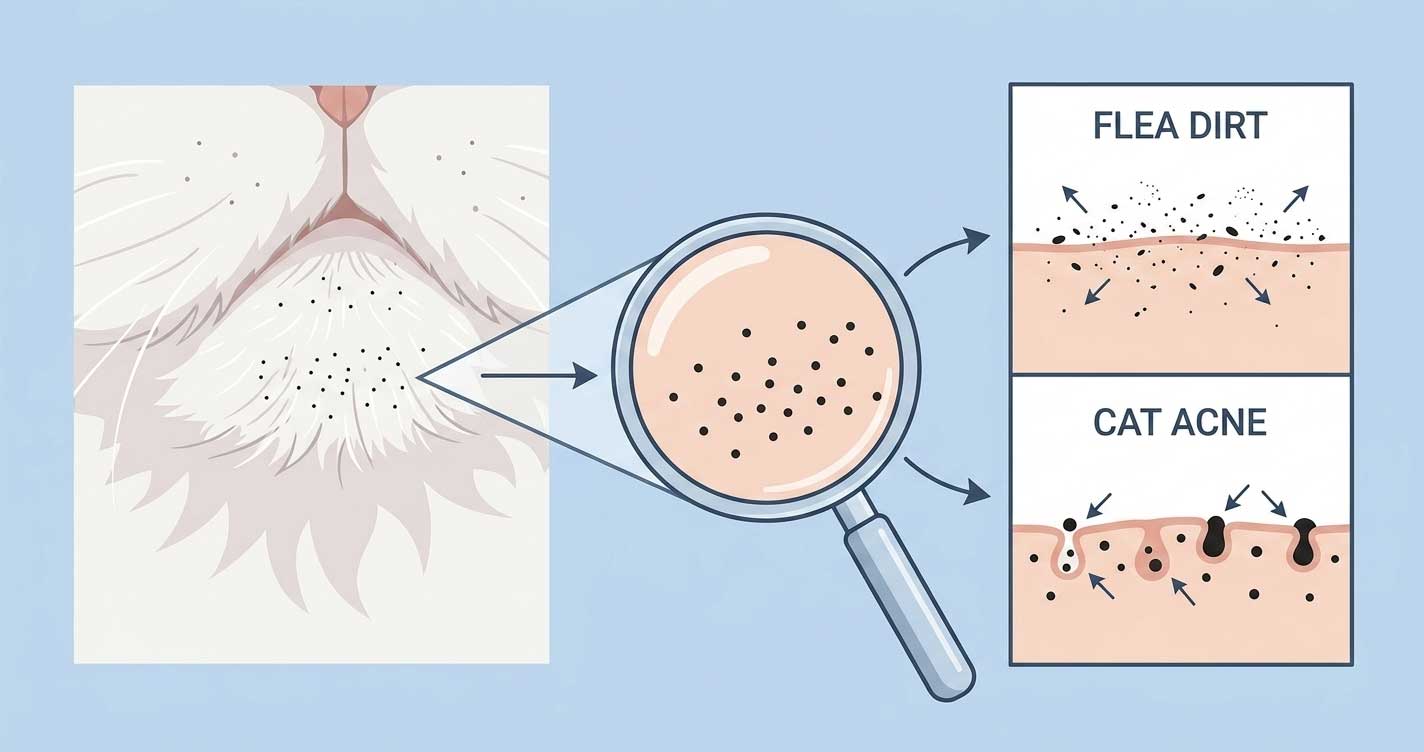
- ✓Occasional blackheads
- ✓Sometimes spreads to the muzzle or front of the face
- ✓Usually not very itchy — puppies seem unbothered in most cases
- ✓Hair remains intact (no patchy baldness — that would suggest mange)
In severe cases, pustules can burst, scab, and leave tiny scars — but this is uncommon. Most puppy acne stays in the mild-to-moderate range.
Which Breeds Get Puppy Acne Most?
Short-haired breeds with prominent muzzles are the most prone. The top breeds:
- ✓Boxer
- ✓English Bulldog & French Bulldog
- ✓Great Dane
- ✓Mastiff (English and Bullmastiff)
- ✓Rottweiler
- ✓Doberman Pinscher
- ✓German Shorthaired Pointer
- ✓Weimaraner
- ✓Staffordshire Bull Terrier
These breeds share features that predispose them to acne: short stiff fur that can push into follicles, large oil glands in the chin area, and wide lower jaws that contact bowls and surfaces more often. If your puppy is one of these breeds, expect some acne flares during adolescence.
Puppy Acne vs Adult Canine Acne
- ✓Puppy acne: hormonal driver, resolves by 12-16 months in most dogs
- ✓Adult canine acne: usually triggered by plastic bowls, face-rubbing, or underlying allergies
- ✓Treatment is similar, but puppy acne often doesn't need active treatment because it self-resolves
Home Care for Puppy Acne
For most cases, simple supportive care is all that's needed:
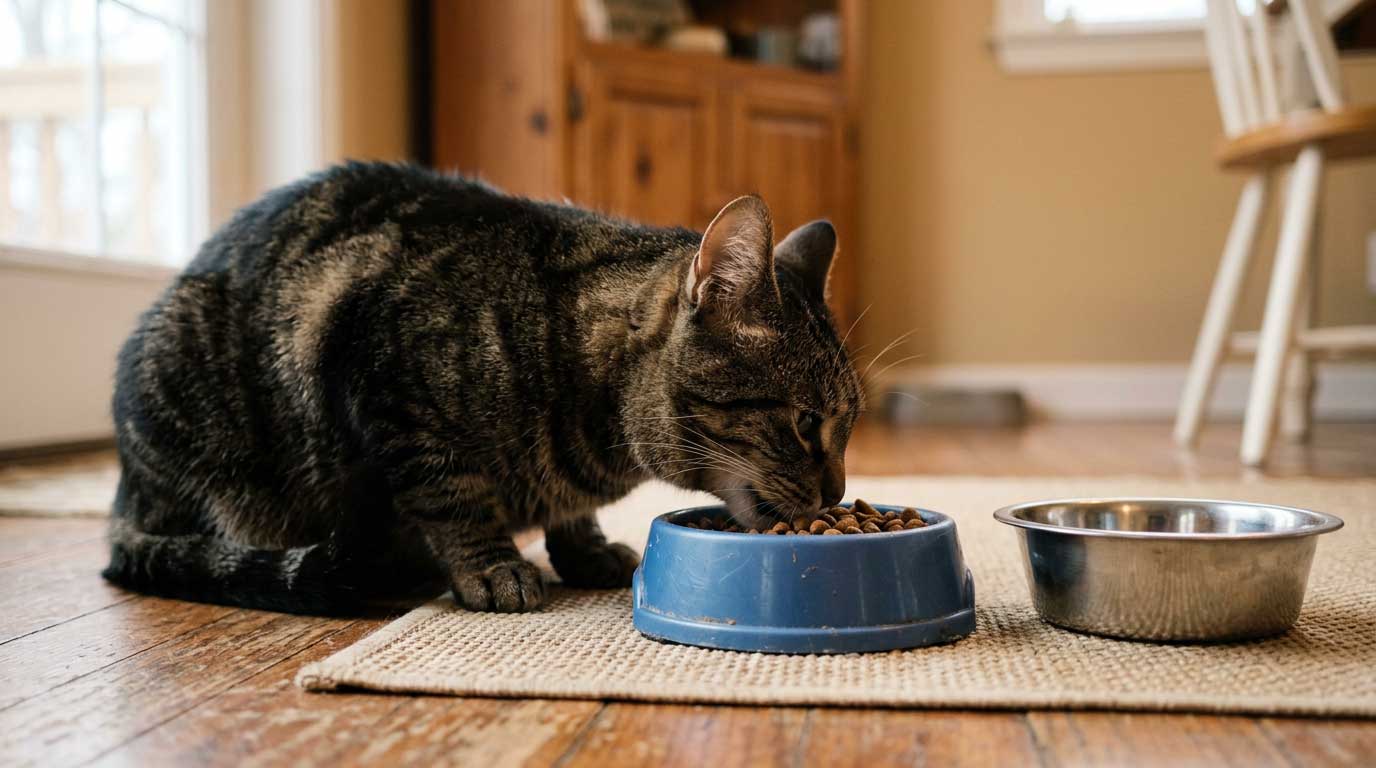
- ✓Switch plastic food/water bowls to stainless steel, ceramic, or glass
- ✓Wash bowls daily with hot soapy water
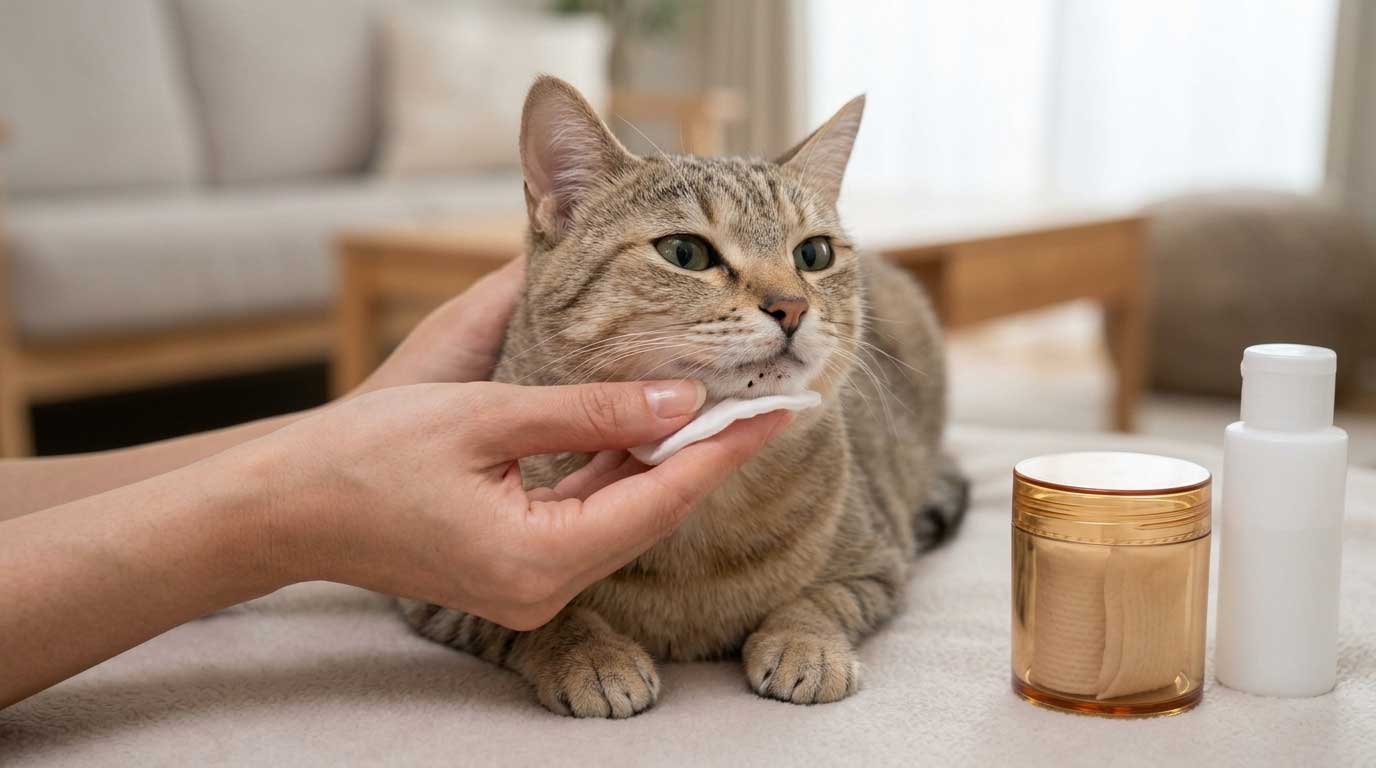
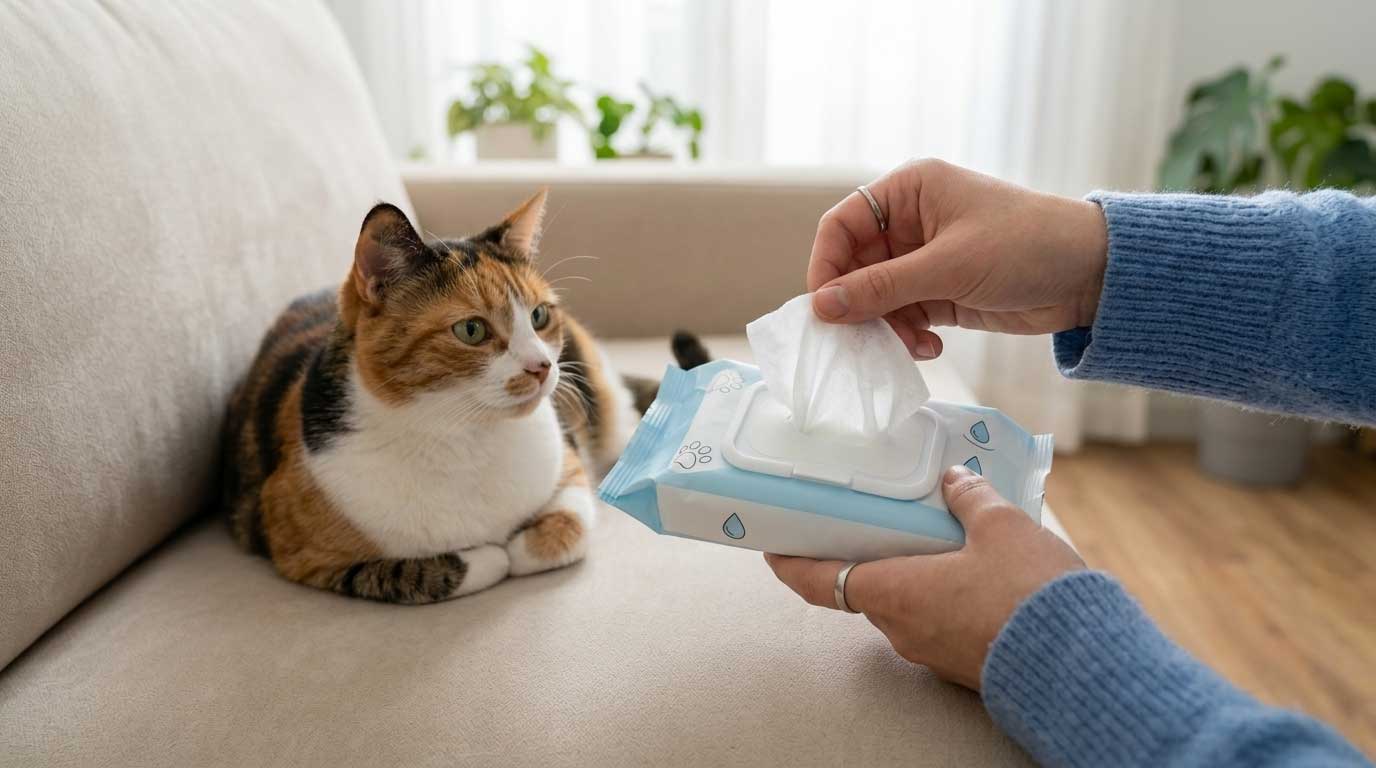
- ✓Wipe the chin gently with a warm damp cloth once a day
- ✓Provide a soft bed instead of rough materials to reduce face-rubbing
- ✓Don't over-treat — puppy skin is sensitive
For moderate cases with visible pustules, adding daily chlorhexidine wipes (pet-safe) can help prevent secondary infections. Avoid benzoyl peroxide on very young puppies (under 6 months) without vet guidance — it can dry sensitive skin.
What NOT to Do with Puppy Acne
- ✓Don't pop, squeeze, or pick at pimples — causes scarring and deeper infection
- ✓Don't use human acne products (Proactiv, Clean & Clear, etc.) — toxic if licked
- ✓Don't use hydrogen peroxide — damages healing skin
- ✓Don't over-clean — too much washing strips natural oils and can worsen acne
- ✓Don't use essential oils — toxic to dogs
When Puppy Acne Is Actually Something Else
See a vet if your puppy shows any of these — they may not have simple acne:
- ✓Hair loss around the affected area (suggests demodectic mange)
- ✓Intense itching or scratching (suggests allergies or mange)
- ✓Bumps spreading across the entire body (suggests folliculitis, pyoderma, or allergies)
- ✓Open sores that are bleeding or draining heavily
- ✓Puppy seems unwell (lethargy, off food, hiding)
- ✓Acne persisting beyond 18 months with no improvement
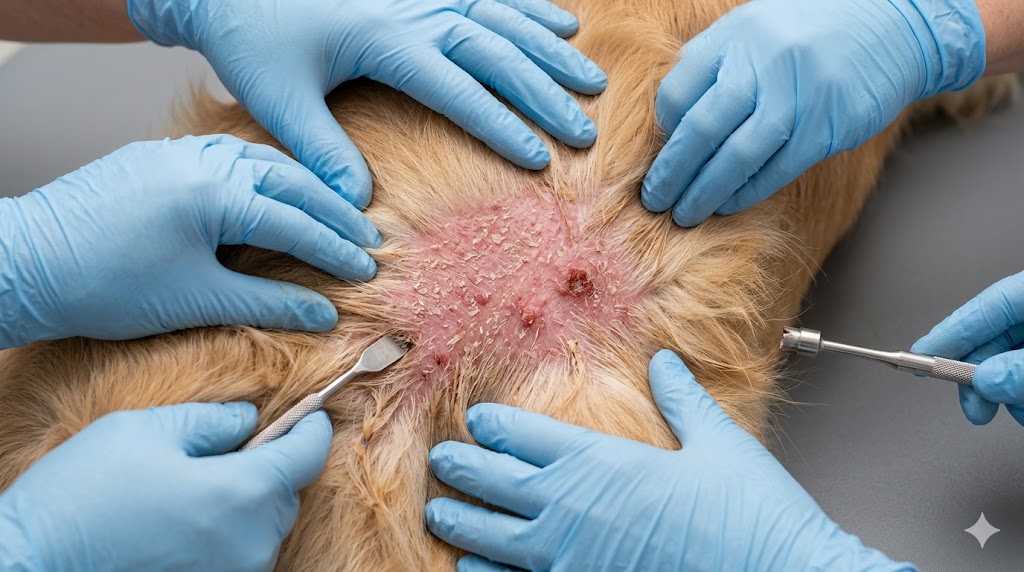
Localized demodex in young puppies is actually fairly common and often self-resolves, but diagnosis requires a vet skin scraping to confirm. Don't assume acne if hair loss is present — it matters which condition it is.
What to Expect: Timeline
- ✓Month 5-6: first flare appears
- ✓Month 6-9: peak severity during hormonal surges
- ✓Month 9-12: starts to improve
- ✓Month 12-16: resolved in most dogs
- ✓Adulthood: occasional flares in predisposed breeds
The Bottom Line
Puppy acne in 5-12 month old dogs is usually a normal, self-limiting phase. Remove the plastic bowl trigger, keep the chin clean, don't over-treat, and most cases resolve by 16 months. Only worry if you see hair loss, severe infection signs, or the acne persists far past adolescence.
Not sure if what you're seeing is puppy acne or something else? Upload a photo for an AI assessment.
Puppy Acne or Something Else?
Upload a photo and let AI tell you whether it's normal puppy acne, mange, or another condition.
Disclaimer: This article is for informational purposes only and is not a substitute for professional veterinary advice. Always consult a licensed veterinarian for diagnosis and treatment of your pet's health conditions.