Why Does My Dog Have Pimples? 6 Causes of Canine Acne
Small red bumps or pimples on your dog's chin? Here are the 6 most common causes of canine acne, plus how to tell acne from mange and other skin problems.
Published 2026-04-18

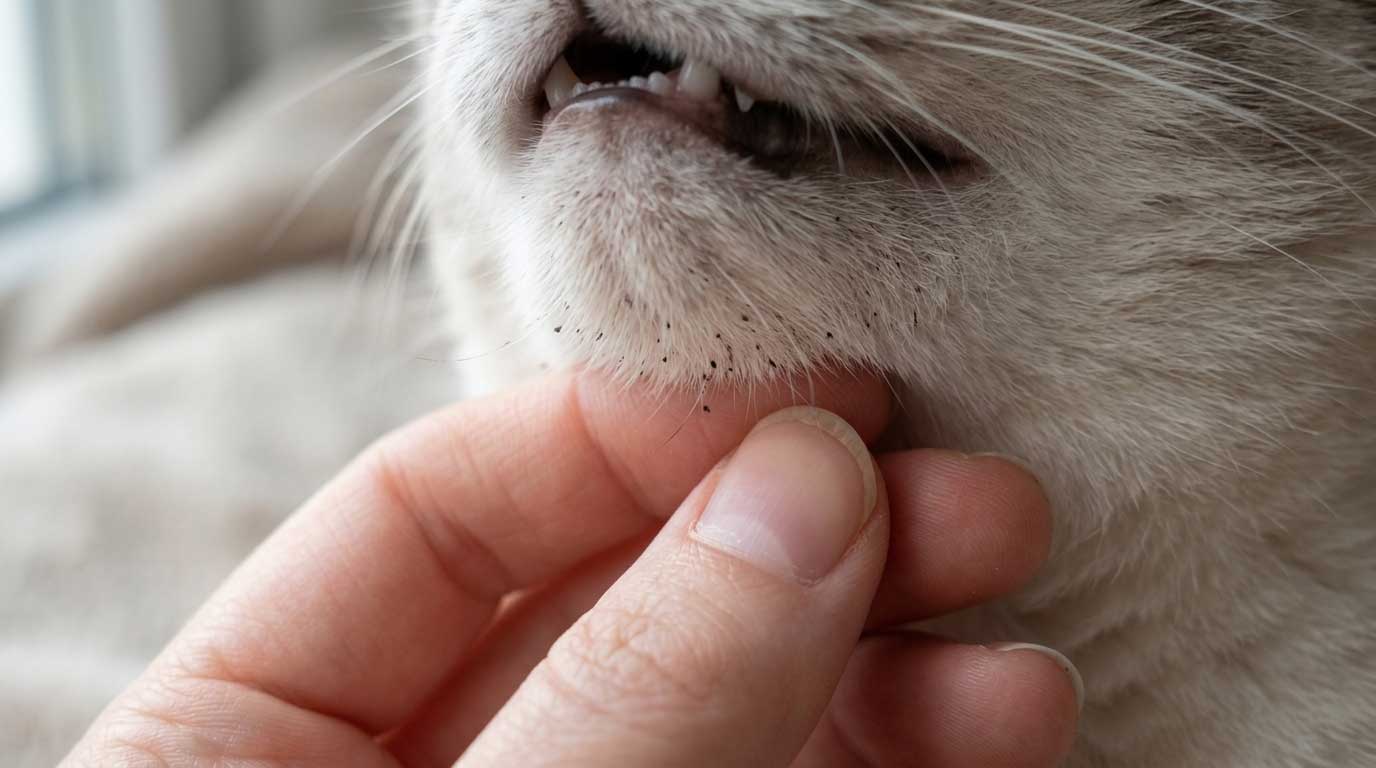
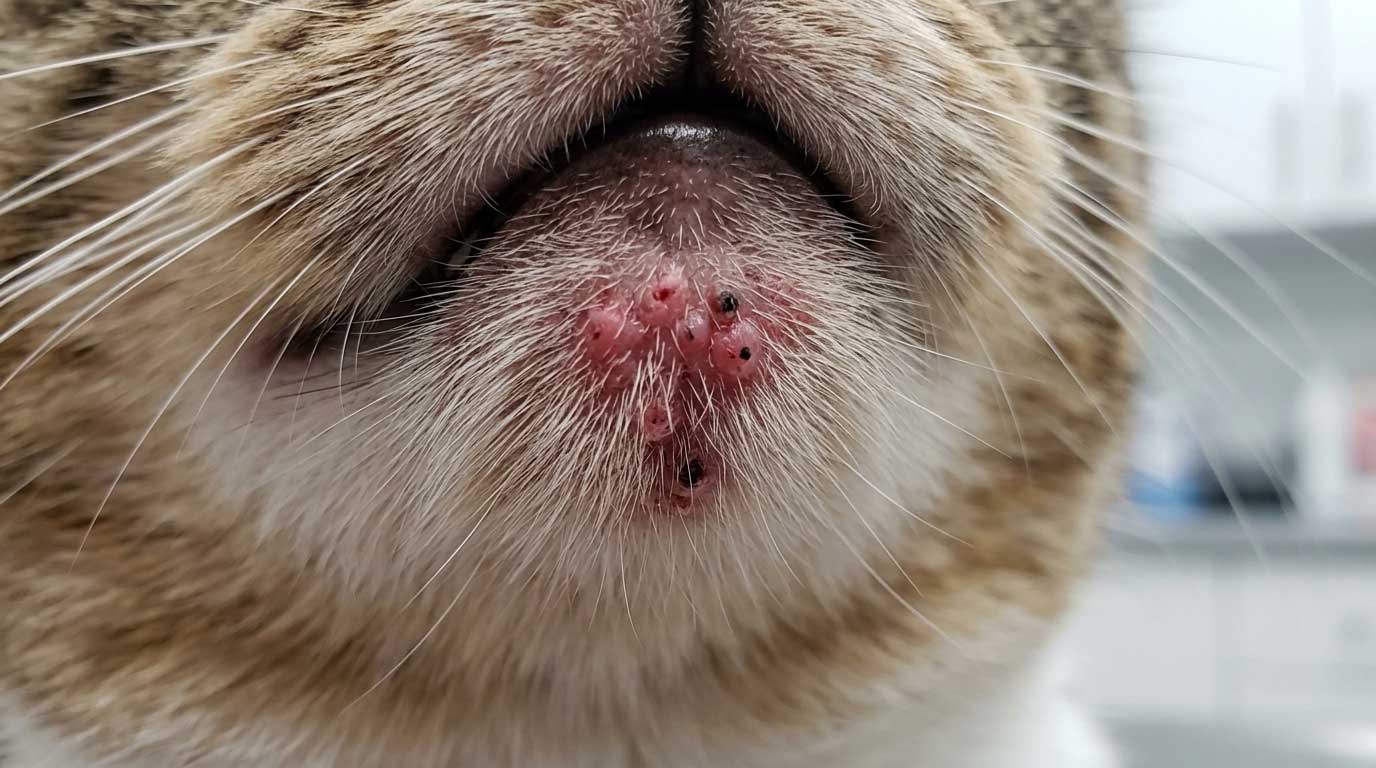
You spotted small red bumps on your dog's chin or lower lip, and you're wondering what's going on. Canine acne is real — yes, dogs get pimples just like teenagers — and it's surprisingly common, especially in young dogs and short-haired breeds. The good news: most cases are mild and easy to fix at home once you identify the cause.
Here are the 6 most common reasons dogs get pimples, and how to narrow down which applies to your dog.
1. Plastic Food & Water Bowls (The #1 Cause)
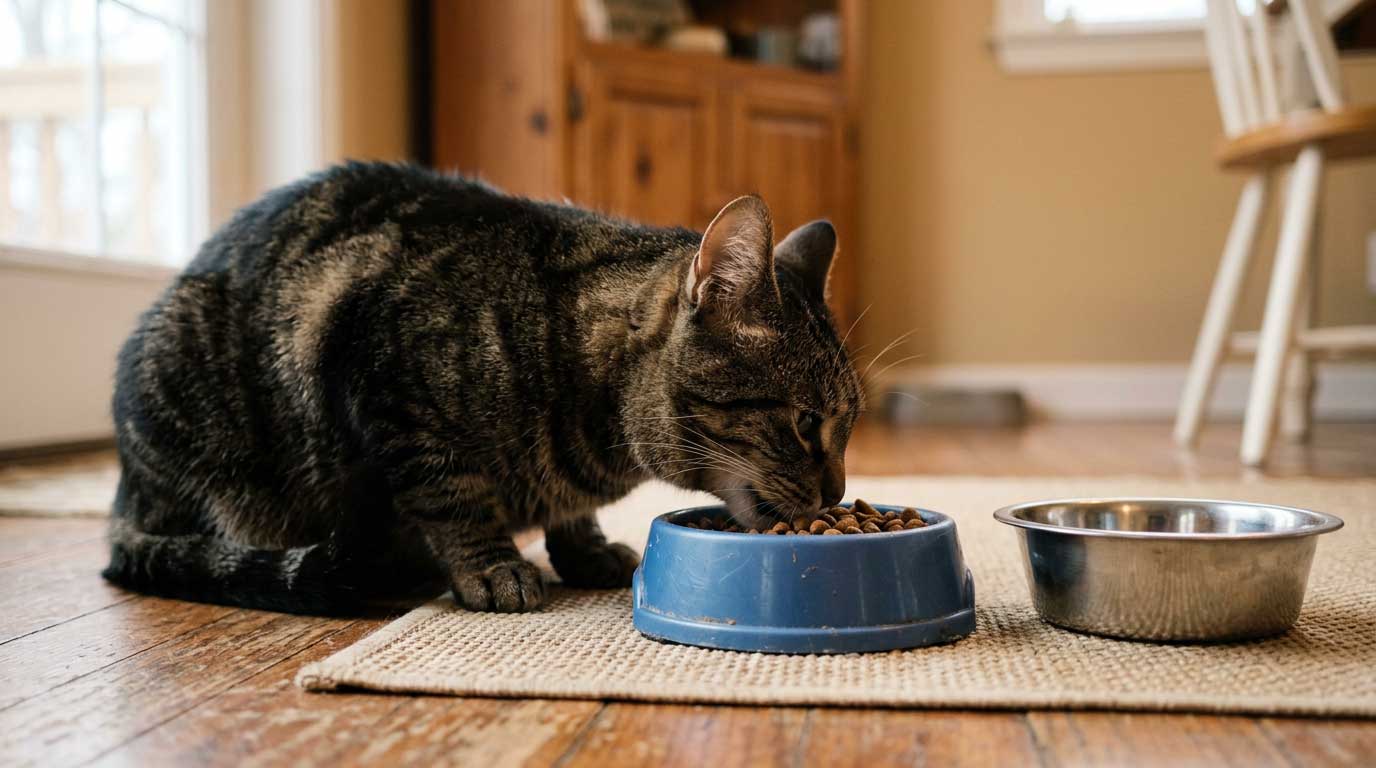
Plastic bowls are the single most common trigger of canine acne. Plastic is microscopically porous — every tiny pit holds bacteria that can't be fully washed out. When your dog eats, the chin rubs against the rim and bacteria transfer directly into the hair follicles on the chin. Over time this causes inflammation, blackheads, and pimples. Fix: switch to stainless steel, ceramic, or glass bowls. Wash them daily with hot soapy water. Most dogs see improvement within 2-4 weeks of this single change.
2. Puppy Hormones (Age 5-12 Months)
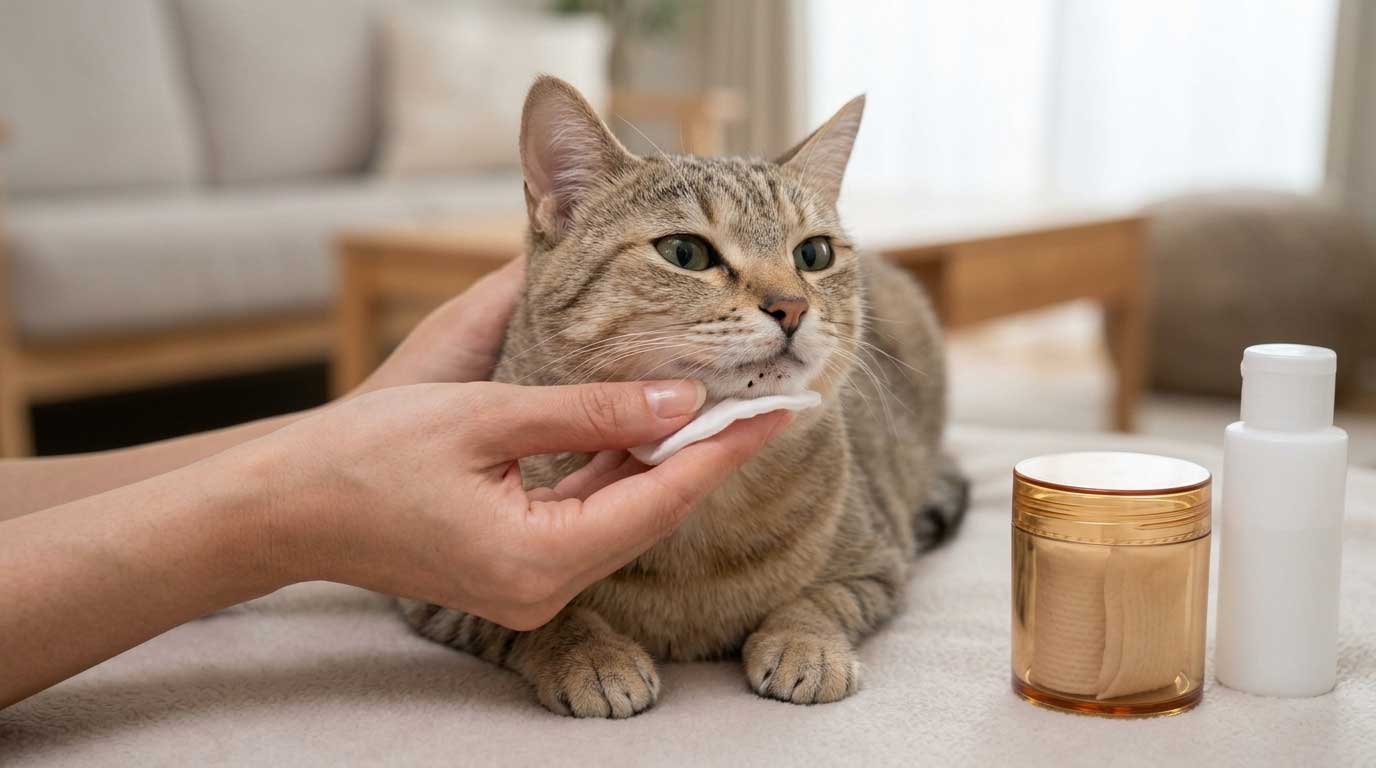
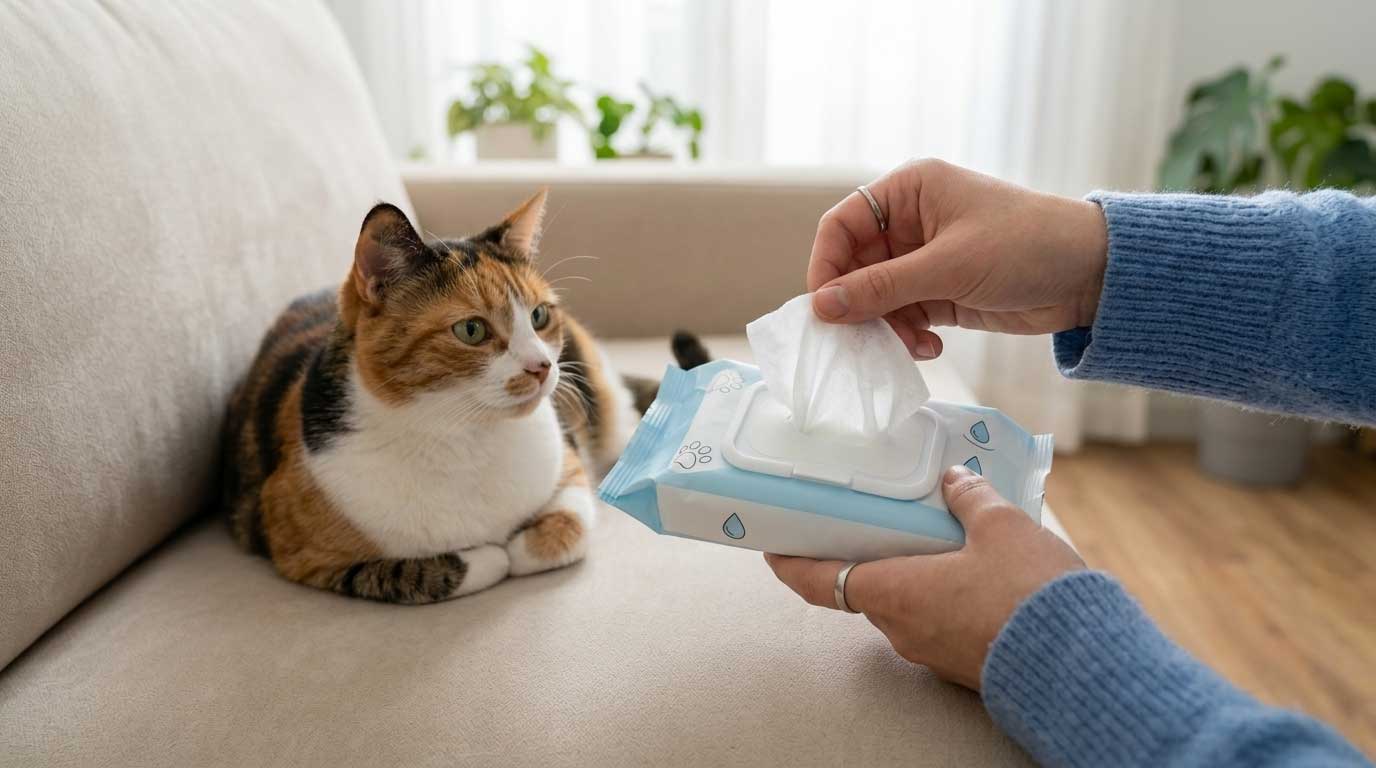
If your dog is between 5 and 12 months old, you may be seeing puppy acne — the canine version of teenage acne. Hormonal surges during sexual maturity stimulate oil glands in the chin, causing follicle plugging and pimples. Most puppy acne clears on its own by 12-16 months without any treatment. Breeds most prone: Boxers, Bulldogs, Great Danes, Mastiffs, Rottweilers, Dobermans, and German Shorthaired Pointers. During flares, switch to non-plastic bowls and wipe the chin gently, but don't over-treat — time usually solves it.
3. Face-Rubbing on Rough Surfaces
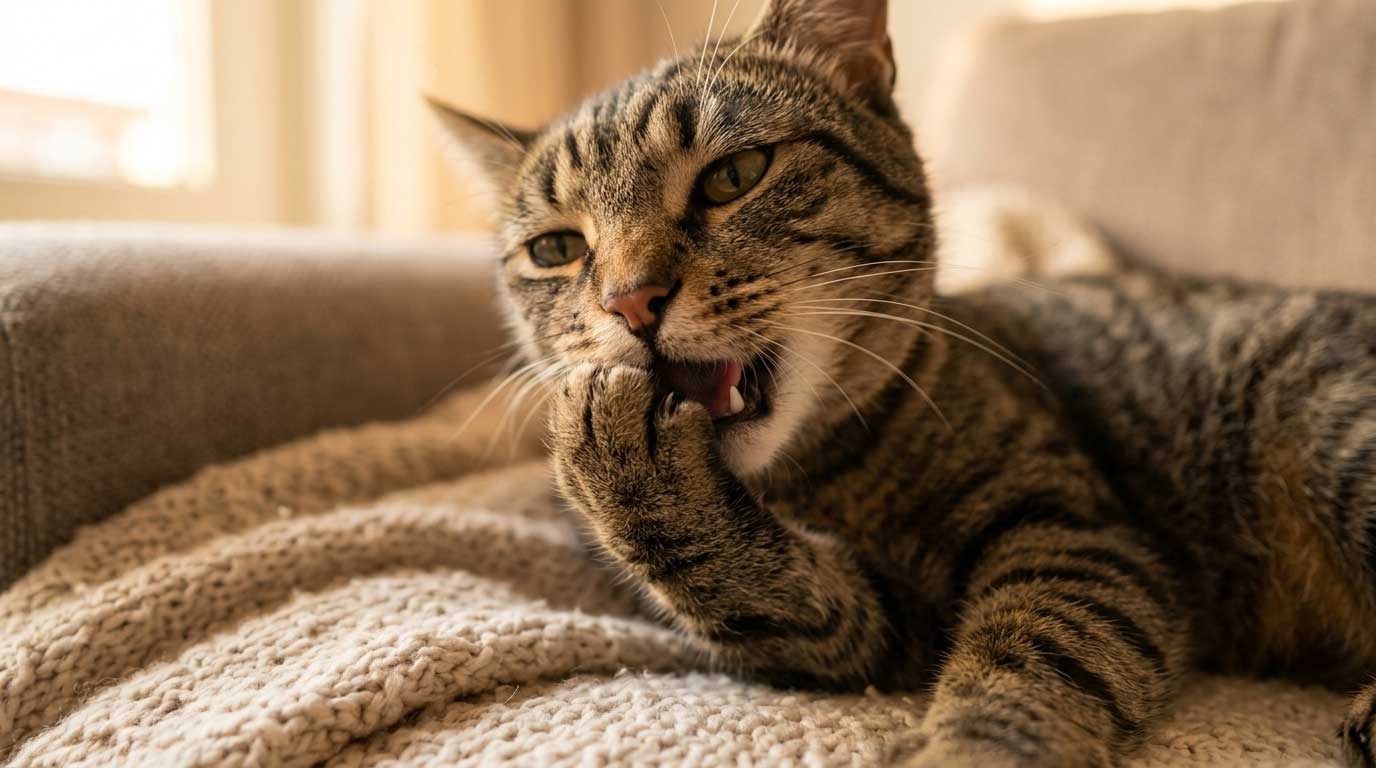
Dogs that rub their face on carpet, rough bedding, furniture, or toys can get friction-triggered acne. Short-haired breeds are especially vulnerable because their stiff fur pushes into follicles when pressed. Signs: acne is concentrated on the area that contacts the rubbing surface (often one side of the chin or muzzle). Fix: identify the rubbing source (new carpet? rough-fabric dog bed?), provide a softer alternative (smooth blanket, towel), and trim chin fur short if it's long enough to trap debris.
4. Food or Environmental Allergies
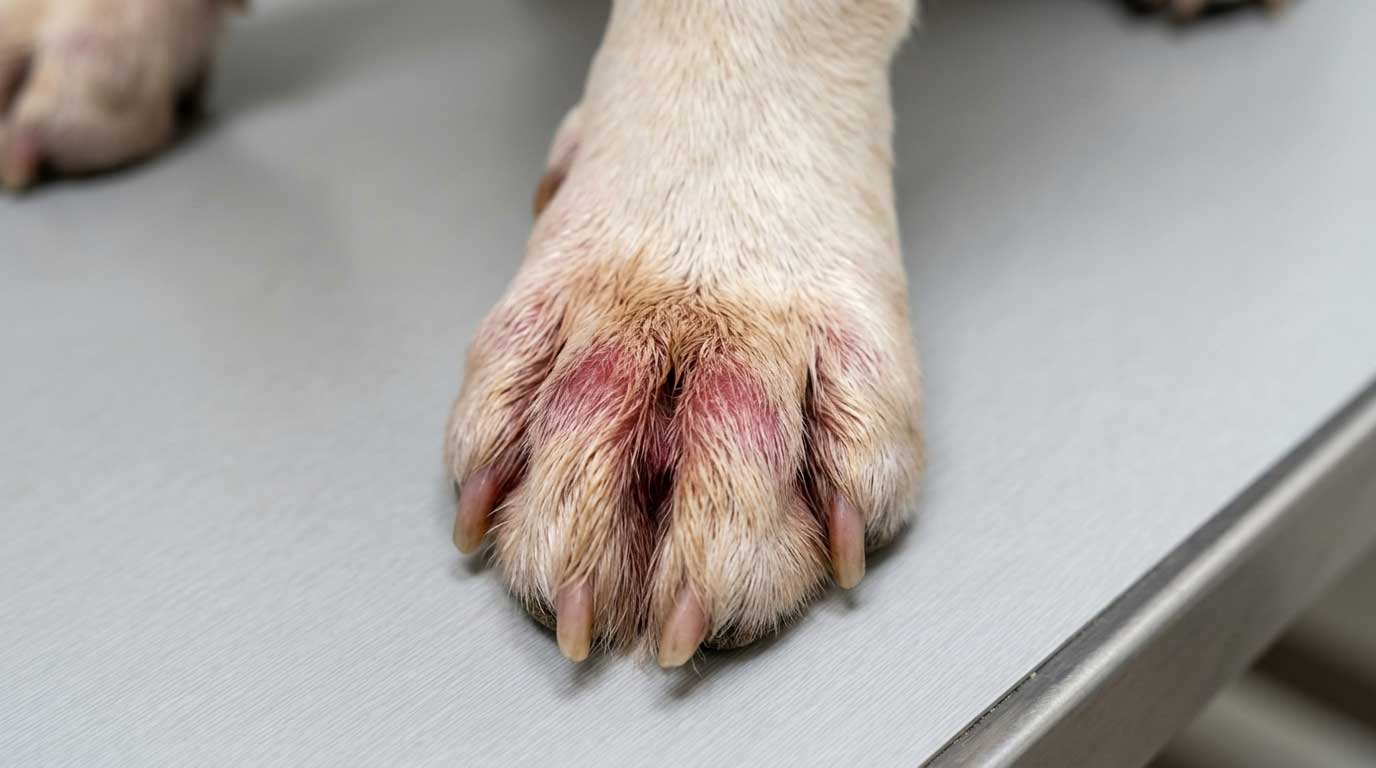
If acne keeps coming back despite perfect bowl hygiene, or if your dog has pimples spread across the body (not just the chin), allergies are likely involved. Food allergies often show up as chin/face bumps plus itchy ears, belly, or paws. Environmental allergies (pollen, dust mites, new detergent) can trigger seasonal or sudden flares. Fix: for food allergies, try an 8-12 week hypoallergenic diet trial with your vet's guidance. For environmental, wipe paws and face after walks, vacuum frequently, and consider vet-approved antihistamines.
5. Bacterial Folliculitis
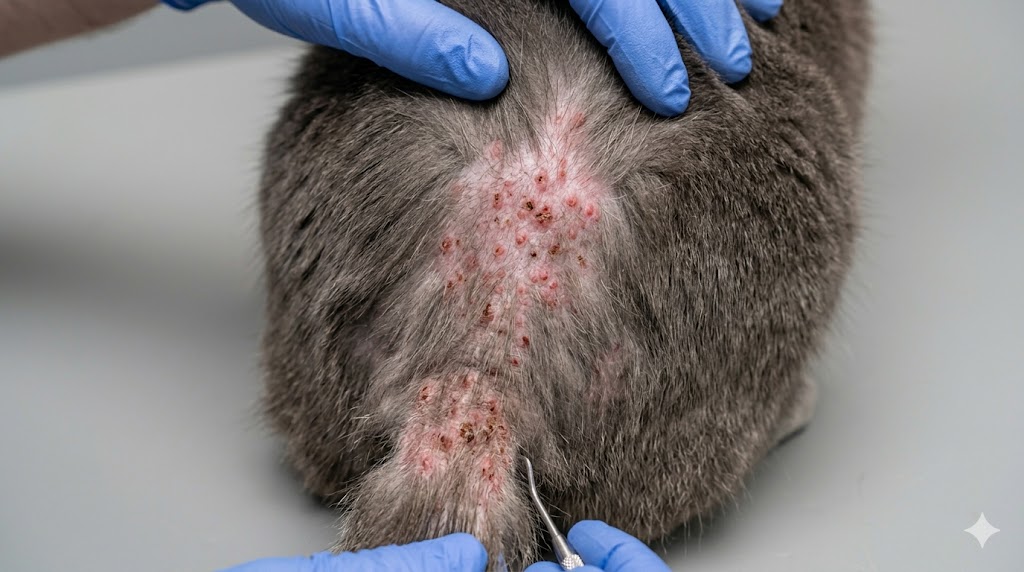
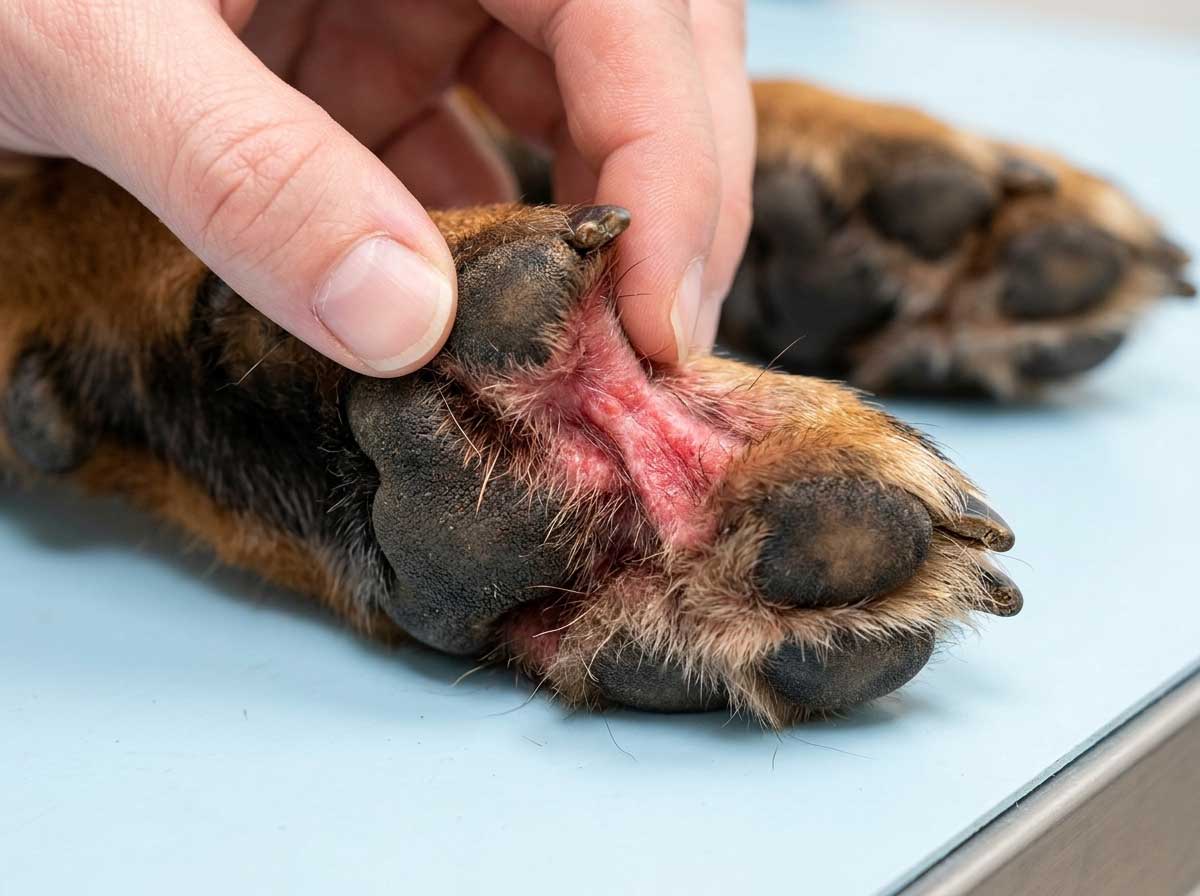
When pimples spread beyond the chin to the muzzle, face, or body, it may be bacterial folliculitis — an infection of multiple hair follicles rather than contact-triggered acne. Signs: pustules across wider body areas (belly, back, inside thighs), sometimes with hair loss at the centers. Dogs with a dirty collar, harness, or bedding are at higher risk. Fix: this usually needs vet evaluation — oral antibiotics for 2-4 weeks often clear it. Keep bedding and gear clean to prevent recurrence.
6. Demodectic Mange (The Impostor)
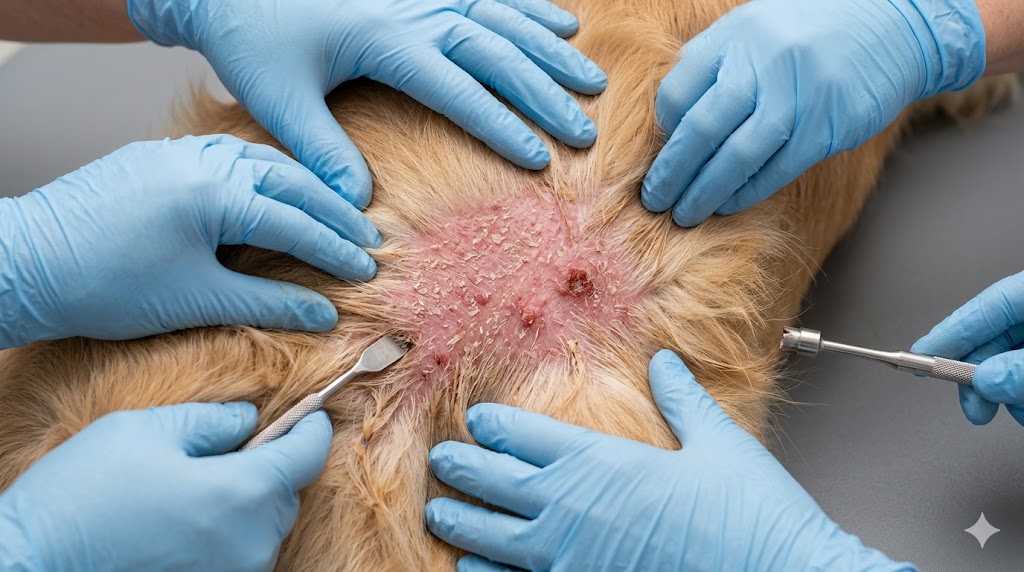
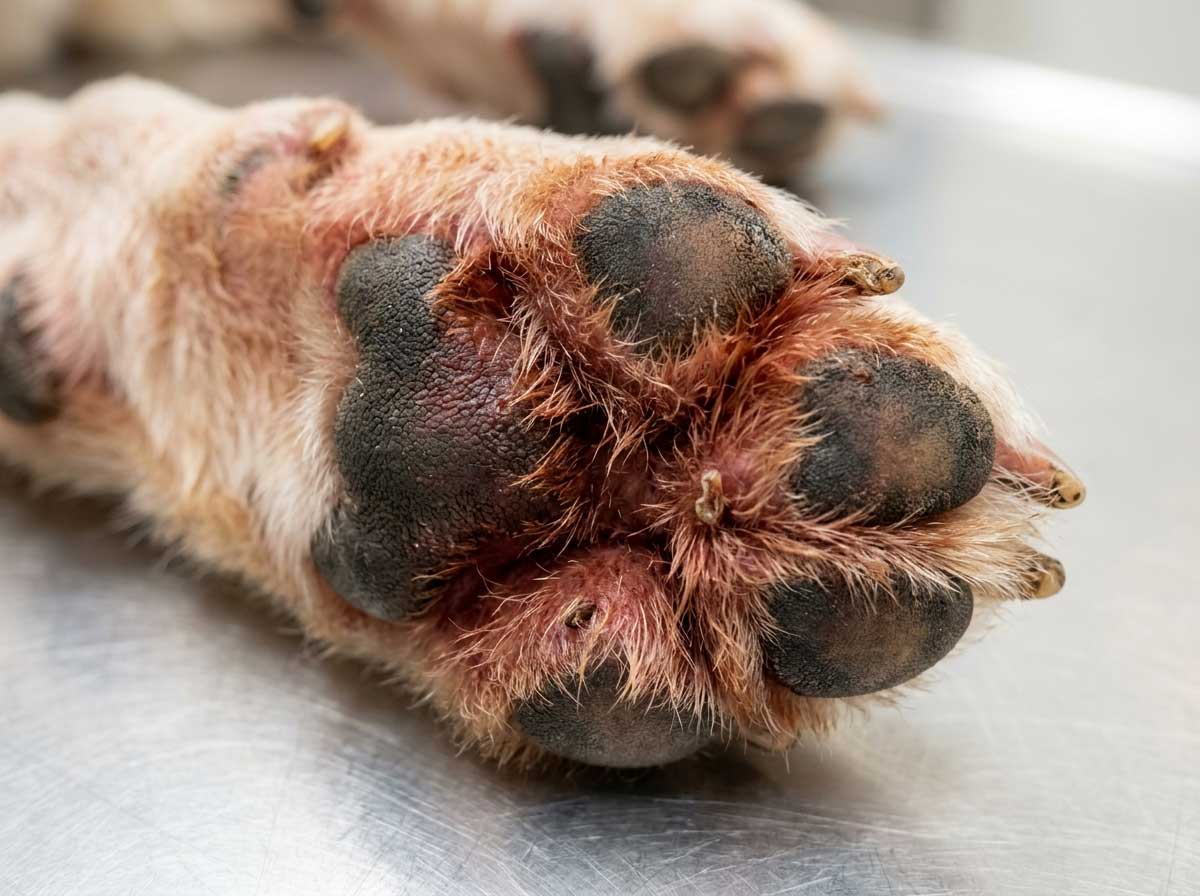
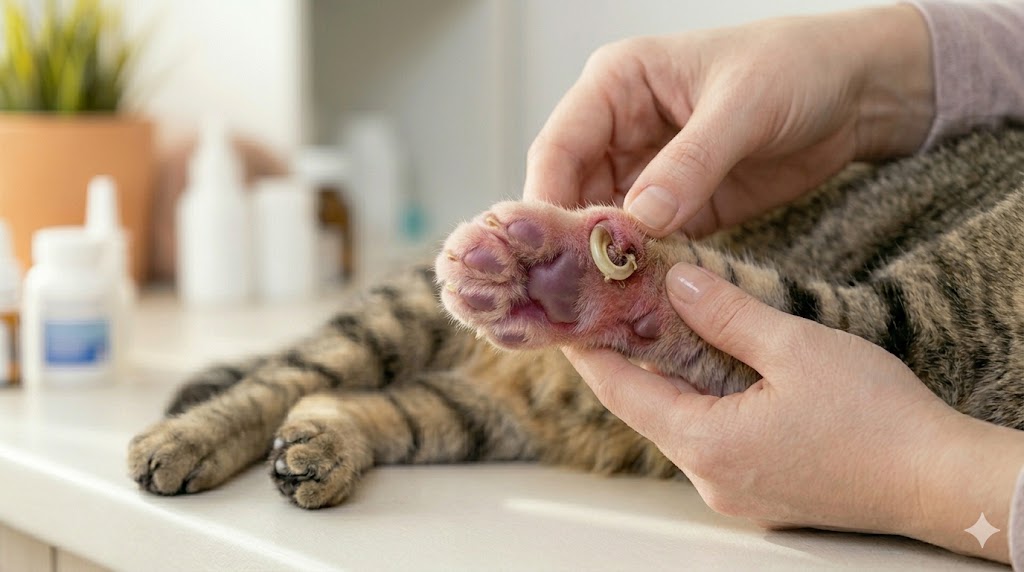
Demodectic mange is often confused with acne because early stages show small bumps on the face. Key difference: mange causes PATCHY HAIR LOSS with darkening of the skin underneath, whereas acne doesn't cause hair loss. Mange bumps are not typically pus-filled like acne pustules, and the skin often looks scaly or thickened. Localized demodex (small patches around eyes, muzzle, paws) in young dogs often resolves on its own; generalized demodex across the body is serious and needs vet treatment. If you see hair loss + bumps, don't assume acne — see a vet for a skin scraping to confirm.
How to Tell Which One You Have
Work through this checklist:
- ✓Age of dog: if 5-12 months, puppy hormonal acne is likely
- ✓Location: chin only = contact acne; across body = folliculitis or allergies
- ✓Hair loss: yes = mange (not acne); no = acne
- ✓Bowls: plastic = primary suspect; already stainless = look elsewhere
- ✓Itching: intense = mange or allergies; mild = acne
- ✓Response to bowl change: improving in 2 weeks = plastic-triggered acne
When to See a Vet
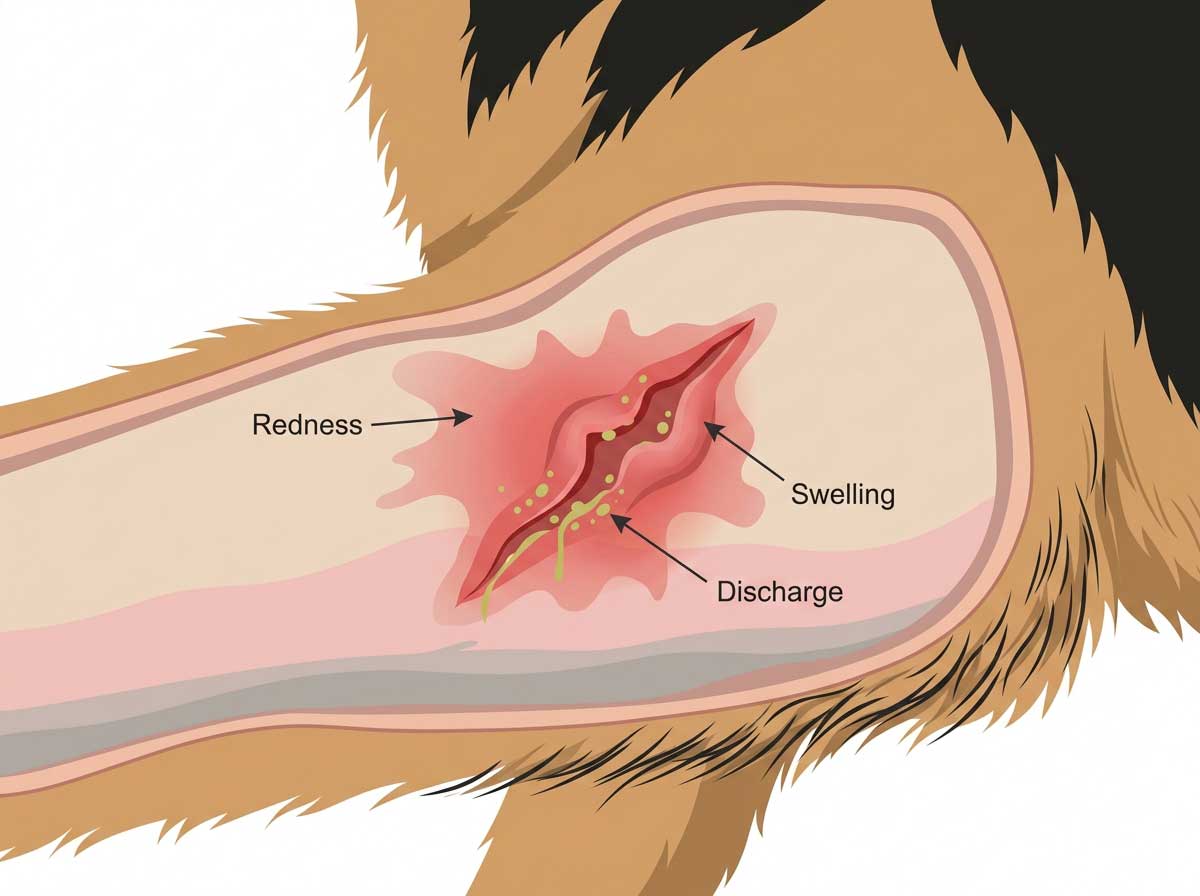
See a vet within a week if: pimples are bleeding, draining pus, or swollen significantly; dog is scratching or rubbing excessively; hair loss accompanies the bumps; home care for 3-4 weeks hasn't helped; or the dog seems unwell overall. Vets can prescribe oral antibiotics, pet-formulated benzoyl peroxide shampoos, or antifungal treatments, and rule out mange with a simple skin scraping.
Not sure which cause applies to your dog? An AI photo check can help narrow it down in seconds.
Acne, Mange, or Allergy?
Upload a photo of your dog's chin and let AI tell you the likely cause + severity.
Disclaimer: This article is for informational purposes only and is not a substitute for professional veterinary advice. Always consult a licensed veterinarian for diagnosis and treatment of your pet's health conditions.