Why Is My Dog Peeing Blood? 8 Causes + When It's an Emergency
Blood in your dog's urine is alarming. Here are the 8 most common causes — UTI, stones, prostate, pyometra — plus how to tell when it's a true emergency.
Published 2026-04-18

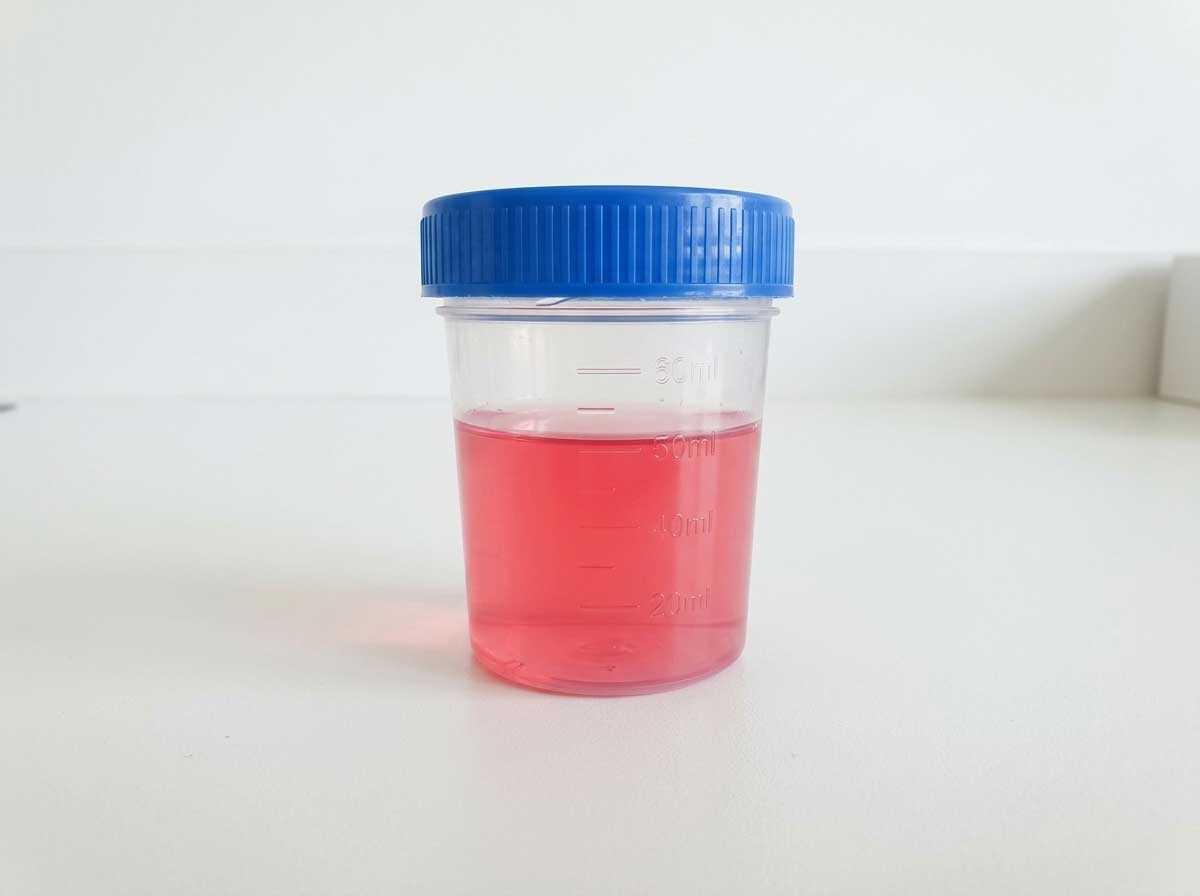
You spot pink, red, or rust-colored urine from your dog and your stomach drops. Blood in dog urine (hematuria) is always abnormal — but it ranges from "somewhat urgent UTI" to "life-threatening emergency." Knowing which you're dealing with matters.
Here are the 8 most common causes and a clear decision tree for how fast you need to act.
When It's a True Emergency (Go to ER NOW)
Skip everything else and go to an emergency vet immediately if:
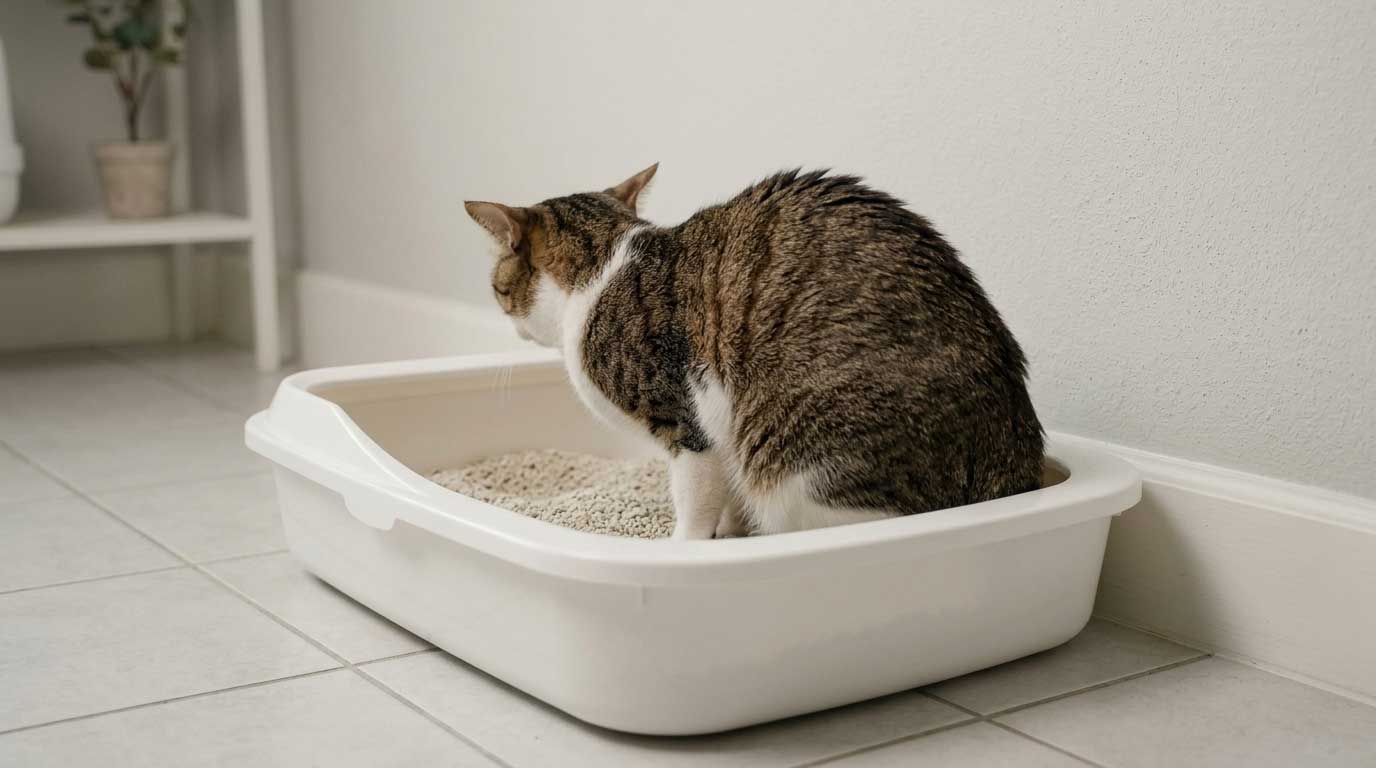
- ✓Your dog is straining to pee but producing little or no urine (possible blockage — deadly in 24-48h)
- ✓Heavy active bleeding or large blood clots
- ✓Your dog is vomiting, not eating, or collapsed
- ✓Swollen, hard, or painful belly
- ✓Yellow tint to the gums or whites of the eyes (jaundice)
- ✓Intact female dog + blood + lethargy + drinking/peeing a lot (possible pyometra)
8 Most Common Causes
1. Urinary Tract Infection (UTI)
UTI is the #1 cause of blood in dog urine, especially in female dogs. Classic signs: pink/red tint (often cloudy), fishy or strong urine smell, frequent small urinations, licking genital area, sometimes straining. Treatment: antibiotics (10-14 days), often clears quickly. See a vet within a few days.
2. Bladder Stones or Crystals
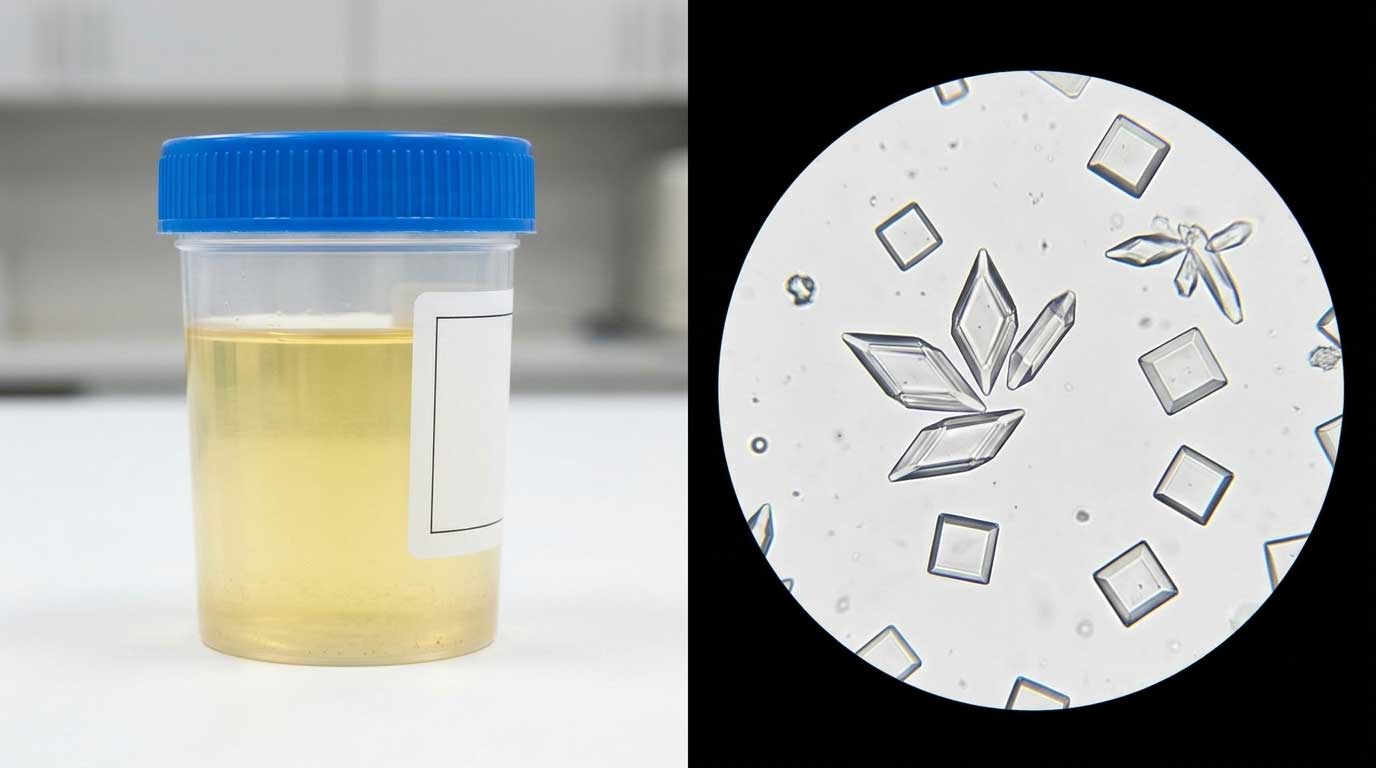
Stones cause irritation and bleeding. More dangerous in male dogs because their narrow urethra can block completely. Signs: on-off bleeding, visible blood + straining, sometimes you can feel small stones in the bladder. Requires X-rays or ultrasound to diagnose, and often surgery or diet changes.
3. Prostate Issues (Intact Male Dogs)
Male dogs over 5 years, especially if NOT neutered, can develop prostate infection, benign enlargement, or rarely cancer. Signs: blood tinge at start or end of urination, straining, trouble defecating. Neutering alone often prevents many prostate issues.
4. Pyometra (Intact Female Dogs) — EMERGENCY
Pyometra is an infected uterus in unspayed females, usually 4-8 weeks after a heat cycle. Signs: bloody or pus-like vulvar discharge (mistaken for urine blood), excessive thirst, lethargy, swollen belly, off food. This is a LIFE-THREATENING emergency — untreated pyometra can kill within days. Requires emergency surgery (spay). Any intact female with bloody urine + illness = ER visit.
5. Heat Cycle Blood (Female Dogs) — Often Confused
Intact females have bloody discharge during heat cycles (every 6-12 months). This comes from the VULVA, not the urine itself, and is often confused with urinary bleeding. Clues it's a heat cycle: blood on the vulva even when not peeing, swollen vulva, behavioral changes, your dog is intact and hasn't been spayed. Not an emergency unless accompanied by illness signs.
6. Bladder Cancer (Older Dogs)
Transitional cell carcinoma is most common in older female dogs (Scottish Terriers, Shelties, Beagles especially predisposed). Signs: chronic or recurring blood in urine, often with UTI-like symptoms. Diagnosis requires ultrasound and sometimes biopsy. Treatment varies; some dogs respond well to medications.
7. Trauma / Injury
Rough play, being hit by a car, falling from height — any abdominal trauma can cause bladder or kidney bleeding. Signs: sudden onset after an event, often with other injury signs. Requires vet evaluation to rule out internal injuries.
8. Tick-Borne Disease / Toxin Exposure
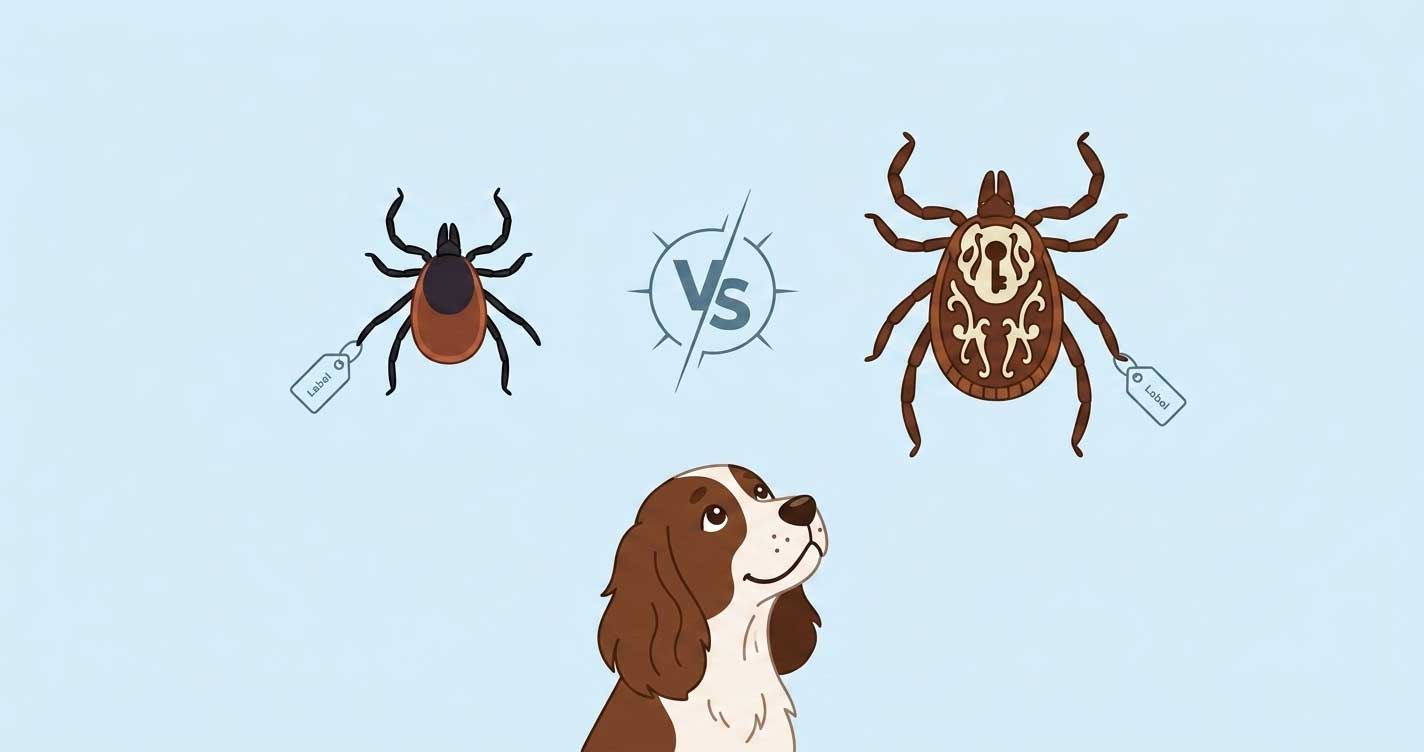
Ehrlichia, Rocky Mountain Spotted Fever, leptospirosis, and certain toxins (rat poison, grapes, onions) can cause blood in urine through different mechanisms. Signs: dark brown or tea-colored urine, plus lethargy/fever/other signs of illness. Requires blood tests to diagnose.
What to Do Before the Vet Visit
- ✓Collect a fresh urine sample if possible (first morning, clean container, refrigerate)
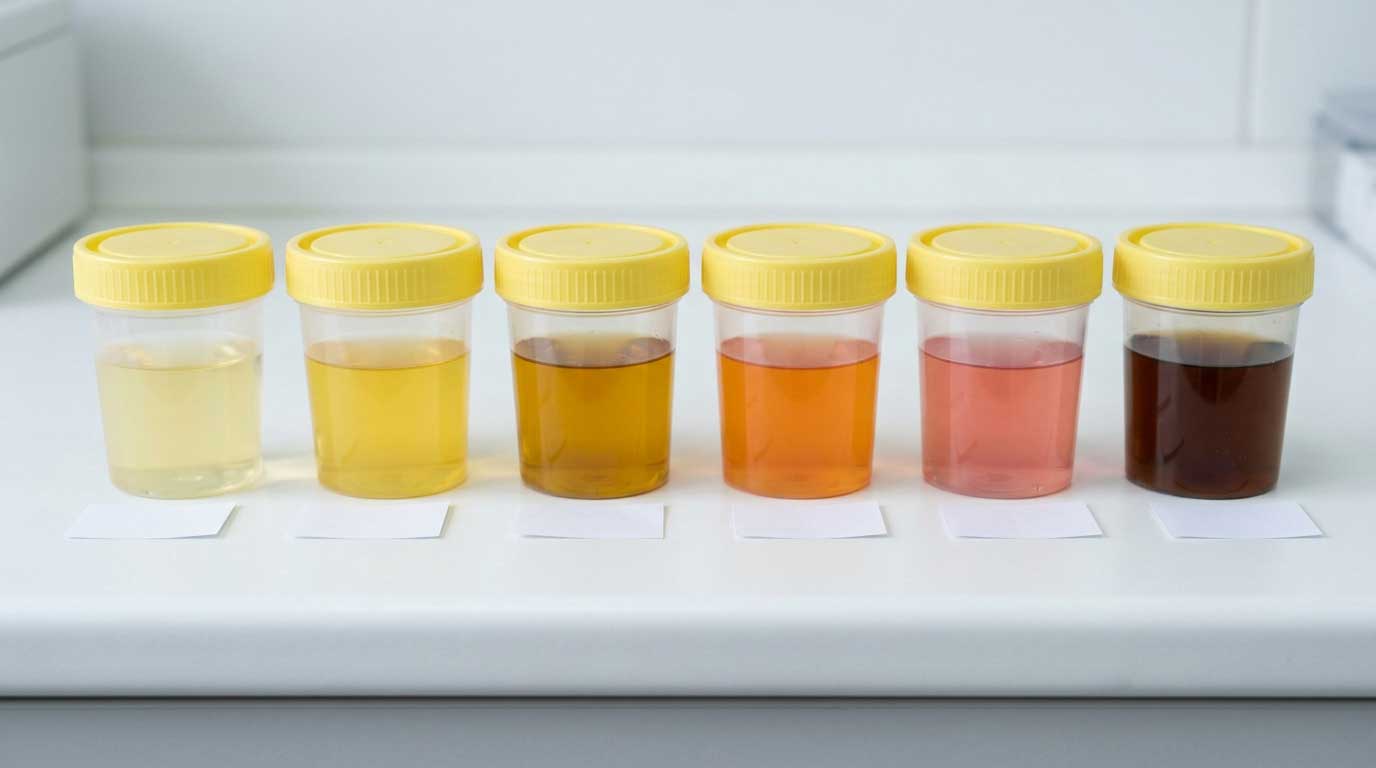
- ✓Take a photo of the urine on a white surface for color reference
- ✓Make a timeline: when did the blood start, any recent trauma/events, any other symptoms
- ✓Do NOT give human UTI medications (AZO/Pyridium can be toxic)
- ✓Do NOT give cranberry supplements as a "cure" — they don't treat active infections
- ✓Keep your dog comfortable, restrict jumping/running until evaluated
The Bottom Line
Blood in dog urine is always abnormal. Minor cases (early UTI in a happy dog) need a vet visit within a few days. Moderate cases (persistent blood, straining, male dog with blockage signs, intact female with illness) need same-day care. The "but my dog is acting normal" feeling is common but misleading — dogs hide pain. When in doubt, err toward sooner rather than later.
Not sure how urgent your situation is? Upload a photo of the urine for an AI severity assessment.
Is It an Emergency?
Upload a photo of your dog's urine and let AI assess severity plus likely cause.
Disclaimer: This article is for informational purposes only and is not a substitute for professional veterinary advice. Always consult a licensed veterinarian for diagnosis and treatment of your pet's health conditions.