Blood in Dog Urine: Male vs Female — Different Causes
Male and female dogs get blood in urine from different conditions. Here's what to check based on your dog's sex and neuter status.
Published 2026-04-18
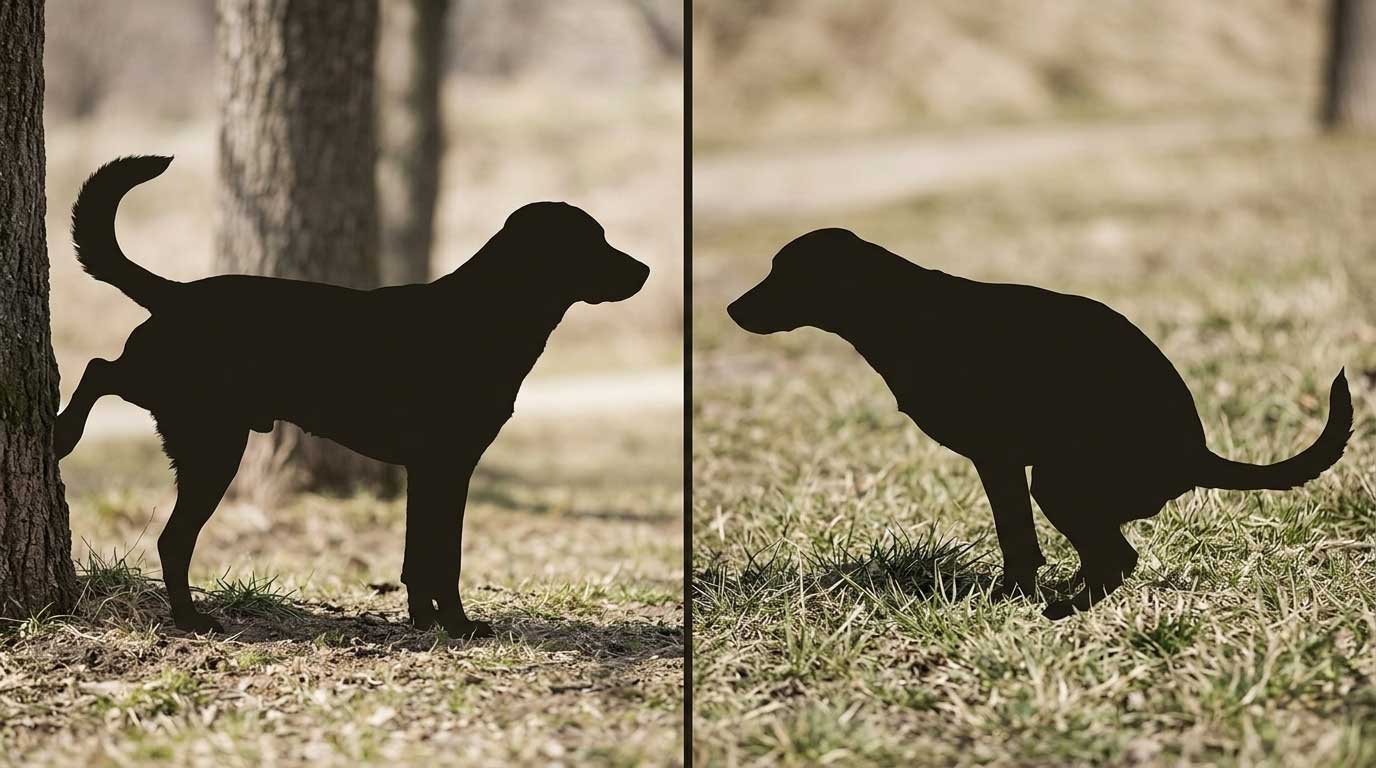
When you see blood in your dog's urine, the possible causes vary significantly depending on whether your dog is male or female, and whether they're neutered/spayed. Understanding this can help you gauge urgency before a vet visit.
Anatomy Differences That Matter
- ✓Female dogs: shorter, wider urethra — bacteria easily travel up to the bladder
- ✓Male dogs: longer, narrower urethra — harder for bacteria to reach bladder but easier to BLOCK with stones
- ✓Intact males: have a prostate that can become infected, enlarged, or cancerous
- ✓Intact females: have a uterus that can develop pyometra (life-threatening infection)
Female Dogs: Most Common Causes
1. UTI — By Far the Most Common
Female dogs get UTIs much more often than males. Signs: pink/red urine + cloudy + fishy smell + frequent small urinations + licking vulva. Treatment: antibiotics, usually 10-14 days.
2. Heat Cycle (Intact Females) — Often Confused
Intact females have bloody vulvar discharge during heat cycles (every 6-12 months). This is NOT urine blood — it's from the reproductive tract. Clues: blood on the vulva even when not peeing, swollen vulva, your dog is intact. Lasts 2-3 weeks.
3. Pyometra (Intact Females) — EMERGENCY
Infected uterus, usually 4-8 weeks post-heat. Signs: blood/pus from vulva, excessive thirst, lethargy, off food, swollen belly. LIFE-THREATENING — emergency spay surgery required. Kills within days if untreated.
4. Uterine Stump Infection (Spayed Females)
Rare complication where tissue left after spay becomes infected. Similar signs to pyometra. Requires surgery.
5. Bladder Cancer
Transitional cell carcinoma more common in older female dogs. Breeds predisposed: Scottish Terriers (highest risk), Shelties, West Highland Whites, Beagles. Signs: chronic or recurring blood in urine, UTI-like symptoms that don't fully resolve.
6. Bladder Stones or Crystals
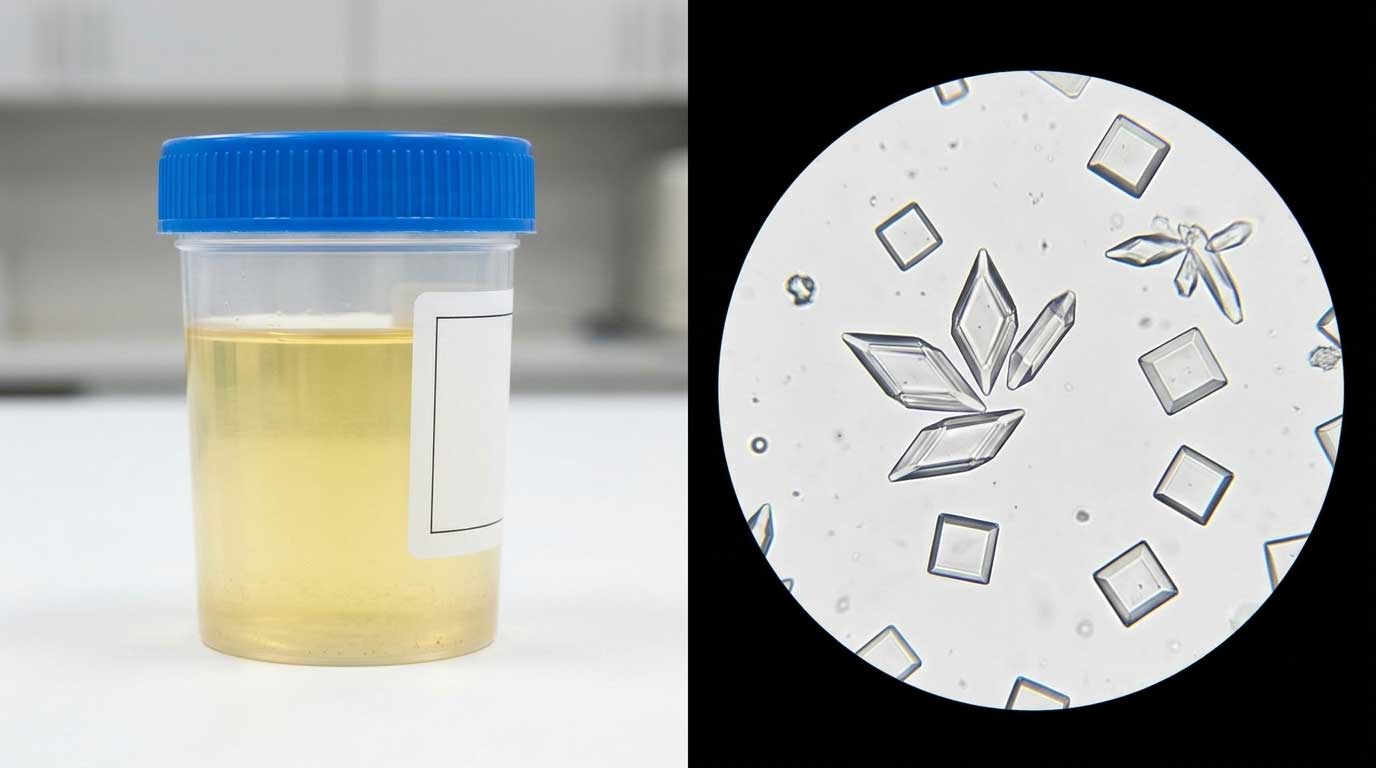
Struvite stones often form secondary to UTIs in females. Causes inconsistent bleeding, straining. Diagnosed with X-rays or ultrasound.

Male Dogs: Most Common Causes
1. Bladder Stones — More Dangerous in Males
The narrow male urethra means stones can completely block urine flow. Signs: blood in urine + straining + producing little or no urine = EMERGENCY (deadly in 24-48h without treatment). Any intact male with straining should go to ER immediately.
2. Prostate Issues (Intact Males, Usually Age 5+)
Intact male dogs develop prostate problems with age: benign enlargement (most common), prostatitis (infection), prostate cancer (rare). Signs: blood at start/end of urination, straining to pee or defecate, stiff gait. Most prostate issues are prevented by neutering.
3. UTI (Less Common in Males)
Male dogs can get UTIs but much less often than females. When they do, causes often include bladder stones, weakened immunity, or prostate infection.
4. Bladder Cancer
Occurs in older males too, though less commonly than females.
5. Trauma / Fighting / Sex
Intact males can injure themselves through rough play, fighting, or mating — causing bladder or urethral trauma. Sudden onset after an event is the clue.
Red Flags by Sex
Intact Female + Blood + These Signs = ER
- ✓Lethargy, off food
- ✓Excessive thirst and urination
- ✓Swollen belly
- ✓Vulvar discharge that looks like pus
- ✓Recent heat cycle 4-8 weeks ago
- ✓(= Possible pyometra, life-threatening)
Male Dog + Blood + These Signs = ER
- ✓Straining to pee but little or no urine coming out
- ✓Vomiting, painful abdomen
- ✓Vocalizing when trying to urinate
- ✓Producing only drops
- ✓(= Possible complete urinary obstruction, life-threatening)
What to Tell Your Vet
- ✓Sex and neuter status
- ✓Age
- ✓When you first noticed blood
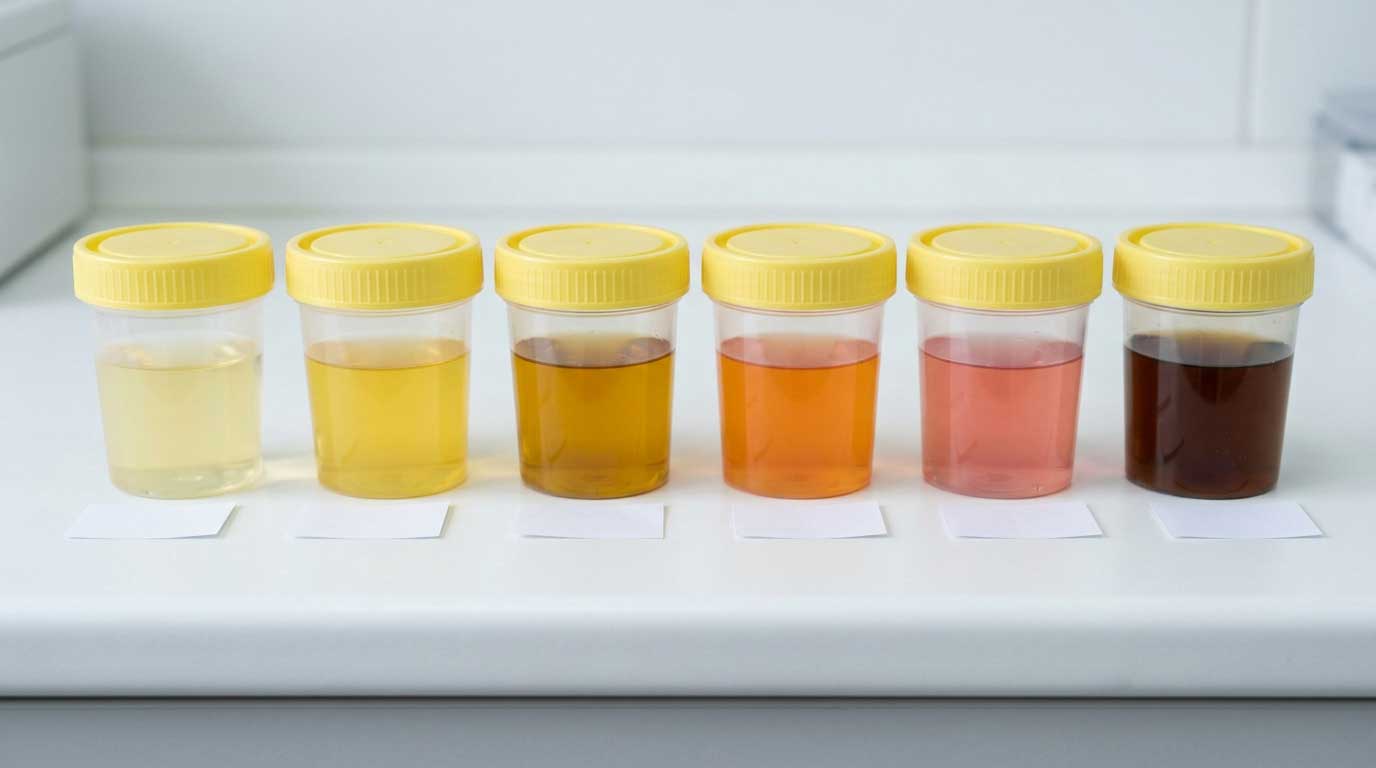
- ✓Color of blood (bright red, pink, rust, brown)
- ✓With or without pain signs
- ✓Your dog's drinking and urination frequency changes
- ✓Recent heat cycle (for intact females)
- ✓Any trauma, new medications, or dietary changes
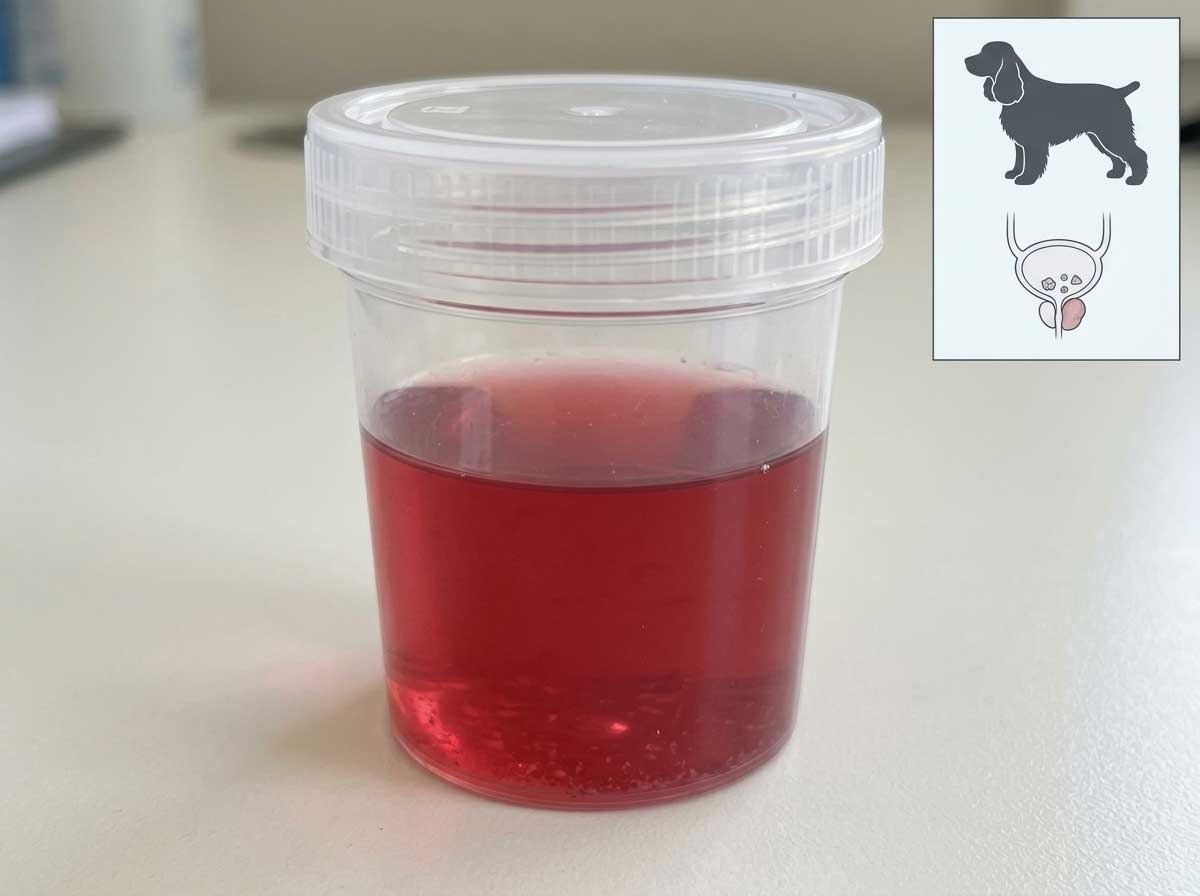
- ✓Photo of the urine on white surface
Prevention Tips
- ✓Spay/neuter at appropriate age (discuss with vet) — prevents pyometra and prostate issues
- ✓Adequate water intake daily
- ✓Regular bathroom breaks (every 4-6 hours)
- ✓Annual senior wellness exams after age 7
- ✓Watch for early signs — early treatment is much easier
Not sure which cause applies to your dog? Upload a urine photo plus note your dog's sex/neuter status — AI can help narrow it down.
Male or Female Dog With Blood in Urine?
Upload a photo and let AI assess likely cause based on urine color and your dog's characteristics.
Disclaimer: This article is for informational purposes only and is not a substitute for professional veterinary advice. Always consult a licensed veterinarian for diagnosis and treatment of your pet's health conditions.