Chlorhexidine for Cat Acne: How to Use It Safely
Chlorhexidine is the vet-recommended antiseptic for cat chin acne. Learn the right concentration, how to apply it, and common mistakes to avoid.
Published 2026-04-18
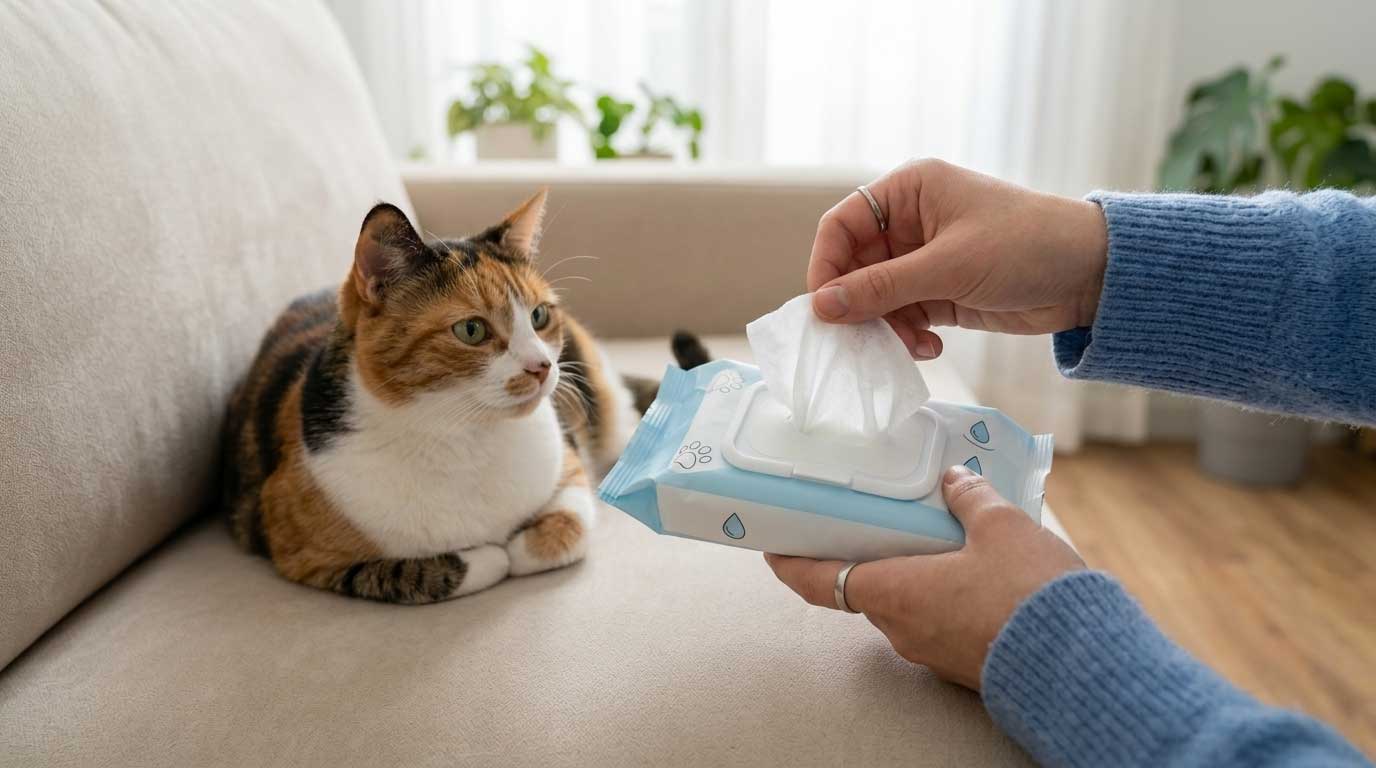
When it comes to treating cat chin acne at home, chlorhexidine is the gold-standard antiseptic — recommended by vets, available over the counter, and effective against the bacteria that cause acne flares. But using it wrong can cause skin irritation, chemical burns on sensitive chin skin, or accidental ingestion. Getting the concentration and application right matters.
Here's how to use chlorhexidine safely and effectively on cat acne.
What Is Chlorhexidine?
Chlorhexidine (full name: chlorhexidine gluconate or chlorhexidine diacetate) is a broad-spectrum antiseptic used in veterinary medicine for wound cleaning, pre-surgery skin prep, and skin infection treatment. It kills both bacteria and yeast, and is gentler on healing tissue than povidone-iodine, hydrogen peroxide, or alcohol. Commercial products range from 0.05% (wound flush) to 4% (surgical scrub), with 2% being the most common for skin treatment.
Why It Works for Cat Acne
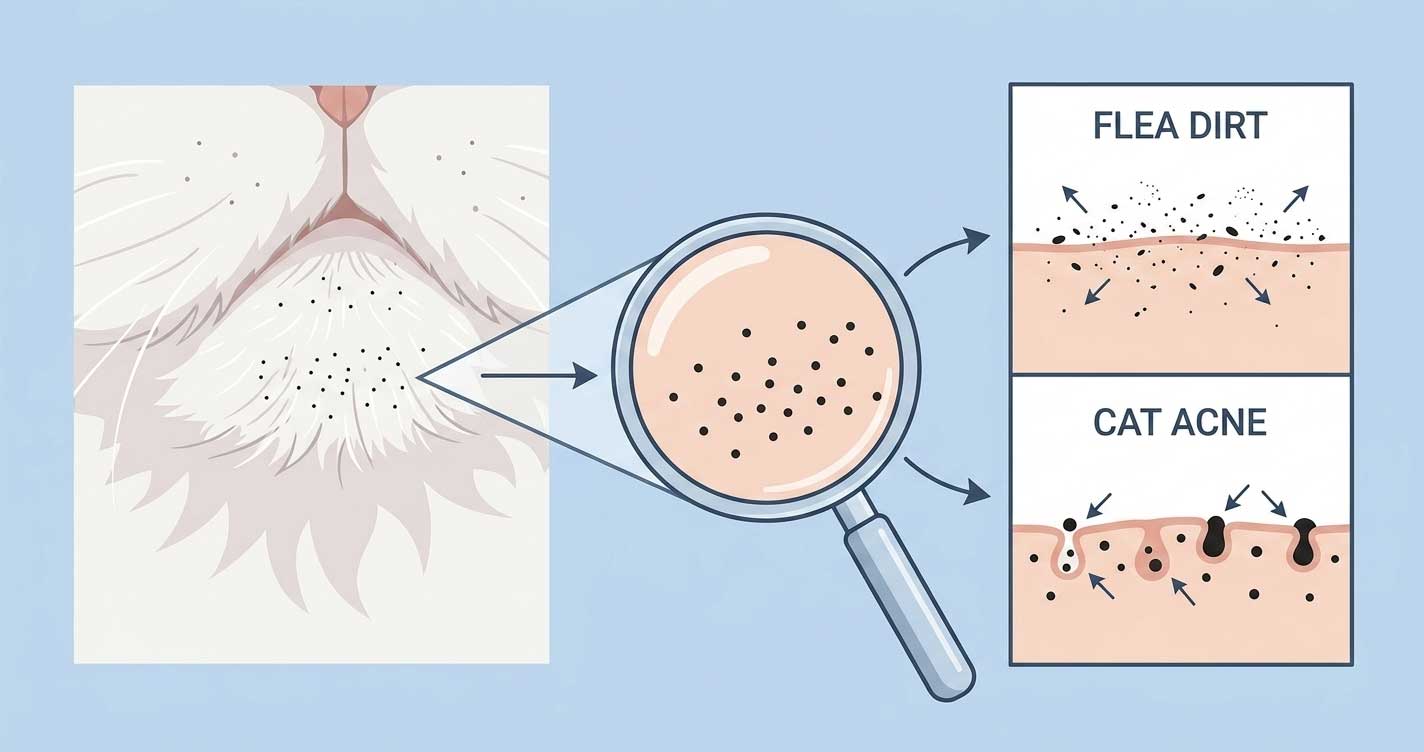
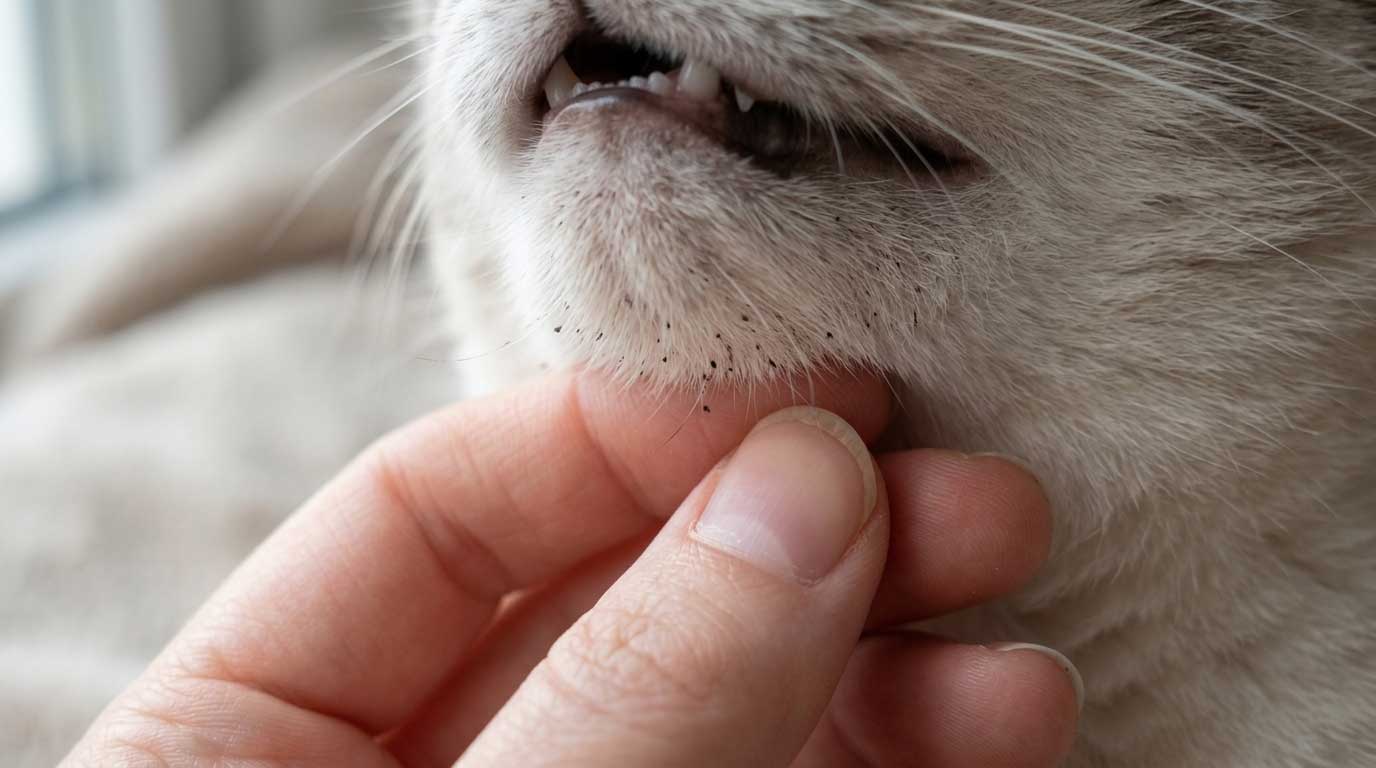
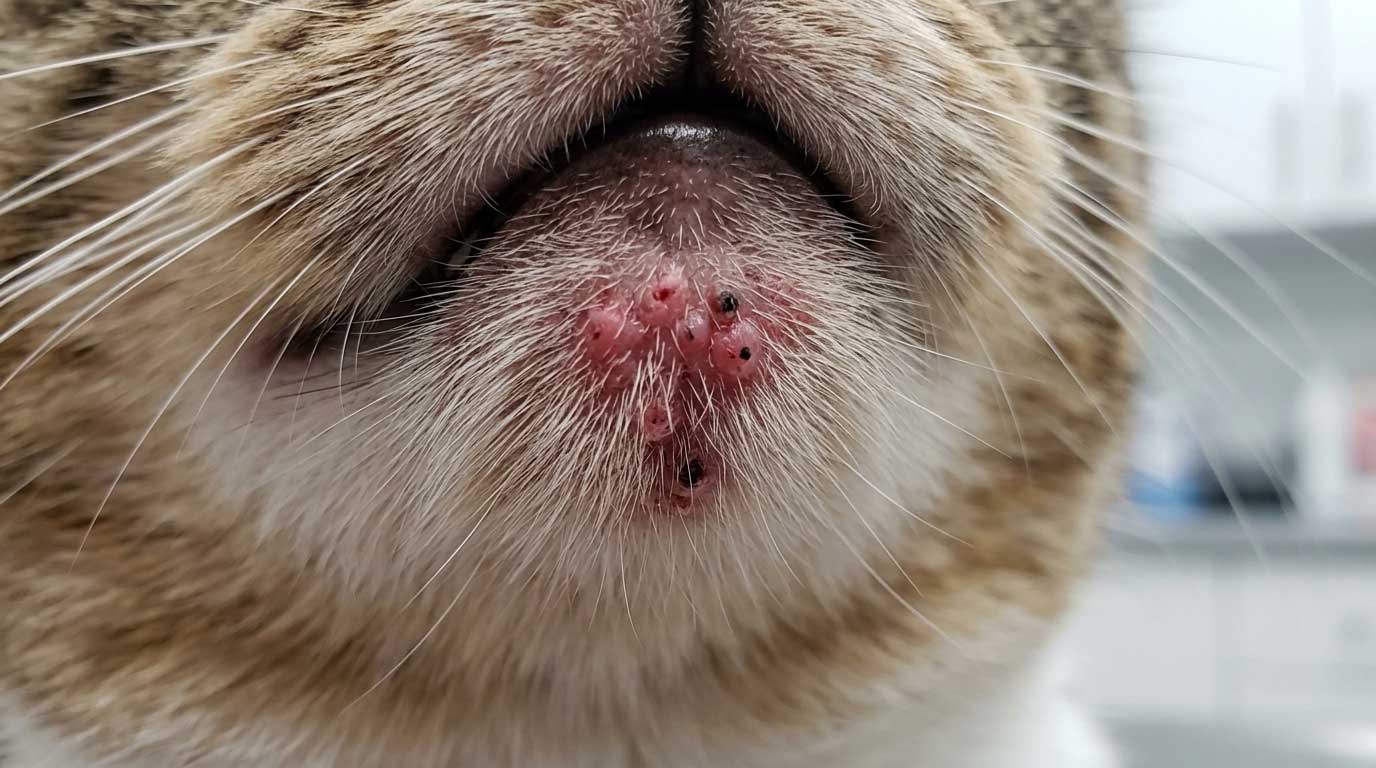
Cat chin acne isn't just about clogged follicles — it's about bacterial overgrowth in those clogged follicles (usually Staphylococcus species). Chlorhexidine:
- ✓Kills the bacteria causing inflammation
- ✓Doesn't damage healthy skin cells the way hydrogen peroxide does
- ✓Has residual activity — keeps working for hours after application
- ✓Is safe if licked off in small amounts (though you should still try to minimize this)
- ✓Is inexpensive and widely available
The Right Concentration
This is where most DIY users go wrong. Stronger is not better — it's irritating.
For Cat Acne Specifically
- ✓Target concentration: 0.5% to 2%
- ✓If you have a 2% solution: use as-is or dilute 1:1 with water to 1%
- ✓If you have a 4% solution: dilute 1:3 (one part solution, three parts water) to 1%
- ✓Never use concentrated surgical scrub (4%+) directly on cat skin
- ✓Pet-labeled chlorhexidine wipes are pre-diluted to safe concentrations — convenient option
The "Iced Tea" Rule
Chlorhexidine solution at the right concentration looks like weak iced tea — a pale pink-brown. If your diluted solution looks dark like strong coffee, it's too concentrated.
How to Apply It Safely
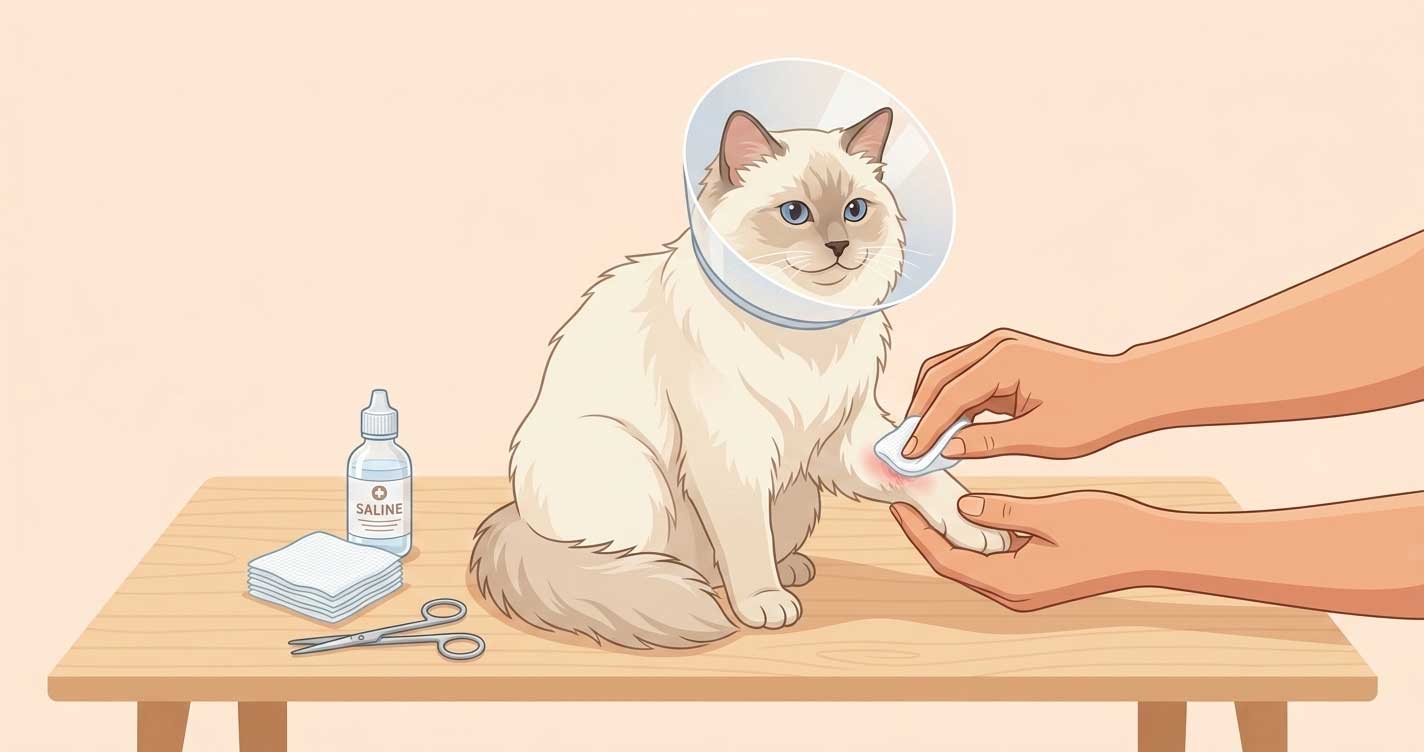
- ✓Step 1: Wash your hands thoroughly
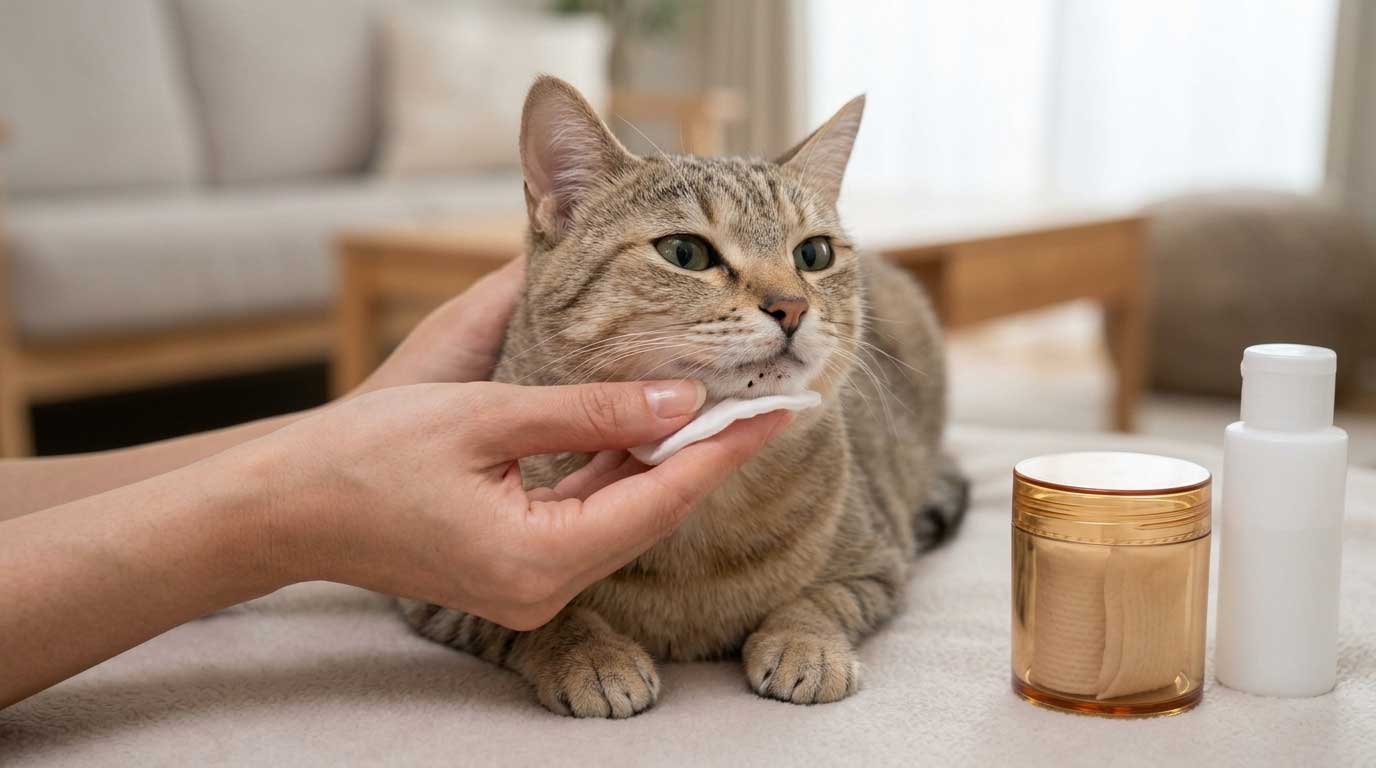
- ✓Step 2: Pour a small amount of diluted chlorhexidine onto a cotton pad (or use a pre-made wipe)
- ✓Step 3: Gently hold your cat and apply to the chin — no scrubbing, just soft wiping in the direction of fur growth
- ✓Step 4: Let it sit for 1-2 minutes (this is when it's killing bacteria)
- ✓Step 5: Rinse off with a separate warm damp cloth (don't leave it on long-term)
- ✓Step 6: Pat dry gently
- ✓Step 7: Dispose of the used cotton pad
Frequency & Duration
- ✓Mild acne (blackheads only): 1x daily for 2-3 weeks
- ✓Moderate acne (red bumps, pimples): 1-2x daily for 3-4 weeks
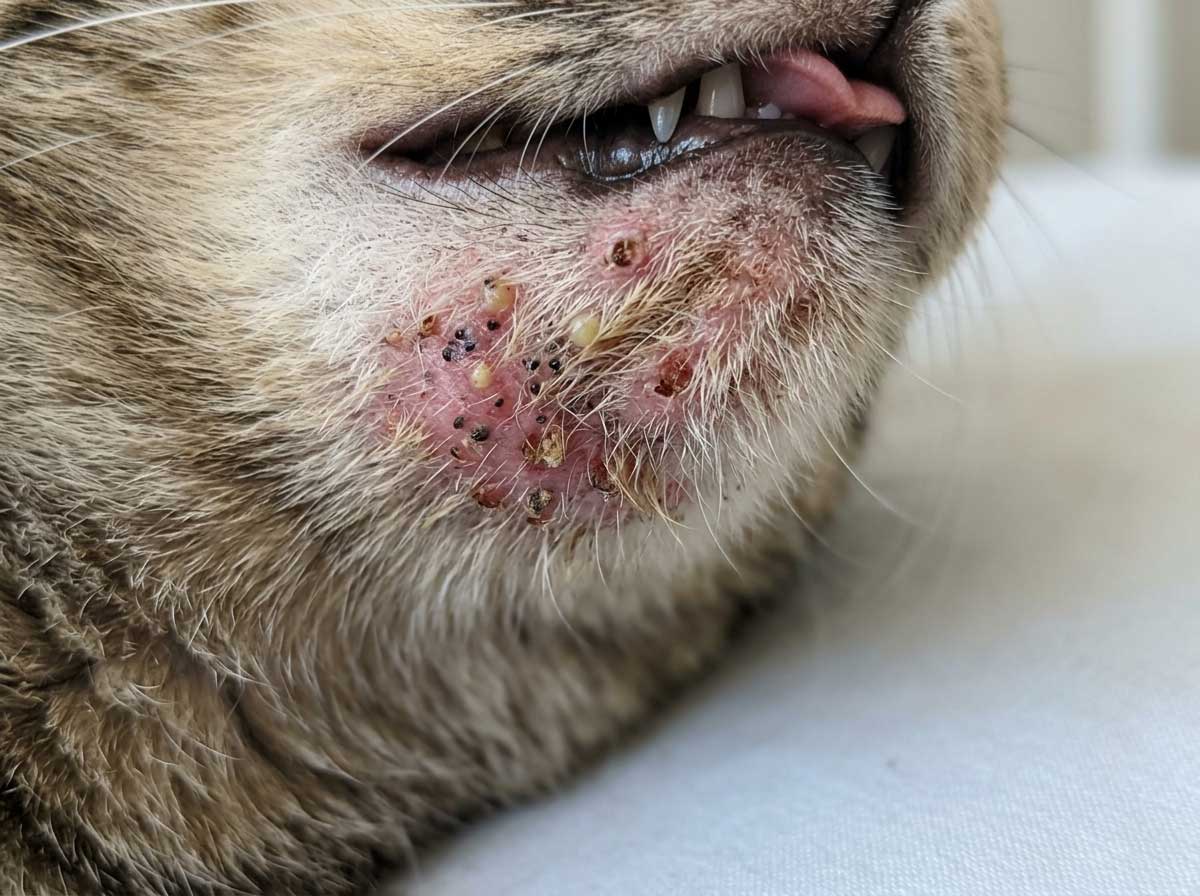
- ✓Severe acne: talk to a vet — topical alone is usually insufficient
- ✓Chronic acne management: 2-3x per week as maintenance after initial clearing
Stop if you see any increase in redness, swelling, or new irritation — some cats have sensitivity to chlorhexidine.
Common Mistakes to Avoid
1. Using Undiluted Surgical Scrub
4% chlorhexidine surgical scrub is meant for one-time pre-surgery skin prep, not daily use. On the chin, it causes chemical irritation, dryness, and can actually worsen acne. Always dilute.
2. Leaving It On Too Long
Chlorhexidine should sit for 1-2 minutes, then be rinsed off. Leaving it on indefinitely means your cat licks it off during grooming, which wastes the product and can cause mouth irritation. Rinse and dry.
3. Getting It in Eyes or Mouth
Chlorhexidine irritates mucous membranes. Be careful around the lip line — use a cotton tip applicator for precise placement if needed. If accidentally gets in the eyes, rinse with water immediately.
4. Mixing with Other Antiseptics
Don't use chlorhexidine at the same time as povidone-iodine, hydrogen peroxide, or alcohol. They can inactivate each other. Pick one (chlorhexidine) and stick with it.
5. Not Rinsing
Leaving a chlorhexidine film on the chin means your cat ingests it during grooming. Small amounts are safe, but daily ingestion can cause GI upset. Always rinse after contact time.
Chlorhexidine Products to Consider
- ✓Douxo S3 PYO or Calm Pads/Wipes — pre-measured convenience
- ✓MalAcetic Wet Wipes — commonly vet-recommended
- ✓Nolvasan Solution — diluted for home use (older vet standby)
- ✓Virbac ChlorhexiDerm Flush — 4% needs dilution
- ✓Vetericyn Plus Wound & Skin Care — convenient spray (different active ingredient but similar use)
When Chlorhexidine Alone Isn't Enough
See a vet if:
- ✓Moderate acne isn't improving after 3-4 weeks of consistent chlorhexidine use
- ✓Acne is progressing despite treatment
- ✓New pustules appear while old ones are healing
- ✓Infection spreads or deepens
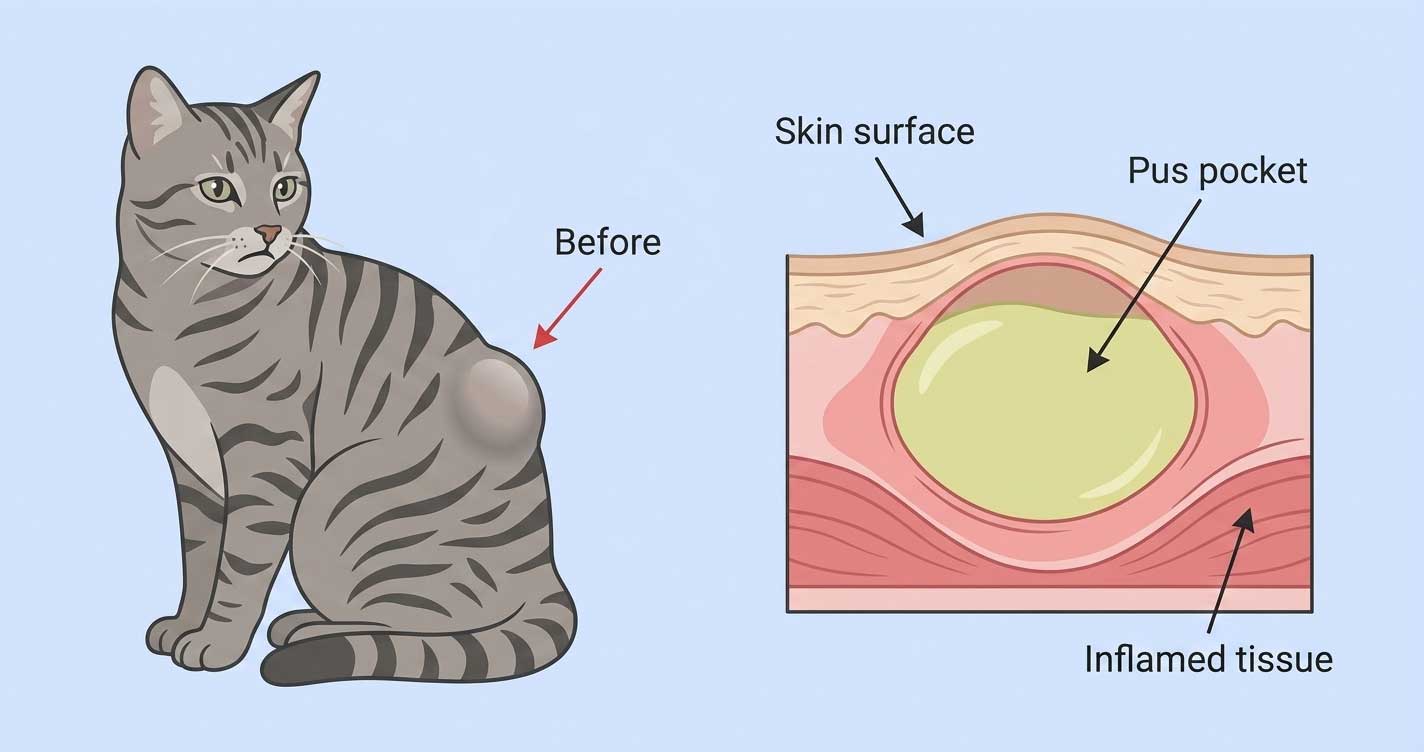
These cases usually need oral antibiotics alongside topical therapy. Chlorhexidine is powerful but can't penetrate deep into an established follicular infection — systemic meds can.
Not sure if chlorhexidine is enough for your cat's acne severity? A photo check can help guide whether home care is adequate or if a vet visit is needed.
Is Chlorhexidine Enough?
Upload a photo of your cat's chin and let AI assess whether home treatment is adequate or if you need a vet.
Disclaimer: This article is for informational purposes only and is not a substitute for professional veterinary advice. Always consult a licensed veterinarian for diagnosis and treatment of your pet's health conditions.