How Plastic Bowls Cause Cat Acne (and What to Use Instead)

Plastic food bowls are the #1 cause of cat chin acne. Learn why, and which bowl materials are safe — stainless steel vs ceramic vs glass.

Published 2026-04-18
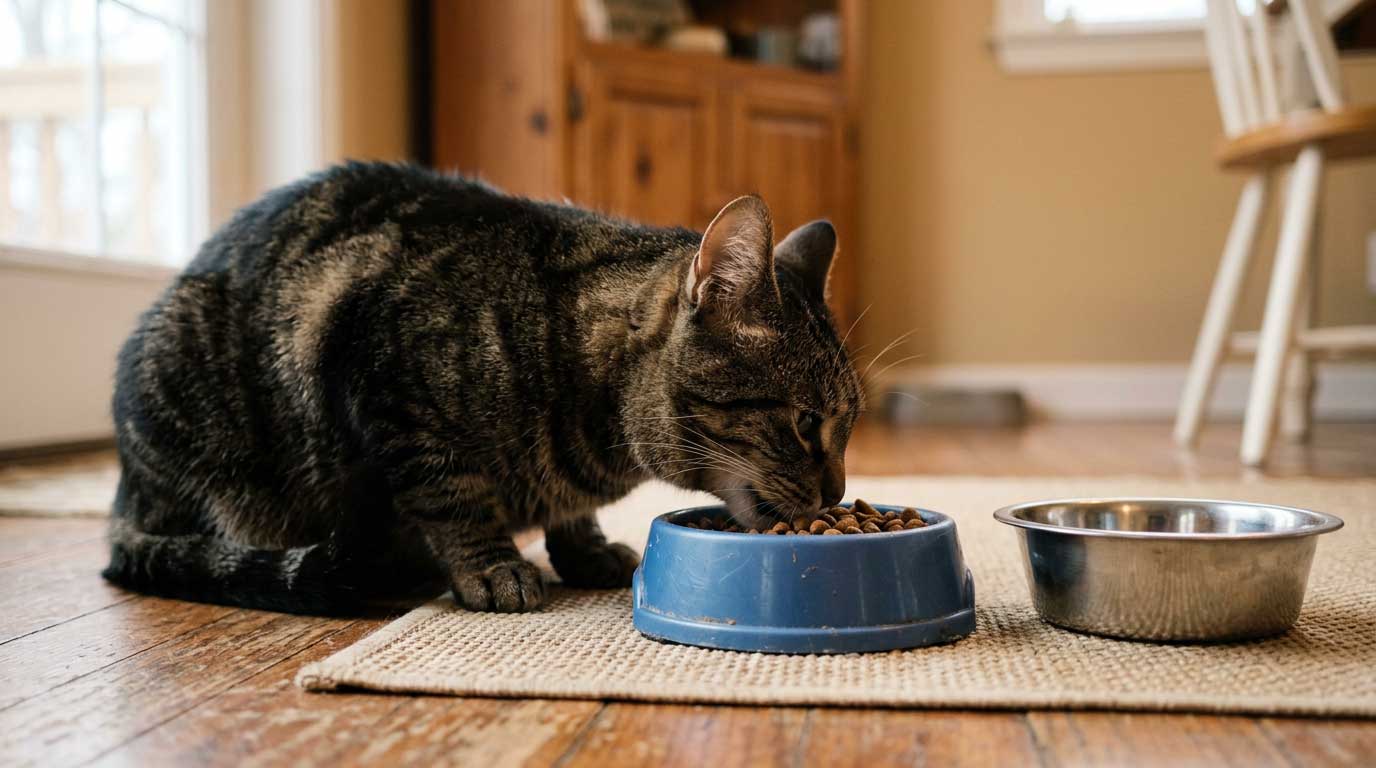
Cat eating from plastic bowl showing chin contact with rim

If your vet has ever said the words "switch to a stainless steel bowl" about your cat's chin acne, you're not alone. Plastic bowls are overwhelmingly the #1 cause of feline chin acne — and the fix is as simple as throwing out the old bowl.

Here's why plastic is the problem, and what you should use instead.

Why Plastic Bowls Cause Cat Acne

There are three separate mechanisms:

1. Porous Surface

Plastic is microscopically porous — the surface has thousands of tiny pits that hold bacteria, food oils, and saliva. Even washing the bowl doesn't get all of it out. Over weeks and months of use, bacteria colonize these pores, and every time your cat eats or drinks, bacteria transfer to the chin.

2. Micro-Scratches

Plastic scratches easily — every time you wash it, clean it with a scrubby sponge, or your cat's rough tongue drags across it, tiny scratches form. These scratches are larger than the natural pores and become permanent bacterial reservoirs. This is why old plastic bowls are worse than new ones.

3. Chemical Leaching

Some plastics leach chemicals (BPA, phthalates, or similar) that can irritate sensitive cat chin skin on contact. This is less of an acne trigger but can contribute to contact dermatitis, which then progresses to acne when bacteria enter inflamed follicles.

Why the Chin Specifically?

The chin is the only body part that contacts the bowl directly during eating and drinking. When a cat lowers its head to eat, the chin rests on or drags along the bowl rim. Any bacteria on that rim get pushed into the chin's hair follicles — and the chin has an unusually high density of sebaceous (oil) glands, which makes it prone to follicle plugging and acne formation.

This is also why cat chin acne doesn't spread to the belly, back, or paws like other skin conditions — it's contact-driven to the chin specifically.
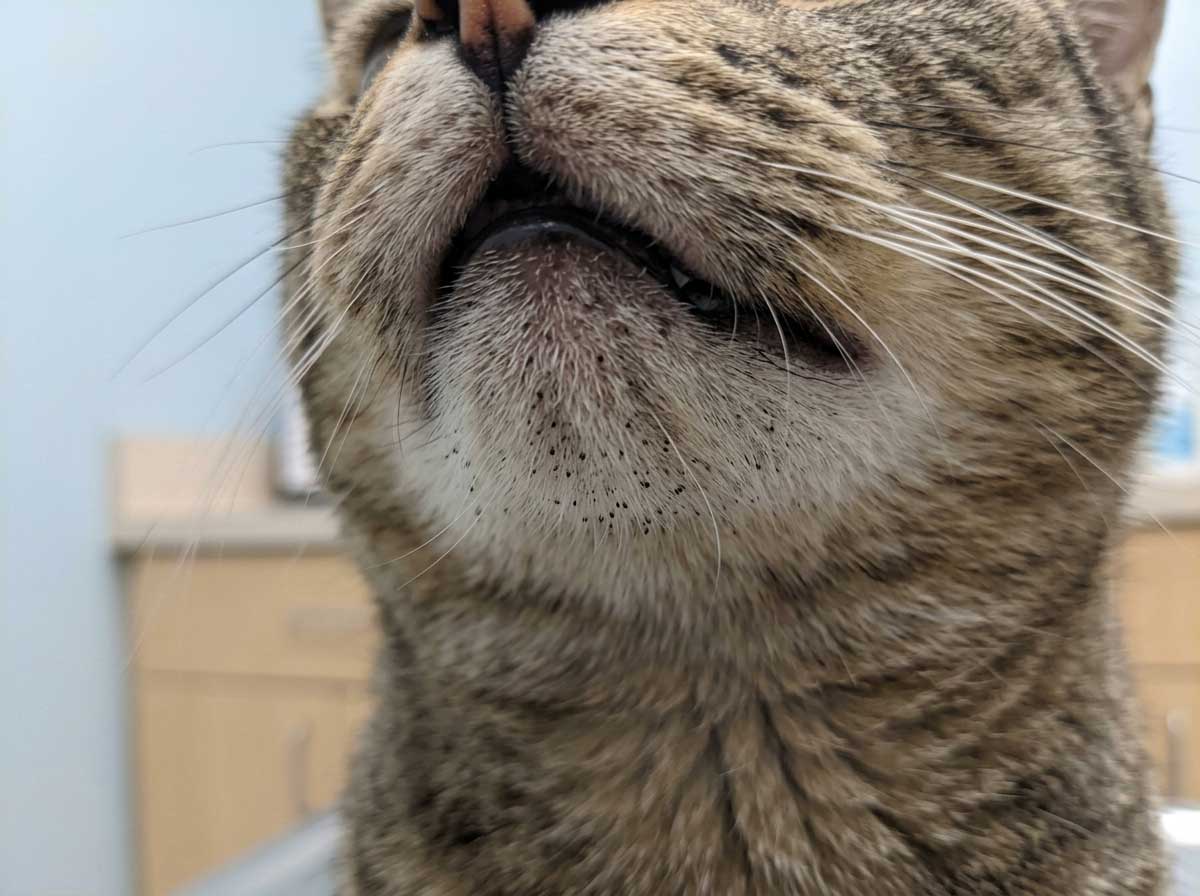
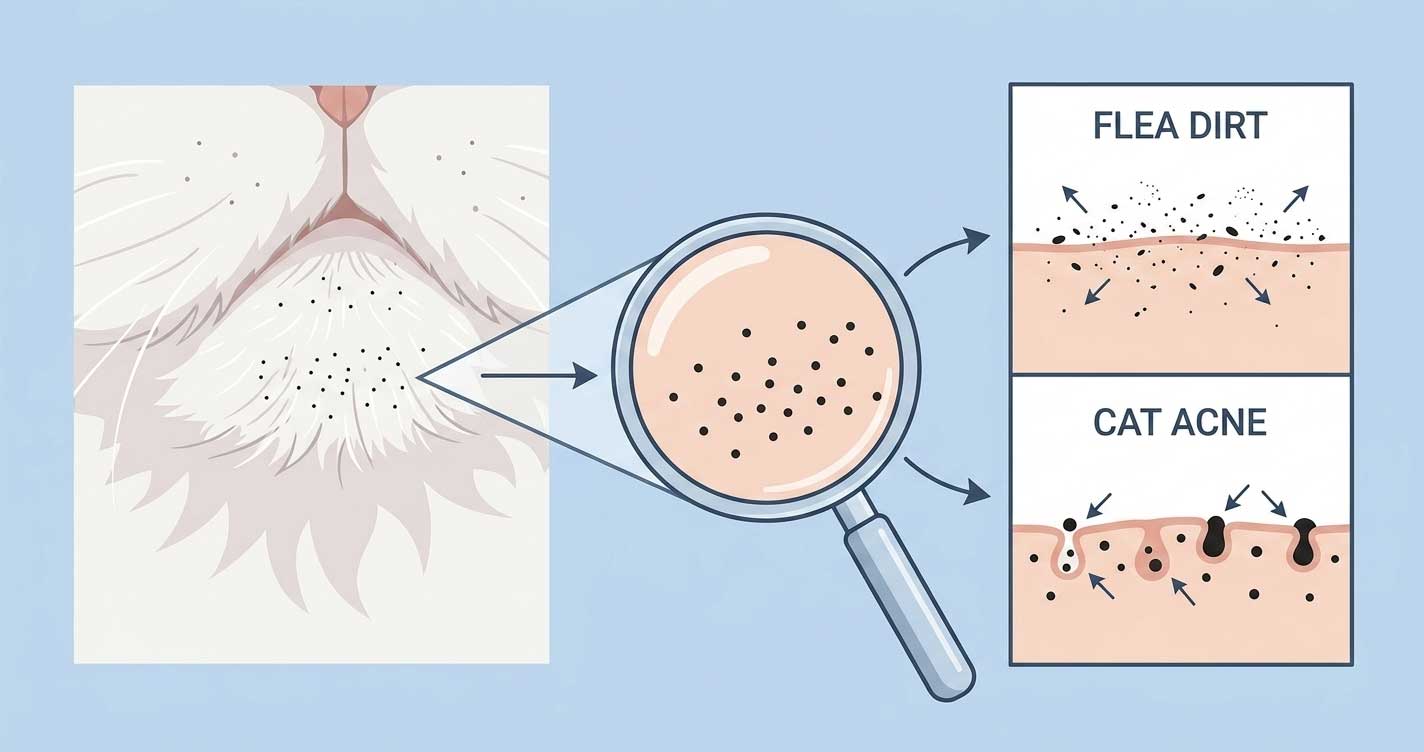
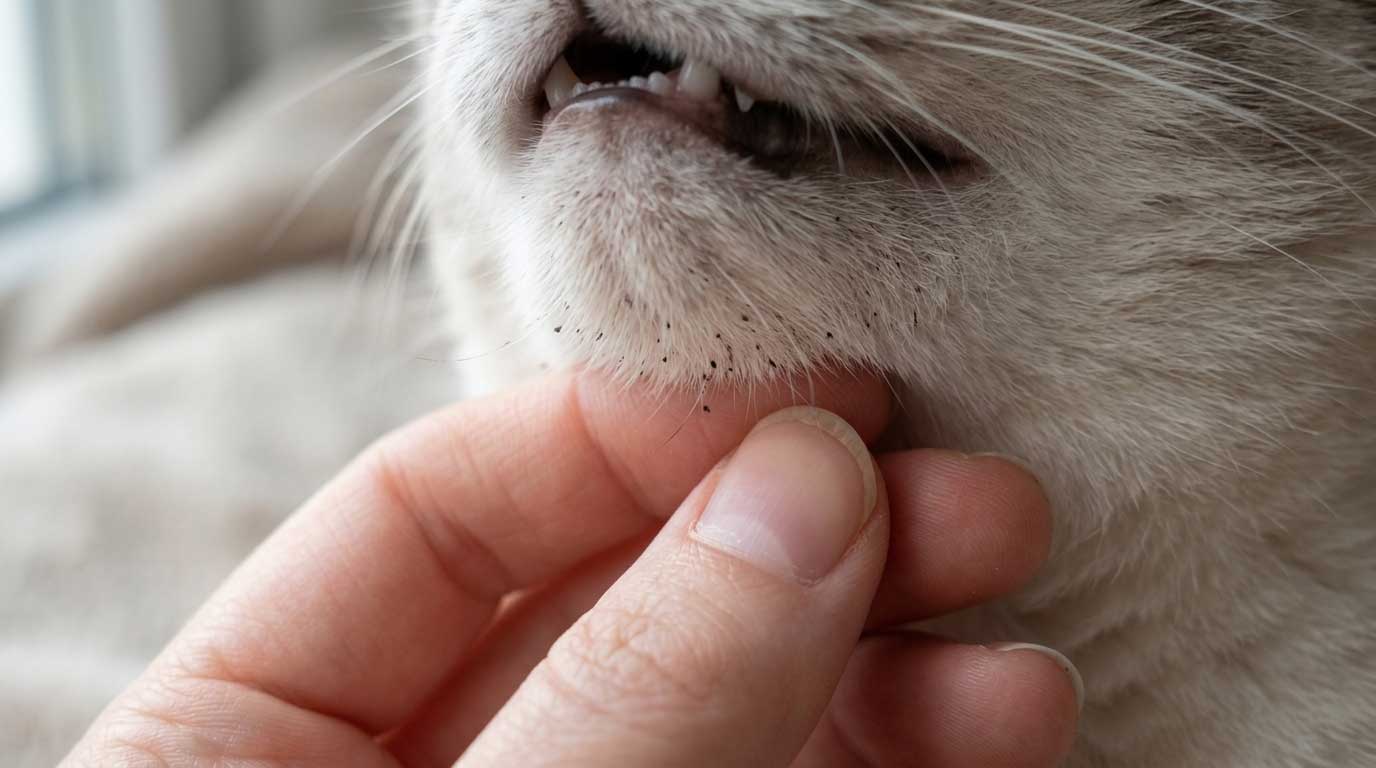
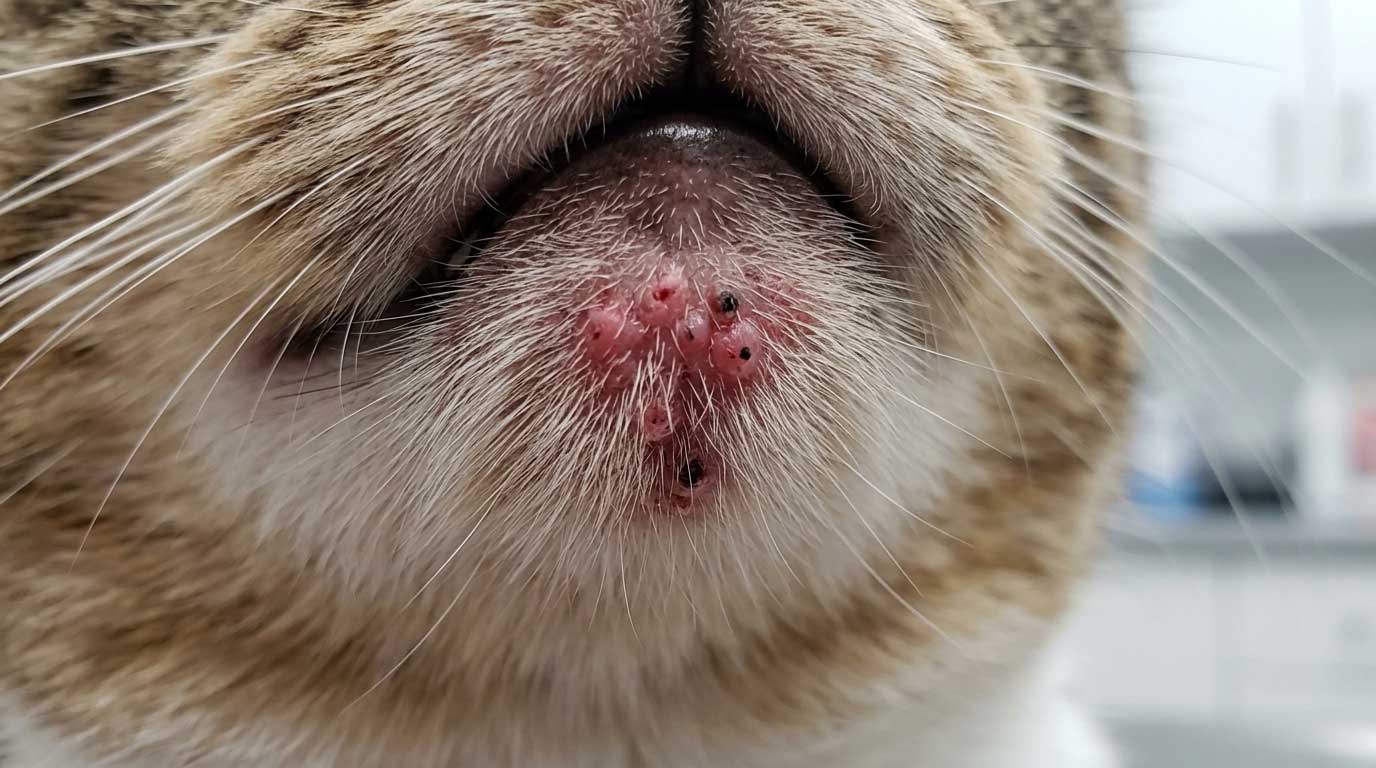
Cat chin with mild acne showing blackheads caused by plastic bowl contact
Classic plastic-bowl-triggered acne: clustered blackheads right where the chin touches the rim

What to Use Instead: The 3 Safe Materials

1. Stainless Steel ★ (Best Overall)

Stainless steel is the vet-recommended gold standard. Pros: non-porous, won't scratch easily, dishwasher safe, durable, affordable, lightweight. Cons: can be noisy if dropped, some cats don't like the reflection (can be solved with a placemat). Look for restaurant-grade 304 or 18/8 stainless steel for the longest life.

2. Ceramic ★ (Great for Picky Cats)

Ceramic is heavy (harder to push around), doesn't reflect, feels warm. Pros: non-porous when glazed properly, heavy so it stays put, visually appealing. Cons: can chip or crack (chipped ceramic becomes porous again — inspect regularly), sometimes heavy for kittens, more expensive. Avoid low-quality ceramic that might have lead glaze — buy from reputable pet brands.

3. Glass ★ (Gentlest on Skin)

Glass is the smoothest non-porous surface. Pros: completely non-porous, chemical-free, dishwasher safe. Cons: fragile (breaks if dropped), harder to find in good bowl shapes, can slide around. A Pyrex dish or dedicated glass pet bowl works well.

What to Avoid

  • Any plastic bowl — even "BPA-free" plastic
  • Plastic water fountains (switch to stainless steel or ceramic fountains)
  • Scratched ceramic (the glaze is damaged, expose to porous surface)
  • Painted bowls where the paint is inside the food area
  • Old silicone (porous after a while)

Bowl Hygiene Best Practices

Even a stainless steel bowl can cause issues if not cleaned:

  • Wash every day with hot soapy water — not every 2-3 days
  • Have 2 sets of bowls so one is always clean
  • Rinse thoroughly to remove soap residue
  • Inspect ceramic bowls for chips and cracks monthly
  • Replace stainless steel bowls every 2-3 years (they develop tiny scratches too)

What About Raised or Wide Bowls?

Whisker fatigue is a separate issue where narrow deep bowls irritate cats. For acne-prone cats, a wide shallow bowl serves two purposes: reduces chin contact with the rim, and reduces whisker stress. Combined with a non-plastic material, this is the ideal setup.

How Fast Will You See Improvement?

After switching to a non-plastic bowl and washing it daily:

  • Week 1: no new blackheads forming
  • Week 2-3: existing blackheads start to clear
  • Week 4: chin looks noticeably cleaner
  • Week 6-8: full resolution in most mild cases

If there's no improvement after 4 weeks with a perfect bowl setup, the cause is something else — allergies, immune issues, or chronic bacterial colonization. That's when a vet visit becomes necessary.

Not sure if your cat's acne is responding to the bowl change? A photo comparison over time helps — or check with our AI for an objective severity assessment.

Is the Bowl Change Working?

Upload a photo and let AI track whether your cat's acne is improving or needs more intervention.

Disclaimer: This article is for informational purposes only and is not a substitute for professional veterinary advice. Always consult a licensed veterinarian for diagnosis and treatment of your pet's health conditions.
More Articles

Dog eye infection showing redness and discharge in a Golden Retriever

Dog Eye Infection: Symptoms, Causes & When to See a Vet

How to identify a dog eye infection, what causes it, common types like conjunctivitis and corneal ulcers, home care tips, and when you need to see a vet.

Hot spot on a Labrador Retriever showing red moist oozing skin patch

Dog Hot Spots: What They Look Like, Causes & How to Treat Them

Everything you need to know about hot spots on dogs — how to identify them, what causes them, home treatment options, and when you need a vet.

Dog ear showing brown discharge and wax buildup indicating ear problems

Why Do My Dog's Ears Smell Bad? 7 Causes and What to Do

Dogs ears smell bad for a reason. Learn the 7 most common causes of smelly dog ears, what the smell and discharge color mean, and when you need a vet.

Dermatitis on Golden Retriever belly showing red inflamed flaky skin

My Dog Has a Rash: How to Identify Common Skin Problems

Found a rash on your dog? Learn how to identify dermatitis, hot spots, mange, flea allergy, and other common skin infections from appearance and symptoms.

Dog shaking head and scratching ear showing signs of ear discomfort

Dog Keeps Shaking Head? Here's What It Means and What to Do

Why does your dog keep shaking their head? Learn the most common causes including ear infections, ear mites, and allergies, plus when to see a vet.

Dog skin allergy showing red irritated skin from flea allergy dermatitis

Dog Skin Allergy: Symptoms, Types & What Your Dog's Skin Is Telling You

Learn how to identify dog skin allergies from rashes, bumps, and itching. Understand flea allergy dermatitis, food allergies, and environmental allergies in dogs.

Dog scratching ear from food allergy showing redness and discomfort

Dog Food Allergy Symptoms: How to Tell If Your Dog's Food Is the Problem

How to identify food allergy symptoms in dogs vs food intolerance. Learn about elimination diets, common allergens like chicken and beef, and when to see a vet.

Cat with skin allergy showing patchy hair loss and irritated skin

Cat Skin Allergies & Flea Dermatitis: Signs, Causes & What to Do

How to identify cat skin allergies, flea allergy dermatitis in cats, food allergy rashes, and environmental allergies. Learn what your cat's skin is telling you.

Dog wound showing redness and swelling that needs proper care

Dog Wound Care: How to Clean, Treat & Monitor Wounds at Home

Complete guide to dog wound care at home. Learn how to clean a wound, what to put on it, signs of infection to watch for, and when to see a vet.

Dog wound in healing stage showing healthy pink tissue forming

How to Heal a Dog Wound Fast at Home: 7 Vet-Approved Tips

Want to help your dog's wound heal faster? 7 proven tips for faster wound healing in dogs — from proper cleaning to nutrition to preventing licking.

Open wound on dog that needs proper cleaning

How to Clean a Dog Wound: Step-by-Step Guide (With What to Avoid)

Learn the right way to clean a dog wound at home. Step-by-step instructions, what solutions to use, what to avoid, and when cleaning isn't enough.

Dog bite wound that needs proper cleaning — not hydrogen peroxide

Can You Put Hydrogen Peroxide on a Dog Wound? (Why Vets Say No)

Should you use hydrogen peroxide on your dog's wound? Learn why most vets no longer recommend it, what to use instead, and how to clean dog wounds safely.

Cat wound being gently cleaned at home with saline solution

Cat Wound Care at Home: How to Clean, Treat & Know When to See a Vet

Learn how to care for your cat's wound at home — cleaning, safe ointments, what to avoid, healing stages, and when a wound needs emergency vet care.

Cat abscess that has burst showing drainage and surrounding area

Cat Abscess Burst: What to Do, What It Looks Like & When to See a Vet

Your cat's abscess burst? Don't panic. Learn what a burst abscess looks like, what to do immediately, home care steps, healing timeline, and when it's an emergency.

Close-up of flea dirt on dog skin showing tiny black specks among fur

Flea Dirt, Flea Eggs & Black Specks on Your Dog — What They Mean

Found black specks or tiny white dots on your dog? Learn how to identify flea dirt vs regular dirt, flea eggs vs dandruff, and what black specks on dog skin mean.

Comparison of deer tick and American dog tick on dog skin

Dog Tick Identification: Deer Tick vs Dog Tick, Embedded & Engorged Ticks

How to identify ticks on your dog — deer tick vs dog tick differences, what embedded and engorged ticks look like, tick vs skin tag, and which ticks carry disease.

Cat ear showing dark brown discharge from ear mites vs normal clean ear

Cat Ear Mites: Signs, How to Tell vs Dirty Ears & Treatment Guide

How to tell if your cat has ear mites vs just dirty ears, signs and symptoms, how indoor cats get ear mites, home remedies, and when to see a vet.

Black specks on cat chin showing comparison of flea dirt vs feline acne

Black Specks on Your Cat: Flea Dirt vs Cat Acne — How to Tell & What to Do

Black specks on your cat's chin, fur, or skin? Learn how to tell flea dirt from cat acne, what black dots mean, and when to worry.

Dog licking and chewing their paw on a couch

Why Do Dogs Lick and Chew Their Paws? 8 Common Causes

Why is your dog licking or chewing their paws? Here are the 8 most common causes — from allergies and yeast infections to anxiety and pain — plus what to do about each.

Owner applying paw balm to stop dog from licking paws

How to Stop a Dog from Licking Their Paws: Home Remedies That Actually Work

Practical home remedies to stop compulsive paw licking in dogs — soaks, e-collars, topical treatments, and long-term fixes. Plus when home care isn't enough.

Dog paw with brown yeast staining between the toes

Dog Paw Yeast Infection: Signs, Treatment & Home Remedies

How to spot a dog paw yeast infection (the "Frito foot" smell), what causes it, and how to treat it at home — plus when you need prescription antifungals.

Close-up of red inflamed skin between a dog's toes

Dog Paws Red Between Toes: Causes & Home Remedies

Redness between your dog's toes usually means one of five things — allergies, yeast, infection, foreign body, or a cyst. Here's how to tell which, plus what to do.

Dog paw with allergic dermatitis showing redness between toes

Dog Paw Allergies: Symptoms, Treatment & Prevention

Why do allergies hit dogs' paws so hard? Here's what paw allergies look like, the 3 main types (environmental, food, contact), and how to treat them.

Dog paw with a cut or injury on the pad

Dog Paw Pad Injury: First Aid, Flap Treatment & Healing Time

How to treat a dog paw pad injury at home — stopping bleeding, handling a paw pad flap, bandaging, and what the healing timeline looks like. Plus when you need a vet.

Cat paw showing pillow foot with puffy enlarged central pad

What is Pillow Foot in Cats? Causes, Signs & Pictures

Pillow foot in cats (plasma cell pododermatitis) causes soft puffy paw pads. Learn the signs, causes, whether it's contagious, and what to do about it.

Hand holding a cat paw showing pillow foot condition during vet examination

Pillow Foot Treatment in Cats: Home Remedies & Vet Options

How to treat pillow foot (plasma cell pododermatitis) in cats — doxycycline, steroids, home care, litter changes, and how long treatment takes.

Close-up of a swollen cat paw showing enlarged toes and redness

Swollen Cat Paw: 7 Causes + When It's an Emergency

Why is your cat's paw swollen? 7 common causes, how to tell an emergency, home remedies, and when you must see a vet — including the "silent pain" trap.

Close-up of a cat paw with an ingrown nail curling into the pad

Cat Ingrown Nail Removal at Home: Step-by-Step + When to See a Vet

How to safely trim an ingrown cat nail at home — step-by-step guide, when it's too risky, vet costs, and prevention tips. Most common in elderly cats.

Cat paw with nail bed infection showing redness and swelling around the claw base

Cat Nail Bed Infection (Paronychia): Signs, Treatment & Home Remedies

Cat nail bed infection (paronychia) causes redness, swelling, and nail discoloration. Learn to spot it, treat mild cases at home, and when antibiotics are needed.

Cat chewing on its paw while sitting on a couch

Why Is My Cat Chewing or Licking Their Paws? 6 Causes

Why your cat is obsessively chewing or licking their paws — 6 common causes, from allergies to post-declaw chewing, and when you need to see a vet.

Cat chin with black specks that could be acne, flea dirt, or mites

Black Dots on Cat Chin: Acne, Flea Dirt, or Mites?

Black specks on your cat's chin can be feline acne, flea dirt, or mites — here's how to tell them apart with a simple wet-tissue test and visual clues.

Hand applying medicated wipe to cat chin for acne treatment

Cat Acne Treatment at Home: Step-by-Step Guide + What NOT to Do

How to treat mild to moderate cat chin acne at home — bowl changes, chlorhexidine cleaning, warm compresses. Plus the home remedies you should avoid.

Cat relaxing after acne treatment showing clearer chin

Can Cat Acne Clear Up on Its Own? When to Wait vs Treat

Mild cat acne can clear on its own once the trigger is removed. Learn which cases need treatment, how long to wait, and when to see a vet.

Pet dermatology wipes and chlorhexidine solution for cat acne treatment

Chlorhexidine for Cat Acne: How to Use It Safely

Chlorhexidine is the vet-recommended antiseptic for cat chin acne. Learn the right concentration, how to apply it, and common mistakes to avoid.

Cat with new acne on chin looking at new plastic food bowl

Why Did My Cat Get Acne All of a Sudden? 6 Triggers to Check

Cat acne rarely appears for no reason. Here are 6 common triggers that cause sudden feline acne — and how to find the cause in your cat.

Dog with red pimples and bumps on chin and lower lip

Why Does My Dog Have Pimples? 6 Causes of Canine Acne

Small red bumps or pimples on your dog's chin? Here are the 6 most common causes of canine acne, plus how to tell acne from mange and other skin problems.

Hand applying pet-safe wipe to dog chin for acne treatment

How to Treat Dog Chin Acne at Home: Step-by-Step Guide

Treat mild to moderate dog chin acne at home — step-by-step plan with bowl hygiene, chlorhexidine, and pet-safe benzoyl peroxide. Plus what NOT to do.

Young puppy with pimples on chin during adolescent puppy acne phase

Puppy Acne: When It Starts, What It Looks Like, When It Clears

Puppy acne shows up between 5-12 months of age, especially in Boxers, Bulldogs, and other short-haired breeds. Here's what to expect and how to help.

Dog urine sample showing blood on white paper towel for owner examination

Why Is My Dog Peeing Blood? 8 Causes + When It's an Emergency

Blood in your dog's urine is alarming. Here are the 8 most common causes — UTI, stones, prostate, pyometra — plus how to tell when it's a true emergency.

Dog urine color chart showing healthy pale yellow through concerning dark and red shades

Dog Urine Color Chart: What Each Color Means (with Pictures)

A visual guide to dog urine colors — from healthy pale yellow to emergency red and brown. Learn what each shade tells you about your dog's health.

Dog showing UTI symptoms with frequent urination attempts

Dog UTI: Symptoms, Treatment & Home Care vs When to See a Vet

Urinary tract infections are the #1 cause of blood in dog urine. Learn the symptoms, when home remedies help, and when antibiotics are required.

Diagram showing differences between male and female dog urinary tract issues

Blood in Dog Urine: Male vs Female — Different Causes

Male and female dogs get blood in urine from different conditions. Here's what to check based on your dog's sex and neuter status.
Cat straining in litter box showing signs of urinary blockage

Cat Urinary Blockage: Signs, Survival Rate & Emergency Actions

Cat urinary blockage is a life-threatening emergency — especially in male cats. Learn the signs, cost, survival rate, and why every hour matters.

Cat drinking water with owner checking for UTI symptoms

Cat UTI Symptoms: How to Tell What's Really a UTI (and What's Not)

Cat UTIs are actually less common than people think. Here's how to tell a true UTI from FIC, crystals, blockage, and other conditions that mimic it.

Stressed cat hiding showing signs of feline idiopathic cystitis

Blood in Cat Urine But No UTI: FIC and Stress Cystitis Explained

Your vet says no UTI but there's blood in your cat's urine. It's probably Feline Idiopathic Cystitis (FIC) — a stress-related condition. Here's how to manage it.

Cat urine crystals under microscope showing struvite and oxalate types

Cat Urine Crystals: Struvite vs Oxalate, Diet & Treatment

Struvite and calcium oxalate crystals are the most common types in cat urine. Learn the differences, prevention, diet strategies, and when surgery is needed.

Owner noticing strong ammonia smell from cat litter box

Cat Urine Smells Like Ammonia: 5 Causes & What to Do

A strong ammonia smell from cat urine can signal concentrated urine, UTI, kidney disease, or just an intact male. Here's what each smell pattern means.