How to Treat Dog Chin Acne at Home: Step-by-Step Guide
Treat mild to moderate dog chin acne at home — step-by-step plan with bowl hygiene, chlorhexidine, and pet-safe benzoyl peroxide. Plus what NOT to do.
Published 2026-04-18

Most mild to moderate dog chin acne can be treated at home without a vet visit — if you do it right. Unfortunately, a lot of internet advice for dog acne recommends products that are dangerous or ineffective. This guide covers what actually works, in the right order.
Step 1: Confirm It's Acne, Not Something Else
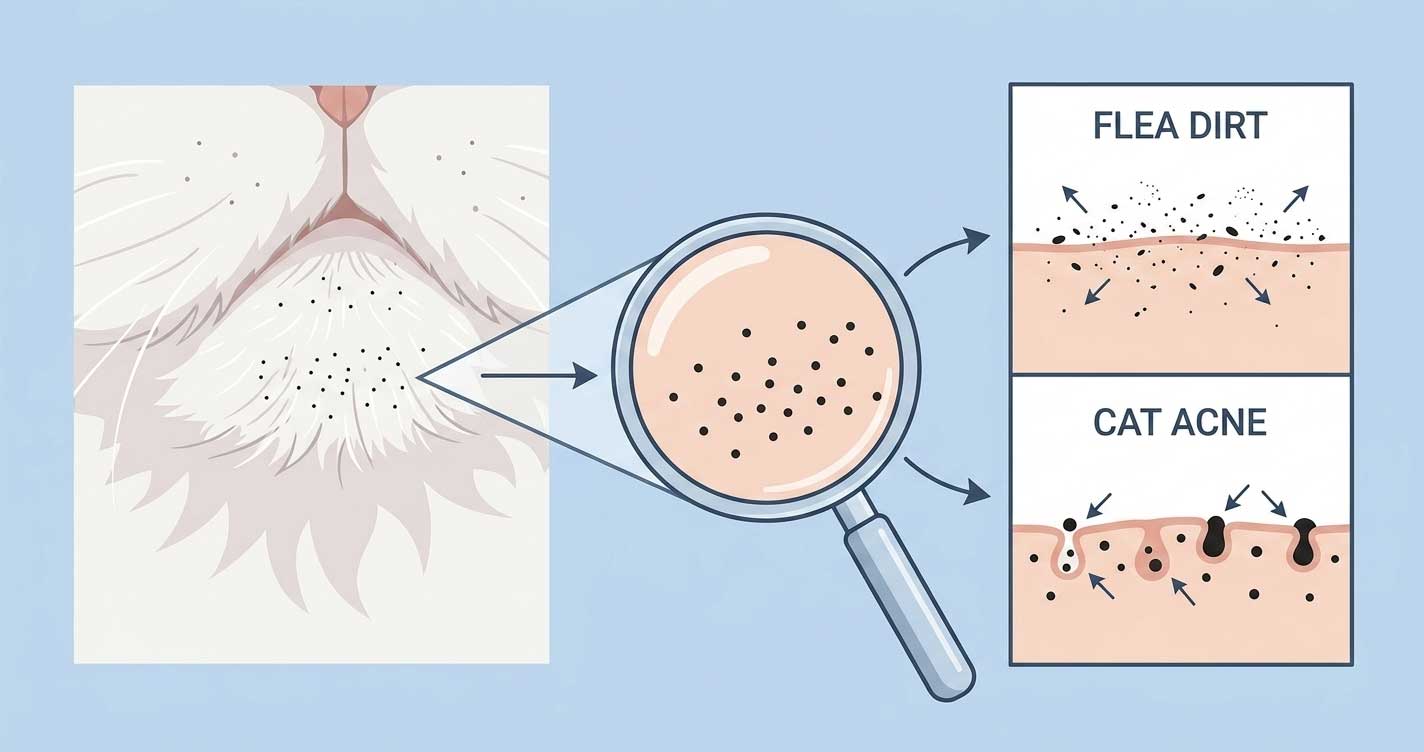
Before starting treatment, rule out look-alikes:
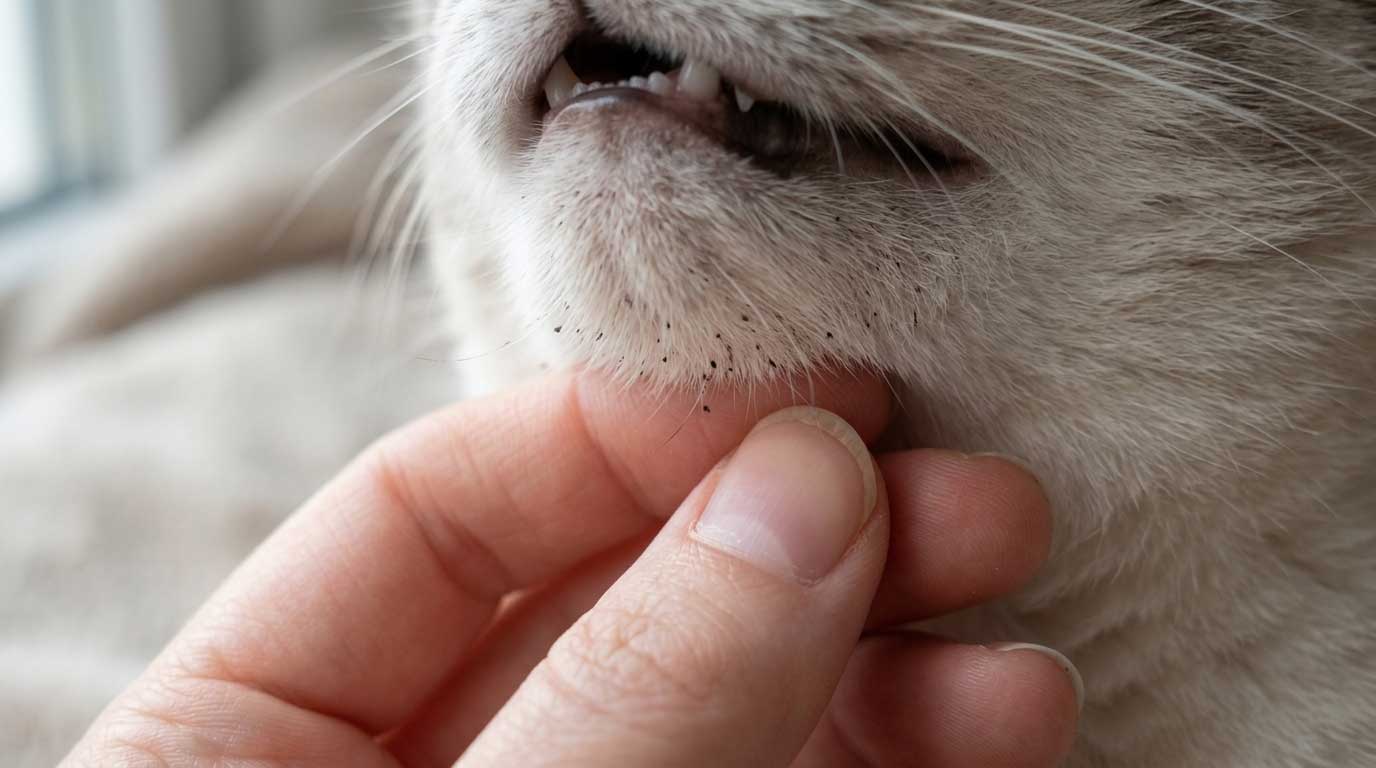
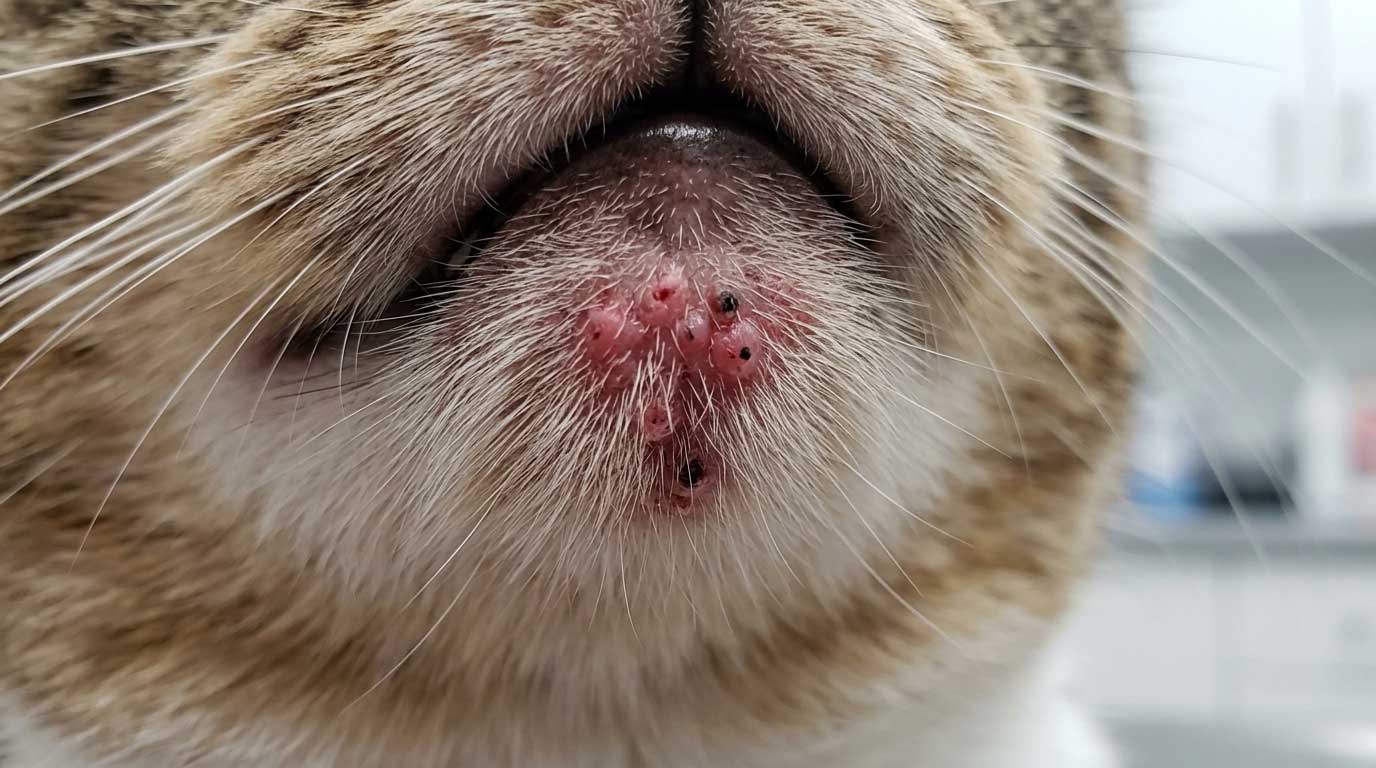
- ✓Canine acne: pimples/blackheads on chin and lower lip only, no hair loss
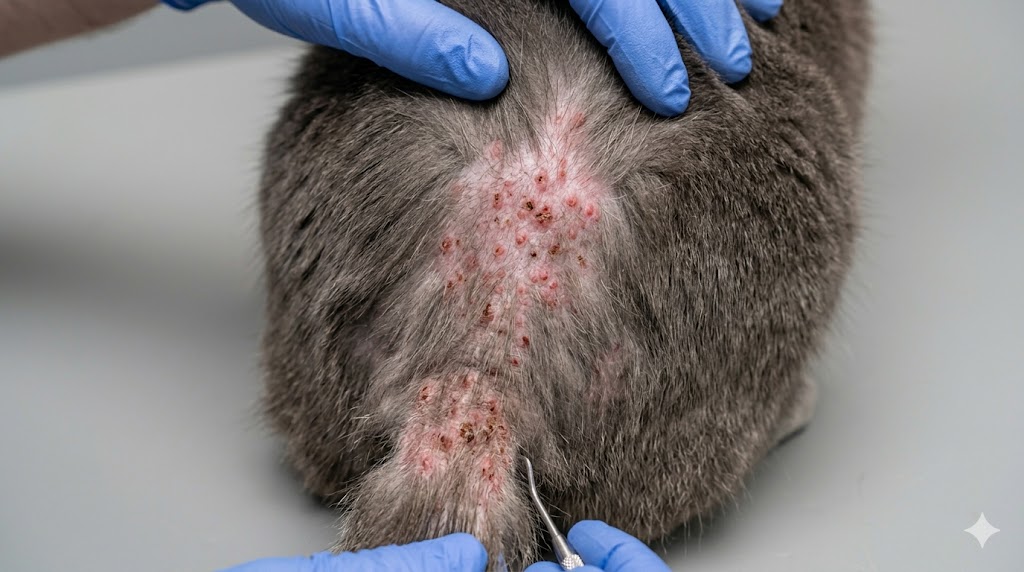
- ✓Mange: HAIR LOSS with bumps, intense itching (see vet)
- ✓Allergies: pimples spread across face/body with itching (may need diet trial)
- ✓Bacterial folliculitis: pustules across body (needs antibiotics from vet)
If unsure, use an AI photo check or see a vet before treating at home.
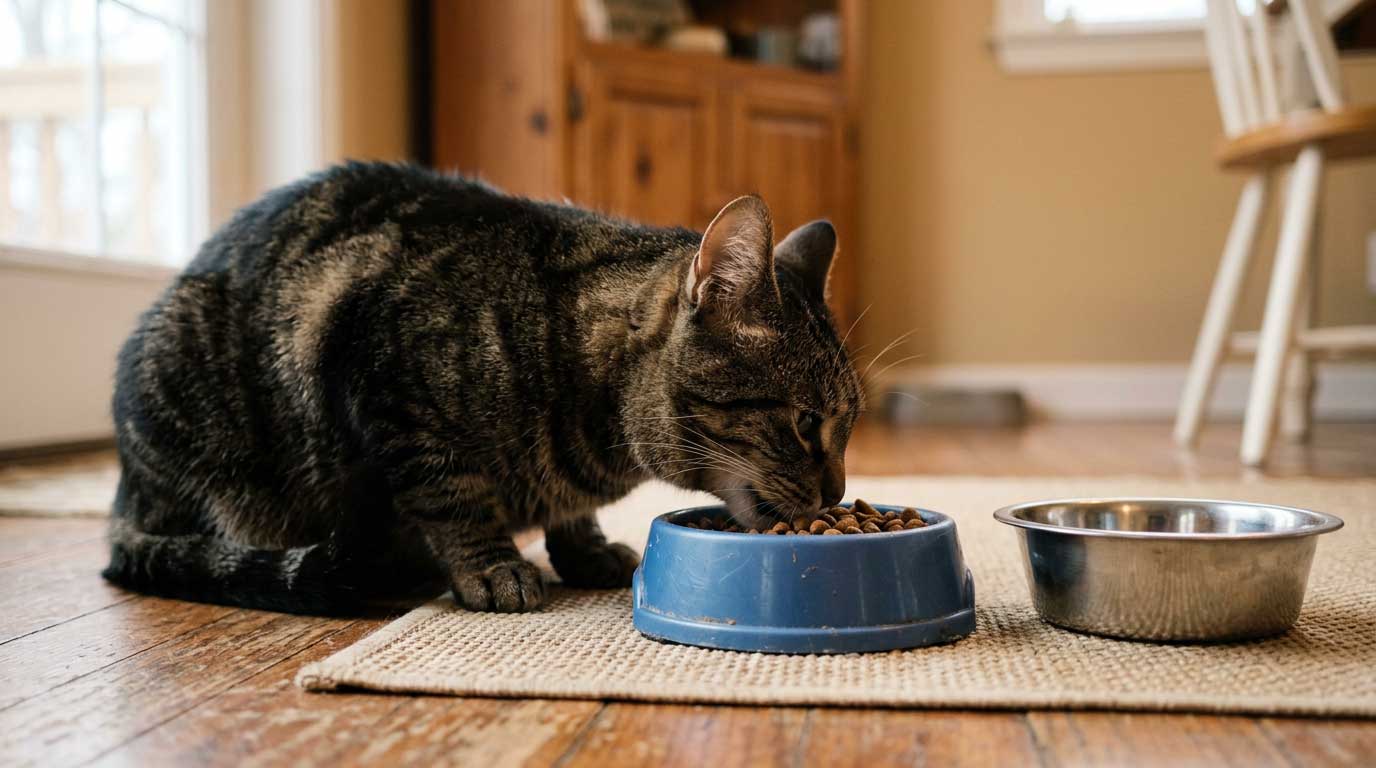
Step 2: Eliminate the #1 Trigger (Plastic Bowls)
This single change resolves many mild cases in 2-4 weeks:
- ✓Throw out ALL plastic food and water bowls — even BPA-free plastic
- ✓Replace with stainless steel (most vet-recommended), ceramic, or glass
- ✓Wash every day with hot soapy water
- ✓Have 2 sets so one is always clean
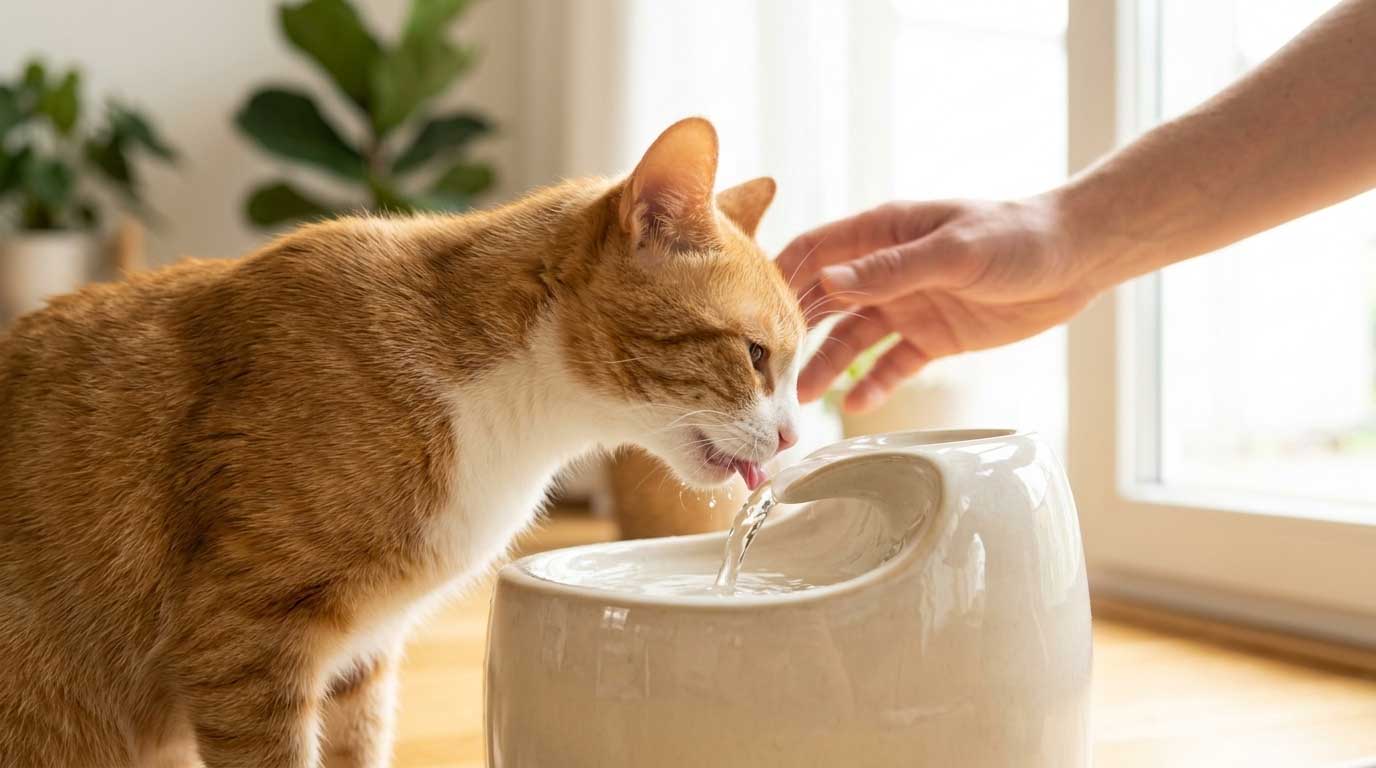
- ✓Also replace plastic water fountains
Step 3: Daily Chin Cleaning
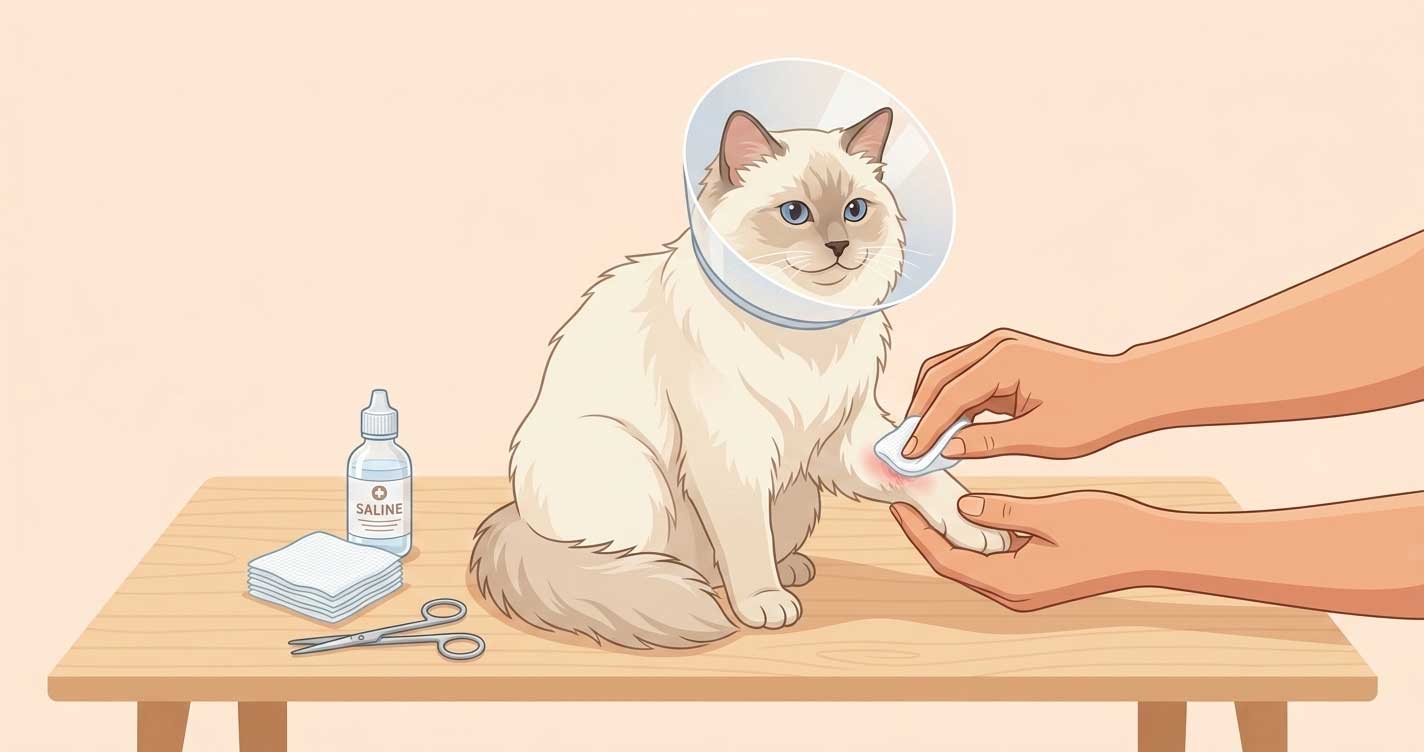
Gentle cleaning removes surface oils and bacteria:
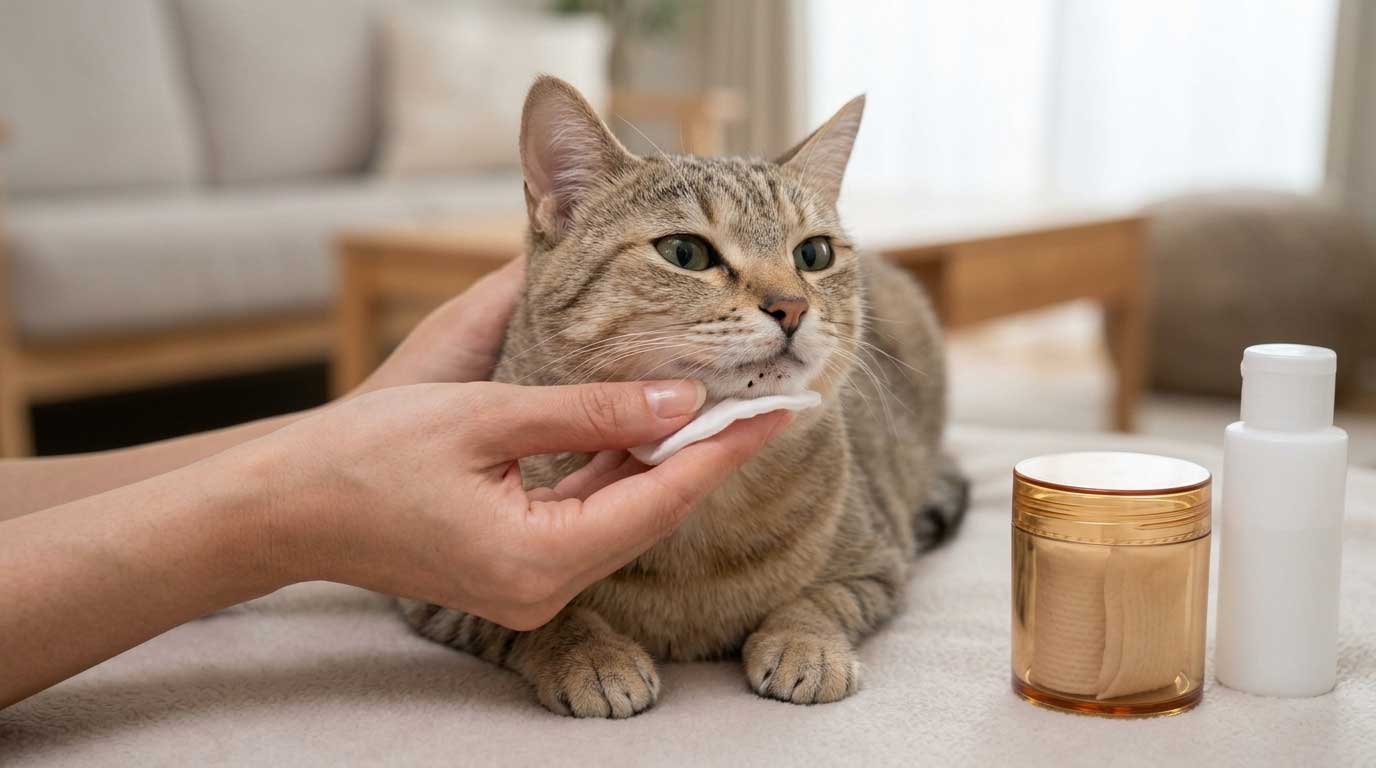
- ✓Wet a soft cotton pad or washcloth with warm water
- ✓Gently wipe the chin in the direction of fur growth (no scrubbing)
- ✓Pat dry with a clean towel
- ✓Do this once daily for 2-3 weeks
Step 4: Add Chlorhexidine or Benzoyl Peroxide
If you see red bumps or pimples, add a topical treatment:
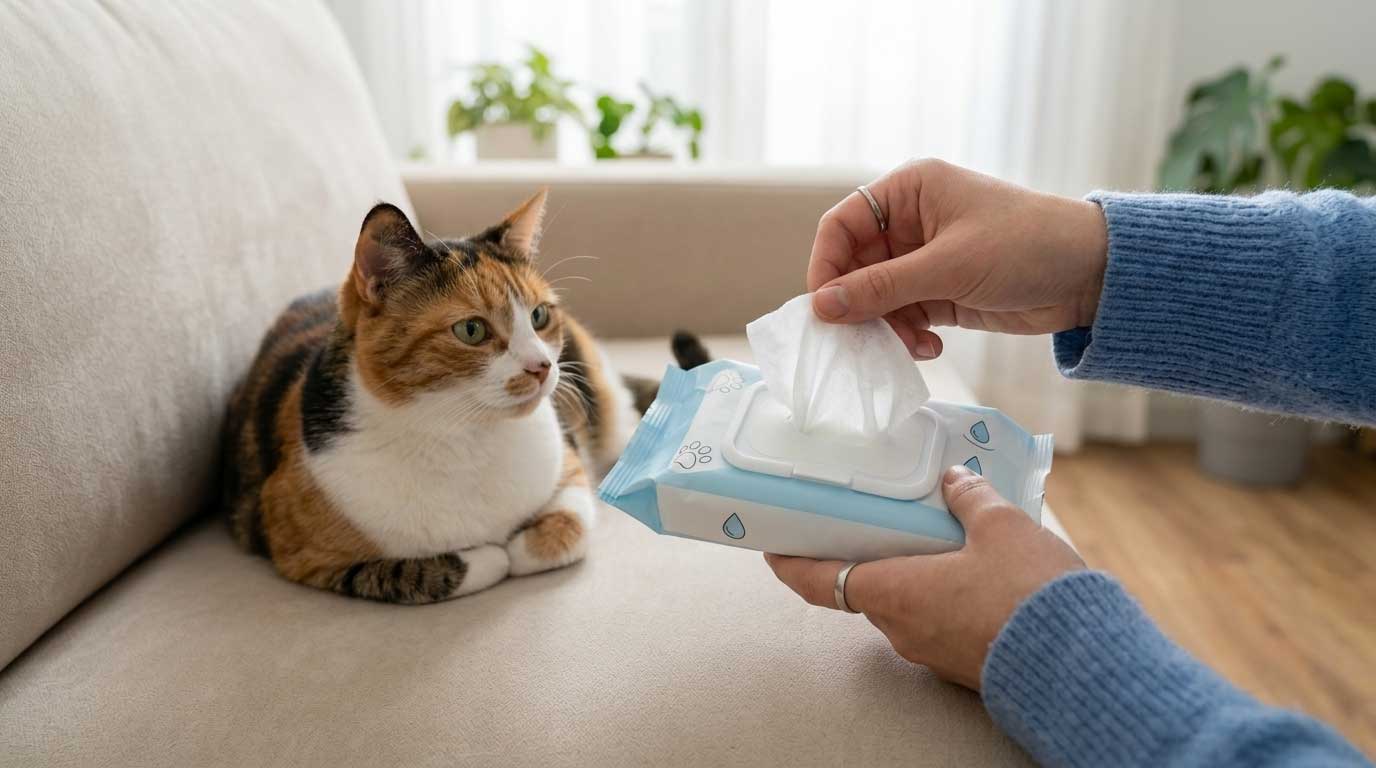
Option A: Chlorhexidine Wipes (Gentler)
- ✓Use 2% chlorhexidine wipes labeled for pets (Douxo, MalAcetic, etc.)
- ✓Apply once daily after the warm water wipe
- ✓Leave on for 1-2 minutes, then rinse with warm water
- ✓Pat dry
Option B: Pet-Formulated Benzoyl Peroxide (Stronger)
Benzoyl peroxide is a first-line topical for moderate dog acne — BUT only pet-formulated versions. Safe brands: OxyDex shampoo, Pyoben shampoo, DermaBenSs shampoo. Apply to chin, lather gently, leave for 5-10 minutes, rinse thoroughly. Use 2-3x per week.
NEVER use human benzoyl peroxide products (Clean & Clear, Proactiv, etc.) — the fragrances, alcohols, and stabilizers are irritating or toxic to dogs.
Step 5: Warm Compresses for Inflamed Bumps
- ✓Wet a clean washcloth in warm (not hot) water
- ✓Hold gently against the chin for 2-3 minutes
- ✓Repeat 2-3x per day
- ✓Helps bring pustules to a head and reduces inflammation
What NOT to Do
Never Use Hydrogen Peroxide
Hydrogen peroxide damages healing tissue, kills beneficial skin cells, and delays recovery. Modern veterinary medicine advises against it for any skin condition.
Never Use Human Acne Products
Human face washes, Proactiv, Clean & Clear, Neutrogena — all contain fragrances, alcohols, and ingredients that irritate dog skin and can be toxic if licked off. The ONLY exception: benzoyl peroxide is safe for dogs at the right concentration, but only in PET-FORMULATED products (OxyDex, Pyoben).
Never Pop or Squeeze Pimples
Popping pushes bacteria deeper into the follicle, turning a surface pimple into a deep infection. Causes scarring. Even if a pimple looks "ready" — leave it alone or let a vet lance it safely.
Never Use Essential Oils
Tea tree oil (especially), lavender, eucalyptus, and many others are toxic to dogs when applied topically or ingested during grooming.
Timeline: What to Expect
- ✓Mild (blackheads only): 2-4 weeks with bowl change + daily cleaning
- ✓Moderate (red bumps, pimples): 4-6 weeks with chlorhexidine or benzoyl peroxide
- ✓Severe or not improving at 3 weeks: see a vet — likely needs oral antibiotics
When Home Care Isn't Enough
See a vet if:
- ✓Chin is swollen significantly beyond its normal outline
- ✓There's pus drainage, heavy bleeding, or large scabs
- ✓Your dog is off food, hiding, or lethargic
- ✓Home care for 3-4 weeks shows no improvement
- ✓Pimples are spreading beyond the chin to body areas
- ✓You see hair loss (suggests mange or folliculitis, not simple acne)
Vet treatment usually involves oral antibiotics for 2-4 weeks. Severe or recurring cases may need skin culture to identify specific bacteria.
Not sure if home care is enough? Upload a photo for an AI severity assessment.
Is Home Care Enough?
Upload a photo and let AI assess severity — plus get specific home care steps for this stage.
Disclaimer: This article is for informational purposes only and is not a substitute for professional veterinary advice. Always consult a licensed veterinarian for diagnosis and treatment of your pet's health conditions.