Dog Urine Color Chart: What Each Color Means (with Pictures)
A visual guide to dog urine colors — from healthy pale yellow to emergency red and brown. Learn what each shade tells you about your dog's health.
Published 2026-04-18
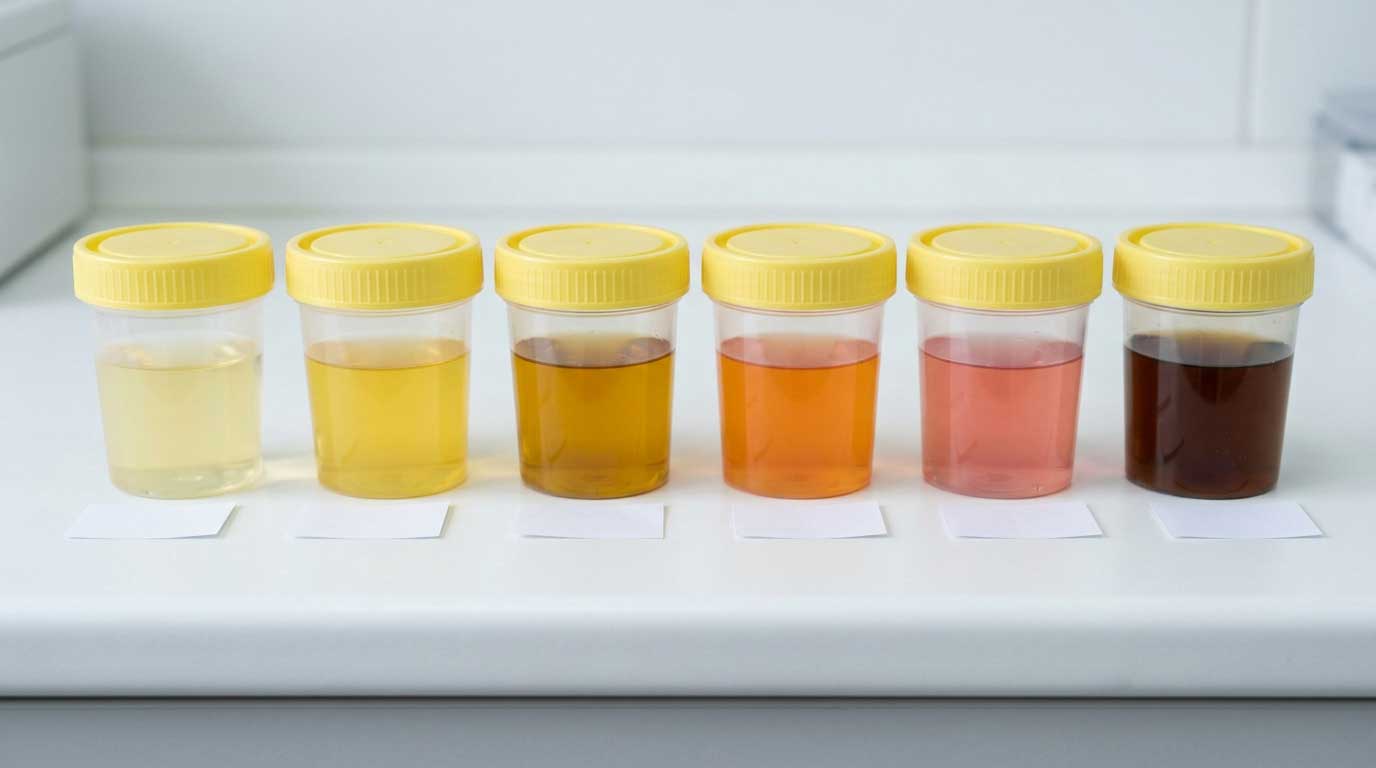
Your dog's urine color is one of the easiest health indicators to check at home — no test strips required. A quick glance at the color tells you whether your dog is well-hydrated, dealing with a UTI, or facing something more serious. This guide walks through what each color means.
The Healthy Range
Pale Yellow (Well Hydrated)
Pale straw or light apple juice color = perfectly hydrated. This is the ideal shade and means your dog is drinking enough water and kidneys are functioning normally.
Medium Yellow (Adequately Hydrated)
A touch deeper yellow still falls in the healthy range. Very common in dogs eating dry food or in warmer weather.
Dehydration Range
Dark Yellow / Amber
Deeper amber suggests dehydration. Common causes: insufficient water intake, hot weather, exercise, or first-morning urine (overnight concentration). Offer fresh water and recheck in 2-3 hours — if it lightens, hydration was the issue. If it stays dark more than 24 hours, see a vet.
Concerning Colors
Orange
Orange urine is almost never normal. Common causes: liver disease (bilirubin leaking into urine), bile duct obstruction, severe dehydration, some medications, and in rare cases toxin exposure (grapes, onions, certain plants). Yellow gums or whites of eyes + orange urine = jaundice = urgent vet visit.
Brown / Tea-Colored
Brown or tea-colored urine is a warning sign. Common causes: muscle breakdown (rhabdomyolysis — after severe exertion, heat stroke, or trauma), severe liver disease, hemolysis (red blood cell destruction from toxins, tick-borne disease, or immune disorders), severe dehydration concentrating bilirubin. See a vet within 24 hours — most causes are serious.
Red / Pink (Blood in Urine)
Bright Red
Fresh blood, usually active bleeding from the lower urinary tract (bladder or urethra). Common causes: UTI with moderate-severe bleeding, bladder stones, trauma, bladder cancer, prostate issues in intact males.
Pink
Diluted blood. Most common with early UTI. Easy to miss if the dog pees on absorbent materials — may look pale pink only.
Rust / Cola-Colored
Older blood or severe infection. Sometimes seen with kidney damage or severe tick-borne disease. More urgent than bright red — indicates the blood has been there long enough to oxidize.
Cloudy / Milky
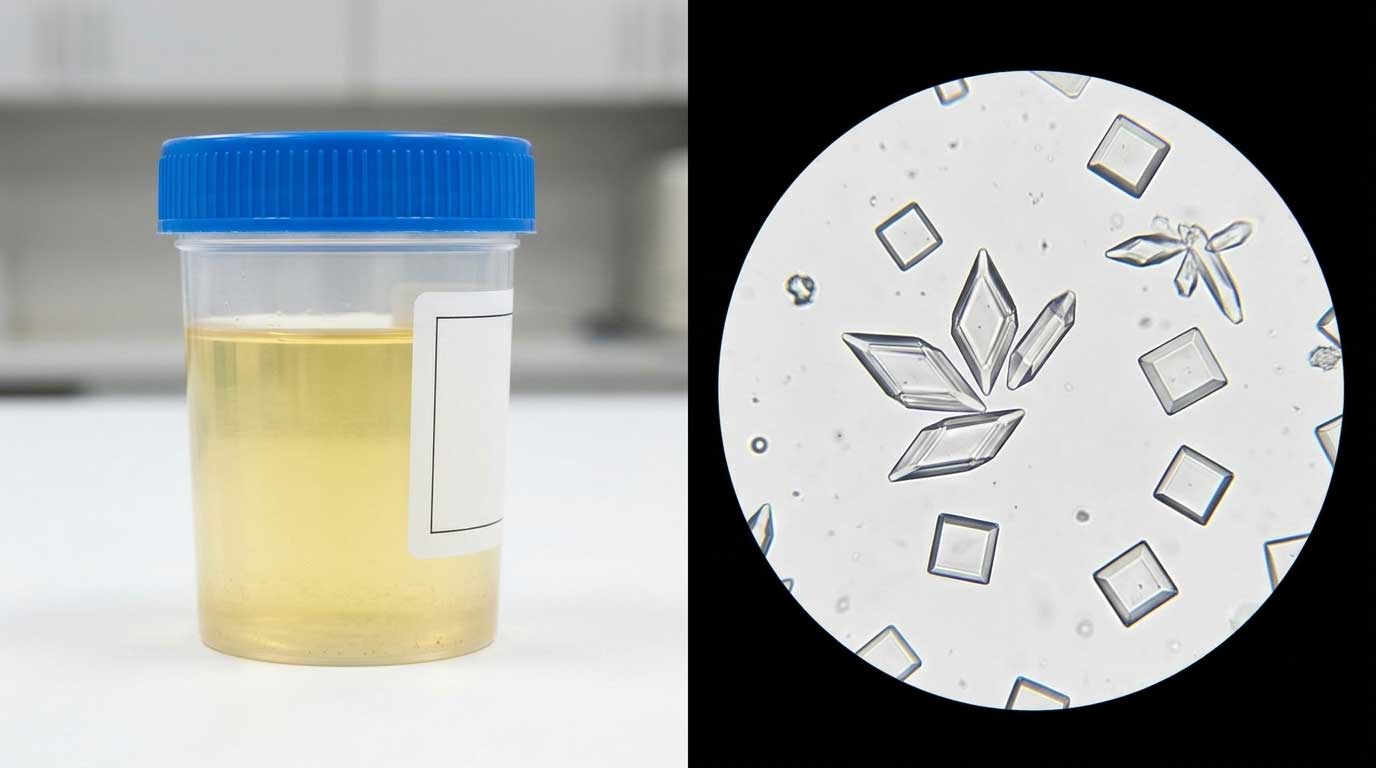
Not a color change per se, but a major clarity change. Cloudy urine almost always means: UTI (white blood cells + bacteria make it cloudy), crystals or early bladder stones, pus from severe infection, mucus from bladder inflammation. Often accompanied by fishy or strong ammonia-like smell.
Clear / Colorless
Almost water-clear urine means overhydration OR the kidneys aren't concentrating urine properly. Occasional clear urine isn't concerning, but chronic clear urine + excessive drinking + excessive urination = possible diabetes, kidney disease, or Cushing's disease. See a vet if this is the persistent pattern.
How to Check Accurately
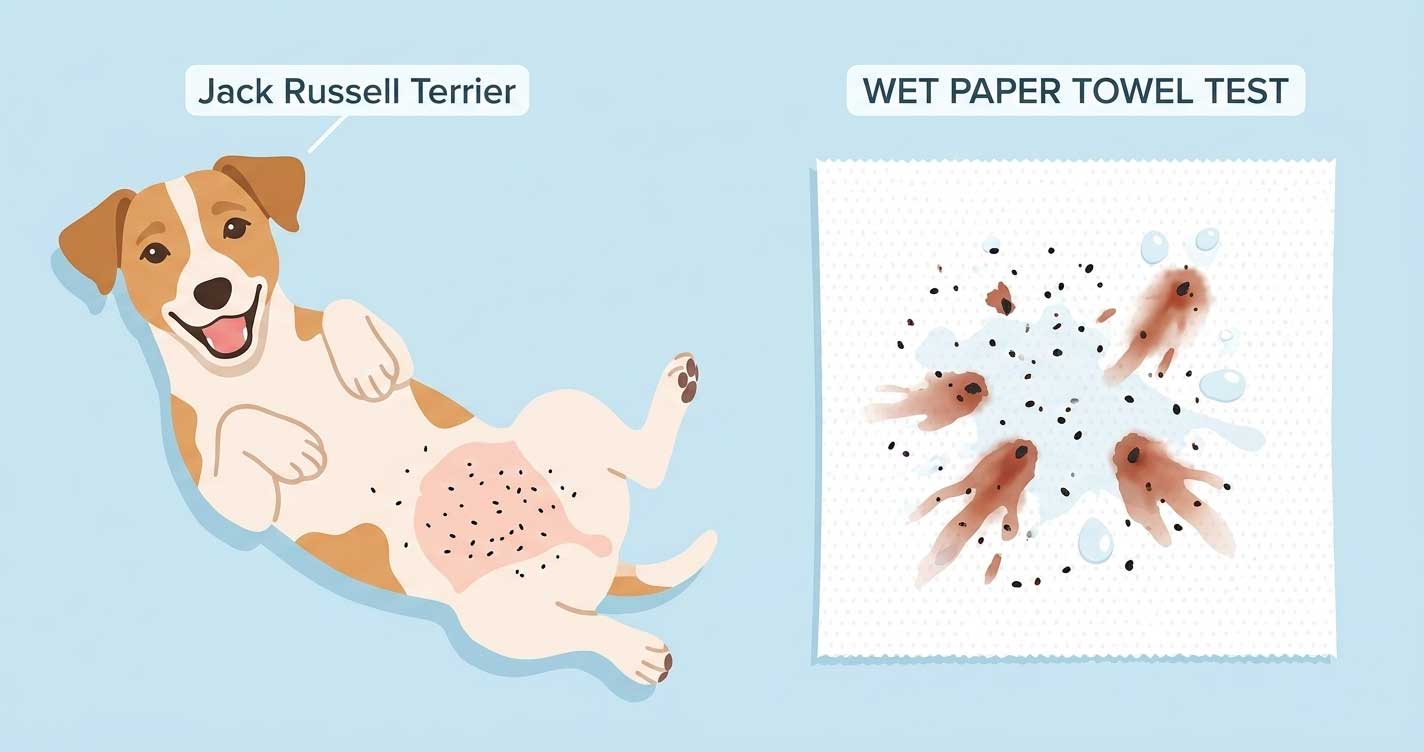
- ✓Photograph on a WHITE surface (paper towel, pee pad, white tile)
- ✓Natural daylight if possible
- ✓Compare to a piece of white paper held nearby
- ✓Check first-morning urine — most concentrated, reveals issues better
- ✓If color is borderline, check again 2-3 hours after fresh water
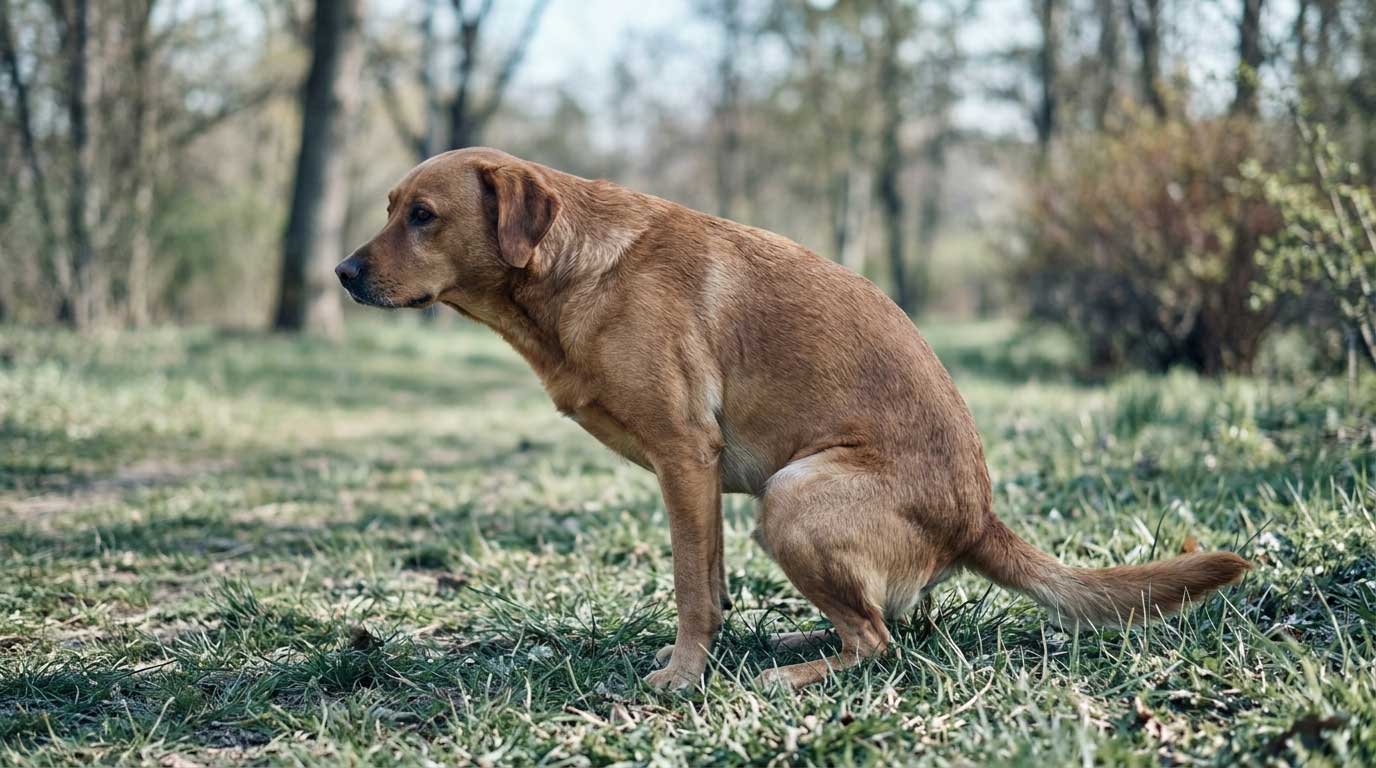
- ✓Do NOT assess urine in toilet water (diluted) or on grass (distorted)
Color + Other Signs = Better Diagnosis
- ✓Dark yellow + lethargy + dry gums = dehydration (+ possible heat stroke)
- ✓Pink + cloudy + fishy smell = UTI
- ✓Red + straining (especially male dogs) = possible blockage/stones
- ✓Brown + exercise event = possible rhabdomyolysis
- ✓Orange + yellow gums = liver/jaundice
- ✓Clear + drinking a lot + peeing a lot = possible diabetes or kidney disease
Not sure what color you're seeing? Our AI can compare your photo to a reference and flag concerning shades.
What Color Is That?
Upload a photo and let AI compare the color to a reference chart and flag concerning shades.
Disclaimer: This article is for informational purposes only and is not a substitute for professional veterinary advice. Always consult a licensed veterinarian for diagnosis and treatment of your pet's health conditions.