Cat UTI Symptoms: How to Tell What's Really a UTI (and What's Not)
Cat UTIs are actually less common than people think. Here's how to tell a true UTI from FIC, crystals, blockage, and other conditions that mimic it.
Published 2026-04-18
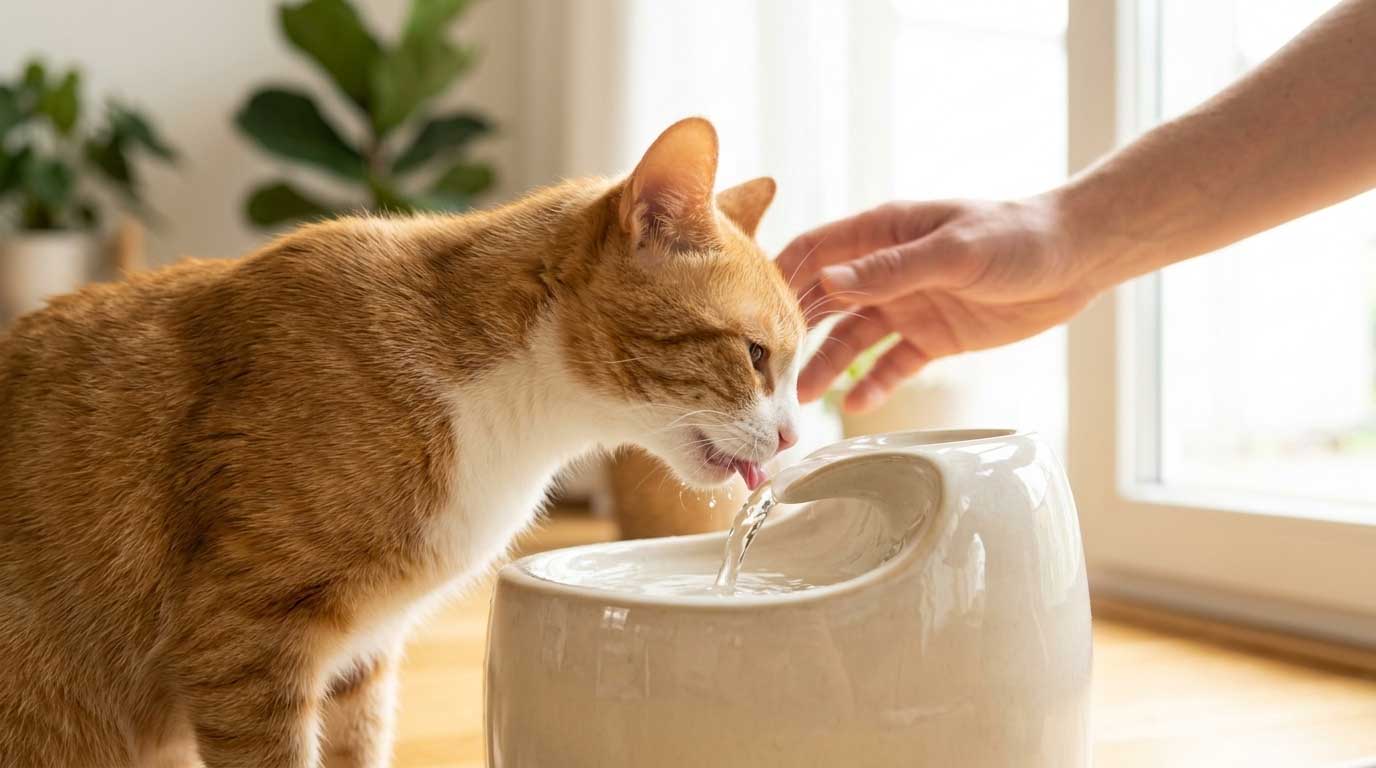
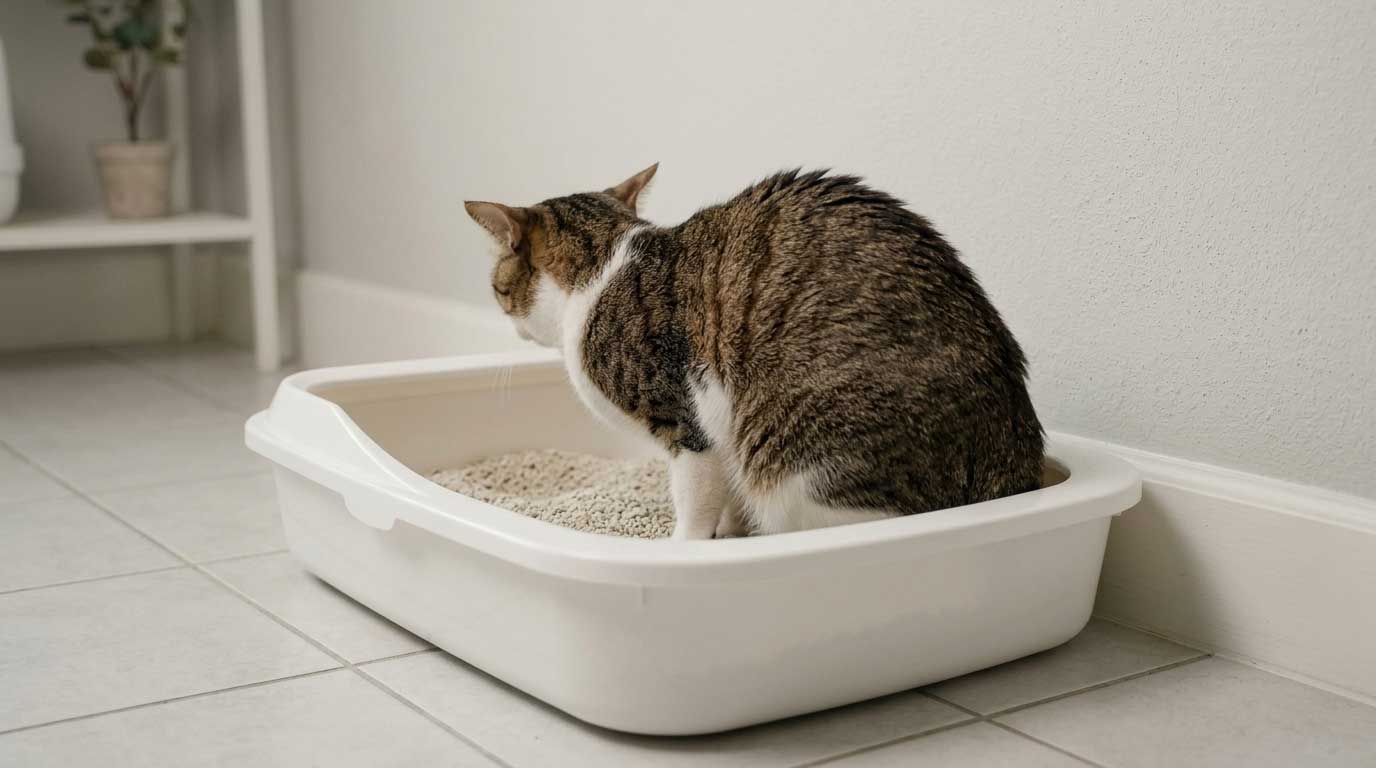
When a cat starts peeing in weird places, straining, or showing blood in urine, the first thing most owners (and sometimes vets) think is "UTI." But here's what most people don't know: true bacterial urinary tract infections are actually uncommon in cats, especially cats under 10 years old. Many "cat UTI" cases are actually something else entirely.
This article covers what a real UTI looks like, what else can look like one, and when you should push your vet beyond just "throw antibiotics at it."
Why Cat UTIs Are Uncommon
Cats have highly concentrated, acidic urine that naturally resists bacterial growth. Their anatomy also makes it harder for bacteria to reach the bladder than in dogs or humans. So when a younger cat shows UTI-like symptoms, the cause is more often non-bacterial — specifically Feline Idiopathic Cystitis (FIC), crystals, or stress-related bladder inflammation. Bacterial UTIs are more common in senior cats, diabetic cats, and cats with underlying kidney disease.
Classic UTI Symptoms (In Any Species)
- ✓Blood in urine (pink, red, or rusty)
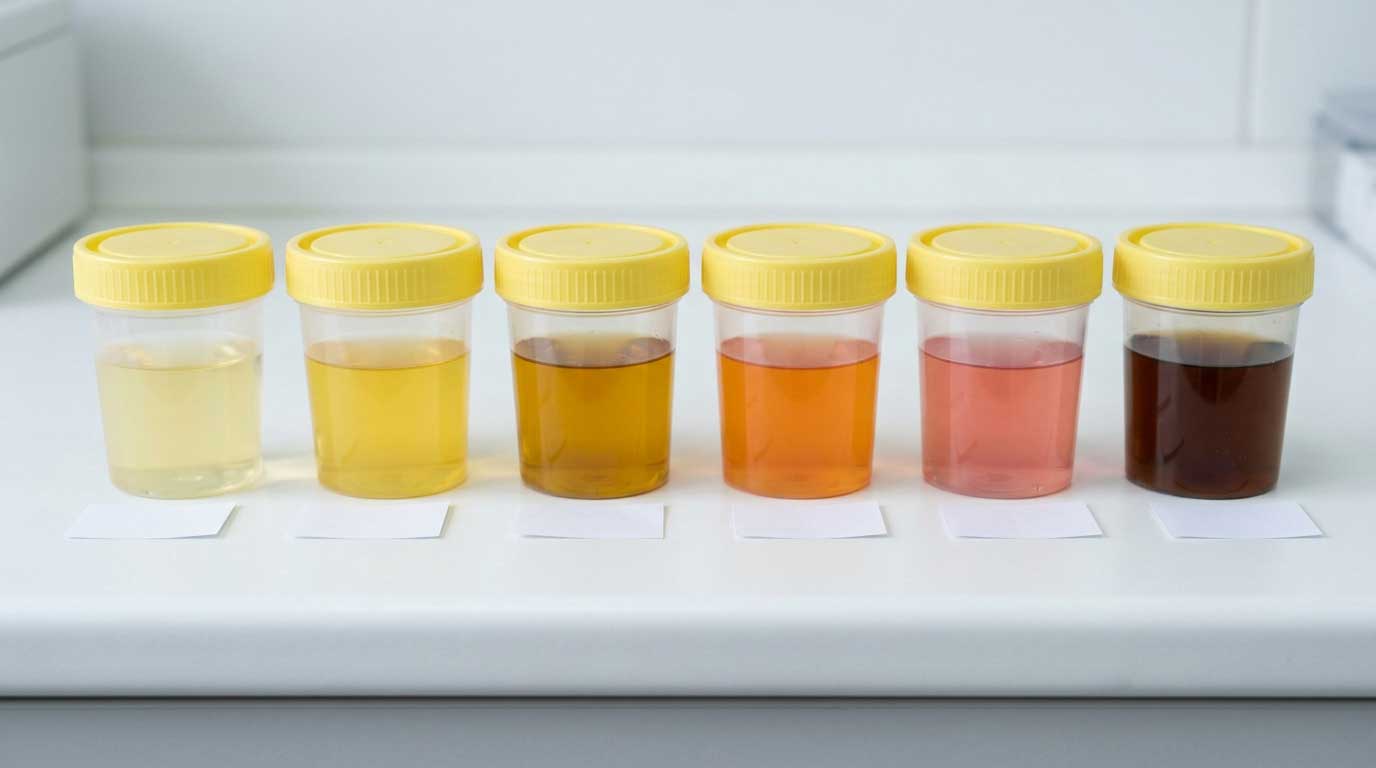
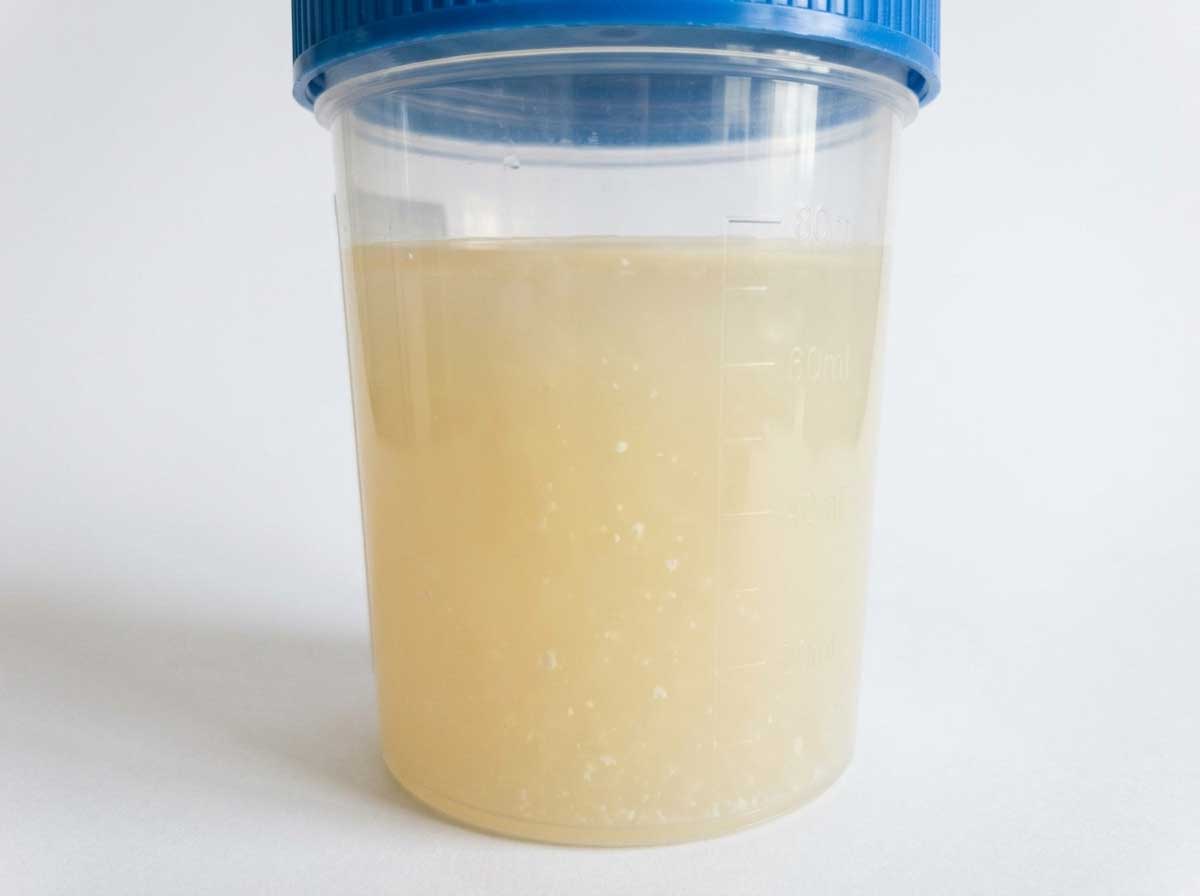
- ✓Cloudy or opaque urine
- ✓Strong, fishy, or ammonia-like smell
- ✓Frequent urination in small amounts
- ✓Straining or discomfort when peeing
- ✓Accidents outside the litter box
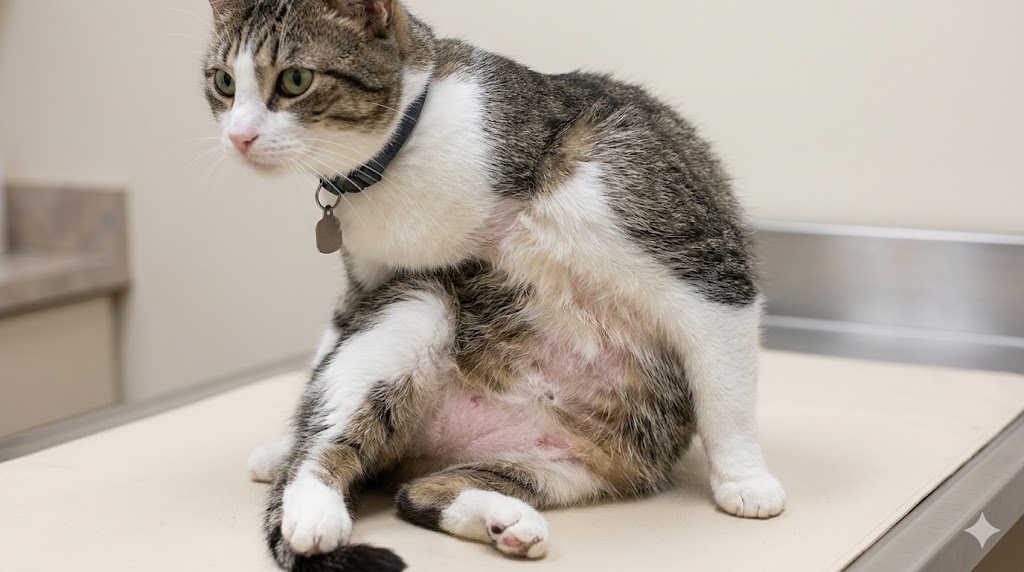
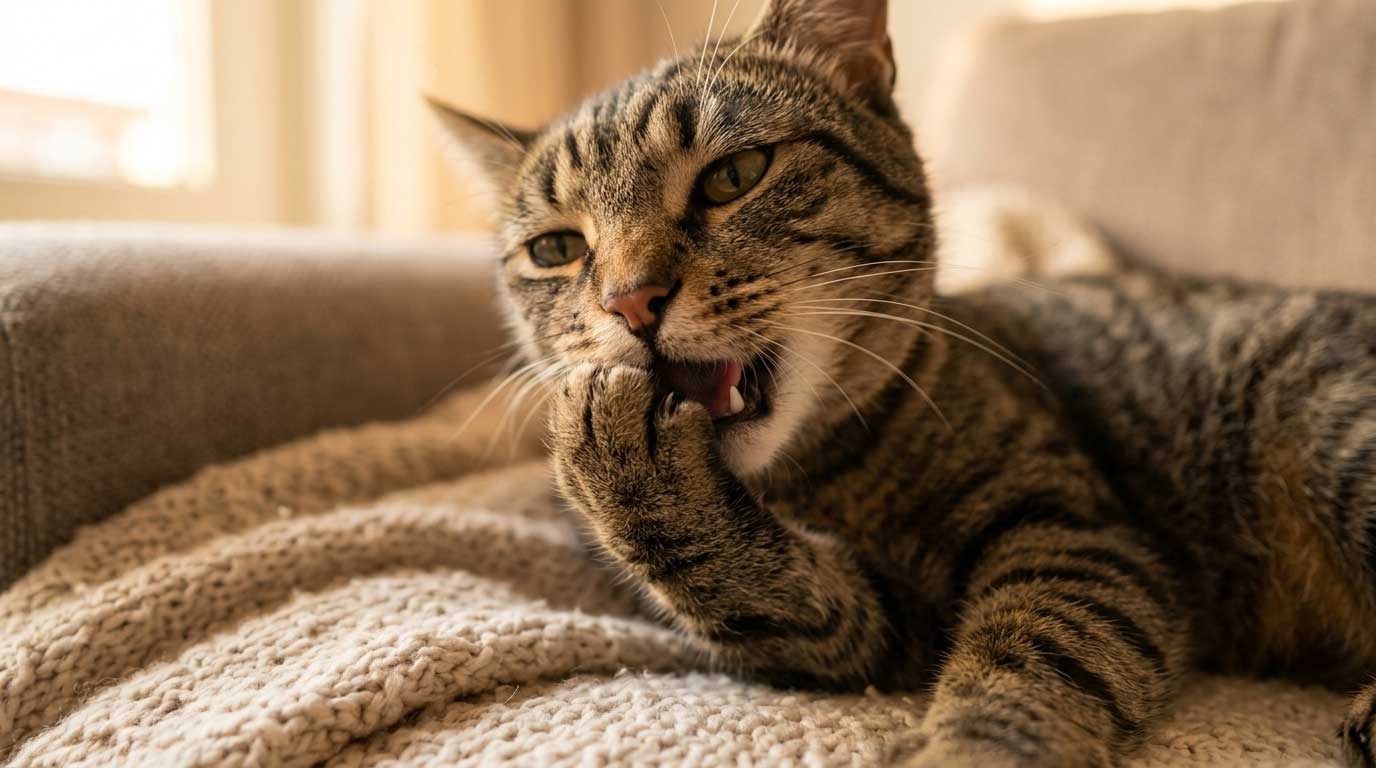
- ✓Excessive licking of the genital area
- ✓Sometimes mild fever or lethargy
What Can Be Mistaken for a UTI in Cats
1. Feline Idiopathic Cystitis (FIC) — The #1 Impostor
Also called feline interstitial cystitis, Pandora Syndrome, or sterile cystitis. This is the MOST COMMON cause of UTI-like symptoms in cats under 10. Triggered by stress (moves, new pets, schedule changes, dirty litter boxes). Urine tests show NO bacteria. Treatment is stress reduction, not antibiotics.
2. Urinary Crystals or Stones
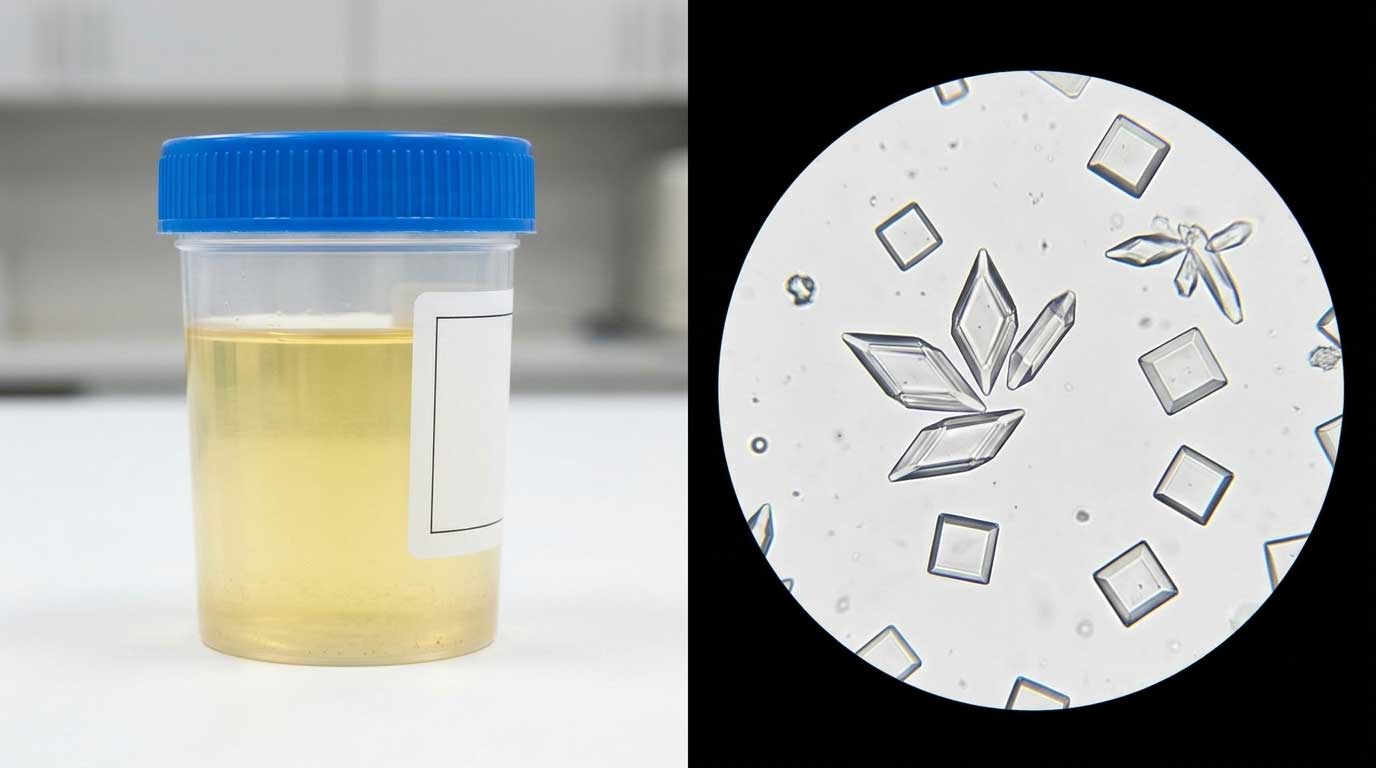
Struvite or calcium oxalate crystals irritate the bladder and urethra, causing blood, straining, and frequent urination. Feels like a UTI to the cat. Diagnosed by urinalysis (finding crystals). Treatment is prescription diet, not antibiotics.
3. Early Urinary Blockage
A partial urethral blockage causes the same symptoms as UTI — blood, straining, discomfort. But within hours it can become a COMPLETE blockage (life-threatening). Male cats especially.
4. Bladder Cancer (Older Cats)
Rare but serious. Older cats with chronic recurring "UTI symptoms" that don't resolve with antibiotics. Diagnosed by ultrasound and sometimes biopsy.
5. Hyperthyroidism / Diabetes / Kidney Disease
All three cause increased drinking and urinating that can look like UTI. All three are diagnosed by blood tests. All three are manageable but need specific treatment (not antibiotics).
6. Behavioral Issues (Rare Without Medical Cause)
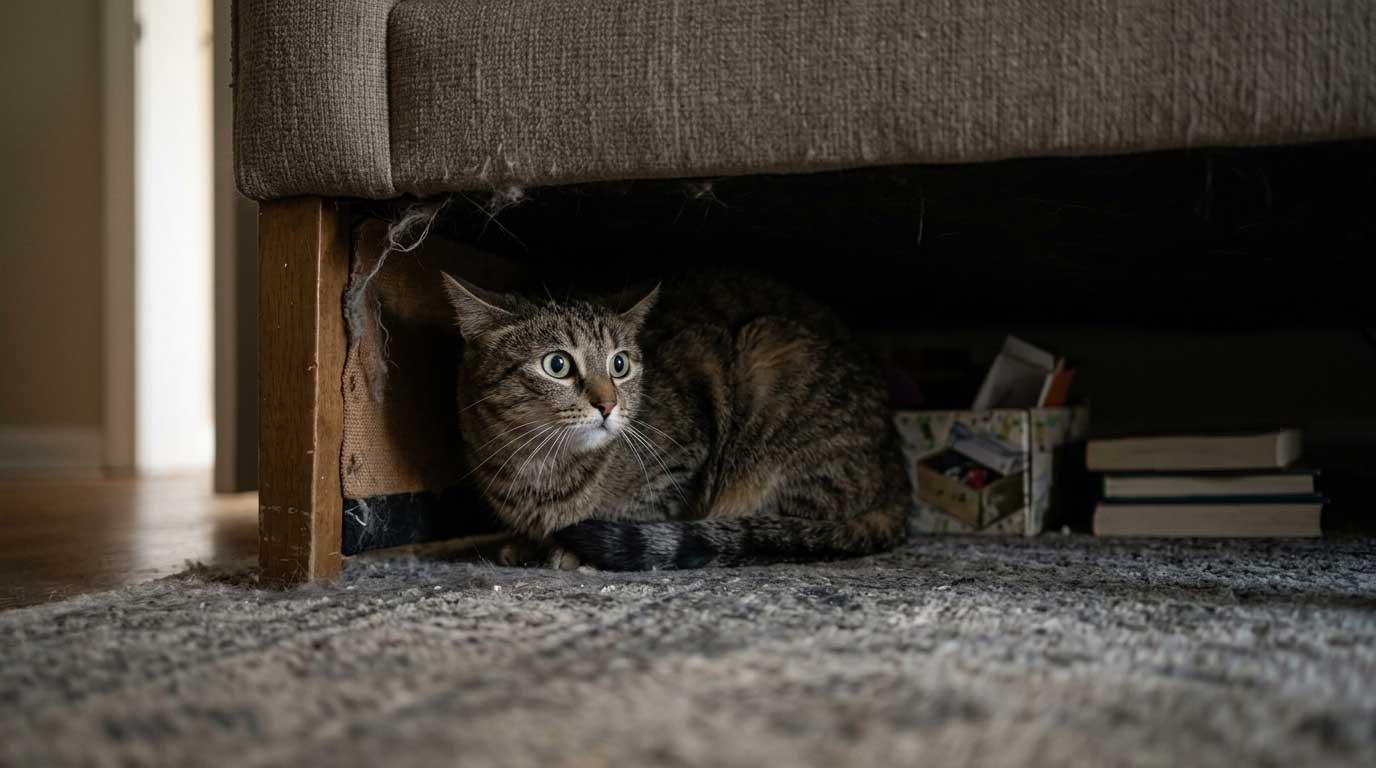
True behavioral urination outside the box is uncommon — almost always there's a medical trigger first. Don't assume "he's being spiteful" — rule out medical first.
How Vets Actually Diagnose UTI vs Other Causes
- ✓Urinalysis — checks for bacteria, white blood cells, crystals, blood, pH, concentration
- ✓Urine culture — the gold standard for confirming bacterial UTI. Positive = true UTI, negative = likely FIC or other cause
- ✓Blood tests — kidney, liver, thyroid, diabetes screening
- ✓Ultrasound or X-ray — for stones, tumors, bladder anatomy
- ✓Blood pressure — for senior cats
IMPORTANT: Don't accept antibiotics without a urinalysis first. Giving antibiotics for FIC doesn't help — it just delays the right treatment and contributes to antibiotic resistance.
How to Tell Your Cat's Situation
- ✓Young cat (<10) with sudden symptoms after stress (move, new pet): FIC is very likely
- ✓Cat with recurring "UTIs" that keep coming back: probably FIC or crystals, not true UTI
- ✓Senior cat with first-time symptoms: UTI, kidney disease, or bladder tumor all possible
- ✓Male cat straining without producing urine: potential BLOCKAGE — ER now
- ✓Cat with cloudy sediment in urine: possible crystals
- ✓Cat with clear urine but drinking lots: diabetes, hyperthyroidism, or kidney disease
Home Care for True UTI (After Vet Diagnosis)
- ✓Full course of vet-prescribed antibiotics (always finish, even if symptoms clear)
- ✓Encourage water intake (water fountains, wet food, flavored water)
- ✓Keep the litter box clean and accessible
- ✓Follow-up urinalysis to confirm cure
- ✓Cranberry or D-mannose supplements may help prevent recurrence (only AFTER vet approval)
Home Care for FIC (The "No UTI" Cat)
- ✓Feliway pheromone diffusers
- ✓Multiple water sources — fountains especially
- ✓Switch to wet food if on dry
- ✓Multiple clean litter boxes (1 per cat + 1 extra)
- ✓Stress reduction — quiet spaces, routine, enrichment
- ✓Vet-prescribed urinary stress diets (Hills c/d Stress, Royal Canin Calm)
- ✓Ask vet about pain meds (buprenorphine) during flares
If your cat has suspected UTI symptoms, photographing the urine can help give your vet useful context — color, clarity, and blood.
Is It Really a UTI?
Upload a urine photo and let AI assess whether UTI signs are present — or whether it might be something else like FIC or crystals.
Disclaimer: This article is for informational purposes only and is not a substitute for professional veterinary advice. Always consult a licensed veterinarian for diagnosis and treatment of your pet's health conditions.