Cat Urine Crystals: Struvite vs Oxalate, Diet & Treatment
Struvite and calcium oxalate crystals are the most common types in cat urine. Learn the differences, prevention, diet strategies, and when surgery is needed.
Published 2026-04-18
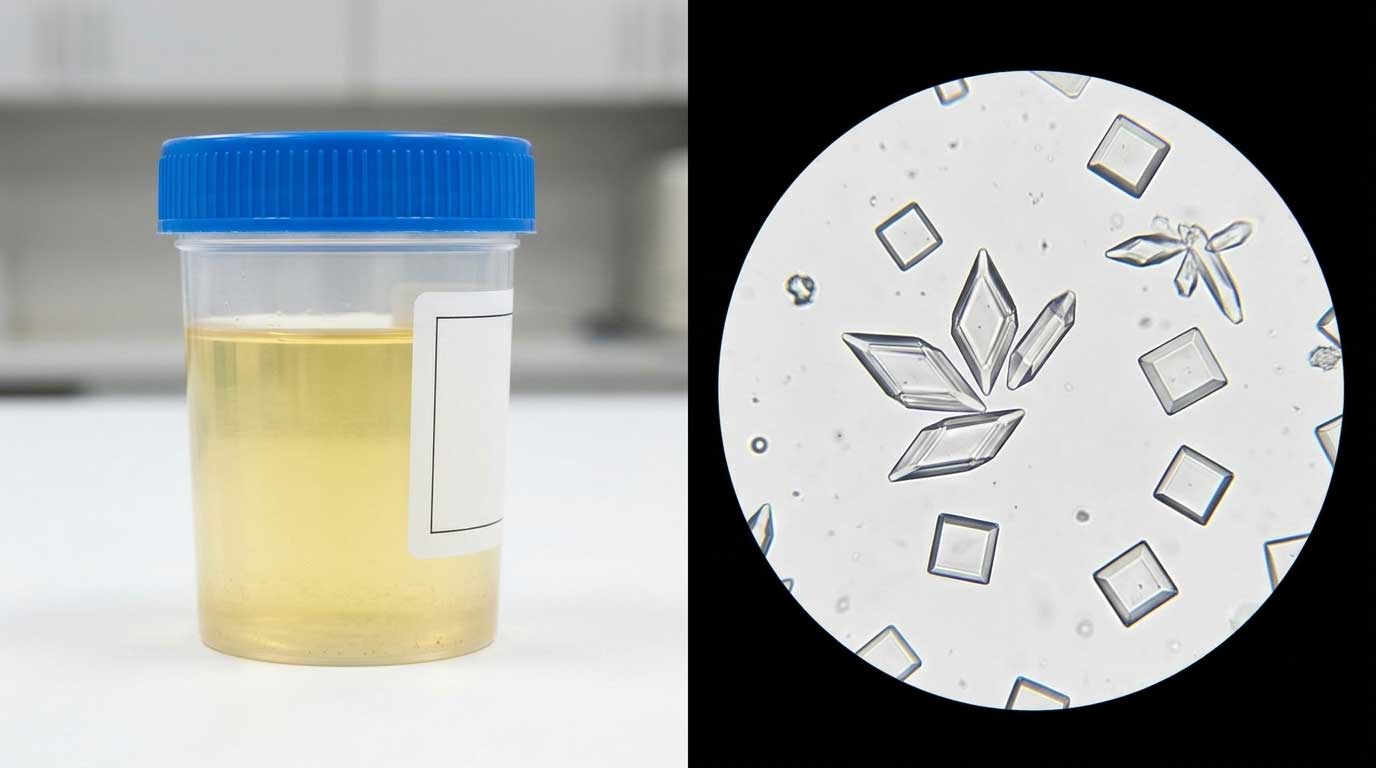
Urinary crystals in cats are among the most common urinary issues — and the most commonly misunderstood. They're not quite stones, not quite normal, and the "right" treatment depends entirely on which type you're dealing with. Struvite and calcium oxalate are opposites in many ways, and getting the diagnosis right matters.
What Are Urinary Crystals?
Urinary crystals are microscopic solid particles that form in a cat's urine when certain minerals become concentrated and bond together. Think of it like the early stage of a stone — if crystals clump and grow over time, they become bladder or kidney stones. Crystals irritate the bladder and urethra, causing blood, straining, pain, and in male cats, potential blockage.
The Two Main Types
Struvite Crystals
- ✓Made of magnesium, ammonium, and phosphate
- ✓Form in ALKALINE urine (pH > 7)
- ✓More common in younger cats (2-6 years)
- ✓Often associated with UTI (alkaline urine from bacteria)
- ✓Can be DISSOLVED with prescription diet changes
- ✓Most common type historically (declining with modern diets)
Calcium Oxalate Crystals
- ✓Made of calcium combined with oxalate
- ✓Form in ACIDIC urine (pH < 6.5)
- ✓More common in senior cats (7+ years)
- ✓Predisposed breeds: Persians, Burmese, Himalayans
- ✓CANNOT be dissolved — once formed, must be surgically removed if large
- ✓Becoming more common with modern acidifying cat diets
Symptoms (Same for Both Types)
- ✓Blood in urine (pink, red, or rusty)
- ✓Straining or discomfort when urinating
- ✓Frequent small urinations
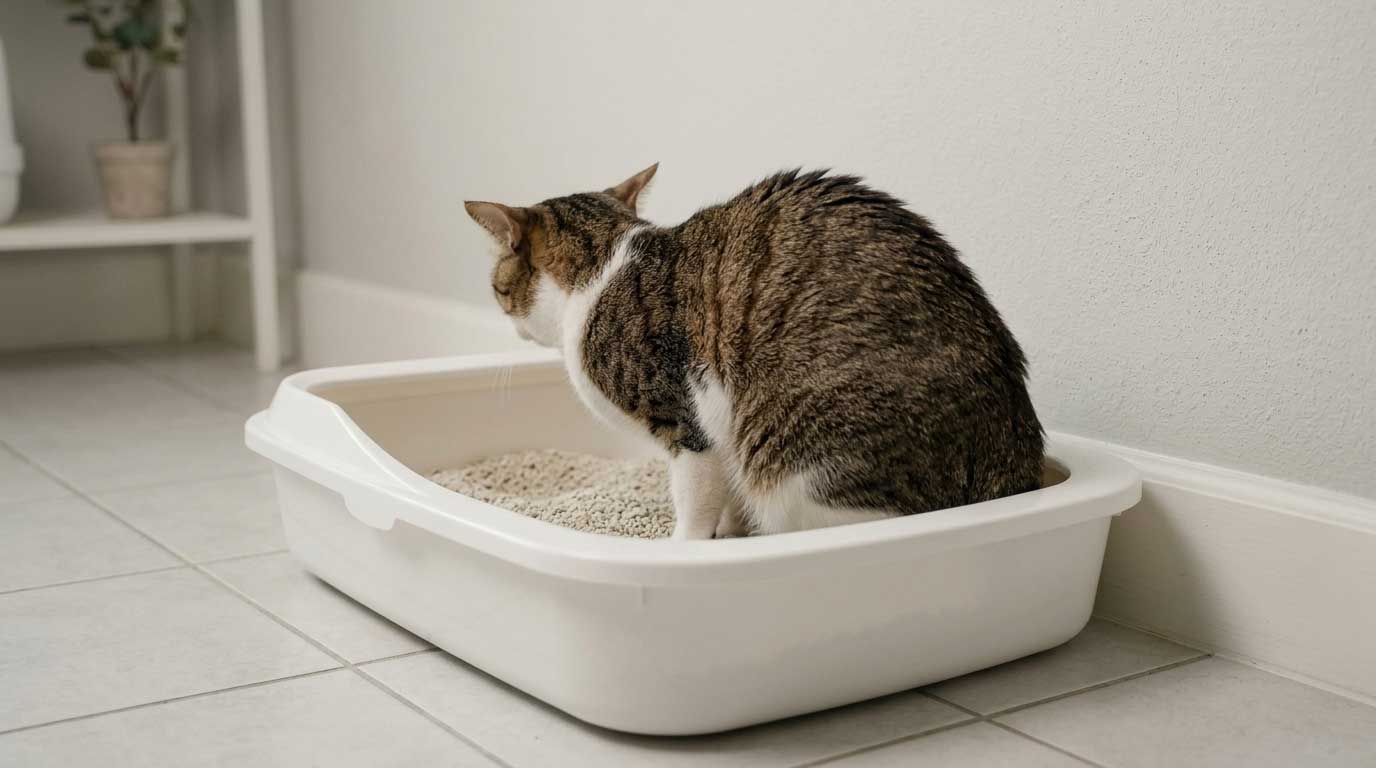
- ✓Peeing outside the litter box
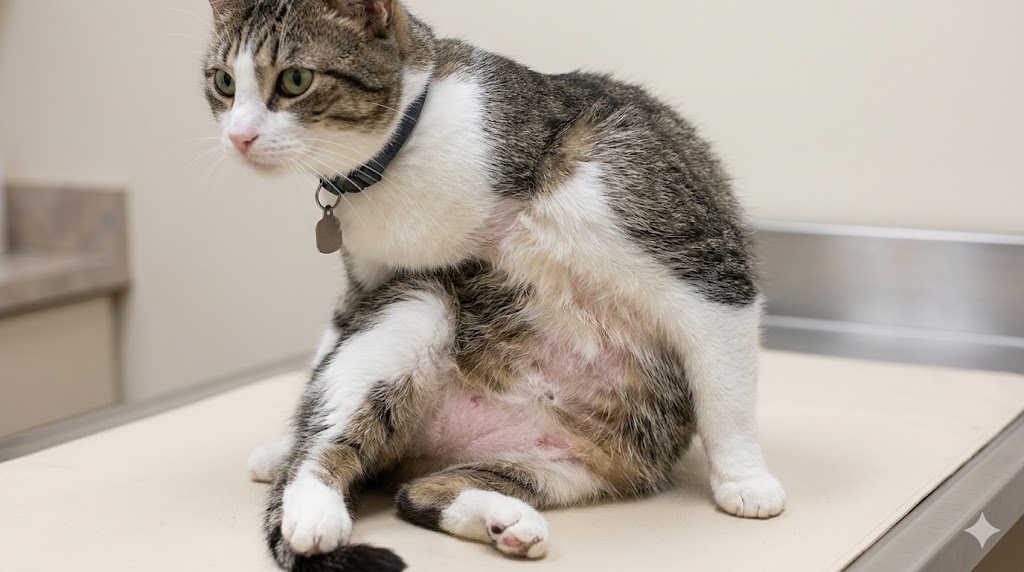
- ✓Excessive licking of the genital area
- ✓Cloudy urine with visible sediment
- ✓In male cats: risk of urethral blockage from crystal plugs
How Vets Diagnose Crystal Type
- ✓Urinalysis with microscope — visualizes crystals, distinguishes shape
- ✓Urine pH — alkaline = likely struvite, acidic = likely oxalate
- ✓Ultrasound — identifies stones if crystals have aggregated
- ✓Stone analysis (if passed or surgically removed) — definitive type ID
What Foods Cause Crystals in Cat Urine?
Diet is a major factor:
Foods That Promote Struvite
- ✓Poor-quality dry foods (dehydrating, alkalizing)
- ✓High-magnesium foods
- ✓Foods with plant-based proteins (often push pH up)
- ✓Foods with corn, wheat, soy fillers
Foods That Promote Oxalate
- ✓Over-acidified cat foods (trying to prevent struvite)
- ✓High-oxalate plants (spinach, rhubarb) in foods
- ✓Calcium supplements
- ✓Vitamin C supplements (metabolize to oxalate)
Foods That Help (Either Type)
- ✓Wet/canned food — high moisture dilutes urine
- ✓Prescription urinary diets (Hills c/d Multicare, Royal Canin Urinary SO, Purina UR)
- ✓These are SPECIFICALLY formulated for the crystal type
- ✓Consistent, species-appropriate ingredients
How to Dissolve Struvite Crystals Naturally
Struvite is the only dissolvable type. "Naturally" has limits — you still need veterinary oversight:
- ✓Prescription struvite-dissolving diet for 4-12 weeks (only vet can prescribe)
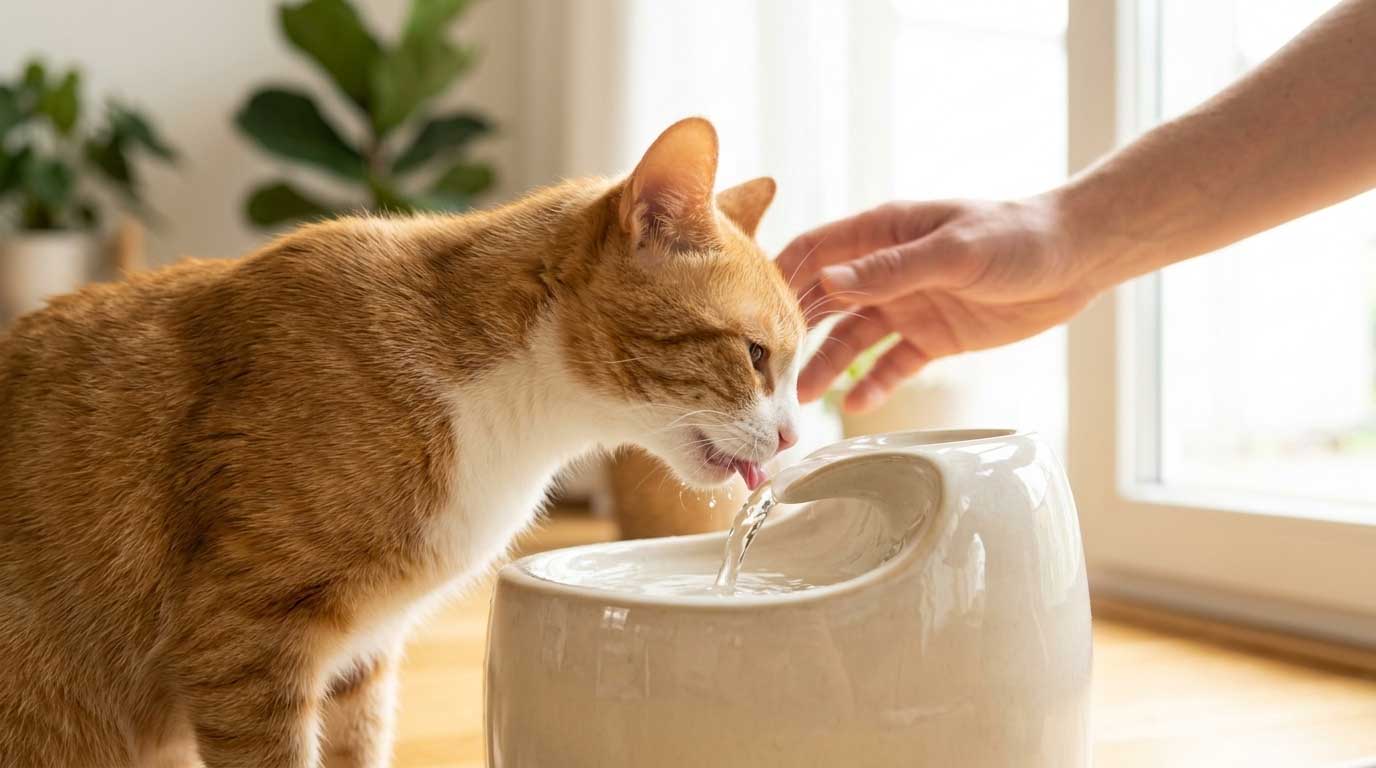
- ✓Increase water intake — wet food, fountains, multiple bowls
- ✓Complete urinalysis recheck every 3-4 weeks
- ✓Most struvite crystals dissolve in 4-8 weeks with appropriate diet
- ✓Do NOT use home remedies like apple cider vinegar — can worsen urine irritation
- ✓Do NOT use human kidney supplements without vet approval
Calcium oxalate does NOT dissolve. If your cat has oxalate crystals that have aggregated into stones, surgical removal or lithotripsy (shock-wave) is the only way.
Can Crystals Go Away on Their Own?
Possible but not typical. Small struvite crystals in very early stages might dissolve if urine concentration decreases and pH shifts — but counting on this is risky. Most crystals progress to worse crystals or stones without intervention. Prescription diet is the reliable path.
Male Cat Crystal Emergency
The biggest danger with crystals in male cats: urethral blockage. Crystals can aggregate into a mucus/crystal plug that lodges in the narrow male urethra, preventing urination entirely. This is LIFE-THREATENING within 24-48 hours. Any male cat with crystal diagnosis should be on a preventive prescription diet FOR LIFE, have frequent litter box monitoring, and get emergency care at any sign of straining without urine output.
Long-Term Management
- ✓Stay on the prescription diet — switching back to regular food is when crystals return
- ✓Regular vet checks with urinalysis (every 6-12 months)
- ✓Monitor water intake and litter box habits
- ✓For recurrent blockers: discuss PU surgery (perineal urethrostomy) with vet
- ✓Treat any UTI promptly — infections cause alkaline urine that forms struvite
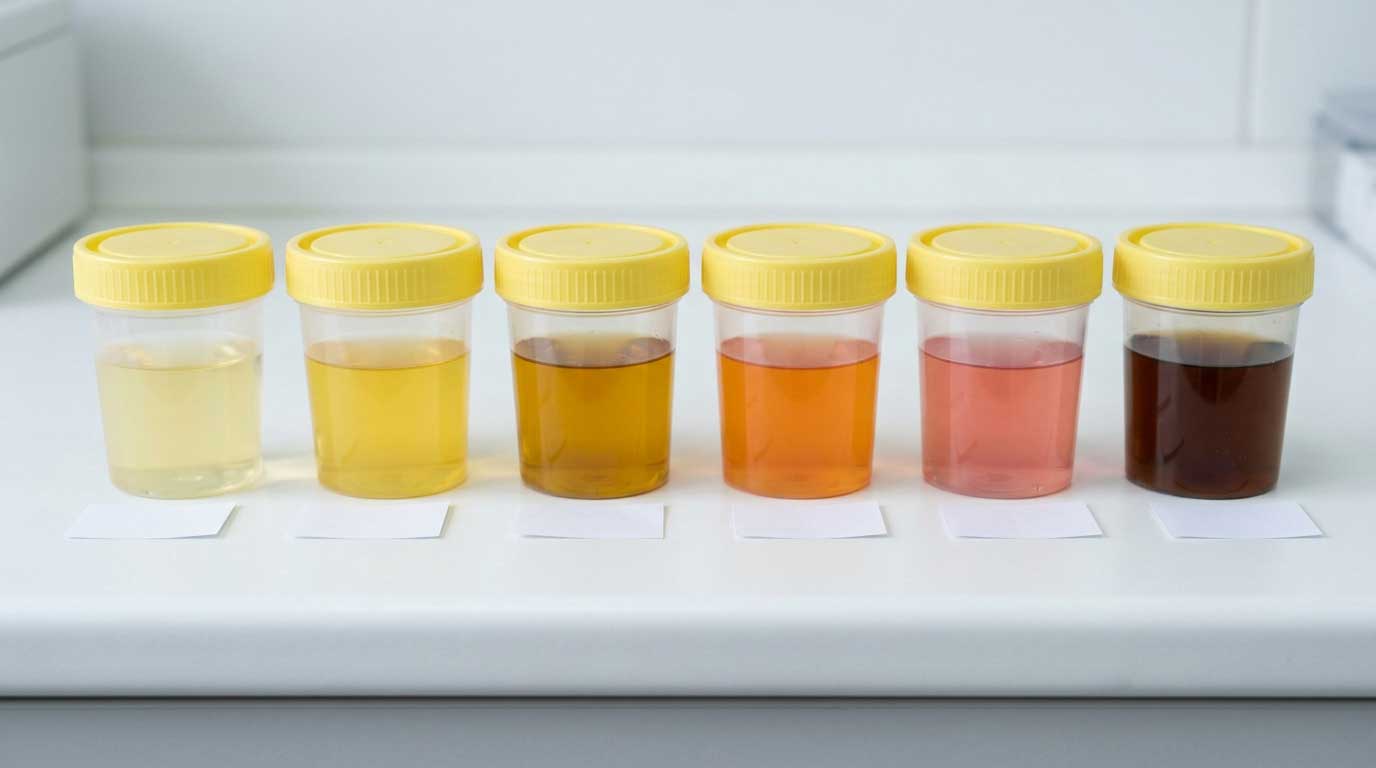
Not sure if what you're seeing is crystals, blood, or something else? Upload a urine photo for AI color and clarity analysis.
Crystals or Something Else?
Upload a urine photo to check for cloudy sediment (crystals), blood, and other abnormalities.
Disclaimer: This article is for informational purposes only and is not a substitute for professional veterinary advice. Always consult a licensed veterinarian for diagnosis and treatment of your pet's health conditions.