Cushing's vs Hypothyroidism Hair Loss in Dogs: How to Tell Them Apart
Both Cushing's and hypothyroidism cause symmetric hair loss in dogs — but they're very different diseases. Here's how to tell them apart and what bloodwork confirms.
Published 2026-04-19

Your dog is losing hair in a symmetric pattern across the body — no itching, no redness, just gradual thinning. Two of the most common causes are Cushing's disease and hypothyroidism. Both are treatable, both cause similar-looking hair loss, but they're very different diseases requiring very different treatments.
Here's how to tell them apart — and why blood work, not photos, is what ultimately distinguishes them.
Why These Two Are So Often Confused
Both Cushing's and hypothyroidism affect the body's hormone balance, and both hormones (cortisol and thyroid) influence hair cycling. When either is off, hair follicles stop cycling properly and fur thins. The PATTERN of hair loss (symmetric, trunk-focused, body-wide thinning sparing the head and legs) looks SIMILAR in both conditions. This is why photo analysis alone can't distinguish them — we can identify "endocrine pattern" but not WHICH endocrine disease.
BUT — the other symptoms differ dramatically, and bloodwork gives a definitive answer. Let's go through each.
Cushing's Disease (Hyperadrenocorticism)
What It Is
Cushing's is EXCESS cortisol production. Most cases (80-85%) are caused by a benign pituitary tumor producing too much ACTH (which tells adrenal glands to make more cortisol). The remaining 15-20% are from adrenal tumors directly. Iatrogenic Cushing's happens from long-term steroid medication — this is actually quite common in dogs on chronic prednisone.
Who Gets It
Mostly senior dogs, average age 9-11 years. Predisposed breeds:
- ✓Poodle (Toy, Miniature, Standard)
- ✓Dachshund
- ✓Boxer
- ✓Beagle
- ✓Yorkshire Terrier
- ✓Boston Terrier
- ✓Maltese
Signs Beyond Hair Loss
- ✓POT BELLY appearance — fat redistributes to the abdomen while limbs get thinner
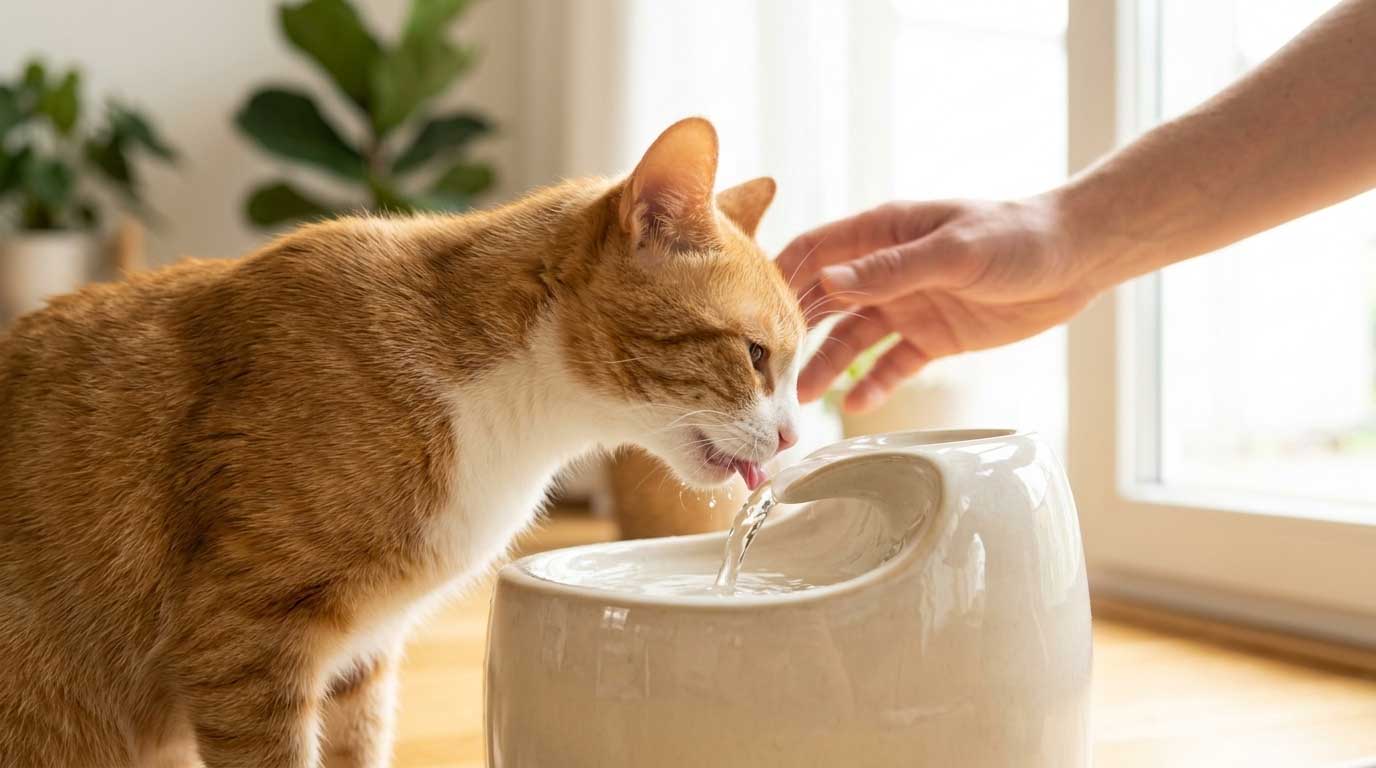
- ✓INCREASED THIRST AND URINATION — often dramatic; accidents in the house, constant water bowl refilling
- ✓EXCESSIVE PANTING even without exertion
- ✓MUSCLE WEAKNESS — difficulty climbing stairs, jumping up
- ✓THIN FRAGILE SKIN that bruises easily or tears
- ✓CALCINOSIS CUTIS — gritty white patches in the skin (calcium deposits)
- ✓INCREASED APPETITE — always hungry
- ✓DULL thickened coat
- ✓RECURRENT infections (skin, bladder, ear)
How It's Diagnosed
- ✓ACTH stimulation test — gold standard; two blood draws an hour apart with ACTH injection in between
- ✓Low-dose dexamethasone suppression test — multiple blood draws; more sensitive, less specific
- ✓Urine cortisol:creatinine ratio — screening test; very sensitive but not specific
- ✓Abdominal ultrasound — to look for adrenal tumors
How It's Treated
Pituitary-dependent Cushing's (most cases): DAILY MEDICATION with trilostane (Vetoryl) or mitotane. Both work well but require ongoing monitoring with ACTH stim tests every 1-3 months to adjust dosing. Adrenal-dependent Cushing's: sometimes surgical removal of the tumor. Iatrogenic: slowly taper the steroid causing it. Prognosis with treatment: usually excellent; many dogs live 2-4+ more years with good quality of life. Hair typically regrows in 4-8 months after treatment starts.
Hypothyroidism
What It Is
Hypothyroidism is UNDERACTIVE thyroid — insufficient thyroid hormone production. Most cases (95%) are from autoimmune destruction of the thyroid gland (lymphocytic thyroiditis) or idiopathic atrophy. Very rarely caused by tumor or iodine deficiency.
Who Gets It
Middle-aged dogs, average age 4-10 years (younger than Cushing's). Predisposed breeds:
- ✓Golden Retriever
- ✓Doberman Pinscher
- ✓Irish Setter
- ✓Cocker Spaniel
- ✓Miniature Schnauzer
- ✓Dachshund
- ✓Boxer
- ✓Beagle
- ✓Great Dane
Signs Beyond Hair Loss
- ✓WEIGHT GAIN despite normal or decreased appetite
- ✓LETHARGY — dog seems slower, sleeps more, less interested in activity
- ✓COLD INTOLERANCE — seeks warm spots, shivers when other dogs are comfortable
- ✓"RAT TAIL" appearance — tail hair thins dramatically
- ✓DULL, DRY, brittle coat
- ✓SKIN darkening and thickening
- ✓SLOW HEART RATE
- ✓RECURRING ear infections
- ✓FACIAL "tragic expression" — drooping eyes, thickened skin folds on face
- ✓NEUROLOGIC signs in severe cases (weakness, facial nerve paralysis)
- ✓REPRODUCTIVE issues (infertility, abnormal cycles)
How It's Diagnosed
- ✓Thyroid panel — T4 (total thyroxine), free T4, TSH — usually done together
- ✓Sometimes thyroglobulin autoantibodies (to identify autoimmune cause)
- ✓Must be careful to interpret results — many illnesses cause "sick euthyroid syndrome" with low T4 without true hypothyroidism; confirmation often requires additional tests
How It's Treated
DAILY ORAL THYROID HORMONE REPLACEMENT (levothyroxine, brand names Soloxine, ThyroTabs). Given 1-2x daily for life. Starting dose based on weight; recheck blood levels at 4-6 weeks and adjust. Response is usually dramatic: within weeks, dogs become more energetic, start losing weight, mental alertness returns. Coat regrowth takes 3-6 months. Treatment cost is low ($20-50/month), and prognosis with treatment is excellent — normal lifespan expected.
Side-by-Side Comparison Table
- ✓AGE — Cushing's: seniors 9-11; Hypothyroidism: middle-aged 4-10
- ✓THIRST/URINATION — Cushing's: dramatically increased; Hypothyroidism: normal
- ✓APPETITE — Cushing's: increased; Hypothyroidism: normal or decreased
- ✓WEIGHT — Cushing's: pot-belly redistribution; Hypothyroidism: overall weight gain
- ✓ENERGY — Cushing's: panting and restless; Hypothyroidism: lethargic and slow
- ✓TEMPERATURE — Cushing's: excessive panting (hot); Hypothyroidism: cold intolerance (cold)
- ✓SKIN — Cushing's: THIN fragile; Hypothyroidism: THICKENED "tragic face"
- ✓TAIL — Cushing's: thinning; Hypothyroidism: classic "rat tail"
- ✓HEART RATE — Cushing's: normal to fast; Hypothyroidism: slow
- ✓DIAGNOSIS COST — Cushing's: $200-500; Hypothyroidism: $150-250
- ✓MEDICATION COST — Cushing's: $100-200/month; Hypothyroidism: $20-50/month
- ✓RESPONSE TO TREATMENT — Both: hair regrows in 3-8 months
What About Alopecia X and Addison's?
Two other endocrine-pattern hair loss causes worth knowing: (1) ALOPECIA X — cause unclear, typical in plush-coated breeds (Pomeranian, Chow Chow, Keeshond, Husky); symmetric hair loss with darkened skin; often responds partially to melatonin, deslorelin implants, or neutering. (2) ADDISON'S DISEASE — opposite of Cushing's (too little cortisol); rarely causes hair loss as main sign — more often presents with vomiting, weakness, or crisis. Testing: ACTH stim test is the same test that diagnoses Cushing's, interpreted oppositely.
The Bottom Line
Symmetric body-wide hair loss WITHOUT itching and WITHOUT skin inflammation is almost always endocrine. Cushing's vs hypothyroidism can look similar in hair distribution but differ dramatically in other symptoms — and bloodwork gives a clear answer. BOTH are highly treatable with oral medication, and coat recovery is usually dramatic. Don't delay the vet visit — untreated endocrine disease has long-term consequences beyond hair loss (cardiovascular disease, diabetes predisposition in Cushing's; neurologic signs in severe hypothyroidism).
Not sure if what you're seeing matches the endocrine pattern? Upload a photo — AI identifies the pattern and recommends which bloodwork panels to ask your vet about.
Endocrine Pattern or Something Else?
Upload a photo — AI reads the pattern and tells you whether the presentation matches Cushing's or hypothyroidism, plus what bloodwork to request.
Disclaimer: This article is for informational purposes only and is not a substitute for professional veterinary advice. Always consult a licensed veterinarian for diagnosis and treatment of your pet's health conditions.