Dog Hair Loss Home Remedies: What Actually Works (And What Doesn't)
Home remedies for dog hair loss — which ones help, which are dangerous. The truth about coconut oil, fish oil, and other popular treatments.
Published 2026-04-19

Google "dog hair loss home remedies" and you'll find dozens of suggestions — coconut oil, apple cider vinegar, aloe vera, olive oil, turmeric paste, essential oils, and more. Most aren't evidence-based, some are dangerous, and a few actually do help. Here's an honest breakdown of what works and what doesn't.
Step 1: Know the Cause BEFORE Starting Home Treatment
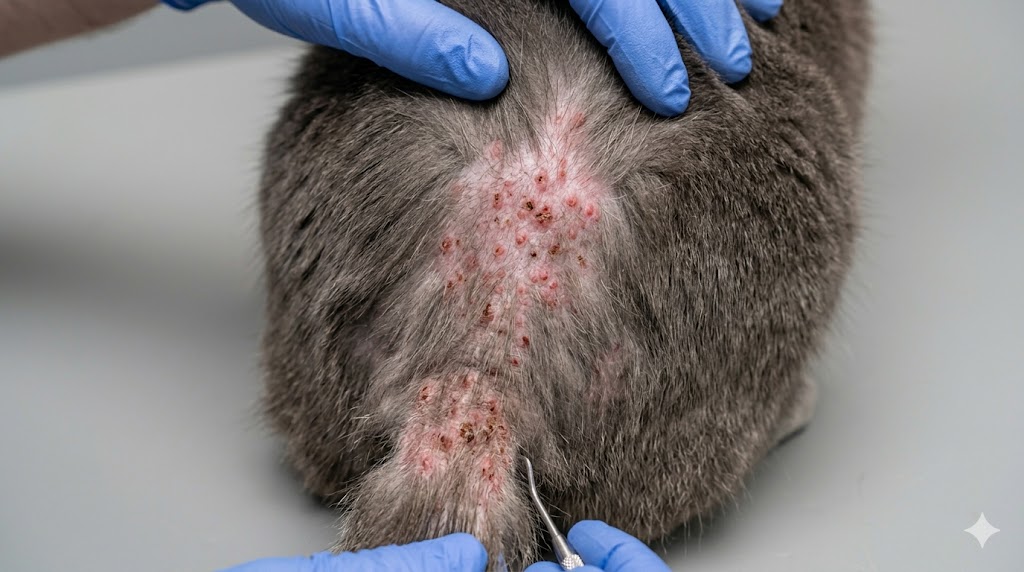
This is the most important message: home remedies won't work — and can cause harm — if you don't know why your dog is losing hair. For example: applying coconut oil to a bald patch caused by Cushing's disease does nothing for the underlying problem and delays real treatment. Ringworm treated with "natural" remedies instead of antifungals spreads to humans and other pets. Flea allergy treated with fish oil but not flea prevention continues to itch. BEFORE trying home remedies, get a diagnosis — at minimum, upload a photo for AI pattern assessment or see a vet for a quick skin scrape.
Home Remedies That Actually Help
✅ Omega-3 Fish Oil Supplementation (EPA/DHA)
This is the one home supplement with solid scientific evidence. Omega-3 fatty acids (specifically EPA and DHA from fish oil or marine algae) reduce skin inflammation, improve coat quality, and support healthy skin barrier function. Dose: approximately 20-55 mg combined EPA/DHA per pound of body weight daily (check the label for mg EPA+DHA, not just "fish oil" mg). A 50-pound dog typically needs 1,000-2,500 mg EPA+DHA daily. Response: visible coat improvement takes 6-8 weeks. Use: atopic dermatitis, general skin and coat health, supportive care during treatment of most hair loss causes. Safe: yes, for most dogs. Watch for: fishy breath, loose stool if too high a dose initially, bleeding disorders at very high doses. Buy: human fish oil works fine (molecular distillation is best); dog-specific brands like Welactin also work.
✅ Oatmeal Baths for Itchy Skin
Colloidal oatmeal (finely ground oats) is genuinely soothing for irritated, itchy skin. Use: for allergies, mild dermatitis, post-flea-allergy recovery. How: buy pet-safe colloidal oatmeal shampoo or make a paste from finely ground oats and apply for 10 minutes, then rinse. Not a cure, but helps comfort during underlying treatment.
✅ Gentle Moisturizing Rinses (Pet-Specific)
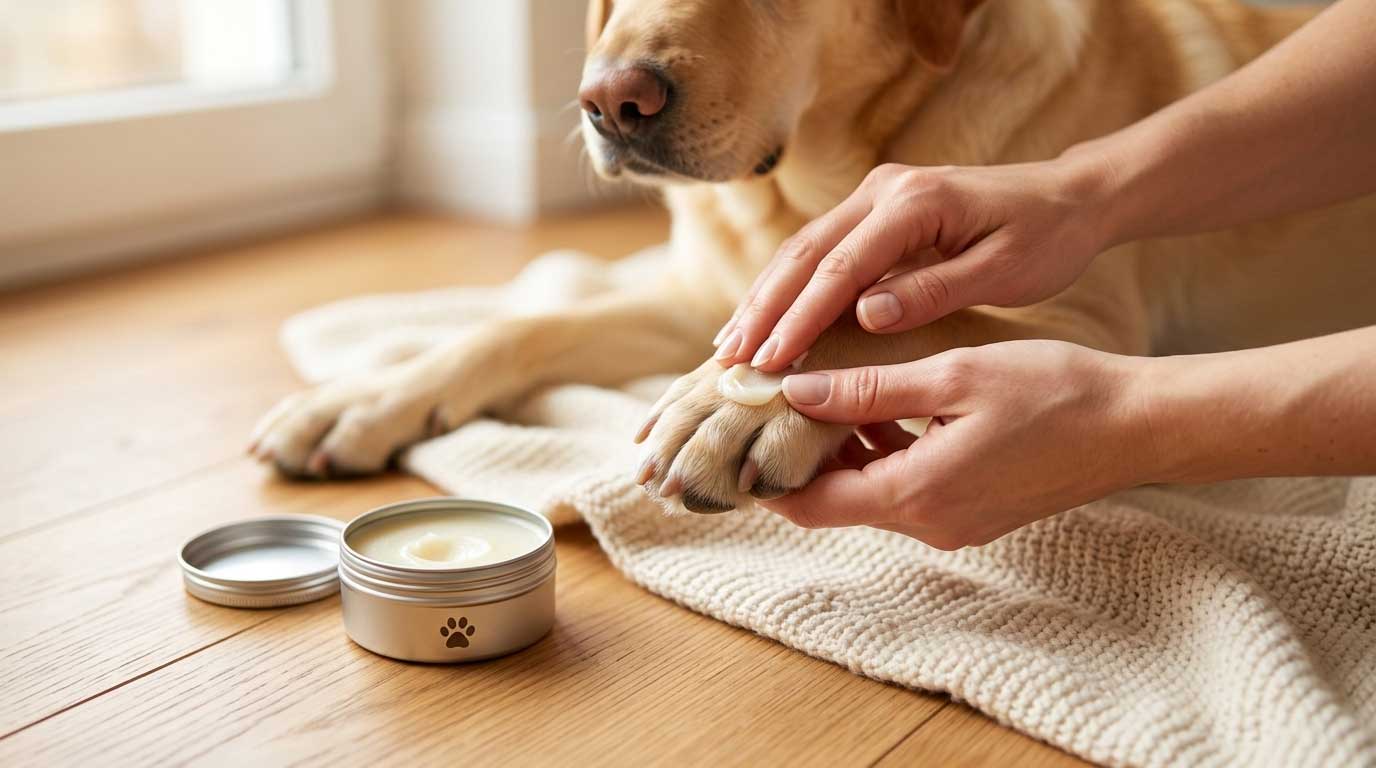
Products containing aloe (pet-formulated, without additives), colloidal oatmeal, or chlorhexidine (for bacterial component) can help secondary skin issues. Use pet-specific products — human moisturizers often have fragrances, alcohols, or ingredients toxic to dogs.
✅ Environmental Controls for Allergies
For environmentally allergic dogs: HEPA air filters, frequent bedding washing, wiping paws after walks to remove pollen, minimizing carpet dust. These don't "treat" the allergy but reduce exposure — meaningful support for allergic hair loss.
✅ Flea Prevention (The Most Important "Remedy")
Even if you don't see fleas, starting prescription flea prevention for 2 months can resolve "mystery" hair loss in many dogs. One flea bite per month is enough to cause severe hair loss in allergic dogs. Prescription options that work: NexGard, Bravecto, Credelio, Simparica. Over-the-counter options are far less effective.
Home Remedies That Don't Help (Or Barely Help)
⚠️ Coconut Oil (Mostly Unhelpful, Sometimes Counterproductive)
Heavily promoted online but limited evidence for hair regrowth in dogs. Dogs often LICK coconut oil off, which can: (1) continue licking the affected area (counterproductive), (2) cause GI upset in large amounts, (3) contribute to pancreatitis risk in predisposed dogs. At best, it's a mild moisturizer — no better than pet-formulated moisturizers. Don't use it as a primary treatment.
⚠️ Apple Cider Vinegar (Not Recommended)
Promoted as antifungal/antibacterial. Evidence is very weak. Acidity can IRRITATE already damaged skin. Taste makes dogs lick treated areas. Use a pet-formulated chlorhexidine rinse instead for antimicrobial support.
⚠️ Aloe Vera (Marginal Benefit)
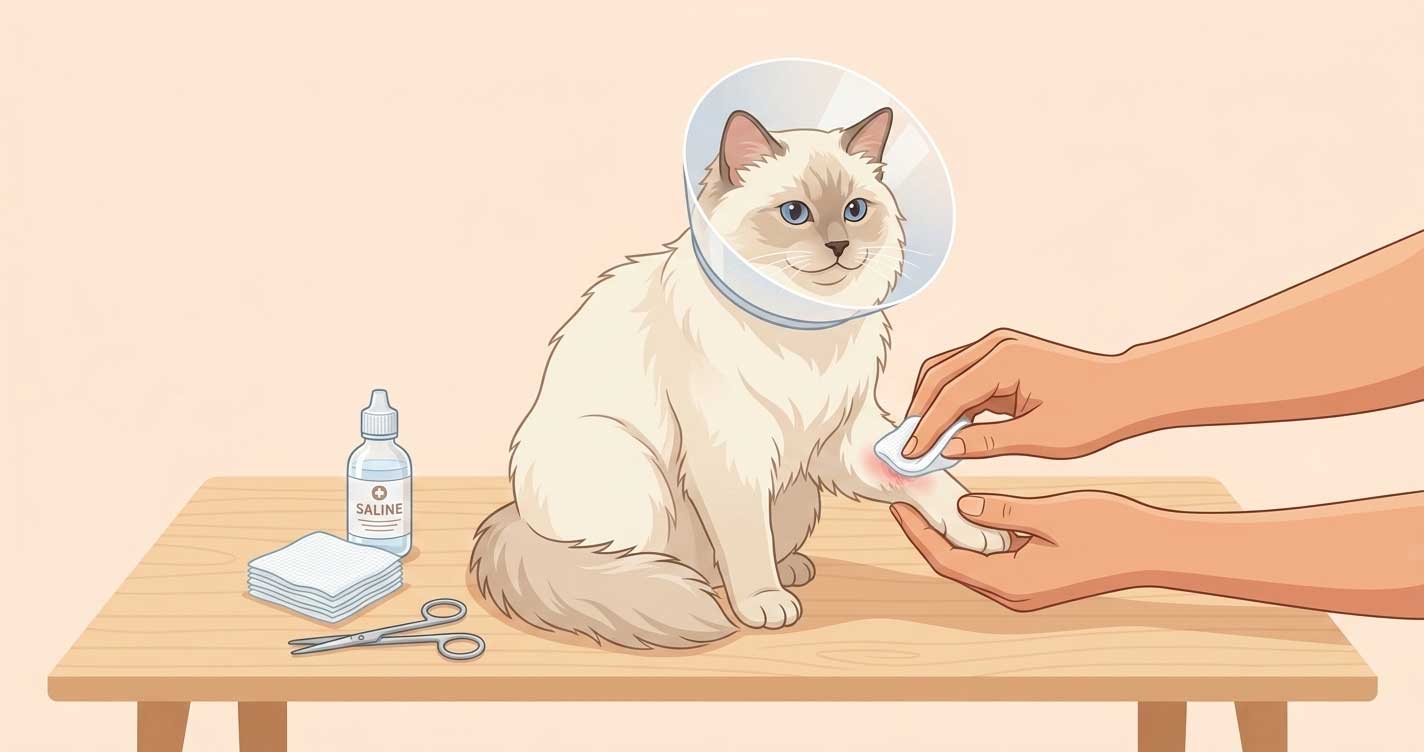
Fresh aloe gel may be mildly soothing but: the latex layer just under the skin of the plant is TOXIC to dogs if ingested; dogs lick applied products; commercial aloe products often contain additives. If using, use pet-formulated products and prevent licking with e-collar during the 20-minute absorption period.
Home Remedies That Are DANGEROUS
❌ Minoxidil (Rogaine) — POTENTIALLY FATAL
People sometimes try applying Rogaine (minoxidil) — the human male pattern baldness treatment — to dogs. This is DEADLY. Minoxidil is severely toxic to dogs: even tiny amounts applied topically and licked off can cause life-threatening heart failure. If you're using Rogaine yourself, keep it away from pets; if a dog ingests even a small amount, go to the ER immediately.
❌ Tea Tree Oil — TOXIC
Tea tree (melaleuca) essential oil is TOXIC to dogs even in small amounts applied to skin. Symptoms include depression, weakness, tremors, paralysis. Many "natural" pet products still contain tea tree — check labels and avoid entirely.
❌ Most Essential Oils
Oil of wintergreen, pennyroyal, pine, citrus, cinnamon, peppermint, eucalyptus, and many others are toxic to dogs through skin absorption or ingestion. "Natural" does not mean "safe" for dogs. Avoid applying any undiluted essential oils and avoid diffusers in spaces with pets without vet guidance.
❌ Human Steroid Creams
Hydrocortisone creams for human rash can be absorbed through skin or licked off. Long-term use can cause systemic steroid effects; short-term misuse for bacterial/fungal infection can worsen the underlying problem by suppressing immune response in the skin.
❌ Hydrogen Peroxide
Damages healthy tissue and delays healing of any open areas on the skin. Don't use on hair loss patches or wounds.
❌ Garlic or Onion "Natural Flea Repellents"
Garlic and onion are TOXIC to dogs (cause hemolytic anemia). Never feed these for flea prevention — use actual prescription flea prevention instead.
Nutrition Changes That Actually Matter
For dogs with ongoing skin/coat issues, consider: (1) High-quality commercial diet with adequate protein and essential fatty acids — most kibbles are fine, but low-quality grocery store brands with excessive fillers may not provide adequate nutrition. (2) Omega-3 supplementation as discussed above. (3) Protein level check — growing puppies and active dogs need more; adult maintenance diets are usually sufficient. (4) Elimination diet trial if food allergies suspected — strict 8-12 weeks on a novel protein or hydrolyzed diet. Discuss with vet before big diet changes.
When to Skip Home Remedies and See a Vet
Skip home treatment and go directly to the vet if:
- ✓Hair loss is SYMMETRIC and body-wide → possible endocrine disease, needs bloodwork
- ✓Hair loss combined with weight change, increased thirst, lethargy → systemic disease
- ✓Rapidly spreading hair loss over days to weeks → infection or severe disease
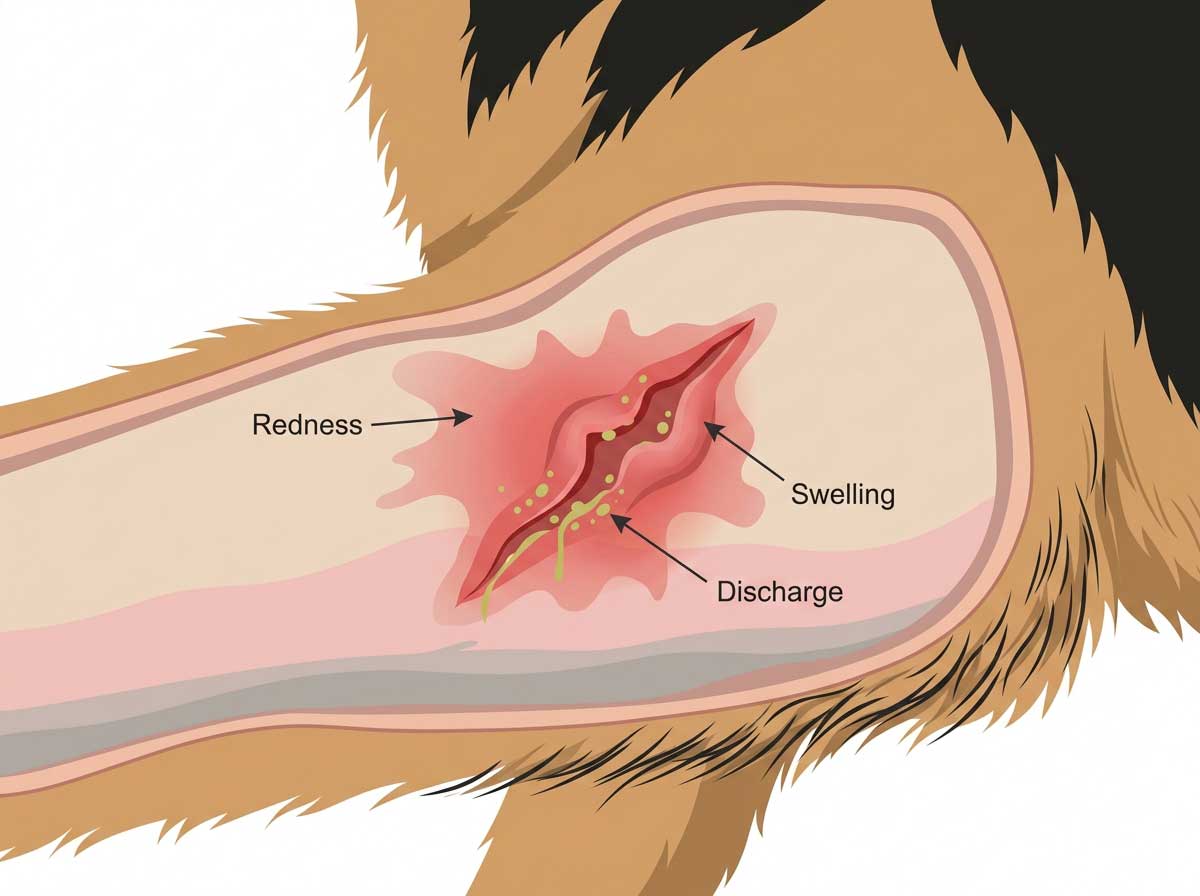
- ✓Open wounds, heavy scabbing, or bleeding → infection or self-trauma needing medication
- ✓Hair loss in a puppy that's spreading → possibly generalized demodex (needs medication)
- ✓Severe itching not responding to flea prevention → needs prescription allergy medication
- ✓Suspected ringworm (contagious to kids / immunocompromised family) → diagnosis + isolation needed fast
Bottom Line
The "home remedies that work" list is shorter than the internet suggests: omega-3 supplementation, oatmeal baths for comfort, flea prevention, and environmental controls. Everything else is either mildly helpful at best or actually dangerous. The BEST home action you can take is: identify the cause (AI photo check + vet visit), then use evidence-based treatments. Hair loss from most causes is very treatable — but the treatment must match the cause.
Not sure what's causing your dog's hair loss? Upload a photo — AI identifies the pattern and suggests whether home support plus vet visit is appropriate, or whether this needs immediate professional treatment.
Know the Cause Before Treating
Upload a photo — AI identifies the likely cause of the hair loss pattern so you can match the right treatment.
Disclaimer: This article is for informational purposes only and is not a substitute for professional veterinary advice. Always consult a licensed veterinarian for diagnosis and treatment of your pet's health conditions.