How to Stop a Dog's Broken Nail from Bleeding (Step-by-Step)
Dog broken nail won't stop bleeding? Here's the exact step-by-step method using styptic powder, cornstarch, or flour — plus when to go to the vet.
Published 2026-04-19

A bleeding dog nail looks dramatic — a small amount of blood can go a long way on the floor — but it's rarely life-threatening. What matters is stopping the bleeding quickly and correctly so you can then assess damage and decide next steps. Here's the proven method, step-by-step.
Step 1: Stay Calm and Restrain Gently
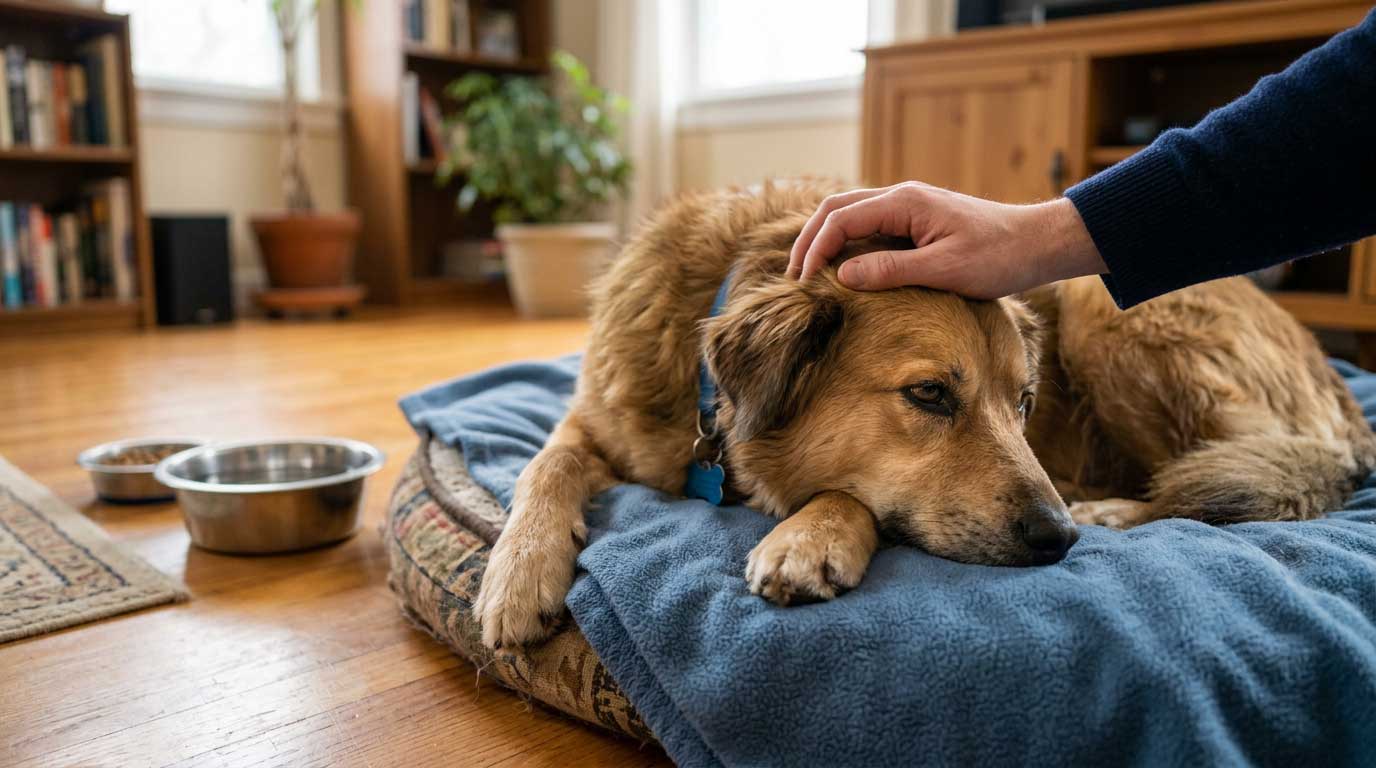
Your dog is reacting to your energy. Calm voice, slow movements. If possible, have someone help hold the dog while you work. For small dogs, you can wrap in a towel leaving just the paw exposed. Don't yell or punish — they're stressed already.
Step 2: Apply Firm Pressure FIRST
Before reaching for anything fancy, apply direct firm pressure with clean gauze, a paper towel, or washcloth. Press firmly for 2-3 minutes without lifting to peek. Most minor bleeds stop here. This also gives you time to gather supplies.
Step 3: Apply Styptic Powder (Best Option)
Styptic powder is the gold standard — you should have this in every dog first-aid kit. Common brands: Kwik Stop, Miracle Care. Active ingredients: ferric subsulfate or silver nitrate + alum. How to use:
- ✓Pour a small pile of powder on a clean surface or in a small cup
- ✓Dip the bleeding nail tip DIRECTLY into the powder
- ✓OR apply to a cotton swab and press firmly onto the bleeding point
- ✓Hold pressure 30-60 seconds
- ✓Bleeding should stop within 2 minutes
- ✓If still bleeding, reapply more powder
Cost: $5-10 for a lifetime supply. Keep in your first-aid kit.
Step 4: Household Alternatives if No Styptic
If you don't have styptic powder, these work well (in order of effectiveness):
Cornstarch or Flour
- ✓Pack a generous amount onto the nail tip
- ✓Apply firm pressure for 3-5 minutes
- ✓Reapply if it washes off with blood
- ✓Takes longer than styptic but reliably works
Baking Soda Paste
- ✓Mix tiny bit of water into baking soda to form thick paste
- ✓Apply to nail with pressure for 3-5 minutes
Ice (While You Get Supplies)
Wrap an ice cube in a clean thin cloth. Hold against the nail for 1-2 minutes while someone gets cornstarch or styptic. Constricts blood vessels briefly.
Styptic Pencils (Human Shaving Products)
Same active ingredients as pet styptic powder in a stick form. Wet the tip slightly and press against the nail for 30 seconds. Works fine for small bleeds.
What NOT to Use
- ✓HYDROGEN PEROXIDE — damages healing tissue and actually prolongs bleeding
- ✓HUMAN BLOOD CLOTTING PRODUCTS designed for skin cuts (not optimized for nails)
- ✓LEMON JUICE or vinegar — irritating, doesn't help
- ✓TIGHT TOURNIQUETS — cut off circulation; dangerous
After Bleeding Stops
- ✓Do NOT disturb the clot — keep the dog calm, no licking, no walking for 15-30 minutes
- ✓Once clot is stable, gently wipe around (not on) the area
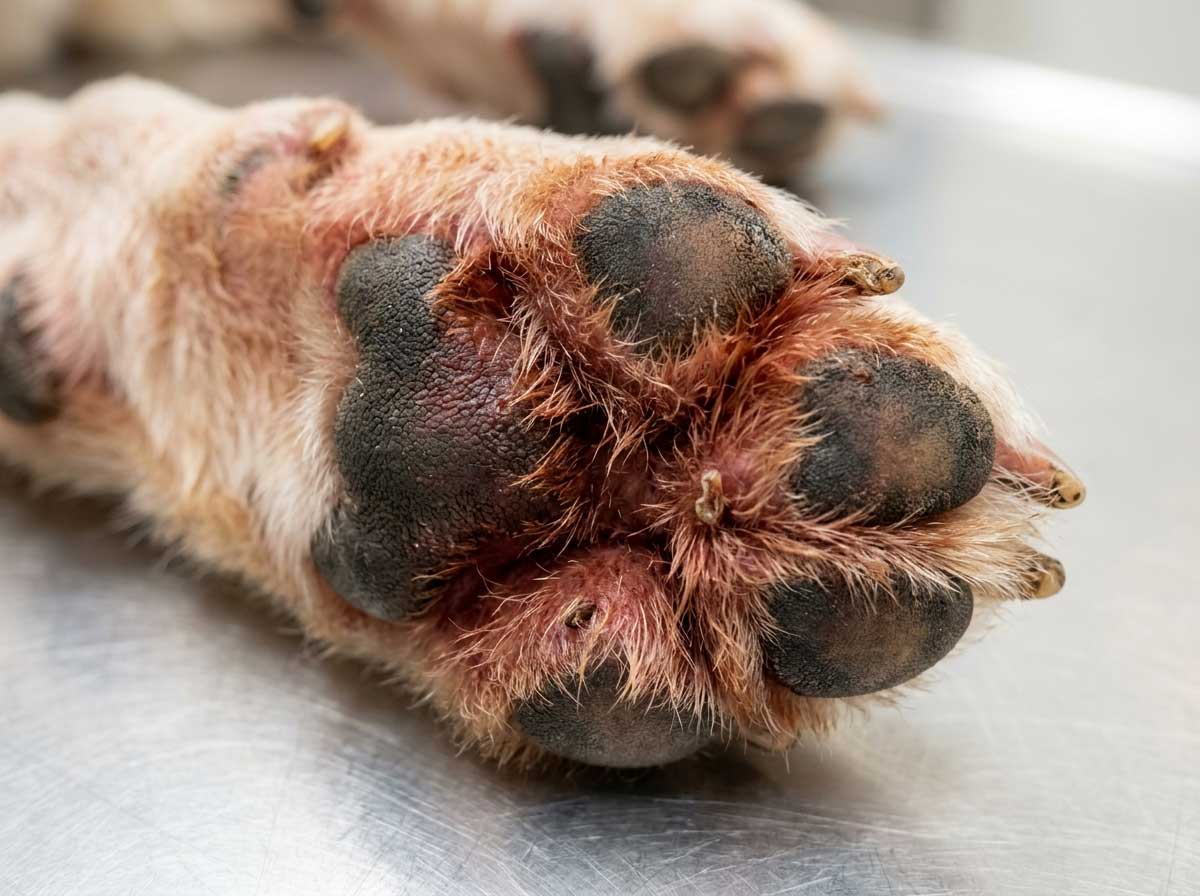
- ✓Assess the damage — quick exposed? nail hanging? signs of deeper injury?
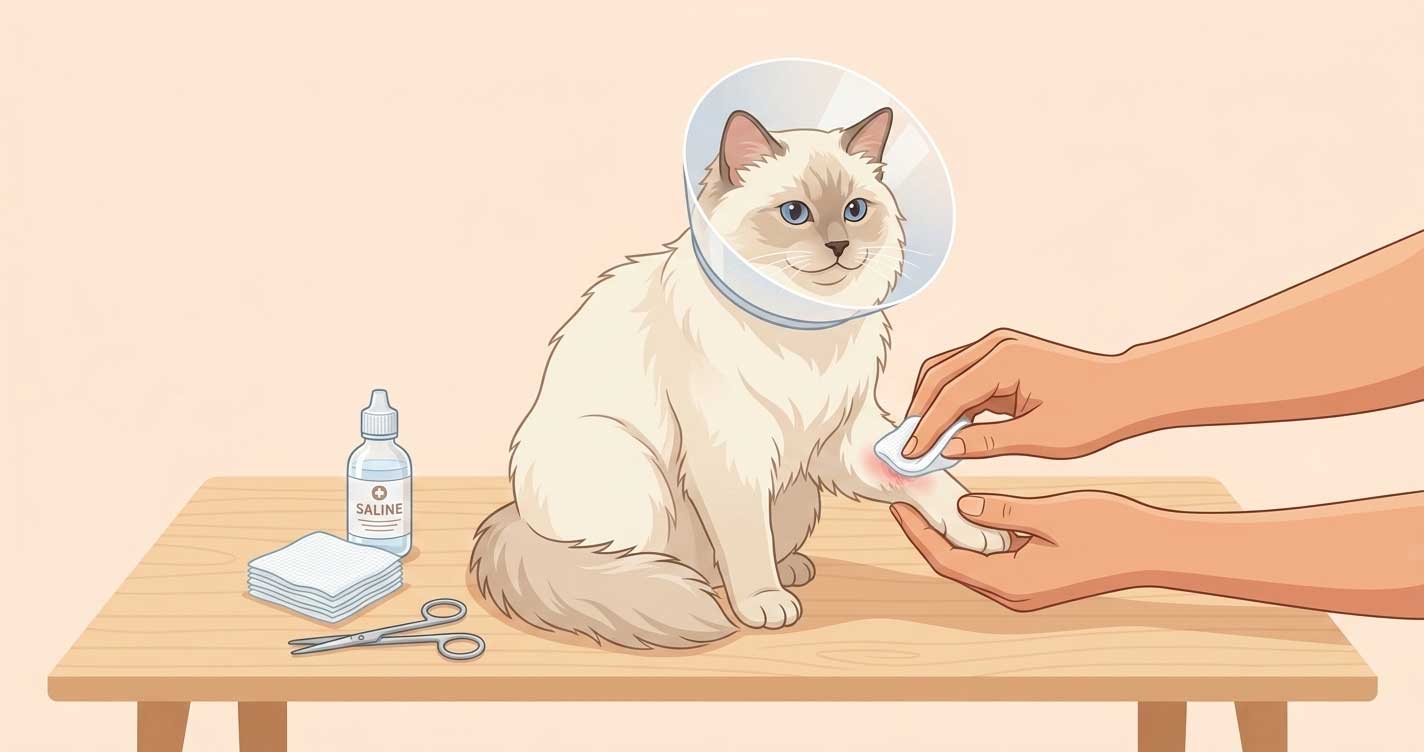
- ✓Apply a light bandage (gauze + vet wrap, not tight) if going outside or to the vet
- ✓Monitor for 48 hours for re-bleeding or infection signs
When to Go to the Vet
Skip home treatment and go to the vet if:
- ✓Bleeding continues after 15-20 minutes of proper pressure + styptic
- ✓Nail is broken at the base (near the paw)
- ✓Nail is hanging loose or torn off
- ✓Quick (pink tissue) is exposed
- ✓Significant swelling or signs of infection
- ✓Your dog is in severe pain or won't bear weight
- ✓Your dog has bleeding disorders or is on blood thinners
- ✓The break happened from major trauma
After Care (Next 2 Weeks)
- ✓Keep the paw clean and dry
- ✓Limit hard-surface walking for 3-5 days
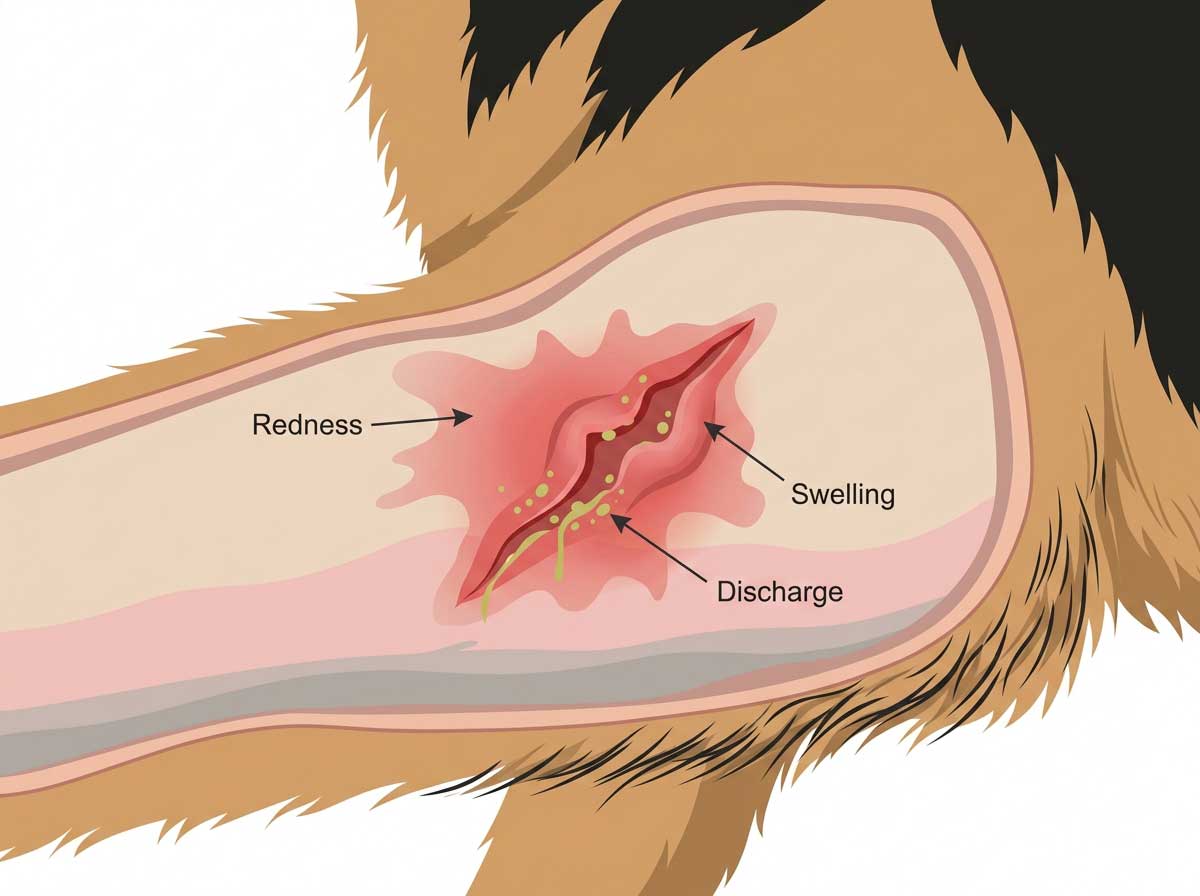
- ✓Check daily for redness, swelling, or discharge
- ✓E-collar if your dog keeps licking
- ✓Watch for infection signs appearing 2-7 days later
Want AI assessment of whether the break is severe? Upload a photo — our tool tells you if home treatment is enough or if you should be heading to the vet.
How Bad Is the Break?
Upload a photo once bleeding is controlled — AI tells you severity and whether you need a vet.
Disclaimer: This article is for informational purposes only and is not a substitute for professional veterinary advice. Always consult a licensed veterinarian for diagnosis and treatment of your pet's health conditions.