How to Treat Cat Conjunctivitis at Home — Realistic Guide
You want to treat cat conjunctivitis at home without a vet visit? Here's the honest truth about what works, what doesn't, and when home treatment is dangerous.
Published 2026-04-19

Googling "how to treat cat conjunctivitis at home" often comes from cost concerns or reluctance to travel with a stressed cat. Honest truth: you CAN'T fully treat most cat conjunctivitis at home — but you CAN provide supportive care. Here's the realistic guide.
First: Can You Actually Treat at Home?
The answer depends on what TYPE of conjunctivitis:
Home Care Can Manage (Mild Cases)
- ✓Mild early viral conjunctivitis (clear watery, no thick discharge)
- ✓Allergic conjunctivitis after removing allergen
- ✓Known chronic herpesvirus flare in stable cat (owner experienced with flares)
- ✓Mild irritation from dust/chemical exposure
NEEDS VET (Cannot Home Treat)
- ✓Yellow or green thick discharge (needs antibiotic eye drops)
- ✓Chlamydia felis (needs oral doxycycline — prescription)
- ✓Suspected corneal ulcer (any squinting + pain)
- ✓KITTEN with any conjunctivitis
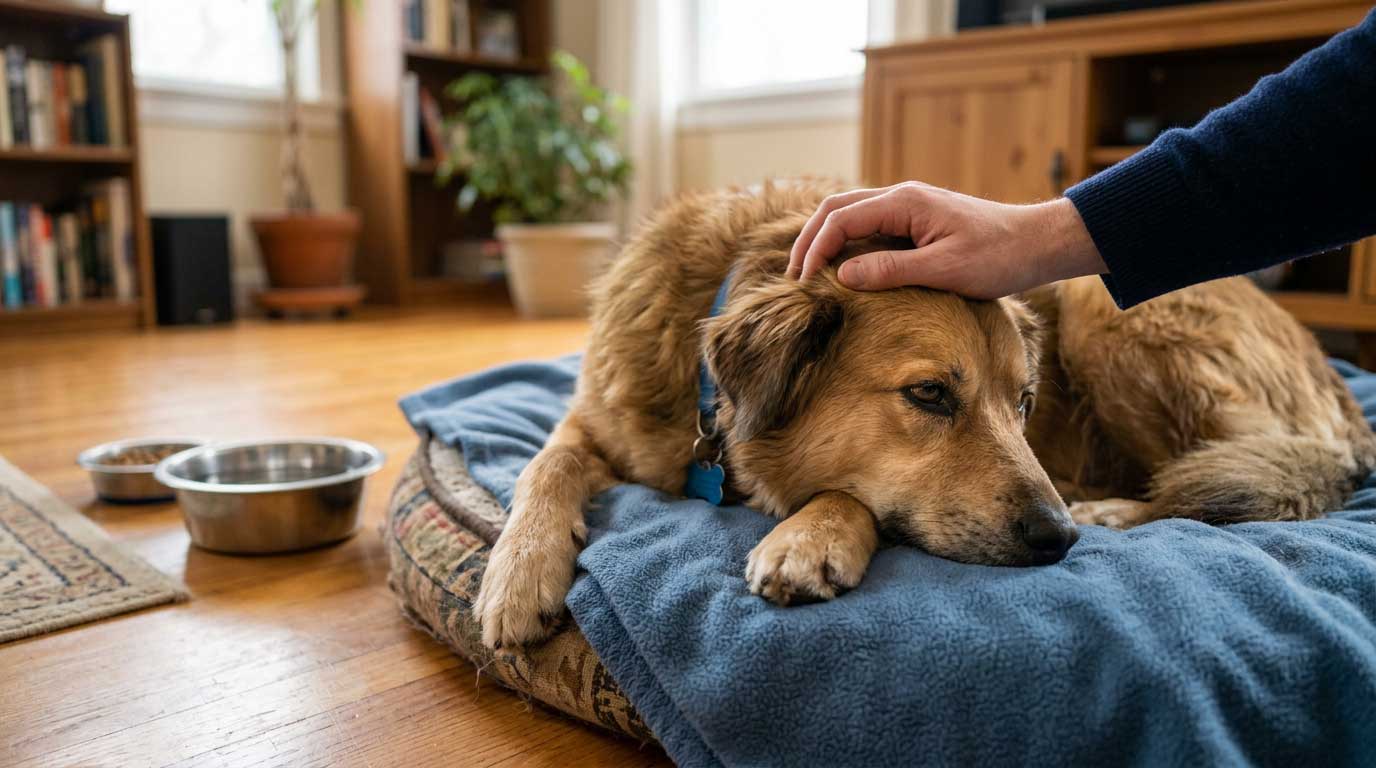
- ✓Cat not eating
- ✓Severe or worsening symptoms
- ✓Both eyes affected
- ✓FeLV/FIV-positive cat with conjunctivitis
Why Prescription Drops Are Usually Needed
Most cat conjunctivitis involves:
- ✓FELINE HERPESVIRUS — may need antiviral drops (cidofovir, idoxuridine)
- ✓CHLAMYDIA — needs oral doxycycline 3-4 weeks
- ✓SECONDARY BACTERIAL infection on top of viral — needs antibiotic eye drops
Over-the-counter products in the US have NO effective antiviral or antibacterial activity for cat-specific pathogens. The closest you'll get to effective home treatment is supportive care while the virus runs its course (7-14 days for viral).
What Home Supportive Care Actually Helps
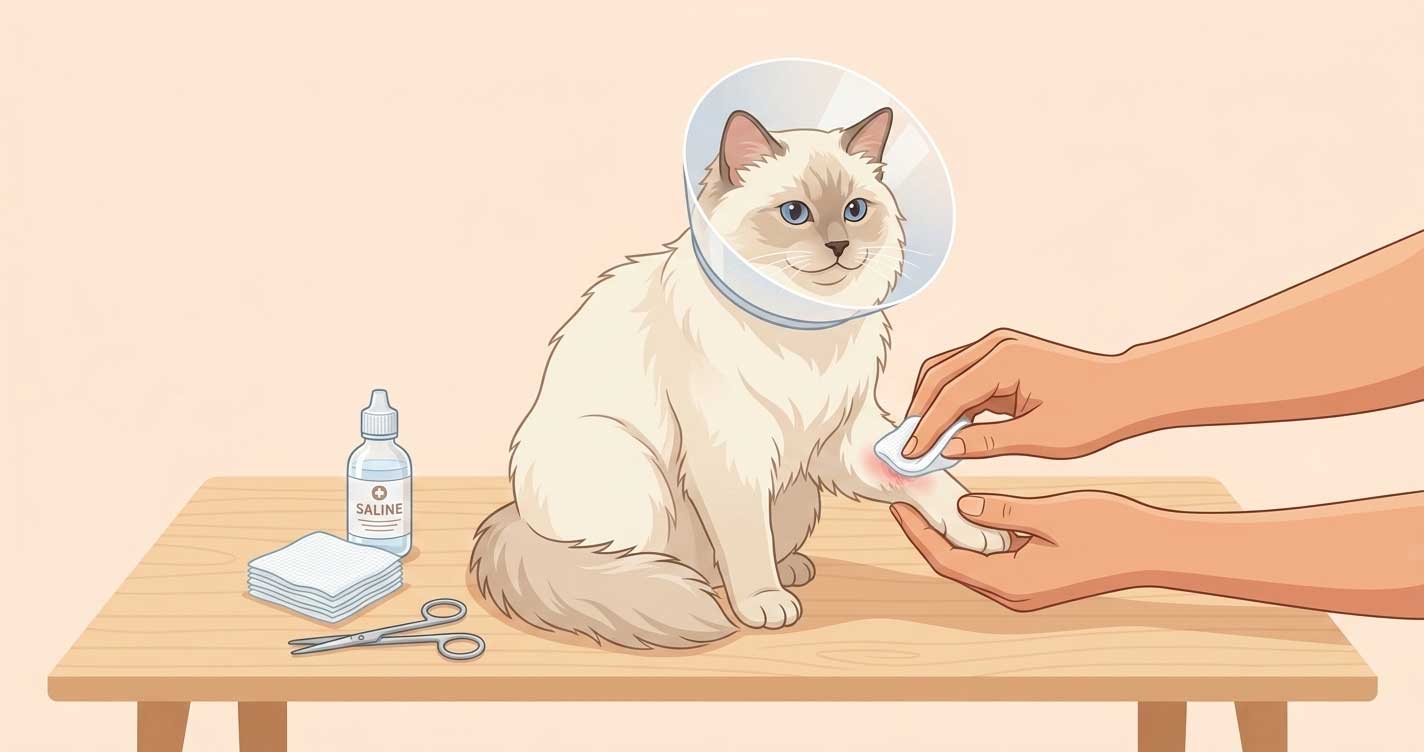
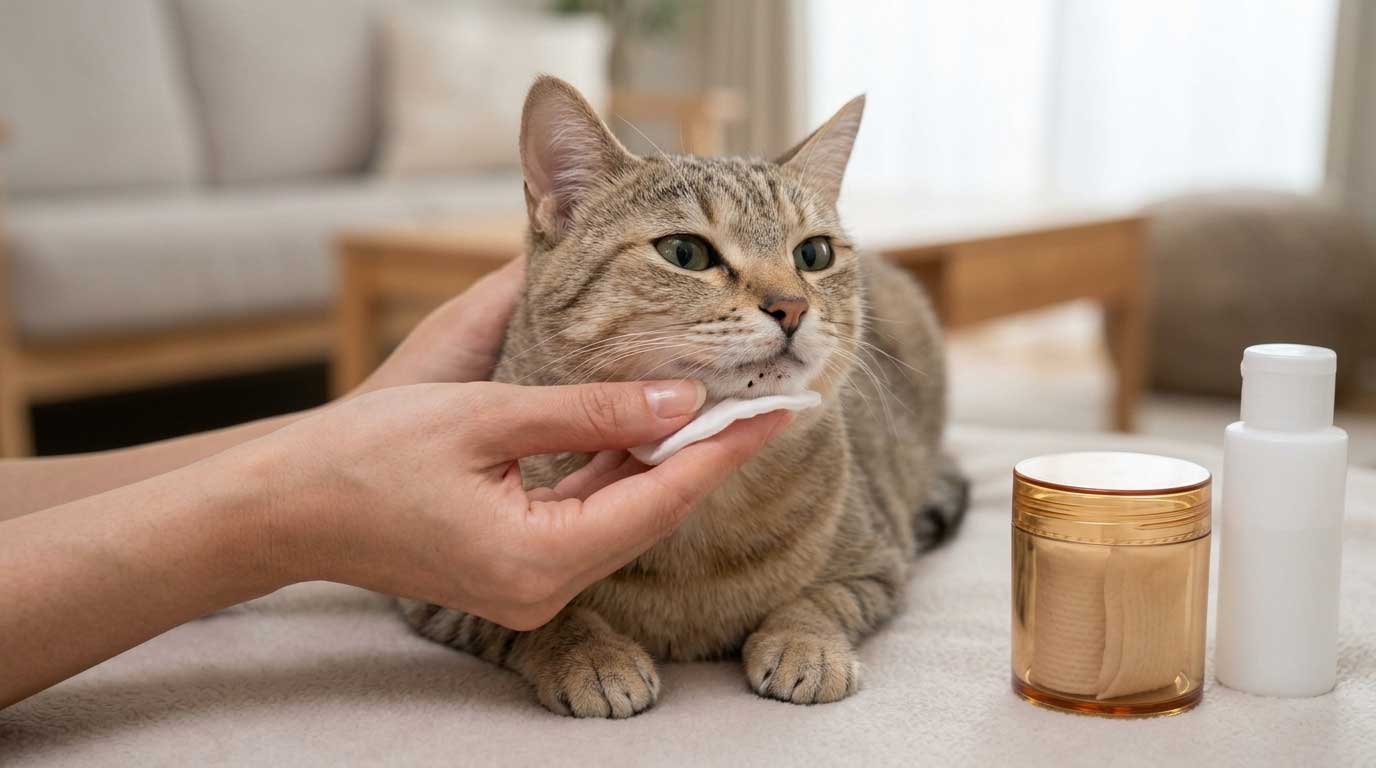
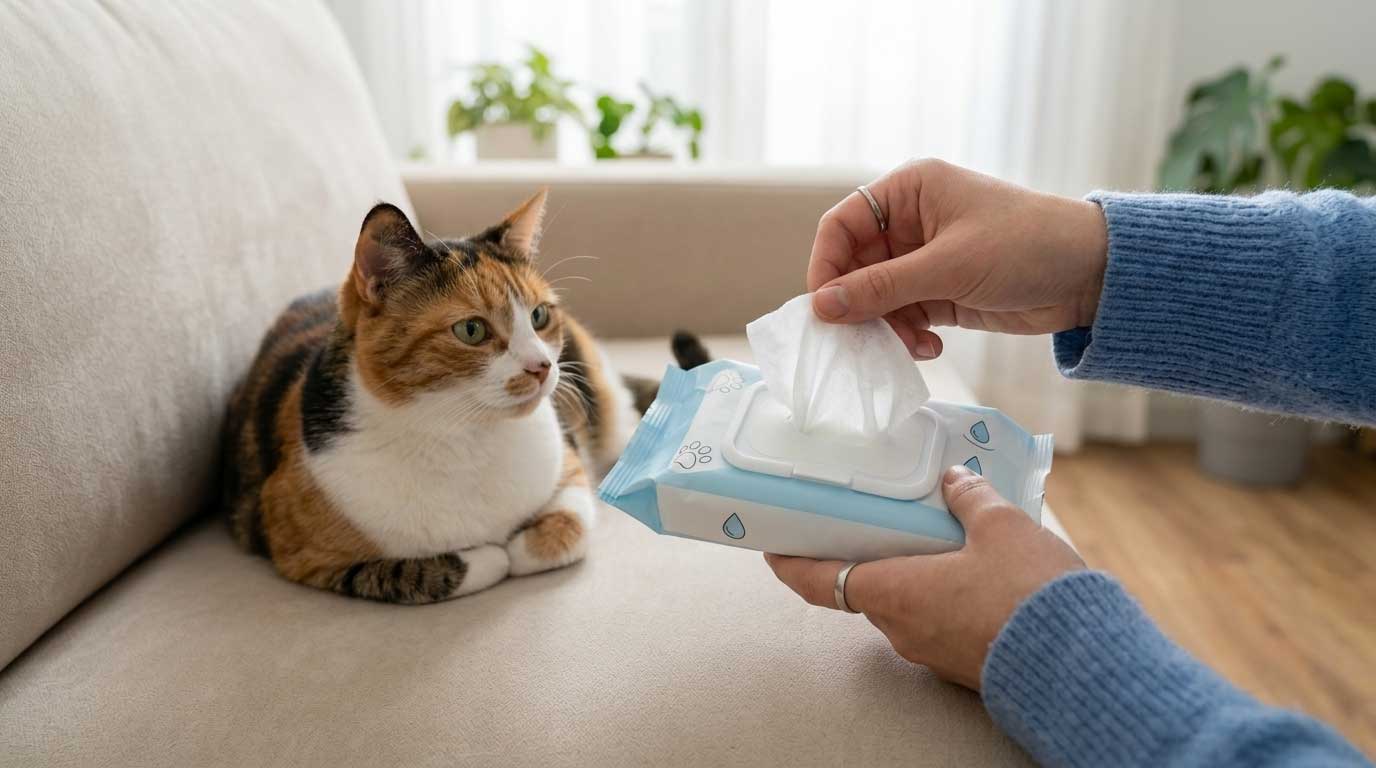
1. Gentle Eye Cleaning (Highly Effective)
- ✓WARM STERILE SALINE (boiled water cooled + 1/4 tsp salt per cup) OR pet-safe eye wash
- ✓2-3x daily, more if heavy discharge
- ✓Soft cotton ball — FRESH one for each eye
- ✓Wipe INNER corner OUTWARD
- ✓Removes discharge so eye can heal faster
- ✓Helps prevent bacterial colonization
2. Warm Compresses (Soothing)
- ✓5-10 minutes 2-3x daily
- ✓Clean washcloth dipped in warm (not hot) water
- ✓Gently hold over closed eye
- ✓Promotes drainage and reduces discomfort
- ✓Takes patience — many cats resist at first
3. L-Lysine Supplementation (Controversial but Commonly Used)
- ✓Theory: competes with arginine which herpesvirus needs
- ✓Evidence: mixed; some studies show benefit, others don't
- ✓Dose: 500 mg twice daily for adults, 250 mg for kittens
- ✓Forms: powder to mix with food, gel, paste, treats
- ✓Generally safe; some vets no longer recommend due to evidence
- ✓Worth trying for chronic herpesvirus flares
4. Stress Reduction (For Herpes Flares)
- ✓Maintain routine
- ✓Feliway pheromone diffusers
- ✓Hiding spots and elevated perches
- ✓Minimize changes
- ✓Isolate from stressful housemates (aggressive cats, young kids briefly)
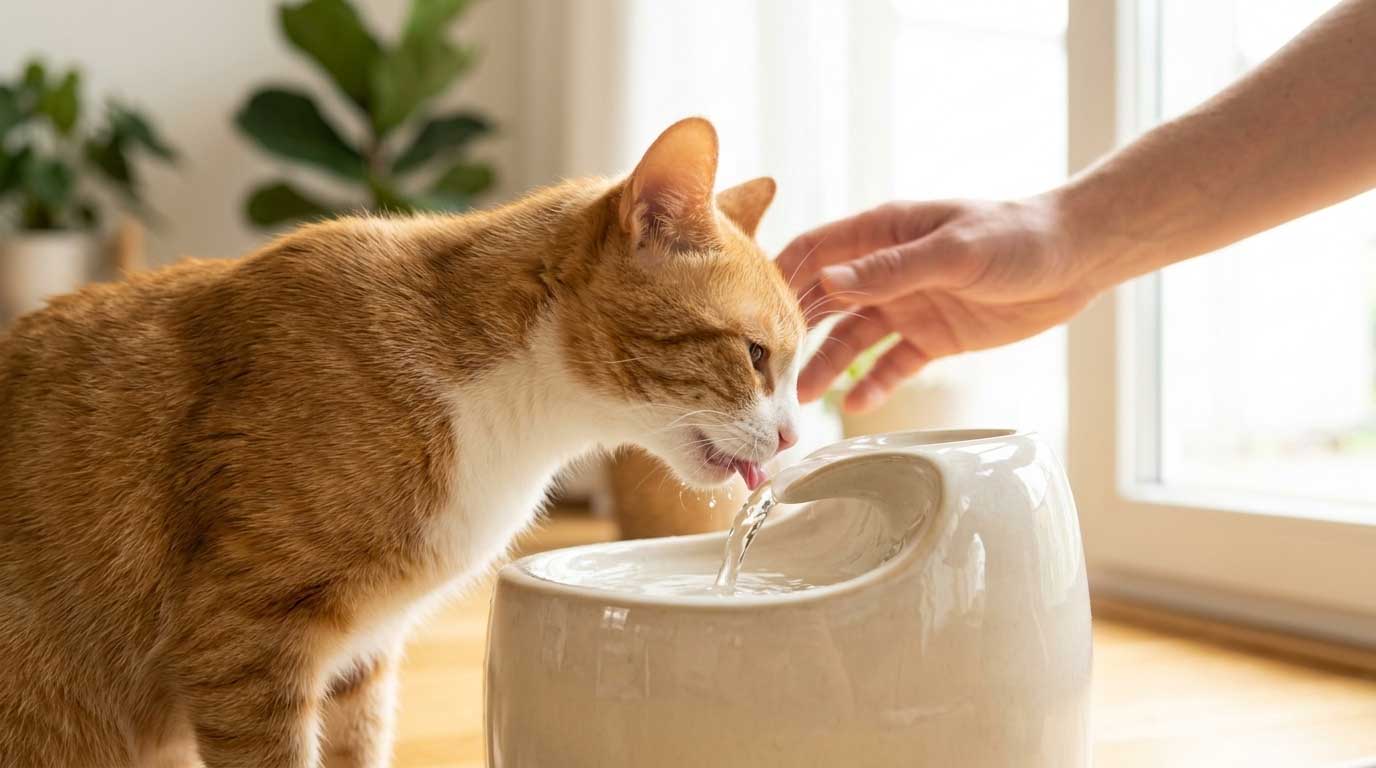
5. Nutrition and Hydration
- ✓Encourage eating — warm food, tasty options, syringe feed if needed
- ✓FRESH WATER always available
- ✓Wet food for extra hydration if cat not drinking enough
- ✓Appetite stimulants (mirtazapine) with vet guidance if not eating
6. Humidifier (For URI Cases)
If eye discharge + sneezing/nasal congestion = URI. Humidifier eases breathing and helps clear nasal discharge. Bring cat into bathroom during hot shower for temporary steam.
7. Isolation from Other Cats
Viral conjunctivitis (herpes, calici) and bacterial (Chlamydia, Mycoplasma) are contagious. Separate rooms, wash hands between cats, clean bedding daily.
What Not to Do at Home
- ✓Don't use HUMAN EYE DROPS (Visine, Clear Eyes) — toxic to cat cornea
- ✓Don't use ANTIBIOTIC EYE DROPS prescribed for dogs — wrong formulation
- ✓Don't use old leftover antibiotic drops — may be contaminated or wrong spectrum
- ✓Don't use ESSENTIAL OILS — many toxic to cats (tea tree deadly)
- ✓Don't use BREAST MILK, TEA, HONEY — not sterile, ineffective
- ✓Don't use HYDROGEN PEROXIDE near eyes — damages tissue
- ✓Don't use APPLE CIDER VINEGAR — irritating, ineffective
- ✓Don't ignore worsening symptoms hoping it'll resolve
- ✓Don't delay vet visit if kitten, senior cat, or cat stops eating
Timeline: How Long to Try Home Care
- ✓24-48 hours for mild clear watery, no other signs, cat eating normally → if worsening, vet
- ✓48-72 hours for uncomplicated mild viral symptoms → if no improvement, vet
- ✓IMMEDIATE vet if: yellow/green develops, severe squinting, one eye clearly worse, not eating, kitten
Cost of Vet Visit vs Home Treatment
Typical vet visit for cat conjunctivitis: $80-150 exam + $20-40 for eye drops = $100-190 total. Compare to cost of untreated progression: corneal ulcer treatment ($300-800), chronic disease management (hundreds/year ongoing), or permanent eye damage. Vet care is the most cost-effective option long-term.
Realistic Bottom Line
Truly treating cat conjunctivitis at home = supporting while virus runs its course, hoping secondary bacterial infection doesn't develop, accepting that herpes may recur in future. Not ideal in most cases. Vet-prescribed drops dramatically shorten courses, reduce complications, and address bacterial component. If budget is a real concern, many vets work with payment plans, and some communities have low-cost clinics. Don't skip vet care for the wrong reasons — cat eye problems can progress to serious issues.
Not sure if your cat's conjunctivitis is mild enough for home care or needs prescription drops? Upload a photo — AI assesses severity and tells you which path is right.
Home Care or Vet Drops?
Upload a photo — AI tells you if your cat's conjunctivitis is mild enough for home care or needs prescription treatment.
Disclaimer: This article is for informational purposes only and is not a substitute for professional veterinary advice. Always consult a licensed veterinarian for diagnosis and treatment of your pet's health conditions.