How to Remove Dog Tear Stains Naturally (Complete Guide)
Reddish-brown tear stains on your Maltese, Shih Tzu, or Poodle? Here's the complete evidence-based guide to removing them naturally — filtered water, probiotics, diet, and more.
Published 2026-04-19

You notice reddish-brown staining under your dog's eyes — more on a Maltese or Poodle than a dark-coated dog. The fur is discolored, and no amount of wiping removes it immediately. This is tear staining (porphyrin staining) — cosmetic, not a disease, but frustrating.
Good news: you CAN fix it with consistent natural methods. Here's the complete evidence-based guide.
What Causes Tear Stains
Tear stains are caused by PORPHYRIN — a natural iron-containing pigment in tears. When tears sit on light-colored fur and are exposed to air, porphyrin oxidizes (reacts with oxygen) and turns reddish-brown. Think of it like how an apple turns brown after being cut.
Contributing factors:
- ✓SHALLOW EYE SOCKETS (common in Maltese, Shih Tzu, Poodle, Pekingese) — tears overflow instead of draining through tear ducts
- ✓BLOCKED TEAR DUCTS (nasolacrimal obstruction) — common in Poodle, Cocker Spaniel; tears can't drain normally
- ✓HARD WATER / TAP WATER — minerals (iron, magnesium) increase porphyrin staining
- ✓FOOD ALLERGIES — inflammatory reaction increases tear production
- ✓YEAST INFECTIONS on wet fur — adds to discoloration and odor
- ✓BREED predisposition (Maltese, Bichon, Shih Tzu, Poodle, Lhasa Apso, Havanese, Yorkshire Terrier)
- ✓LIGHT-COLORED FUR makes staining VISIBLE (same amount of porphyrin on dark fur is invisible)
Evidence-Based Natural Removal Methods
1. Switch to Filtered or Distilled Water (Biggest Impact)
Tap water minerals are a major contributor. In many households, switching water alone reduces staining by 30-50% over 4-8 weeks. Use:
- ✓BRITA or ZeroWater pitcher-filtered water (cheap, effective)
- ✓Reverse osmosis filter output
- ✓Distilled water (sterile, no minerals)
- ✓Bottled spring water (varies — check mineral content)
Timeline: significant improvement in 6-8 weeks. Existing stained fur is permanent but new growth comes in cleaner.
2. Daily Gentle Cleaning
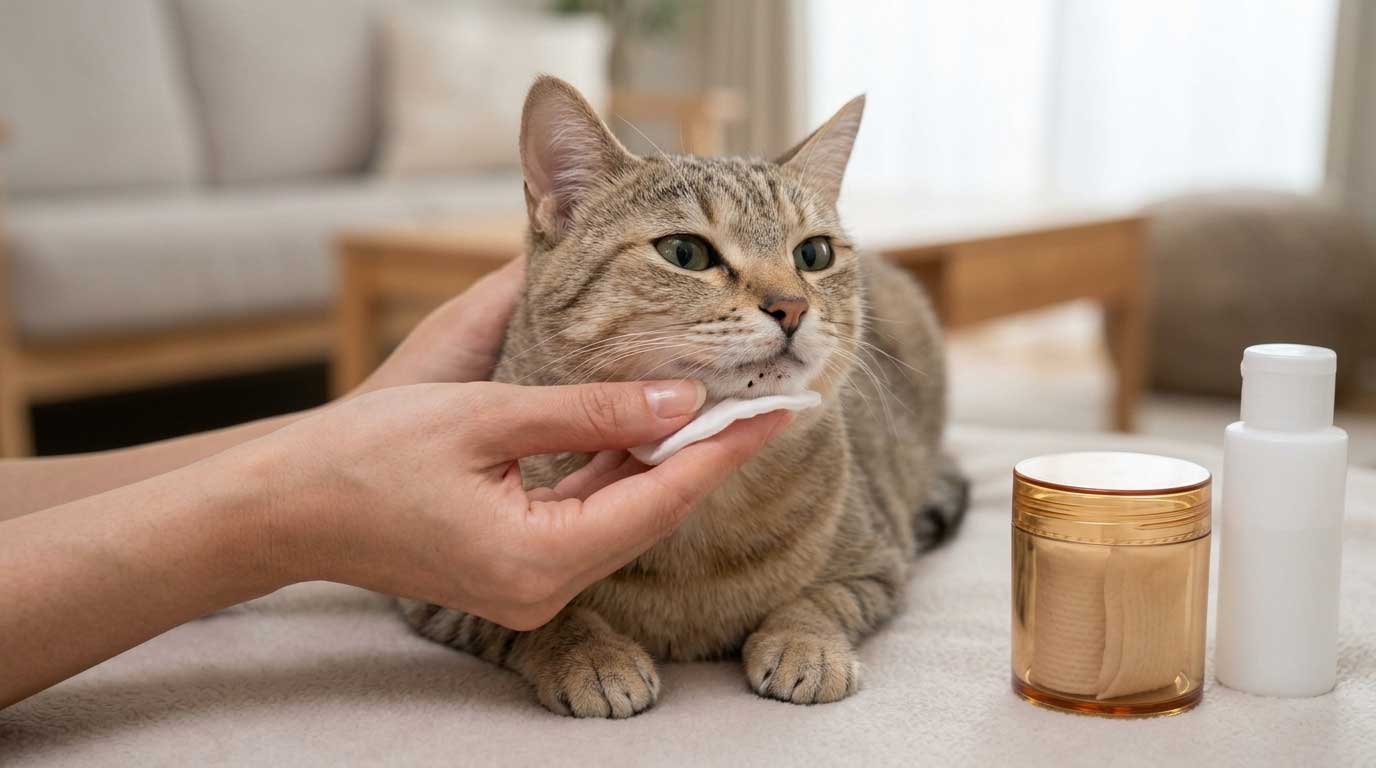
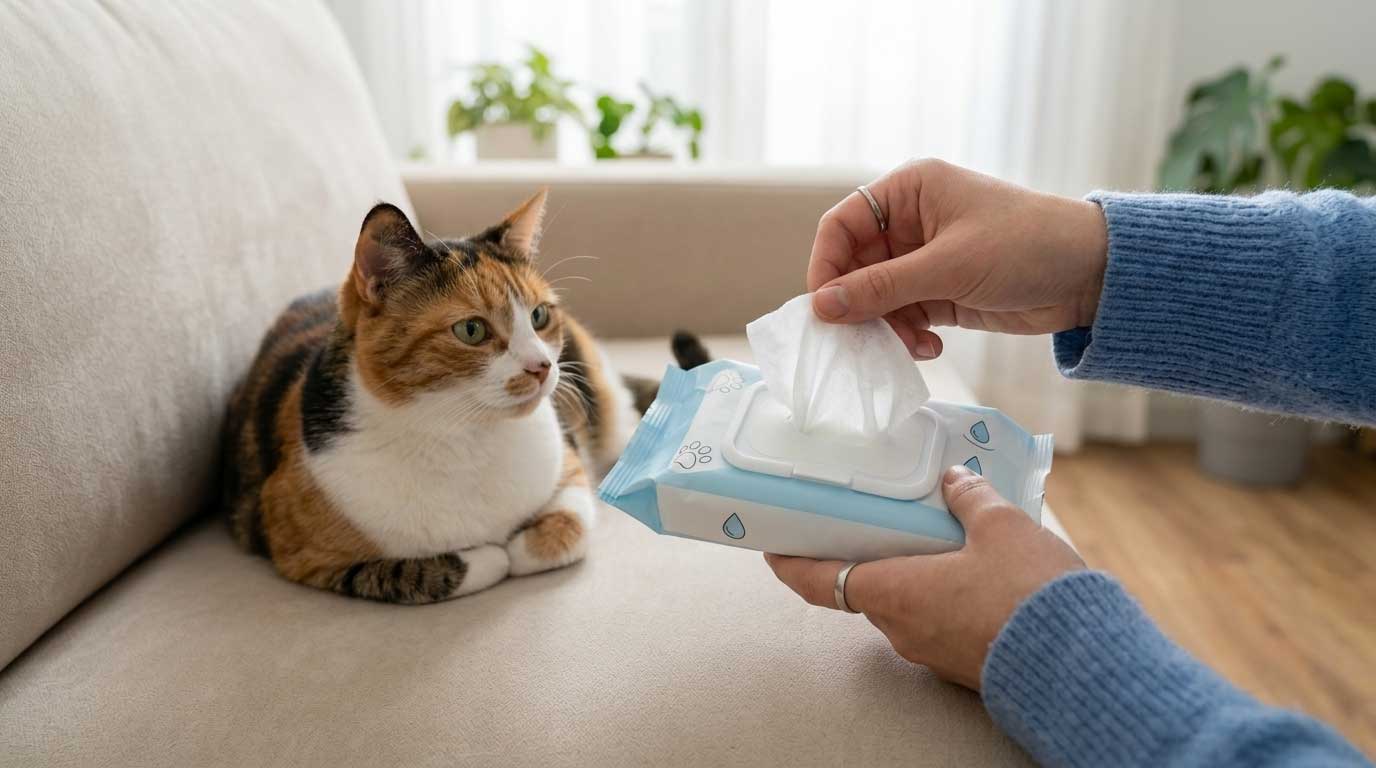
- ✓Use PET-SAFE tear stain wipes (Petpost, Arava, Eye Envy)
- ✓OR warm damp cloth — plain warm water works
- ✓Wipe under eyes daily, ideally 2x daily
- ✓Keep the fur as DRY as possible after cleaning
- ✓Trim fur around eyes short so it dries faster
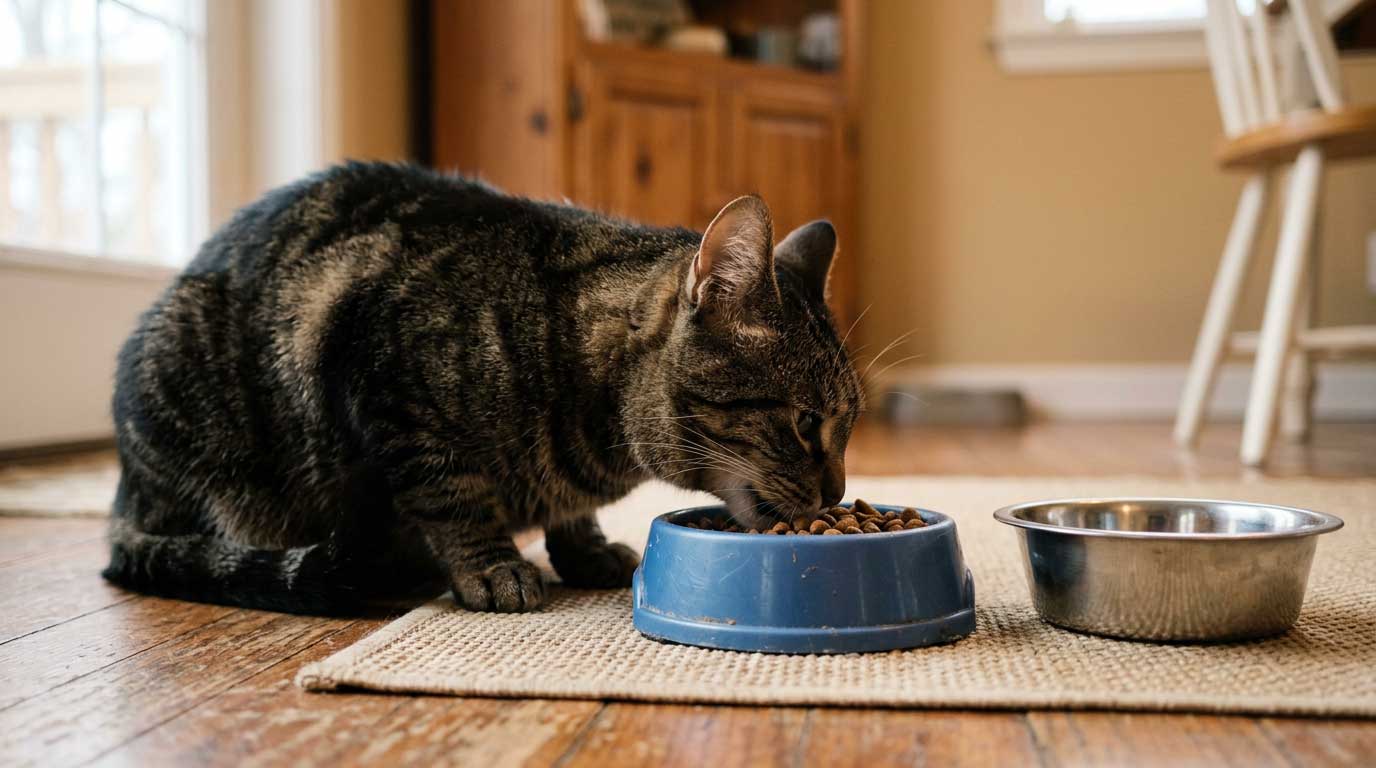
3. Switch to Stainless Steel or Ceramic Bowls
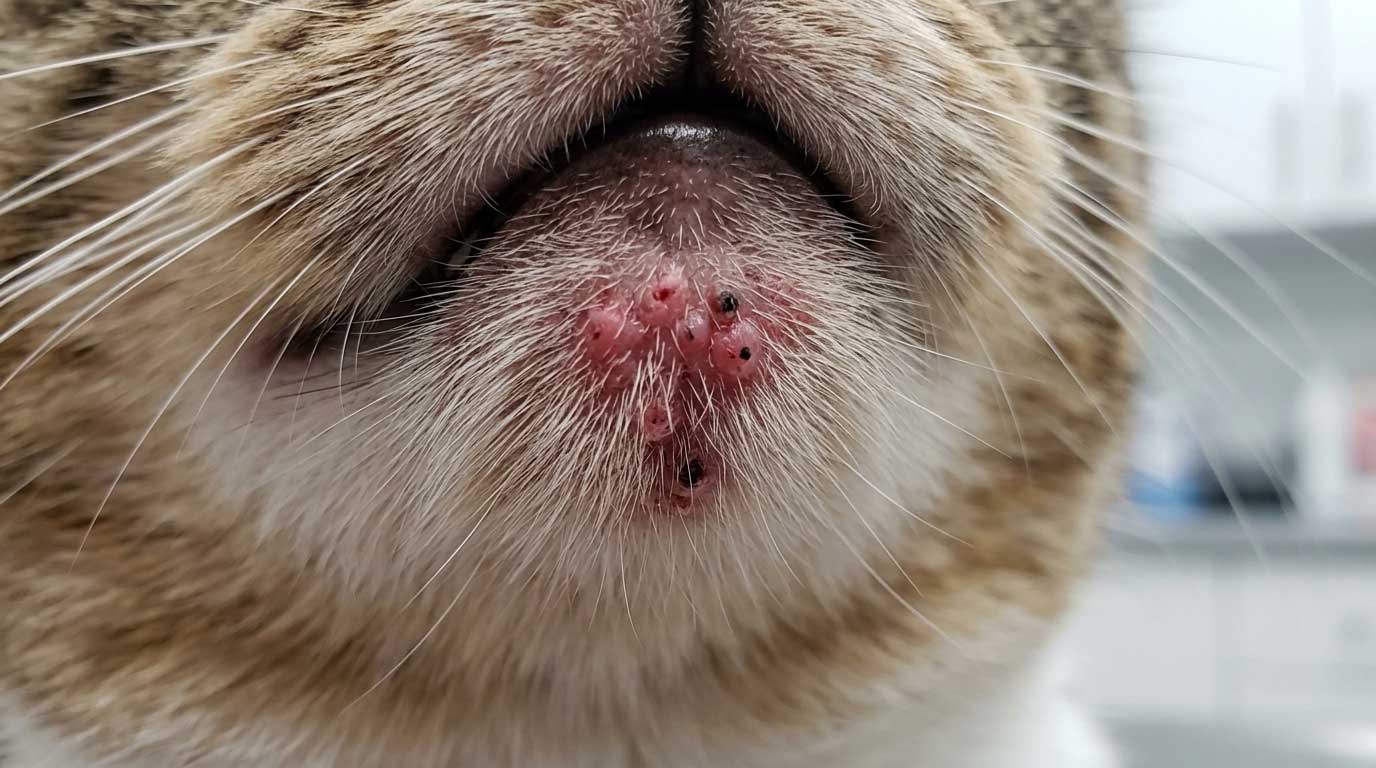
Plastic bowls harbor bacteria that contribute to chin acne AND tear production. Use stainless steel, ceramic, or glass bowls. Wash daily with hot soapy water.
4. Consider Diet Changes
Some dogs have food sensitivities that increase tear production. Try:
- ✓High-quality grain-free diet if current diet is grain-heavy
- ✓Novel protein (rabbit, venison, fish) if chicken allergy suspected
- ✓Hypoallergenic prescription diet if vet recommends
- ✓Trial for 8-12 weeks to see effect
5. Probiotics (Sometimes Help)
Pet-specific probiotics may help with chronic tear staining by improving gut health. Studies are mixed but some dogs respond well. Use pet-formulated products (Purina FortiFlora, Nutramax Proviable), not human probiotics.
6. Daily Omega-3 Fatty Acids
Fish oil or krill oil reduces inflammation and may reduce tear overflow. Dose: 1000mg per 20 lbs body weight daily. Gives visible coat improvement in 6-8 weeks.
What NOT to Use
- ✓BLEACH or PEROXIDE — can damage eyes if any enters them, burns skin
- ✓HUMAN WHITENING products — not formulated for dog skin
- ✓TYLOSIN-containing products (Angels' Eyes was reformulated after FDA issues) — tylosin is an antibiotic sold illegally for tear staining; risks antibiotic resistance
- ✓VINEGAR, LEMON JUICE, or acidic treatments — irritating, can reach eyes
- ✓BORAX — toxic if licked
- ✓Heavy makeup or cover-ups on fur
Realistic Timeline
- ✓Week 1: start filtered water, bowl change, daily cleaning
- ✓Week 2-4: existing stains start to fade slightly with consistent cleaning
- ✓Week 6-8: new fur growing in unstained (underneath stained layer)
- ✓Months 2-3: visible reduction as new fur overtakes stained fur
- ✓Months 4-6: significant improvement in most dogs with consistent care
IMPORTANT: existing stained fur is PERMANENT. It can only be cut off or grow out. Natural methods prevent NEW staining but don't bleach existing fur.
When to See a Vet for Tear Stains
Normal cosmetic tear staining doesn't need vet care. But see a vet if:
- ✓Tear staining developed SUDDENLY in adulthood (possible blocked tear duct or eye problem)
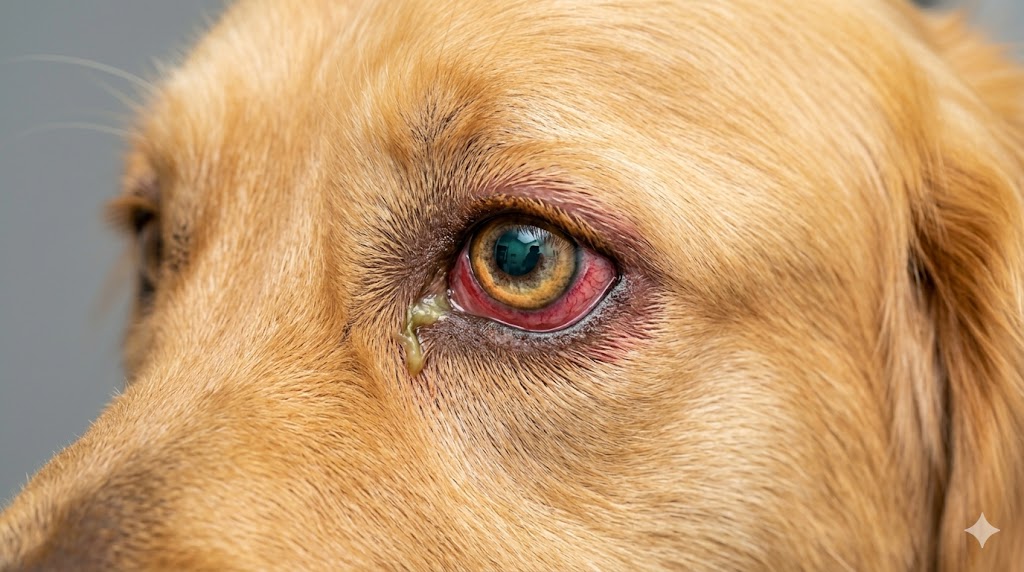
- ✓Combined with eye REDNESS, squinting, or pawing at eyes
- ✓YEAST-like smell from stained area (possible secondary infection)
- ✓Discharge color changing to yellow/green (bacterial infection)
- ✓Very severe staining despite 3+ months of addressing common causes
- ✓Vision changes or visible eye abnormality
Vet may: test for blocked nasolacrimal duct (can be flushed under sedation); recommend hypoallergenic diet trial; prescribe medication if allergies or dry eye underlying; ophthalmology referral for persistent structural issues.
Breeds Most Prone to Tear Stains
- ✓Maltese (very common)
- ✓Bichon Frise
- ✓Shih Tzu
- ✓Poodle (Toy, Miniature, Standard)
- ✓Lhasa Apso
- ✓Havanese
- ✓Yorkshire Terrier
- ✓Cocker Spaniel
- ✓Pekingese
- ✓Papillon
- ✓West Highland White Terrier
- ✓Coton de Tulear
Not sure if what you're seeing is porphyrin tear staining vs active bacterial discharge? Upload a photo — AI distinguishes reddish-brown cosmetic staining from active yellow/green discharge needing treatment.
Tear Stains or Active Infection?
Upload a photo — AI tells you if it's cosmetic porphyrin staining or active discharge needing treatment.
Disclaimer: This article is for informational purposes only and is not a substitute for professional veterinary advice. Always consult a licensed veterinarian for diagnosis and treatment of your pet's health conditions.