Silent Killers in Dogs: 5 Warning Signs You Can Spot on the Gums
Five "silent killer" conditions that kill dogs before owners notice — and each one shows up on the gums first. How to do the 5-second check that could save your dog.
Published 2026-04-19

"Silent killers" in dogs are conditions that develop without early symptoms, then cause rapid decline. Some are surgically correctable if caught early — and fatal within hours if missed. What most owners don't realize: nearly every silent killer first shows up on the gums.
Here are the top 5 silent killers and the gum signals that can warn you before other symptoms appear.
1. Bloat / GDV (Gastric Dilatation-Volvulus)
What it is: the stomach fills with gas and twists on itself, cutting off blood supply. Fatal within 1-2 hours without emergency surgery.
Who's at risk: deep-chested breeds — Great Dane, German Shepherd, Weimaraner, Standard Poodle, Setter, Saint Bernard, Bloodhound. Older dogs and dogs who eat fast from raised bowls are higher risk.
Gum signal: blue or purple gums as the twisted stomach presses on major blood vessels and oxygen delivery fails. May appear BEFORE the belly is obviously distended.
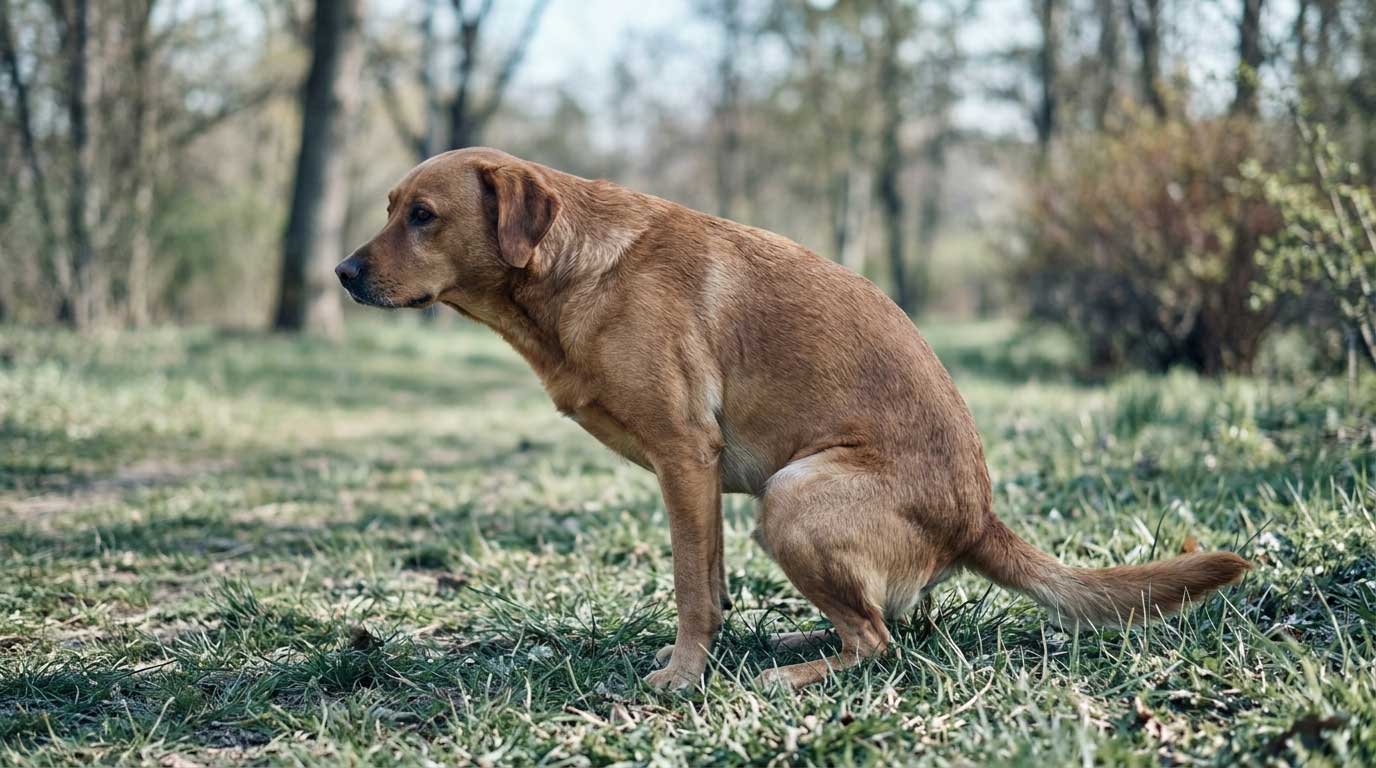
What to watch for: restlessness, unproductive retching (trying to vomit but nothing comes up), drooling, distended belly, blue or purple gums. Go to an ER IMMEDIATELY — minutes matter.
2. Splenic Tumor Rupture (Hemangiosarcoma)
What it is: a tumor on the spleen (often hemangiosarcoma) bleeds internally, then ruptures catastrophically. Common in older large-breed dogs.
Who's at risk: German Shepherd, Golden Retriever, Labrador, Boxer, Great Dane over age 8. Often no warning signs at all until rupture.
Gum signal: very pale or white gums, often with a "looks fine" behavior for 1-3 hours before collapse. This is the "acting normal but gums are white" scenario every emergency vet knows.
What to watch for: sudden paleness, mild lethargy or sleeping more than usual, pot-belly appearance (from blood pooling in the abdomen), white gums. Any older large dog with white gums = ER NOW even if "acting okay."
3. Heart Failure (Mitral Valve Disease, DCM)
What it is: the heart can't pump effectively, causing fluid buildup in lungs or body. Develops over months to years but can decompensate suddenly.
Who's at risk: small-breed senior dogs (Cavalier King Charles, Chihuahua, Shih Tzu, Poodle) develop mitral valve disease. Large breeds (Doberman, Great Dane, Boxer, Irish Wolfhound) develop dilated cardiomyopathy (DCM).
Gum signal: pale or blue-tinged gums, especially after exercise or excitement. Gums may look normal at rest early in disease, then pale with activity.
What to watch for: exercise intolerance (tiring faster than before), nighttime cough (especially small breeds), increased breathing rate at rest (over 30-35 breaths per minute), fainting spells, pale or blue gums with activity.
4. Kidney Failure (Chronic Kidney Disease)
What it is: the kidneys gradually lose filtering capacity over months to years. By the time clinical signs appear, 70%+ of kidney function is already gone.
Who's at risk: senior dogs of any breed; Shih Tzu, Cocker Spaniel, Bull Terrier, German Shepherd have higher incidence.
Gum signal: gradually paling gums from anemia of chronic disease (failing kidneys stop producing erythropoietin). Also: uremic breath (smells like ammonia or urine), sometimes tongue or gum ulcers in advanced cases.
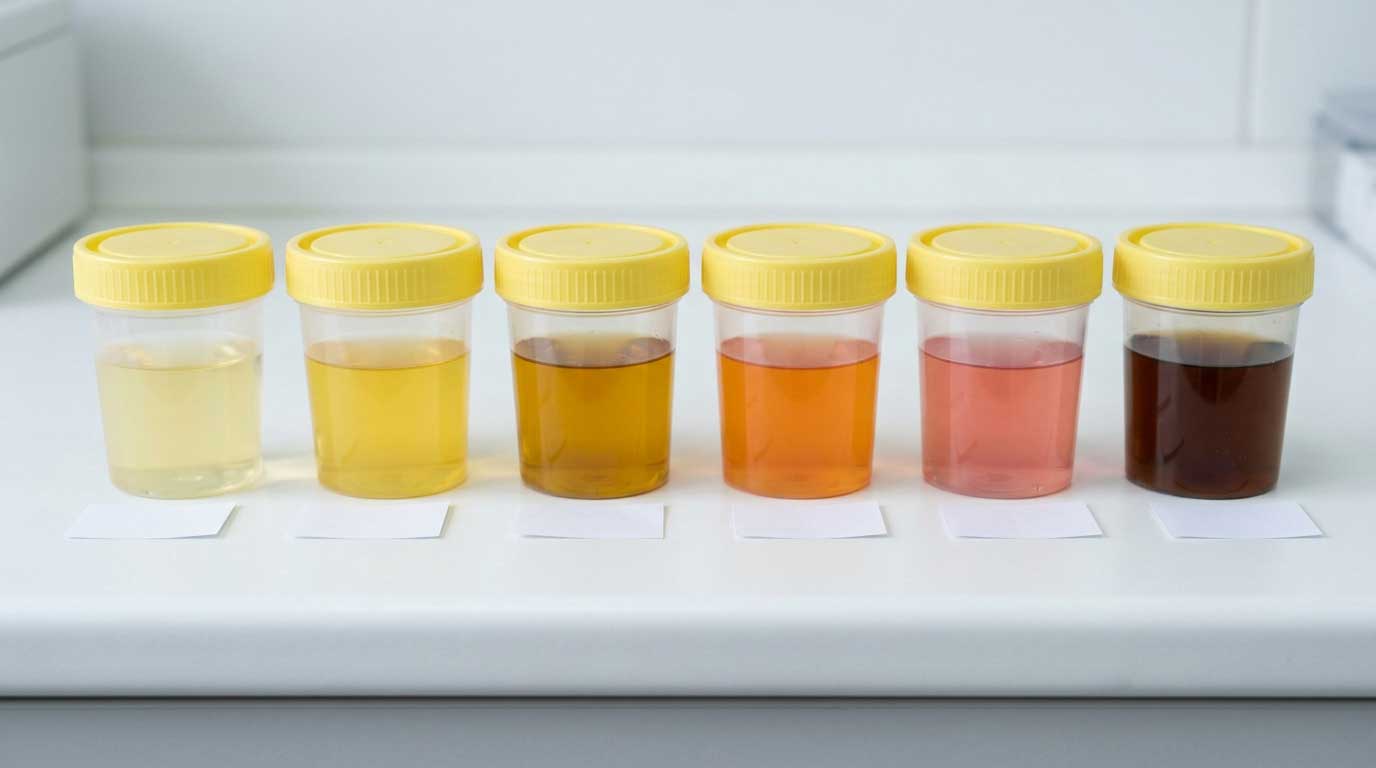
What to watch for: drinking much more water than usual, urinating more frequently, weight loss despite good appetite, decreased appetite over time, pale gums, bad ammonia-like breath.
5. Toxin Exposure (Rat Poison, Antifreeze, Human Meds)
What it is: accidental ingestion of common household toxins. Some cause immediate symptoms; many have a silent phase of hours to days before decompensation.
Who's at risk: all dogs, especially curious puppies and dogs who roam unsupervised. Common culprits: anticoagulant rat poison (pale gums 3-5 days after ingestion), antifreeze (blue-purple gums, vomiting, then kidney failure in 24-72 hours), acetaminophen / Tylenol (bluish gums from methemoglobinemia), xylitol (liver failure with jaundiced yellow gums).
Gum signal: varies by toxin — pale (rat poison, antifreeze), blue (acetaminophen, late antifreeze), yellow (xylitol), bright red (carbon monoxide). Known or suspected toxin exposure regardless of gum color = ER NOW.
What to watch for: know what's in your house and garage, keep ASPCA Animal Poison Control phone number saved (888-426-4435), and don't induce vomiting without vet guidance — some toxins cause worse injury coming back up.
The 5-Second Monthly Check
Build this into your routine: once a month, lift your dog's lip in good daylight, check gum color, and test capillary refill (press gum 2 sec, release, time pink return). Takes 5 seconds. Compare to a baseline photo you took when they were healthy.
This single habit catches silent killers earlier than any other home check. Many owners say "I never would have known" after learning what gum color can reveal. Start the habit now.
Not sure if your dog's gums look healthy? Upload a photo and let AI do the triage assessment.
Run the 5-Second Silent-Killer Check
Upload a photo — AI compares against the 5 key warning color patterns and reports urgency in seconds.
Disclaimer: This article is for informational purposes only and is not a substitute for professional veterinary advice. Always consult a licensed veterinarian for diagnosis and treatment of your pet's health conditions.