Dog Dry Eye (KCS): Symptoms, Treatment, and Why It's Lifelong
Thick white-gray discharge, constant squinting, predisposed breeds — here's the complete guide to canine dry eye (keratoconjunctivitis sicca/KCS) and its lifelong treatment.
Published 2026-04-19

Canine dry eye — formally called keratoconjunctivitis sicca (KCS) — is more common than most owners realize. It affects roughly 1 in 22 dogs, and some breeds have dramatically higher risk. Left untreated, it causes progressive corneal damage and eventual vision loss. Caught early, it's very manageable with a simple daily routine.
Here's everything dog owners should know about this lifelong condition.
What Is Dry Eye in Dogs?
Healthy dog eyes produce tears continuously to keep the cornea moist, nourished, and protected from bacteria. Dry eye means INSUFFICIENT tear production — the eye doesn't produce enough tears or produces abnormal tears. As a result:
- ✓Cornea dries out and becomes irritated
- ✓Body produces thick MUCUS to try to protect cornea (that's the white-gray discharge)
- ✓Eye is chronically uncomfortable
- ✓Corneal surface becomes rough, pigmented, eventually scarred
- ✓Vision progressively declines
- ✓Secondary bacterial infections common
Recognizing Dry Eye — Key Signs
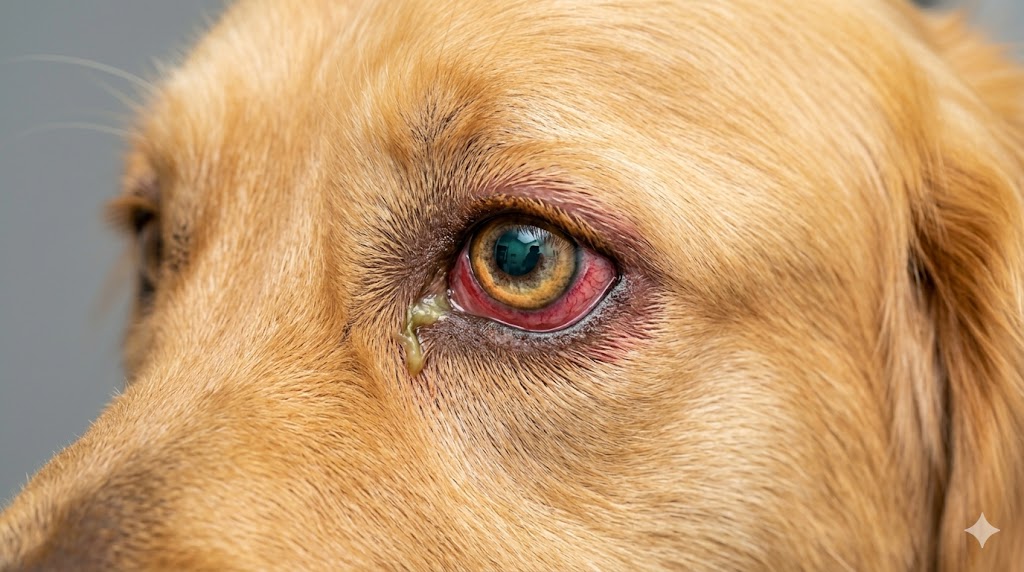
- ✓THICK WHITE or GRAY mucus-like discharge (classic sign)
- ✓Eye looks DULL or lacks typical wetness
- ✓Eyelid margins stick slightly when dog blinks
- ✓Chronic mild redness
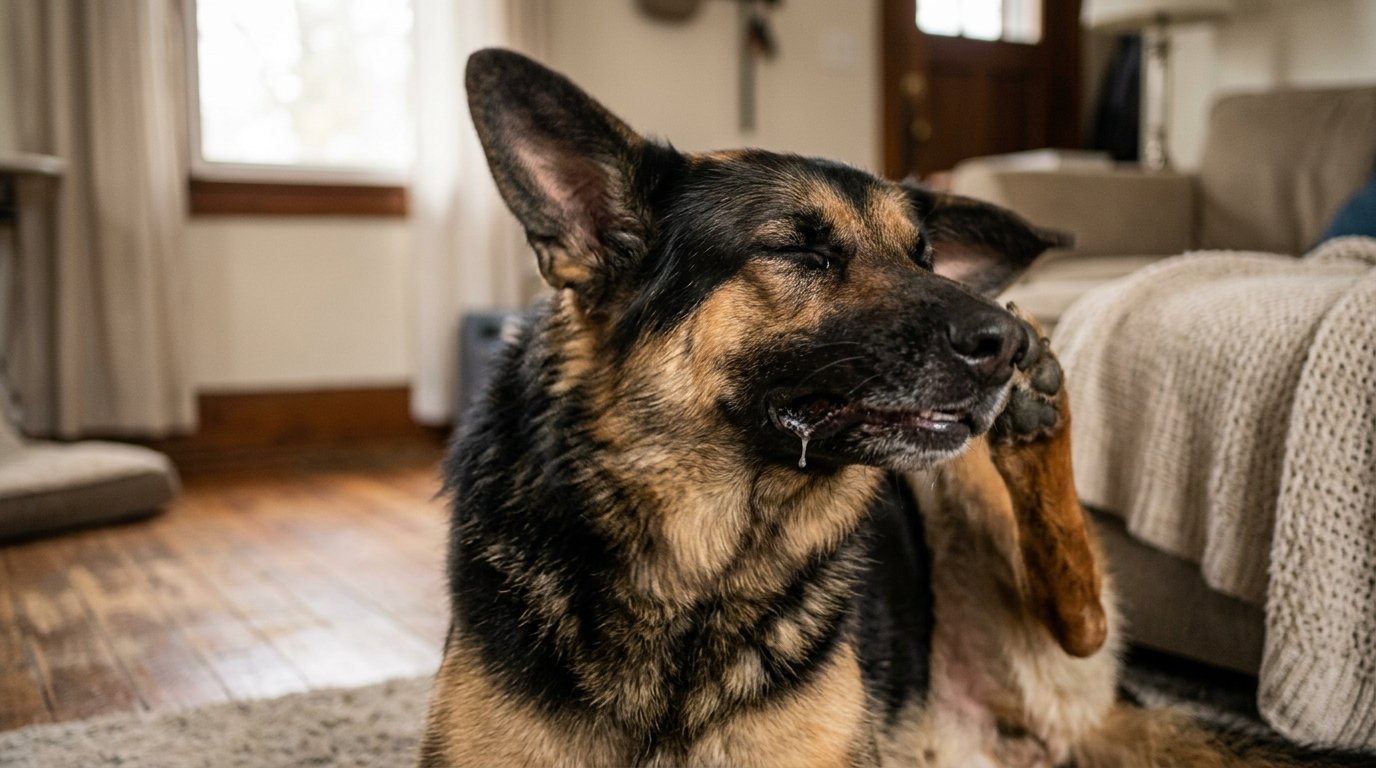
- ✓Frequent squinting or blinking
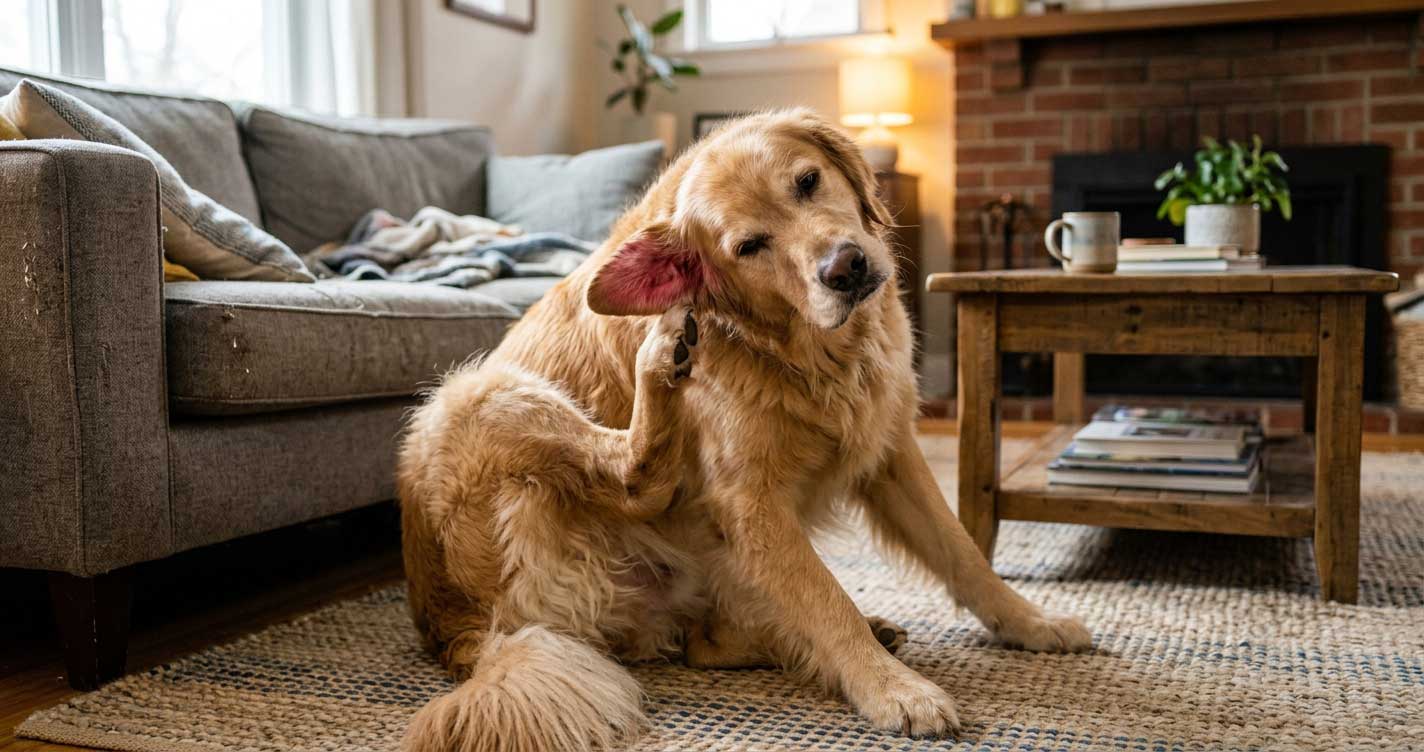
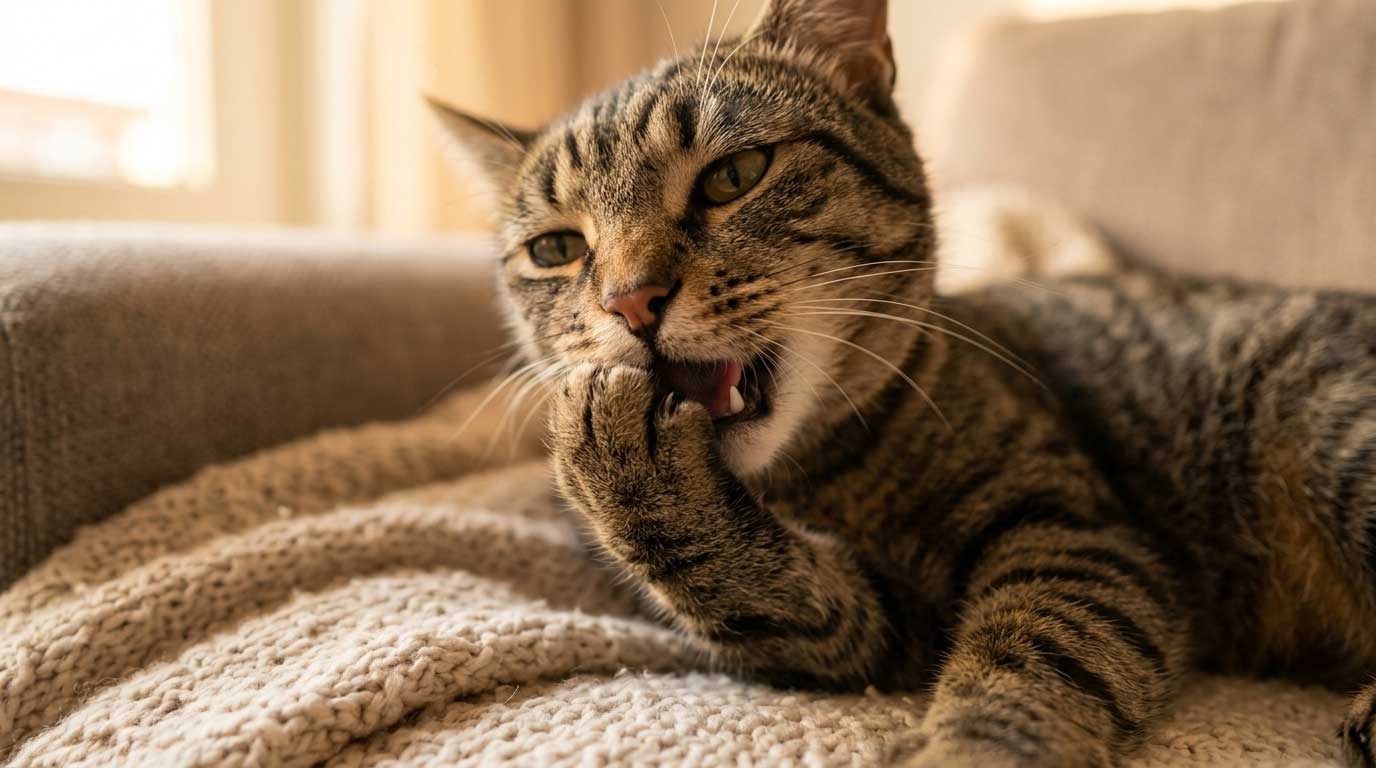
- ✓Paw rubbing at eyes
- ✓In advanced cases: dark pigment on cornea ("pigmentary keratitis"), visible in the whites of the eye
- ✓Usually BOTH eyes affected (one eye may be worse initially)
- ✓Doesn't resolve with eye cleaning — keeps coming back
What Causes Dry Eye?
- ✓IMMUNE-MEDIATED (most common) — body's own immune system attacks tear-producing glands
- ✓MEDICATIONS — sulfa-based antibiotics, atropine drops, etrogestrone can decrease tears
- ✓DISTEMPER infection (rare cause)
- ✓CONGENITAL — present from birth in some breeds
- ✓TRAUMA to tear-producing glands
- ✓NERVE DAMAGE affecting tear reflex
- ✓IDIOPATHIC — cause unknown
Predisposed Breeds (Most Common)
- ✓CAVALIER KING CHARLES SPANIEL (very common — essential screening breed)
- ✓COCKER SPANIEL
- ✓ENGLISH BULLDOG
- ✓BOSTON TERRIER
- ✓PUG
- ✓SHIH TZU
- ✓WEST HIGHLAND WHITE TERRIER
- ✓MINIATURE SCHNAUZER
- ✓LHASA APSO
- ✓PEKINGESE
If you have one of these breeds, ask your vet to perform an annual Schirmer tear test during checkups — catches early cases before damage.
How Dry Eye Is Diagnosed
Schirmer Tear Test (Gold Standard)
Simple, quick, affordable:
- ✓Small paper strip placed in corner of each eye for 60 seconds
- ✓Measures how much wetness the eye produces
- ✓Normal dog: >15 mm wetting in 60 seconds
- ✓Borderline: 10-15 mm
- ✓Dry eye (KCS): <10 mm (and <5 mm considered severe)
- ✓Costs $40-80 total for both eyes, often part of comprehensive eye exam
Other Diagnostic Tests
- ✓Fluorescein stain to check for corneal ulcers
- ✓Intraocular pressure to rule out glaucoma
- ✓Slit lamp exam to assess cornea
- ✓Sometimes bloodwork to check for underlying immune disease
Treatment: Cyclosporine + Artificial Tears (Lifelong)
Cyclosporine Eye Drops (The Game-Changer)
Cyclosporine (brand: Optimmune, generic also available) is the BACKBONE of dry eye treatment. It:
- ✓Suppresses the immune attack on tear glands
- ✓Allows tear production to recover
- ✓Usually applied 2-3x daily
- ✓Takes 4-8 WEEKS to show full effect (be patient!)
- ✓Effective in 75-80% of dogs
- ✓Minimal side effects
- ✓Cost: $40-80/month typical
- ✓MUST BE CONTINUED FOREVER — stopping causes tear production to drop again
Tacrolimus (Alternative)
Similar action to cyclosporine. Sometimes used when cyclosporine isn't effective. Usually compounded by specialty pharmacy, slightly more expensive.
Artificial Tears
Provide symptomatic relief while cyclosporine takes effect:
- ✓Use pet-safe products: Genteal Mild, Systane, I-DROP Vet
- ✓Human artificial tears WITHOUT preservatives also OK (preservatives can irritate)
- ✓Apply 4-6 times daily initially, reducing once cyclosporine working
- ✓Continue indefinitely if eyes still feel dry despite cyclosporine
Antibiotics (If Secondary Infection)
Dry eyes are prone to bacterial infection. Short courses of antibiotic eye drops if yellow/green discharge develops.
Surgery (Rare — Last Resort)
PAROTID DUCT TRANSPOSITION — redirects salivary duct to eye so saliva lubricates cornea. Only for dogs that don't respond to medical therapy. Creates its own complications (eye "drools" during eating). Reserved for severe refractory cases.
Home Care Routine for Dry Eye Dog
Daily Routine
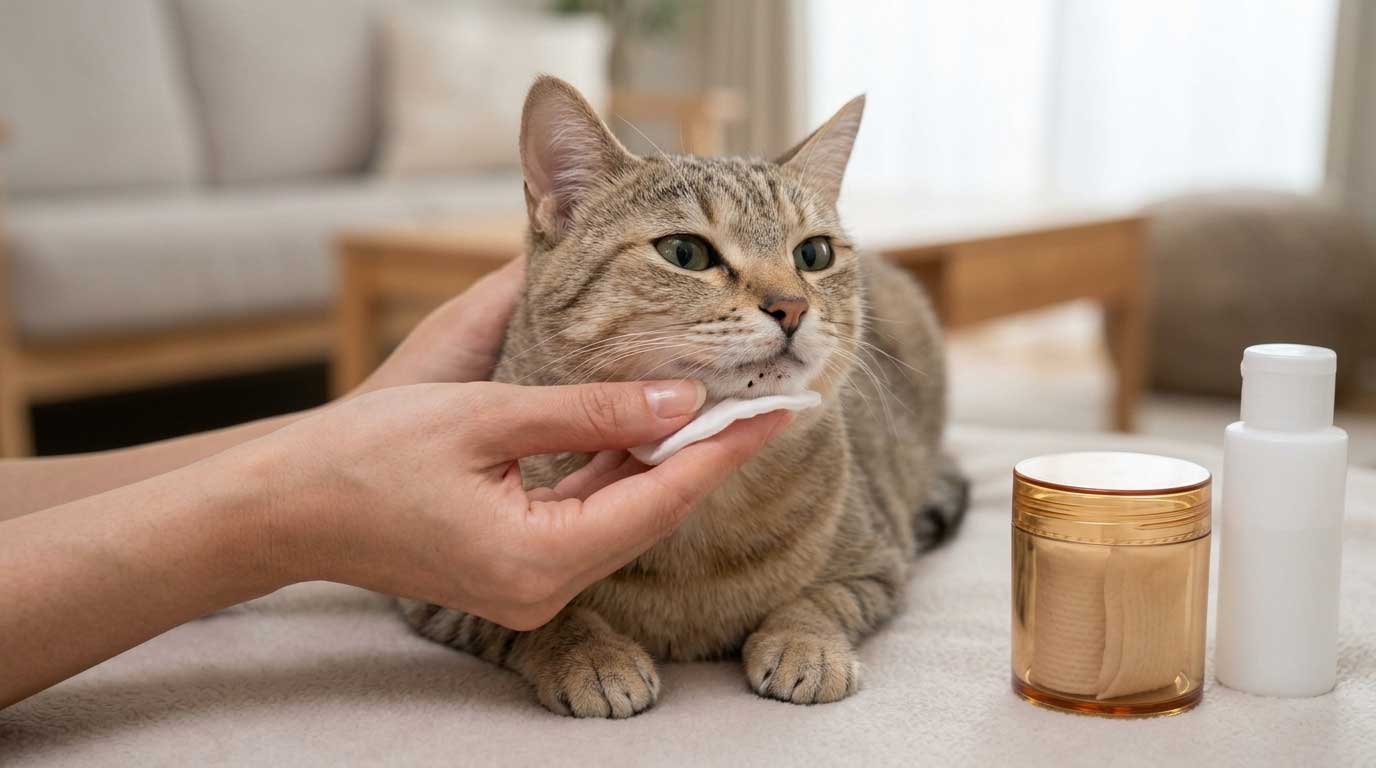
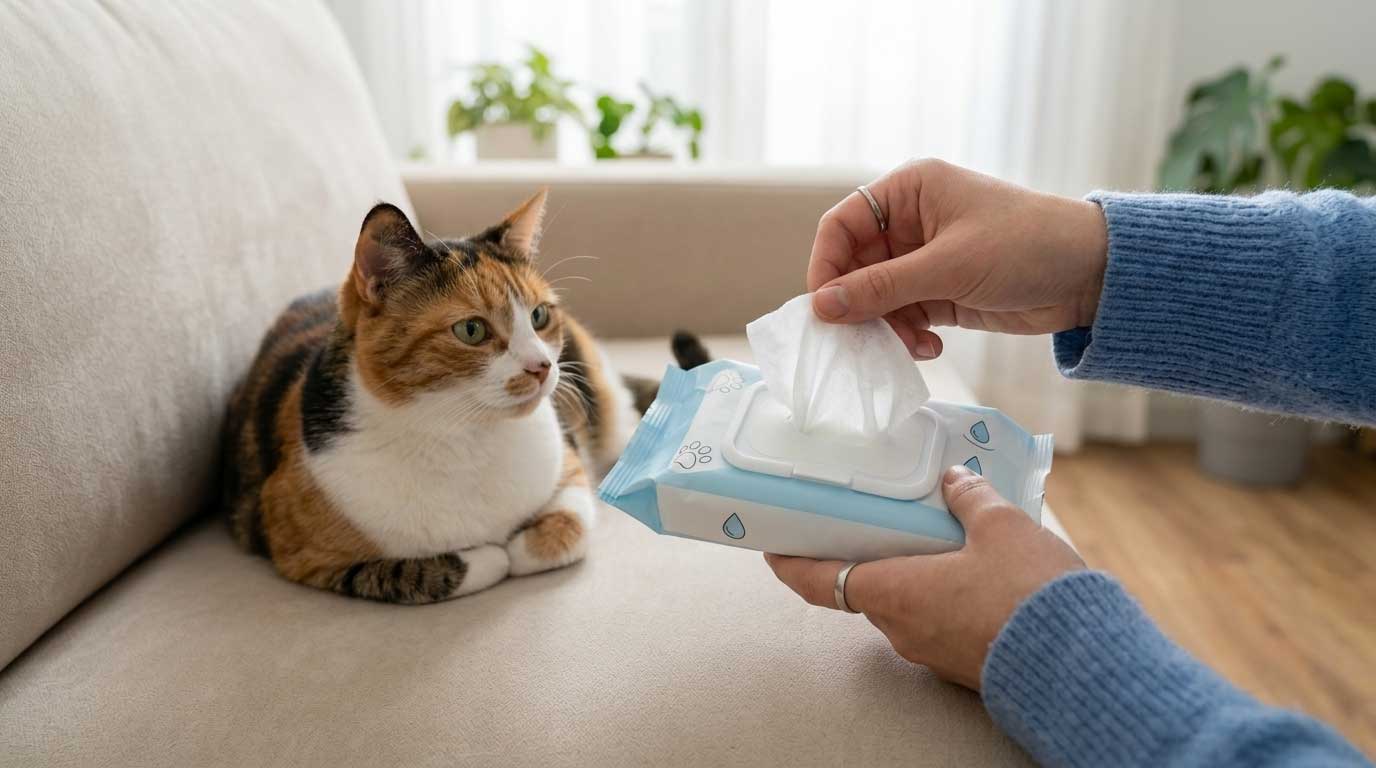
- ✓Morning: clean eyes with warm water, apply first cyclosporine drop
- ✓Throughout day: artificial tears 2-4x as needed for comfort
- ✓Evening: clean eyes, apply second cyclosporine drop
- ✓Before bed: one more artificial tear if dog seems uncomfortable
Weekly
- ✓Check eye appearance — redness, thick discharge, squinting
- ✓Clean eye area thoroughly with warm water
- ✓Trim hair around eyes so it doesn't absorb discharge and stick to fur
Monthly
- ✓Assess overall comfort and eye appearance
- ✓Count eye drop supply — never run out
- ✓Document any changes in photos
Vet Rechecks
Typically: 4-6 weeks after starting treatment (Schirmer test to confirm response); then every 6 months for maintenance; immediately if: sudden worsening, eye cloudiness, severe redness, or pain signs.
Long-Term Prognosis
With proper treatment:
- ✓Most dogs' tear production improves substantially on cyclosporine
- ✓Pain and discomfort resolve
- ✓Discharge returns to normal levels
- ✓Vision preserved
- ✓Quality of life completely normal
- ✓Treatment is lifetime but manageable
Without treatment:
- ✓Progressive corneal damage
- ✓Pigment deposits on cornea (pigmentary keratitis)
- ✓Vision loss
- ✓Chronic painful irritation
- ✓Increased risk of corneal ulceration
If You Suspect Dry Eye in Your Dog
Don't wait — Schirmer test is cheap and takes 60 seconds. Early diagnosis means easier treatment and better long-term outcome. Especially important for predisposed breeds.
Not sure if what you're seeing is dry eye (white-gray thick) vs bacterial infection (yellow-green) vs allergies (clear watery)? Upload a photo — AI identifies the discharge color and suggests whether you need the Schirmer test.
Could It Be Dry Eye?
Upload a photo — AI identifies thick white-gray discharge characteristic of dry eye vs other causes.
Disclaimer: This article is for informational purposes only and is not a substitute for professional veterinary advice. Always consult a licensed veterinarian for diagnosis and treatment of your pet's health conditions.