Infected Dog Nail Bed: Signs, Treatment, and Recovery Time
Swollen toe, discharge, bad smell around a dog's nail? It's likely paronychia — nail bed infection. Here's how to recognize it, treat it, and when to see a vet.
Published 2026-04-19

A broken nail that didn't get properly treated, a dog who licks her paws constantly, or an unnoticed injury — all can lead to nail bed infection (paronychia). It's one of the most common secondary problems after nail injuries, and it doesn't self-resolve. Here's everything you need to know.
What Is Paronychia?
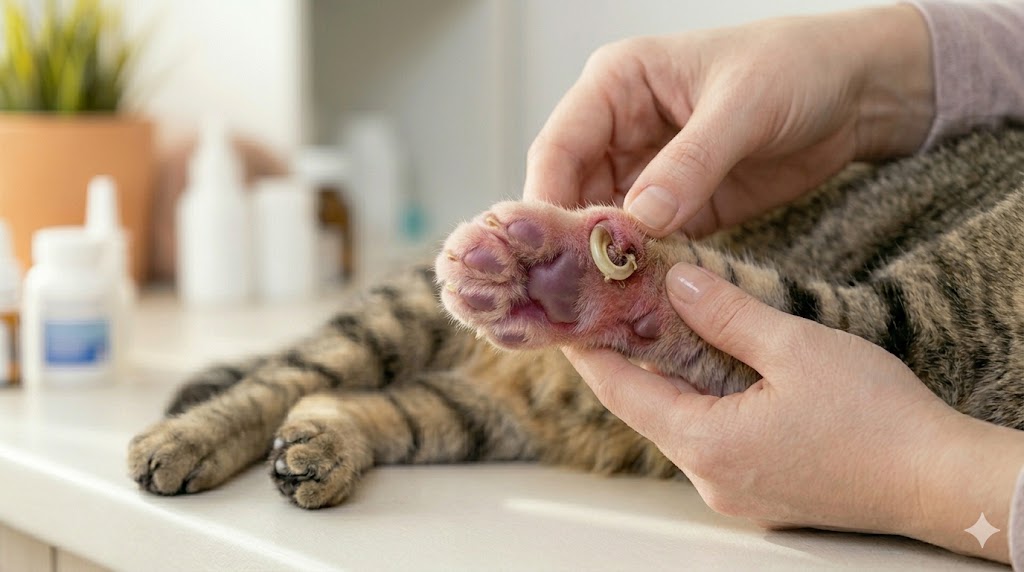
Paronychia = infection or inflammation of the tissue surrounding the nail. In dogs, the nail bed is the soft tissue the nail grows from. When bacteria (rarely fungi) enter this tissue — usually through a break in the nail or skin — infection develops.
Signs of an Infected Dog Nail
Early Signs (Days 1-3)
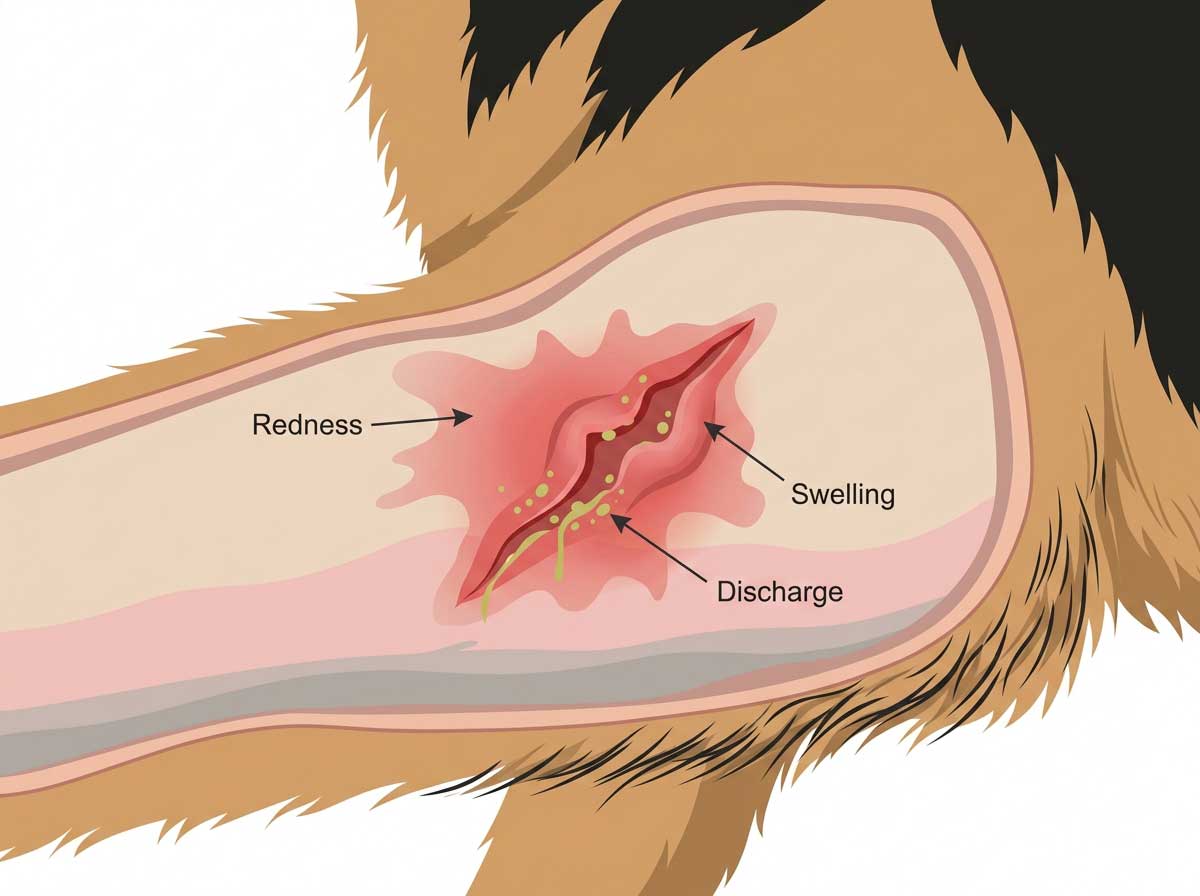
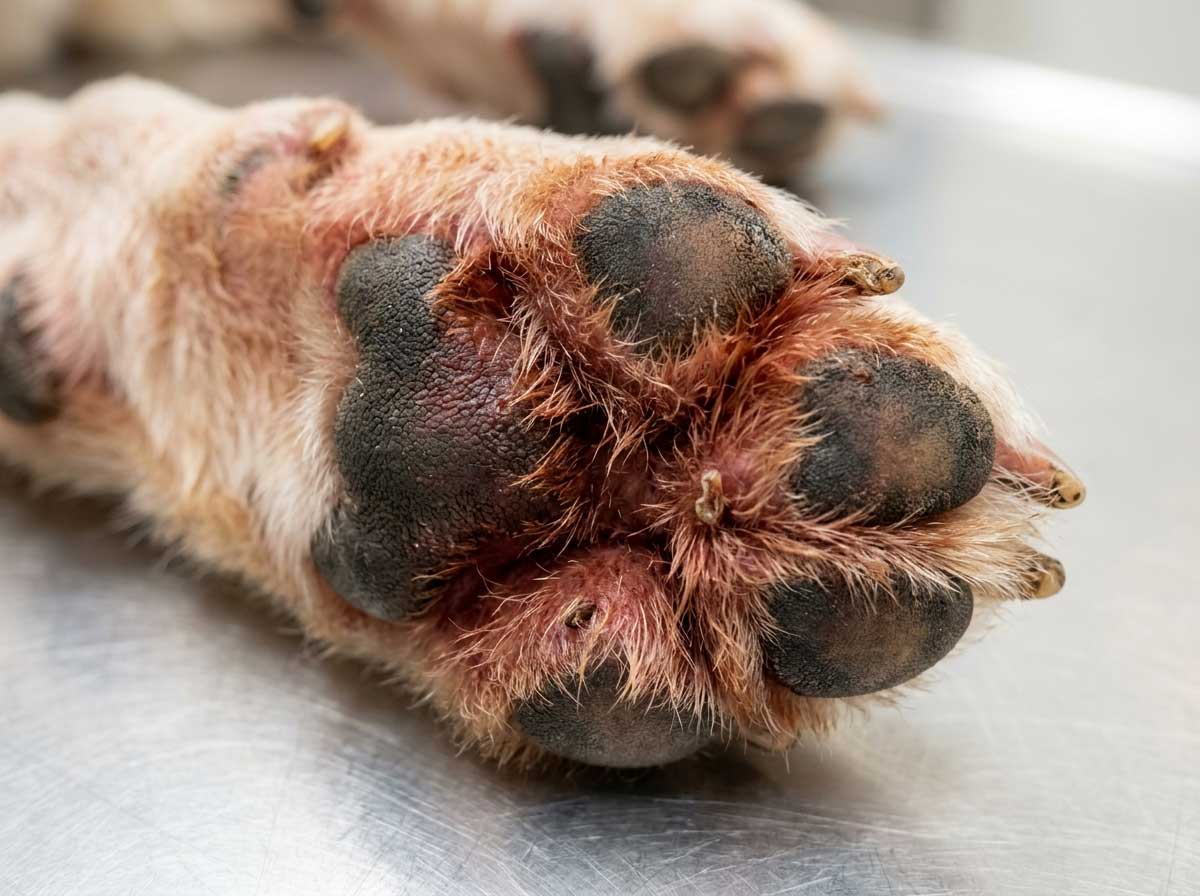
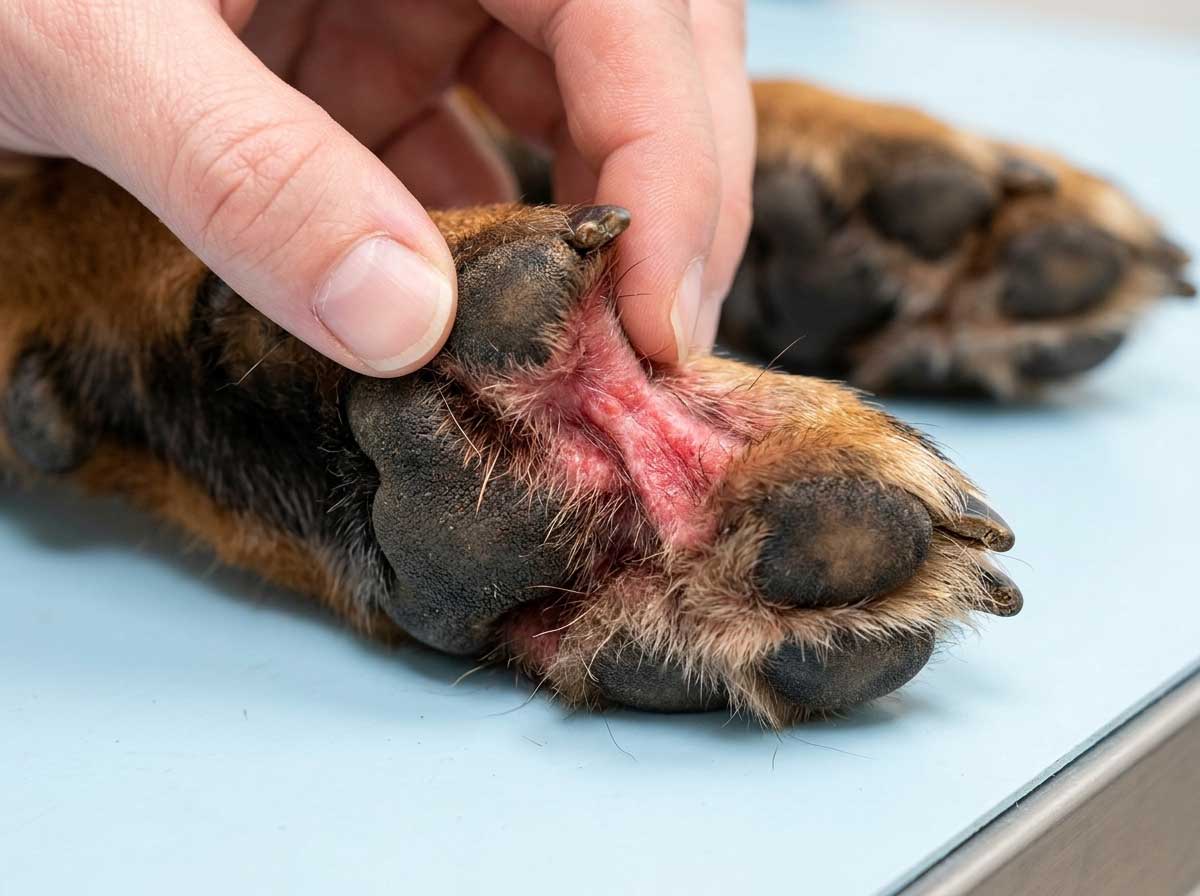
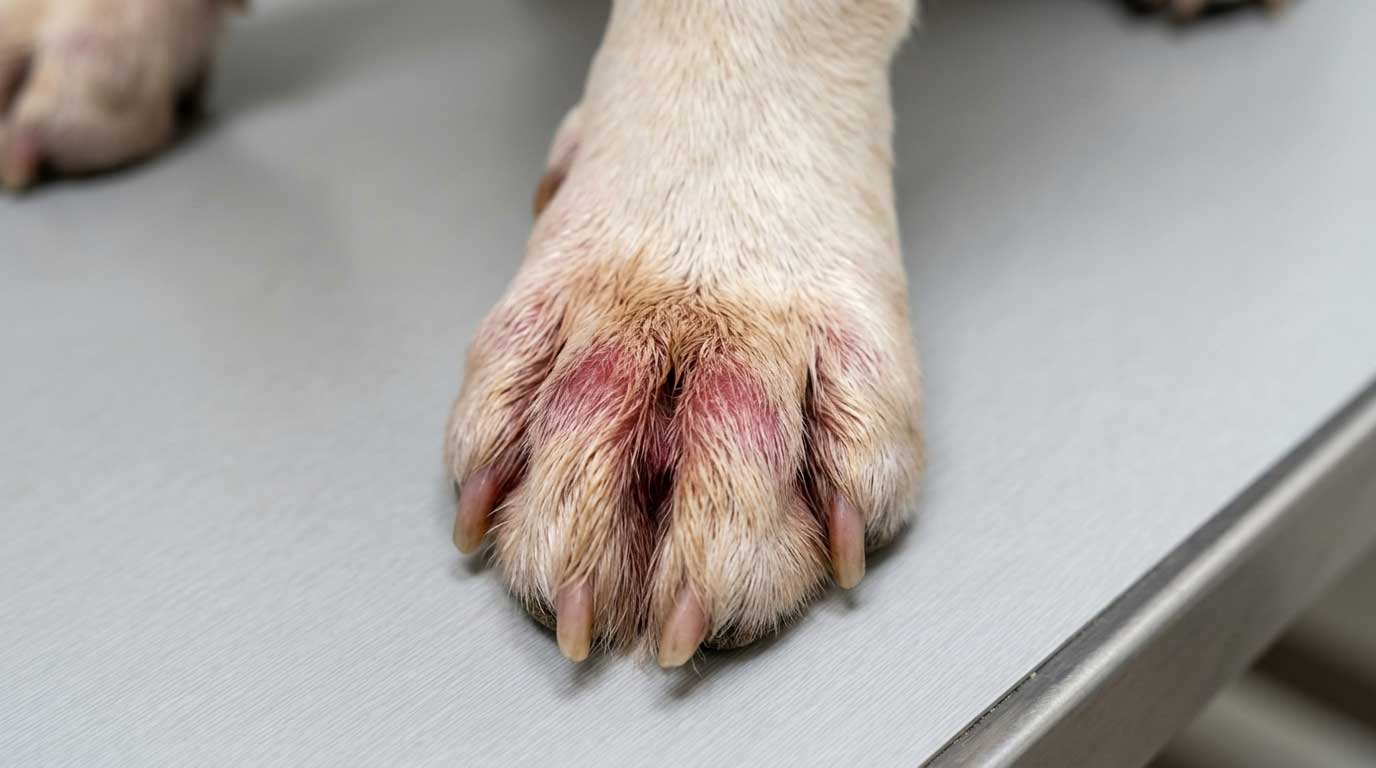
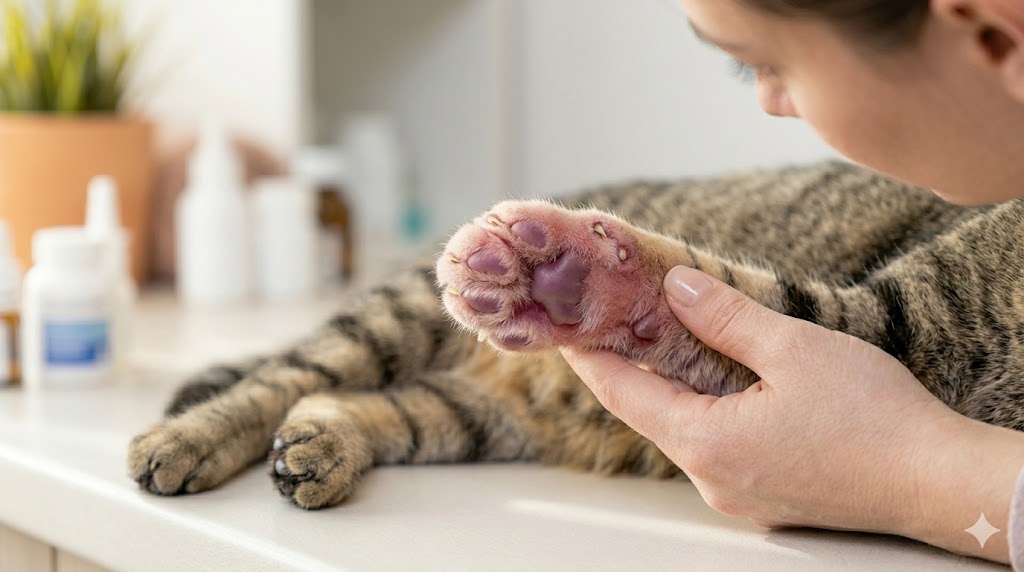
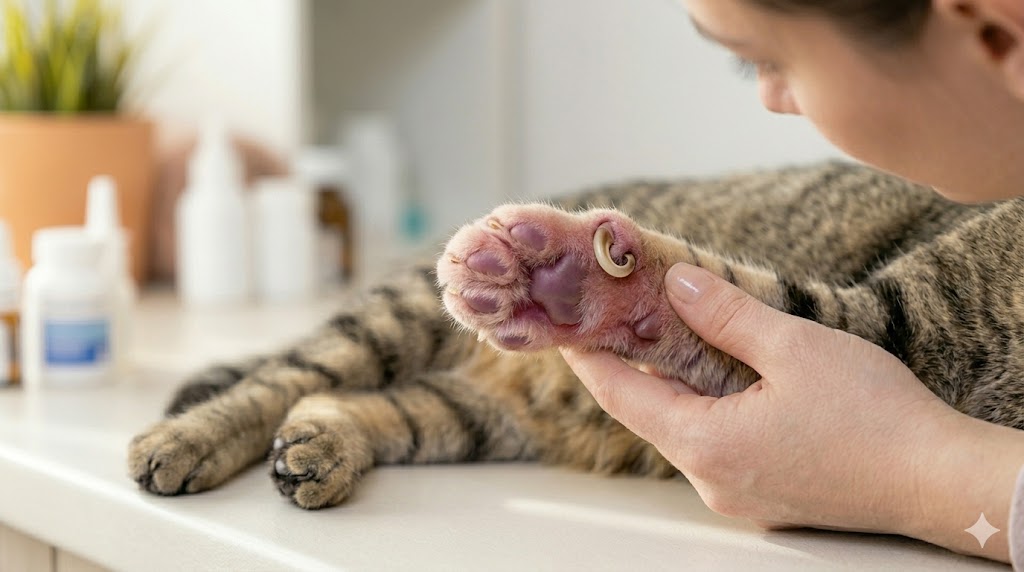
- ✓SWELLING of the affected toe — compare to adjacent toes
- ✓REDNESS around the nail bed
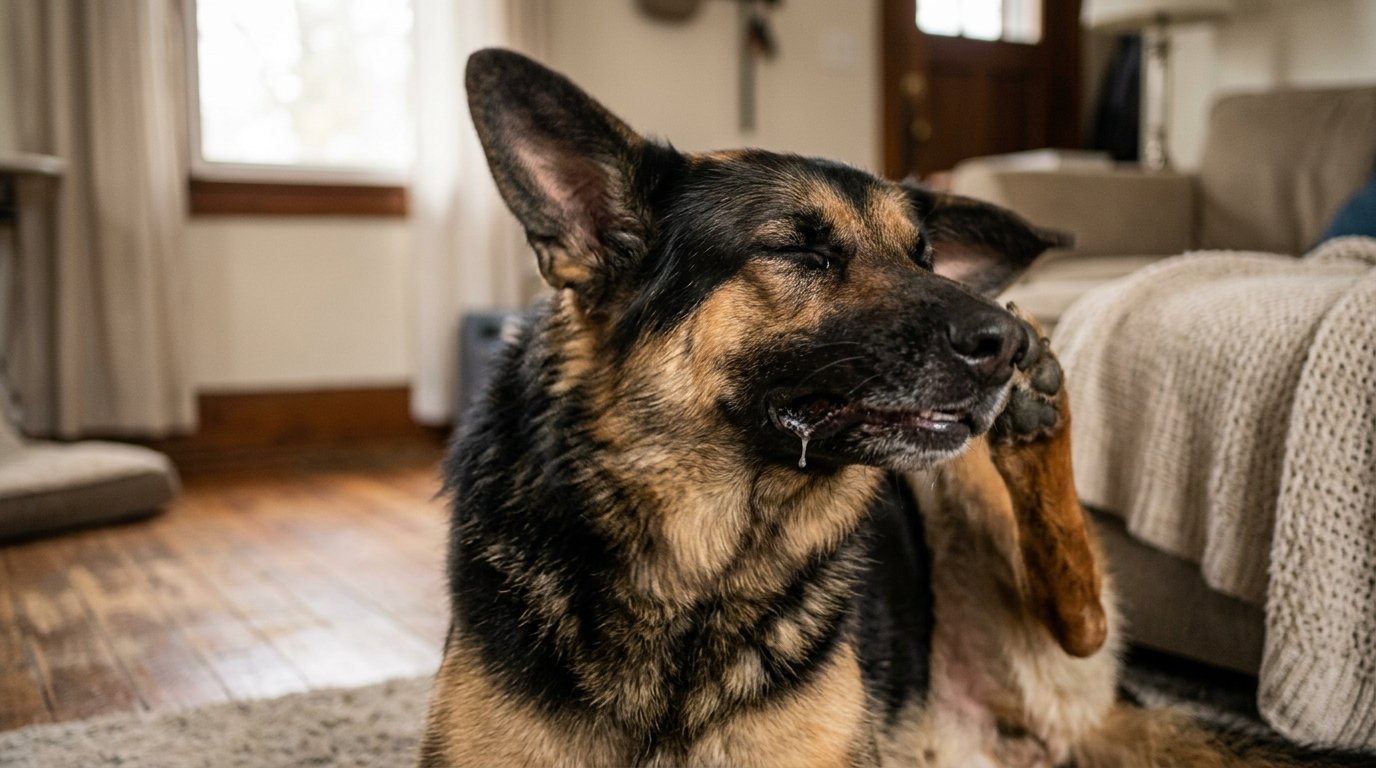
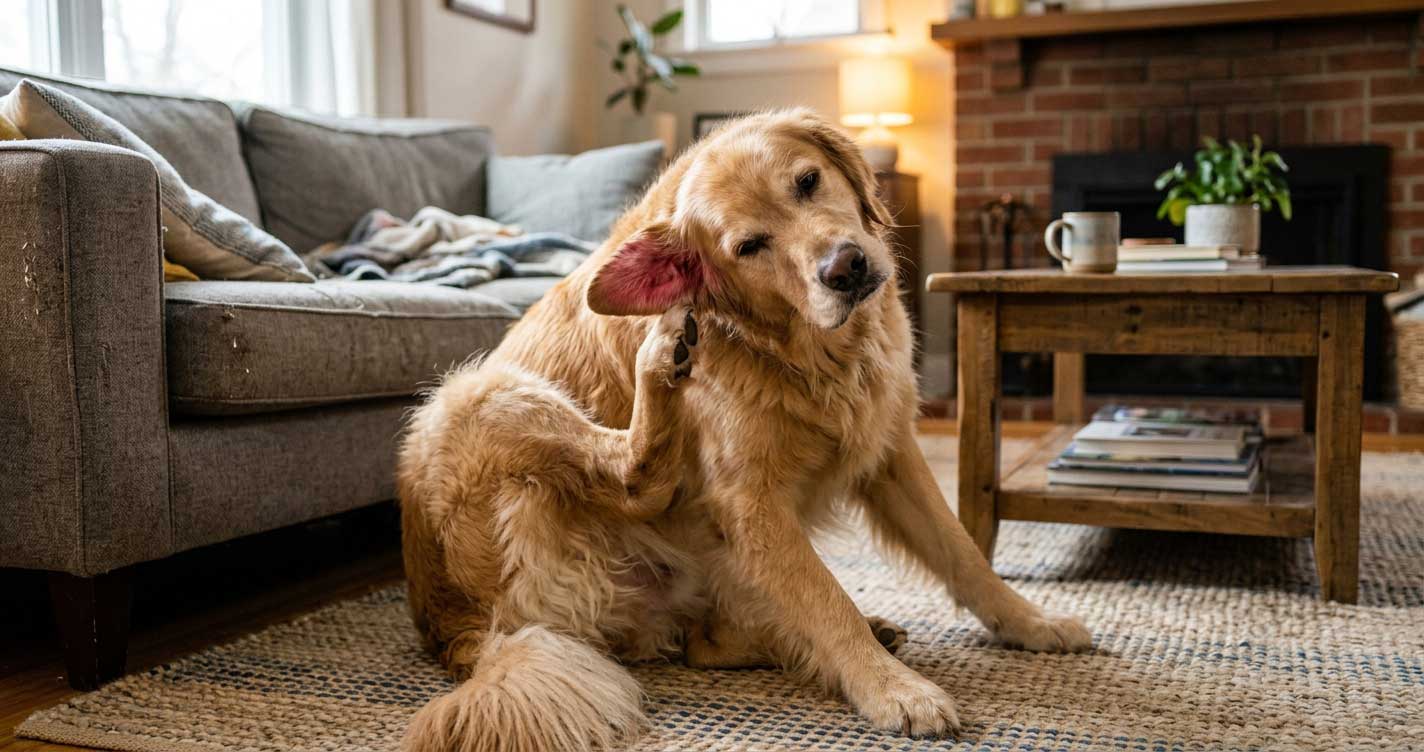
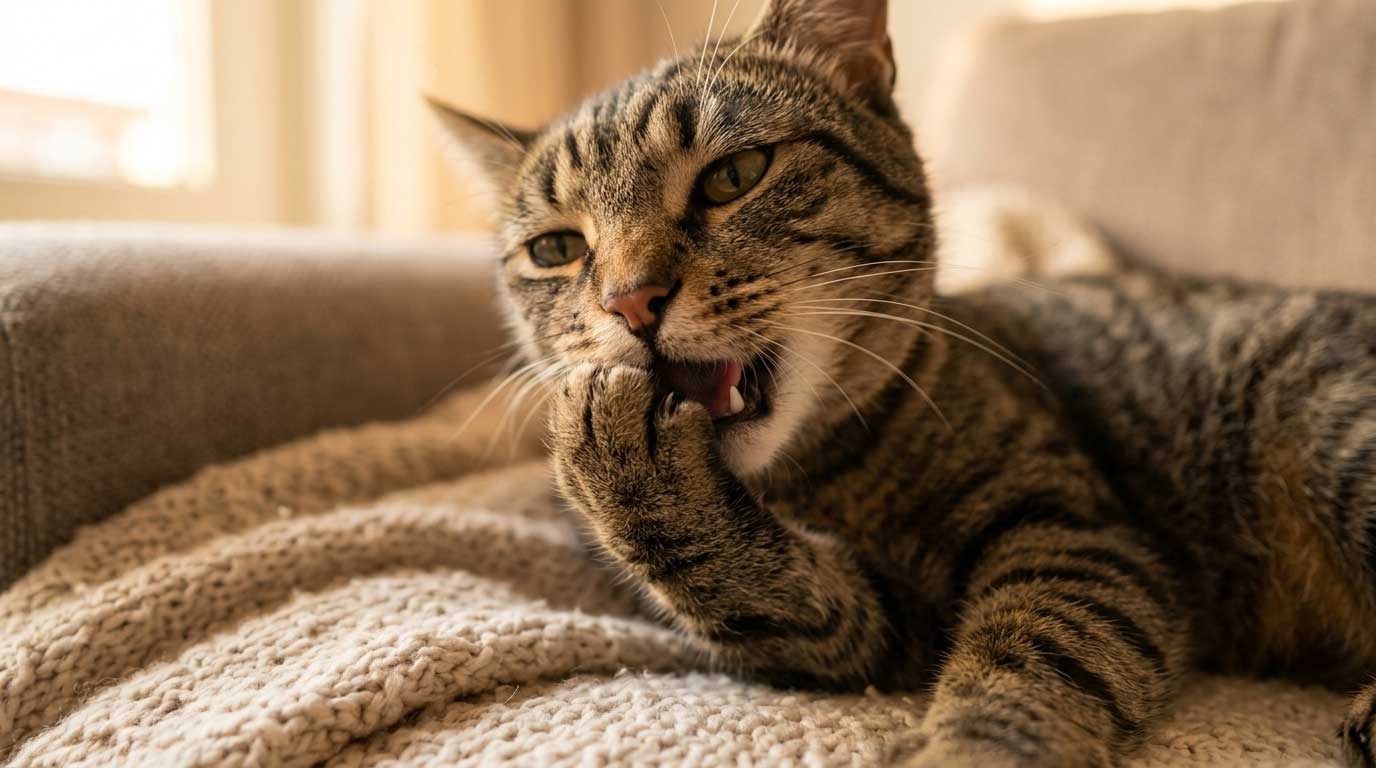
- ✓Dog LICKING the paw more than normal
- ✓Slight LIMPING or favoring the paw
- ✓Sensitivity when the toe is touched
Advanced Signs (Days 3-7+)
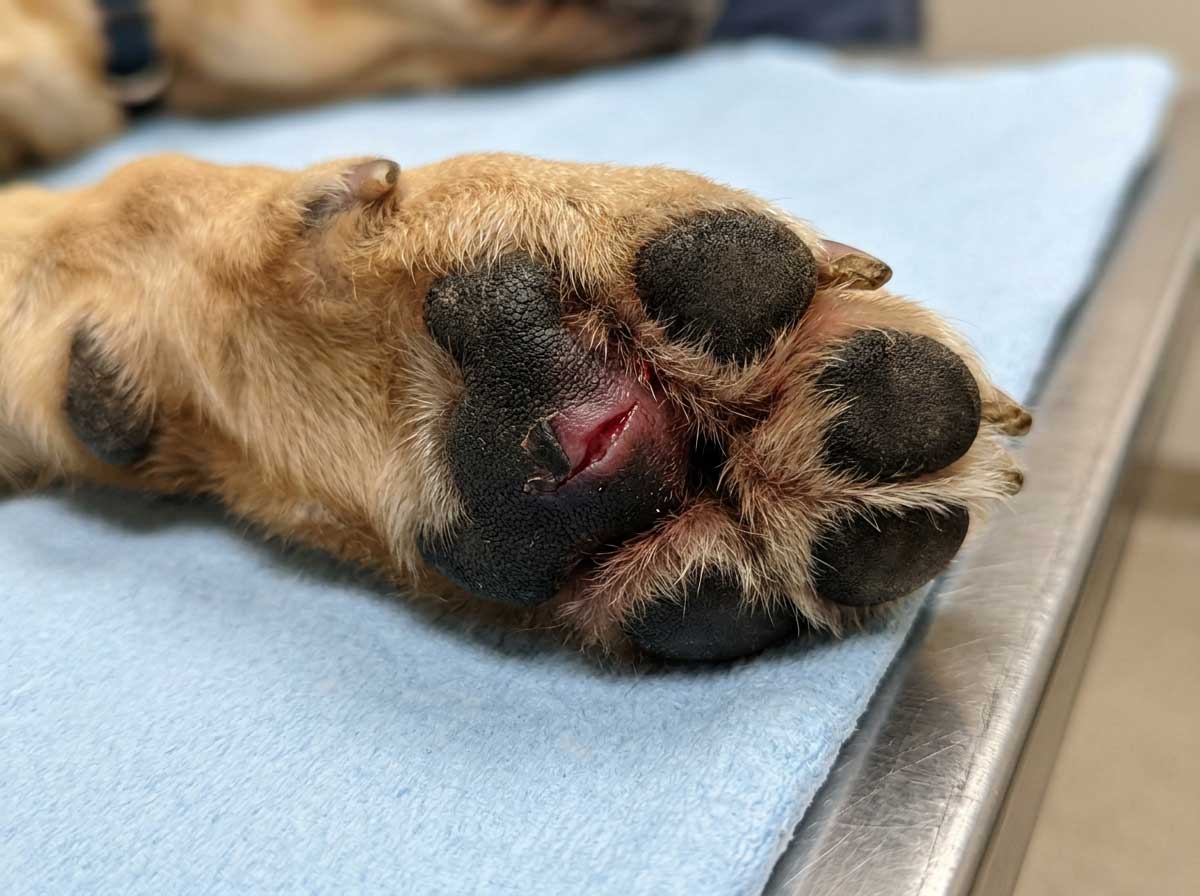
- ✓DISCHARGE from around the nail — yellow, green, cloudy, or blood-tinged pus
- ✓BAD SMELL from the paw (foul, rotten)
- ✓HEAT — affected toe feels warmer than others
- ✓Increased SWELLING extending beyond the nail area
- ✓Dog won't bear weight on the paw
- ✓Skin around the nail looks angry, inflamed, or develops crusts
- ✓Sometimes FEVER, lethargy, decreased appetite if infection is systemic
Severe / Emergency Signs
- ✓Red streaks extending up the leg (lymphangitis — spreading infection)
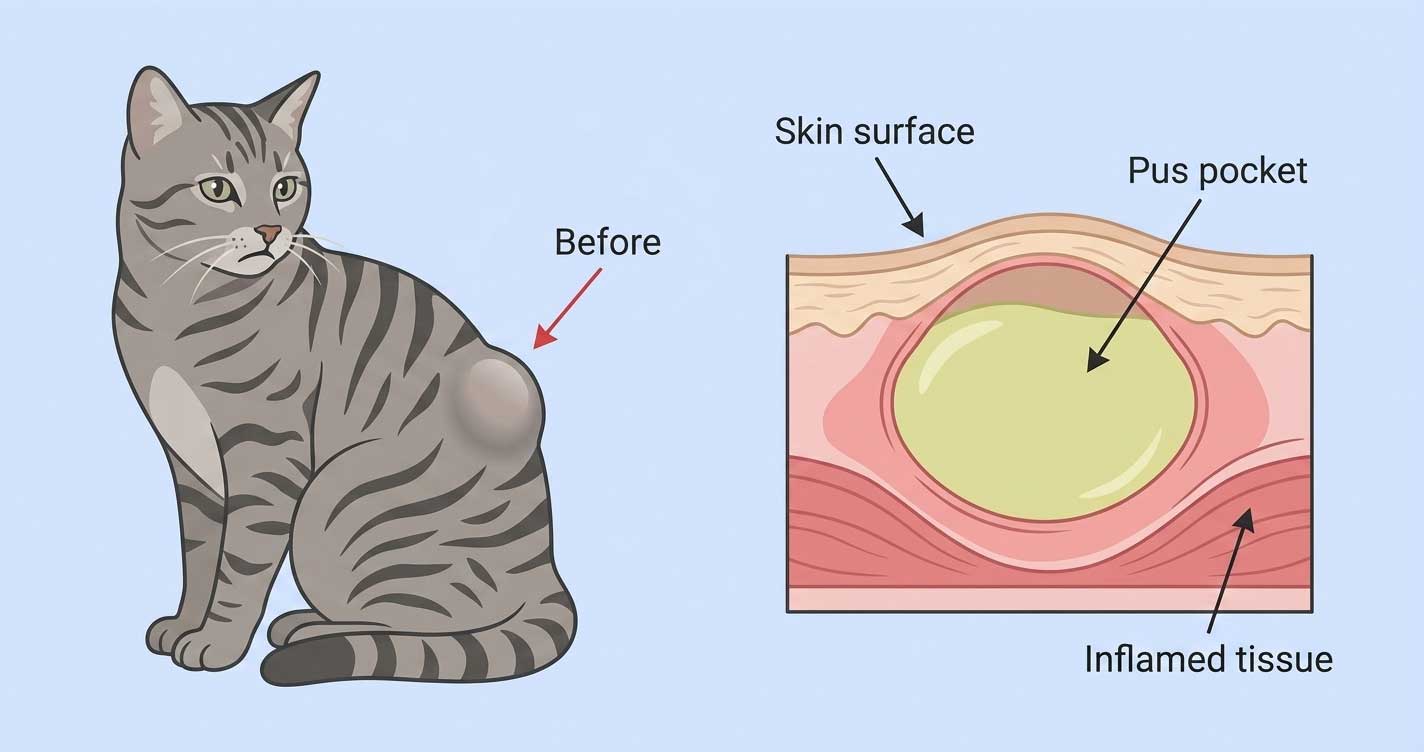
- ✓Obvious abscess formation (bulging fluid pocket)
- ✓Dog very ill — persistent fever, not eating, lethargic
- ✓Multiple nails infected simultaneously
- ✓Infection spreading to adjacent toes
Causes
- ✓UNTREATED BROKEN NAIL — #1 cause; bacteria enter through damaged area
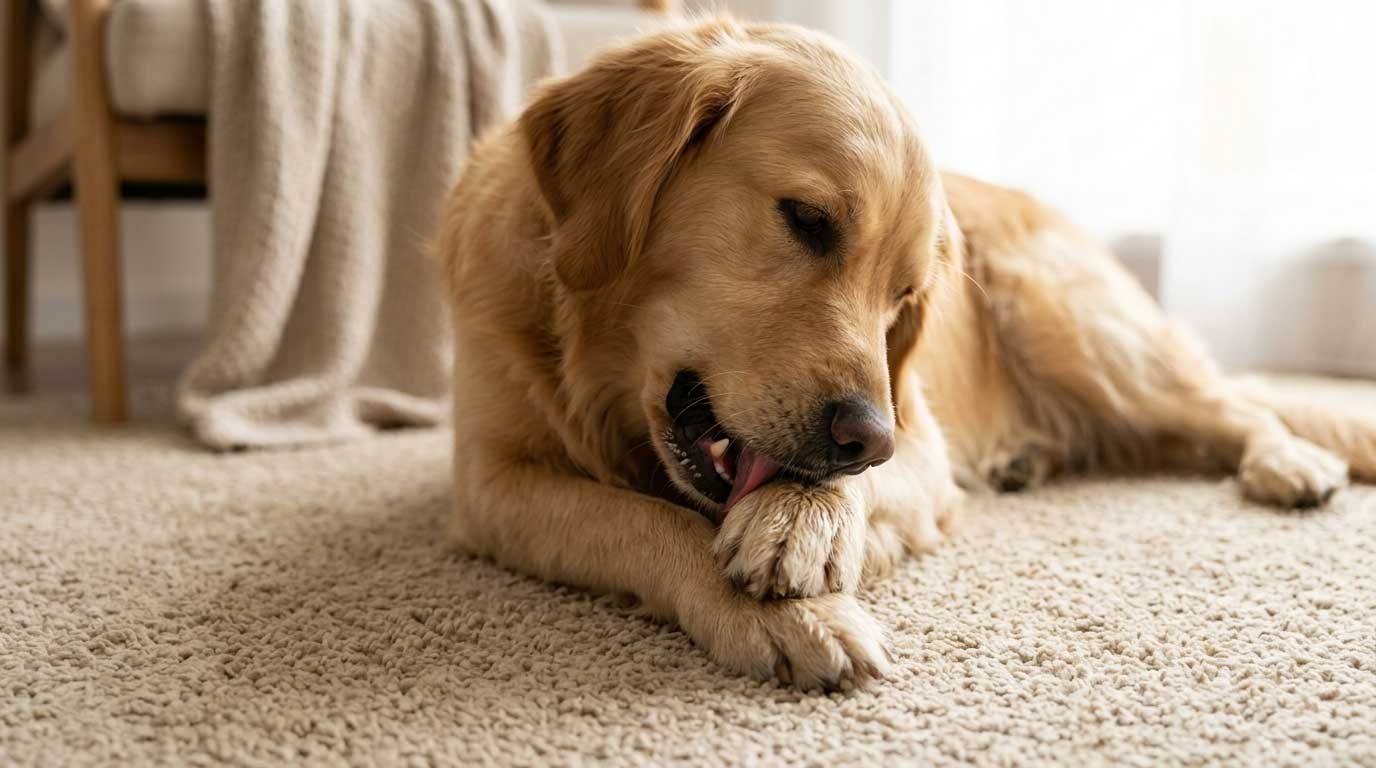
- ✓OBSESSIVE LICKING — saliva introduces bacteria, keeps area wet
- ✓FOREIGN BODY — grass awn, splinter, thorn trapped under nail
- ✓INGROWN NAIL cutting into paw pad
- ✓OVERGROOMING due to allergies or anxiety
- ✓AUTOIMMUNE conditions — lupoid onychodystrophy causes symmetric nail issues
- ✓FUNGAL INFECTION — less common than bacterial; often in specific climates
- ✓UNDERLYING DISEASE — diabetes, immune suppression, hypothyroidism can predispose to recurrent infections
- ✓MULTIPLE infected nails at once = underlying condition likely; needs workup
Treatment
Vet Visit Required
Nail bed infections DO NOT resolve without antibiotics. Home cleaning alone is insufficient once infection is established. The vet will:
- ✓Perform a physical exam
- ✓Sometimes take a culture (swab discharge) to identify specific bacteria
- ✓Prescribe oral antibiotics — typically cephalexin, clindamycin, or amoxicillin-clavulanate
- ✓Prescribe pain medication
- ✓Possibly remove any remaining damaged nail under sedation
- ✓Apply a protective bandage
- ✓Dispense e-collar
Antibiotic Duration
- ✓Mild infection: 10-14 days
- ✓Moderate: 14-21 days
- ✓Severe or recurring: 3-4 weeks, sometimes longer
- ✓Multiple nails / underlying disease: 4-6 weeks plus addressing the root cause
IMPORTANT: complete the full antibiotic course even if the infection looks better after a few days. Stopping early allows surviving bacteria to regrow and causes recurrence.
Supportive Home Care Alongside Antibiotics
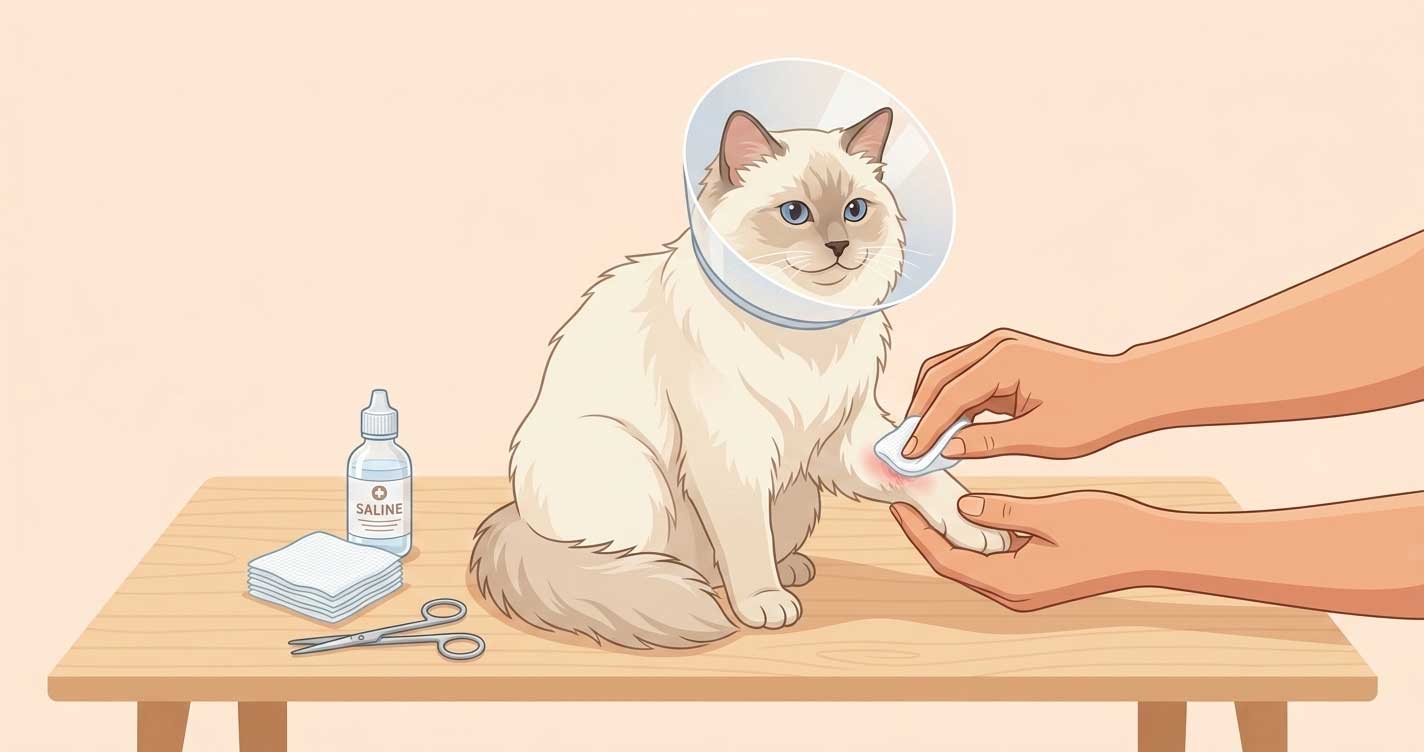
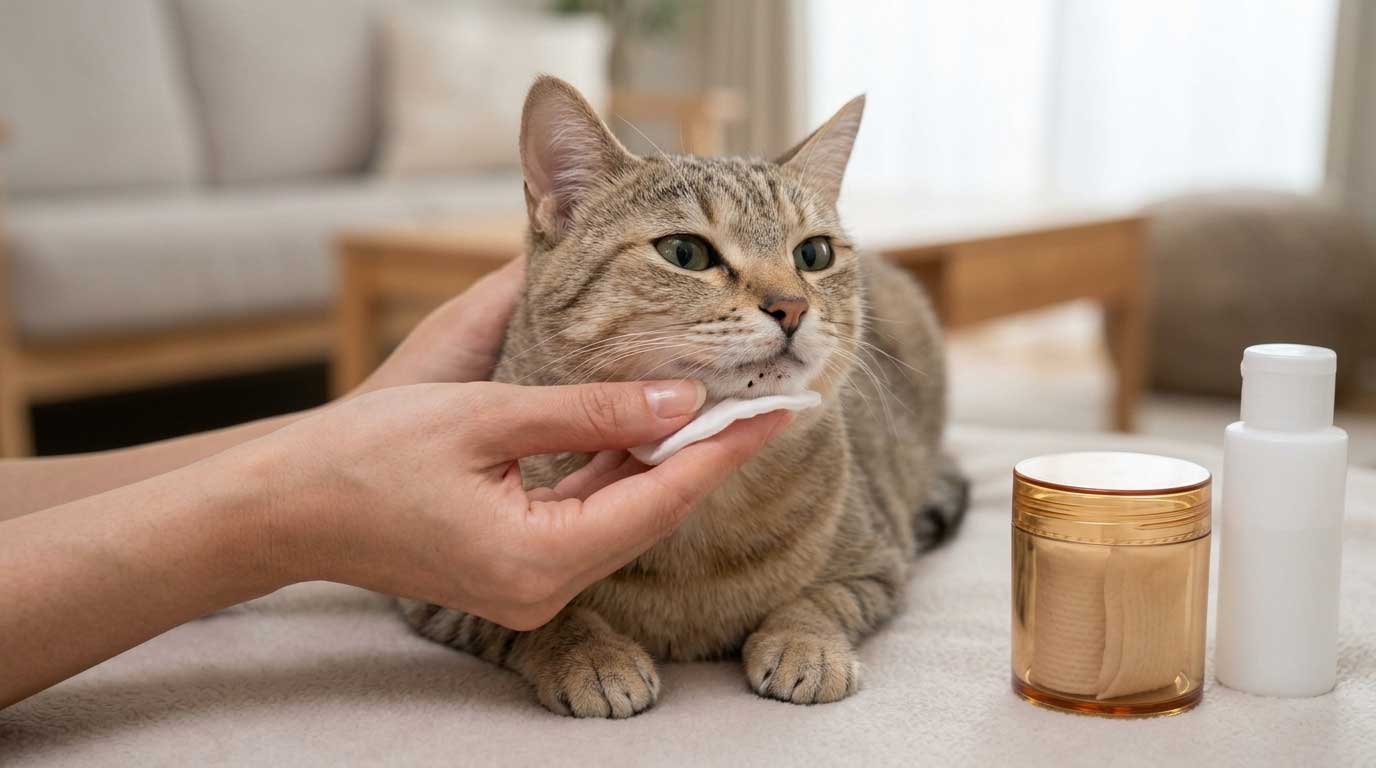
- ✓DAILY gentle cleaning with diluted chlorhexidine 2% solution — 1-2x daily for 2-3 weeks
- ✓WARM COMPRESSES — clean wet cloth held gently for 5-10 minutes, 2-3x daily; draws inflammation, eases pain
- ✓KEEP PAW DRY between cleanings — moisture slows healing
- ✓E-COLLAR — non-negotiable; licking reintroduces bacteria
- ✓LIMITED activity — short leash walks only for first week
- ✓Soft bedding, minimize hard-floor walking
- ✓MONITOR daily for improvement or worsening
What NOT to Do
- ✓Skip the antibiotics — home remedies alone won't cure it
- ✓Use Neosporin as primary treatment (OK as adjunct at skin level)
- ✓Apply hydrogen peroxide — damages healing tissue
- ✓Wrap paw tightly — cuts circulation
- ✓Let the dog lick — no matter how "clean" their mouth seems
- ✓Stop antibiotics when it looks better — causes recurrence
- ✓Ignore early signs — mild infection becomes severe quickly
Recovery Timeline
- ✓Days 1-3: starting antibiotics; symptoms often worsen slightly before improving
- ✓Days 3-5: swelling decreases; discharge lessens; dog more comfortable
- ✓Week 2: marked improvement; dog walking more normally
- ✓Week 3-4: infection resolved; nail bed healing
- ✓Month 2-3: new nail growth visible
- ✓Month 4-6: full nail regrowth (may be slightly abnormal after severe infection)
When to Go Back to the Vet
- ✓No improvement after 3-5 days of antibiotics
- ✓Infection spreads to adjacent toes
- ✓Dog becomes systemically ill (fever, lethargy, not eating)
- ✓Abscess forms (visible fluid-filled lump)
- ✓Antibiotics finished but infection returns
- ✓Red streaks extending from toe up leg
Recurrent or Multiple Infected Nails?
If your dog has multiple nails infected at once, or keeps getting nail infections, there's likely an underlying condition. Possibilities:
- ✓Lupoid onychodystrophy — autoimmune; affects multiple nails symmetrically
- ✓Diabetes mellitus — weakens immune response; recurrent infections common
- ✓Hypothyroidism — skin/coat/nail health affected
- ✓Cushing's disease — immune suppression from excess cortisol
- ✓Allergies causing obsessive licking — constant moisture + trauma
- ✓Immune suppression from other causes
Workup: bloodwork (CBC, chemistry, thyroid panel, Cushing's screen if indicated), sometimes nail biopsy. Correct diagnosis changes treatment significantly — just treating the current infection without addressing the underlying cause leads to endless recurrence.
Prevention
- ✓Treat any broken nail promptly and properly
- ✓Don't let broken nails "just heal on their own" without cleaning
- ✓Use e-collar any time paw is licked obsessively
- ✓Regular nail trimming to prevent breakage
- ✓Monthly home paw check — look for redness, swelling, discharge
- ✓Quality nutrition for immune health
- ✓Flea prevention (flea allergy causes paw licking → infection)
- ✓Address allergies that cause paw licking
Worried your dog's nail might be infected? Upload a photo — AI identifies the classic paronychia signs (swelling, discharge, redness) and tells you how urgent this is.
Infected Nail Check
Upload a photo — AI identifies infection signs and tells you how quickly you need to see a vet.
Disclaimer: This article is for informational purposes only and is not a substitute for professional veterinary advice. Always consult a licensed veterinarian for diagnosis and treatment of your pet's health conditions.