Overweight Cat Life Expectancy: What the Research Actually Shows
Obese cats live shorter lives and suffer more during the years they do have. Here is what the research shows about feline obesity and lifespan — and what you can do about it.
Published 2026-04-20
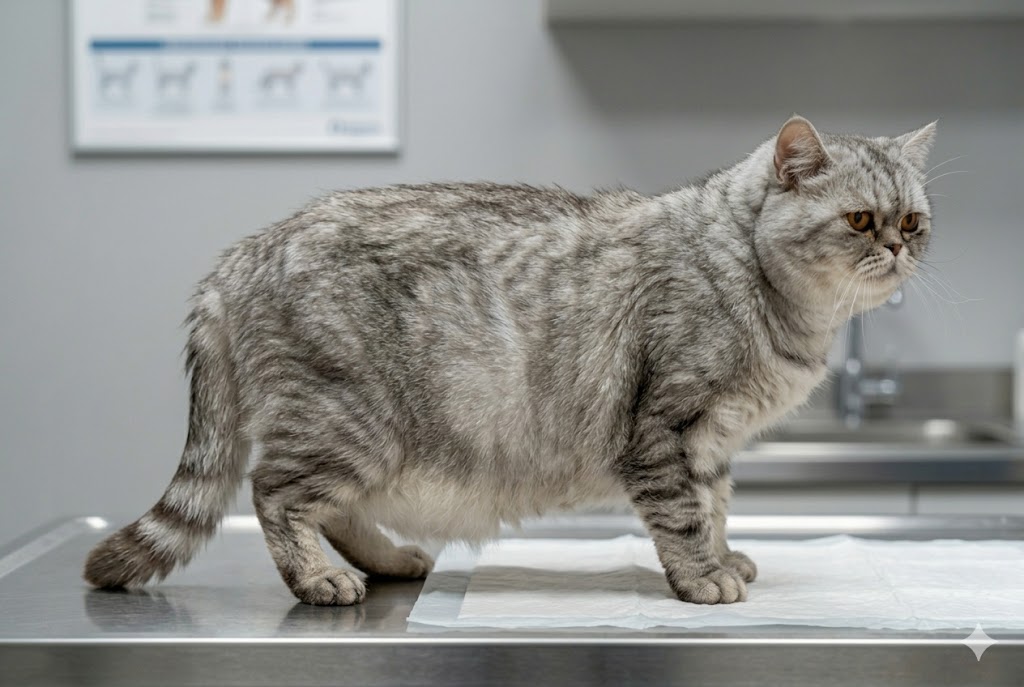
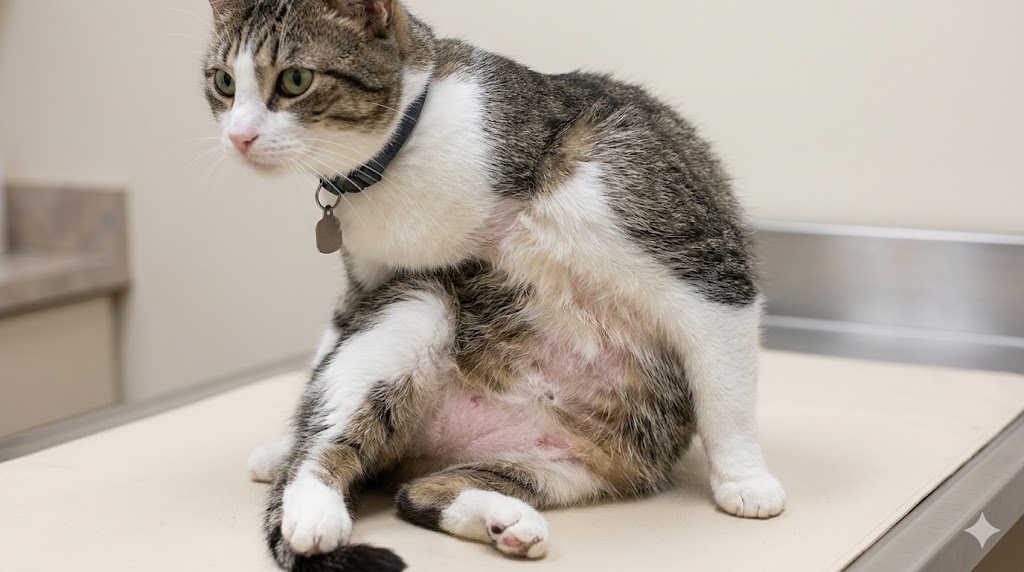
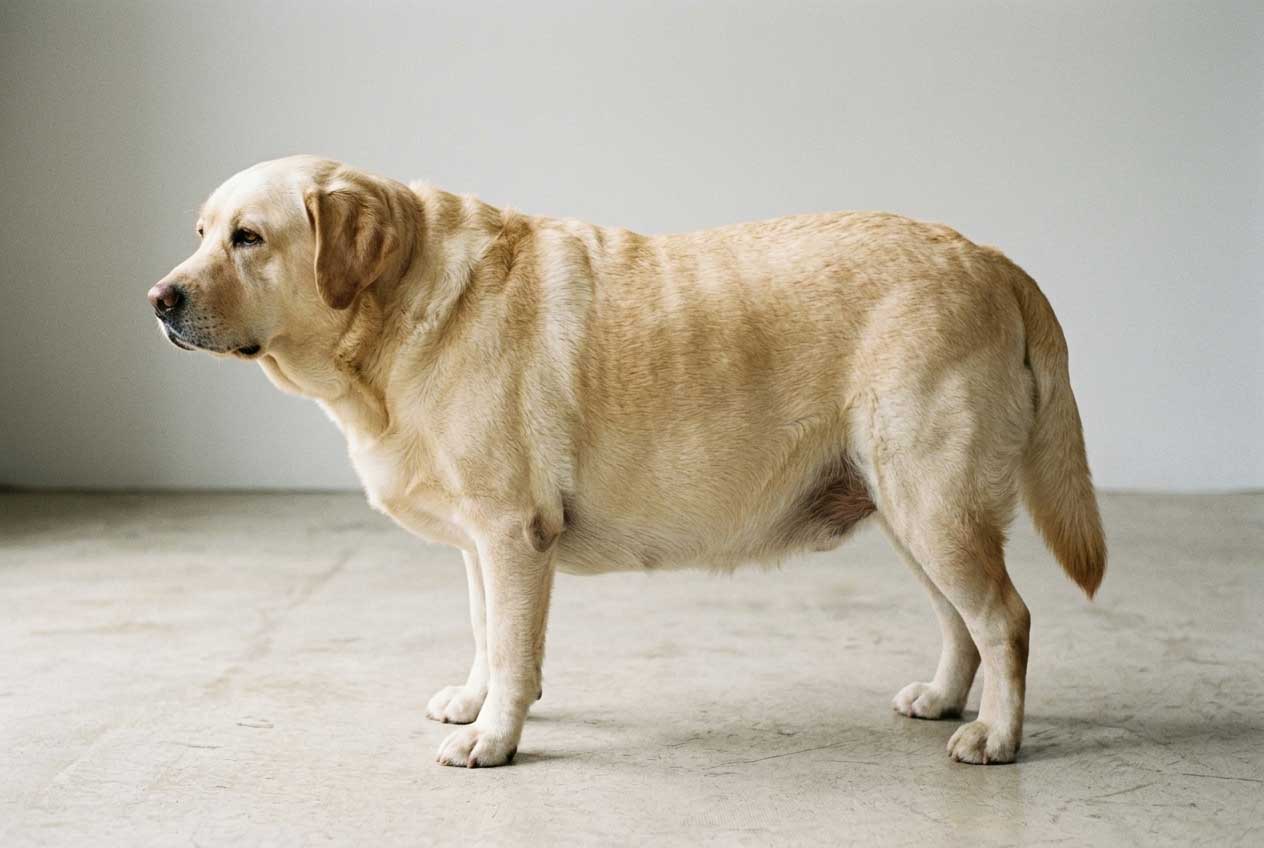
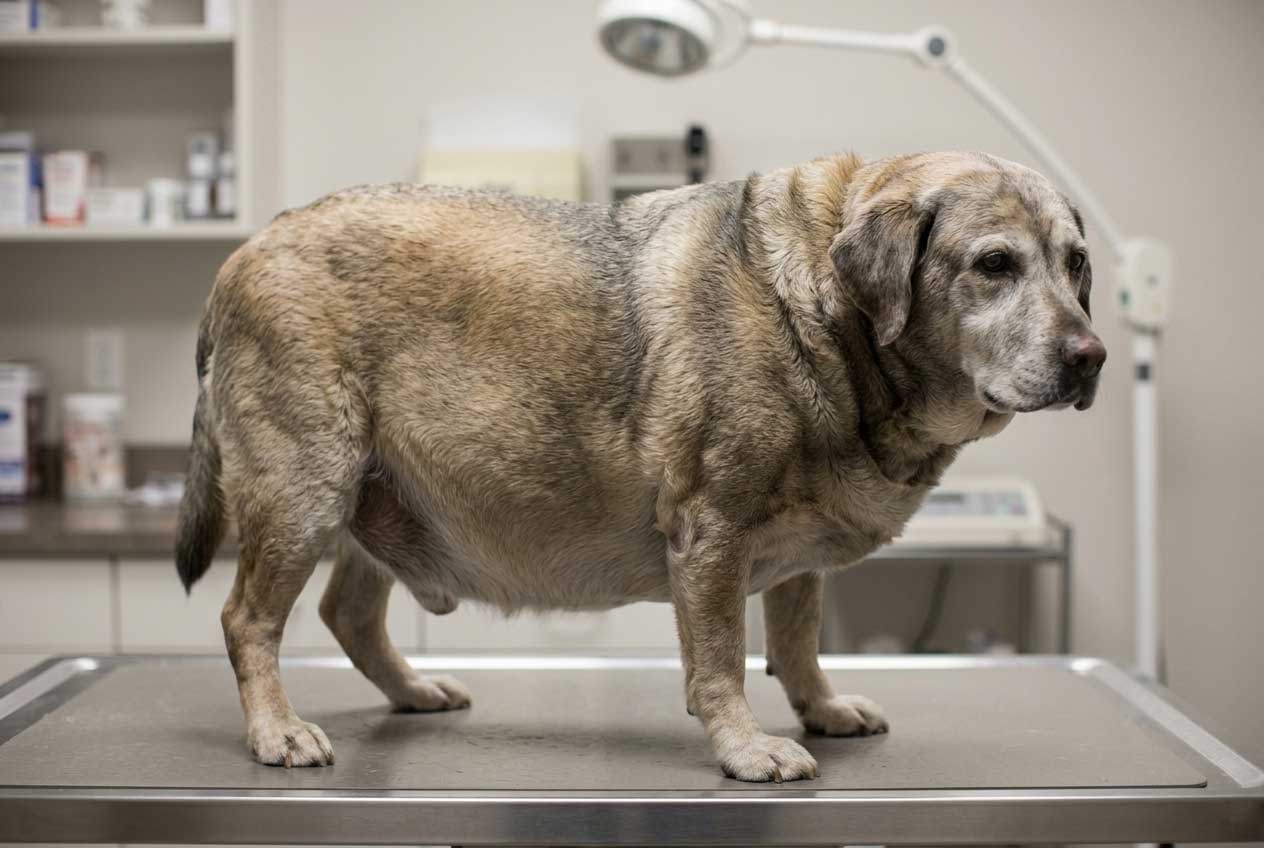
It is hard to look at your plump, purring cat and see a health crisis. But the research on feline obesity and lifespan is clear: overweight cats die earlier, develop serious diseases younger, and often suffer from preventable pain in their middle years. Here is what you need to know — and more importantly, what you can do.
How Much Does Obesity Reduce a Cat's Lifespan?
The data on exact years of lifespan reduction in cats is less complete than in dogs, but significant studies exist. A large UK study of over 50,000 cats found that obese cats had higher risks of all-cause mortality — with particularly elevated risks of dying from diabetes, urinary conditions, and non-traumatic lameness conditions related to weight. Neutered male cats — the group at highest obesity risk — had elevated mortality rates with increasing body weight beyond the ideal range.
In practical terms, researchers and veterinary nutritionists generally estimate that maintaining ideal body condition can add 2–5 years to a cat's life compared to chronically overweight status — though individual variation is high depending on specific diseases developed.
The Specific Conditions That Shorten Overweight Cats' Lives
Feline Diabetes Mellitus
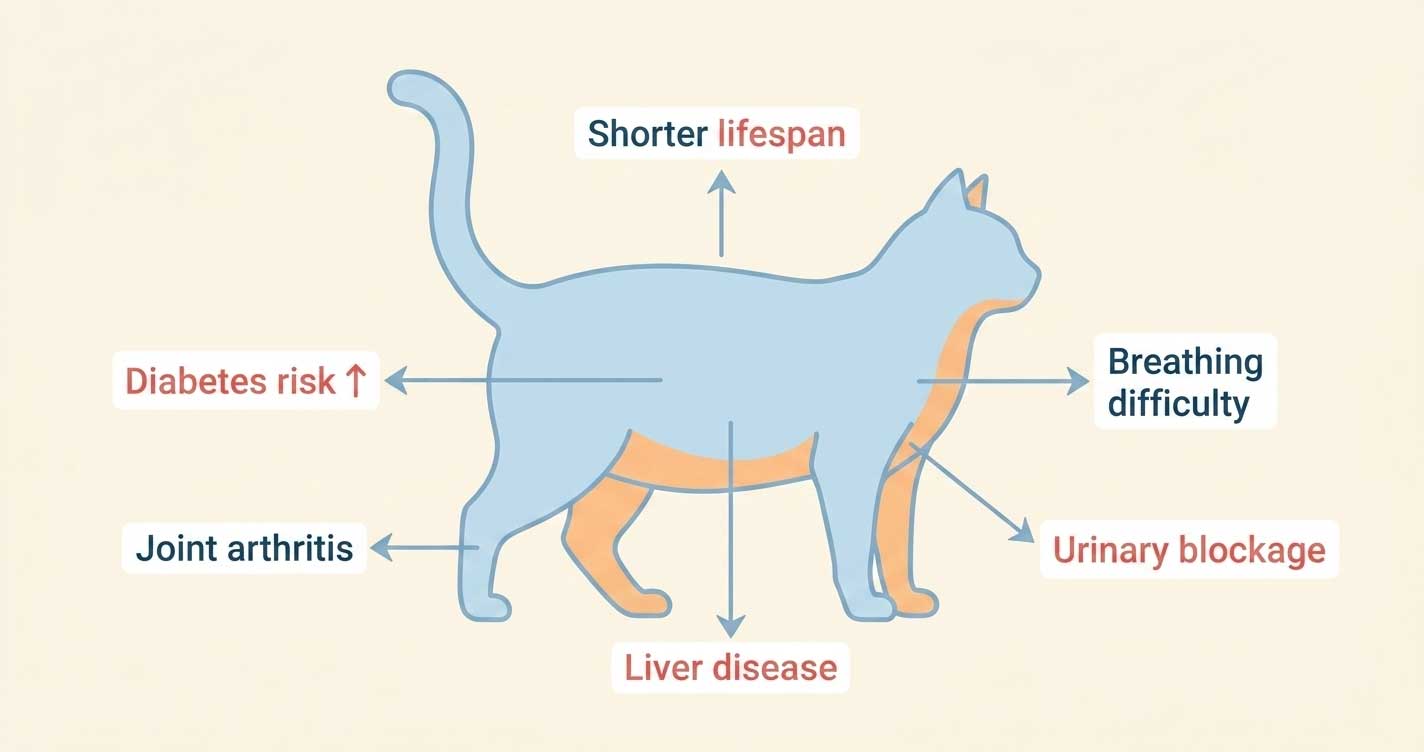
Obese cats have a 3–5× higher risk of developing type 2 diabetes compared to lean cats. The mechanism: excess body fat causes insulin resistance — cells stop responding normally to insulin — and eventually the pancreas burns out trying to compensate. Diabetic cats require daily insulin injections, frequent veterinary monitoring, and often develop serious complications. The critical insight: cats who lose weight BEFORE developing diabetes can often completely prevent it. Cats who develop diabetes but then lose weight and switch to a high-protein, low-carbohydrate diet can sometimes achieve diabetic remission — their insulin requirement drops to zero. Weight management is the single most powerful tool for feline diabetes prevention and management.
Hepatic Lipidosis (Fatty Liver Disease)
Hepatic lipidosis is a unique feline condition with no close equivalent in other species. When a cat stops eating for any reason — illness, stress, a diet change they dislike — the liver rapidly mobilizes fat reserves for energy. In an obese cat, this happens so quickly that the liver becomes overwhelmed with fat, causing organ failure. The more obese the cat, the more severe the hepatic lipidosis risk from any episode of appetite loss. This is why aggressive DIY "crash dieting" in obese cats is dangerous — and why any obese cat who stops eating for more than 24–48 hours needs urgent veterinary care. Hepatic lipidosis has a high mortality rate if untreated but responds well to aggressive supportive care if caught early.
Degenerative Joint Disease (Arthritis)
Arthritis is often silent in cats — they do not yelp or whine like dogs. Instead, they stop jumping, avoid high perches they used to love, become less interactive, and show subtle posture and gait changes. Studies show that overweight cats have significantly higher rates and severity of degenerative joint disease. A cat at BCS 7 carries substantially more load on every joint with every step. The chronic pain of untreated arthritis significantly degrades quality of life — and cats are masters at hiding it until the disease is advanced.
Lower Urinary Tract Disease (FLUTD) and Urethral Obstruction
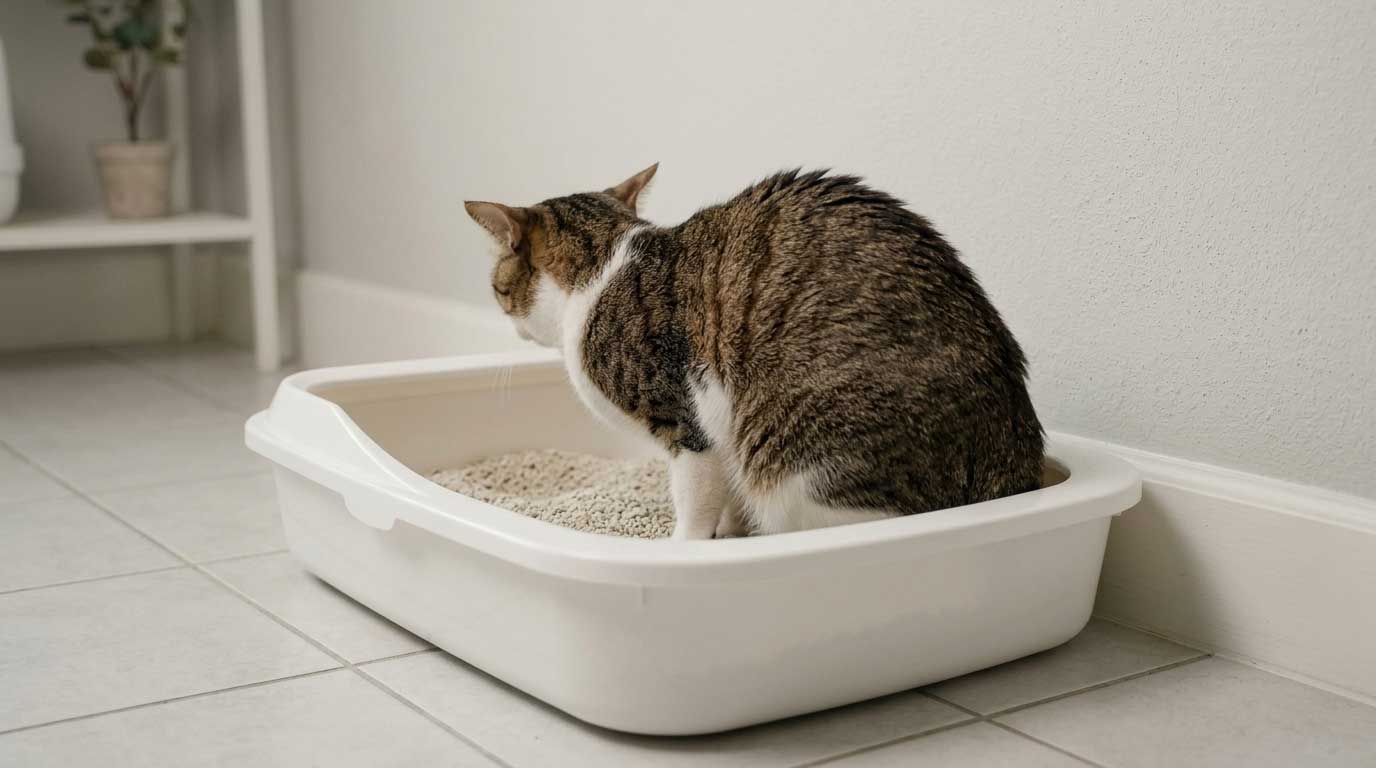
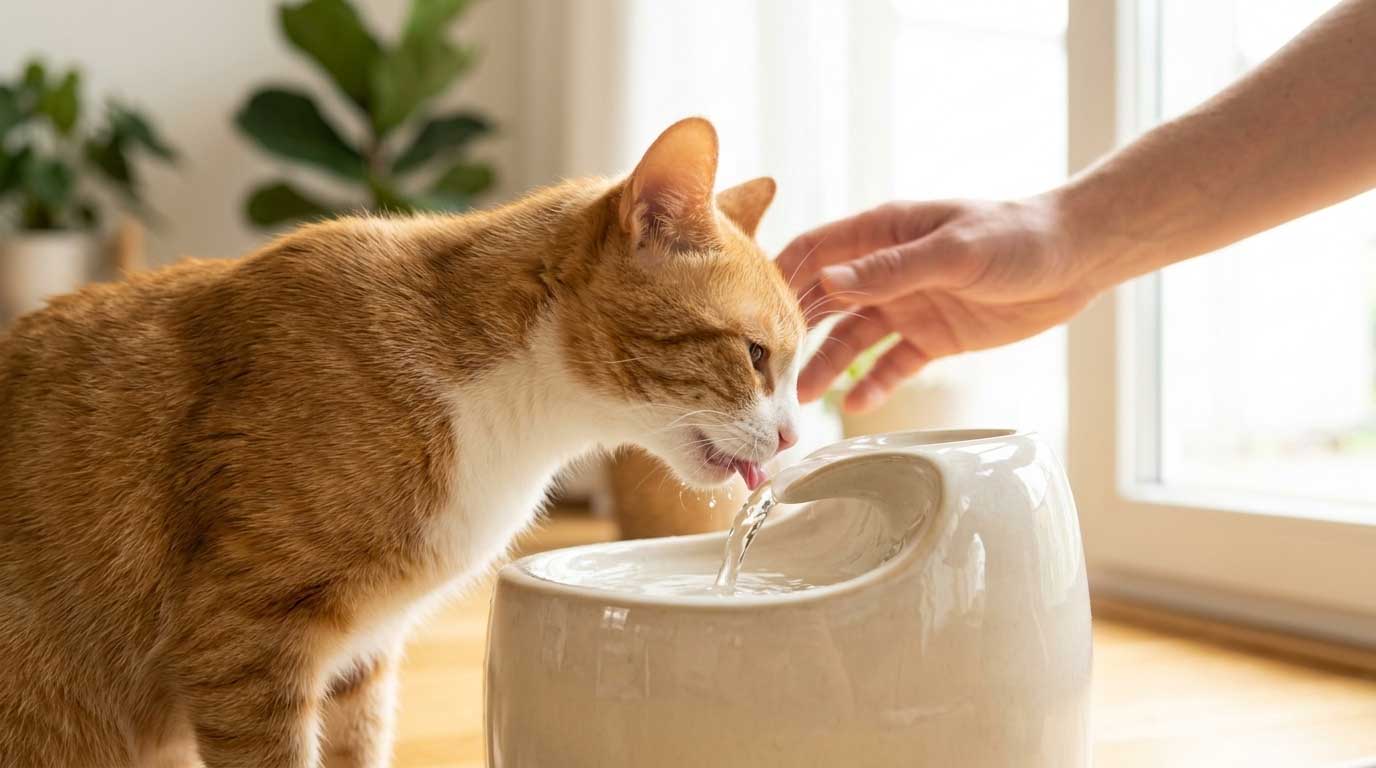
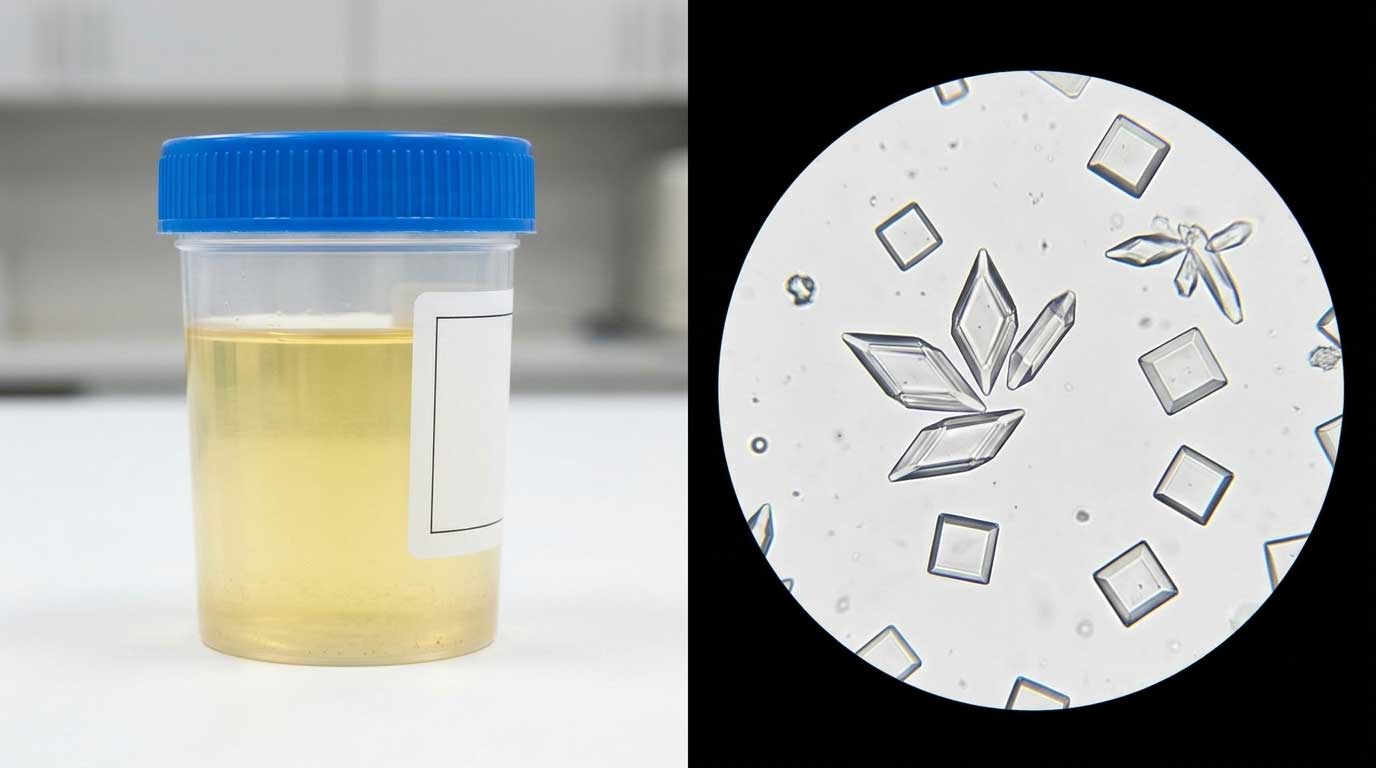
Overweight male cats have a higher risk of urethral obstruction — a potentially fatal condition where a plug of crystals, mucus, or a spasm blocks urine flow. This is a true emergency (death within 24–72 hours without treatment). Obesity, sedentary lifestyle, dry food diet, and low water intake all contribute. Weight loss, increased hydration (wet food), and reduced stress are primary preventive factors.
What Overweight Looks Like Over a Cat's Life
Year 1–3 post-neuter: the weight creep begins. Imperceptible initially. Year 4–6: the cat is noticeably heavier. Still playful but tires faster. Arthritis begins in joints silently. Year 7–9: obesity is established. The cat is much less active, jumps less, sleeps more. Diabetes risk is now significantly elevated. Any illness that reduces appetite puts the cat at hepatic lipidosis risk. Year 10+: chronic disease burden accumulates. Arthritis, possible diabetes, kidney disease, and liver changes from chronic fat mobilization combine to reduce quality of life significantly in the years the cat does have.
The Good News: It's Reversible
Unlike some genetic conditions, obesity-related damage is largely reversible with weight loss — especially if caught before permanent organ damage occurs. Studies show that obese cats who lose weight experience: significant improvement in mobility and willingness to play; decreased arthritic pain (some cats who were previously unwilling to jump begin jumping again); reduced insulin requirements in early diabetic cats (some achieve remission); improved liver values in cats with obesity-related hepatopathy; and lower risk of urinary disease.
The earlier weight management begins, the more of the damage is preventable versus reversible. A cat going from BCS 6 to BCS 5 at age 5 will likely live a longer, healthier, more active life than the same cat at BCS 7 who starts a weight loss program at age 9 — though even the latter is worth doing.
Starting the Process
- ✓First: assess current body condition (BCS 1–9) — you need to know where you are starting from
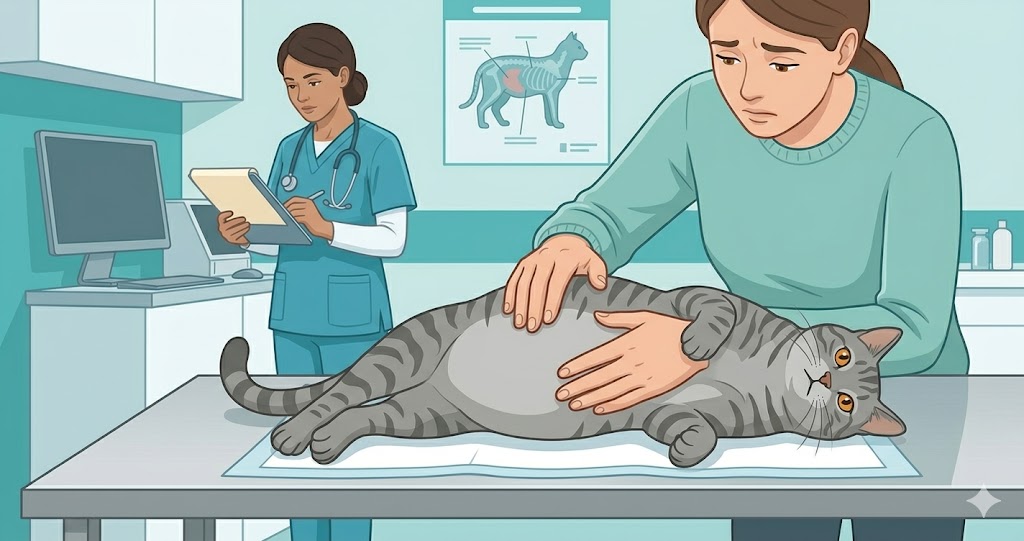
- ✓Vet visit: rule out underlying conditions, get blood glucose and thyroid checked, get a target weight
- ✓Switch to high-protein, low-carbohydrate wet food as the primary diet
- ✓Weigh food on a kitchen scale — cups are wildly inaccurate
- ✓Feed 2–3 measured meals per day; no free-choice
- ✓Add two daily interactive play sessions (10–15 min each)
- ✓Recheck BCS every 4 weeks; target 1–2% body weight loss per week maximum
- ✓NEVER crash diet — hepatic lipidosis is a real risk in obese cats who eat too little
Is your cat's weight a concern?
Upload a side view and top-down photo — AI assesses your cat's body condition score (BCS 1–9). If your cat is overweight, you'll get specific diet and play recommendations to start extending those healthy years.
Disclaimer: This article is for informational purposes only and is not a substitute for professional veterinary advice. Always consult a licensed veterinarian for diagnosis and treatment of your pet's health conditions.