How to Tell If Your Dog Is Fat: 3 Simple Checks at Home
Is your dog overweight or just fluffy? Learn the 3 home checks vets use to assess dog body condition — the rib test, waist check, and belly tuck — with no scale required.
Published 2026-04-20
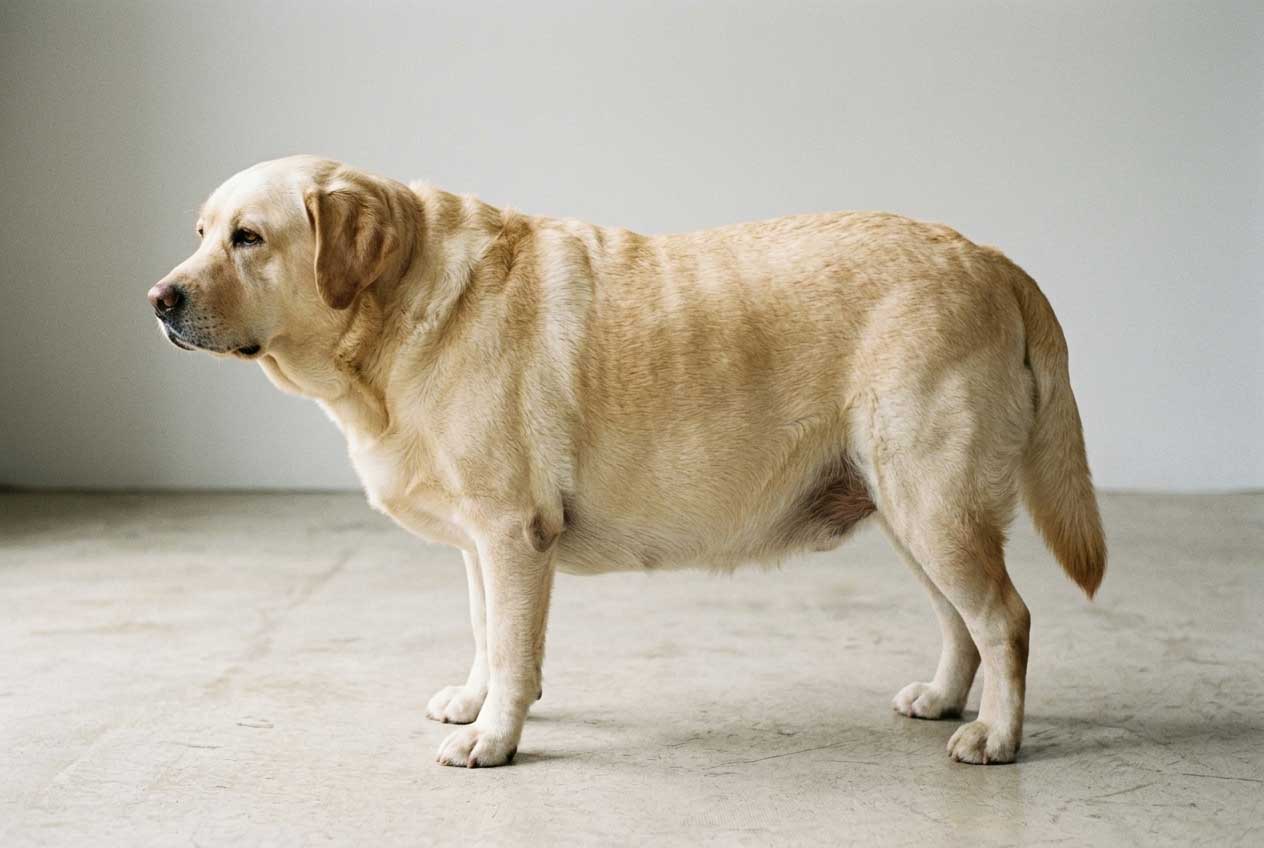
More than half of dogs in the US are overweight or obese — yet most owners don't realize their dog has a weight problem. That's partly because dogs gain weight gradually, and partly because fluffy coats make dogs look bigger than they are. The good news: you don't need a scale to tell if your dog is fat. Vets use a simple hands-on and visual method called the Body Condition Score (BCS), and you can do most of it at home in under two minutes.
Check 1: The Rib Test (Most Reliable)
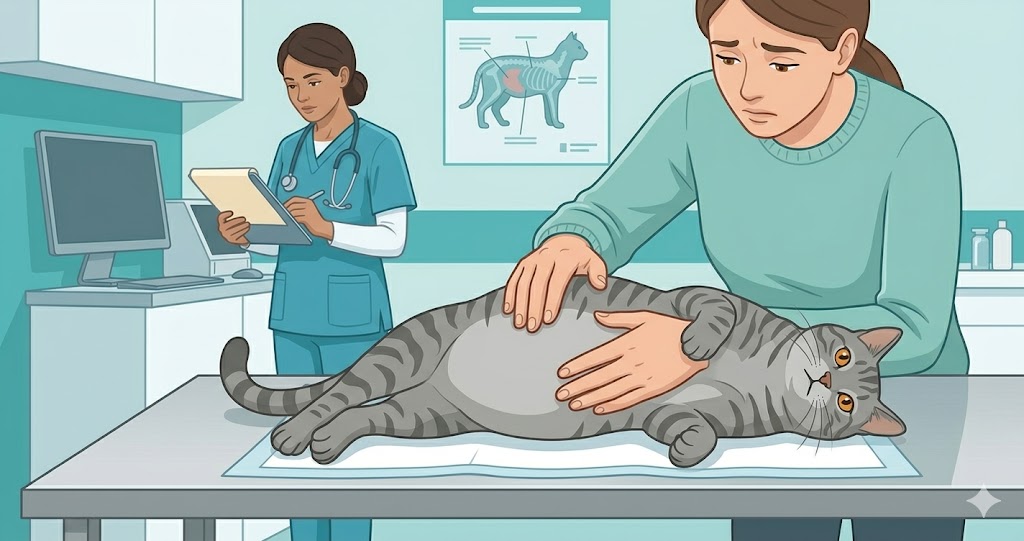
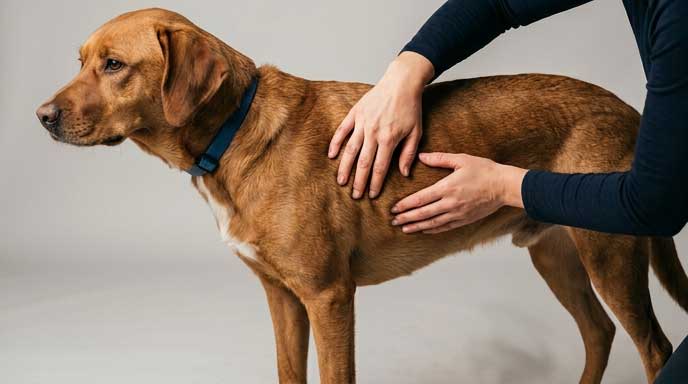
Place your hands on both sides of your dog's ribcage and run your fingers along the ribs with light pressure — about as much pressure as you'd use to press your eyelid.
- ✓Feel ribs easily with very light pressure = ideal weight
- ✓Have to press firmly to find ribs = overweight
- ✓Can't feel ribs at all under fat = obese
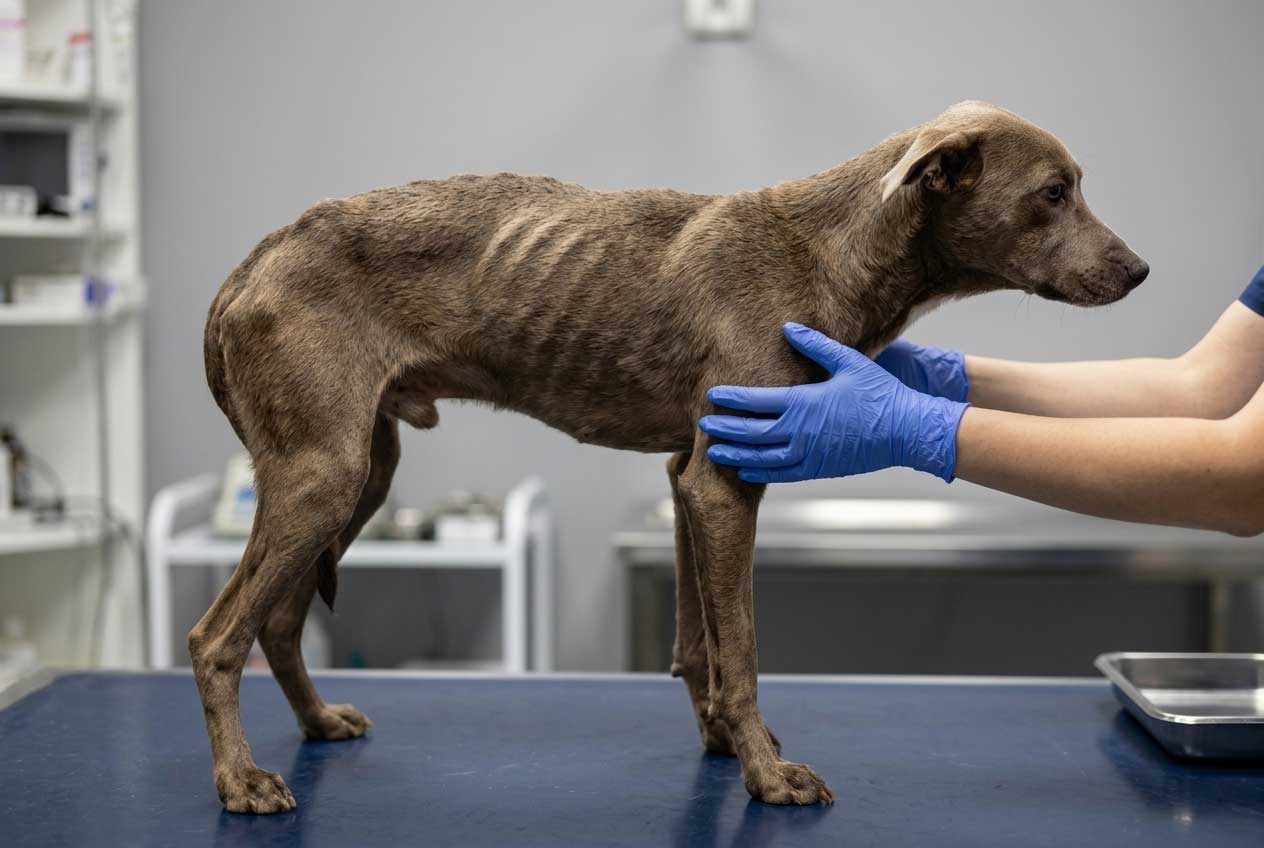
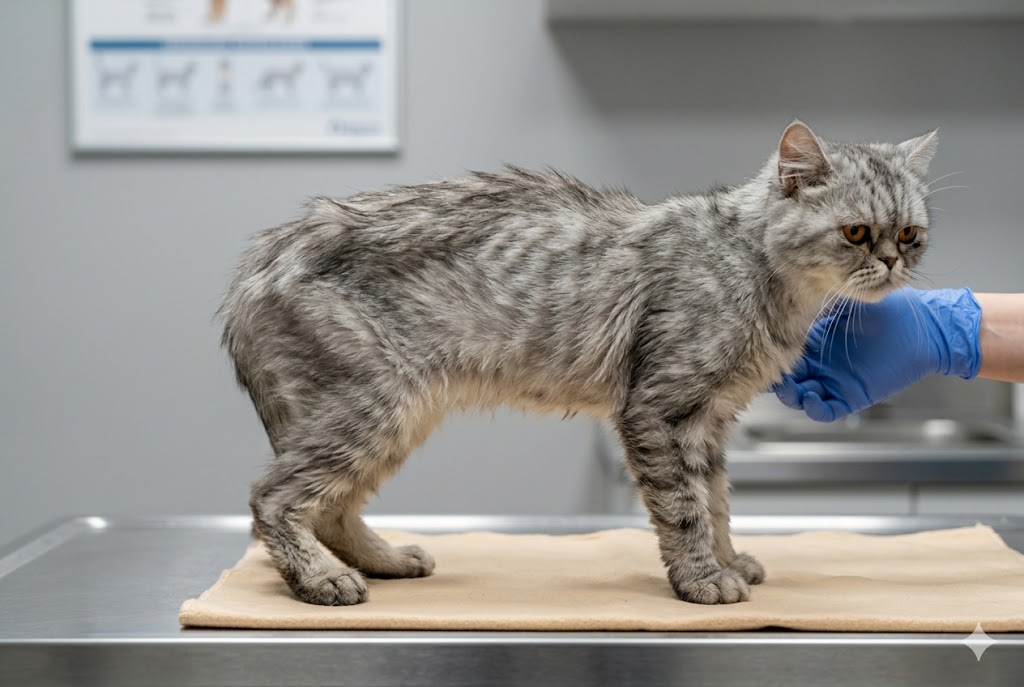
- ✓Ribs visible without touching = underweight
The "knuckle analogy" vets use: rest your hand flat on a table with fingers together. The ridges of your knuckles = what ideal rib coverage should feel like. Too much cushion = too fat. No cushion at all = too thin.
Check 2: The Waist Test (View from Above)
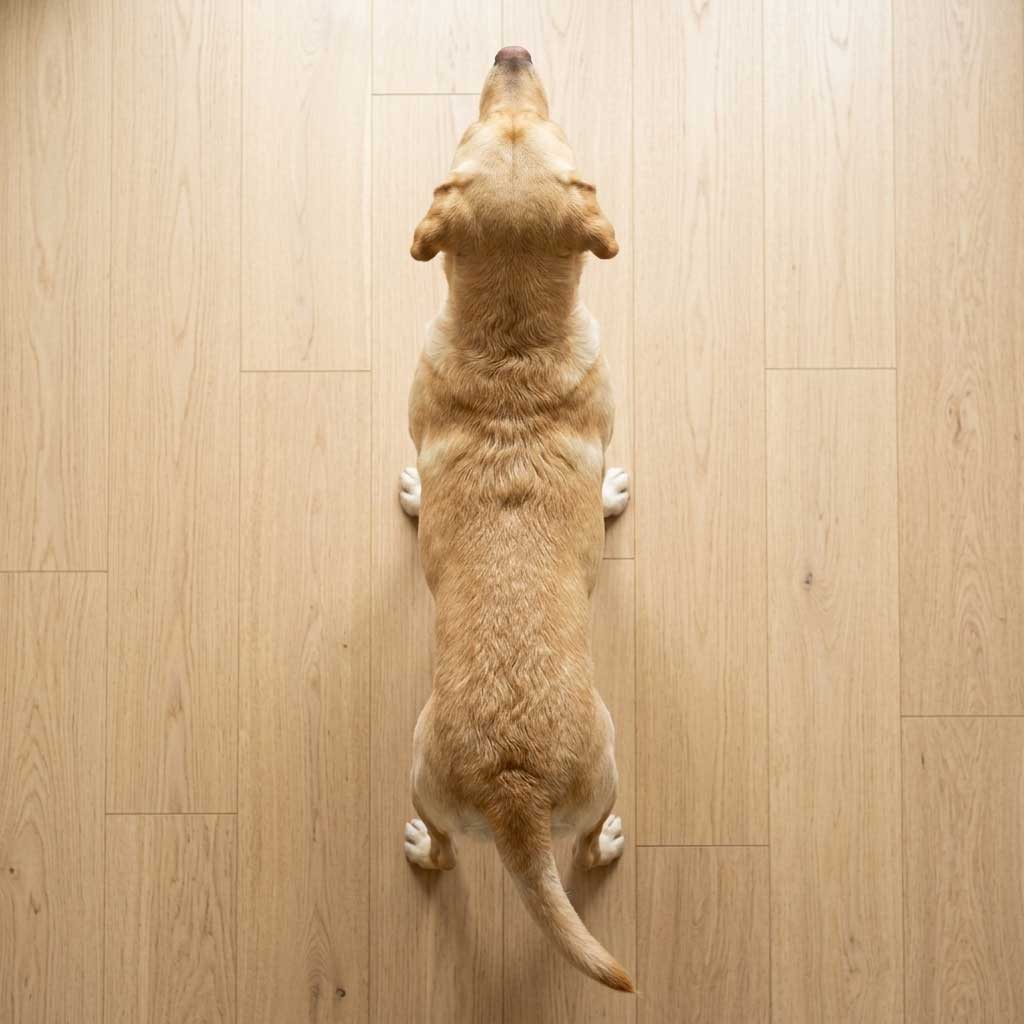
Stand directly above your dog and look down. You're looking for a waist — an inward curve of the body behind the rib cage.
- ✓Clear hourglass shape with waist visible = ideal weight
- ✓Body is a uniform tube or rectangle, no waist = overweight
- ✓Extreme hourglass with very pronounced narrowing = possibly underweight
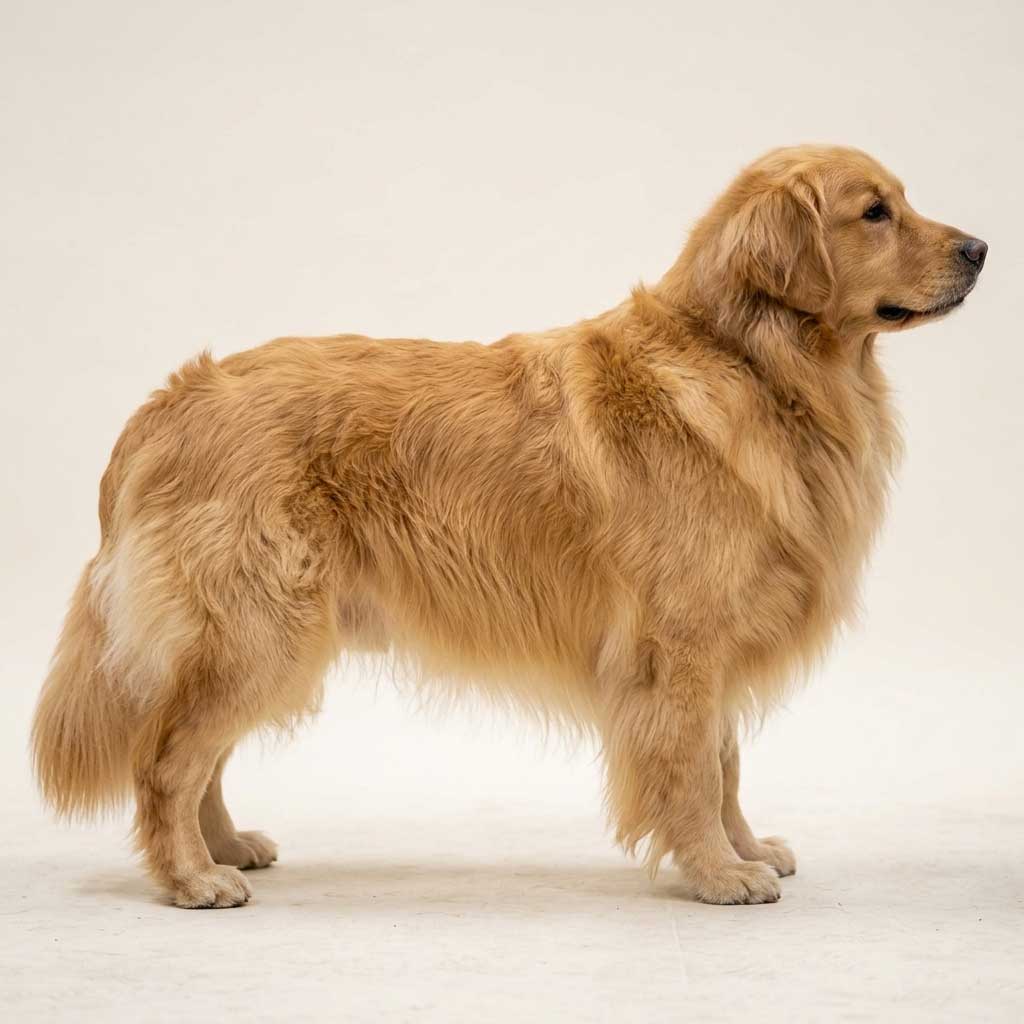
This check works best on short-haired breeds. If your dog has a thick coat (Golden Retriever, Husky, Samoyed), the coat hides the waist — use the rib test as your primary check instead.
Check 3: The Belly Tuck (View from the Side)
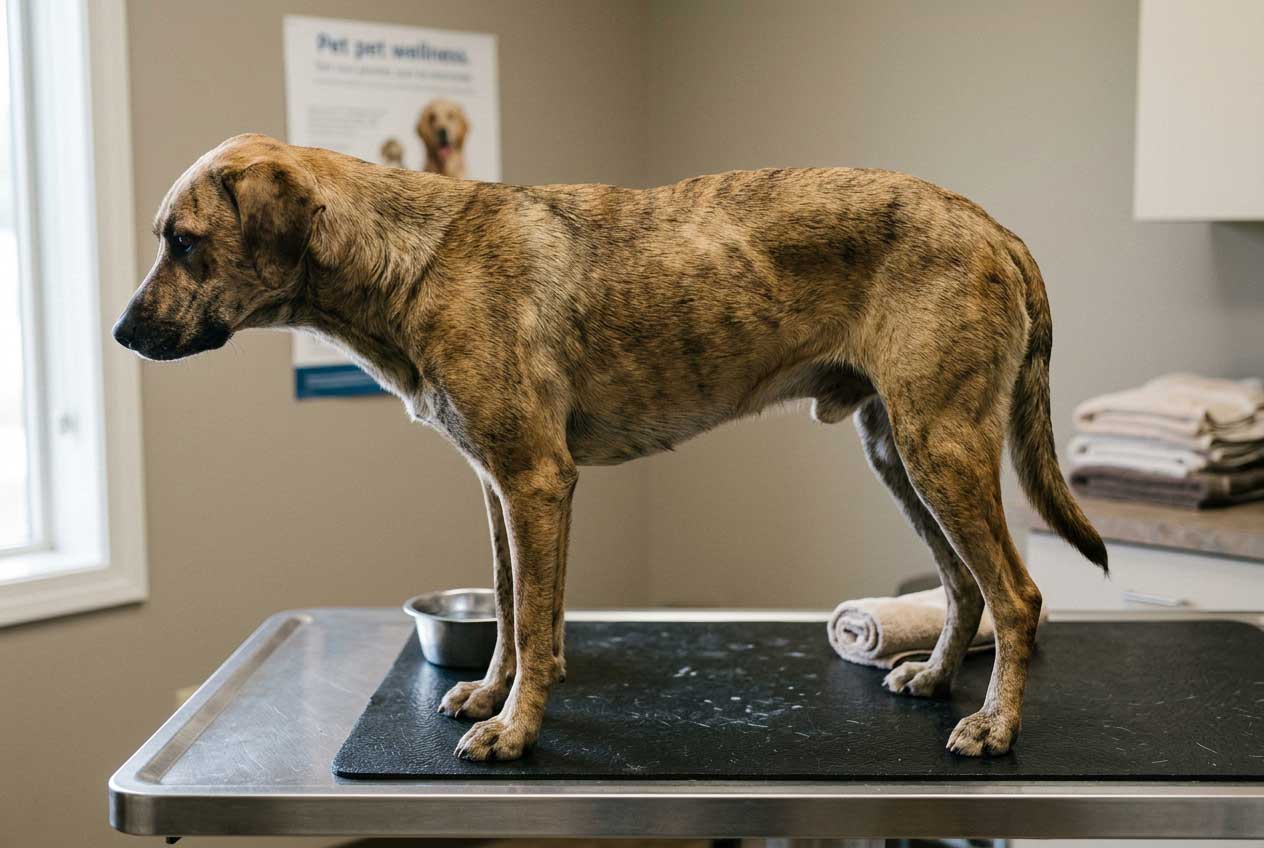
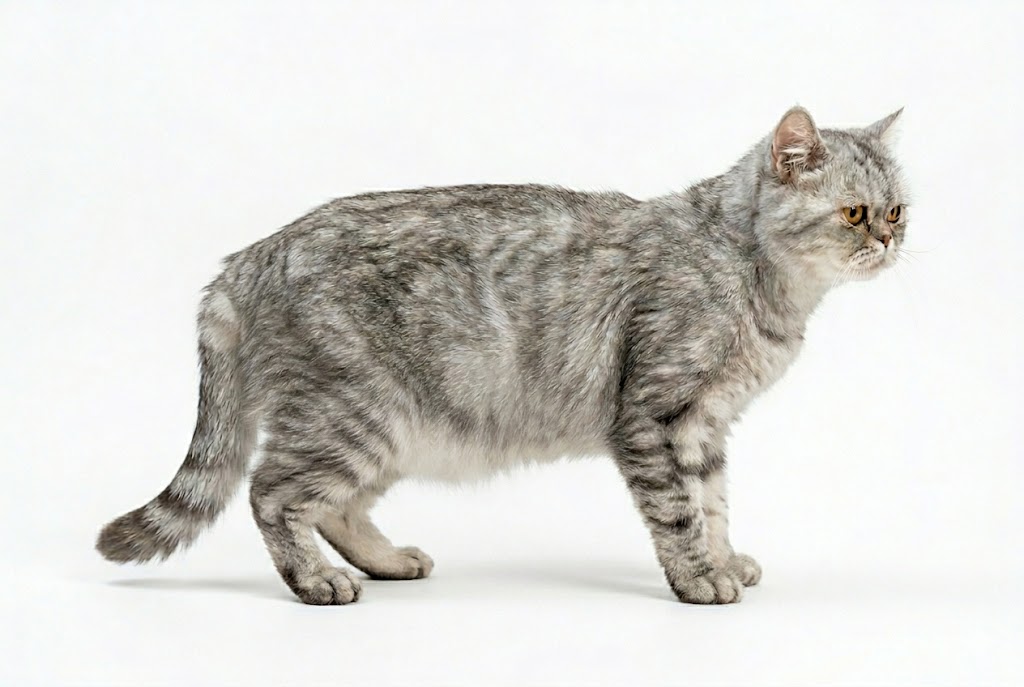
View your dog from the side at their body height. Watch where the belly is relative to the rib cage.
- ✓Belly slopes upward from ribcage toward hindlegs = ideal (abdominal tuck)
- ✓Belly is flat or level with the rib cage = slightly overweight
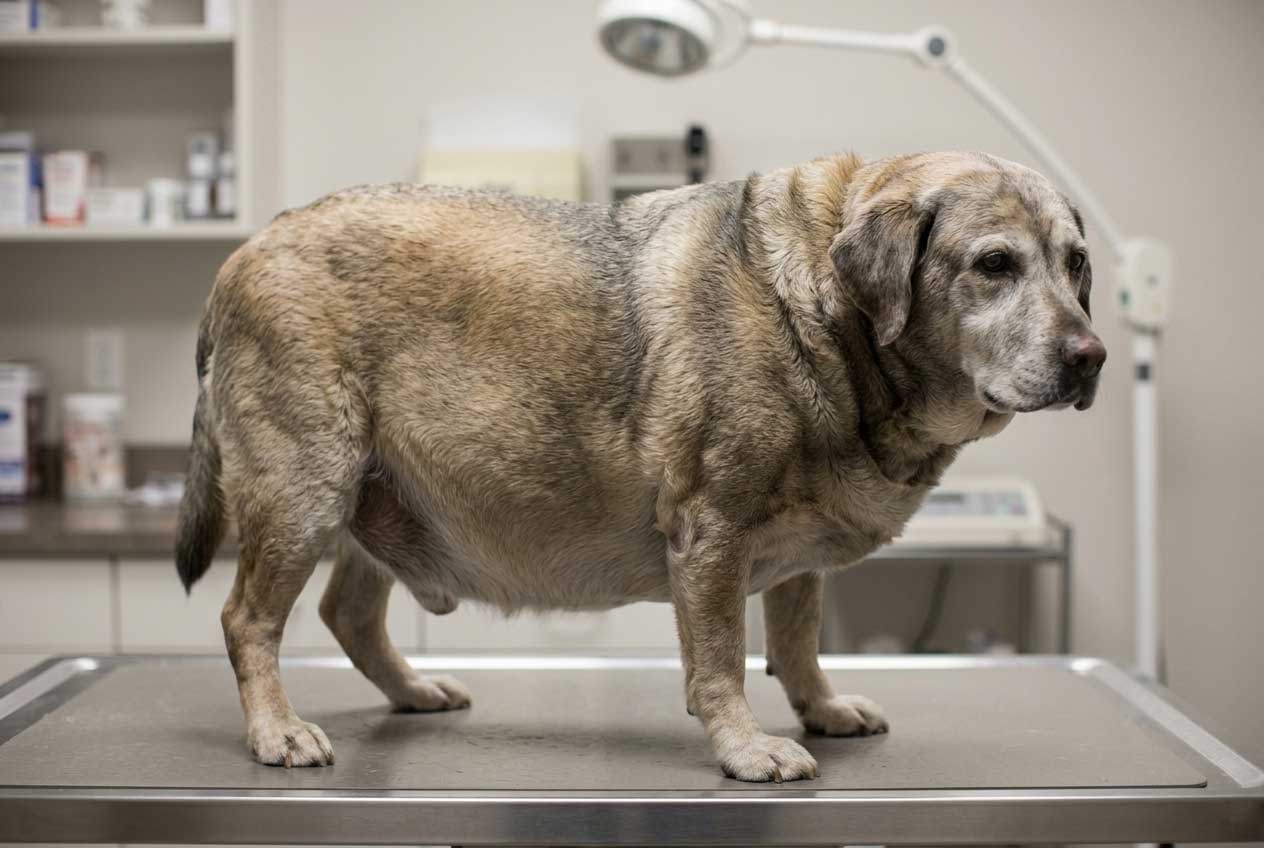
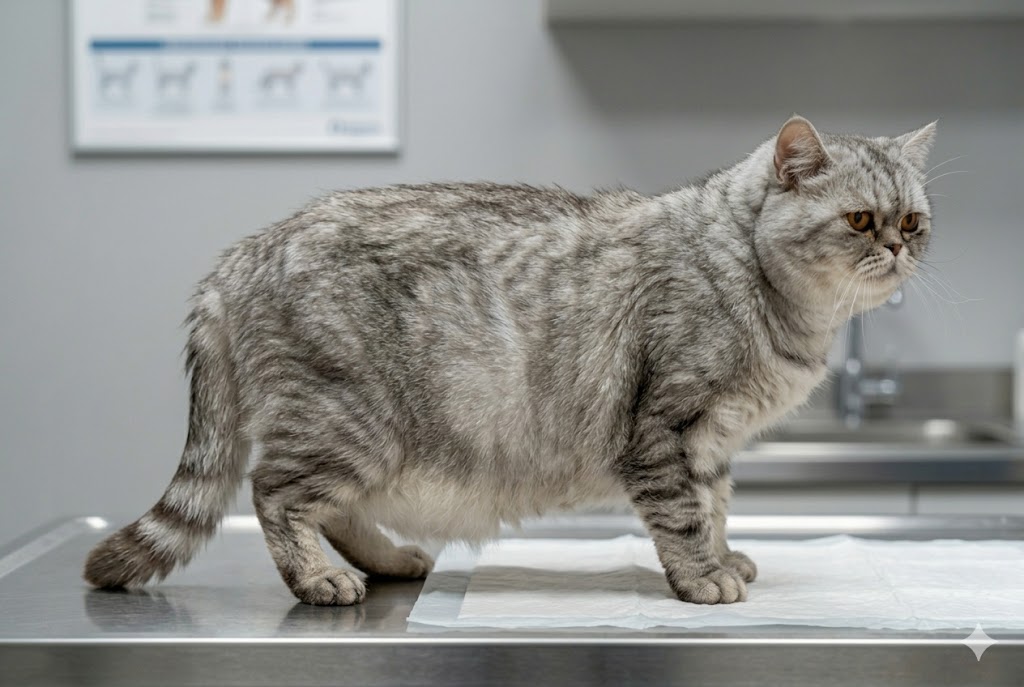
- ✓Belly sags downward or rounds outward = overweight or obese
A healthy dog always has some degree of abdominal tuck — the belly line is never completely straight from front to back. If it is, excess fat is filling in the tuck.
What the 1–9 BCS Scale Means
Vets score body condition on a 1–9 scale. Scores 4–5 are ideal for most breeds. Here's a quick breakdown:
- ✓BCS 1–3: Underweight — ribs visible, spine and hips prominent
- ✓BCS 4–5: Ideal — ribs easily felt, clear waist, abdominal tuck present
- ✓BCS 6–7: Overweight — ribs hard to feel, waist absent or faint
- ✓BCS 8–9: Obese — ribs not palpable, no waist, belly pendulous
Breed Exceptions: When "Fat-Looking" Is Normal
Sighthound breeds — Greyhounds, Whippets, Italian Greyhounds, Salukis — are naturally lean and may appear underweight to owners unfamiliar with the breed. Visible ribs and prominent hip bones are normal at a healthy BCS 4–5 for these breeds. On the other end, stocky breeds like Bulldogs, Pugs, and Basset Hounds have broader builds that can make them look "chunky" — but the rib test still applies. If you can't feel the ribs, they're overweight regardless of how they look.
Other Signs Your Dog May Be Overweight
- ✓Tires quickly on walks or avoids exercise
- ✓Heavy panting during mild activity
- ✓Difficulty grooming — can't reach the base of the tail
- ✓Fat pads visible at the base of the tail or around the neck
- ✓Waddling gait
- ✓Labored breathing at rest
What to Do If Your Dog Is Overweight
BCS 6 (slightly over): reduce daily food by 10%, add 15 extra minutes of walking, cut treats. Most dogs return to ideal BCS in 2–3 months. BCS 7+ (overweight to obese): vet visit to rule out hypothyroidism (which causes unexplained weight gain), then a structured weight loss plan with a prescription diet if needed.
Want an objective BCS assessment? Upload a side view and top-down photo of your dog — AI scores body condition (1–9) and gives specific diet and exercise recommendations.
Not sure if your dog is overweight?
Upload a side + top-down photo — AI gives your dog a body condition score (BCS 1–9) and tells you exactly where they stand.
Disclaimer: This article is for informational purposes only and is not a substitute for professional veterinary advice. Always consult a licensed veterinarian for diagnosis and treatment of your pet's health conditions.