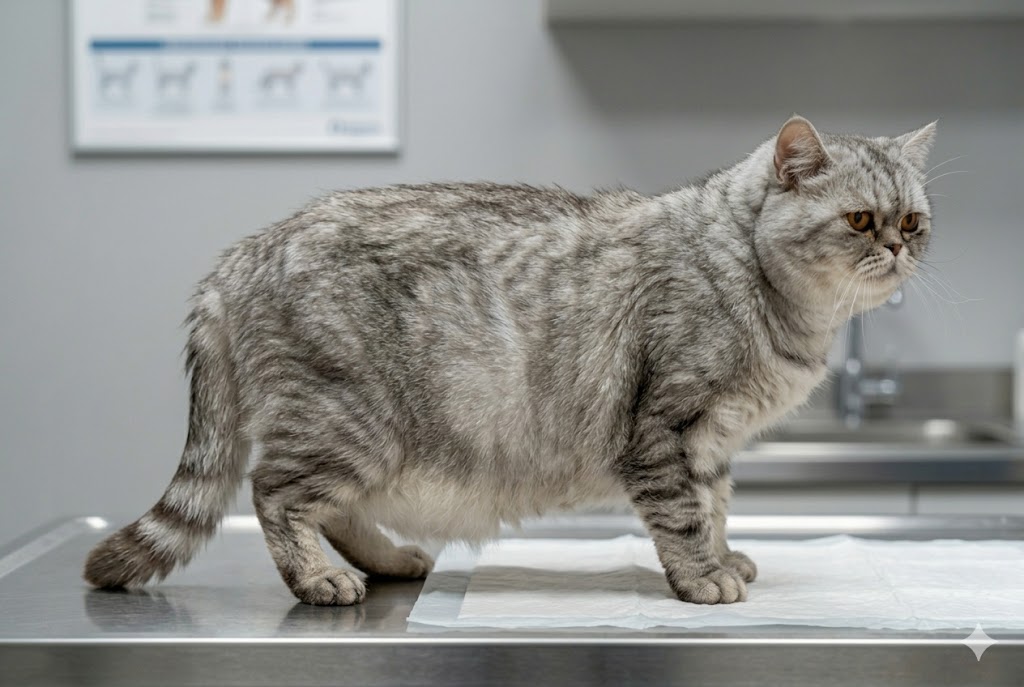
Underweight Cat: Causes, Warning Signs, and What to Do
Is your cat too skinny? Learn the most common causes of underweight cats — from hyperthyroidism to dental pain — how to assess body condition, and when to see a vet urgently.
Published 2026-04-20
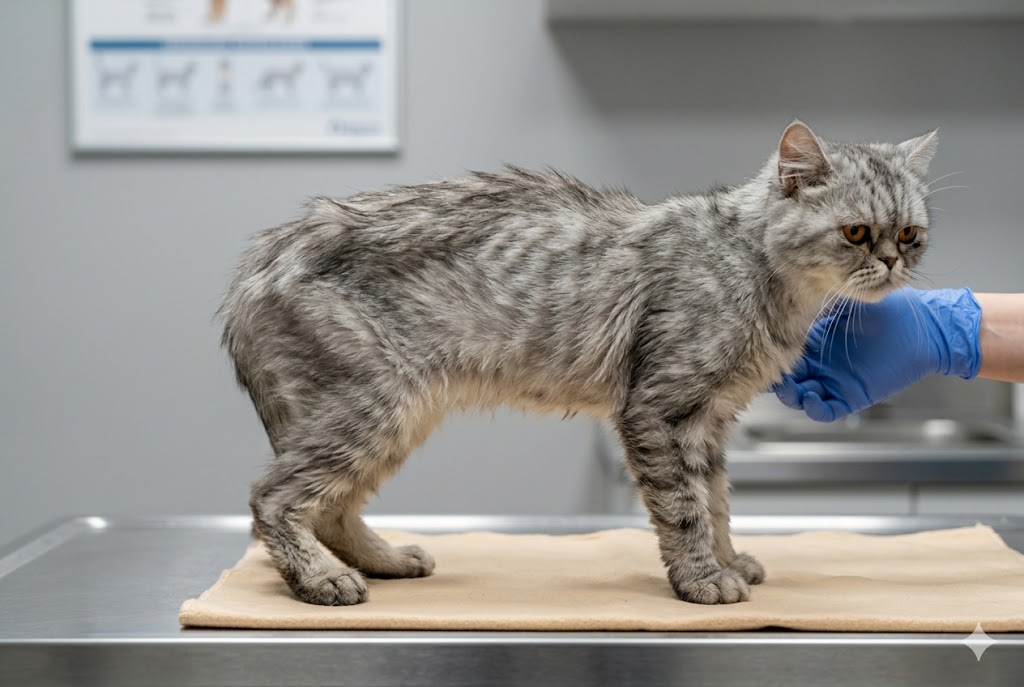
An underweight cat is a cat with a body condition score (BCS) of 3 or lower — ribs visible without touching, prominent hip bones and spine, little muscle mass, and extreme hourglass shape from above. While we often talk about cat obesity (which affects 35–50% of pet cats), underweight is also serious and can indicate significant underlying disease. Here is how to identify it, what causes it, and when to act.
How to Tell If Your Cat Is Underweight
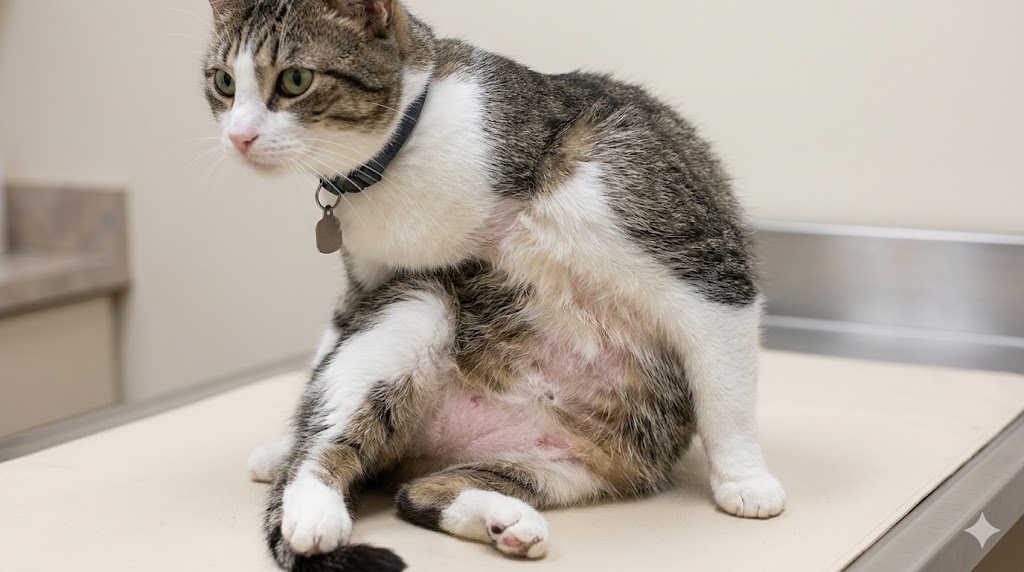
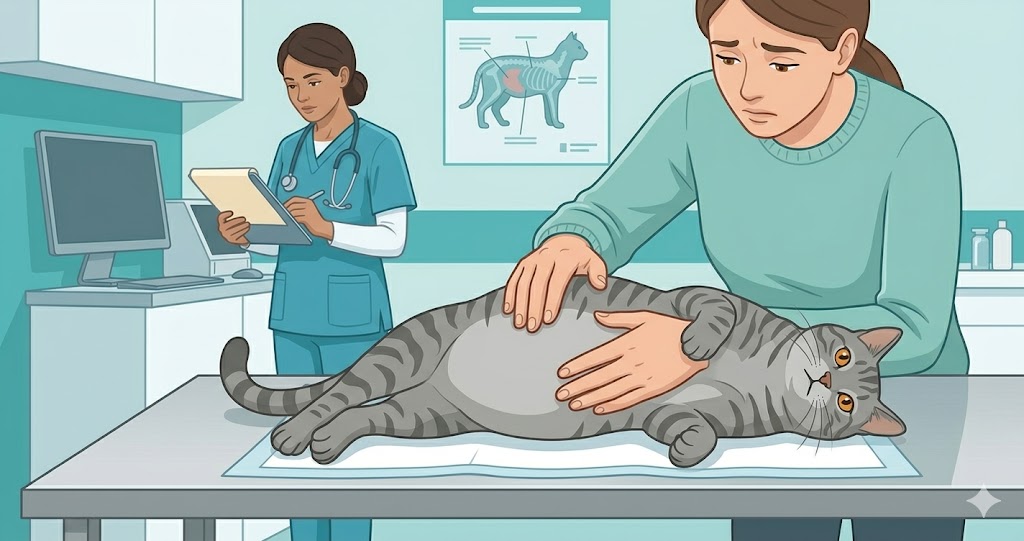
The most reliable method: the rib test. Run your fingers gently along your cat's ribcage. In a healthy cat (BCS 4–5), ribs are easily felt with light pressure but NOT visible. In an underweight cat:
- ✓BCS 3: Ribs clearly visible without touching; spine and hip bones are palpable and may be visible
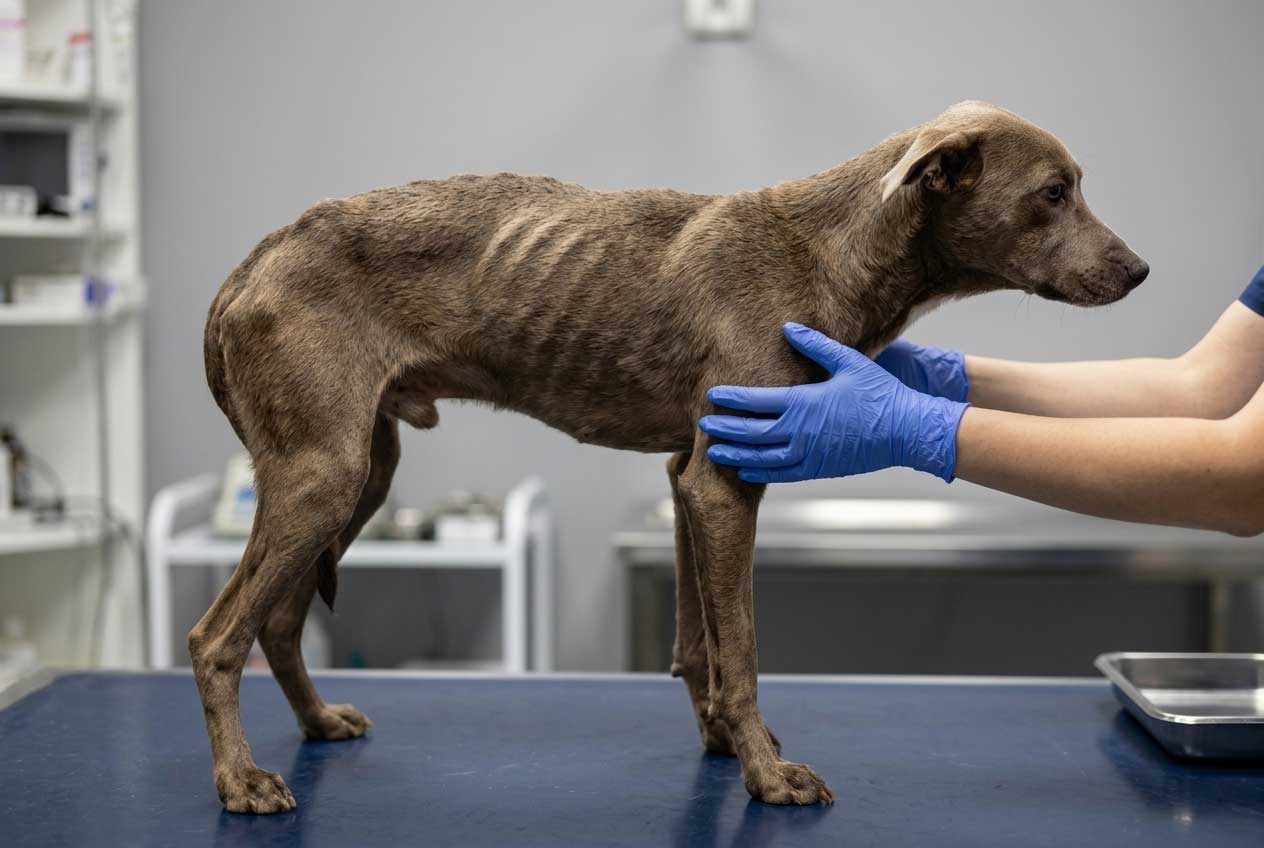
- ✓BCS 2: Ribs, spine, and hip bones all visible from across the room; muscle wasting is visible, especially over hindquarters
- ✓BCS 1: Skeletal — no muscle or fat is detectable; this is a medical emergency
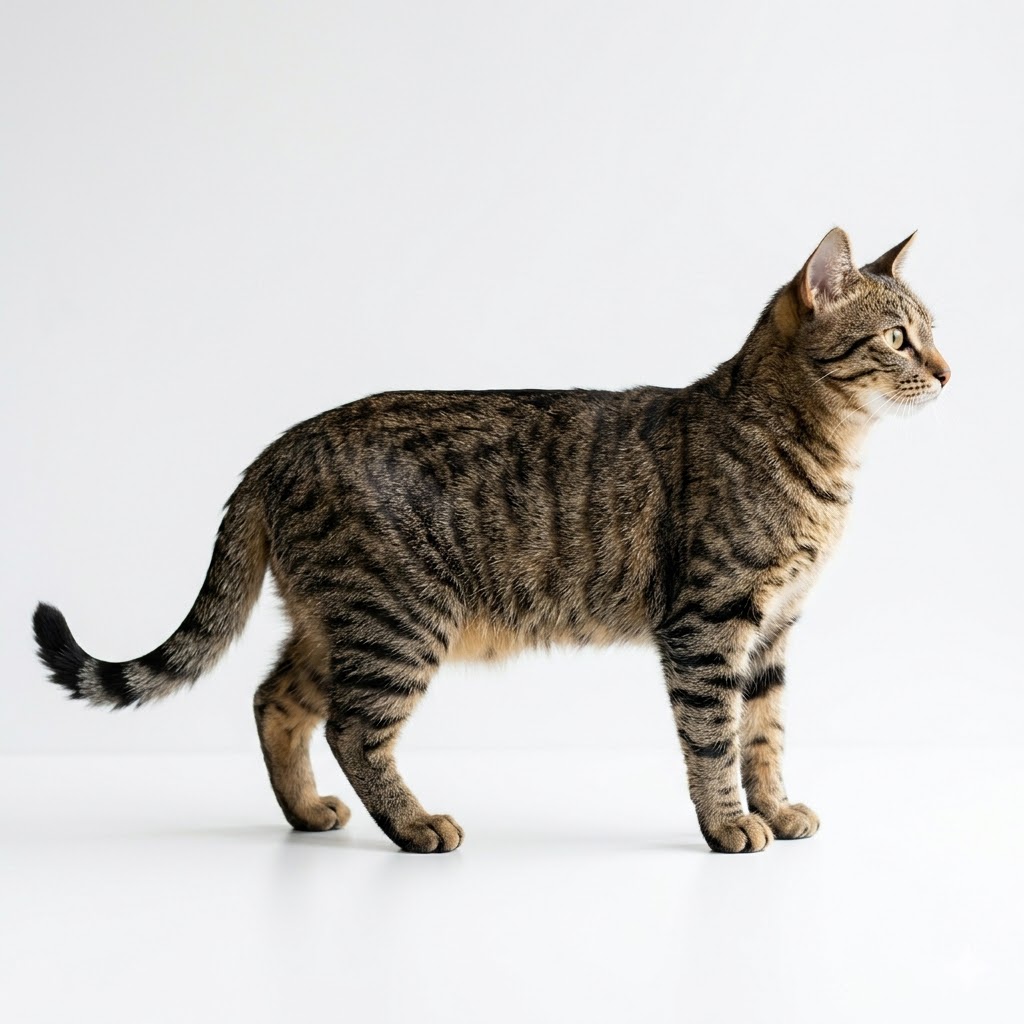
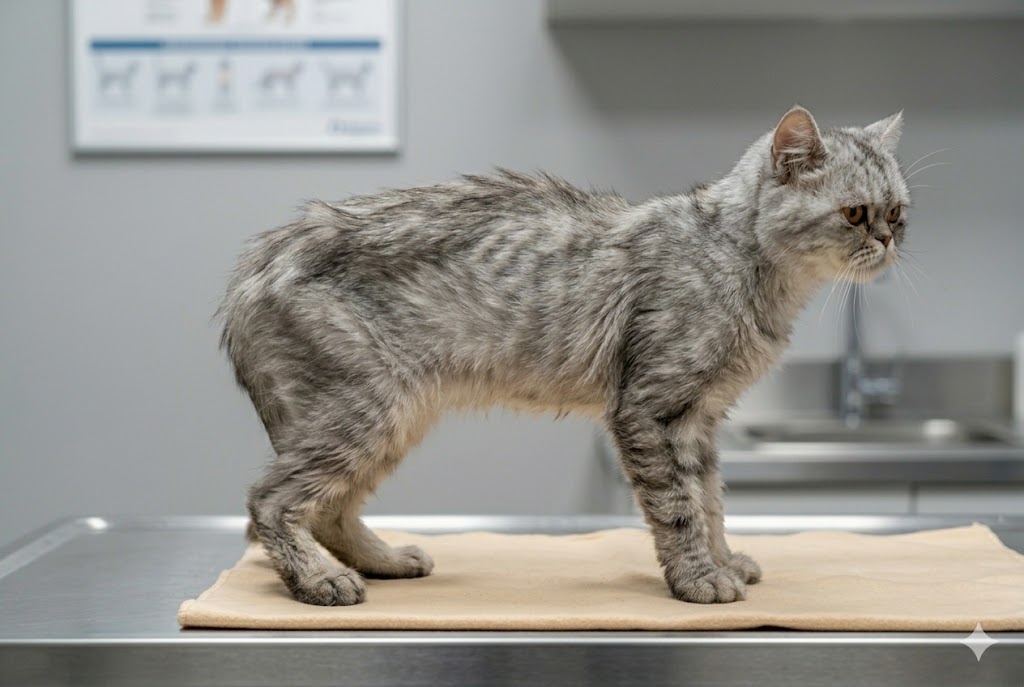
From above, an underweight cat shows an extreme hourglass shape — sometimes alarmingly narrow at the waist. From the side, the belly tucks dramatically upward from the ribcage. The coat may also be poor quality — dull, rough, or losing gloss — because the cat cannot allocate nutrition to coat maintenance.
The 7 Most Common Causes of Underweight Cats
1. Hyperthyroidism (Most Common in Senior Cats)
The most common medical cause of weight loss in cats over 8 years old. Hyperthyroidism causes the metabolism to run in overdrive — cats literally cannot eat enough to keep up with caloric expenditure. The hallmark presentation: a senior cat who is EATING RAVENOUSLY but losing weight steadily. Other signs: hyperactivity, increased vocalization, vomiting, diarrhea, rapid heart rate, and occasionally a visible enlarged thyroid gland at the base of the throat. Diagnosis: simple blood test (T4 level). Treatment: oral medication (methimazole), radioactive iodine therapy, or surgery — all are effective and prognosis is generally good with treatment.
2. Dental Disease and Mouth Pain
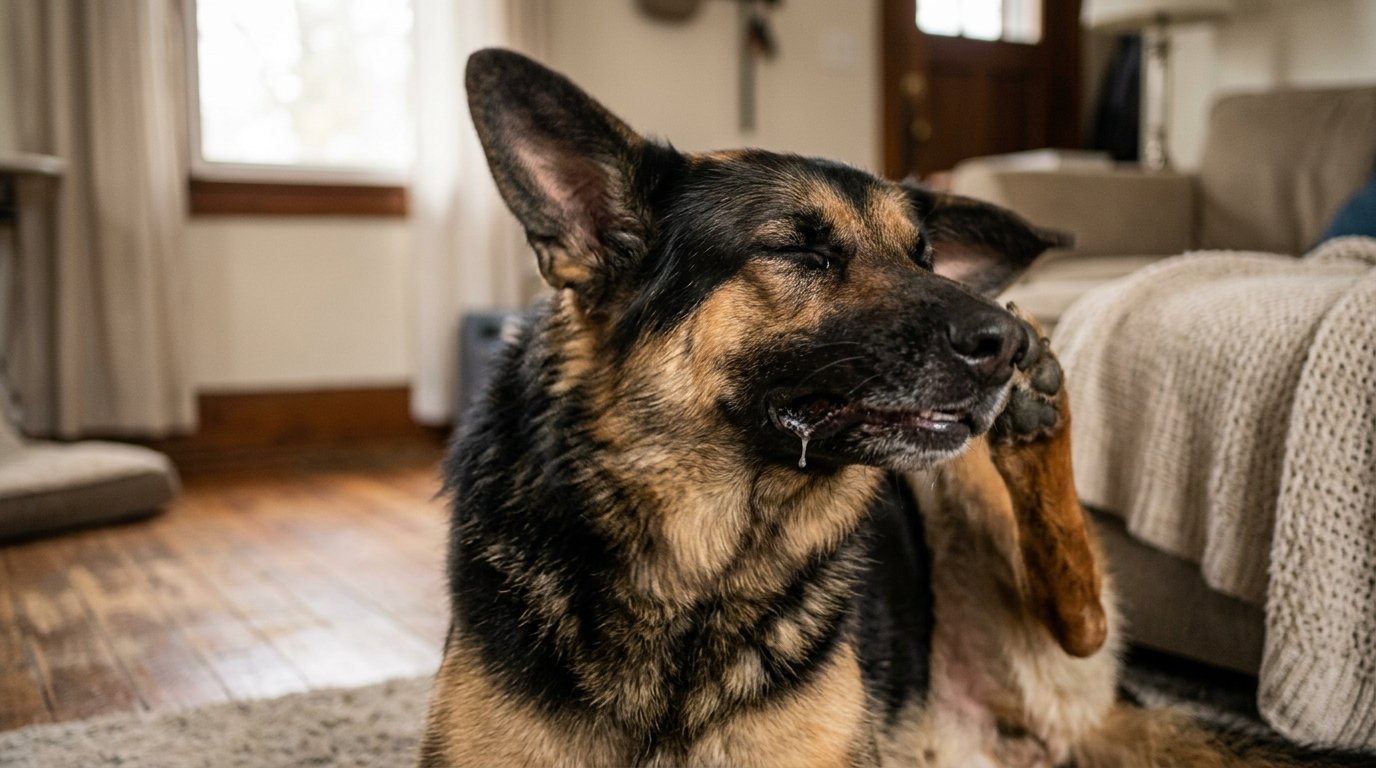
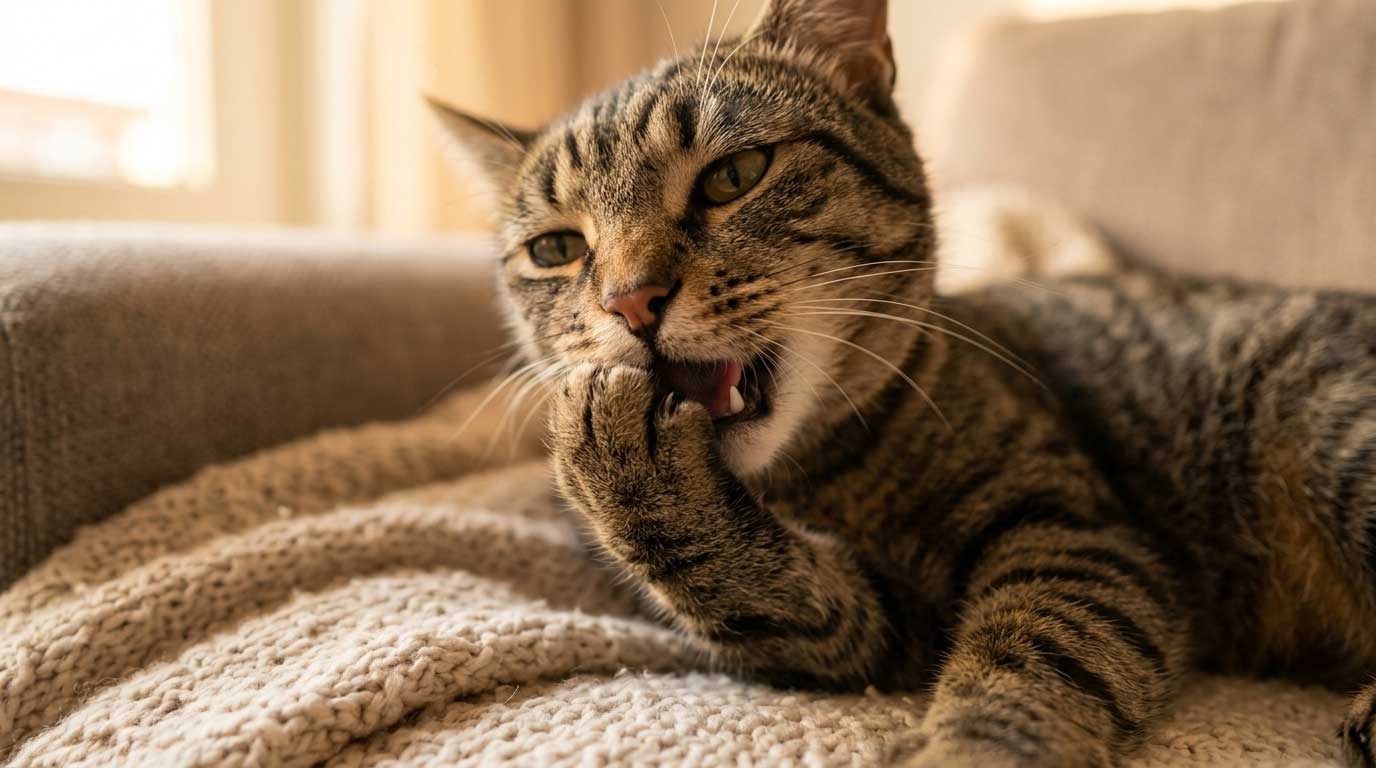
Dental disease is the most common cause of preventable weight loss in cats under senior age. Tooth resorption (where the tooth structure is eaten away from the root) and stomatitis (severe immune-mediated gum inflammation) are extremely painful — cats may want to eat but avoid it, eat slowly and carefully, drop food from their mouth, or only chew on one side. Signs of dental pain: drooling, pawing at mouth, food preference change (soft over dry), slow eating, weight loss with apparent interest in food. Any cat losing weight without clear explanation needs a dental exam.
3. Chronic Kidney Disease (CKD)
CKD is very common in cats, particularly older ones — affecting roughly 50% of cats over age 15. Failing kidneys cause nausea, reduced appetite, and an inability to metabolize protein efficiently. Weight loss is gradual but progressive. Other signs: increased thirst and urination, vomiting, lethargy, bad breath with ammonia smell. CKD is managed (not cured) with special low-phosphorus diets, hydration support, and medication. Early detection via annual bloodwork in cats over 7 years significantly improves outcomes.
4. Inflammatory Bowel Disease (IBD) / Intestinal Lymphoma
Chronic GI inflammation (IBD) prevents proper nutrient absorption — cats eat but the intestine cannot absorb what they consume. Weight loss despite eating is the hallmark. Vomiting (chronic, usually food) and diarrhea are common. Feline intestinal lymphoma (small cell) closely mimics IBD clinically and histologically. Both are managed with similar approaches (diet modification, steroids, sometimes chemotherapy for lymphoma). Biopsies distinguish them.
5. Diabetes Mellitus
Paradoxically, obese cats who develop diabetes may begin to LOSE weight rapidly as the disease progresses — because their cells cannot use glucose for energy. Classic signs: dramatic weight loss despite ravenous appetite, increased thirst and urination, and eventually weakness and inability to walk on back legs (diabetic neuropathy with plantigrade stance). Feline diabetes is strongly linked to obesity and dry-food, high-carbohydrate diets. Many cats achieve diabetic remission with early treatment and dietary change.
6. Cancer
Unexplained weight loss in a senior cat — especially without any other clear diagnosis — may be paraneoplastic (cancer-related). Certain cancers cause cachexia (metabolic muscle wasting) independent of food intake. Lymphoma and abdominal carcinomas are the most common feline cancers causing weight loss. If a senior cat has had CKD, dental disease, and hyperthyroidism ruled out and is still losing weight, imaging (ultrasound) and thorough bloodwork are warranted.
7. Parasites (More Common in Outdoor/Young Cats)
Heavy worm burdens (roundworms, hookworms, tapeworms) can cause poor condition and weight loss despite eating — the parasites compete for nutrients. Most common in outdoor cats, recently adopted cats, or kittens. A fecal flotation test is quick and cheap. Treatment is highly effective. All new cats and kittens should be dewormed regardless of indoor/outdoor status.
When to See a Vet — Timeline
- ✓URGENT (within 24–48 hours): Cat is BCS 1–2 (skeletal); any underweight cat that has STOPPED EATING (hepatic lipidosis risk); cat with lethargy, vomiting, or diarrhea alongside weight loss
- ✓WITHIN A WEEK: BCS 3; senior cat losing weight even while eating; any cat whose weight loss is unexplained; cat showing signs of dental pain
- ✓MONITOR BUT VET SOON: Recently adopted cat at BCS 3 with no other symptoms (common in rescues) — start appropriate nutrition and recheck in 3 weeks; if not improving, vet visit
Safe Weight Gain for Underweight Cats
- ✓Rule out medical causes FIRST — feeding more calories will not fix hyperthyroidism or dental pain
- ✓For medically clear cats: increase to 3–4 small meals daily using high-quality, high-protein wet food
- ✓Add rotational proteins: cooked chicken breast, cooked fish (no bones, no seasoning), plain cooked egg
- ✓Warm the food slightly — warming increases aroma and palatability for poor-appetite cats
- ✓Do NOT use appetite stimulants without vet guidance in a cat who hasn't had a thyroid check
- ✓Recheck BCS weekly; target gain of 0.5–1% body weight per week
- ✓For severe cases (BCS 1–2): vet-guided refeeding protocol — overfeeding severely malnourished cats causes refeeding syndrome (dangerous electrolyte shifts)
Is your cat underweight?
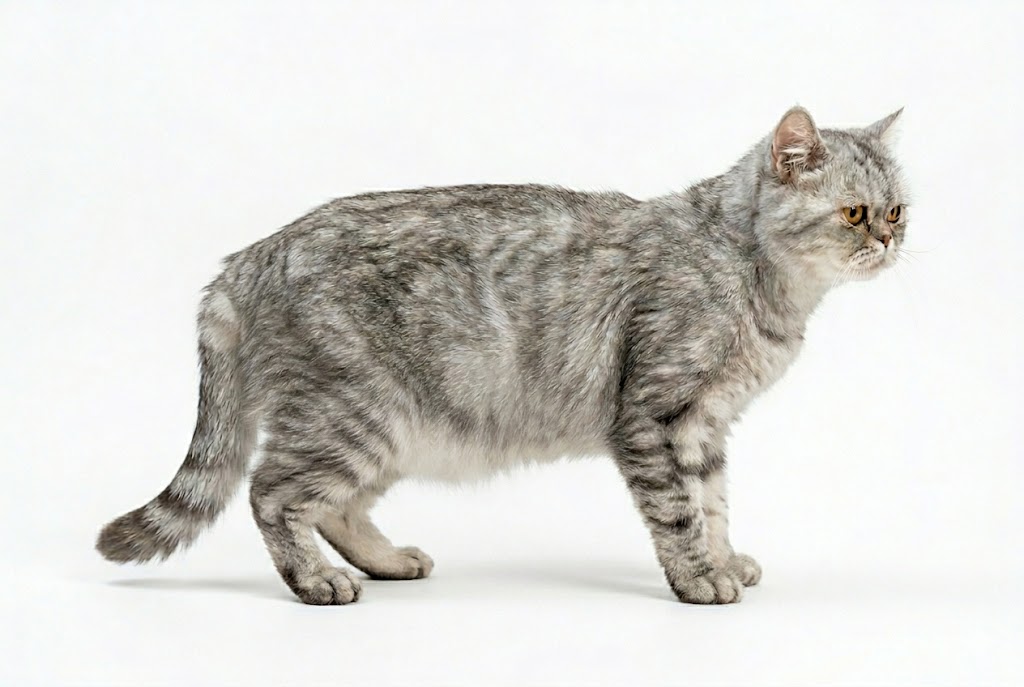
Upload a side view photo — AI assesses your cat's body condition score and gives you an honest assessment of whether your cat's weight is a concern. Underweight cats may need prompt attention.
Disclaimer: This article is for informational purposes only and is not a substitute for professional veterinary advice. Always consult a licensed veterinarian for diagnosis and treatment of your pet's health conditions.