Overweight Dogs Life Expectancy: How Much Does Extra Weight Cost?
Overweight dogs live significantly shorter lives. A landmark study found obese dogs live up to 2.5 years less than dogs kept at ideal weight. Here's what the science says and what you can do.
Published 2026-04-20
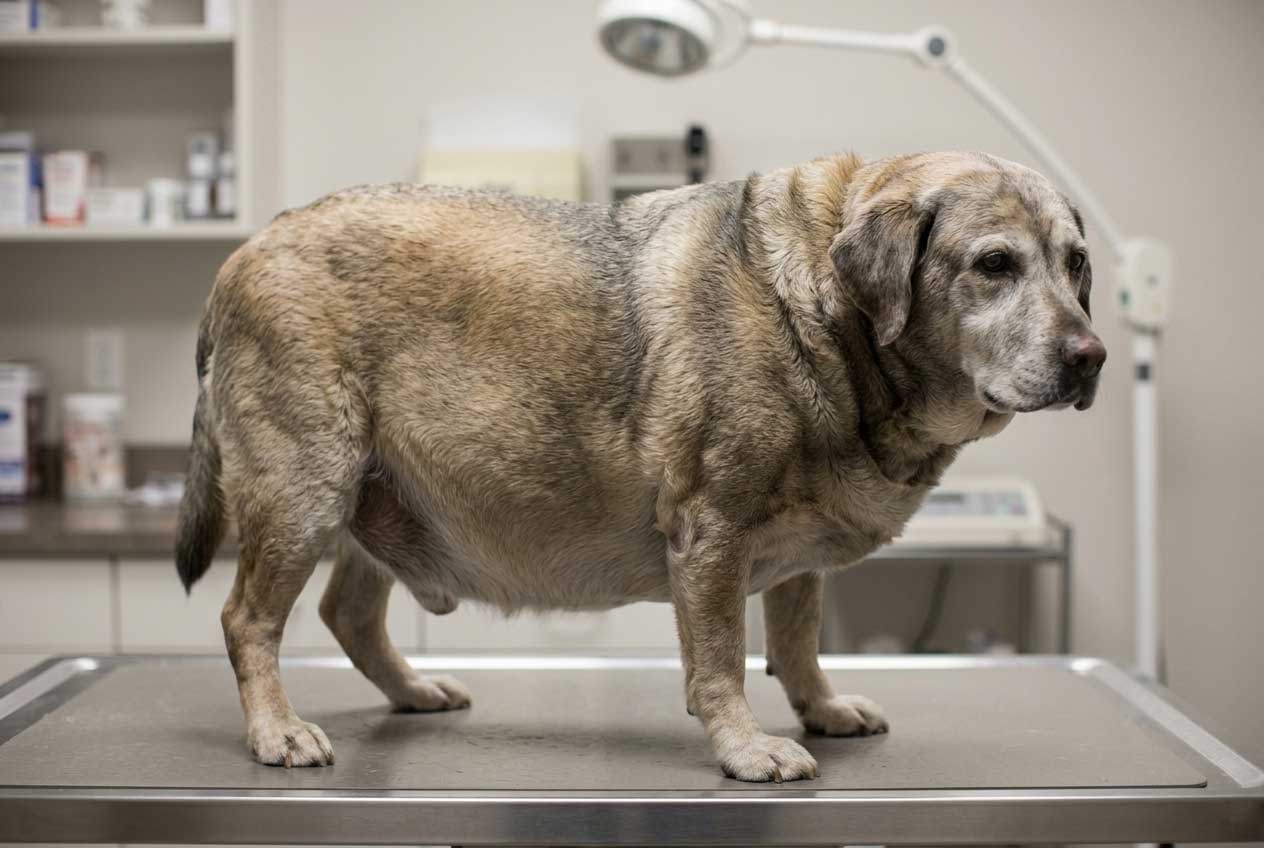
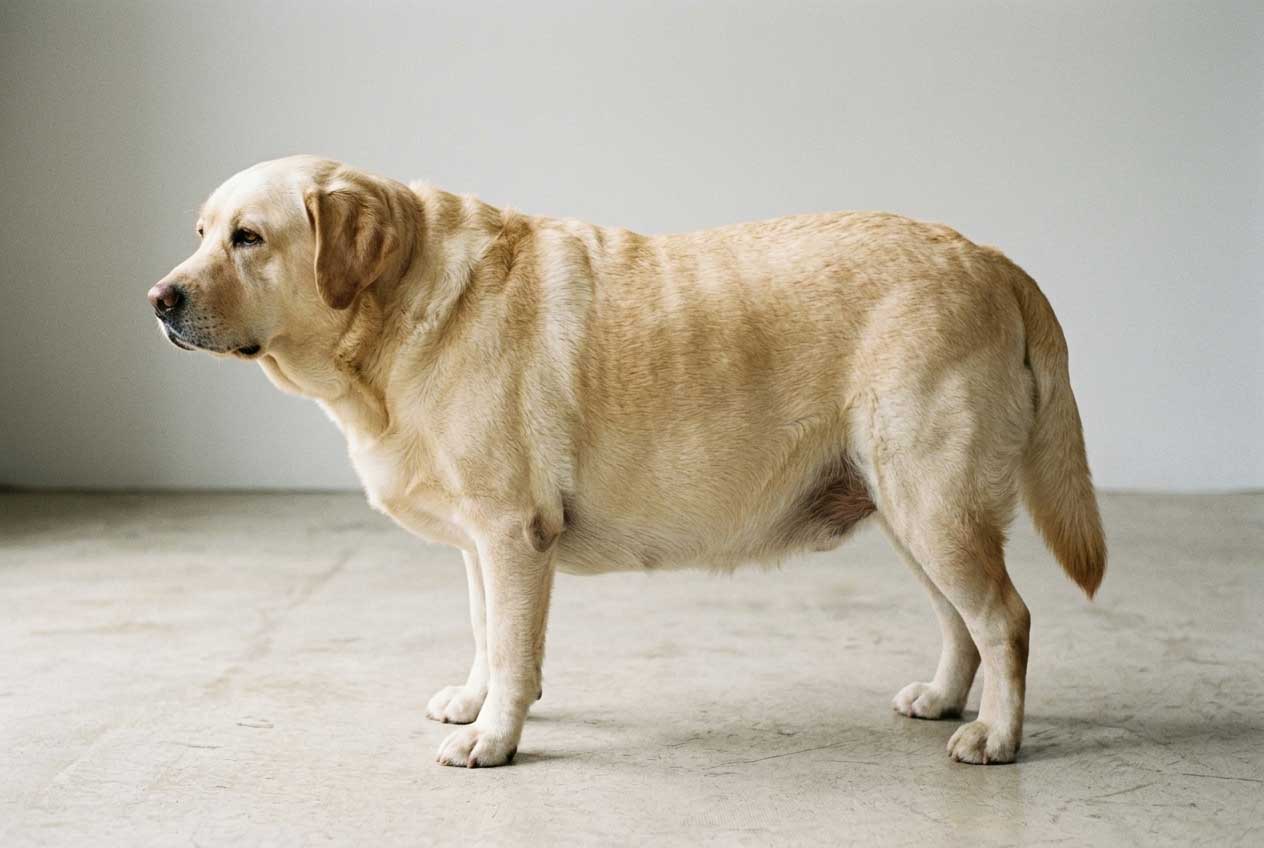
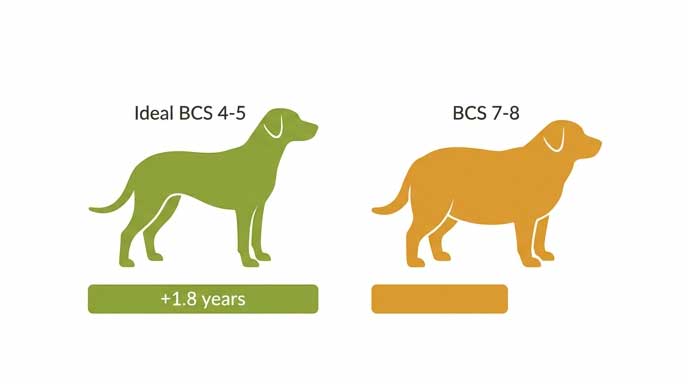
Most dog owners know that obesity is unhealthy. But when asked by how much overweight shortens a dog's life, most people underestimate dramatically. The research is sobering: a Purina-funded lifespan study following Labrador Retrievers for their entire lives found that dogs maintained at ideal body condition lived a median of 1.8 years longer than their overweight littermates. For a dog that might otherwise live 12 years, that's 15% of their entire lifespan gone to preventable obesity.
What the Research Says
The landmark Purina Lifespan Study is the most comprehensive research on dog obesity and longevity. Key findings:
- ✓Dogs maintained at BCS 4–5 (ideal) lived a median of 1.8 years longer than overweight littermates
- ✓Ideal-weight dogs showed delayed onset of chronic disease by an average of 2 years
- ✓Joint disease, specifically hip osteoarthritis, appeared significantly later in lean dogs
- ✓The lean dogs were also more active and had better quality of life in their senior years
- ✓The benefit appeared even when comparing BCS 4–5 to BCS 6–7 — "just a little overweight" still mattered
More recent studies have supported these findings. A 2019 analysis of over 12,000 dogs found that obese dogs (BCS 8–9) had significantly higher rates of death in all age groups compared to dogs at ideal weight. The effect was consistent across breeds.
How Obesity Shortens a Dog's Life: The Mechanisms
Joint Destruction
Every extra kilogram of body weight adds approximately 4 kilograms of force to the joints — especially hips, knees, and elbows. This accelerates cartilage breakdown and osteoarthritis. Dogs in pain from joint disease become less active, which leads to more weight gain, which causes more joint pain — a downward spiral. Severe arthritis is a leading cause of euthanasia in senior dogs.
Cardiovascular and Respiratory Strain
Fat tissue is metabolically active and requires extra blood supply. An overweight dog's heart works harder to maintain circulation. In brachycephalic breeds (Pugs, Bulldogs, French Bulldogs) who already have compromised airways, obesity dramatically worsens breathing difficulty — even a small amount of extra weight can cause significant respiratory distress.
Increased Cancer Risk
Adipose (fat) tissue produces inflammatory cytokines and estrogen — both of which promote tumor growth. Obese dogs have higher rates of mammary tumors, bladder cancer, and certain other malignancies. The mechanism parallels what is seen in human obesity-related cancers.
Insulin Resistance and Metabolic Disease
Obesity causes insulin resistance in dogs, increasing the risk of diabetes. Obese dogs also have higher rates of pancreatitis — a painful and sometimes fatal condition. Fat deposits around organs impair liver function over time.
Surgical and Anesthetic Risk
Fat compresses the lungs during anesthesia, making oxygen exchange harder. Overweight dogs need more anesthetic agent (which is dosed by body weight) and take longer to recover. Obese dogs have significantly higher complication rates during surgery — which matters if your dog ever needs an operation.

Quality of Life vs Quantity of Life
The extra 1.8 years isn't just about lifespan — it's 1.8 years of mobility, play, and pain-free living. Overweight dogs often become sedentary in their middle years due to joint pain and exercise intolerance. The last years of an obese dog's life are frequently characterized by chronic pain, labored breathing, and reduced quality of life. The lean dog still playing and walking at age 12 is not an accident — it's the outcome of a decade of maintained healthy weight.
The Good News: Weight Loss Reverses Most of the Damage
Studies show that dogs who lose weight and return to ideal BCS experience measurable improvements in mobility, pain scores, energy levels, and quality of life — even dogs with established arthritis. It's never too late to help your dog lose weight. Even a 5–10% reduction in body weight can significantly improve mobility in dogs with joint disease.
- ✓Measure all food with a kitchen scale — cup measurement is up to 30% inaccurate
- ✓Reduce daily portions by 10–15% from current intake
- ✓Switch to a weight management or therapeutic weight loss food
- ✓Increase walking by 20–30 minutes per day
- ✓Replace all treats with carrots, green beans, or cucumber (low calorie, dogs love them)
- ✓Recheck body condition monthly — target 1–2% body weight loss per week maximum
- ✓Ask your vet about prescription weight loss diets (Hill's Metabolic, Royal Canin Satiety) for BCS 8+
The first step is knowing where your dog stands. Upload a side-view and top-down photo for an AI body condition score — objective, breed-adjusted, and actionable.
Give your dog more healthy years
Upload a photo — AI scores your dog's body condition (BCS 1–9). If your dog is overweight, you'll get specific diet and exercise guidance to start reversing the damage today.
Disclaimer: This article is for informational purposes only and is not a substitute for professional veterinary advice. Always consult a licensed veterinarian for diagnosis and treatment of your pet's health conditions.