Is My Dog Fat or Just Fluffy? How to Tell the Difference
Long coat hiding your dog's body? Learn how to tell if your fluffy dog is actually overweight — the rib test works regardless of coat length, and the results may surprise you.
Published 2026-04-20
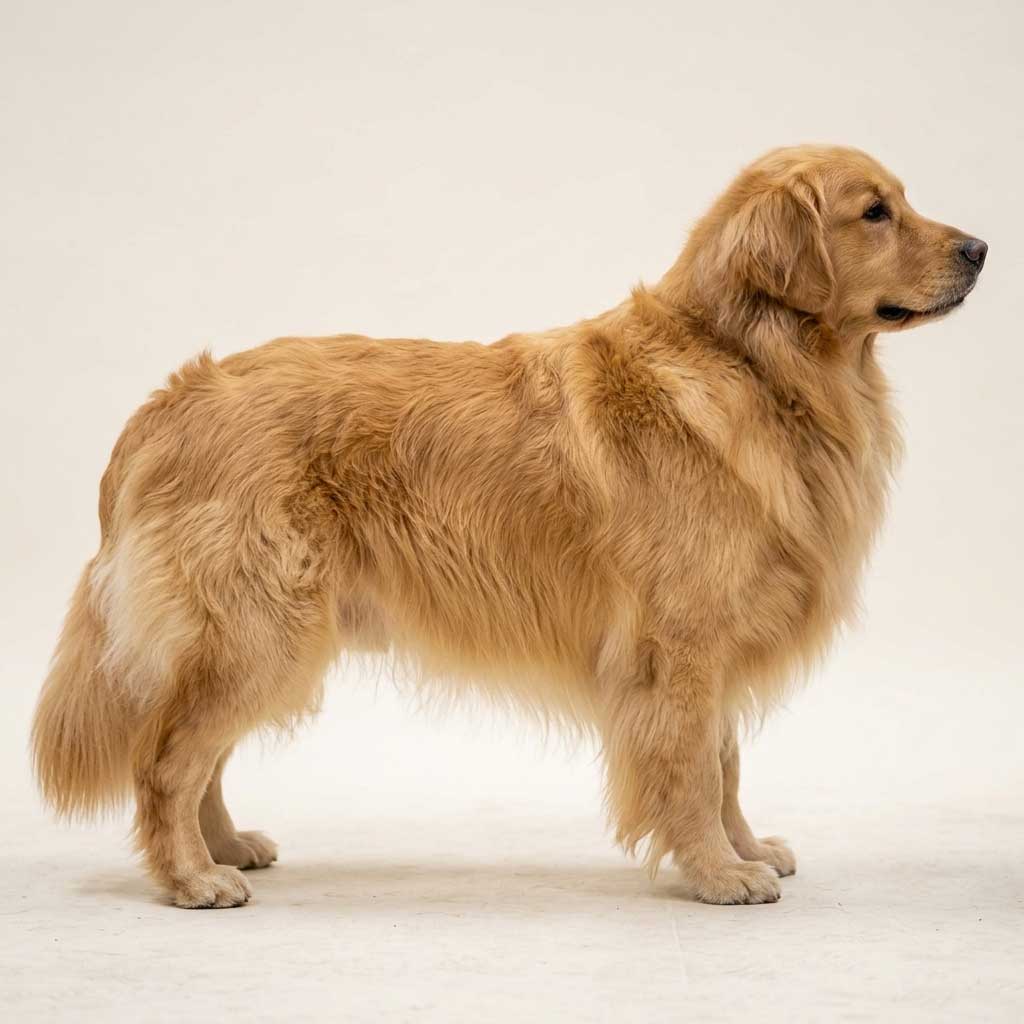
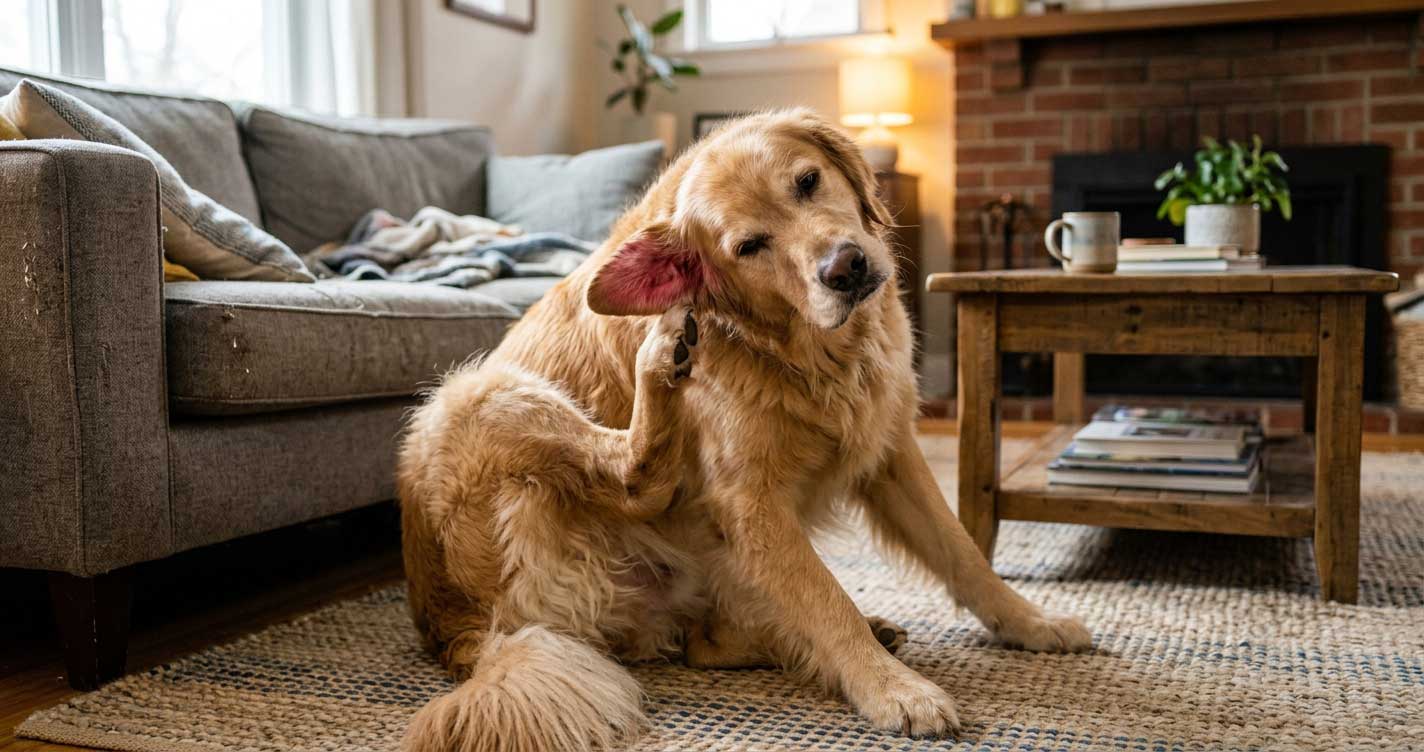
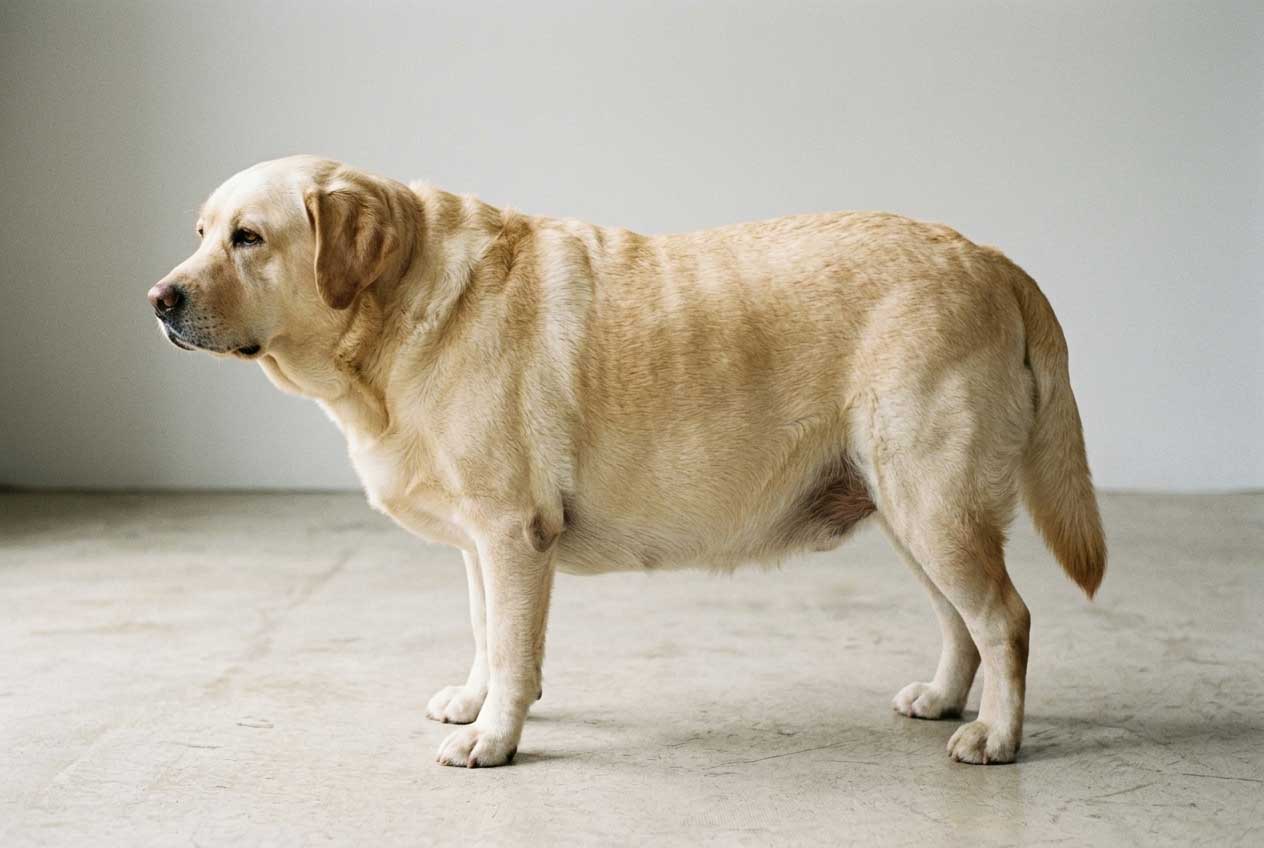
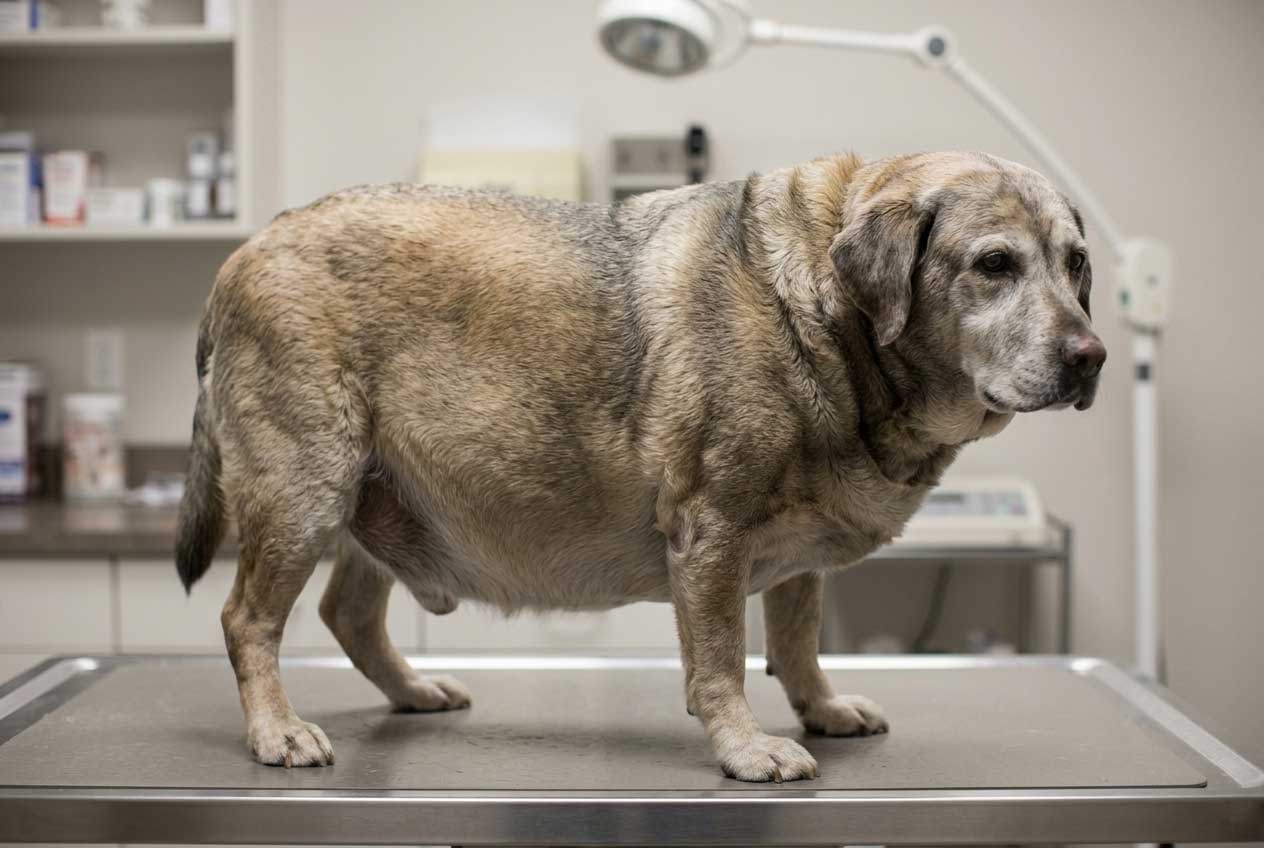
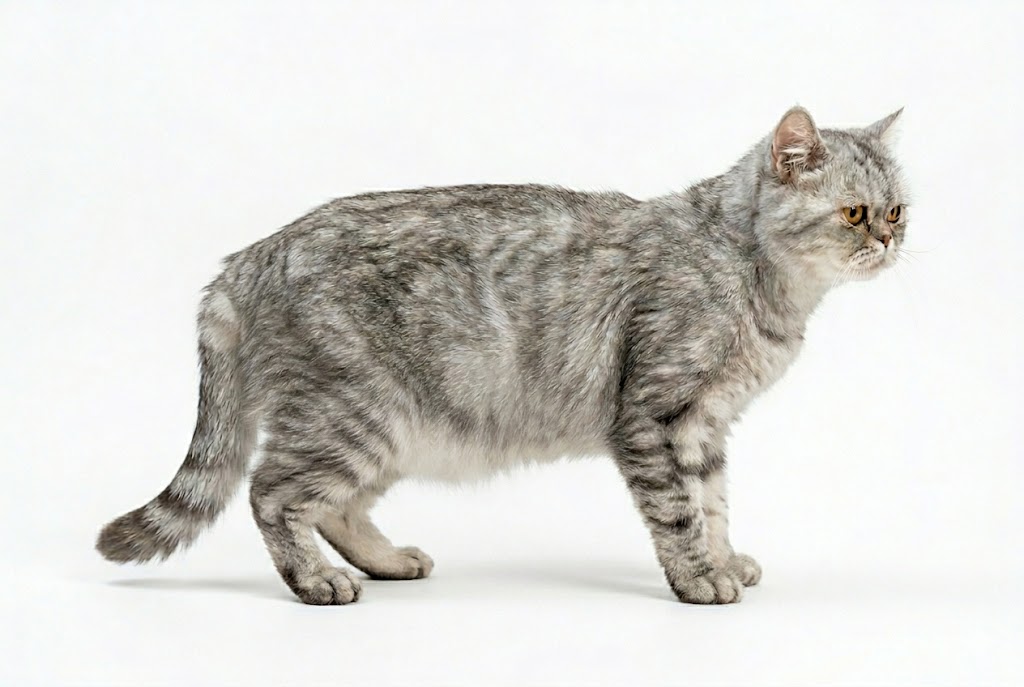
Golden Retrievers, Samoyeds, Bernese Mountain Dogs, Huskies, Chow Chows — their thick, beautiful coats make it genuinely hard to tell if they're overweight. Owners of these breeds often discover at a vet visit that their dog is several kilos heavier than expected. "But they don't look fat!" is a common response. That's exactly the problem: with long-coated breeds, you can't assess weight by eye. Here's how to tell the difference between fluffy and fat.
The One Test That Works on Any Coat: Rib Palpation
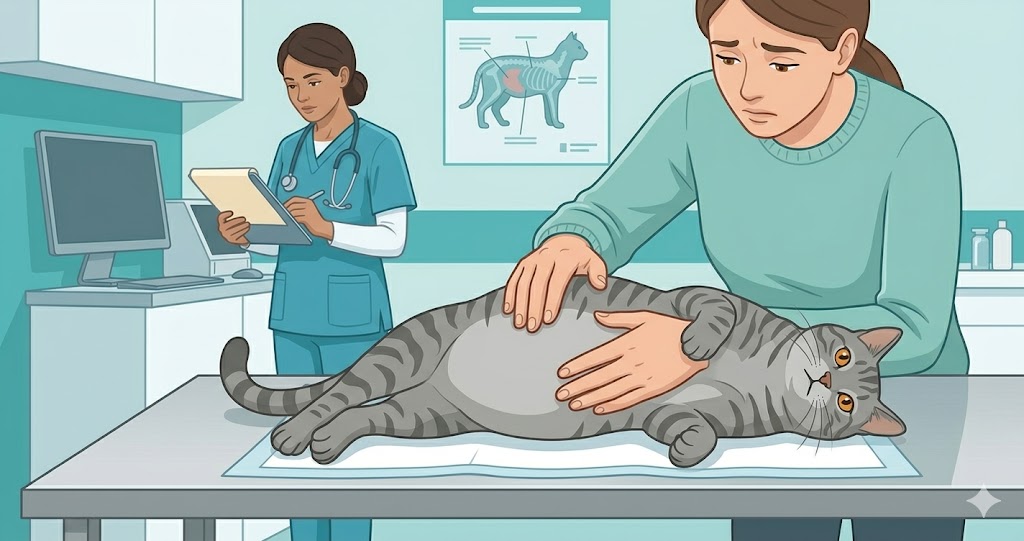
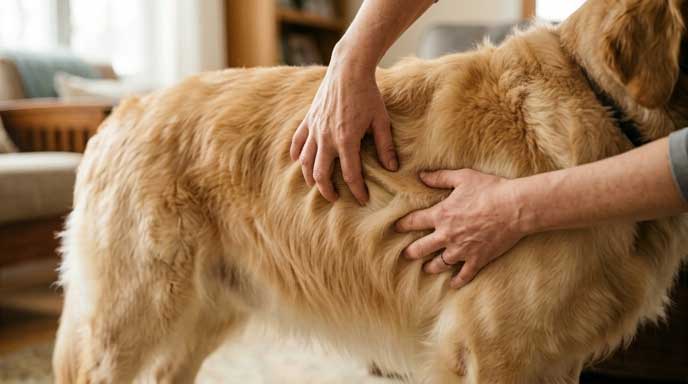
Visual checks (waist from above, belly tuck from the side) lose accuracy when a thick coat conceals body contours. But your hands can feel what your eyes can't see.
How to do it: place your hands flat on either side of your dog's ribcage, fingers parallel to the ribs. Apply gentle pressure — about as much as you'd use to press your closed eyelid.
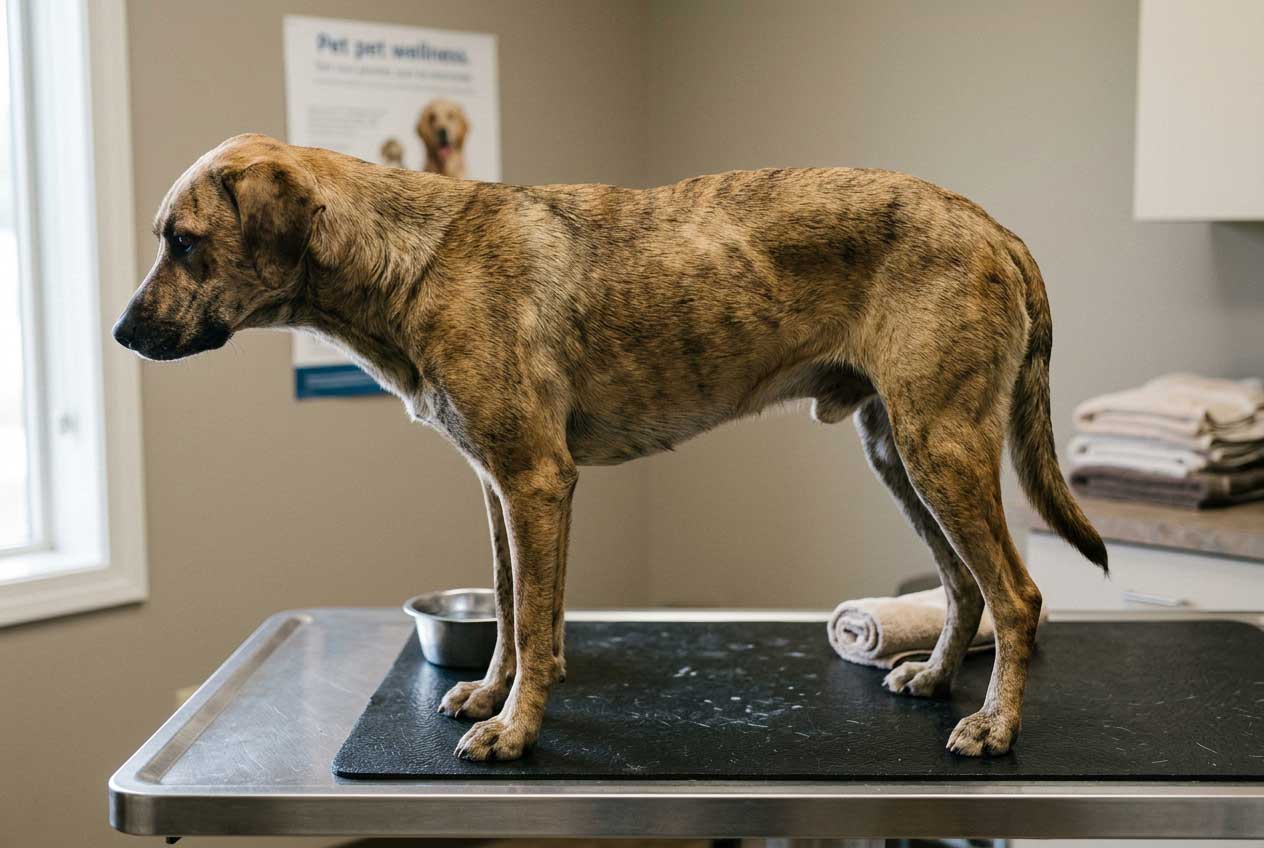
- ✓Ribs felt easily with very light pressure = healthy weight
- ✓Have to press noticeably harder to find the ribs = overweight
- ✓Can't find individual ribs even with firm pressure = obese
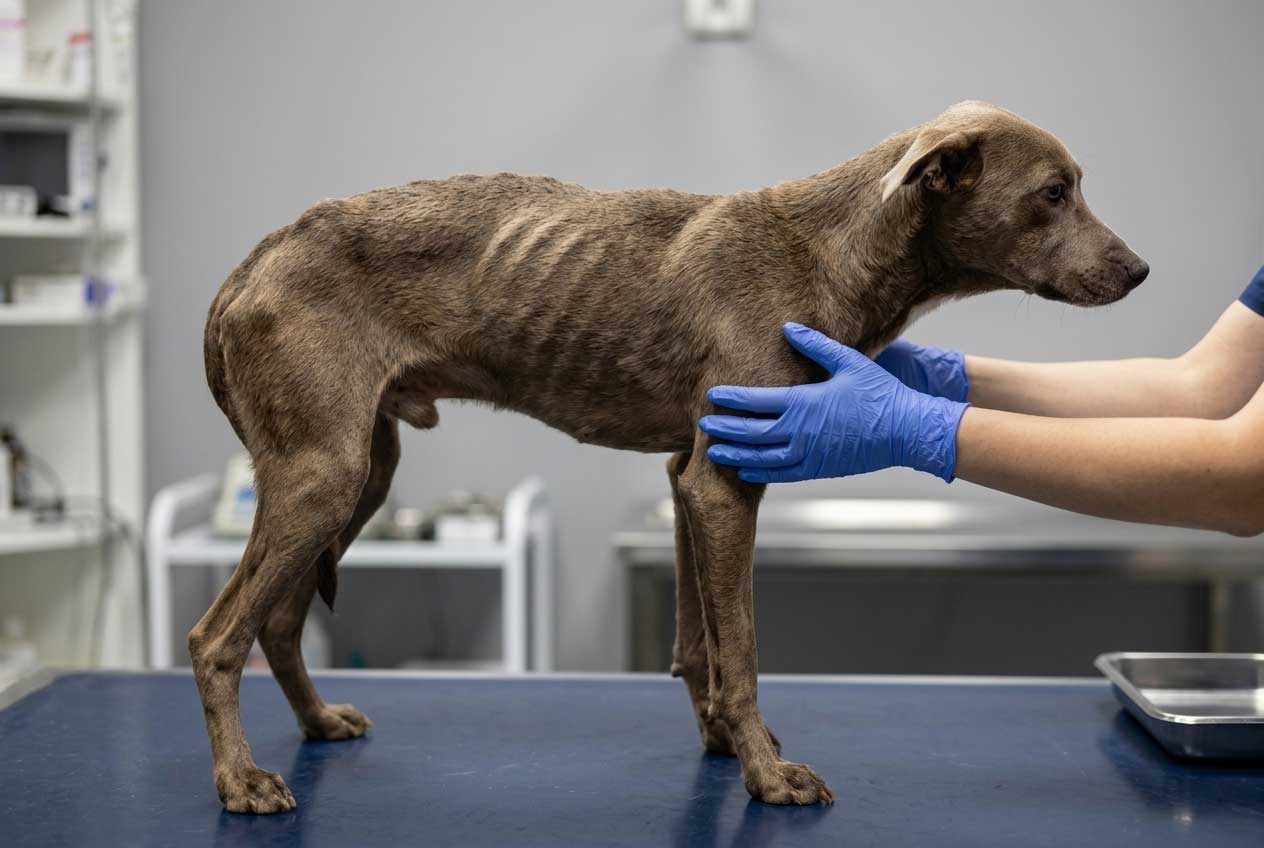
- ✓Ribs felt immediately with no pressure at all = possibly underweight
A healthy dog's ribs feel like pressing on your knuckles with your hand resting flat — slight bony ridges, slight give, but you can feel each one. A fat dog's ribs feel like pressing on the back of your hand — soft, padded, no distinct ridges.
The "Wet Dog" Test
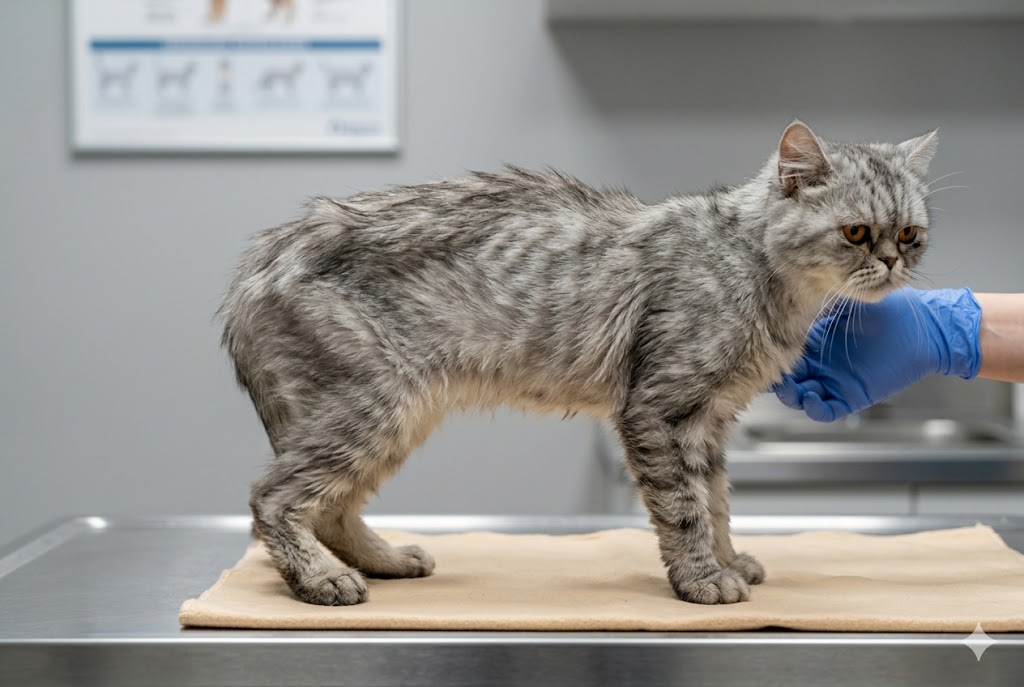
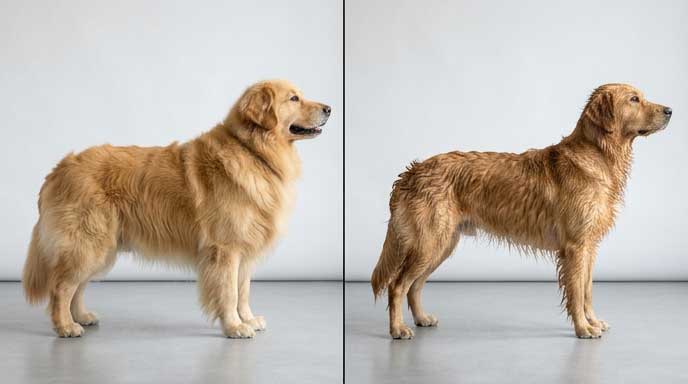
If you've ever seen your fluffy dog after a bath or in the rain, you've seen the wet dog effect: the coat flattens against the body and reveals the actual body shape underneath. Many owners are shocked to see how different their dog looks. Some fluffy dogs reveal a healthy, well-defined waist when wet. Others reveal a barrel shape they'd never suspected.
You can use bath time as an informal BCS check — look for waist definition and abdominal tuck while the coat is flattened. What you see is a much more accurate picture of your dog's actual body shape.
Fluffy Breeds Most Prone to Hidden Weight Gain
- ✓Golden Retriever — one of the most obesity-prone breeds, coat hides fat deposits easily
- ✓Labrador Retriever — genetically predisposed to obesity, dense coat adds to illusion
- ✓Samoyed — thick white coat completely conceals body shape from visual inspection
- ✓Chow Chow — dense double coat and naturally stocky build = extremely hard to assess visually
- ✓Bernese Mountain Dog — large frame + thick coat means owners often underestimate weight
- ✓Rough Collie — long mane and profuse coat hide waist and rib area
- ✓Husky / Malamute — working dogs that gain weight quickly after being desexed and reduced in activity
Why Coat Doesn't Cause Fat — But Can Mask It
A long, healthy coat adds little to no measurable body weight. The average dog coat weighs between 100–400 grams depending on breed and size — insignificant compared to the kilos of fat that can accumulate undetected. The coat isn't causing the weight problem; it's just hiding it. An owner who relies on visual appearance alone might not realize their Golden Retriever is 3–4 kg overweight until a routine vet visit.
What About the Scale?
Weighing your dog regularly is valuable — but weight alone doesn't tell you if a dog is fat. A Labrador at 32 kg might be ideal weight or significantly overweight depending on their frame size and muscle mass. Body condition score (BCS) gives more useful information than scale weight because it measures fat relative to body structure. Use both: weigh monthly AND assess BCS monthly.
If Your Fluffy Dog Is Overweight: What Changes
- ✓Measure all food with a kitchen scale, not a cup — cups are 20–30% inaccurate
- ✓Reduce daily portions by 10–15% — this feels less than you'd expect but adds up
- ✓Switch to a lower-calorie food designed for weight management
- ✓Replace all treats with low-calorie options: baby carrots, green beans, cucumber slices
- ✓Add 20–30 minutes of daily walking
- ✓Recheck BCS monthly — at bath time is ideal for visual confirmation
- ✓Vet visit if you suspect hypothyroidism (unexplained weight gain despite normal diet)
Not sure where your fluffy dog stands? Upload a side-view and top-down photo — our AI accounts for coat type and provides a BCS score based on visible body contours.
Is your fluffy dog actually overweight?
Upload a photo — AI accounts for breed coat type and assesses body condition score (BCS 1–9) based on visible body contours.
Disclaimer: This article is for informational purposes only and is not a substitute for professional veterinary advice. Always consult a licensed veterinarian for diagnosis and treatment of your pet's health conditions.