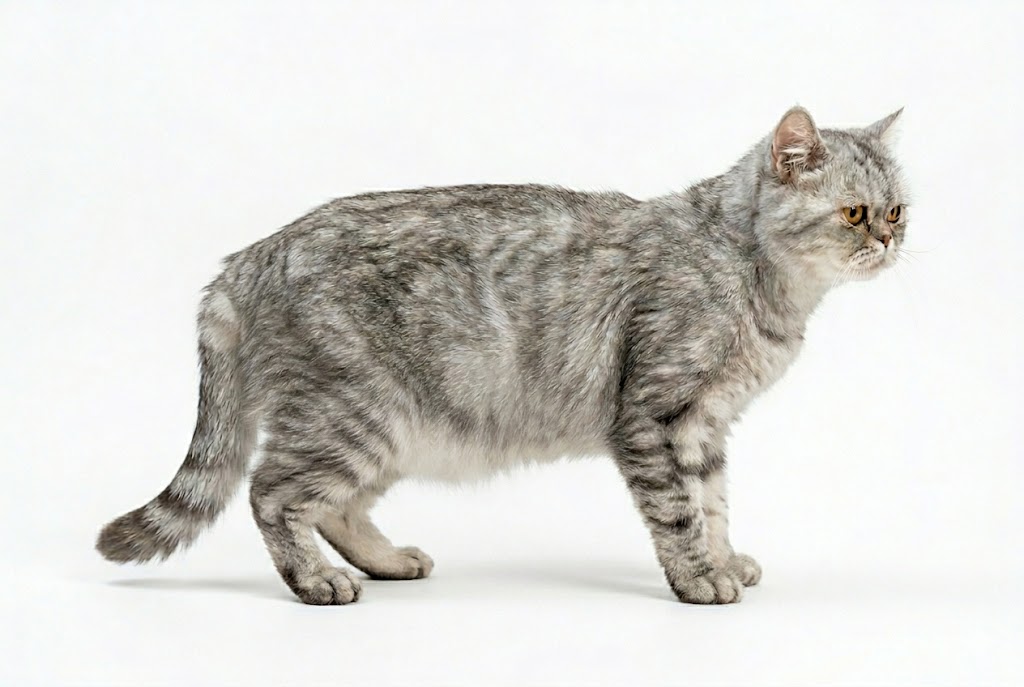
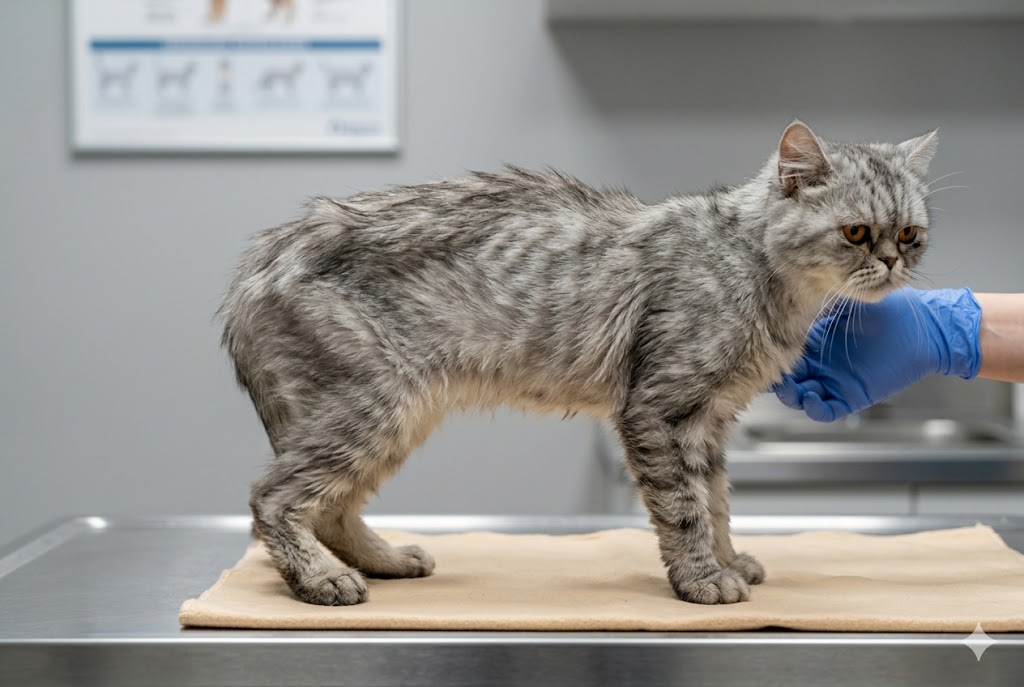
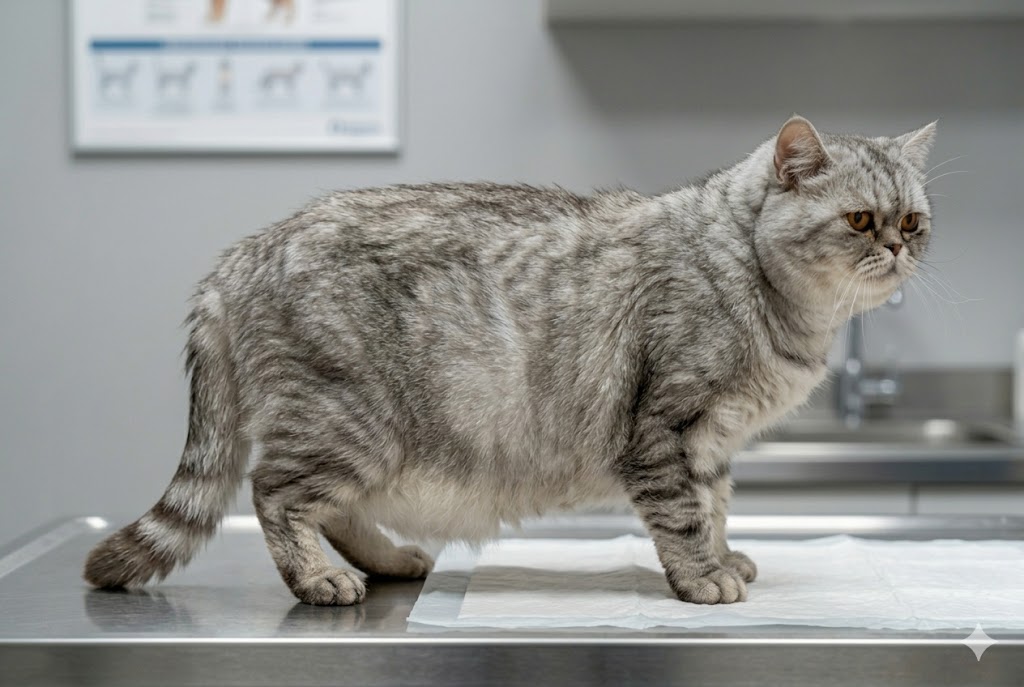
Is My Dog Fat or Bloated? How to Tell the Difference Fast
A swollen belly in a dog can be fat accumulation — or a medical emergency. Learn the key differences between a fat dog belly and dangerous bloat (GDV), ascites, and other causes of abdominal distension.
Published 2026-04-20
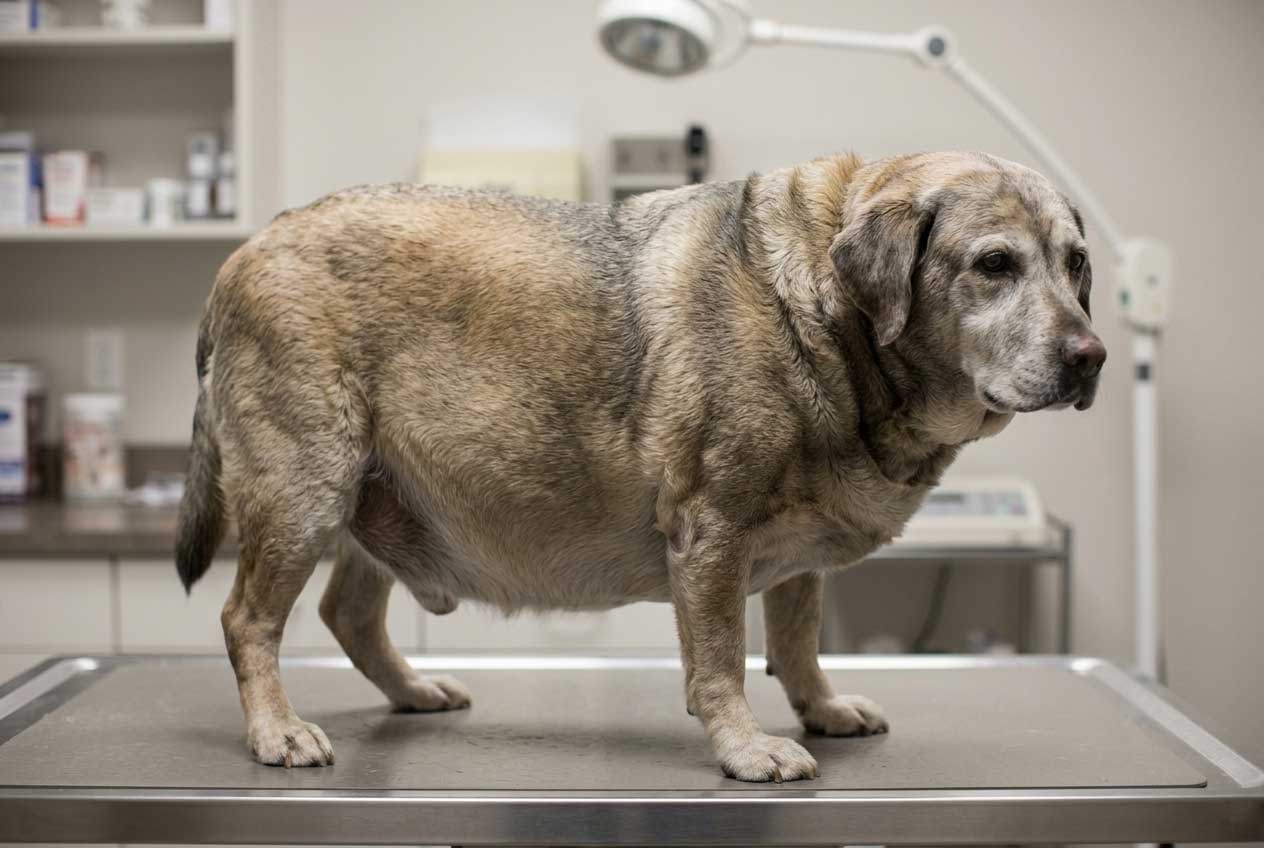
Your dog's belly looks bigger than usual — and you're wondering: is this just weight gain, or something more serious? The distinction matters a lot. A fat dog belly develops gradually over weeks or months and is not an emergency. A bloated dog belly from GDV (gastric dilatation-volvulus) can be life-threatening within hours. Here's how to tell the difference quickly.
Key Differences at a Glance
- ✓FAT: develops gradually over weeks/months — you barely noticed it getting bigger
- ✓BLOAT (GDV): appears suddenly, often within hours — your dog was fine this morning
- ✓FAT: dog acts completely normal — eating, drinking, playing as usual
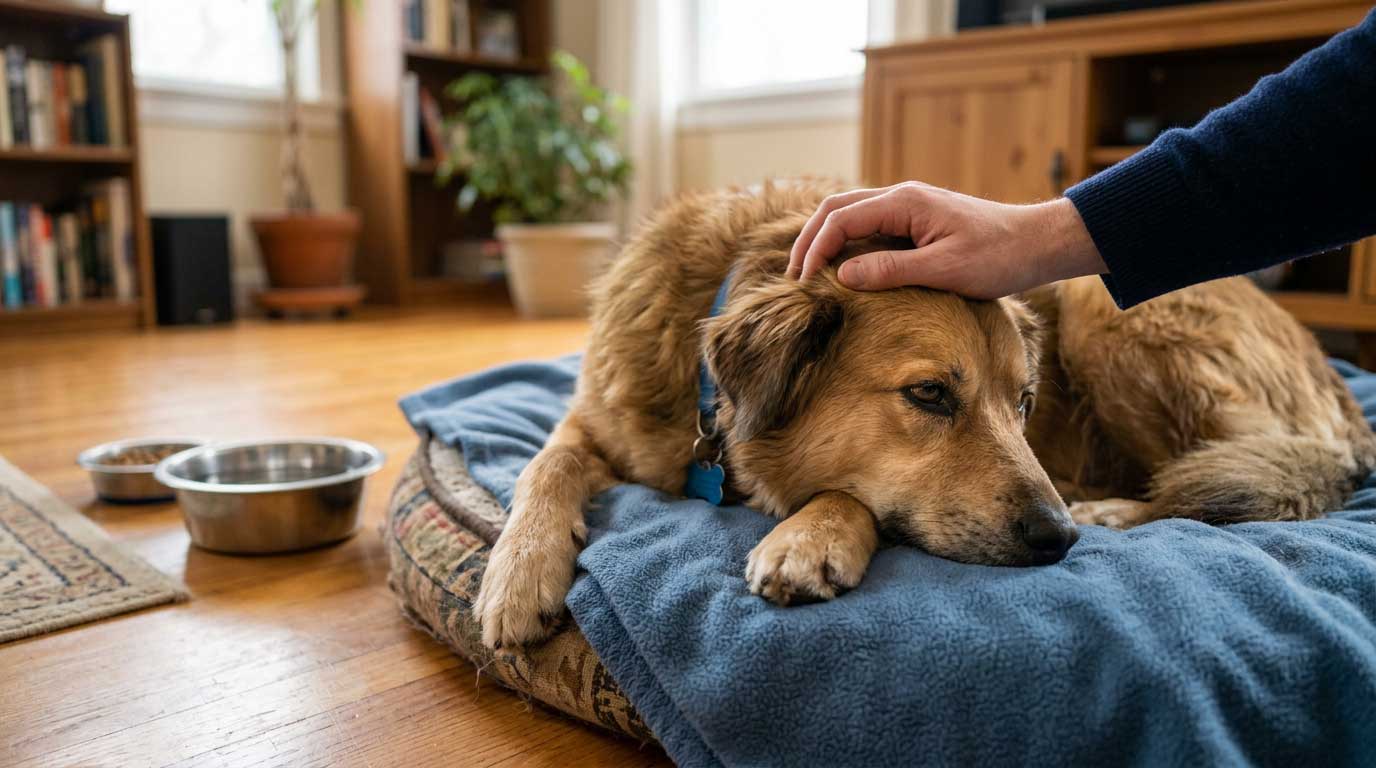
- ✓BLOAT: dog is clearly distressed — restless, trying to vomit without producing anything, won't settle
- ✓FAT: belly is soft and doughy when pressed
- ✓BLOAT: belly feels hard and tight, like a drum — tapping it may produce a hollow sound
- ✓FAT: no change in breathing
- ✓BLOAT: rapid breathing, panting, excessive drooling
What Is Bloat (GDV) and Why Is It an Emergency?
Bloat refers to two related conditions. Simple bloat (gastric dilatation) is the stomach filling with gas. GDV (gastric dilatation-volvulus) is when the bloated stomach then twists on itself, cutting off blood supply. GDV is fatal within hours without surgery. Deep-chested breeds are most at risk: Great Danes, Weimaraners, Irish Setters, Standard Poodles, German Shepherds, Dobermans, Saint Bernards.
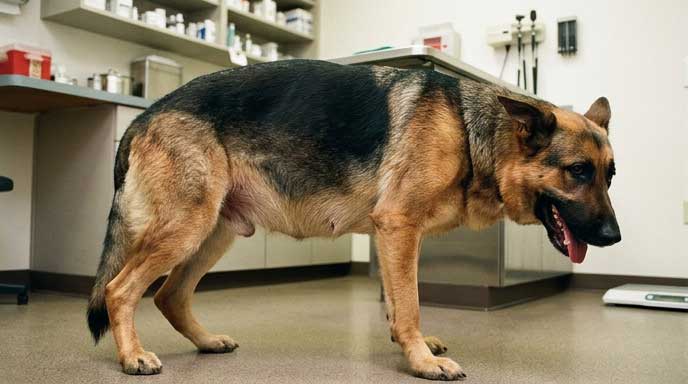
Emergency Signs — Go to a Vet Immediately
- ✓Sudden large belly distension that appeared in hours
- ✓Retching or trying to vomit without producing anything (unproductive vomiting)
- ✓Extreme restlessness — can't lie down, keeps getting up
- ✓Hunched posture, looking at the belly
- ✓Pale or white gums
- ✓Rapid breathing and panting at rest
- ✓Weakness or collapse
If you see these signs — do not wait to take photos or use an AI tool. Drive directly to an emergency vet. GDV is one of the few truly life-threatening veterinary emergencies where minutes matter.
Other Medical Causes of a Swollen Belly (Not Just Fat)
A belly that looks swollen but the dog seems otherwise normal might not be simple fat. Several medical conditions cause abdominal distension:
- ✓ASCITES (fluid accumulation): belly feels fluid-filled, like a water balloon when pressed; causes include heart failure, liver disease, low albumin, cancer. Develops over weeks.
- ✓CUSHING'S DISEASE: pot-belly appearance caused by cortisol-related fat redistribution, thin skin, increased thirst and urination, hair loss on flanks. Common in middle-aged and senior dogs.
- ✓HYPOTHYROIDISM: weight gain including belly fat without obvious overeating; lethargy, cold intolerance, slow heart rate.
- ✓INTESTINAL PARASITES: heavy parasite loads can cause a pot-belly appearance especially in puppies.
- ✓PREGNANCY: abdomen enlarges progressively from week 4–5 onward.
- ✓PYOMETRA (intact females): life-threatening uterine infection causing abdomen to enlarge; signs include increased thirst, lethargy, vaginal discharge.
- ✓ABDOMINAL TUMOR: one-sided or asymmetric swelling, sometimes palpable firm mass.
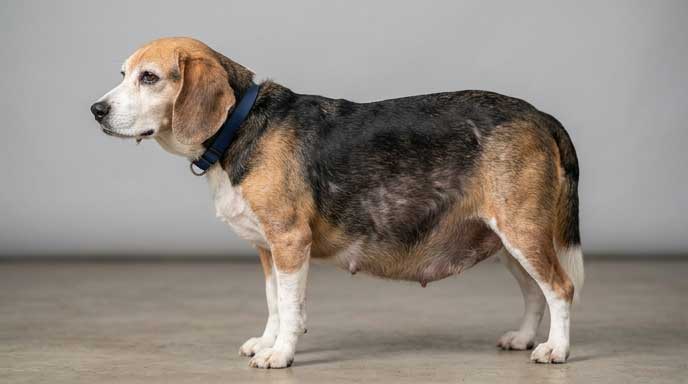
How to Tell If It's Just Fat
A fat belly from simple obesity has specific characteristics:
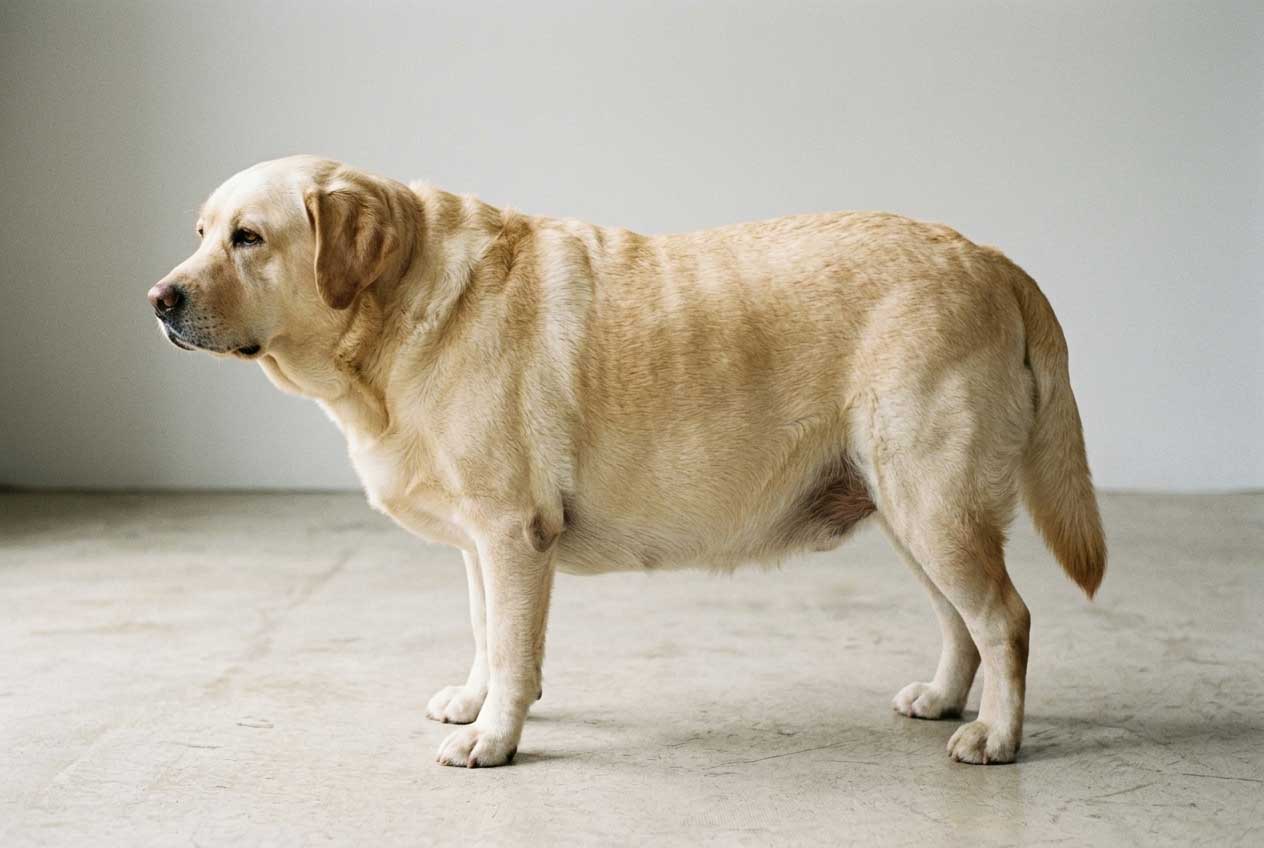
- ✓Developed gradually — you've noticed the dog getting bigger over months, not days
- ✓Fat is distributed fairly evenly — belly, sides, over the ribs, at the base of the tail
- ✓Belly feels soft and doughy — not hard, not fluid-filled
- ✓Dog is acting completely normal — same energy, appetite, thirst, urination
- ✓Rib test confirms it — hard to feel ribs due to fat layer
- ✓Waist is absent when viewed from above
If all of these are true, you're most likely dealing with simple weight gain — which is manageable with diet and exercise changes. But if any symptom seems off, a vet exam can rule out the medical causes above.
When to See a Vet for a Swollen Dog Belly
- ✓IMMEDIATELY: sudden swelling + any distress signs (retching, restlessness, panting) = possible GDV
- ✓WITHIN 48 HOURS: belly grew noticeably over a few days, dog seems off, unusual thirst/urination
- ✓WITHIN A WEEK: gradual belly growth + weight gain despite normal eating + lethargy = possible Cushing's or hypothyroidism
- ✓NOT URGENT: gradual weight gain, dog acting completely normal, rib test confirms fat = schedule routine vet checkup
Want to assess if your dog's belly is a body condition issue? Upload a side-view and top-down photo for an AI body condition score — it distinguishes fat distribution from other causes based on overall body shape.
Is your dog's belly fat or something else?
Upload a photo — AI assesses body condition score and identifies fat distribution patterns. For sudden distension with distress signs, go to an emergency vet immediately.
Disclaimer: This article is for informational purposes only and is not a substitute for professional veterinary advice. Always consult a licensed veterinarian for diagnosis and treatment of your pet's health conditions.