Underweight Dog: Causes, Signs, and What to Do
Why is my dog so skinny? Underweight dogs have many causes — from parasites to serious illness. Learn how to assess body condition score, identify the cause, and help your dog gain healthy weight.
Published 2026-04-20
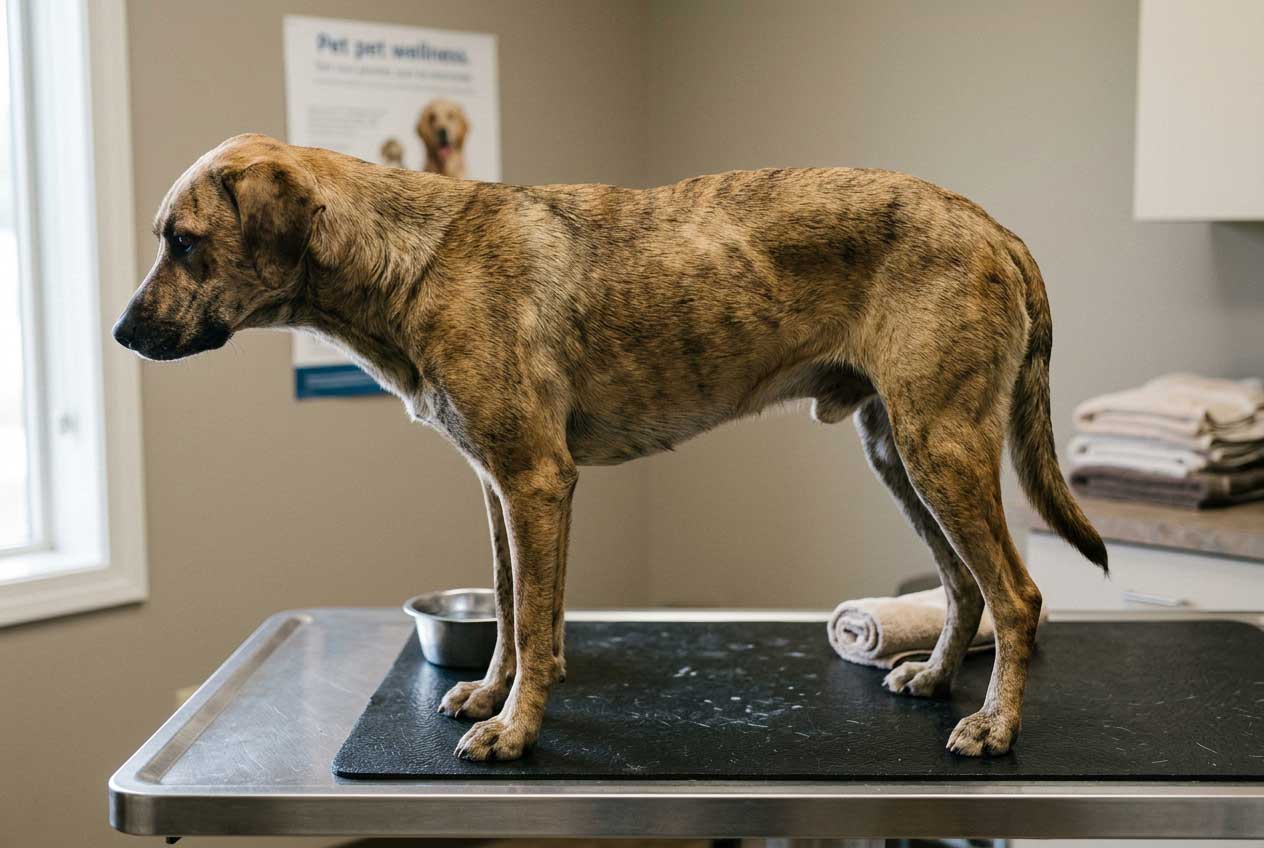
A dog who is clearly too thin is a worrying sight — but "underweight" has many causes, ranging from easily fixed (wrong food, parasites) to serious (chronic illness, cancer). Before you start adding food, it helps to understand WHY your dog is underweight. Feeding more is not always the right first step.
Signs Your Dog Is Underweight
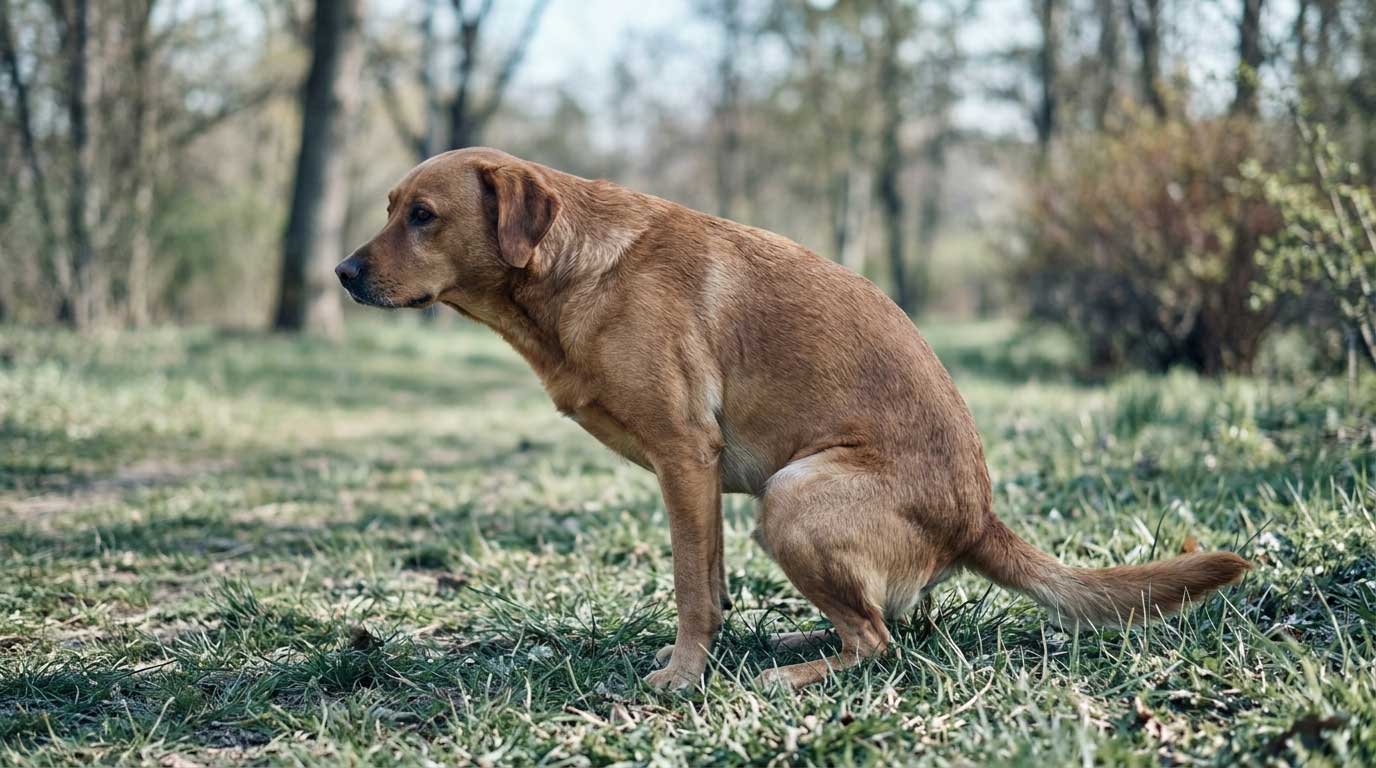
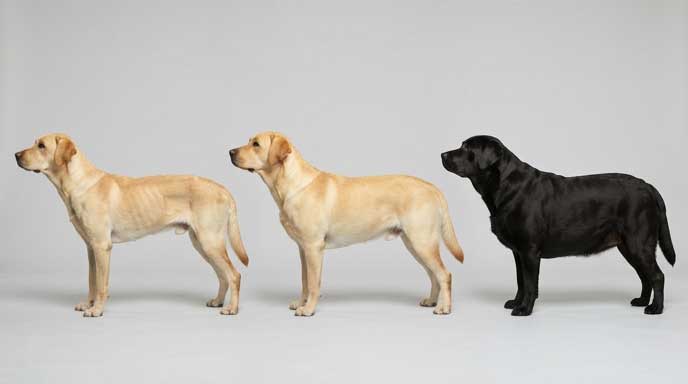
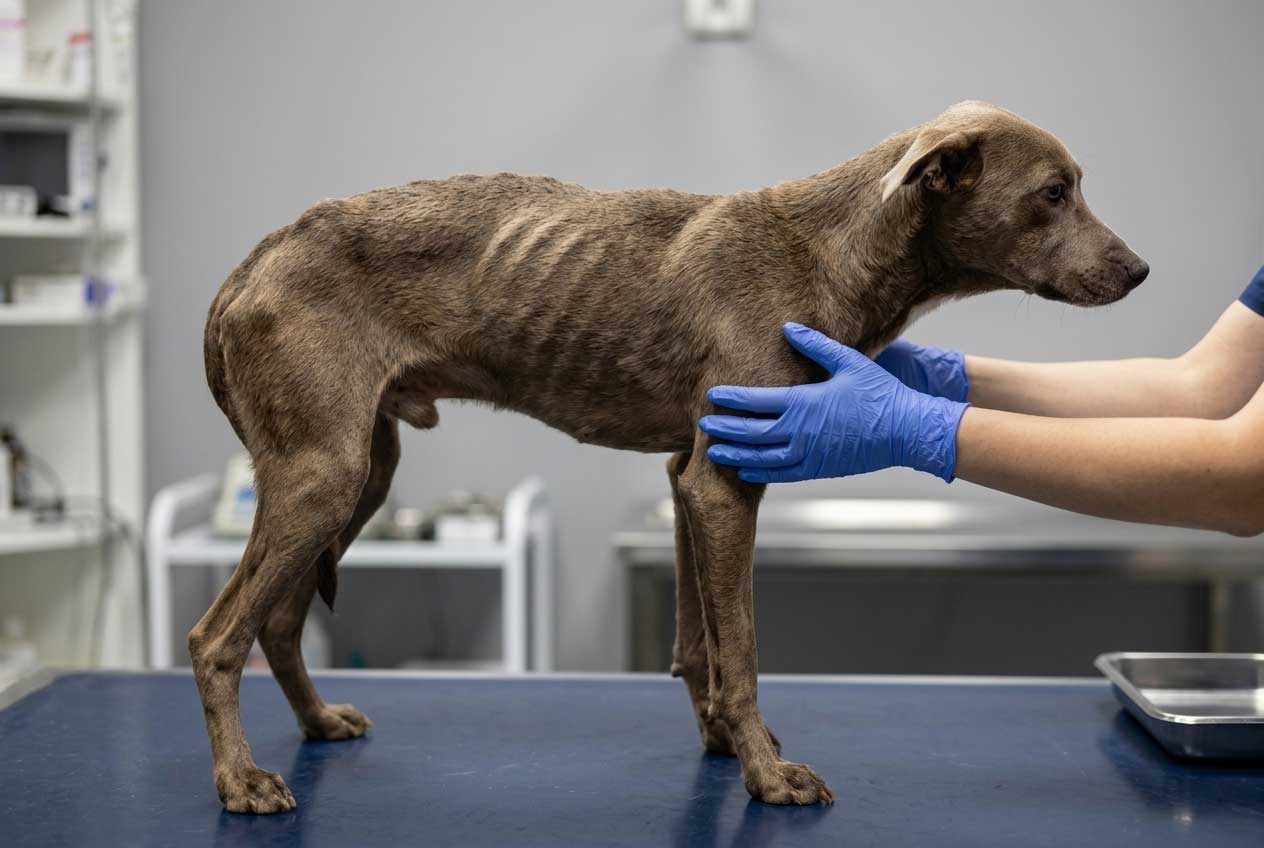
The veterinary body condition score (BCS) scale runs from 1–9, with 4–5 being ideal. Dogs below BCS 4 are underweight. Here's what to look for:
- ✓Ribs visible without touching — you can see individual ribs through the skin or fur
- ✓Spine and hip bones prominently visible, feel sharp when touched
- ✓Waist extremely pronounced — very exaggerated hourglass shape
- ✓No abdominal fat — belly pulled in tightly, almost tucked up to the spine
- ✓Shoulder blades and hip points visibly protruding
- ✓Overall "bony" appearance — little muscle mass, especially over the hindquarters
Note: sighthound breeds (Greyhound, Whippet, Italian Greyhound, Saluki) naturally have visible ribs and a more angular look at a healthy weight — this is normal for their build, not underweight.
Common Causes of Underweight Dogs
1. Inadequate Caloric Intake
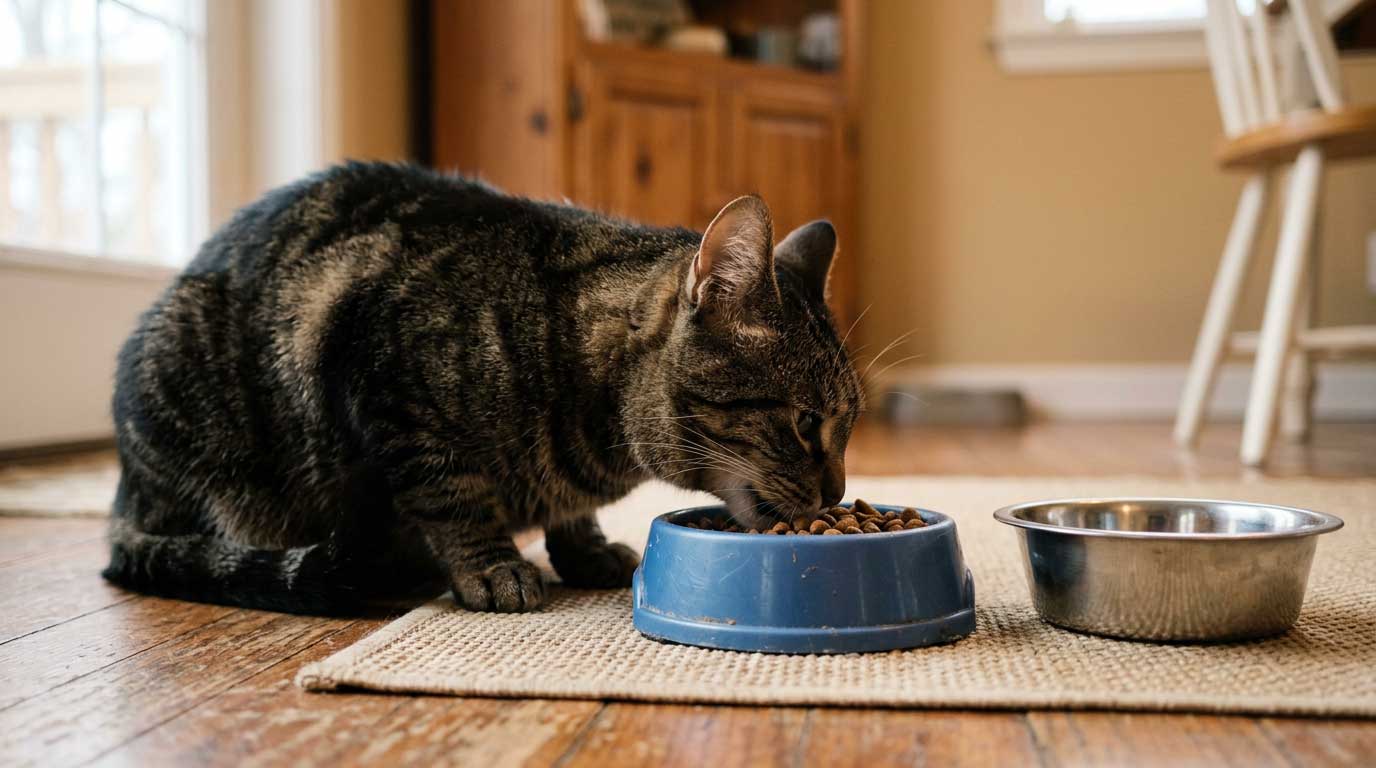
The most straightforward cause: the dog simply isn't getting enough food. This can happen when food portions are miscalculated, food is stolen by other pets, the dog is fed an inappropriate diet (e.g., low-calorie food given to a working or highly active dog), or a recent shelter or rescue situation.
2. Intestinal Parasites
Hookworms, roundworms, whipworms, and tapeworms can all cause weight loss despite adequate feeding. Puppies and dogs from outdoor environments or shelters are most at risk. A fecal test at the vet is cheap and quick — always rule this out first in an otherwise-healthy-seeming thin dog.
3. Dental Disease
Severe dental pain makes eating uncomfortable or impossible. Dogs may lose weight while appearing to "eat" — circling the bowl, picking up food then dropping it, preferring soft food. Check for bad breath, reluctance to chew hard food, or visible tartar and red gums.
4. Gastrointestinal Disorders
Inflammatory bowel disease (IBD), protein-losing enteropathy, exocrine pancreatic insufficiency (EPI), and chronic intestinal infections all prevent proper nutrient absorption. Signs include chronic soft stools, diarrhea, or very large volumes of stool despite normal feeding.
5. Chronic Illness
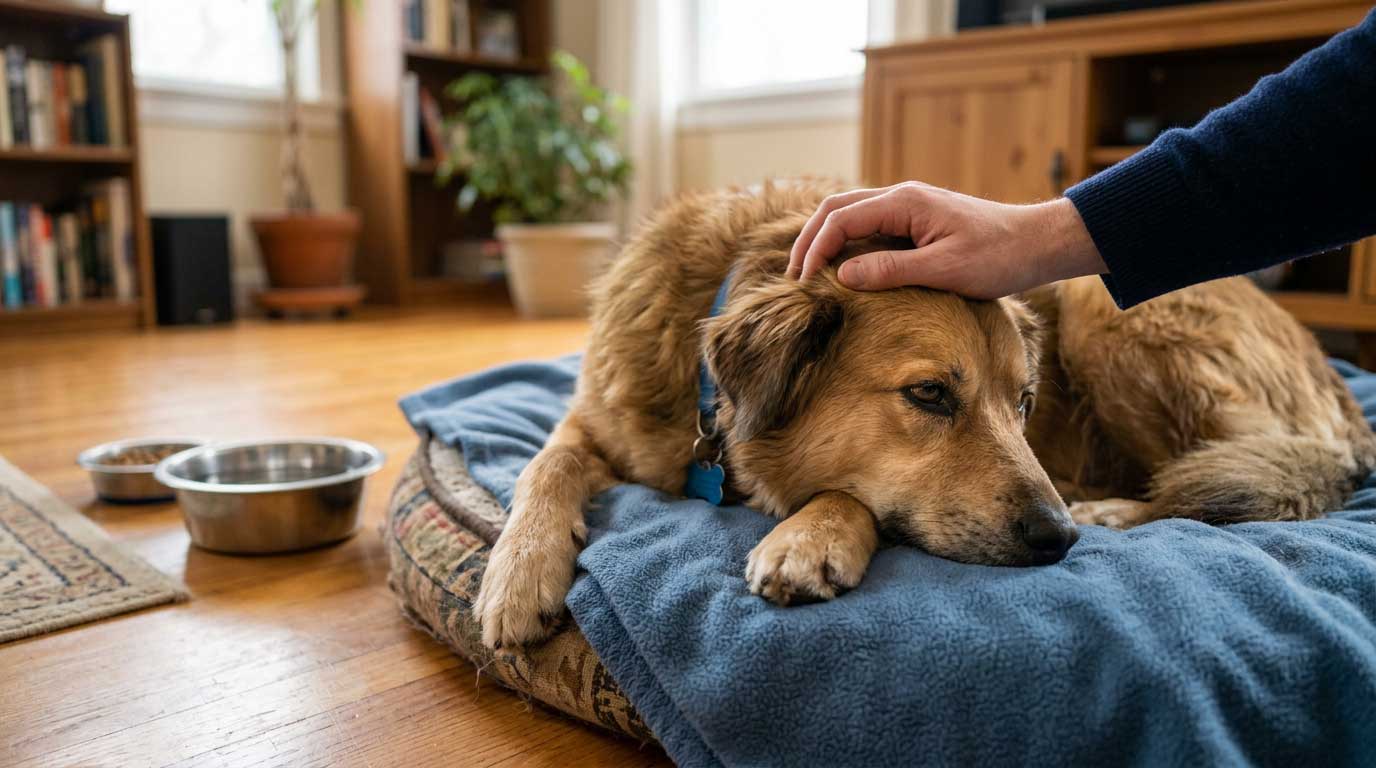
Kidney disease, liver disease, Addison's disease, and diabetes can all cause weight loss. These require bloodwork to diagnose. Senior dogs losing weight despite normal eating should always be checked for organ disease.
6. Cancer
Unexplained weight loss in older dogs is a classic early sign of cancer. Lymphoma, gastrointestinal tumors, and other cancers can cause "cancer cachexia" — severe muscle and fat wasting even when the dog appears to be eating.
What to Do If Your Dog Is Underweight
- ✓First: vet visit to run a fecal test (parasites) and bloodwork (organ function, thyroid, protein levels)
- ✓Treat any underlying cause before simply feeding more — adding food to a dog with kidney disease can worsen it
- ✓If no medical cause found: increase daily calories by 20–25% using a high-quality, high-protein food
- ✓Feed 3 smaller meals per day rather than one large meal — easier on the digestive system
- ✓Add cooked chicken, beef, or salmon as a protein boost (not raw if immune-compromised)
- ✓Consider a veterinary therapeutic food designed for weight gain (Royal Canin Recovery, Hill's a/d)
- ✓Monitor body weight weekly and BCS monthly — target 0.5–1% body weight gain per week
- ✓Never force-feed rapidly — refeeding syndrome is a real risk in severely malnourished dogs
When Is Underweight an Emergency?
BCS 1–2 (severely underweight) with visible muscle wasting is a medical emergency — the dog needs veterinary care, not just more food. Signs to rush to a vet: BCS 1–2 with weakness, inability to stand, collapse, or lethargy. For BCS 3 without other symptoms, a vet visit within a week is appropriate.
Want to assess your dog's body condition score objectively? Upload a side-view photo and our AI will score BCS (1–9) and tell you how underweight your dog is.
Is your dog underweight?
Upload a photo — AI assesses body condition score (BCS 1–9) and tells you if your dog is underweight, ideal, or overweight — with specific next steps.
Disclaimer: This article is for informational purposes only and is not a substitute for professional veterinary advice. Always consult a licensed veterinarian for diagnosis and treatment of your pet's health conditions.