My Dog Is Too Skinny: 8 Reasons and How to Help
Your dog looks too skinny despite eating — find out why. From parasites to picky eating to serious illness, here are 8 reasons dogs stay thin and what to do about each.
Published 2026-04-20
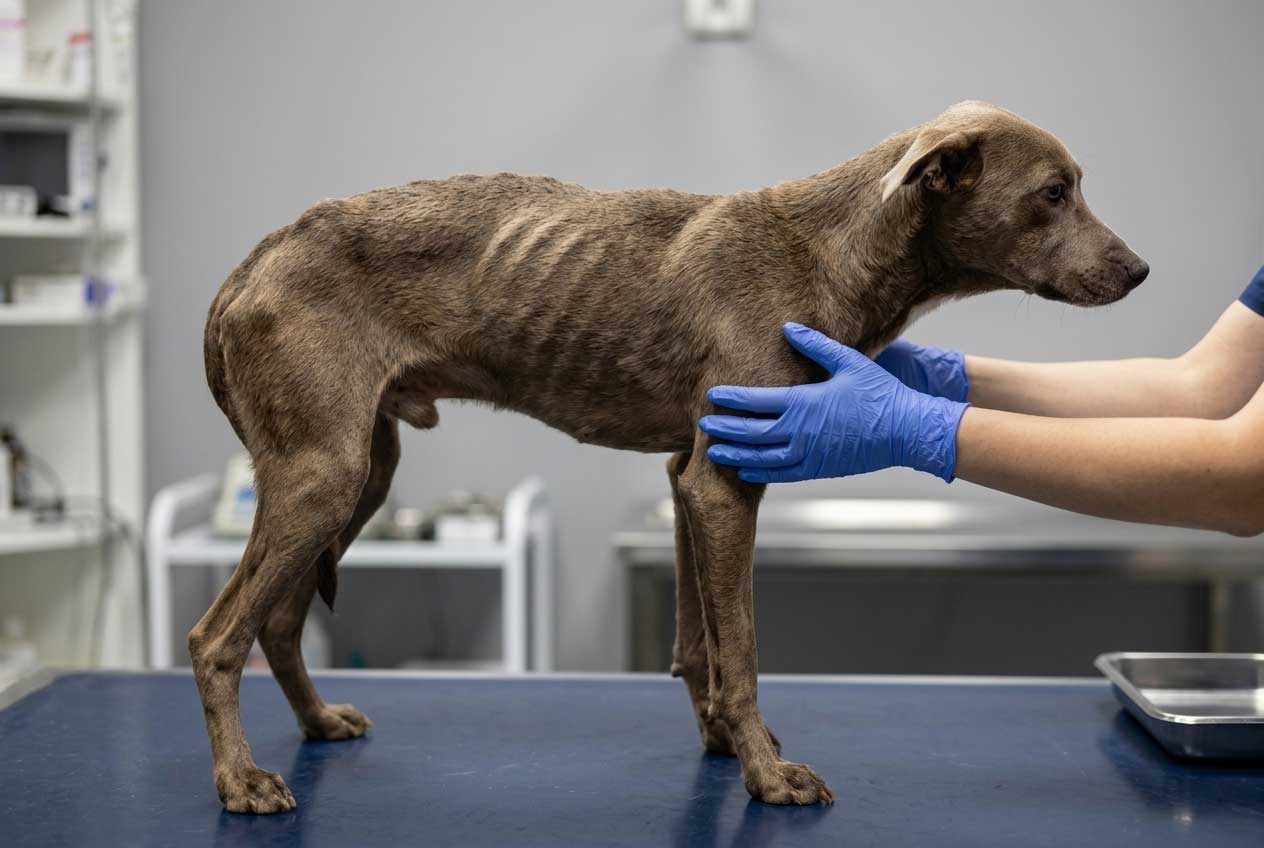
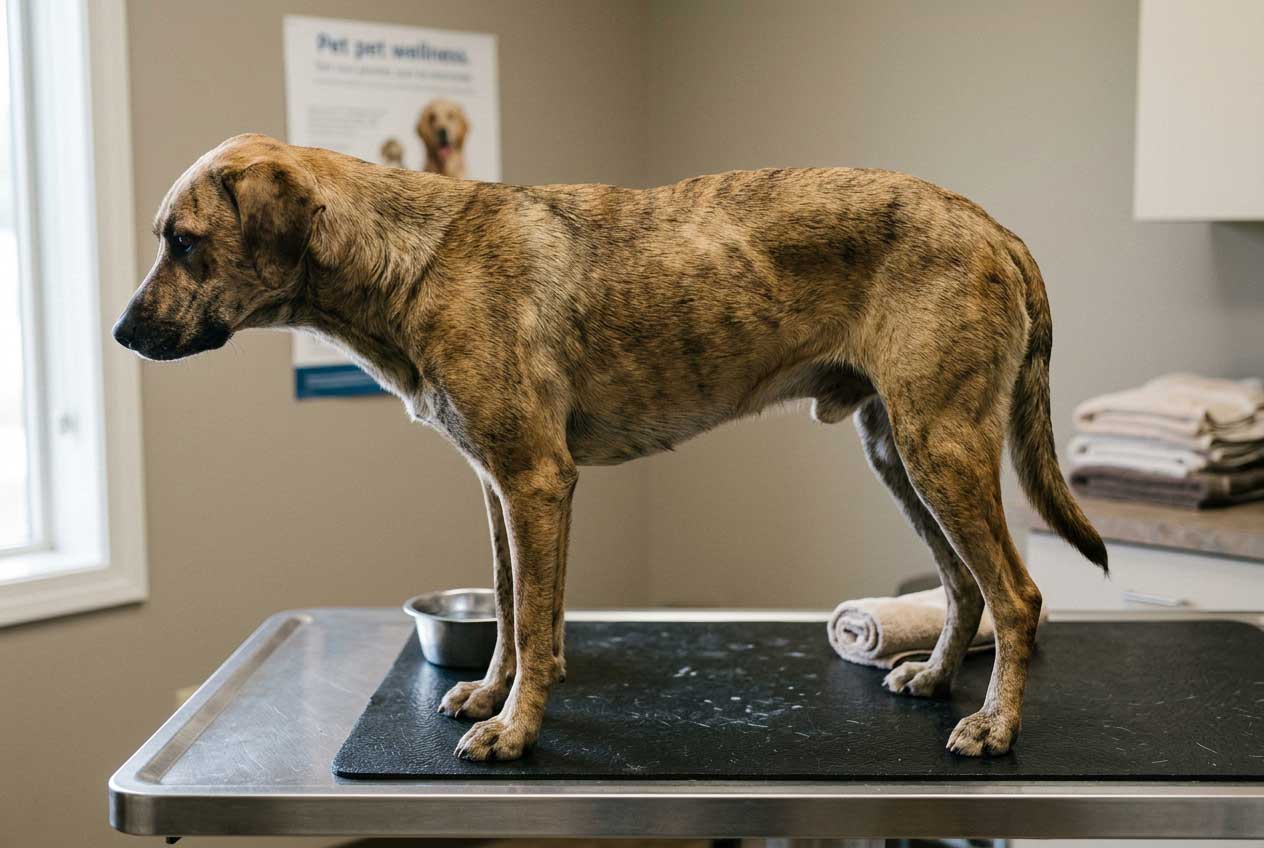
"My dog eats everything I give them — so why are they still so skinny?" This is one of the most frustrating situations for dog owners. A dog can be eating plenty and still losing weight or failing to gain. The cause is almost never "the dog is just naturally thin." Here are 8 real reasons dogs stay skinny despite eating, and what to do about each.
1. Parasites (Most Common Overlooked Cause)
Hookworms, roundworms, whipworms, and tapeworms steal nutrients before the dog can absorb them. A dog with a heavy parasite load can eat a lot and still lose weight. You may see worm segments in stool (tapeworms look like rice grains), but many parasites are invisible to the naked eye. A fecal test at the vet costs $20–40 and detects most intestinal parasites. Treatment is cheap and quick — this is always the first thing to rule out.
2. Wrong Food for the Dog's Energy Needs
Working dogs, highly active breeds, and young puppies need significantly more calories than what's printed on standard food labels (which are calibrated for average adult dogs). A Border Collie on agility training, a dog that runs with you daily, or a 4-month-old puppy all need 20–50% more calories than a sedentary adult dog. Check if you're feeding a "light" or "senior" formula to a high-energy dog — these are calorie-reduced.
3. Dental Pain Preventing Proper Eating
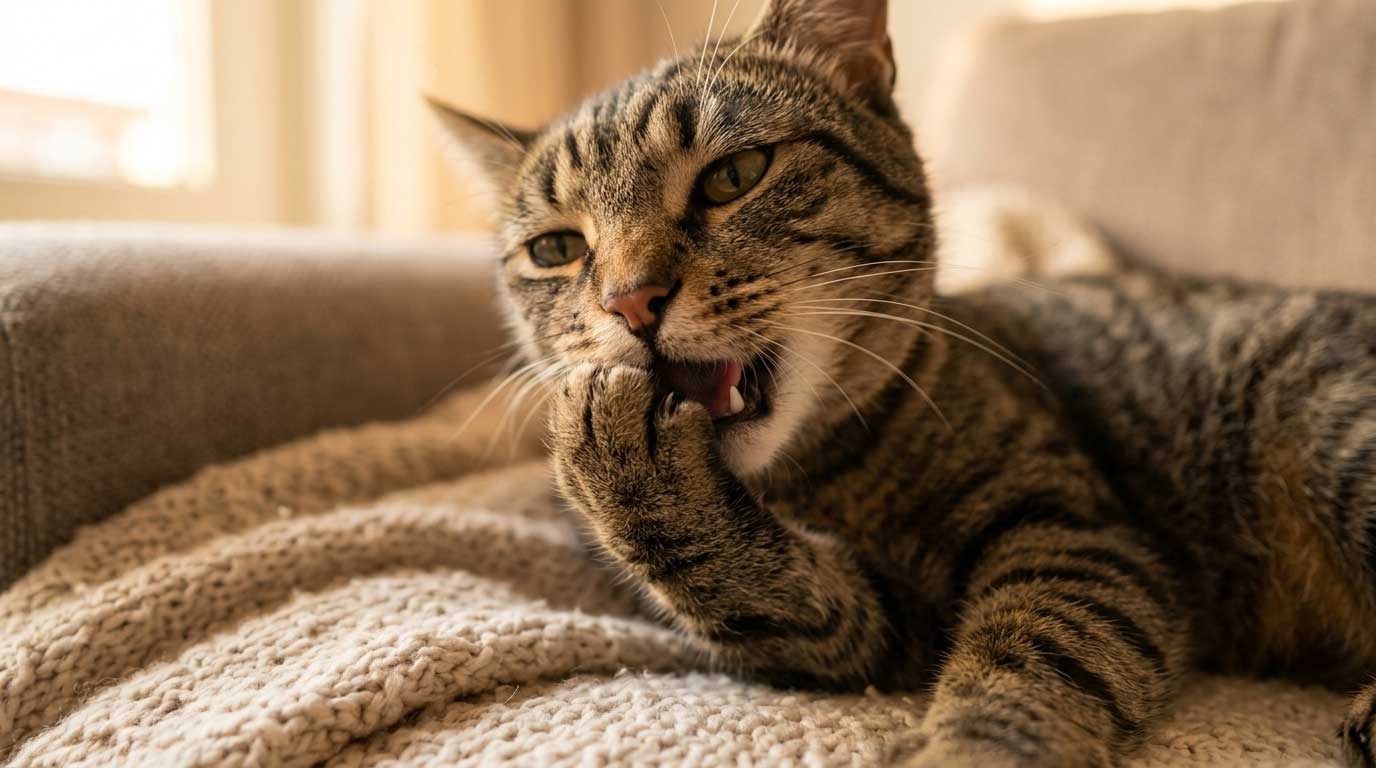
Dogs don't show dental pain the way humans do — they'll often continue trying to eat while in significant discomfort. Signs: preferring soft food over kibble, dropping food while chewing, chewing only on one side, bad breath, weight loss. Severe dental disease, broken teeth, or oral tumors can make eating painful enough to cause weight loss. A quick visual check: lift the lips and look at the teeth and gumline.
4. Exocrine Pancreatic Insufficiency (EPI)
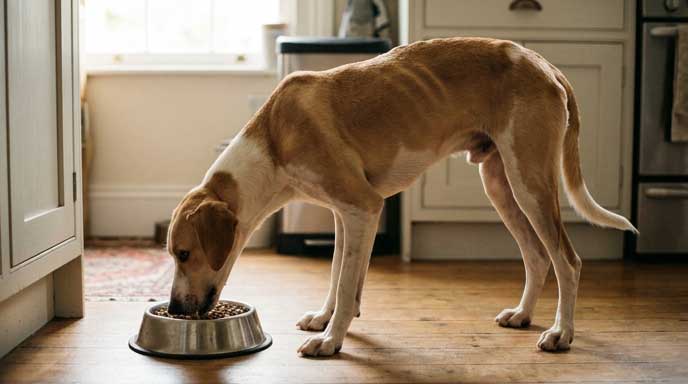
EPI is a condition where the pancreas doesn't produce enough digestive enzymes, so food passes through without being properly absorbed. Classic signs: ravenous appetite, dramatic weight loss despite eating lots, large volumes of pale/greasy loose stool. German Shepherds are genetically predisposed. EPI is diagnosed with a simple blood test (TLI test) and managed with enzyme supplements added to every meal — dogs on enzymes typically gain weight rapidly.
5. Inflammatory Bowel Disease (IBD)
Chronic inflammation of the intestinal wall impairs nutrient absorption. Dogs with IBD often have intermittent vomiting, chronic loose stools or diarrhea, and gradual weight loss over months. They may eat well but fail to maintain weight. Diagnosis requires intestinal biopsy or endoscopy in many cases. Treatment includes dietary management (hypoallergenic or hydrolyzed protein diets) and sometimes immunosuppressive medication.
6. Diabetes
In uncontrolled diabetes, cells can't use glucose for energy despite the dog eating plenty — they effectively "starve" at the cellular level while eating normally or even excessively. Signs: dramatic weight loss + increased thirst + increased urination + increased hunger, often rapid onset. Middle-aged and older dogs, and female dogs, are most commonly affected. Diagnosed with blood and urine glucose testing.
7. Hyperthyroidism (Rare in Dogs, Common in Cats)
Unlike cats, where hyperthyroidism is extremely common, dogs rarely get hyperthyroidism. When they do, it's usually from thyroid cancer. Signs: rapid weight loss, increased appetite, restlessness, elevated heart rate. Much more likely in dogs is HYPOTHYROIDISM — which actually causes weight GAIN. If your dog is losing weight, hypothyroid is unlikely to be the cause, but a full thyroid panel can confirm.
8. Cancer
Cancer cachexia — extreme muscle and fat wasting from cancer metabolism — can cause rapid weight loss even when the dog appears to eat normally. Any dog losing weight rapidly without a clear explanation (especially seniors) should have cancer ruled out. Common culprits: lymphoma, gastrointestinal tumors, hemangiosarcoma. Bloodwork, ultrasound, and physical exam are the starting points.
What to Do Next
- ✓See a vet — the cause determines the solution. Feeding more without diagnosis can worsen some conditions.
- ✓Start with a fecal test (cheap, fast, rules out the most common cause)
- ✓Full bloodwork: complete blood count, chemistry panel, TLI (for EPI), thyroid panel
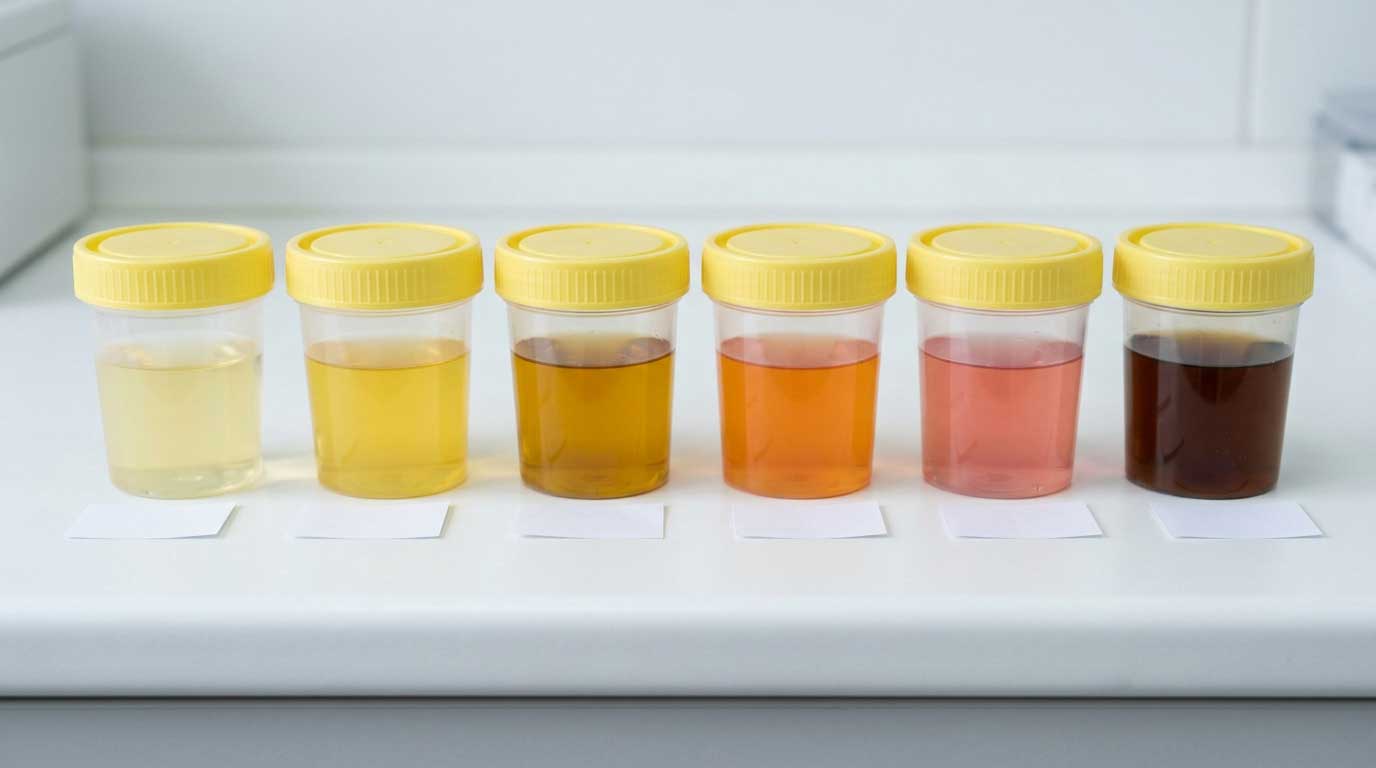
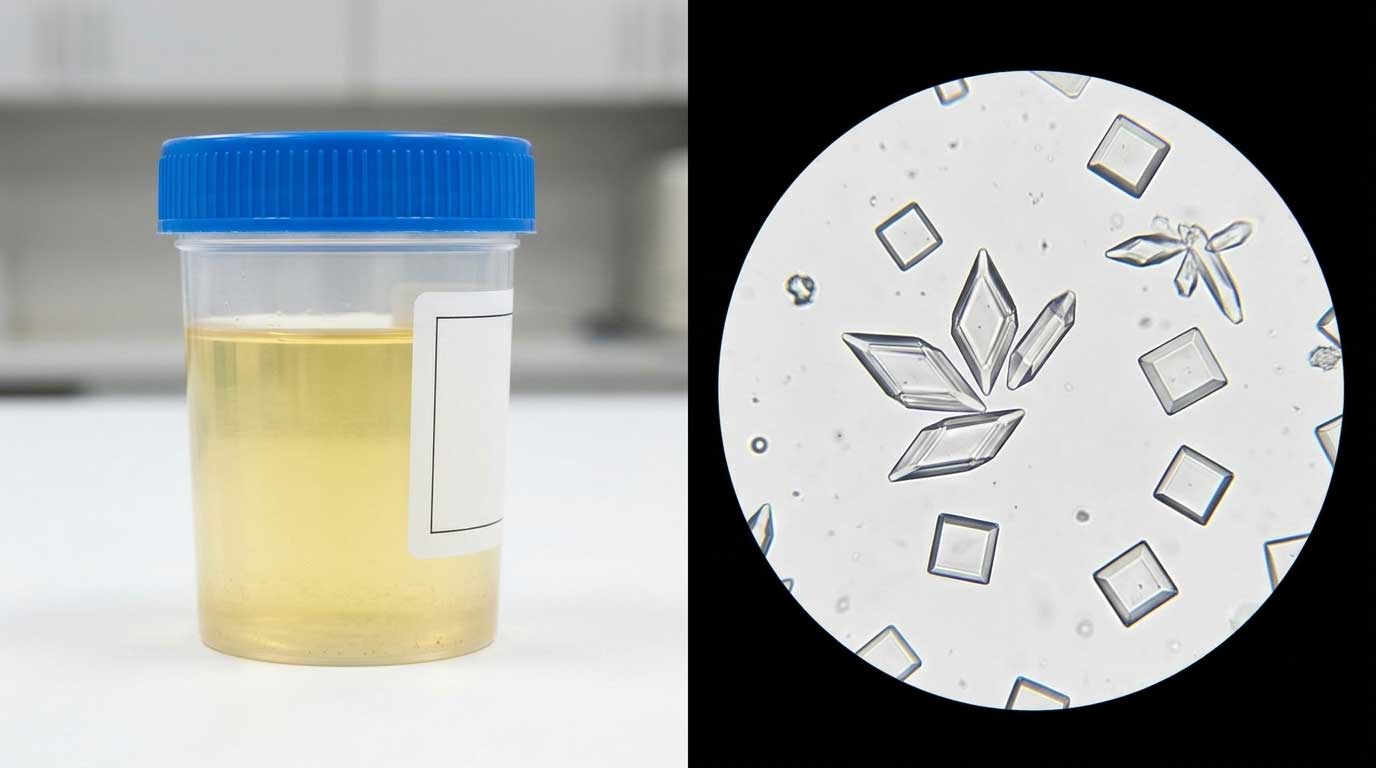
- ✓Urinalysis: checks for diabetes and kidney disease
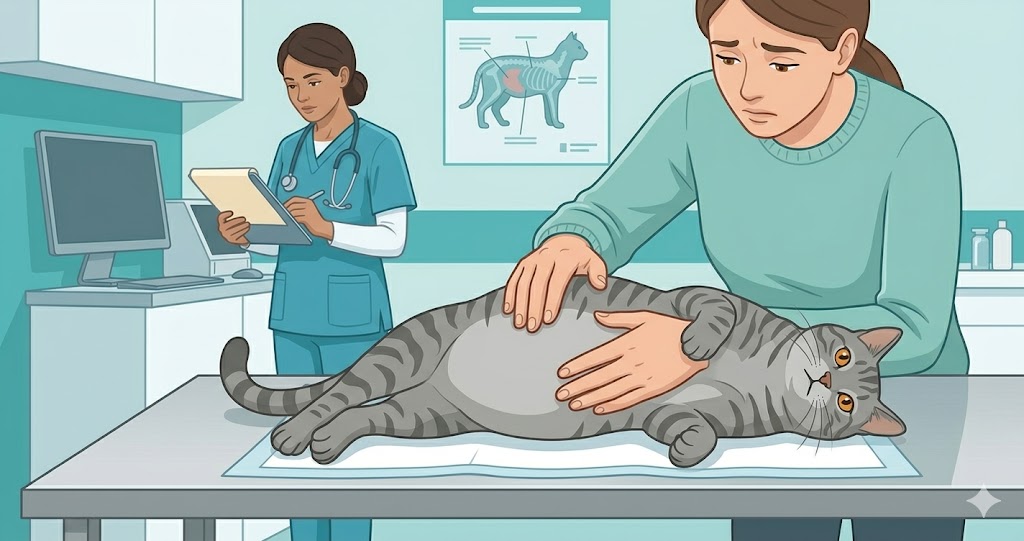
- ✓Abdominal palpation and possibly ultrasound if organ disease or mass suspected
- ✓Once cause is found and treated: increase calories 20–25%, feed 3x per day, add high-protein food topper
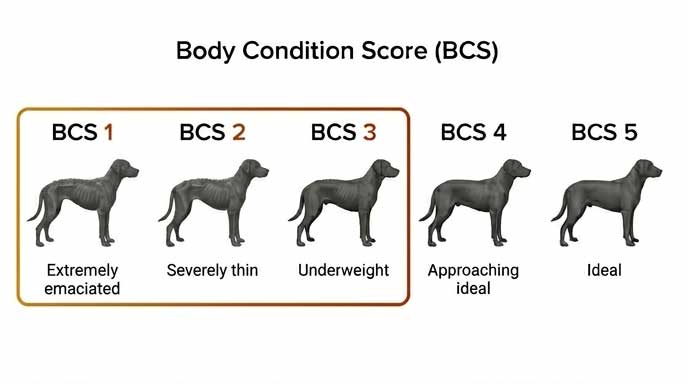
- ✓Track weight weekly and BCS monthly until back to ideal
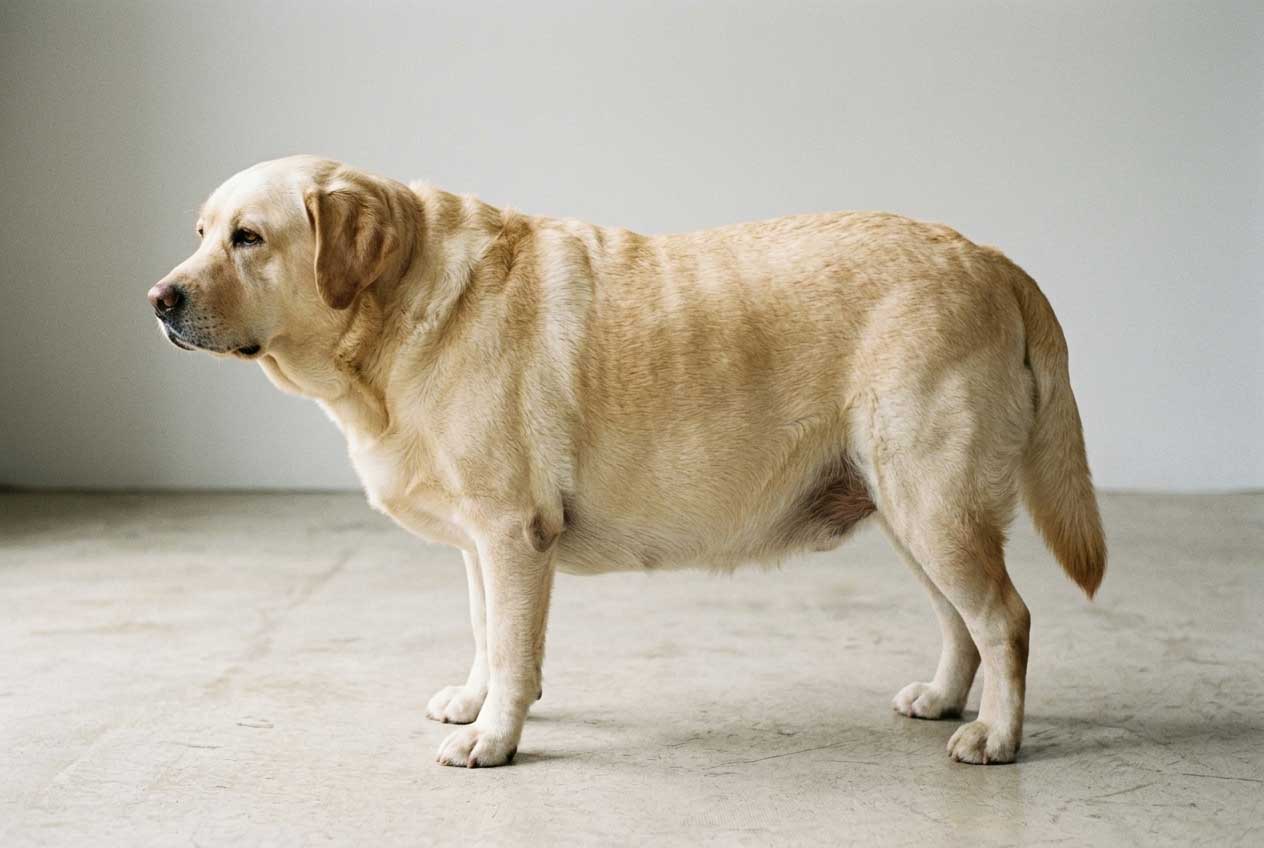
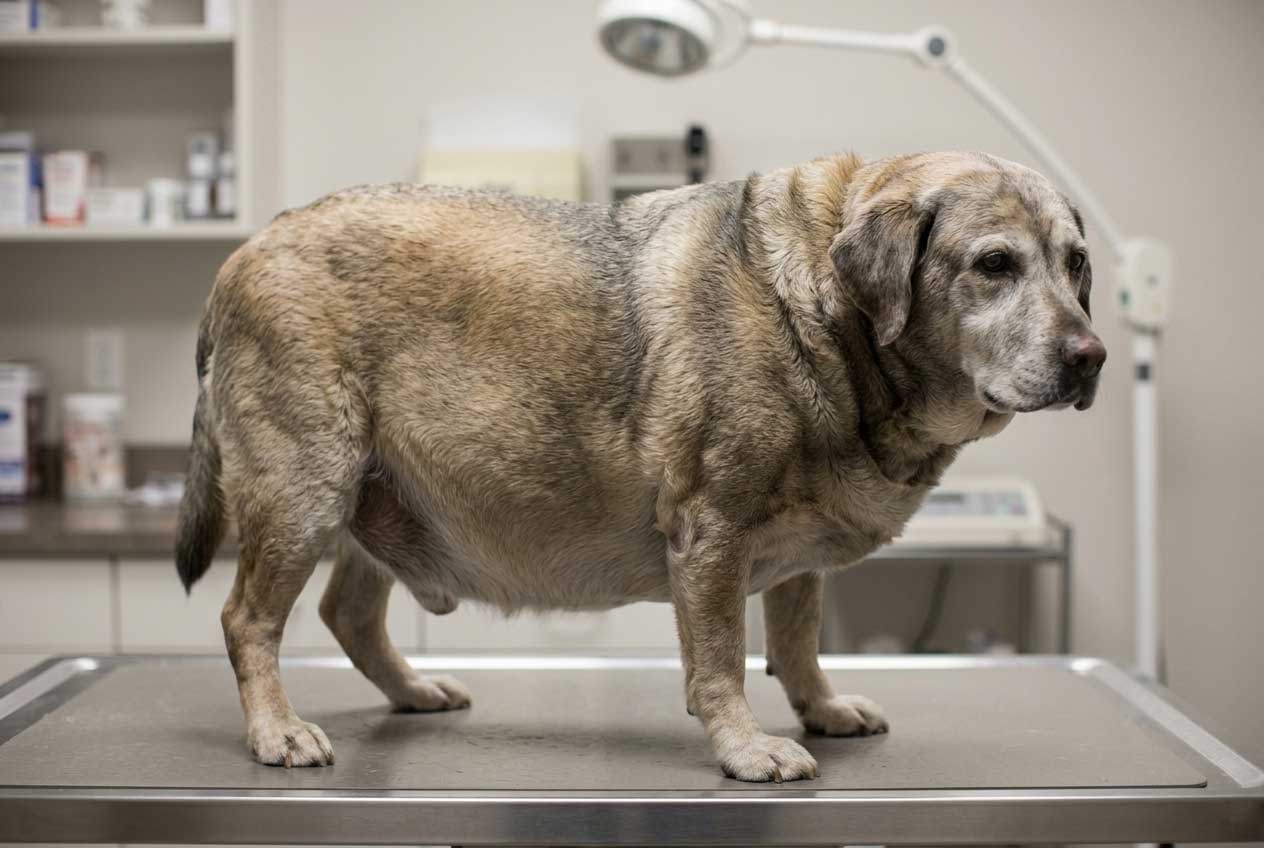
First, assess where your dog actually sits on the BCS scale. Upload a photo for an AI body condition score assessment.
How skinny is too skinny?
Upload a photo — AI scores your dog's body condition (BCS 1–9) so you know exactly how underweight they are and what urgency level makes sense.
Disclaimer: This article is for informational purposes only and is not a substitute for professional veterinary advice. Always consult a licensed veterinarian for diagnosis and treatment of your pet's health conditions.