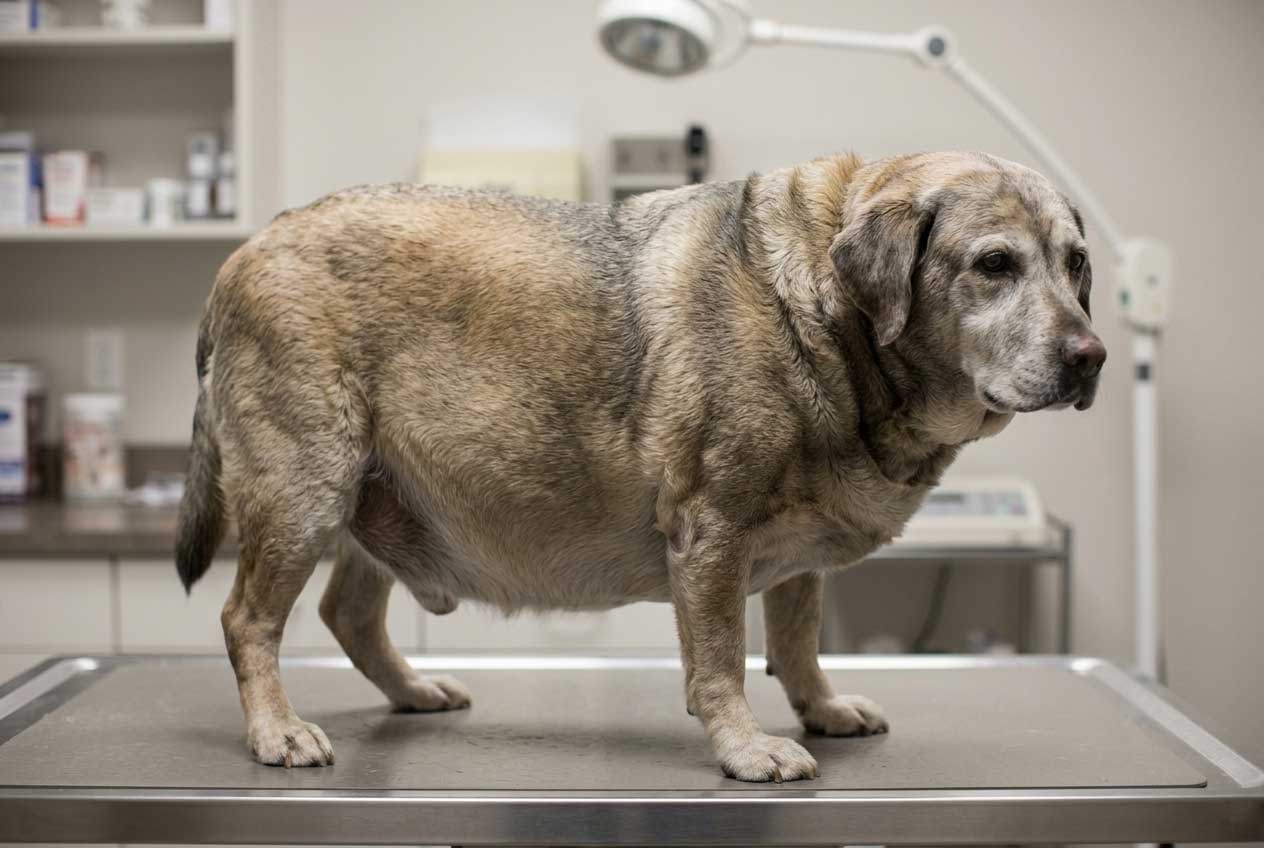
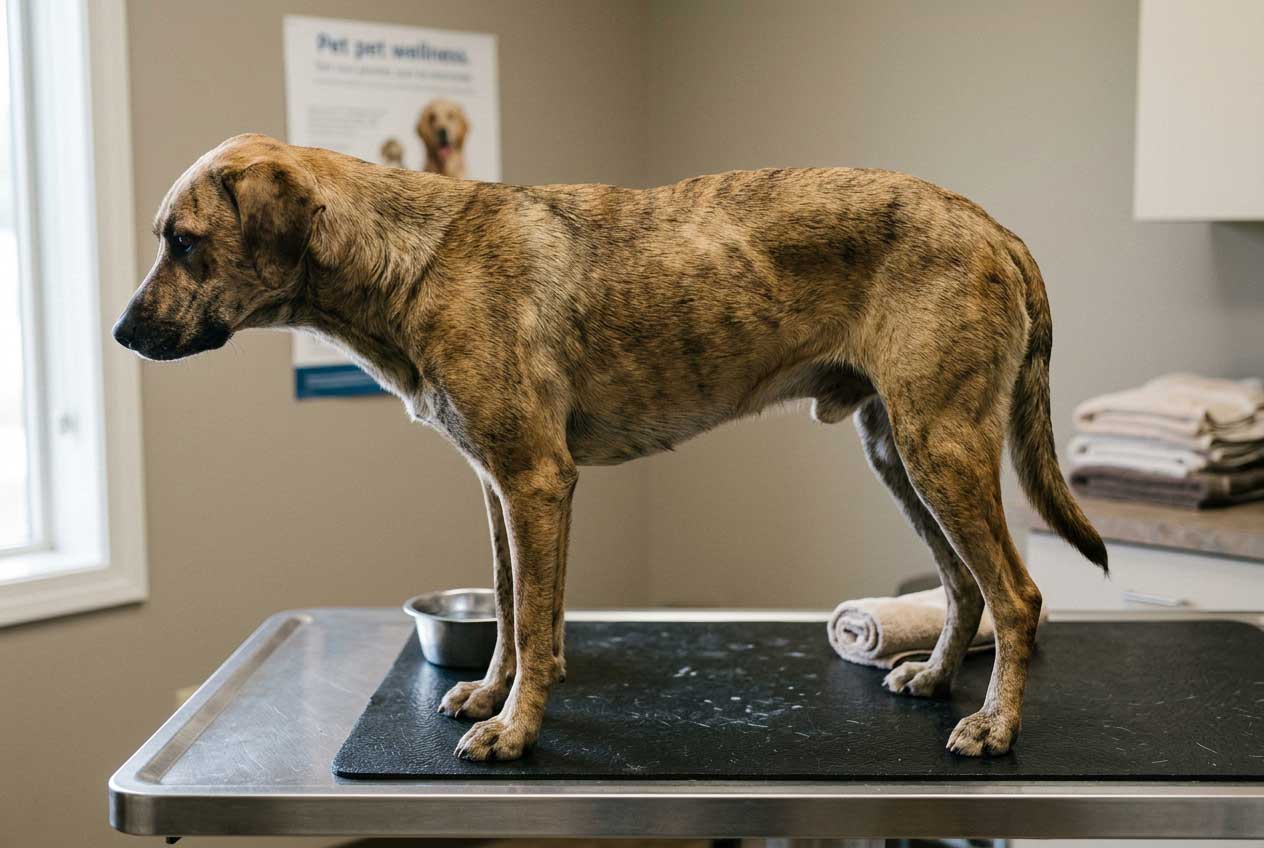
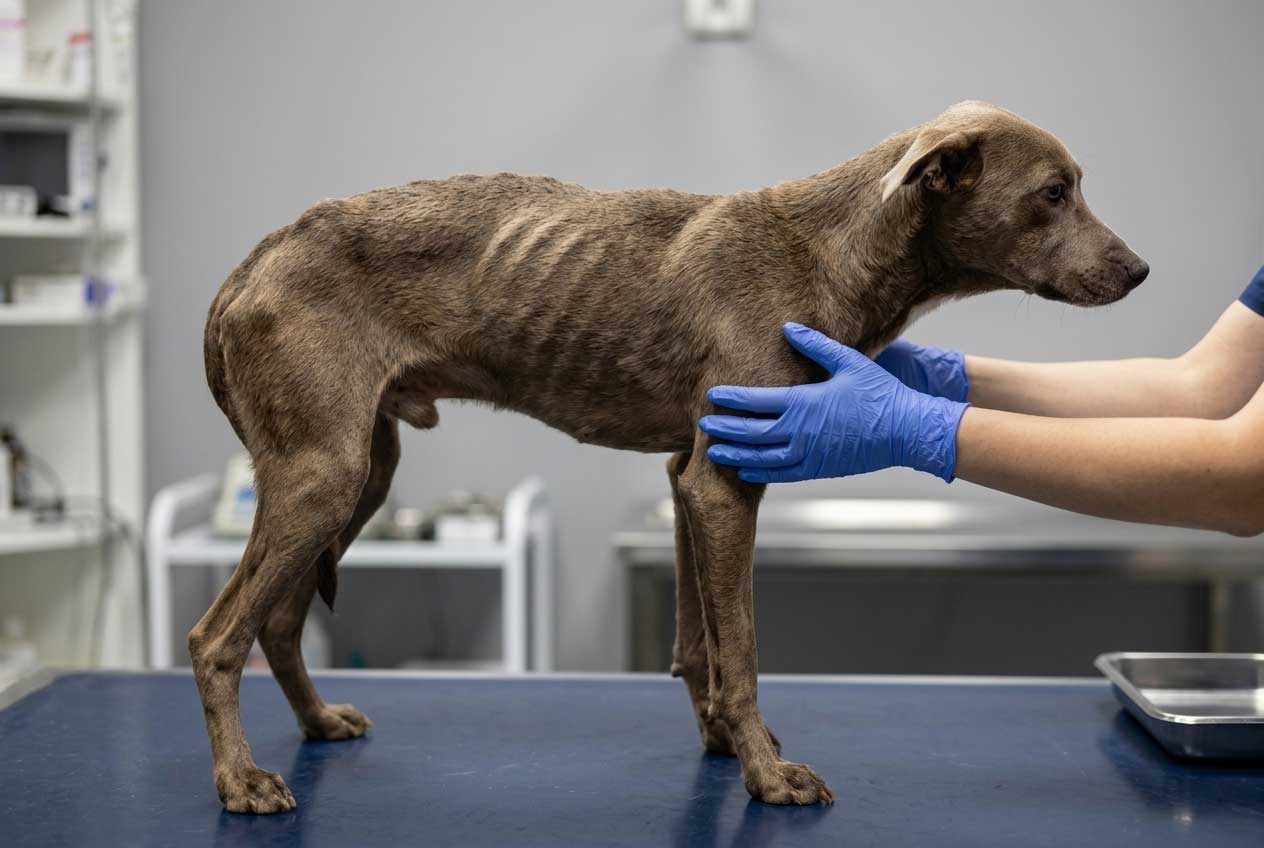
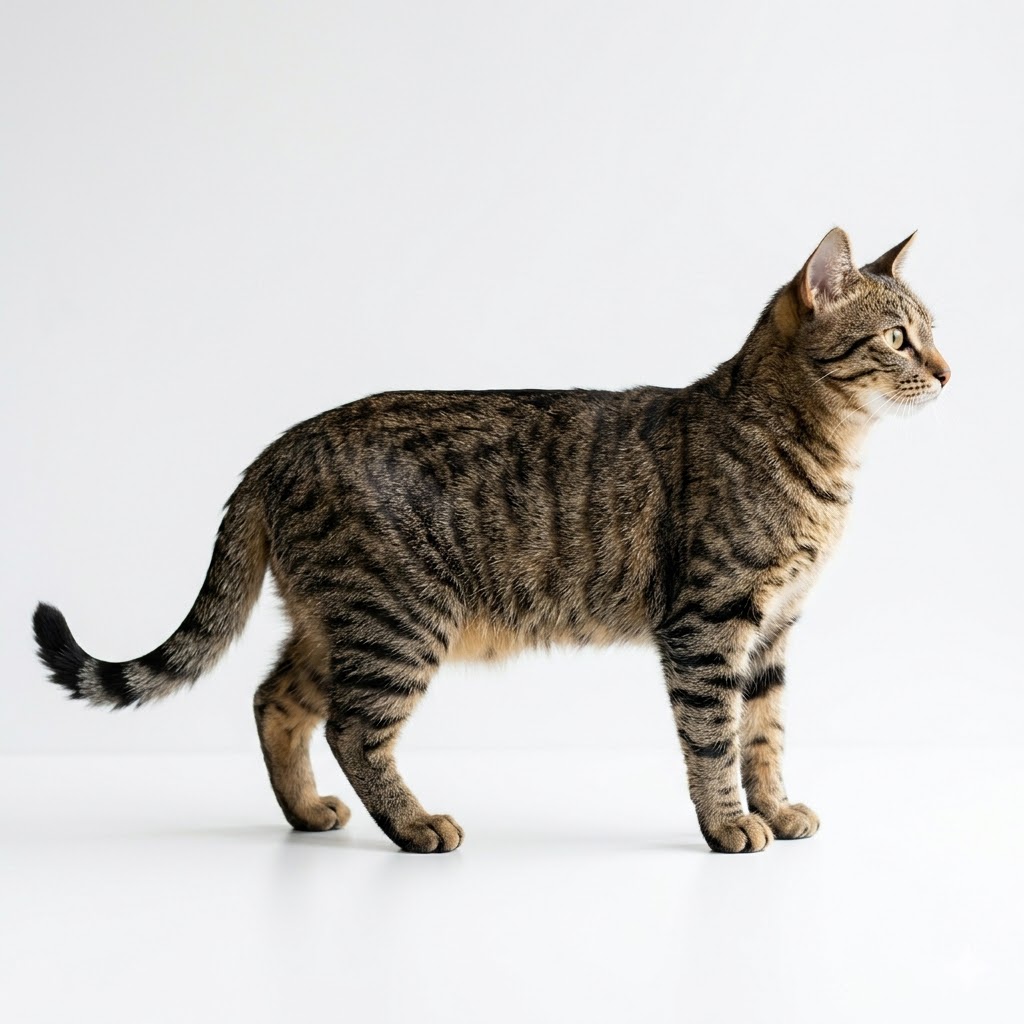
Why Is My Cat Fat Even on a Diet? 6 Real Reasons
Your cat eats less than ever but still gains weight. The problem isn't always portion size. Here are 6 overlooked reasons cats stay fat — and what to do about each one.
Published 2026-04-20
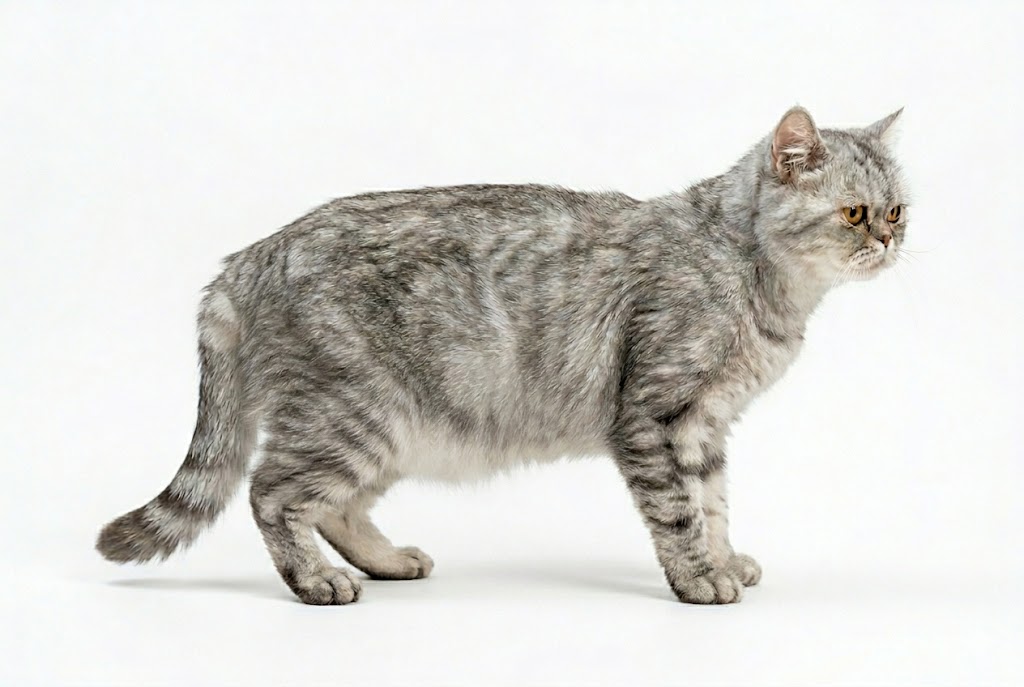
You've reduced your cat's food. You've switched to a diet formula. But the scale barely moves. Sound familiar? Many cat owners hit this frustrating wall — doing everything "right" and seeing little result. The explanation is almost never "my cat has a slow metabolism." Here are the six most common real reasons cats fail to lose weight — and what actually works.
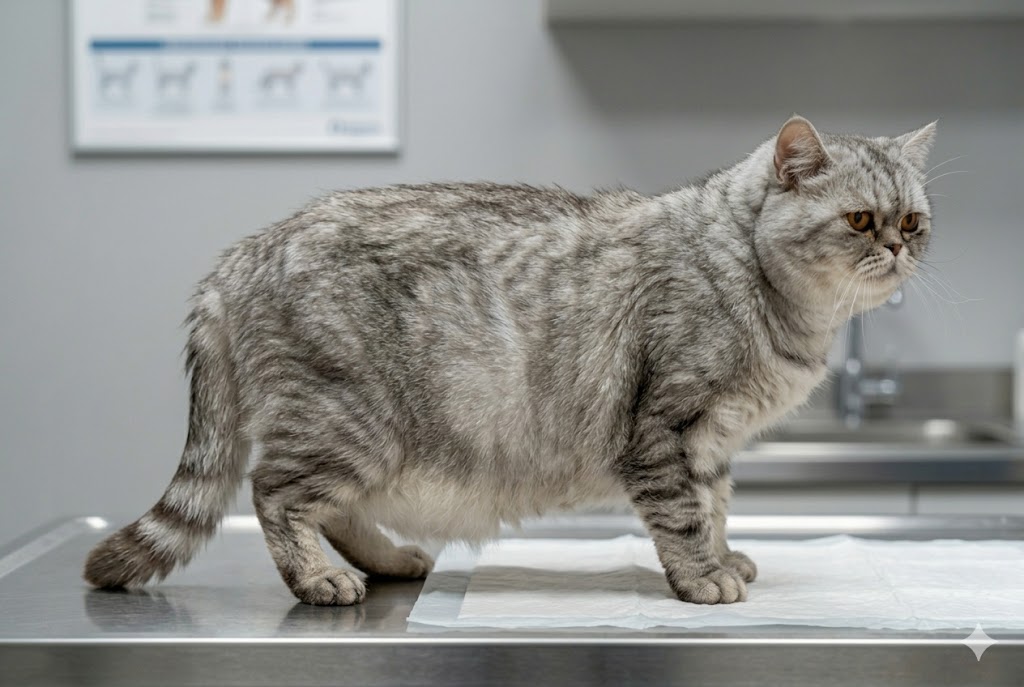
Reason 1: Spay/Neuter Changed the Metabolism (And No One Told You to Adjust the Food)
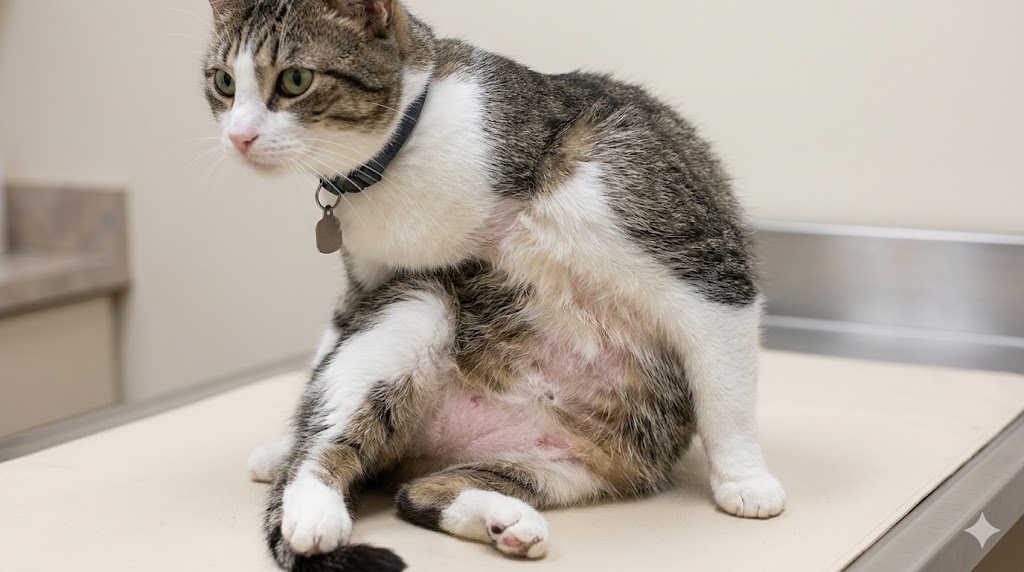
This is the #1 cause of cat obesity, affecting the majority of neutered indoor cats. Spaying or neutering reduces resting metabolic rate by 20–30% and simultaneously increases appetite-driving hormones. Most cats are neutered young and their owners continue feeding the same amount — within 1–2 years post-surgery, weight gain is almost inevitable without actively reducing food intake.
What to do: if your cat was neutered within the last 1–3 years and has been gaining weight since, reduce daily food by 20–25% from the pre-neuter amount. If you are already feeding "diet" food at the label recommendation — reduce that by 10% as well. The label recommendations are written for intact cats and consistently overshoot for spayed/neutered indoor cats.
Reason 2: Measuring Cups Are Deeply Inaccurate
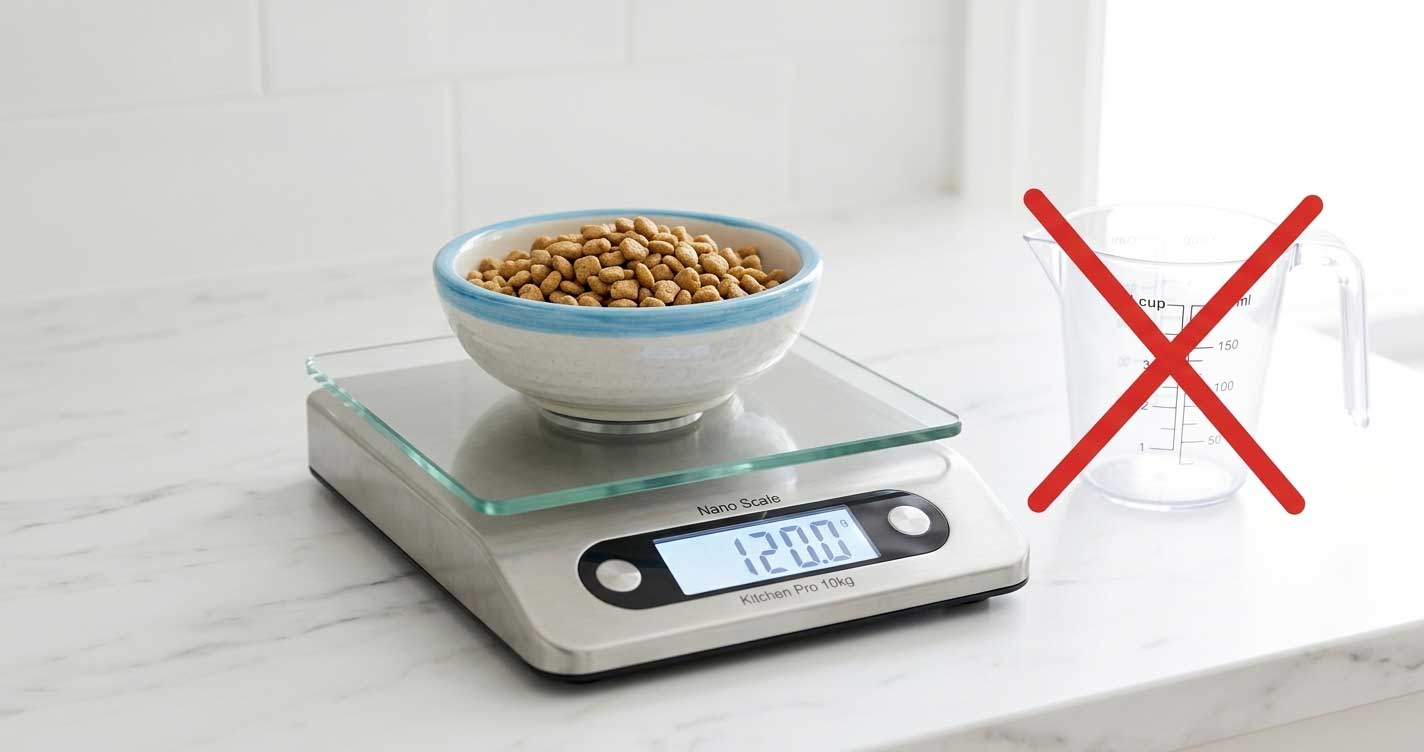
Studies show that measuring cups are off by 20–80% depending on how they are filled (scooped vs leveled, kibble size, cup shape). Most owners scoop loosely and significantly overfill — meaning "1/4 cup" may actually be 1/3 cup every day. Over a year, that discrepancy can amount to 20,000+ extra calories.
What to do: switch to a kitchen scale. Weigh food in grams. A typical indoor neutered cat needs 160–200 kcal per day. Check the calories-per-gram on your food bag and calculate exactly. This single change fixes more "cat won't lose weight" cases than any other intervention.
Reason 3: Hidden Calories in Treats and Toppers
A single commercial cat treat is typically 2–5 kcal. Five treats per day = 10–25 kcal of unaccounted calories. Add meal toppers ("just a little bit of wet food on top"), table scraps, or sharing a cat household where one cat eats from another's bowl, and hidden calories add up fast.
What to do: count ALL treats as part of the daily caloric budget (treats should be ≤5% of total daily calories). Switch to low-calorie treats: a pinch of cooked chicken breast (~3 kcal per 5g), a small piece of plain cooked fish. No dry commercial treats (typically 3–5 kcal each, easy to over-give). If multiple cats share the space, consider feeding separately and removing bowls between meals.
Reason 4: The Food's Calorie Density Is Higher Than You Realize
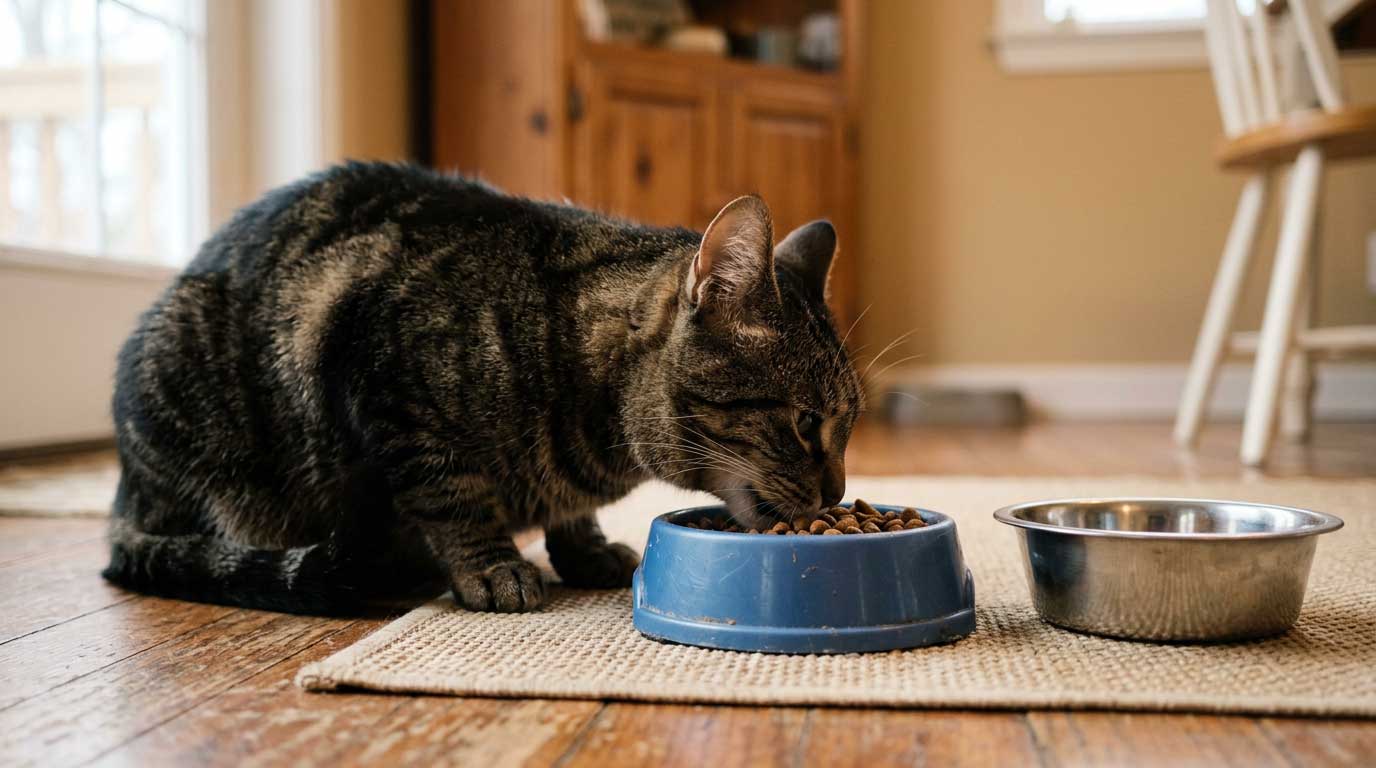
Dry kibble is extremely calorie-dense. Many "weight management" dry foods contain 300–340 kcal per 100g. A cat who needs 180 kcal/day needs only about 54g of food — less than a quarter cup. At that portion, many cats feel hungry all day and owners, feeling guilty, add more.
Wet/canned food is typically 70–100 kcal per 100g — meaning your cat can eat 3–4× the volume for the same calories. This helps cats feel full without the caloric surplus. Transitioning from dry-only to primarily wet food is one of the most effective weight loss strategies for cats — particularly because cats are obligate carnivores and do better on high-protein, low-carbohydrate wet diets for weight control.
Reason 5: Not Enough Movement (Interactive Play Matters)
Indoor cats burn very few calories. A moderately active indoor cat burns 20–30% fewer calories than a cat with outdoor access. Simply reducing food creates a caloric deficit but doesn't build muscle or improve metabolic rate. Interactive play sessions (laser pointer, wand toy, feather toys) that engage the cat's hunting instinct burn meaningful calories and maintain muscle mass during weight loss — which matters because muscle burns more calories than fat even at rest.
What to do: two 10–15 minute active play sessions per day. Make the cat work for food — puzzle feeders, food puzzles (scatter kibble, hide small amounts), or a snuffle mat force the cat to "hunt" for food, increasing caloric expenditure and reducing boredom eating. This is especially important for single cats in small apartments.
Reason 6: An Underlying Medical Condition
Unlike dogs (where hypothyroidism is common), hypothyroidism is rare in cats. However, other medical conditions can contribute to weight gain or make weight loss harder: Cushing's disease (hyperadrenocorticism) — rare in cats but causes weight gain, pendulous belly, skin changes; insulinoma (insulin-secreting tumor) — causes hypoglycemia and drives eating; acromegaly (growth hormone excess) — causes insulin resistance and weight gain, more common in older male cats. If your cat has been on a strict measured diet for 6+ weeks with no weight change, bloodwork is warranted to rule out these conditions.
Important: feline diabetes is more commonly caused BY obesity than the other way around. An overweight cat on a high-carb dry-food-only diet has elevated insulin and glucose day after day — this can eventually cause beta cell exhaustion and diabetes. The good news: cats who lose weight on a high-protein, low-carb diet often achieve diabetic remission — their diabetes reverses. Weight loss is one of the most powerful interventions for feline diabetes.
The Effective Cat Weight Loss Protocol
- ✓Calculate target intake: 70% of maintenance calories for IDEAL weight (not current weight)
- ✓Weigh food with a kitchen scale, never a measuring cup
- ✓Feed 2–3 measured meals per day — no free-choice feeding
- ✓Transition to high-protein, low-carbohydrate wet food as the primary diet
- ✓Account for every treat in the daily calorie budget
- ✓Add two 10–15 minute interactive play sessions daily
- ✓Use puzzle feeders so the cat "works" for their food
- ✓Recheck body condition every 4 weeks — target 1–2% body weight per week maximum
- ✓If no progress after 6 weeks: vet visit for bloodwork
- ✓NEVER crash diet — losing weight too fast causes hepatic lipidosis in cats, which can be fatal
Check your cat's starting point
Before adjusting diet, upload a photo for an AI body condition score assessment. Knowing your cat's current BCS helps set the right weight loss target.
Disclaimer: This article is for informational purposes only and is not a substitute for professional veterinary advice. Always consult a licensed veterinarian for diagnosis and treatment of your pet's health conditions.