Female Dog Urine Color Chart: What Each Shade Means (with Pictures)
A female-specific guide to dog urine colors. Learn how heat cycle, UTIs, pregnancy, and life stage change what is normal — and which shades mean call the vet.
Published 2026-05-08
Not sure what color you're seeing?
Upload a photo of your female dog's urine on a white surface — AI compares the shade to a reference chart, flags concerning patterns, and suggests likely causes specific to female anatomy and life stage.
Most dog urine guides treat male and female the same — but female dogs have a shorter, wider urethra, a heat cycle, possible pregnancy, and a much higher UTI rate. All of these change what "normal" urine looks like at different points in her life. This female-specific chart walks through every shade you might see, what it means, and when it crosses into emergency territory.
Why Female Dog Urine Differs from Male
Three biological differences explain why females need their own urine guide:
- ✓Shorter, wider urethra — bacteria reach the bladder more easily, raising UTI risk roughly 3–8× compared with males
- ✓Heat cycle (estrus) — bloody discharge from the vulva mixes with urine, producing pink, red, or brown samples that look alarming but are usually normal
- ✓Pregnancy and hormonal shifts — increased water intake, dilute urine, and occasional protein leakage are all common in late pregnancy
- ✓Higher rate of urinary incontinence in spayed senior females — leaking concentrates in the same spot and can look darker than fresh urine
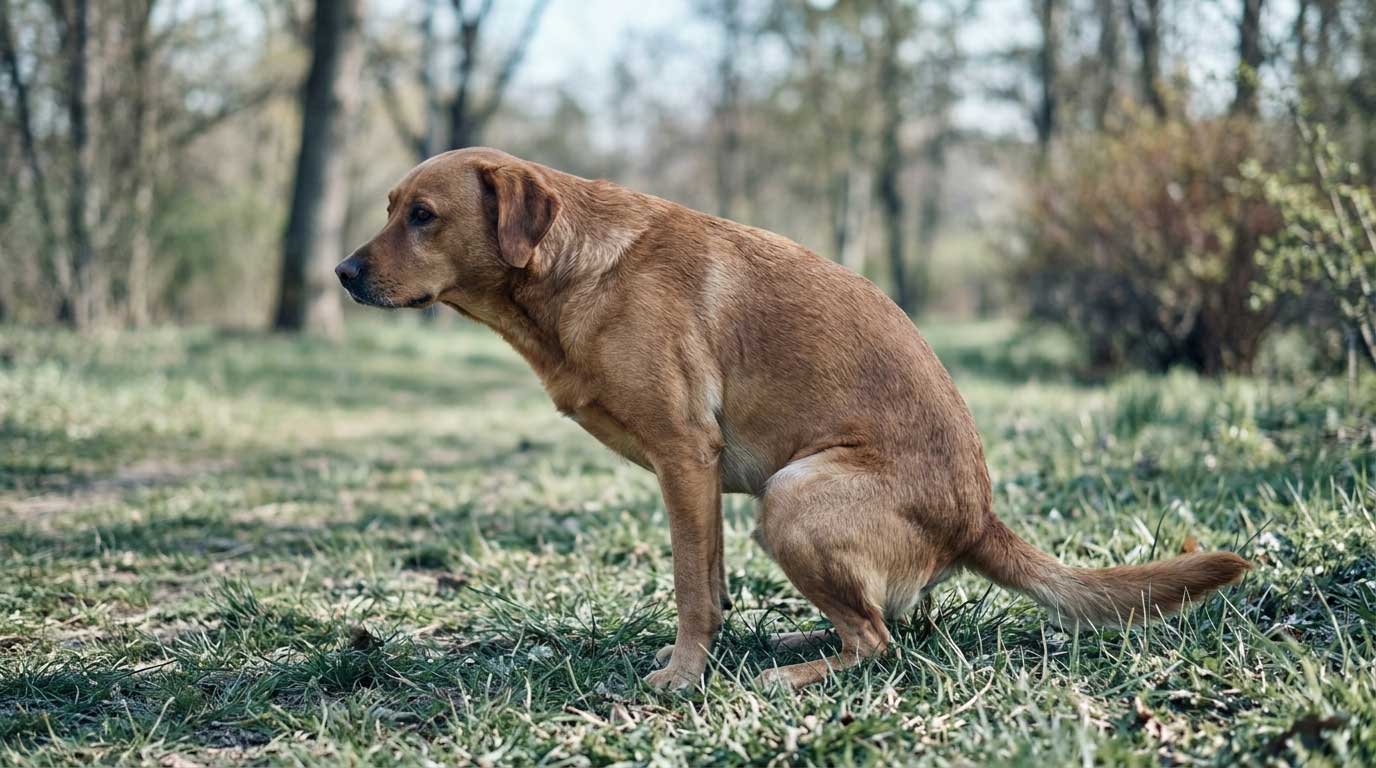
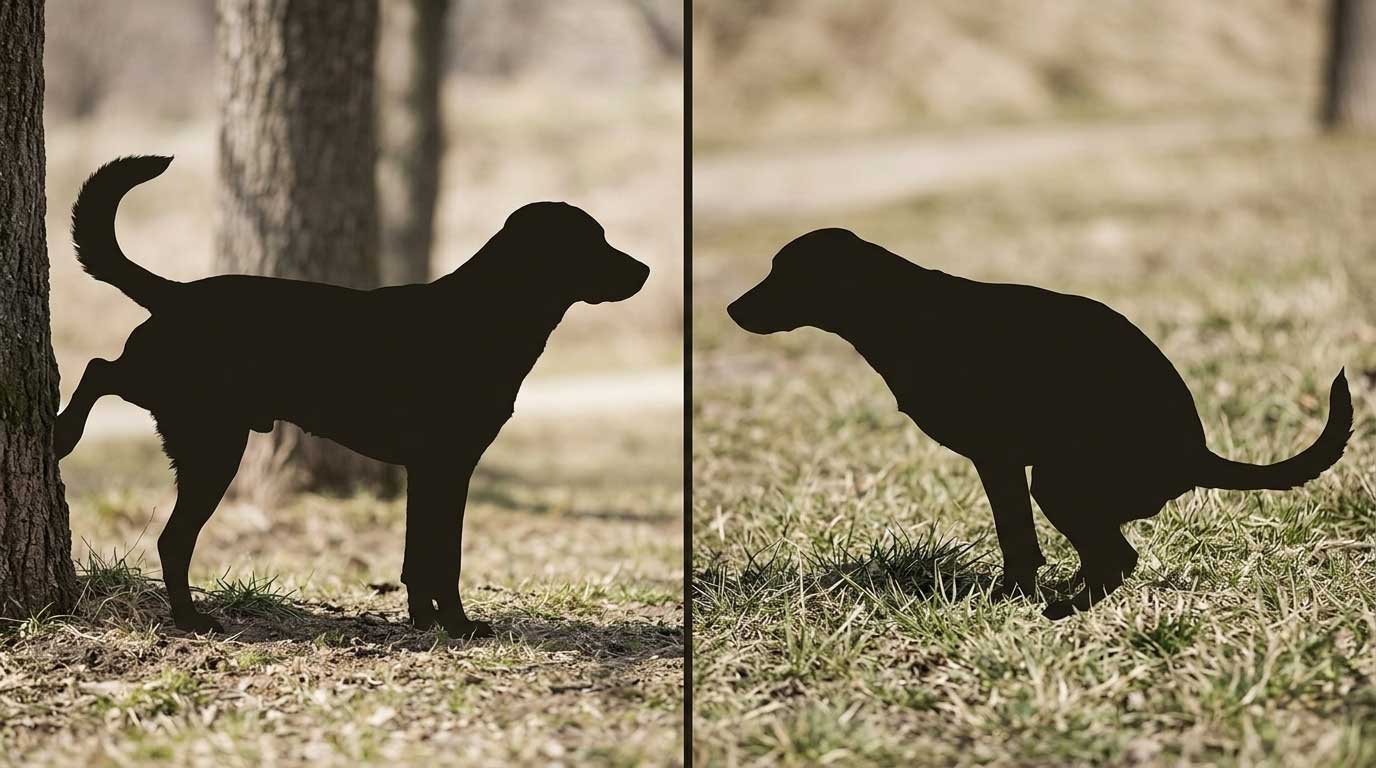
- ✓Squatting posture — females often pee into grass or absorbent surfaces, which distorts color and makes home assessment harder
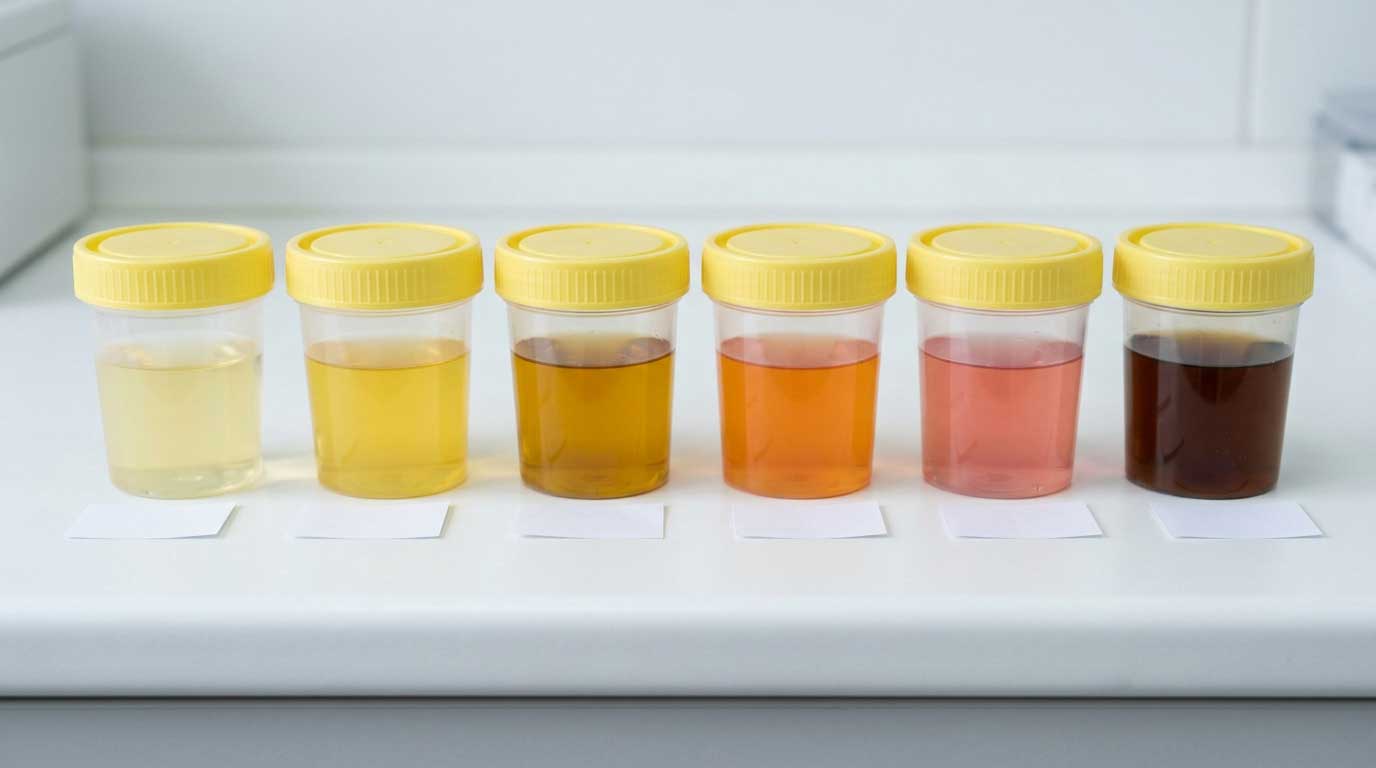
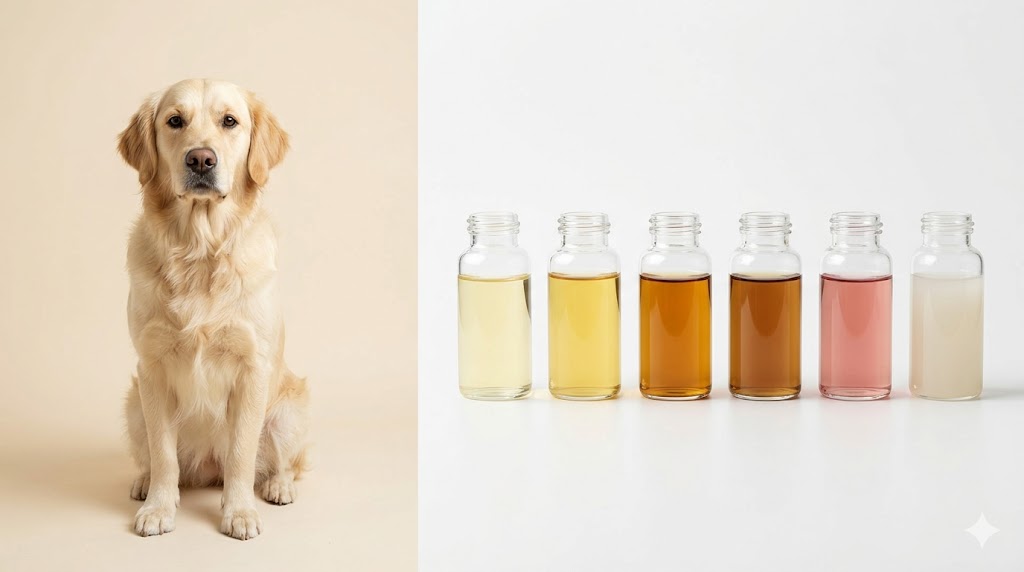
Female Dog Urine Color Chart (with Pictures)
Use this chart as a starting point. Photograph the sample on a white surface in natural light for the most accurate read.
Pale Yellow (Healthy, Well Hydrated)
Pale straw or light apple-juice color is the target. It means kidneys are filtering normally and your dog is drinking enough water. In intact females, this stays the same throughout the cycle except during active heat bleeding.
Medium Yellow (Adequately Hydrated)
A slightly deeper yellow is still healthy. Common in dogs eating dry kibble or after a warm-weather walk. Recheck after she drinks fresh water — it usually lightens within an hour or two.
Dark Yellow / Amber
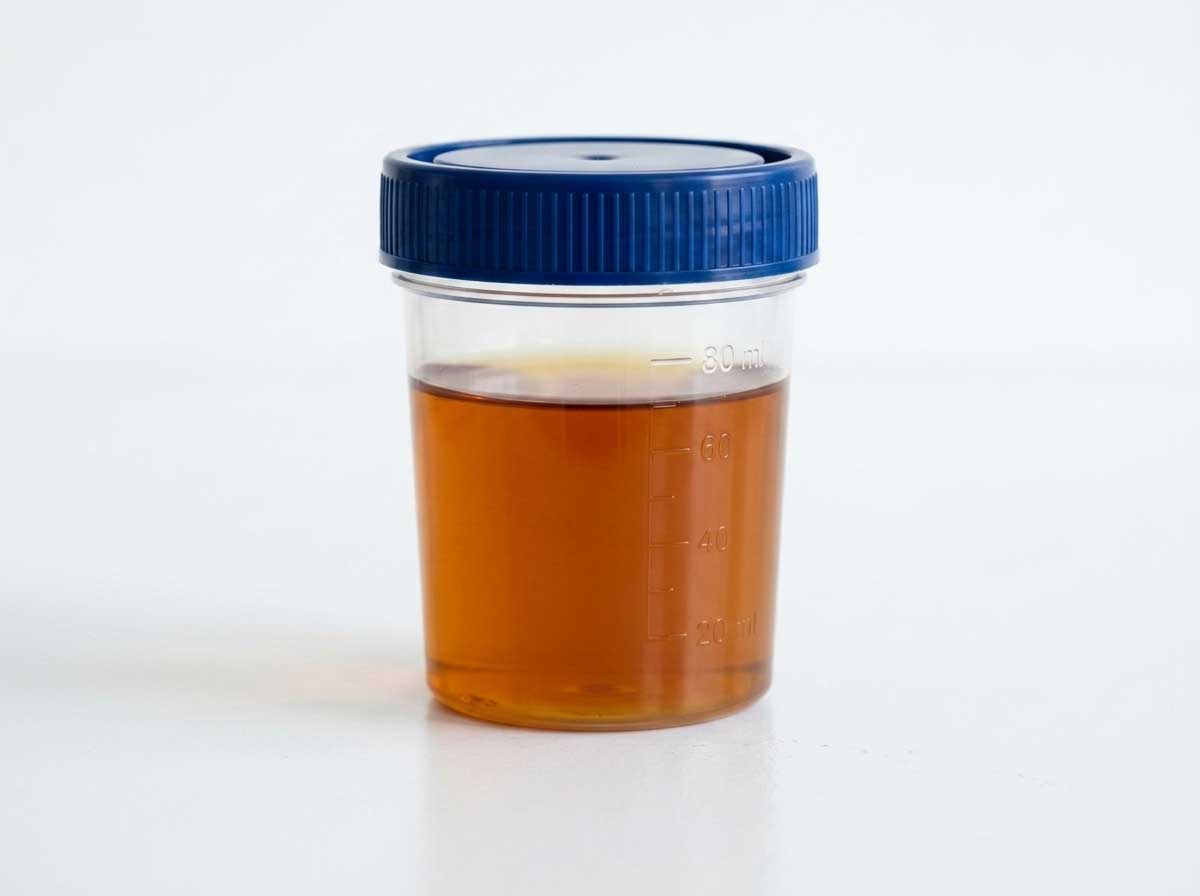
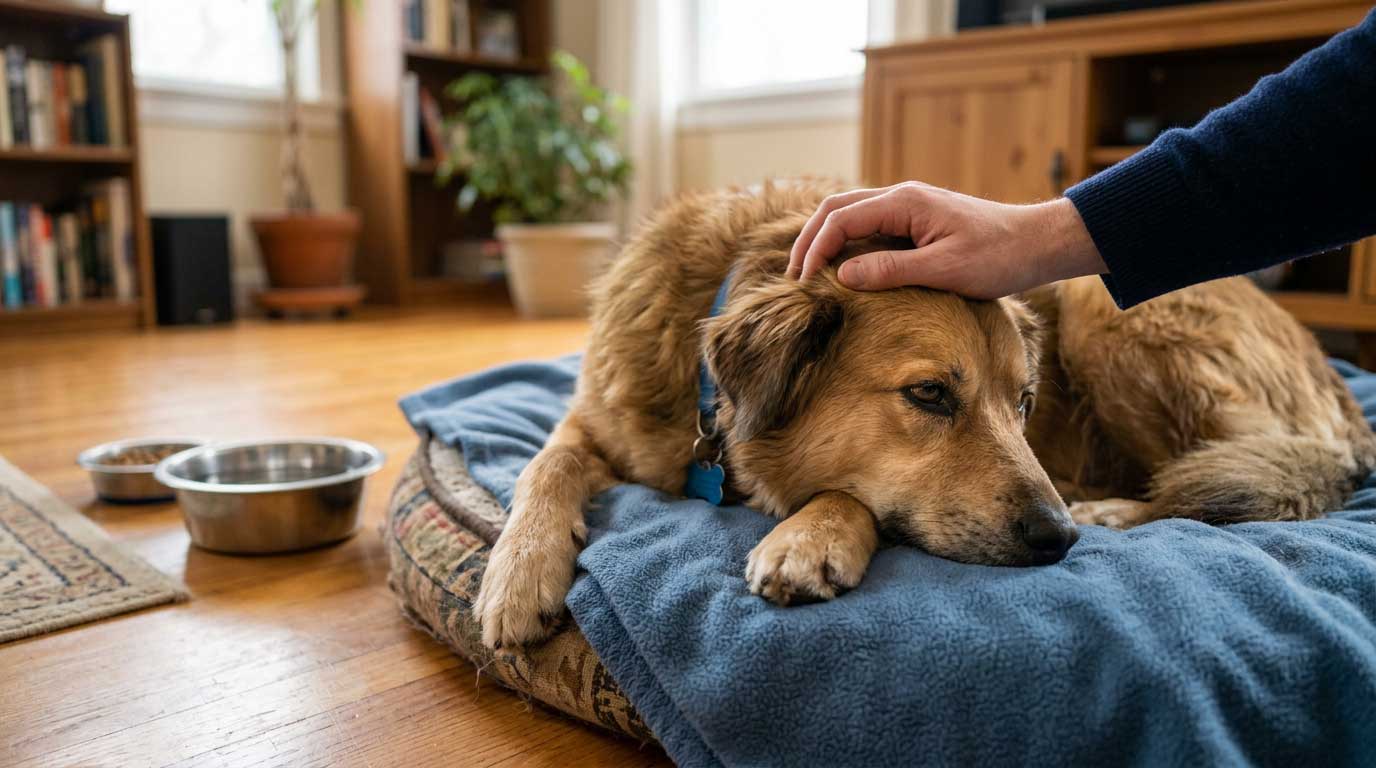
Deep amber is the dehydration shade. Causes: not drinking enough, hot weather, exercise, vomiting or diarrhea earlier in the day, or first-morning urine (which is naturally more concentrated). Offer fresh water and recheck. If urine stays dark for more than 24 hours, or your female dog is also lethargic, has dry gums, or her skin tents when pinched, see a vet — chronic dehydration in a senior or pregnant female can mask kidney problems.
Orange
Orange urine is rarely normal. Likely causes in females: liver disease (bilirubin leaking into urine), bile duct obstruction, severe dehydration, certain medications, or hemolysis from tick-borne disease. If her gums or the whites of her eyes look yellow at the same time, that is jaundice — go to the vet today, not tomorrow.
Brown / Tea-Colored
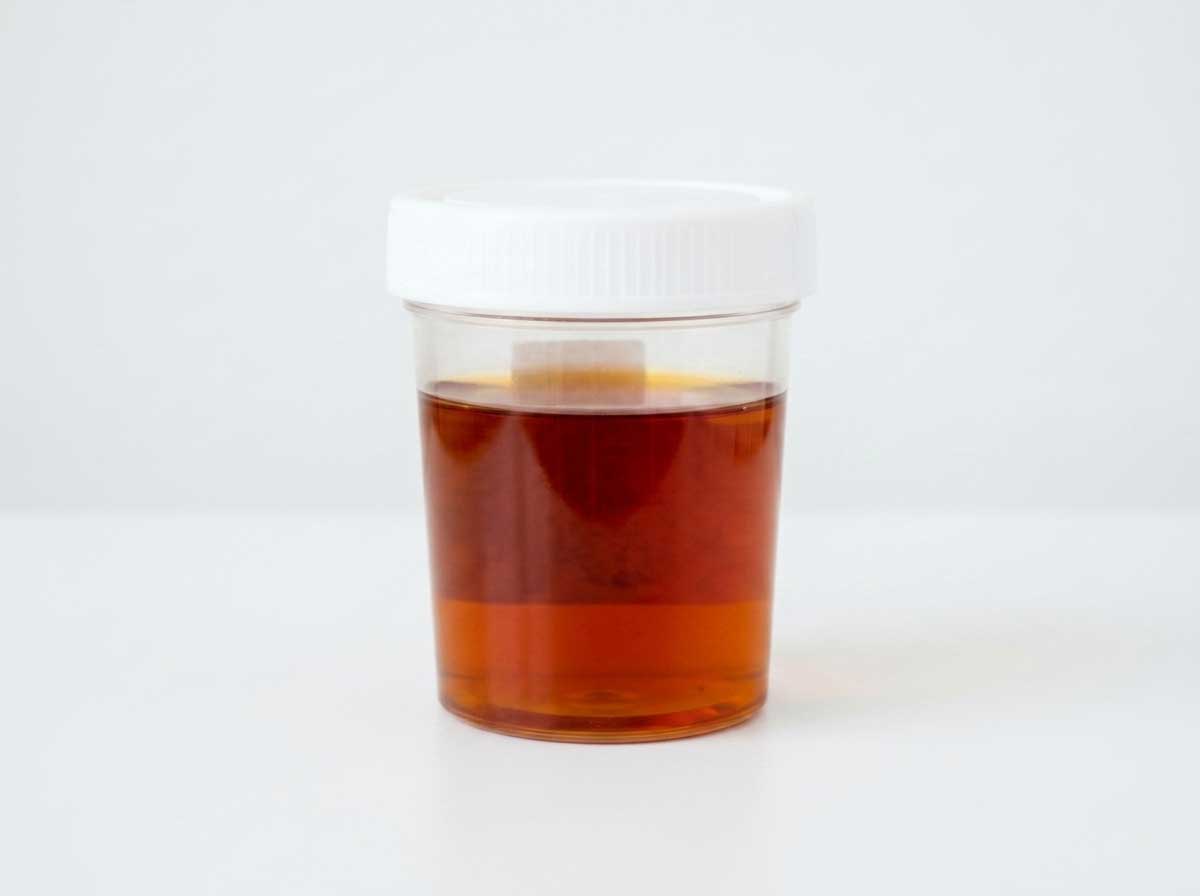
Brown is the single most-searched female dog urine concern. It has four very different causes — covered in detail in the next section.
Pink
Diluted blood. The most common cause in adult females is an early UTI. Easy to miss if she pees on grass or absorbent pads. If you see pink urine plus frequent squatting, accidents in the house, or licking the vulva more than usual, treat as a likely UTI and book a vet visit.
Bright Red
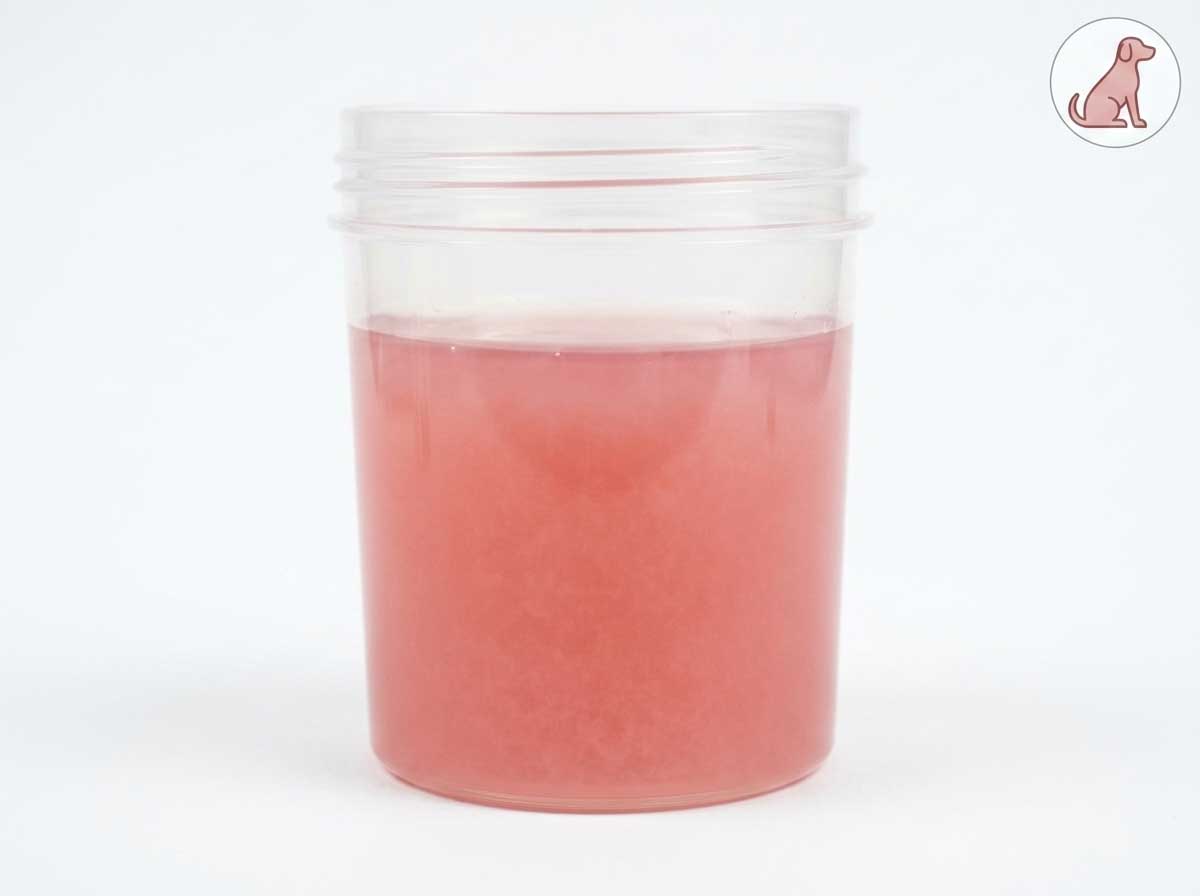
Fresh blood, usually from the lower urinary tract — bladder or urethra. In an intact female who is in heat, this can simply be heat blood mixing into urine. In a spayed female, or an intact female outside her cycle, bright red urine almost always means UTI with bleeding, bladder stones, or trauma. Spayed females do not get heat blood — so red urine in a spayed dog is never "just her cycle."
Rust / Cola-Colored
Older blood that has had time to oxidize, or severe infection. Sometimes seen with kidney damage or advanced tick-borne disease. More urgent than bright red — the blood has been there long enough to change color. See a vet within 24 hours.
Cloudy / Milky

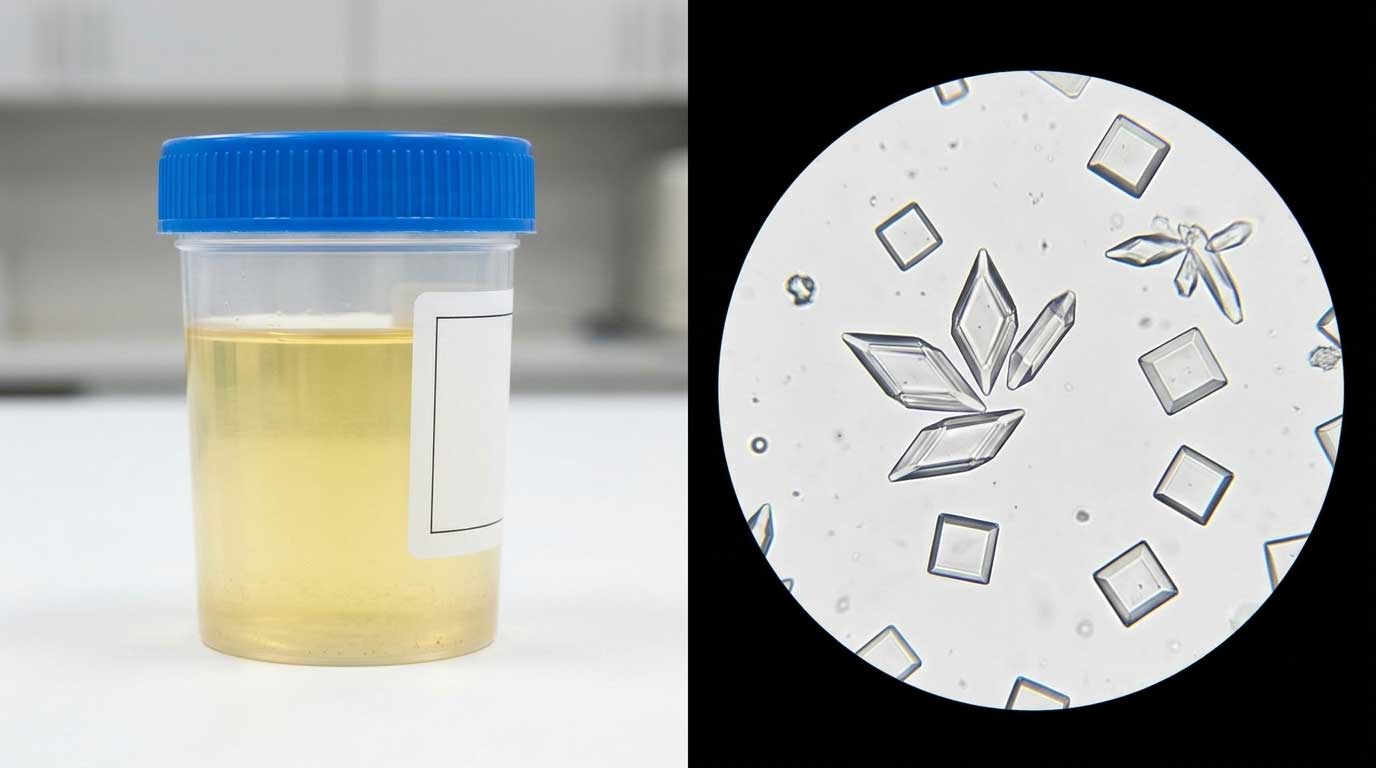
Not a color shift but a clarity change. In females, cloudy urine almost always means UTI — white blood cells, bacteria, mucus, and crystals all add opacity. Often paired with a strong fishy or ammonia-like smell. Other causes: bladder crystals, struvite stones (extremely common in females), or pus from a more advanced infection.
Clear / Colorless
Almost-water-clear urine means either she is drinking far more than she needs, or her kidneys are not concentrating urine properly. Occasional clear urine is fine. Persistent clear urine plus excessive thirst plus excessive urination raises three concerns specifically common in older or spayed females: diabetes, Cushing's disease, and chronic kidney disease. Worth a vet visit and bloodwork.
Brown Urine in Female Dogs: 4 Reasons She Could Be Acting Normal
"Female dog brown urine but acting normal" is one of the most-searched concerns. Brown urine has a wide range of causes — some are mild, some are emergencies. Here are the four to consider, ordered from most to least common.
1. Dehydration (Most Common)
When water is scarce, the kidneys concentrate urine into a darker tea color. This is the most common reason a female dog has brown urine but seems otherwise fine. Test: offer fresh water, wait 2–3 hours, then check urine again. If it lightens to amber or yellow, dehydration was the issue. If it stays brown, move down the list.
2. Food, Treats, or Supplements
Beets, blackberries, certain B-vitamin supplements, rifampin, and some heartworm preventives can darken urine to a tea or brown color. Review what she ate or was given in the last 24 hours. If a new food or supplement started recently, that is the likely cause — but verify by removing it and rechecking in 48 hours.
3. Heat Cycle Blood Mixing with Urine (Intact Females Only)
Older heat blood can oxidize to brown by the time it mixes with urine, especially in the first 1–2 days of the cycle when discharge is heavy. If she is intact, has a swollen vulva, and male dogs are suddenly very interested in her, this is almost certainly the cause. Spayed females do not have this option — brown urine in a spayed dog is never heat blood.
4. Rhabdomyolysis or Hemolysis (Rare but Emergency)
After severe exertion, heat stroke, trauma, or in cases of immune-mediated red blood cell destruction, the breakdown products turn urine the color of strong tea or cola. This is a true emergency — kidneys can fail within hours. Warning combination: brown urine plus weakness, reluctance to walk, or a recent intense exercise event (long run, hike in heat, blocked airway, snake bite, toxin exposure). Go to the vet immediately, do not wait.
Quick decision rule: if brown urine clears with hydration, you are fine. If it stays brown for more than 24 hours, or she is acting at all "off," book a vet visit. If she is weak or it follows intense exercise, treat as an emergency.
When She's in Heat: How Urine Looks Different
A female dog in heat (estrus) has a 2–3 week period where her vulva is swollen and she discharges blood. Because the vulva and urethra share the same opening area, that blood will mix with urine. Here is what to expect by phase:
- ✓Pre-heat (proestrus, days 1–9): bright red discharge mixes with urine; samples often look distinctly pink or red
- ✓Peak heat (estrus, days 9–14): discharge lightens to straw-pink as she becomes fertile; urine may show subtle pink tinge
- ✓After heat (diestrus, days 14–60): no more discharge; urine should return to normal pale yellow within a week of bleeding stopping
How to tell heat blood from urinary tract blood: heat blood is paired with a visibly swollen vulva and is present even when she is not peeing. Urinary tract blood appears only in the urine stream. If you see blood drops on her bed or where she sat, plus swollen vulva, that is heat. If blood is only visible in urine and she is spayed or finished her cycle weeks ago, treat as a urinary issue and see a vet.
Heat cycles last roughly 2–3 weeks and recur every 6 months in most intact females. If "heat" lasts longer than 4 weeks, or restarts within 3 months of finishing, that is hormonal abnormality — see a vet.
Why Female Dogs Get UTIs More Often
Female dogs have a higher UTI rate than males because of plumbing geometry — the urethra is shorter and wider, so bacteria from the skin or environment reach the bladder more easily. Roughly 14% of dogs will get a UTI at some point in their lives, and the majority of those cases are female. Higher-risk female groups include:
- ✓Spayed females (still get UTIs at high rates — spaying does not protect against infection)
- ✓Diabetic females (sugar in urine feeds bacteria)
- ✓Senior females (immune function declines, urinary muscles weaken)
- ✓Females with bladder stones or crystals (struvite stones are far more common in females)
- ✓Females with conformational issues — "tucked" or recessed vulva (harder to keep clean)
- ✓Cushing's disease (steroid effect suppresses immunity)
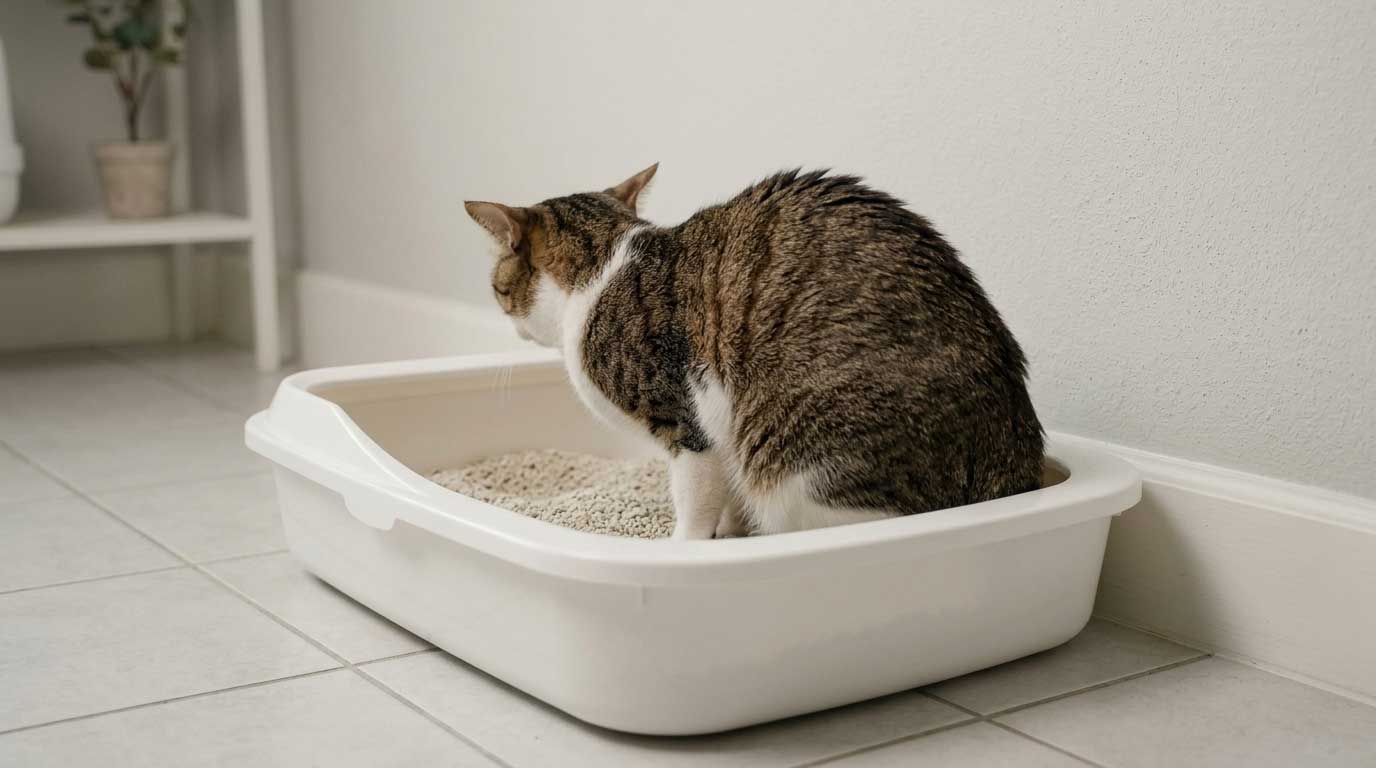
Classic UTI urine signs in females: pink or cloudy urine, fishy or ammonia-strong smell, frequent squatting with little output, accidents in the house from a previously well-trained dog, and excessive vulva licking. Confirmed bacterial UTIs need antibiotics — they almost never resolve on their own, and untreated they ascend to the kidneys.
Pink, Red, or Bloody Urine in Female Dogs
Pink and red urine in females is one of the most stressful things to see, partly because in intact females it could be either heat blood (normal) or urinary blood (not normal). Use this short decision tree:
- ✓Spayed female + pink/red urine = always abnormal. Vet visit. Top causes: UTI with bleeding, bladder stones, polyps, rarely bladder cancer in seniors
- ✓Intact female + in heat (swollen vulva, dripping blood) + pink/red urine = most likely heat blood mixing in. Recheck after cycle ends
- ✓Intact female + not in heat + pink/red urine = treat as abnormal. Vet visit
- ✓Any female + straining, vocalizing, or unable to produce urine = emergency. Possible blockage (rare in females, but possible with stones or tumors)
Persistent bright red urine with no obvious source — even if she seems comfortable — should be checked within 24–48 hours. Bladder cancer, while uncommon, is more likely in older spayed females and presents as recurrent bloody urine that is misdiagnosed as repeat UTIs.
How to Collect a Urine Sample from a Female Dog
Female dogs squat low, which makes catching a sample harder than with a male's lifted-leg stream. The trick is to use a wide, shallow container that you can slide underneath her without her noticing.
- ✓Use a clean, low-rim container — an aluminum pie plate, ladle, or shallow plastic tray works better than a tall jar
- ✓Take her on her usual first-morning walk — first urine of the day is most concentrated and best for testing
- ✓Wait until she is mid-stream, then slide the container underneath. Catching from the start often startles her
- ✓You only need 1–2 tablespoons (roughly 5–10 mL) for a vet urinalysis
- ✓Transfer to a sealed container — most vet offices give out sample cups, or use a small clean jar
- ✓Refrigerate immediately if you cannot deliver to the vet within 30 minutes — samples degrade fast at room temperature
- ✓For at-home photo assessment, pour a thin layer onto a white paper plate or paper towel in natural light
If she stops mid-stream when she feels the container, try again the next pee. Some shy dogs need a few attempts. If she absolutely refuses, your vet can collect a sterile sample by cystocentesis (a quick needle through the abdominal wall into the bladder) — this is also the most accurate sample for diagnosing UTIs.
Female Dog Urine Color by Life Stage
Puppy (under 1 year)
Puppy urine is usually very pale because puppies drink more relative to body weight and their kidneys are still developing concentration ability. Slightly darker urine is fine after exercise. Frequent UTI-like signs in a puppy may indicate an ectopic ureter — a congenital plumbing defect more common in females. Worth checking with a vet if symptoms persist past 6 months.
Adult (1–7 years)
Pale to medium yellow is the target. Most variation is from hydration. Watch for cycle-related color shifts in intact females. UTIs tend to cluster in the 3–8 year range — this is the lifetime peak risk.
Pregnant
Pregnant females urinate more frequently, and urine is often paler than usual due to increased blood and fluid volume. Mild protein in urine can be normal in late pregnancy but should still be checked by a vet. Brown or red urine during pregnancy is never normal — call your vet the same day.
Senior (8+ years)
Senior females are at higher risk for kidney disease, Cushing's, diabetes, and bladder cancer. Persistent clear urine, persistent dark urine, or any blood should trigger a vet visit and routine bloodwork. Spayed senior females also commonly develop urinary incontinence — small dribbles when relaxed or asleep, with otherwise normal behavior. This is treatable, not "just old age."
After Spay
Urine color does not change immediately after spay surgery, but UTI risk and incontinence risk both go up over the years. About 5–20% of spayed females develop hormone-responsive urinary incontinence, often years after surgery. The visible sign is small wet patches where she sleeps — not active accidents while awake.
When to Call the Vet (24-Hour Rule)
Some signs need a vet today. Others can wait 24 hours to see if hydration or diet changes help. Use this list:
- ✓Same day: brown urine with weakness or recent heat-stroke event; orange urine with yellow gums; bright red urine in a spayed female; straining with no output; refusing to drink
- ✓Within 24 hours: persistent dark urine despite hydration; pink or cloudy urine with fishy smell (likely UTI); frequent squatting with little output
- ✓Within a week: persistent very-pale urine plus excessive thirst (diabetes/Cushing's/kidney workup needed); sudden onset of incontinence in a senior female
- ✓Always book sooner if she is pregnant, diabetic, immunocompromised, or already being treated for a chronic condition
When in doubt, photograph the sample on a white surface and use our AI tool below for a preliminary assessment — it compares your photo to a reference range and flags concerning shades plus likely causes.
Frequently Asked Questions
What color should a healthy female dog's urine be?
Pale yellow to light amber, like diluted apple juice. The exact shade varies through the day — first-morning urine is naturally darker because it is more concentrated. Persistent darker shades, or any shade outside yellow (orange, brown, pink, red, cloudy, clear) is worth investigating.
Is brown urine in female dogs always serious?
No. The most common cause is dehydration, which is fixable at home. But brown urine combined with weakness, recent intense exercise, heat exposure, or yellow gums is an emergency. The 24-hour rule: if it does not clear with hydration in a day, see a vet.
My female dog is peeing red but acting normal — is it an emergency?
It depends on whether she is intact and in heat. In an intact female with a swollen vulva, red urine is usually heat blood mixing in — not an emergency, recheck after her cycle ends. In a spayed female, or an intact female outside her cycle, red urine plus normal behavior still warrants a vet visit within 24 hours. UTIs and bladder stones often present this way before symptoms get worse.
Why does my female dog's urine smell stronger than my male dog's?
Females are more prone to UTIs and bladder crystals, both of which intensify smell. A fishy, sweet, or ammonia-strong odor is one of the earliest UTI signs — often before any color change. If smell has changed recently, photograph the next sample on a white surface and book a vet check.
Can her heat cycle change urine color?
Yes — pink, red, or even brown urine is common in the first 1–2 weeks of a heat cycle as discharge mixes in. This is normal. What is not normal: red or brown urine in a spayed dog, urine that stays red weeks after the cycle ends, or red urine accompanied by pain, lethargy, or fever.
Sources & References
- ✓Cornell University College of Veterinary Medicine — Urinary Tract Infections in Dogs
- ✓Merck Veterinary Manual — Disorders of the Urinary System in Small Animals
- ✓AVMA — Common Reproductive Conditions in Female Dogs
- ✓ACVIM Consensus Statement on Antimicrobial Use for Urinary Tract Disease (Weese et al.)
- ✓Veterinary Information Network — Hemoglobinuria and Myoglobinuria in Dogs
For more on the general color spectrum without the female-specific framing, see our Dog Urine Color Chart guide. For UTI symptoms, treatment, and home care, see our Dog UTI guide.
Not sure what color you're seeing?
Upload a photo of your female dog's urine on a white surface — AI compares the shade to a reference chart, flags concerning patterns, and suggests likely causes specific to female anatomy and life stage.
Disclaimer: This article is for informational purposes only and is not a substitute for professional veterinary advice. Always consult a licensed veterinarian for diagnosis and treatment of your pet's health conditions.